




Longevity and Filter Replacement for 500 LPH RO TWV - 412
- Longevity and Filter Replacement for 500 LPH Reverse Osmosis (RO) Water Purification Machine TWV - 412
- Why choosing the best reverse osmosis water filter system matters for longevity
- Product overview: 500 LPH Reverse Osmosis (RO) System TWV - 412
- Expected longevity of the TWV - 412 and its major components
- Overall system lifetime
- Component-by-component lifespan
- Key factors that affect longevity and filter life
- Feed water quality and variability
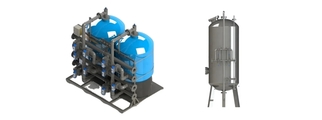
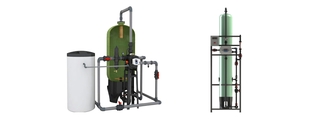
- Pre-treatment design and effectiveness
- Operating parameters
- Maintenance frequency and quality
- Filter replacement schedule and monitoring for the best reverse osmosis water filter system performance
- Practical replacement intervals
- Monitoring metrics to track
- Step-by-step filter replacement and membrane care for TWV - 412
- Pre-filter and carbon cartridge replacement (typical procedure)
- RO membrane inspection and replacement guidance
- Maintenance best practices to maximize lifespan
- Keep a maintenance log and baseline performance data
- Schedule routine chemical cleanings and sanitizations
- Train staff and use OEM parts
- Troubleshooting: common problems and solutions
- Problem: Rising permeate TDS
- Problem: Rapid DP rise across pre-filters
- Problem: Low permeate flow
- Cost considerations and ROI of proactive filter replacement
- Short-term vs long-term cost
- Why the TWV - 412 is a top choice among the best reverse osmosis water filter system options
- Design and build quality
- Serviceability and OEM support
- Scalability and customization
- FAQ — Frequently Asked Questions
- How often should I replace the RO membrane in the TWV - 412?
- What are the signs that pre-filters need immediate replacement?
- Can I extend membrane life with chemical dosing?
- Is it necessary to use OEM membranes and cartridges?
- How do I dispose of used filters and membranes responsibly?
- Contact & Call to Action
- Authoritative references and further reading

Longevity and Filter Replacement for 500 LPH Reverse Osmosis (RO) Water Purification Machine TWV - 412
Why choosing the best reverse osmosis water filter system matters for longevity
Selecting a high-quality commercial RO system such as the 500 LPH Reverse Osmosis (RO) Water Purification Machine TWV - 412 affects total lifetime cost, water quality, and operational uptime. Longevity is not just about the RO membrane: pre-treatment, post-treatment, component quality, installation, and maintenance all decide whether a system behaves like the best reverse osmosis water filter system or becomes a recurring expense. Proper maintenance starts with correct setup. Following a detailed installation checklist for 500 LPH reverse osmosis TWV-412 ensures optimal performance from day one and prevents avoidable issues.
Product overview: 500 LPH Reverse Osmosis (RO) System TWV - 412
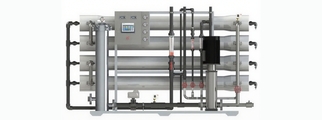
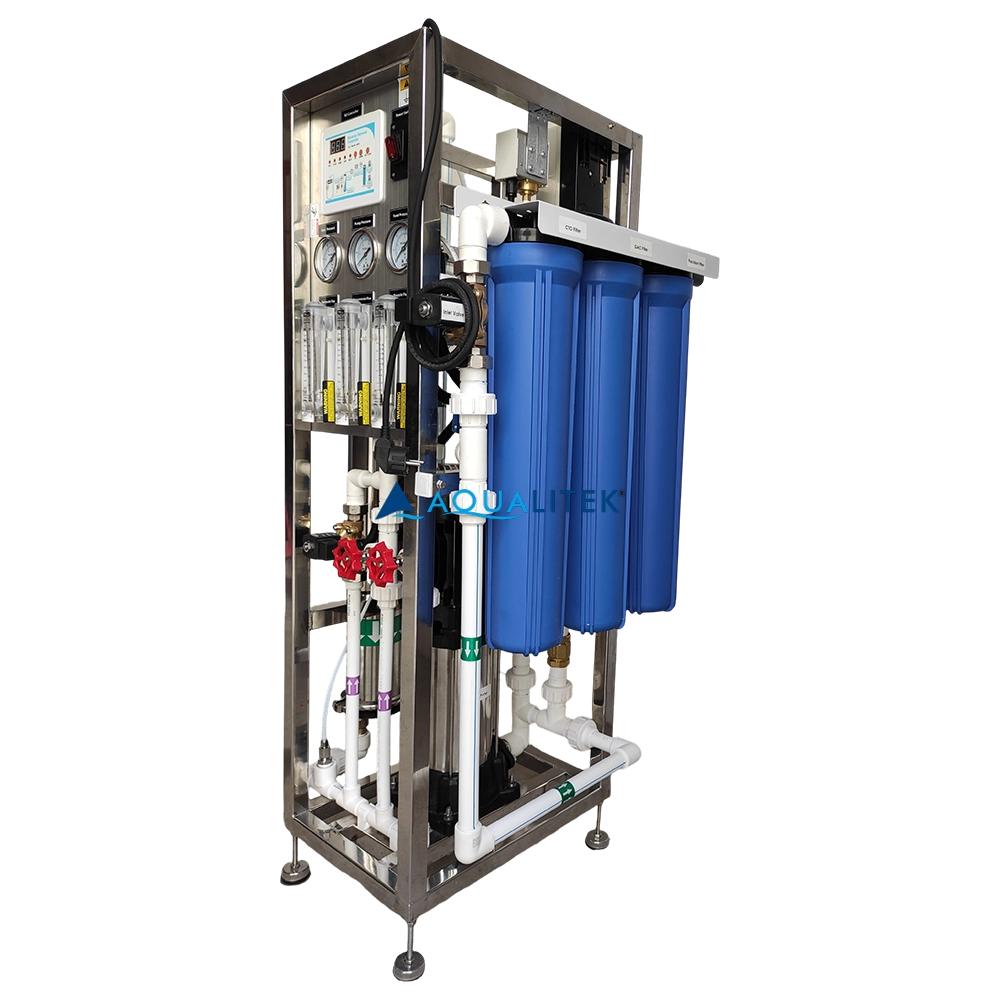
Our 500 LPH Reverse Osmosis (RO) System is engineered to provide high-quality purified water for commercial applications. Designed with advanced RO technology, durable components, and a user-friendly interface, this system ensures consistent performance, low maintenance, and long-term reliability.
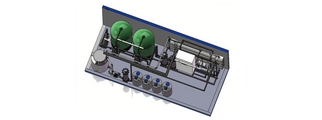
With its compact design and robust skid-mounted frame, it’s an excellent choice for businesses that demand efficiency and quality in water purification.
Expected longevity of the TWV - 412 and its major components
Overall system lifetime
When properly installed and maintained, the TWV - 412 can deliver reliable service for 10–15 years. The system’s skid-mounted structure and industrial-grade components contribute to structural longevity, while replaceable consumables (pre-filters, membranes, pumps) determine operating life and water quality over time.
Component-by-component lifespan
Different system parts have different expected lifespans. Planning replacement schedules for consumables and preventive maintenance for mechanical/electrical parts optimizes uptime and cost.
| Component | Typical Lifespan | Replacement/Service Trigger |
|---|---|---|
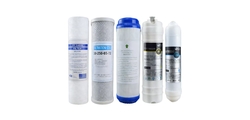
| Sediment pre-filter (5 μm or similar) | 3–6 months | Pressure drop increase, visual fouling |
| Activated carbon filter | 6–12 months | Taste/odor return, chlorine breakthrough |
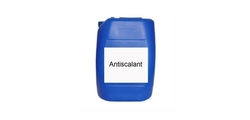
| Antiscalant dosing cartridges (if used) | 3–12 months | Flow rate decline or scaling signs |
| RO membrane(s) | 2–5 years (varies with feed water) | TDS rise >10–20% from baseline, flux decline |
| High-pressure pump | 5–10 years | Noise, vibration, reduced pressure, seal failure |
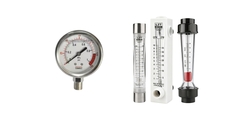
| Valves, gauges, fittings | 5–15 years | Leakage, wear, inaccurate readings |
| Control electronics / PLC | 7–12 years | Frequent resets, errors, obsolete firmware |
Key factors that affect longevity and filter life
Feed water quality and variability
Hardness, iron, manganese, silica, tannins, organics, and microbiological load impact membrane fouling and pre-filter clogging. Hard, high-TDS water shortens membrane life unless softened or treated with antiscalant.
Pre-treatment design and effectiveness
Good pre-treatment (correctly sized sediment filters, activated carbon, water softeners, antiscalant dosing) drastically reduces membrane fouling and extends overall system life. Systems that cut corners on pre-treatment often see membrane replacement every 6–18 months.
Operating parameters
Operating recovery rate, flux (GFD), pressure, and temperature influence membrane stress. Running within manufacturer-recommended ranges maximizes membrane lifetime.
Maintenance frequency and quality
Regular scheduled maintenance—filter changes, chemical cleaning, sanitization, and monitoring—are essential. Poorly executed maintenance or skipping intervals leads to irreversible fouling and higher lifecycle costs.
Filter replacement schedule and monitoring for the best reverse osmosis water filter system performance
Practical replacement intervals
Replace pre-filters and carbon on a predictable schedule and base membrane change on performance metrics rather than calendar time alone:
- Sediment pre-filter: every 3–6 months (or when DP increases by >0.5–1.0 bar).
- Activated carbon: every 6–12 months (or when chlorine breakthrough is detected).
- RO membrane: evaluate annually; replace when permeate TDS increases by 10–20% versus new-membrane baseline or permeate flow drops by 15–20%.
- Polishing filters (if present): 6–12 months depending on quality targets.
Monitoring metrics to track
Use objective parameters to decide replacements and cleaning: feed and permeate TDS/EC, differential pressure across pre-filters and cartridges, permeate flow rate, system recovery, and visual inspection for fouling/scaling. Logging trends simplifies proactive maintenance.
Step-by-step filter replacement and membrane care for TWV - 412
Pre-filter and carbon cartridge replacement (typical procedure)
- Shut down the system following the operator manual and close inlet valves.
- Relieve pressure from housings; open housings using the correct tool.
- Dispose of old cartridges responsibly and install new cartridges with correct orientation and seals.
- Close housings, slowly open inlet valves, check for leaks, and purge air from the system.
- Record the date and DP values in the maintenance log.
RO membrane inspection and replacement guidance
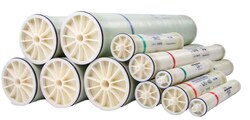
Membrane handling requires cleanliness and careful insertion to avoid damage. If permeate TDS has risen or flux declined significantly after verified pre-treatment, perform a membrane integrity check and chemical cleaning. If cleaning fails to restore performance to acceptable levels, replace membranes as a set for consistent performance.
Maintenance best practices to maximize lifespan
Keep a maintenance log and baseline performance data
Record baseline TDS, permeate flow, feed pressure, and temperatures on installation. Compare weekly or monthly to detect early decline and plan cleaning before irreversible fouling.
Schedule routine chemical cleanings and sanitizations
Follow manufacturer-recommended cleaning intervals and chemistries (acid for scaling, alkaline/oxidizing for organics). Avoid overuse of aggressive chemicals that can damage membrane chemistry.
Train staff and use OEM parts
Operator training prevents common mistakes and using manufacturer- or OEM-specified parts and membranes ensures expected performance and warranty compliance.
Troubleshooting: common problems and solutions
Problem: Rising permeate TDS
Causes: membrane fouling, membrane breach, poor pre-treatment, or a failed permeate line. Actions: check feed water, confirm pre-filter condition, test membrane integrity, and run cleaning protocols.
Problem: Rapid DP rise across pre-filters
Causes: particulate load or backwashing needed. Actions: replace sediment filters, inspect feed screens, consider coarser upstream filtration if feed is very turbid.
Problem: Low permeate flow
Causes: scaling, pump failure, clogged membranes, or valve misconfiguration. Actions: verify feed pressure, inspect pump performance, and perform membrane cleaning.
Cost considerations and ROI of proactive filter replacement
Short-term vs long-term cost
Reactively waiting until membranes fail often increases costs—frequent full-membrane replacements and downtime are expensive. Preventive replacement of inexpensive pre-filters and timely membrane cleanings deliver lower total cost of ownership.
| Approach | Typical Annual Cost Impact | Downtime Risk |
|---|---|---|
| Reactive maintenance | High (membrane replacements, emergency service) | High |
| Preventive maintenance | Moderate (scheduled filter swaps, cleaning) | Low |
| Proactive optimization (monitoring + OEM consumables) | Lower over lifecycle | Minimal |
Why the TWV - 412 is a top choice among the best reverse osmosis water filter system options
Design and build quality
The TWV - 412 combines robust skid-mounted framing, industrial-grade pumps, and accessible service points for quick filter changes. This design reduces installation complexity and facilitates preventive maintenance, contributing to longer lifetimes.
Serviceability and OEM support
Easy access to cartridges and membranes, built-in monitoring points, and optional remote monitoring modules make it easier to implement maintenance schedules and respond to alerts—critical attributes of systems that consistently perform like the best reverse osmosis water filter system.
Scalability and customization
The TWV - 412 can be paired with different pre-treatment trains (softening, dechlorination, antiscalant dosing) tailored to site-specific feed water, which increases membrane life and overall system durability.
FAQ — Frequently Asked Questions
How often should I replace the RO membrane in the TWV - 412?
Typically every 2–5 years, depending on feed water quality, pre-treatment effectiveness, and operational parameters. Use TDS, permeate flow, and differential pressure trends to decide timing.
What are the signs that pre-filters need immediate replacement?
Sharp increase in differential pressure across the filter housings, visible discoloration, reduced flow to the RO unit, or a sudden change in permeate quality are clear indicators.
Can I extend membrane life with chemical dosing?
Yes. Proper antiscalant dosing and pretreatment (softening or sequestering) significantly reduce scaling and fouling. Use manufacturer-recommended dosages and monitor residuals.
Is it necessary to use OEM membranes and cartridges?
OEM parts are recommended because they are validated for the system's pressures, flow rates, and seal interfaces. Non-OEM parts may reduce performance or void warranties.
How do I dispose of used filters and membranes responsibly?
Follow local regulations for waste disposal. Many cartridges can be disposed as industrial solid waste; membranes may have special disposal requirements depending on contaminants. Your supplier can advise local guidelines.
Contact & Call to Action
For personalized maintenance plans, replacement kits, or to view the 500 LPH Reverse Osmosis (RO) Water Purification Machine TWV - 412, contact our sales and service team. We offer site surveys, installation assistance, and scheduled service contracts to keep your system performing like the best reverse osmosis water filter system in its class.
Email: sales@example.com | Phone: +1-800-555-ROWT | View product: https://www.example.com/products/twv-412
Authoritative references and further reading
- Reverse osmosis — Wikipedia: https://en.wikipedia.org/wiki/Reverse_osmosis
- NSF International — Standards and Certifications: https://www.nsf.org/
- U.S. EPA — Drinking Water Standards and Regulations: https://www.epa.gov/dwstandardsregulations
- World Health Organization — Drinking-water quality: https://www.who.int/health-topics/drinking-water
- DuPont Water Solutions (FilmTec membranes) — Product and technical pages: https://www.dupont.com/water.
- American Water Works Association (AWWA): https://www.awwa.org/
By following the schedules and best practices in this guide, the TWV - 412 will deliver predictable, high-quality water while minimizing lifecycle costs and downtime. Regular monitoring, correct pre-treatment design, and timely replacement of consumables are the practical ways to ensure your system functions as the best reverse osmosis water filter system for your commercial needs.
Top 10 water treatment systems Manufacturers and Supplier Brands
RO vs UV vs Activated Carbon: Which System Fits You?
How the Best Reverse Osmosis Water Filter System Improves Taste
Key Certifications for a Best Reverse Osmosis Water Filter System
Water Filters
Are your filters suitable for seawater or chemical-heavy applications?
Yes, we offer FRP and stainless steel housings resistant to corrosion and suitable for marine or aggressive chemical environments.
FAQ-aqualitek
What types of water treatment systems does AQT offer?
AQT provides a wide range of water purification solutions, including reverse osmosis (RO) systems, ultrafiltration (UF) systems, nanofiltration (NF) systems, deionization (DI) systems, electro-deionization (EDI) systems, chemical dosing systems, and water softeners. We also supply spare parts and components for water treatment systems.
Solutions
What types of water treatment systems does AQT offer?
AQT provides a wide range of water purification solutions, including reverse osmosis (RO) systems, ultrafiltration (UF) systems, nanofiltration (NF) systems, deionization (DI) systems, electro-deionization (EDI) systems, chemical dosing systems, and water softeners. We also supply spare parts and components for water treatment systems.
Blog
Do softener systems remove iron or chlorine?
Not typically. If your water contains iron, manganese, or chlorine, consider a dual-system setup or add specialized pre-filters.
Ion Exchange Water Treatment Systems
What is the difference between softening and deionization?
Softening removes only hardness ions (Ca²⁺, Mg²⁺), while deionization removes both cations and anions to produce high-purity water.
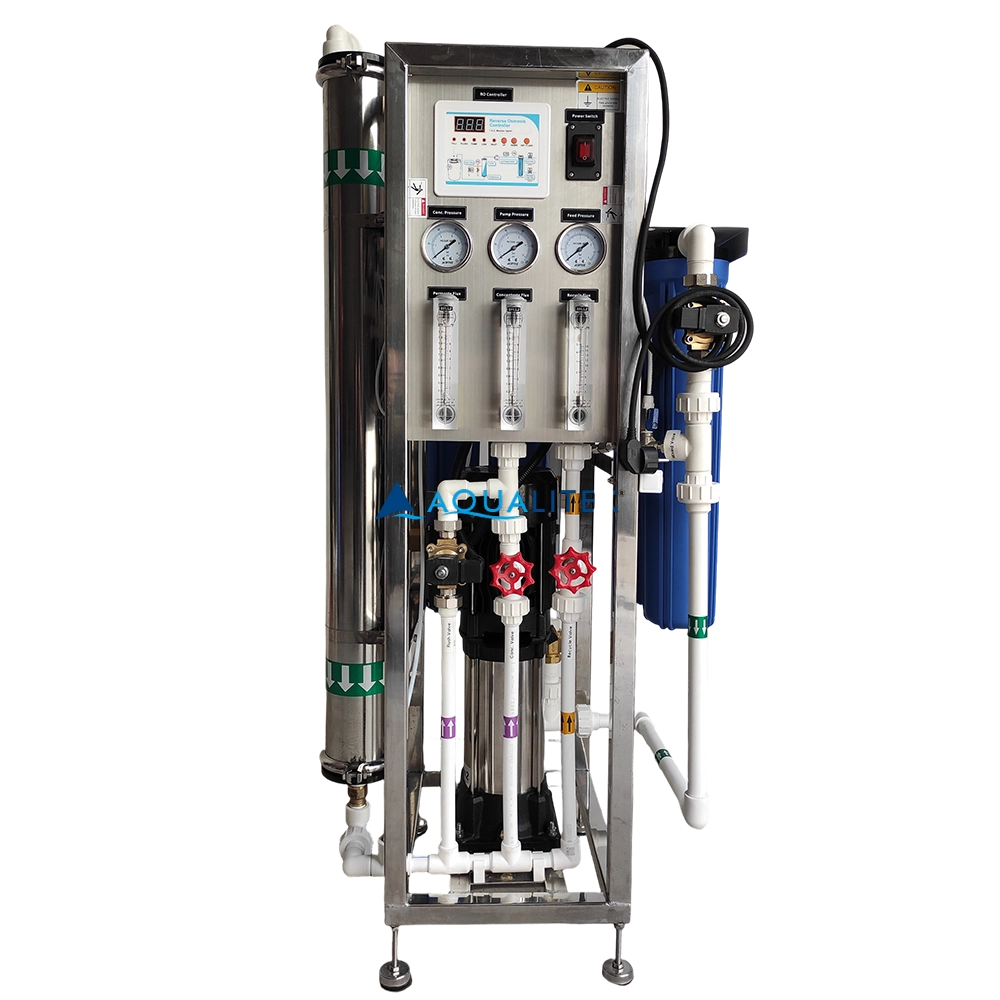
500 LPH Reverse Osmosis (RO) Water Purification Machine TWV - 412
Our 500 LPH Reverse Osmosis (RO) System is engineered to provide high-quality purified water for commercial applications. Designed with advanced RO technology, durable components, and a user-friendly interface, this system ensures consistent performance, low maintenance, and long-term reliability.
With its compact design and robust skid-mounted frame, it’s an excellent choice for businesses that demand efficiency and quality in water purification.
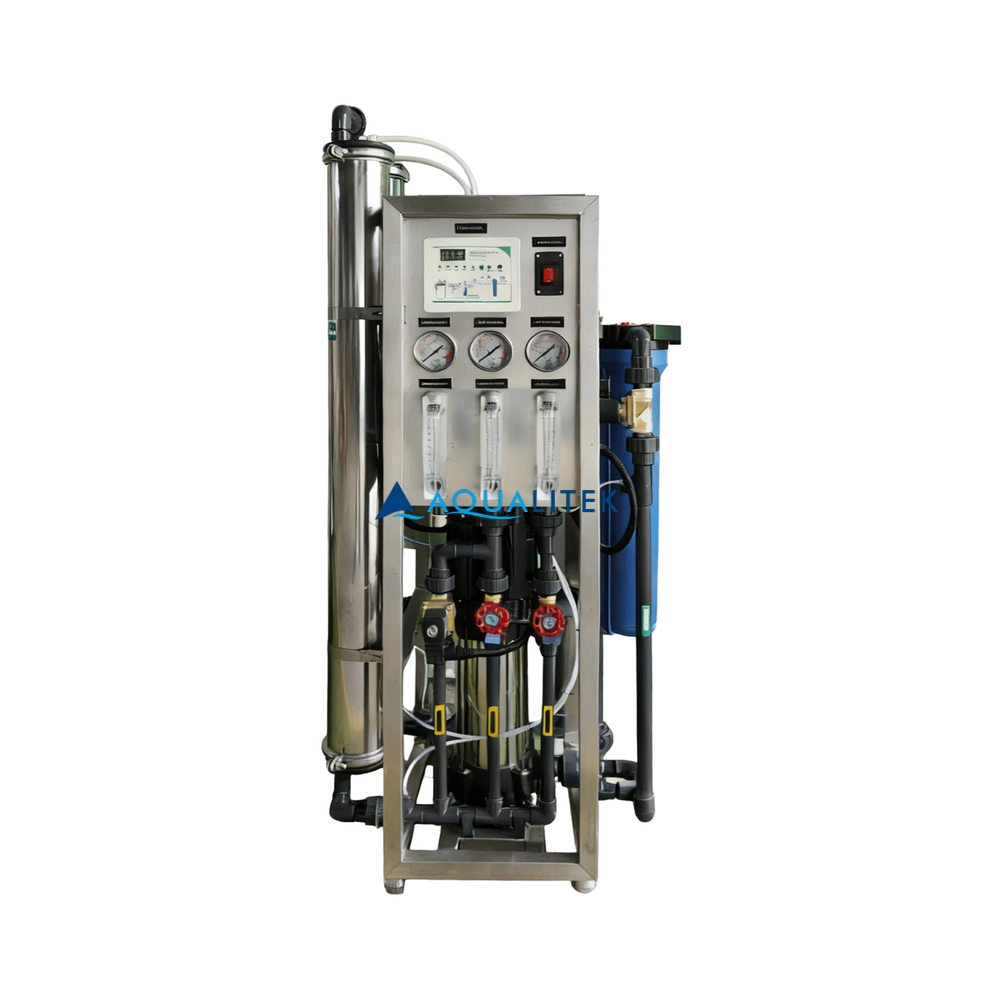
Tap Water Reverse Osmosis (TWRO) Systems TWV Series
TWV series Reverse Osmosis (RO) systems are pre-engineered and pre-assembled units with 2.5”/4” membrane housings(single element type)for tap water(lower TDS).They are designed for overall superior performance, high recovery rates and offer great savings with low maintenance and operation costs.
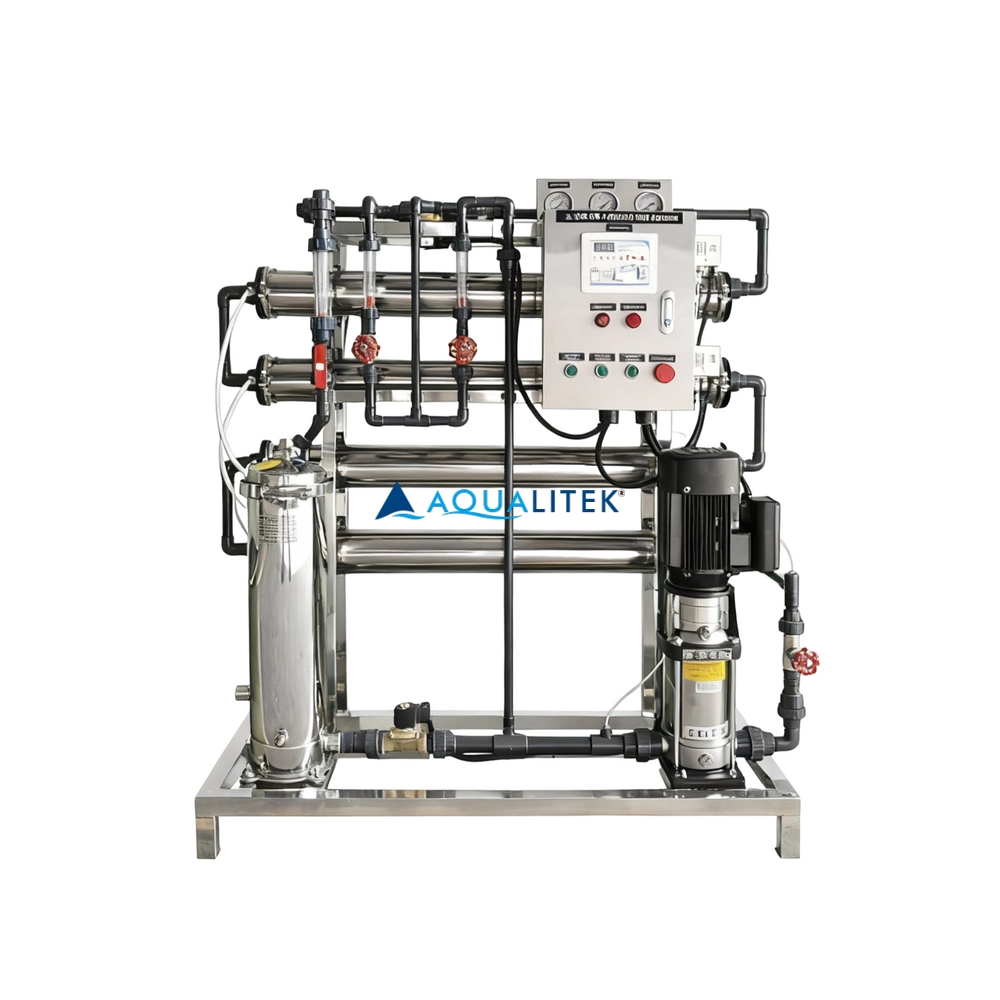
Tap Water Reverse Osmosis (TWRO) Systems TWF Series
TWF series Reverse Osmosis (RO) systems are pre-engineered and pre-assembled units with 4” membrane housings(multiple elements type) for tap water(lower TDS) .The medium large volumes can help meet your a variety of commercial and industrial applications. They are designed for overall superior performance, high recovery rates and offer great savings with low maintenance and operation costs.

Tap Water Reverse Osmosis (TWRO) Systems TWE Series
TWE series Reverse Osmosis (RO) systems are pre-engineered and pre-assembled units with 8” membrane housings for tap water (lower TDS). The large volumes can help meet your a variety of industrial applications. They are designed for overall superior performance, high recovery rates and offer great savings with low maintenance and operation costs.
Request More Information
Contact us today for product catalogs, customization options, and a free quotation designed for your business needs.
Rest assured that your privacy is important to us, and all information provided will be handled with the utmost confidentiality.
© 2026 AQUALITEK. All rights reserved.
AQUALITEK- Aimee Hoo
AQUALITEK - Aimee Hoo