




Installation Checklist for 500 LPH Reverse Osmosis TWV - 412
- Installation Checklist for 500 LPH Reverse Osmosis TWV - 412 — Your Guide to the Best Reverse Osmosis Water Filter System
- Pre-Installation Assessment: Determine If Your Site Is Ready for the 500 LPH RO
- Tools & Materials Required for Installation of the TWV - 412
- Mechanical Installation: Mounting, Piping, and Valve Configuration
- Pretreatment Setup & Target Water Quality (Key to Achieving Best Reverse Osmosis Water Filter System Performance)
- Electrical & Control Wiring: Safe Connections and Automation
- Start-up & Commissioning: Step-by-Step Procedure for Reliable Performance
- Performance Acceptance Test (PAT)
- Common Installation Pitfalls & Troubleshooting
- Maintenance & Operational Best Practices for Long-Term Reliability
- Spare Parts & Consumables Recommendation
- Why the 500 LPH Reverse Osmosis (RO) Water Purification Machine TWV - 412 Is an Excellent Choice
- FAQ — Frequently Asked Questions
- Q: Is the TWV - 412 suitable for drinking water production?
- Q: What is the expected power consumption for a 500 LPH RO like TWV - 412?
- Q: How often should membranes be replaced?
- Q: Can the unit handle high TDS seawater?
- Q: What initial tests should be conducted after installation?
- Contact & View Product
- Authoritative References & Further Reading

Installation Checklist for 500 LPH Reverse Osmosis TWV - 412 — Your Guide to the Best Reverse Osmosis Water Filter System
Pre-Installation Assessment: Determine If Your Site Is Ready for the 500 LPH RO
Before unpacking the 500 LPH Reverse Osmosis (RO) Water Purification Machine TWV - 412, perform a thorough site assessment. This phase establishes whether the location, utilities, and feed water quality meet the system’s requirements and contributes to efficient commissioning of what many businesses consider the best reverse osmosis water filter system for commercial needs.
- Feed Water Source and Quality: Collect recent water analysis (TDS, hardness, SDI, turbidity, iron, chlorine). RO membranes are sensitive to fouling and oxidants; understanding feed quality dictates pretreatment choices.
- Flow Availability: Confirm a reliable feed flow rate and pressure — the TWV - 412 requires a continuous feed sufficient to sustain 500 LPH permeate at designed recovery. Note feed pump requirements; some installations need a dedicated high-pressure pump.
- Space and Access: Verify footprint, clearance for maintenance, and room for piping and electrical routing. The compact skid-mounted TWV - 412 requires clearance on the front and service side for element access and valve operation.
- Drainage and Waste Handling: RO rejects (concentrate) must be discharged per local regulations. Ensure suitable drain capacity or plan for recovery reuse or discharge neutralization.
- Electrical Supply: Confirm voltage, phase, breaker sizing, and availability of earthing/grounding per the TWV - 412 electrical requirements.
- Permits & Safety: Identify any local plumbing or environmental permits and site safety protocols for chemical storage (antiscalant, cleaning chemicals) and confined space considerations.
Tools & Materials Required for Installation of the TWV - 412
Gather tools and materials before starting to reduce downtime. Include spares and consumables for initial commissioning and first-month service.
- Basic tools: wrenches, pipe cutters, screwdrivers, torque wrench, thread sealant, pipe tape.
- Specialty tools: manifold pressure gauges, conductivity meter/TDS meter, flow meter for permeate and concentrate, SDI tester, multimeter.
- Piping & fittings: stainless steel or UPVC piping compatible with potable water, unions, isolation valves, check valves, pressure relief valves.
- Electrical supplies: cable sized to TWV - 412 specs, control wiring, conduit, terminal connectors, circuit breakers, grounding materials.
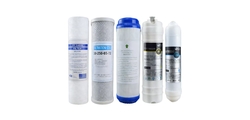
- Pretreatment consumables: cartridge filters (5 µm / 1 µm), activated carbon, water softener media if needed, antiscalant dosing unit and chemicals.
- Safety & service: PPE, containment pans, spare RO membranes, pumps seals, gauge replacement parts, O-rings.
Mechanical Installation: Mounting, Piping, and Valve Configuration
Mechanical work is the backbone of a successful RO installation. Follow the TWV - 412 mechanical diagram and adhere to good piping practice to minimize pressure losses and facilitate maintenance.
- Positioning & Anchoring: Place the skid on a stable, level concrete pad or structural support. Use vibration isolation pads if pumps are mounted on the skid.
- Piping Connections: Connect feed (inlet), permeate (product), and concentrate (reject) lines. Use short, direct runs and gradual bends. Install isolation valves on each line for safe maintenance.
- Backflow Prevention: Fit check valves to prevent reverse flow into the unit.
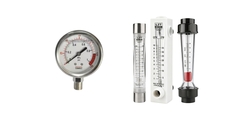
- Pressure Gauges and Instrumentation: Install feed pressure, membrane vessel inlet/outlet, and concentrate gauges for monitoring. Include a permeate flow meter and conductivity probe after post-treatment.
- Flush and Bypass Lines: Provide flush valves and a bypass to allow chemical flushing and membrane rinse without disrupting the entire plant.
Pretreatment Setup & Target Water Quality (Key to Achieving Best Reverse Osmosis Water Filter System Performance)
Pretreatment is essential to protect membranes and maintain performance. The TWV - 412 excels when paired with the correct pretreatment sequence tailored to feed water.
- Typical Pretreatment Sequence: multimedia/sand filter → activated carbon (remove chlorine) → water softener (if hardness high) → cartridge filtration (1–5 µm) → antiscalant dosing ahead of the high-pressure pump.
- Chlorine Protection: Many RO membranes are chlorine-sensitive. Ensure activated carbon removal or dechlorination to avoid premature membrane damage.
Recommended feed water target parameters before the RO unit:
| Parameter | Recommended Target for TWV - 412 Pretreatment | Why It Matters |
|---|---|---|
| Turbidity | < 1 NTU | Reduces fouling and protects membranes |
| SDI (Silt Density Index) | < 3 (preferably < 1) | Indicator of particulate fouling risk |
| Chlorine | Non-detectable (0 mg/L) | Chlorine degrades polyamide membranes |
| Hardness (as CaCO3) | < 1 - 3 meq/L (or softened) | Prevents scaling on membranes |
| Iron/Manganese | < 0.1 mg/L | Metal fouling and staining risk |
| TDS (Total Dissolved Solids) | Depends on source; RO can handle high TDS, but pre-treatment improves recovery | Impacts osmotic pressure and recovery rates |
Electrical & Control Wiring: Safe Connections and Automation
Proper electrical installation and control integration improves safety and ensures the TWV - 412 operates at designed parameters.
- Power Supply: Connect per nameplate specifications. Use dedicated circuits and correct overcurrent protection. Confirm phase rotation for three-phase motors.
- Grounding & Bonding: Proper earth connection prevents electrical hazards and reduces noise for sensors.
- Control Panel Wiring: Follow wiring schematics for PLC/controls. Connect conductivity sensors, pressure transducers, flow meters, and level switches. Program alarms for high/low feed pressure, high conductivity, low permeate flow, and tank levels.
- Remote Monitoring/BMS: If integrating into a building management system, use appropriate communication protocols (Modbus, 4–20 mA signals) and validate signals during commissioning.
Start-up & Commissioning: Step-by-Step Procedure for Reliable Performance
Following a methodical startup prevents damage and verifies guaranteed output. Typical commissioning steps for the TWV - 412 include the following.
- Leak & Integrity Check: With the system depressurized, confirm all piping and fittings are tight, and valves are in correct positions.
- Flush Pretreatment: Ensure cartridge filters and carbon vessels are clean and fully wetted. Remove air pockets in the piping.
- Feed Pump & Low-Pressure Start: Start feed pump without high pressure across membranes to remove trapped air, slowly increasing pressure while monitoring for leaks.
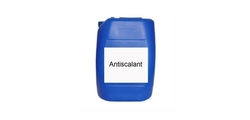
- Introduce Antiscalant & Stabilize: Start chemical dosing and let the system run at low recovery to stabilize feed conditions for the membranes.
- Membrane Rinse & Pressurize: Gradually raise operating pressure to nominal and perform membrane flushing at designed flow and pressure to remove manufacturing preservatives and fines.
- Performance Measurement: Record permeate flow (should be close to 500 LPH under rated conditions), permeate conductivity/TDS, feed/concentrate pressures, and percent salt rejection (% rejection = ((TDSfeed – TDSPerm)/TDSfeed) × 100).
- Adjust Recovery & Recycle: Set recovery rate to design value to balance permeate production and concentrate discharge; validate against manufacturer recommendations for TWV - 412.
Performance Acceptance Test (PAT)
Conduct a PAT over several hours to validate stable operation under typical loading. Document:
- Permeate flow and quality (TDS, conductivity)
- Feed, permeate, concentrate pressures
- Energy consumption (kW per m3)
- Alarms and control responses
If results deviate from specifications, review pretreatment, pump operation, membrane condition, and control settings.
Common Installation Pitfalls & Troubleshooting
Be aware of common issues that can compromise the performance of the TWV - 412 and how to remedy them:
- High Feed SDI/Turbidity → Cause: insufficient pretreatment. Fix: add or upgrade multimedia/cartridge filtration.
- Membrane Chlorine Damage → Cause: chlorine in feed. Fix: verify carbon filter integrity; replace membranes if damaged.
- Low Permeate Flow → Cause: fouling, scaling, or pump underperformance. Fix: inspect pretreatment, check pump speed/pressure, perform chemical cleaning if necessary.
- High Permeate Conductivity → Cause: membrane damage or high recovery. Fix: check salt rejection across vessels, reduce recovery, consider membrane replacement.
- Leaks or Vibration → Cause: improper anchoring or piping stress. Fix: re-anchor skid, add flexible connectors, tighten loose fittings.
Maintenance & Operational Best Practices for Long-Term Reliability
To keep the TWV - 412 performing like the best reverse osmosis water filter system, implement an ongoing maintenance program:
- Daily: Monitor pressures, permeate flow, and conductivity. Log trends to detect gradual degradation.
- Weekly: Inspect pretreatment filters, check dosing systems, and verify chemical levels.
- Monthly: Replace cartridge filters; inspect pump seals and lubrication.
- Quarterly / Semi-Annual: Perform chemical cleaning (CIP) based on differential pressures and permeate decline. Verify calibration of sensors and meters.
- Annually: Replace membranes as recommended based on performance decline, and perform a full system audit.
Spare Parts & Consumables Recommendation
Maintain an inventory of critical spares to minimize downtime:
- RO membranes (1–2 sets depending on criticality)
- Cartridge filters and housings
- Sensors (conductivity, pressure) and flow meters
- Seals, O-rings, and pump spare kits
- Chemicals: antiscalant, cleaning acids/alkalis, sanitizers
Why the 500 LPH Reverse Osmosis (RO) Water Purification Machine TWV - 412 Is an Excellent Choice
The TWV - 412 combines modern membrane technology, durable components, and user-focused design, which are key considerations for anyone searching for the best reverse osmosis water filter system for commercial applications. Key advantages include:
- Consistent 500 LPH output with optimized recovery rates to reduce water waste.
- Skid-mounted compact design for straightforward installation and saving valuable floor space.
- Advanced control and monitoring for reliable operations and integration with building systems.
- Low-maintenance components and robust pretreatment compatibility to extend membrane life and reduce operating cost.
FAQ — Frequently Asked Questions
Q: Is the TWV - 412 suitable for drinking water production?
A: Yes. With proper pretreatment, commissioning, and post-treatment (where applicable, e.g., disinfection, mineralization), the TWV - 412 is suitable for producing potable-quality water for commercial uses. Always verify local regulatory standards and certification requirements for drinking water systems.
Q: What is the expected power consumption for a 500 LPH RO like TWV - 412?
A: Power use depends on feed TDS, feed pressure needs, and pump efficiency. Typical commercial RO systems in this capacity range may use between 0.5–2.0 kWh/m3 depending on design. Measure during commissioning for accurate energy planning.
Q: How often should membranes be replaced?
A: Membrane life depends on feed quality and maintenance. With good pretreatment and routine cleaning, membranes often last 3–7 years. Monitor performance metrics (permeate flow, salt rejection) to determine endpoint.
Q: Can the unit handle high TDS seawater?
A: The TWV - 412 is optimized for brackish and municipal feeds. Seawater RO requires specialized high-pressure membranes and design changes; consult the manufacturer for seawater configurations.
Q: What initial tests should be conducted after installation?
A: Conduct leak test, pressure verification, permeate TDS/conductivity, percent salt rejection, flow confirmation at 500 LPH, and alarm verification over a commissioning period.
Contact & View Product
Beyond installation, compliance and safety are critical for both commercial and industrial users. Reviewing key certifications for a best reverse osmosis water filter system helps verify quality, reliability, and regulatory approval.If you are ready to install or want professional assistance for the 500 LPH Reverse Osmosis (RO) Water Purification Machine TWV - 412, contact our technical sales team for personalized site assessment, quotation, and installation support. Click to view product specifications or request a site survey to ensure your installation follows this checklist and achieves the performance expected from the best reverse osmosis water filter system.
Authoritative References & Further Reading
For technical background and standards referenced in this checklist, see the following trusted sources:
- Reverse osmosis — Wikipedia: https://en.wikipedia.org/wiki/Reverse_osmosis
- World Health Organization — Guidelines for Drinking-water Quality: https://www.who.int/publications/i/item/9789241546780
- U.S. Environmental Protection Agency — Water Research and Treatment (general resources): https://www.epa.gov/water-research
- NSF International — Standards and Certification for Water Treatment: https://www.nsf.org/consumer-resources/articles/standards-for-water-treatment
By following this installation checklist and partnering with trained technicians, your TWV - 412 will deliver reliable, cost-effective purified water consistent with industry best practices. Proper pretreatment, careful commissioning, and a disciplined maintenance program are the keys to realizing the full benefits of what many businesses call the best reverse osmosis water filter system for commercial applications.
Maintenance and Lifecycle Considerations for Electrodeionization
Top Mistakes When Buying a Water Purification System: Practical Buyer’s Guide
Industrial Reverse Osmosis Machine Installation 2026
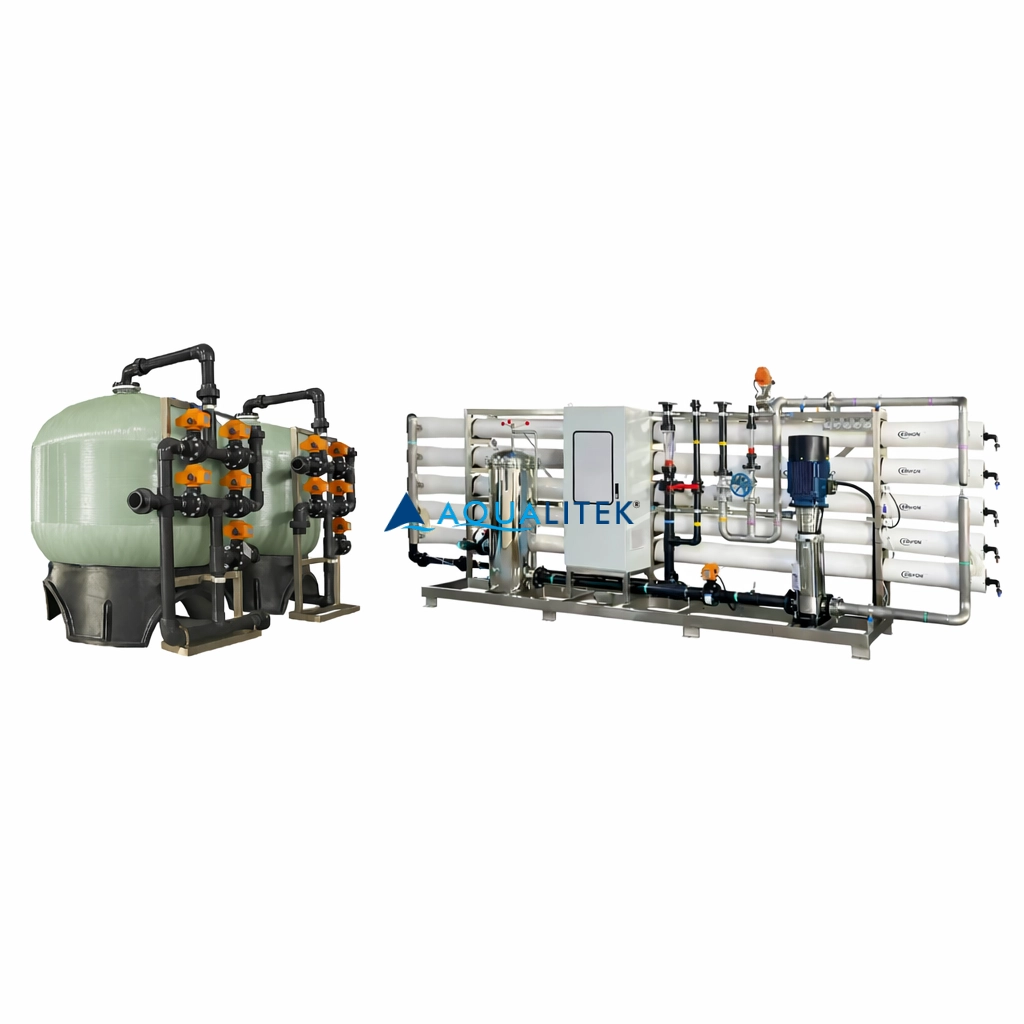
Maintenance Checklist for a 30TPH Industrial Reverse Osmosis System
Solutions
What is the difference between Reverse Osmosis (RO), Ultrafiltration (UF), and Nanofiltration (NF)?
1. Reverse Osmosis (RO): Removes up to 99.9% of contaminants, including salts, bacteria, viruses, and heavy metals.
2. Ultrafiltration (UF): Uses a membrane filtration process to remove bacteria and particles, while retaining essential minerals.
3. Nanofiltration (NF): Falls between RO and UF, removing some salts and organic compounds while allowing certain minerals to pass through.
Ion Exchange Water Treatment Systems
What is the difference between softening and deionization?
Softening removes only hardness ions (Ca²⁺, Mg²⁺), while deionization removes both cations and anions to produce high-purity water.
Water Filters
Can I automate the filter cleaning process?
Absolutely. Our automatic backwash filters come with timer-based or differential pressure-triggered controls.
How do I choose between a media filter and a micron filter?
Media filters are ideal for high-volume solids removal and can be backwashed. Micron filters offer precise filtration for fine particles and are best for polishing applications.
FAQ-aqualitek
What types of water treatment systems does AQT offer?
AQT provides a wide range of water purification solutions, including reverse osmosis (RO) systems, ultrafiltration (UF) systems, nanofiltration (NF) systems, deionization (DI) systems, electro-deionization (EDI) systems, chemical dosing systems, and water softeners. We also supply spare parts and components for water treatment systems.
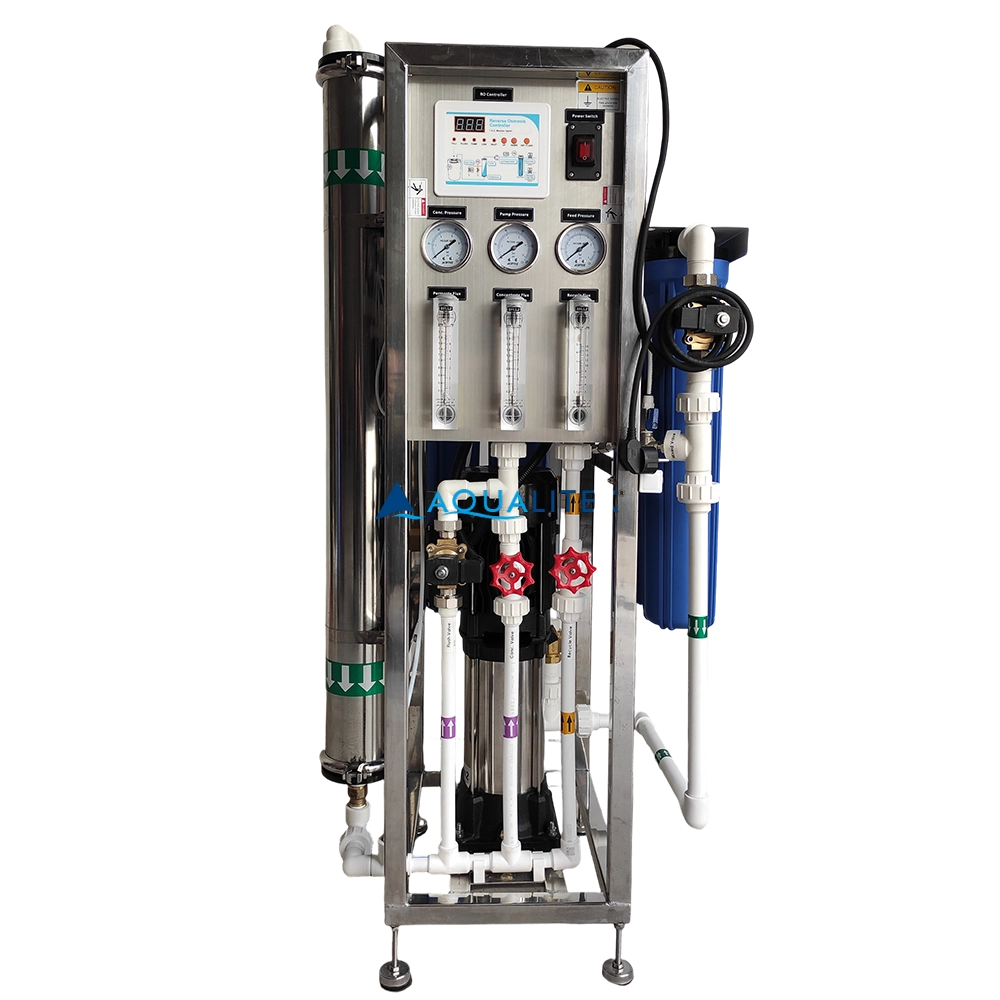
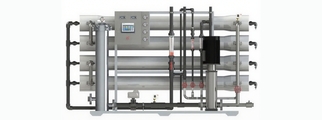
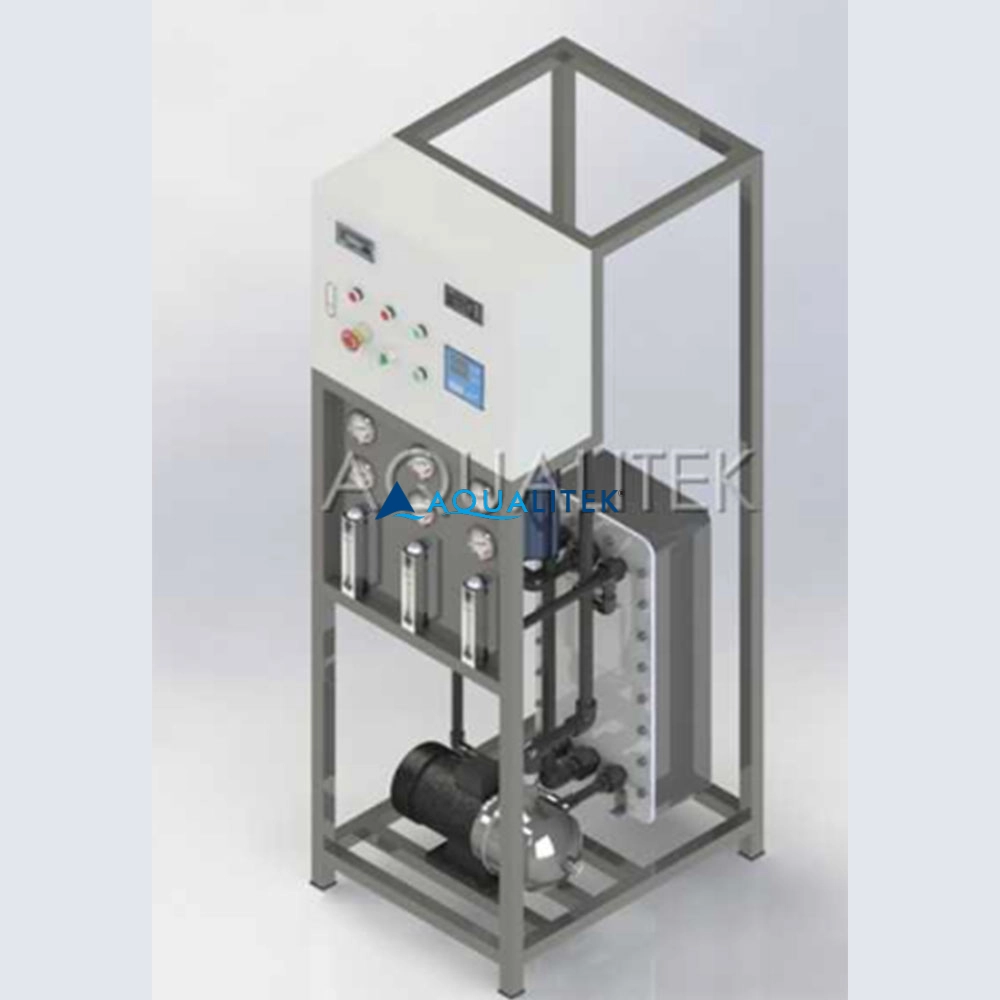
500 LPH Reverse Osmosis (RO) Water Purification Machine TWV - 412
Our 500 LPH Reverse Osmosis (RO) System is engineered to provide high-quality purified water for commercial applications. Designed with advanced RO technology, durable components, and a user-friendly interface, this system ensures consistent performance, low maintenance, and long-term reliability.
With its compact design and robust skid-mounted frame, it’s an excellent choice for businesses that demand efficiency and quality in water purification.
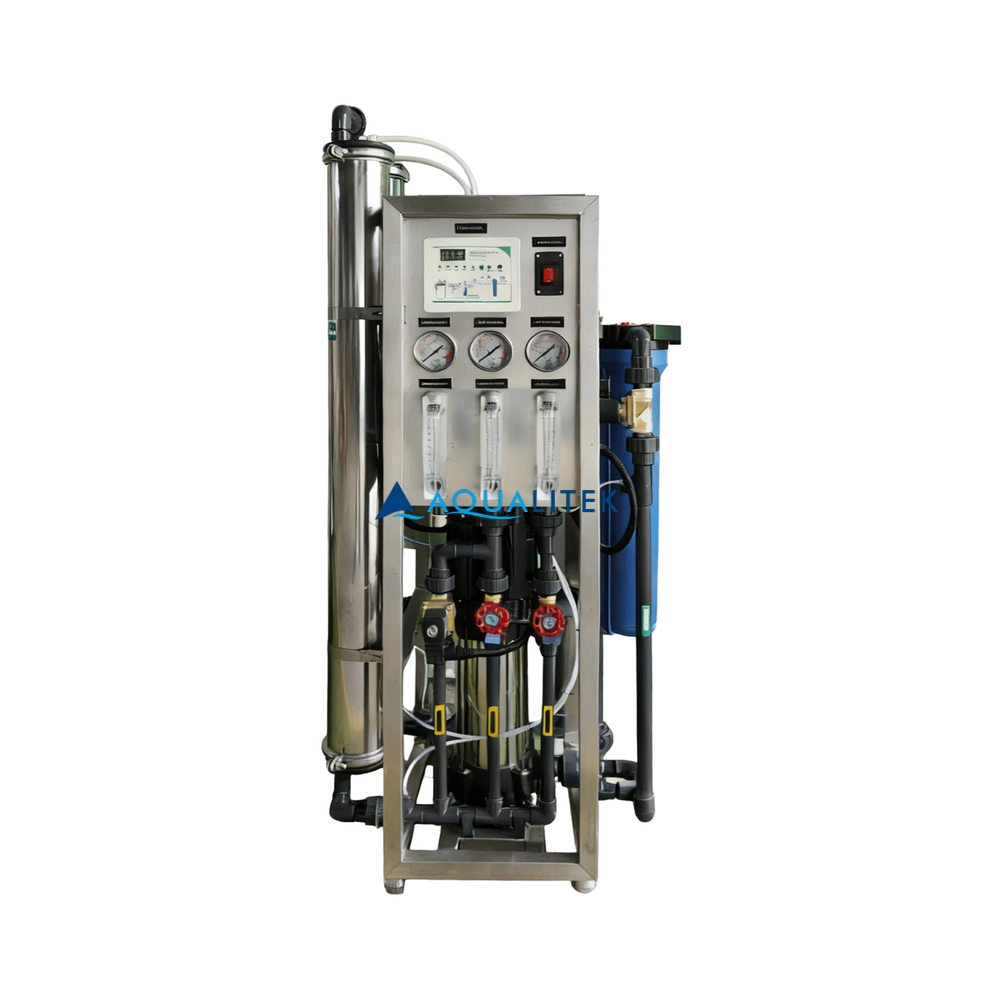
Tap Water Reverse Osmosis (TWRO) Systems TWV Series
TWV series Reverse Osmosis (RO) systems are pre-engineered and pre-assembled units with 2.5”/4” membrane housings(single element type)for tap water(lower TDS).They are designed for overall superior performance, high recovery rates and offer great savings with low maintenance and operation costs.
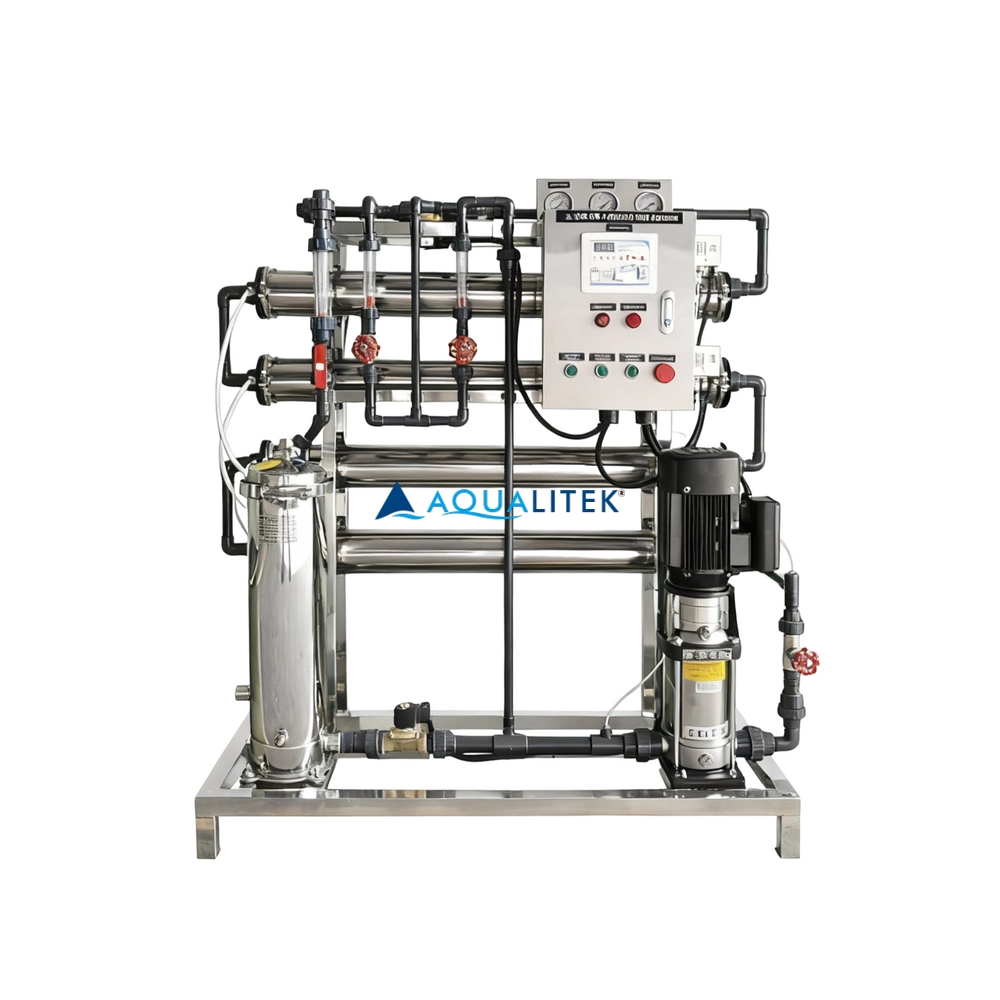
Tap Water Reverse Osmosis (TWRO) Systems TWF Series
TWF series Reverse Osmosis (RO) systems are pre-engineered and pre-assembled units with 4” membrane housings(multiple elements type) for tap water(lower TDS) .The medium large volumes can help meet your a variety of commercial and industrial applications. They are designed for overall superior performance, high recovery rates and offer great savings with low maintenance and operation costs.

Tap Water Reverse Osmosis (TWRO) Systems TWE Series
TWE series Reverse Osmosis (RO) systems are pre-engineered and pre-assembled units with 8” membrane housings for tap water (lower TDS). The large volumes can help meet your a variety of industrial applications. They are designed for overall superior performance, high recovery rates and offer great savings with low maintenance and operation costs.
Request More Information
Contact us today for product catalogs, customization options, and a free quotation designed for your business needs.
Rest assured that your privacy is important to us, and all information provided will be handled with the utmost confidentiality.
© 2026 AQUALITEK. All rights reserved.
AQUALITEK- Aimee Hoo
AQUALITEK - Aimee Hoo