




Maintenance Checklist for a 30TPH Industrial Reverse Osmosis System
- Essential routine maintenance for reliable 30TPH operation
- Daily checks — keep the commercial reverse osmosis system within design limits
- Visual and safety inspection
- Data logging and immediate corrective actions
- Periodic and preventive maintenance tasks
- Weekly and monthly tasks
- Quarterly membrane monitoring and cleaning schedule
- Annual preventive service and inspection
- Troubleshooting, spare parts and record-keeping
- Common issues and diagnostics
- Recommended spare parts and inventory
- Record-keeping and CMMS integration
- Safety, compliance and system optimization
- Compliance with regulations and standards
- Energy efficiency and recovery optimization
- Operator training and competency
- Maintenance schedule (quick reference)
- References and further reading
- FAQ — Maintenance & operation of the 30TPH Industrial RO System
- How often should membranes be replaced?
- What are the signs of scaling vs biological fouling?
- Can I run the system unattended?
- What spare parts should be prioritized?
- How do I validate post-maintenance water quality?
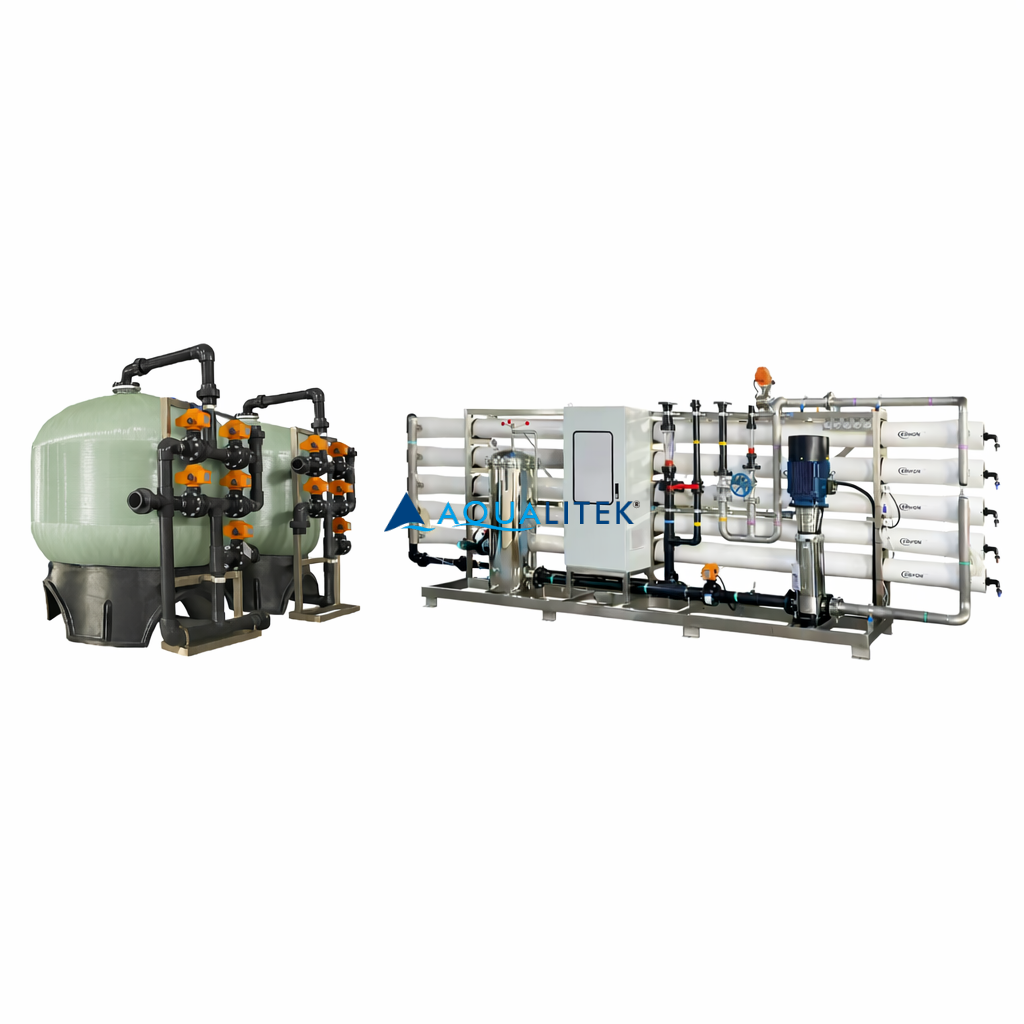
The 30TPH Industrial Reverse Osmosis (RO) System is optimized for large industrial and municipal water treatment applications across regions (Asia, Middle East, Europe, North America). This maintenance checklist helps plant operators and service teams ensure high salt rejection, energy-efficient operation and long membrane life while meeting local regulations and international guidelines such as WHO drinking-water recommendations and industry best practices. For design and operational reference, consult general reverse osmosis principles (Wikipedia - Reverse osmosis) and water treatment standards from organizations like the American Water Works Association and the U.S. EPA Water Research.
Product overview:
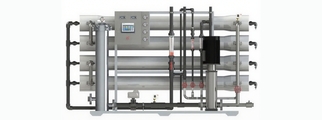
30TPH Industrial Reverse Osmosis (RO) System designed for industrial and municipal water treatment. High salt rejection, energy-efficient design, PLC control, and customizable configuration.
Essential routine maintenance for reliable 30TPH operation
Daily checks — keep the commercial reverse osmosis system within design limits
Daily inspections are focused on operating parameters that indicate immediate problems. Check feed pressure, permeate flow, permeate conductivity (or TDS), concentrate pressure and system alarms via the PLC. Track any deviation beyond normal operating bands—sudden drops in permeate flow or spikes in conductivity commonly indicate fouling, membrane damage or a feed-water quality change.
Visual and safety inspection
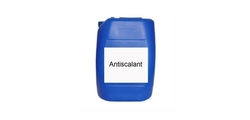
Walk the unit daily: look for leaks, unusual vibrations, abnormal noises from pumps or the energy recovery device (if fitted), and ensure safety interlocks and emergency stops are functional. Ensure chemical dosing pumps (antiscalant, coagulant, biocide) are running and tanks are not empty. Proper PPE and lockout-tagout procedures must be used when interacting with high-pressure components.
Data logging and immediate corrective actions
Use the PLC/HMI to archive key parameters for trend analysis. A commercial reverse osmosis system benefits from simple automated alarms to flag high differential pressure across cartridge filters, abnormal pressure drops across membranes, or low feed flow. Immediate actions should include switching to bypass/backwash (if available) or initiating a controlled shutdown to prevent irreversible membrane damage.
Periodic and preventive maintenance tasks
Weekly and monthly tasks
Weekly: Verify cartridge filter differential pressures and replace cartridges when dP exceeds manufacturer recommendations (typically 0.2–0.5 bar over clean condition). Inspect chemical dosing accuracy and top up consumables. Monthly: Perform a full system walkdown and check motor-bearing temperatures, belt tensions, and pump seals. Confirm that pre-treatment units (multimedia filters, softeners, chemical dosing) are performing as expected because feed-side failures cause most RO issues.
Quarterly membrane monitoring and cleaning schedule
Measure normalized permeate flow and salt rejection to determine the need for cleaning. A common performance trigger for clean-in-place (CIP) is a >10–15% decline in normalized permeate flow or a significant rise in permeate conductivity. Use a tailored CIP protocol (acid/alkaline or biocide sequence depending on foulant type). For guidance on fouling mechanisms and cleaning, see membrane science literature and reviews (RO fouling - Wikipedia).
Annual preventive service and inspection
Annually, perform a full system audit: pressure vessel integrity, membrane autopsy for retired membranes, check valves, gauges calibration, safety relief valves and electrical system inspection. Replace older membranes based on performance history (typically 3–7 years depending on feed water). Review PLC software backups and update the control logic if process needs have changed.
Troubleshooting, spare parts and record-keeping
Common issues and diagnostics
Low permeate flow: check feed pressure, feed TDS, scaling signs, clogged pre-filters, or pump degradation. High permeate conductivity: inspect membrane integrity (salt passage), check for faulty auto-dosing of antiscalant, or mixing/contamination downstream. High differential pressure across pressure vessels suggests fouling or partially blocked membrane elements. Document all diagnostics in the logbook for trend analysis.
Recommended spare parts and inventory
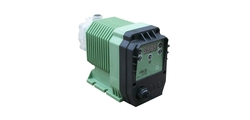
Maintain a critical spares list to reduce downtime. Typical items include:
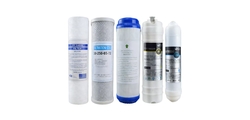
- Cartridge filters (1–3 months of demand)
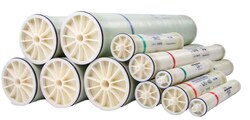
- Membrane elements (1–2 spare arrays or a selection of commonly used elements)
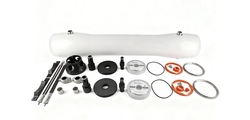
- Seals, O-rings and gaskets for pressure vessels
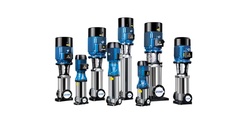
- High-pressure pump spare parts (mechanical seals, bearings)
- Dosing pump spare heads and check valves
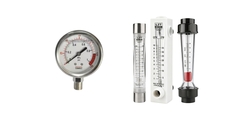
- Instrumentation spares: conductivity probes, pressure transmitters, flow meters
Record-keeping and CMMS integration
Logging maintenance tasks, CIP histories, and membrane performance data into a CMMS system improves reliability and supports warranty claims. Include calibration records, chemical batch numbers, and operator shift handovers. This creates an auditable trail for compliance with local authorities and standards like WHO guidance on water treatment (WHO Guidelines for Drinking-water Quality).
Safety, compliance and system optimization
Compliance with regulations and standards
Large commercial reverse osmosis systems often need to meet municipal discharge and potable water standards. Review local regulatory requirements and international guidance—AWWA and EPA resources provide valuable operational and research references (AWWA, EPA). Keep documentation available for inspectors and ensure the system is operated within the design envelope to avoid non-compliance.
Energy efficiency and recovery optimization
30TPH systems are energy-intensive. Regularly inspect energy recovery devices, maintain pump efficiency (alignment, bearing lubrication), and consider variable frequency drive (VFD) tuning to match load. Small improvements in feed pressure control and recovery can yield significant energy and OPEX savings. Evaluate ROI for energy recovery retrofits if not already installed.
Operator training and competency
Well-trained staff prevent many common failures. Provide routine training on PLC/HMI alarms, safe CIP procedures, chemical handling and basic membrane troubleshooting. Periodic competency assessments and refresher courses keep teams aligned with best practices.
Maintenance schedule (quick reference)
| Task | Frequency | Responsible | Trigger / Notes |
|---|---|---|---|
| Visual inspection & leak check | Daily | Operator | Any leak -> isolate and repair |
| Record PLC parameters (pressures, flows, conductivity) | Daily | Operator | Archive data for trend analysis |
| Cartridge filter change | Weekly to Monthly | Maintenance | When dP exceeds spec |
| CIP (membrane cleaning) | Quarterly or as needed | Technician | Triggered by normalized flow drop or higher conductivity |
| Membrane performance test & autopsy (if retired) | Annually | Engineer | Schedule based on lifecycle |
| Electrical & instrument calibration | Annually | Electrical/Instrumentation | Also calibrate after repairs |
References and further reading
For technical background and regulatory context, consult:
- Reverse osmosis — Wikipedia
- WHO Guidelines for Drinking-water Quality — operational guidance relevant to large systems
- American Water Works Association (AWWA) — standards and best practices
- U.S. EPA Water Research — studies on treatment and operational optimization
FAQ — Maintenance & operation of the 30TPH Industrial RO System
How often should membranes be replaced?
Membrane life depends on feed water quality and maintenance. Typical replacement ranges from 3 to 7 years. Performance decline is the primary trigger—if normalized permeate flow cannot be restored after CIP or if salt passage increases beyond acceptable limits, plan replacement. Keep at least one membrane element type in stock to minimize downtime.
What are the signs of scaling vs biological fouling?
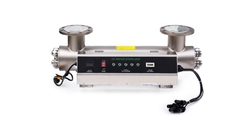
Scaling often causes rapid increases in differential pressure and localized deposits; it responds to acid cleaning. Biological fouling manifests as slimy deposits, increased bacterial counts and a gradual performance decline; it responds to enzymatic/biocide cleaning and improved pre-treatment (e.g., UV, chlorination where compatible with membranes).
Can I run the system unattended?
Short-term unattended operation is possible with a reliable PLC, remote monitoring, and automated alarms. However, scheduled inspections and a trained on-call technician are essential for large commercial reverse osmosis systems to prevent prolonged off-spec production or membrane damage.
What spare parts should be prioritized?
Prioritize cartridge filters, dosing pump heads, O-rings, a set of membrane elements or at least one spare element, and key instruments (conductivity probe, pressure transmitter). Keep a plan for lead times as membrane deliveries can be lengthy.
How do I validate post-maintenance water quality?
After maintenance or membrane replacement, run a performance test: steady-state permeate flow, conductivity/TDS, salt rejection, and bacterial analysis (if used for potable supply). Compare results to baseline commissioning data and manufacturer specs.
If you need a maintenance plan tailored to your site (feedwater analysis, pretreatment configuration, local regulations), contact our technical support team for on-site assessment and service packages. View full product details for the 30TPH Industrial Reverse Osmosis (RO) System or request a quote: View 30TPH RO System • Contact us: Request Service & Support.
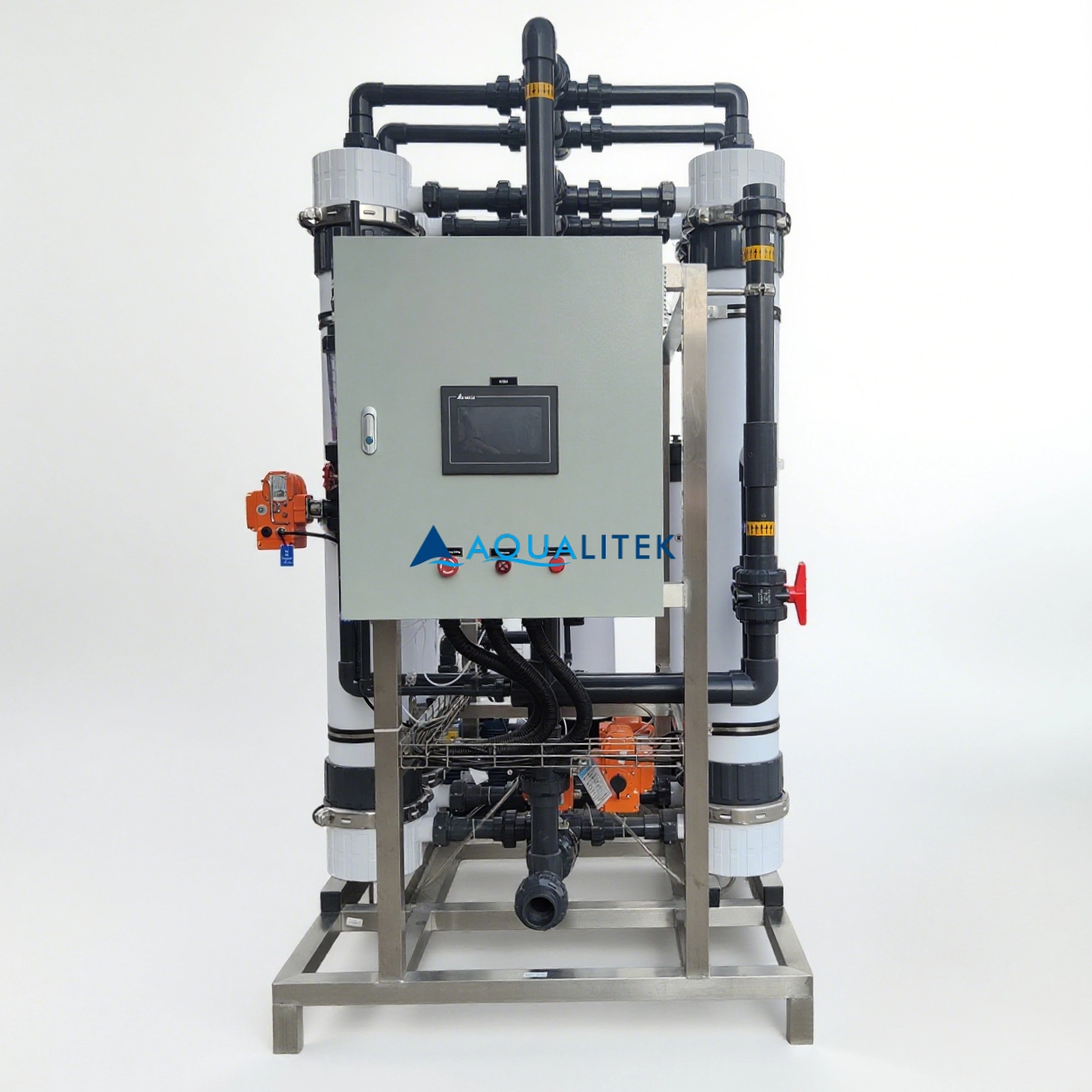
Scaling Water Treatment: When to Upgrade to a 12TPH UF Device

Total Cost of Ownership for Industrial RO Systems in Manufacturing
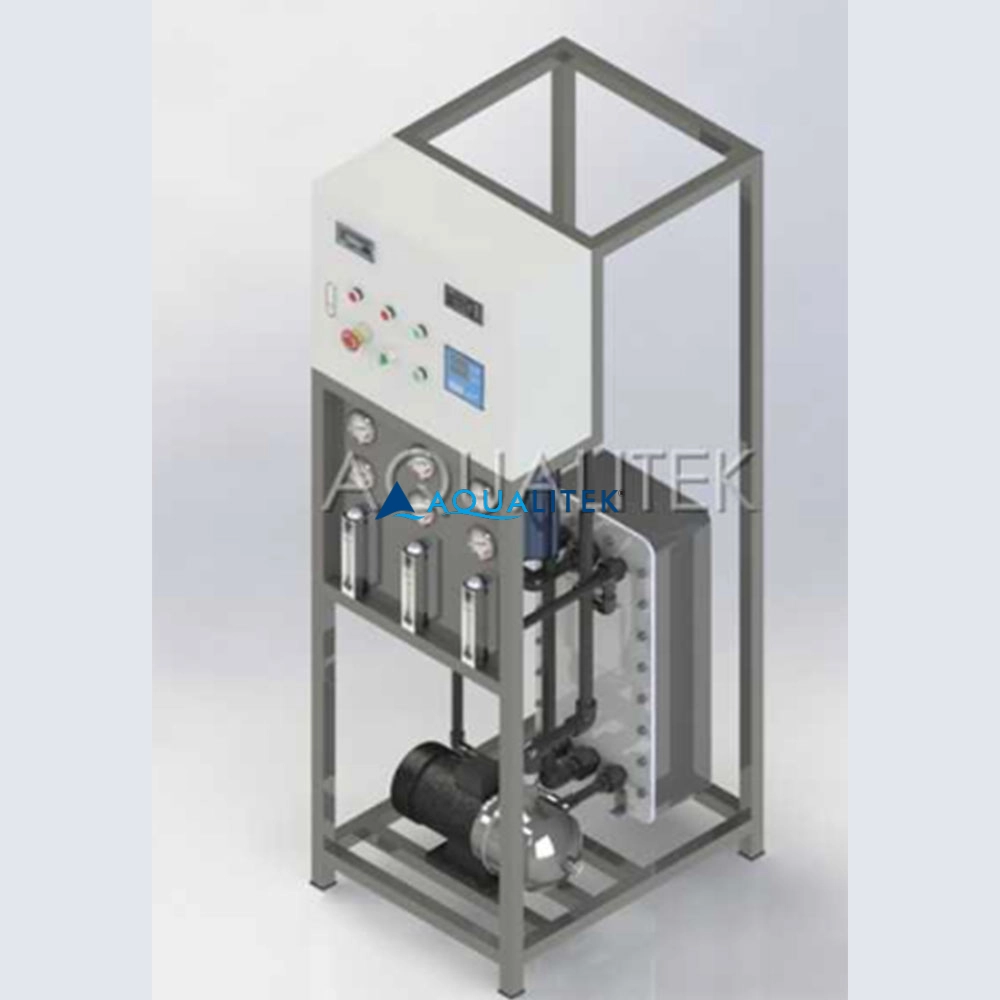
Validating Electrodeionization Systems for Pharmaceutical Water
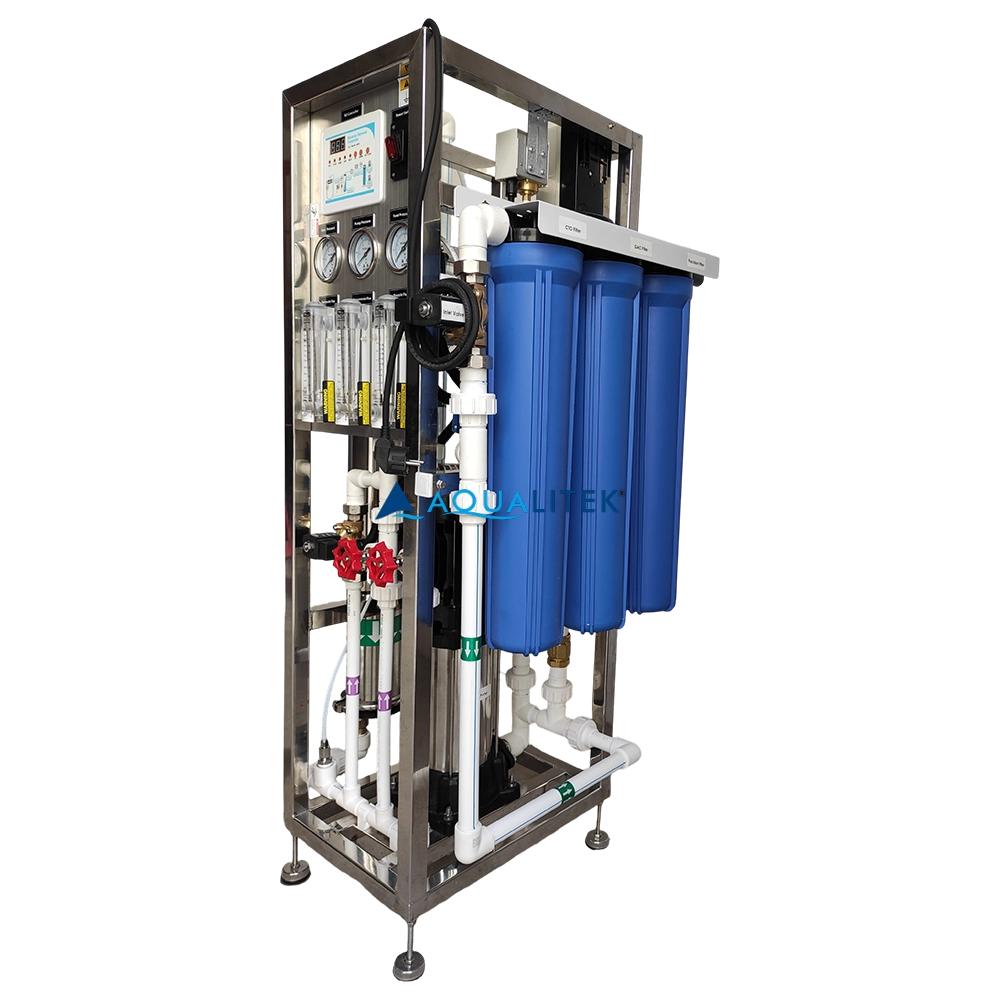
Best Reverse Osmosis Water Filter System for High Capacity Use
Blog
How do I know when to add salt to my softener?
Check the brine tank monthly. Modern systems often alert you automatically when salt levels are low.
Membrane Water Treatment Systems
What’s the difference between UF and RO?
UF (Ultrafiltration) removes suspended solids, bacteria, and larger molecules. RO (Reverse Osmosis) removes dissolved salts and minerals. They’re often used together for complete treatment.
Solutions
What types of water treatment systems does AQT offer?
AQT provides a wide range of water purification solutions, including reverse osmosis (RO) systems, ultrafiltration (UF) systems, nanofiltration (NF) systems, deionization (DI) systems, electro-deionization (EDI) systems, chemical dosing systems, and water softeners. We also supply spare parts and components for water treatment systems.
FAQ-aqualitek
Can I use AQT’s water treatment systems for seawater desalination?
Yes! We provide seawater desalination systems using advanced reverse osmosis (RO) technology, specifically designed to convert seawater into fresh, drinkable water. These systems are ideal for coastal communities, marine applications, and industrial desalination projects.
Water Filters
What is the expected lifespan of a water filter?
Cartridge filters generally last 1–3 months. Media filters require periodic backwashing and media replacement every 1–2 years, depending on usage.
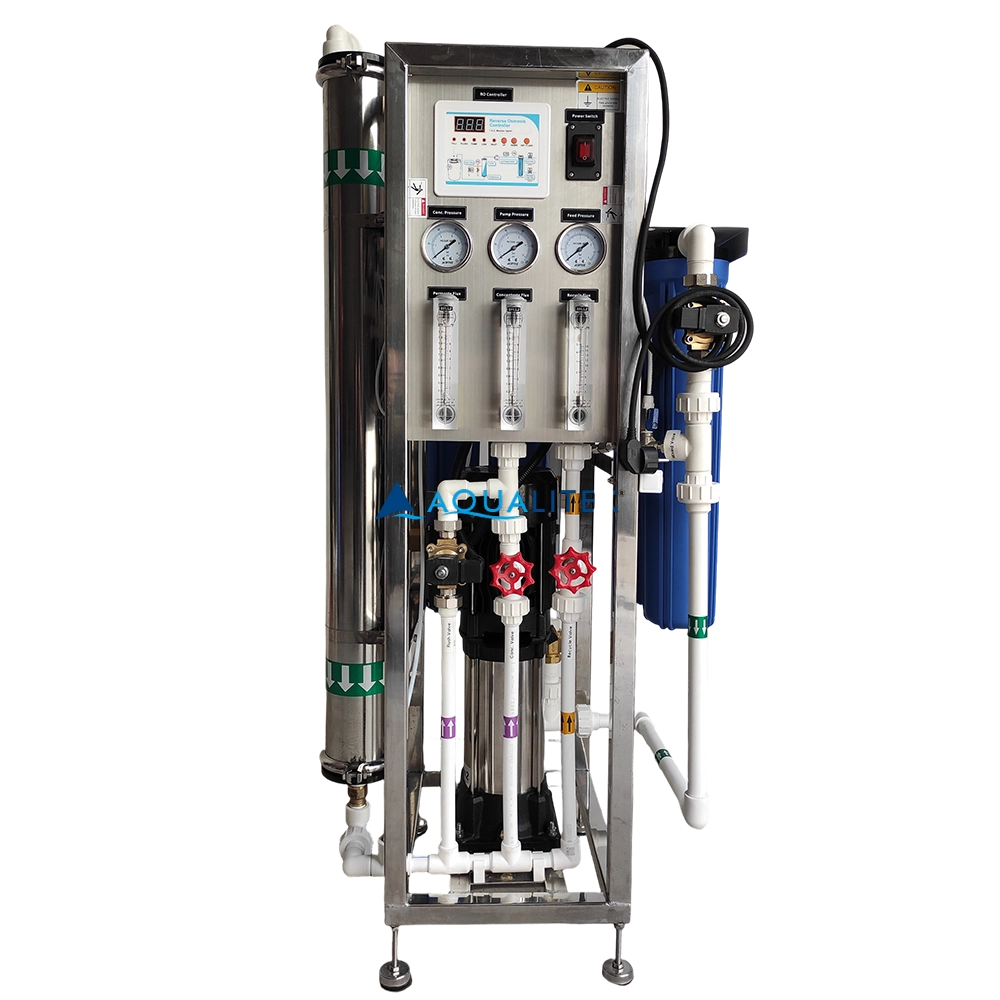
500 LPH Reverse Osmosis (RO) Water Purification Machine TWV - 412
Our 500 LPH Reverse Osmosis (RO) System is engineered to provide high-quality purified water for commercial applications. Designed with advanced RO technology, durable components, and a user-friendly interface, this system ensures consistent performance, low maintenance, and long-term reliability.
With its compact design and robust skid-mounted frame, it’s an excellent choice for businesses that demand efficiency and quality in water purification.
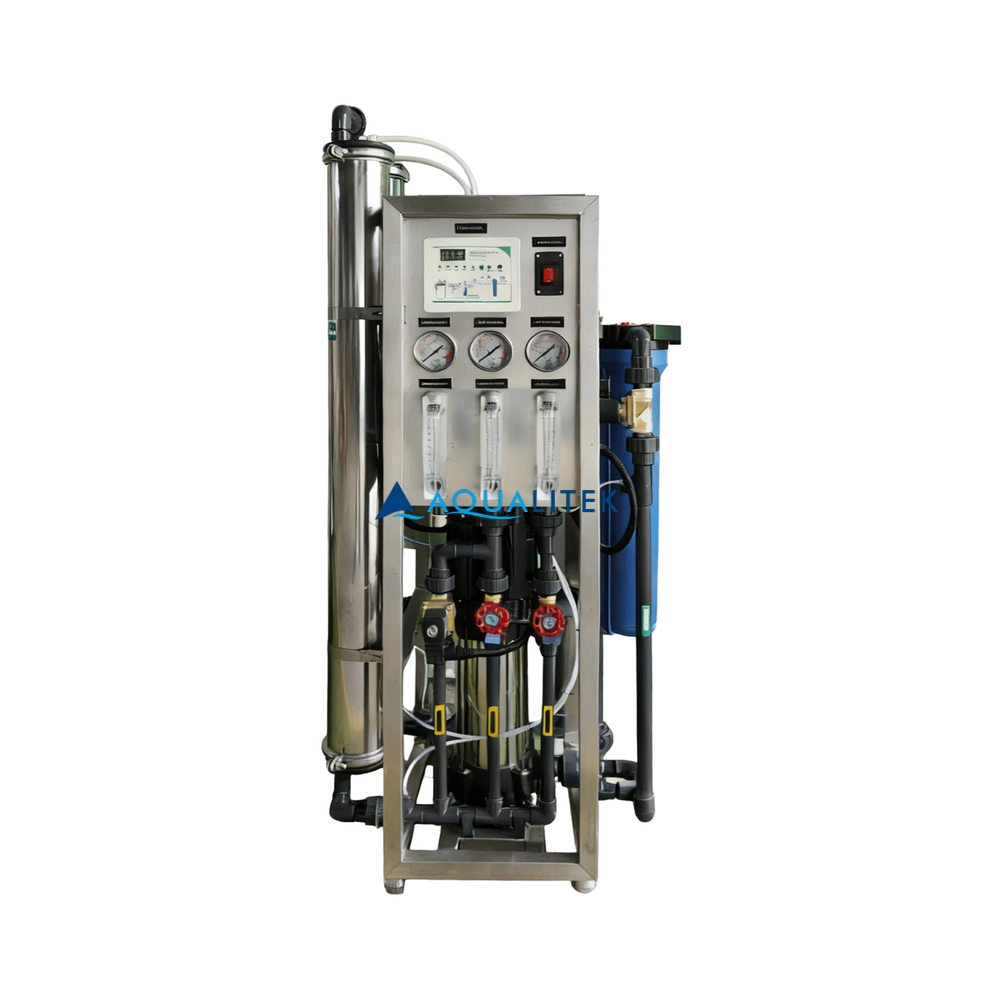
Tap Water Reverse Osmosis (TWRO) Systems TWV Series
TWV series Reverse Osmosis (RO) systems are pre-engineered and pre-assembled units with 2.5”/4” membrane housings(single element type)for tap water(lower TDS).They are designed for overall superior performance, high recovery rates and offer great savings with low maintenance and operation costs.
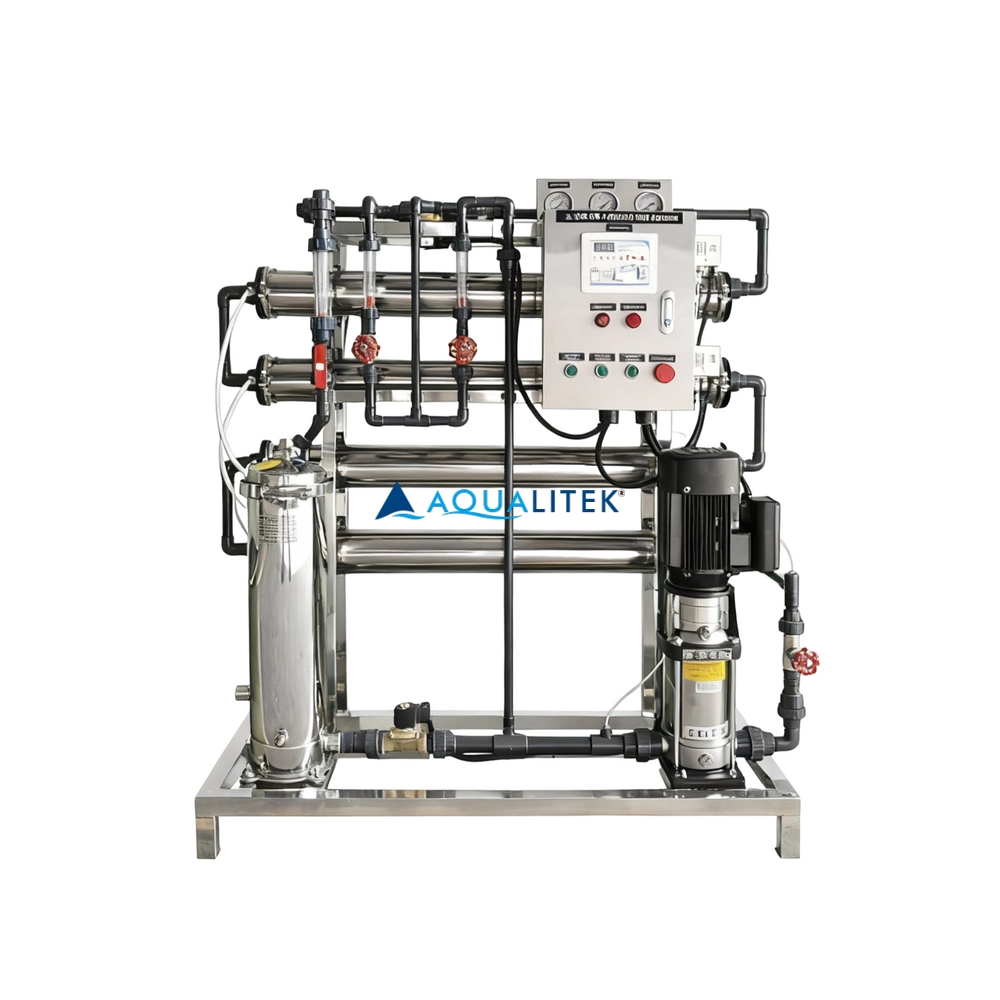
Tap Water Reverse Osmosis (TWRO) Systems TWF Series
TWF series Reverse Osmosis (RO) systems are pre-engineered and pre-assembled units with 4” membrane housings(multiple elements type) for tap water(lower TDS) .The medium large volumes can help meet your a variety of commercial and industrial applications. They are designed for overall superior performance, high recovery rates and offer great savings with low maintenance and operation costs.

Tap Water Reverse Osmosis (TWRO) Systems TWE Series
TWE series Reverse Osmosis (RO) systems are pre-engineered and pre-assembled units with 8” membrane housings for tap water (lower TDS). The large volumes can help meet your a variety of industrial applications. They are designed for overall superior performance, high recovery rates and offer great savings with low maintenance and operation costs.
Request More Information
Contact us today for product catalogs, customization options, and a free quotation designed for your business needs.
Rest assured that your privacy is important to us, and all information provided will be handled with the utmost confidentiality.
© 2026 AQUALITEK. All rights reserved.
AQUALITEK- Aimee Hoo
AQUALITEK - Aimee Hoo