



Common Well Water Contaminants Removed by BWRO BWE Series
- Common Well Water Contaminants Removed by BWRO BWE Series
- Why Water Treatment Systems for Well Water matter
- Product introduction: Brackish Water Reverse Osmosis (BWRO) Systems BWE Series
- How RO technology works for well water: practical overview
- Primary contaminants commonly found in wells and how BWE Series removes them
- Typical removal performance (brackish RO) — comparison table
- Pretreatment and operational best practices for BWE Series installations
- System sizing, recovery and concentrate management for brackish wells
- Operational benefits of choosing Brackish Water Reverse Osmosis (BWRO) Systems BWE Series
- Case considerations: when RO alone is not enough
- Maintenance, monitoring and lifecycle considerations
- Brand advantages: Why choose our BWRO BWE Series for Water Treatment Systems for Well Water
- Frequently Asked Questions (FAQ)
- Q1: Can BWRO BWE Series handle very high TDS well water?
- Q2: Will the system remove bacterial contamination from wells?
- Q3: How often are membranes replaced?
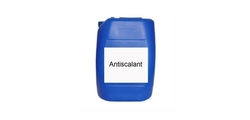
- Q4: Do I need antiscalant for a well water BWRO installation?
- Q5: What is the expected recovery rate for a BWE Series system?
- Contact sales / view product
- Authoritative sources and further reading

Common Well Water Contaminants Removed by BWRO BWE Series
Why Water Treatment Systems for Well Water matter
Many private and community wells draw from brackish or variable-quality groundwater that contains dissolved solids and contaminants that affect taste, safety, equipment longevity and regulatory compliance. Selecting the right Water Treatment Systems for Well Water is critical to protect people, processes and assets. As a dedicated solution for higher total dissolved solids (TDS) feeds, the Brackish Water Reverse Osmosis (BWRO) Systems BWE Series are engineered to reduce a broad spectrum of contaminants while offering efficient operation and low maintenance.
Product introduction: Brackish Water Reverse Osmosis (BWRO) Systems BWE Series
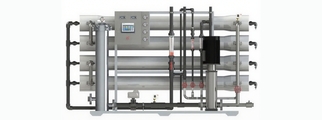
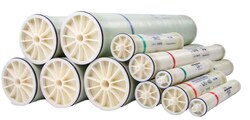
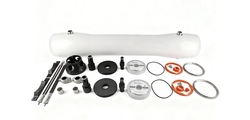
BWE series Reverse Osmosis (RO) systems are pre-engineered and pre-assembled units with 8” membrane housings for brackish water(higher TDS).The large volumes can help meet your a variety of industrial applications.T hey are designed for overall superior performance, high recovery rates and offer great savings with low maintenance and operation costs.
How RO technology works for well water: practical overview
Reverse osmosis forces water through a semipermeable membrane that rejects most dissolved salts, inorganic ions and many organic molecules. For well water, BWRO systems target dissolved solids (TDS) and specific contaminants such as nitrate, fluoride, arsenic and hardness ions (calcium, magnesium). While RO provides broad removal, system performance depends on feedwater chemistry, membrane selection and proper pretreatment (filtration, anti-scalant, pH adjustment). Choosing BWRO BWE Series ensures membranes operate in an optimized skid-level assembly engineered for brackish applications, high recovery and predictable maintenance cycles.
Primary contaminants commonly found in wells and how BWE Series removes them
Below is a concise list of common well water contaminants and how BWRO systems typically address each one. Where appropriate, we note pretreatment needs and any limitations.
- Total Dissolved Solids (TDS) / Salts — RO membranes are highly effective, typically removing 95–99% of dissolved salts for brackish applications. The BWE Series is designed for higher-TDS feeds and optimized recovery to minimize concentrate volumes.
- Hardness (Calcium, Magnesium) — RO reduces hardness by rejecting hardness ions; however, scaling on membranes is a risk without proper antiscalant dosing or softening pretreatment for very hard water.
- Nitrate — RO typically removes 85–95% of nitrate. BWE Series membranes achieve high nitrate rejection; where nitrate standards are strict, post-treatment monitoring or polishing may be used.
- Fluoride — RO removes a large portion of fluoride (often >90%). The BWE Series can reliably lower fluoride to meet common guidelines when system is properly sized.
- Arsenic (As III & As V) — RO is effective at removing arsenic, particularly As V. For As III (more mobile), an oxidation step (e.g., chlorine, permanganate) before RO is recommended to convert As III to As V for higher rejection.
- Sulfate — Sulfate is typically rejected at high rates by RO membranes, helping address taste and scaling issues when combined with antiscalant control.
- Silica — RO reduces silica, but silica scaling potential must be managed with appropriate antiscalant and recovery controls.
- Heavy Metals (lead, cadmium, chromium) — RO removes many heavy metals effectively; removal rates are typically high but depend on speciation and feed conditions.
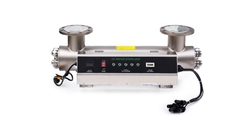
- Microorganisms (Bacteria, Viruses) — RO provides significant reduction of bacteria and many viruses due to membrane pore size, but RO is not a standalone disinfectant. Post-disinfection or UV polishing may be used for potable systems when microbiological safety is required.
- Organic Compounds & Pesticides — RO reduces many dissolved organics, but removal varies by molecular size and hydrophobicity. For specific volatile organic compounds (VOCs) or pesticides, combining RO with activated carbon may be necessary.
Typical removal performance (brackish RO) — comparison table
| Contaminant | Typical RO Removal Range | Notes / Pretreatment |
|---|---|---|
| Total Dissolved Solids (TDS) | 95%–99% | High recovery possible; monitor concentrate and use antiscalant for scaling control. |
| Calcium & Magnesium (Hardness) | 90%–98% | May require softening or antiscalant to avoid scaling. |
| Nitrate | 80%–95% | High rejection but verify with site testing; may need polishing. |
| Fluoride | 85%–99% | Effective when properly sized; confirm with lab tests. |
| Arsenic | 70%–99% (higher for As V) | Oxidation recommended for As III; monitor residuals. |
| Sulfate | 90%–98% | Consider antiscalant to control precipitation. |
| Silica | 50%–95% | Removal varies; silica scaling requires careful control. |
| Heavy Metals | 80%–99% | Speciation dependent; RO usually effective. |
| Bacteria & Viruses | Significant reduction (not sterilization) | Use disinfection or UV for potable microbiological safety. |
| Organic compounds / Pesticides | Variable (partial to high) | Combine with activated carbon for VOCs and organics removal. |
Pretreatment and operational best practices for BWE Series installations
RO membranes perform best when feedwater solids, iron, manganese, colloidal organics and free chlorine levels are controlled. For well water applications, the recommended pretreatment and operational steps typically include:
- Filtration (multimedia or cartridge) to remove suspended solids and turbidity.
- Iron/manganese removal or sequestration when concentrations are elevated — iron fouling damages membranes.
- Dechlorination if free chlorine is present (chlorine damages many RO membrane chemistries).
- Antiscalant dosing and pH control to prevent scaling (carbonate, sulfate, silica).
- Periodic membrane cleaning and monitoring of differential pressure and permeate quality to schedule maintenance.
These steps prolong membrane life and maintain the high recovery performance the BWE Series is designed to deliver.
System sizing, recovery and concentrate management for brackish wells
Sizing a BWRO system for well water requires accurate feedwater analysis (TDS, hardness, silica, iron, nitrate, organics) and a clear target for permeate quality and recovery. The BWE Series offers high recovery configurations to minimize wastewater volumes, but higher recovery increases scaling risk when solubility limits are approached. Responsible concentrate management options include controlled discharge to sewer (where permitted), deep well injection, evaporation, or further treatment such as crystallizers or brine concentrators for zero-liquid-discharge (ZLD) projects. Our engineering team typically models recovery vs. scaling potential to recommend the optimal operating point.
Operational benefits of choosing Brackish Water Reverse Osmosis (BWRO) Systems BWE Series
For water managers and industrial operators seeking robust Water Treatment Systems for Well Water, BWE Series units offer several advantages:
- Pre-engineered and pre-assembled skids reduce installation time and on-site commissioning costs.
- Eight-inch membrane housings allow large permeate throughput suitable for industrial and commercial demands.
- Optimized hydraulic design for higher recovery lowers operating costs and concentrate volumes.
- Low maintenance requirements when combined with recommended pretreatment and monitoring.
- Flexibility to integrate post-treatment (UV, disinfection, polishing) depending on end-use.
Case considerations: when RO alone is not enough
Although RO is highly effective for many contaminants, some scenarios require combined technologies:
- If feedwater contains high iron or manganese, pre-removal prevents membrane fouling.
- For microbiologically sensitive potable water, pair RO with UV or chlorination to secure microbial log removal targets.
- For VOC-heavy contamination, use granular activated carbon (GAC) ahead or after RO depending on the compound.
- Where regulatory discharge limits for concentrate are strict, incorporate further brine treatment or disposal design.
Maintenance, monitoring and lifecycle considerations
To achieve the best lifetime performance from BWRO BWE Series systems, follow a routine program that includes:
- Monthly checks of feed quality, permeate conductivity/TDS and differential pressure across filters and membranes.
- Scheduled membrane cleanings based on normalized flux and observed fouling (typically chemical cleanings every 6–12 months depending on feedwater).
- Routine replacement of prefilters and consumables (cartridges, antiscalant chemicals).
- Annual inspection of pumps, valves and instrumentation for signs of wear or leaks.
Proactive monitoring reduces downtime, lowers total cost of ownership and preserves permeate quality for intended use.
Brand advantages: Why choose our BWRO BWE Series for Water Treatment Systems for Well Water
Our Brackish Water Reverse Osmosis (BWRO) Systems BWE Series are engineered by water treatment specialists with deep experience in brackish and well-water projects. Key brand advantages include:
- Pre-engineered, modular packages that shorten project timelines.
- Field-proven membrane housings and high-efficiency pumps to minimize energy usage.
- Comprehensive technical support including site characterization, pilot testing and commissioning.
- Flexible configurations to align with diverse industrial end uses — from process water to potable reuse applications.
- Full documentation and compliance support to meet local permitting and discharge requirements.
Frequently Asked Questions (FAQ)
Q1: Can BWRO BWE Series handle very high TDS well water?
A1: Yes — the BWE Series is designed for brackish (higher TDS) sources and can be configured for elevated TDS feeds. Accurate feedwater testing and model-based sizing are required to select membrane type, recovery setpoint and pretreatment to avoid scaling and ensure consistent permeate quality.
Q2: Will the system remove bacterial contamination from wells?
A2: RO membranes significantly reduce bacteria and many viruses, but RO should not be relied on as the sole microbial barrier for potable applications. We recommend a dedicated disinfection step (UV or chemical) post-RO for microbiological safety and to meet drinking water regulations.
Q3: How often are membranes replaced?
A3: Membrane life depends on feedwater quality and maintenance but typically ranges from 3 to 7 years. Proper pretreatment, regular cleaning and monitoring extend membrane life and improve lifecycle costs.
Q4: Do I need antiscalant for a well water BWRO installation?
A4: Often yes. Antiscalants reduce the risk of scale-forming salts such as calcium carbonate, sulfate and silica precipitating on membranes. The need depends on feedwater chemistry and desired recovery; a chemical analysis will determine the antiscalant requirement.
Q5: What is the expected recovery rate for a BWE Series system?
A5: Typical recoveries for brackish RO range from 60% to 85%, depending on TDS, scaling potential and system configuration. We design each BWE system to balance high recovery with safe operation to avoid scaling.
Contact sales / view product
To discuss a site-specific solution, request a pilot test or view detailed BWE Series specifications, contact our sales team: contact@yourcompany.com or visit our product page: /products/bwe-series-bwro. Our engineers will help evaluate your well water analysis and recommend the optimal Water Treatment Systems for Well Water. Once you clearly understand which contaminants are present, the next step is matching performance to demand. This is where selecting the right BWRO BWE system for your well water needs becomes critical for long-term stability and cost control.
Authoritative sources and further reading
- U.S. Environmental Protection Agency (EPA) — Ground Water and Drinking Water: https://www.epa.gov/ground-water-and-drinking-water
- U.S. Geological Survey (USGS) — Water-Quality Information: https://www.usgs.gov/mission-areas/water-resources
- World Health Organization (WHO) — Guidelines for Drinking-water Quality: https://www.who.int/publications/i/item/9789241549950
- NSF International — Reverse Osmosis and Membrane Technologies: https://www.nsf.org
- Wikipedia — Reverse Osmosis: https://en.wikipedia.org/wiki/Reverse_osmosis
References cited above provide additional technical background on contaminants, treatment performance and safety guidance. For an engineered, site-specific proposal for Water Treatment Systems for Well Water using Brackish Water Reverse Osmosis (BWRO) Systems BWE Series, contact our technical team.
Sustainable Water Purification: Reduce Waste and Energy — Practical Guide by Aqualitek

Comparing Cartridge Filter Housings vs Bag Filters for Plants
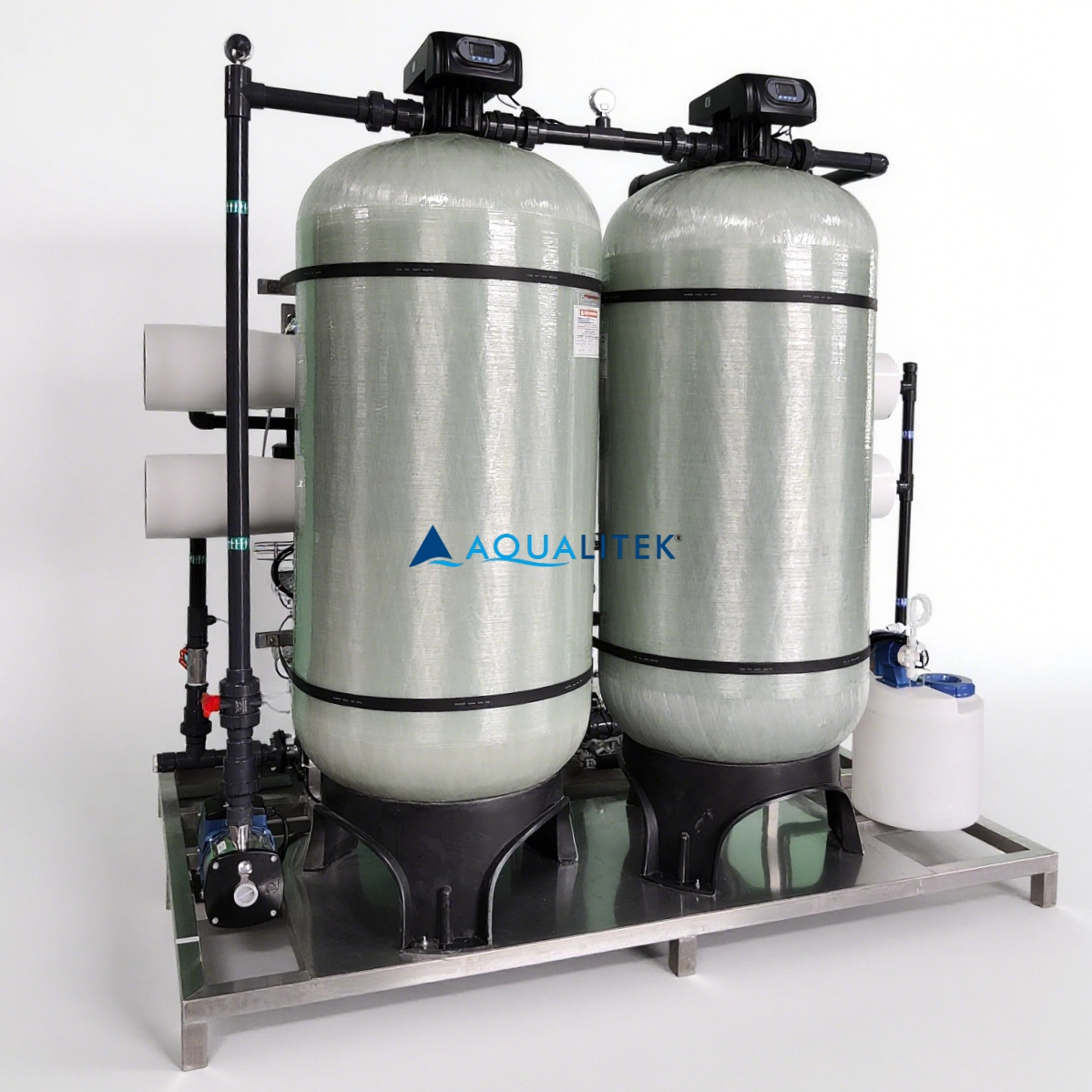
Industrial RO System Selection Guide for Procurement Managers
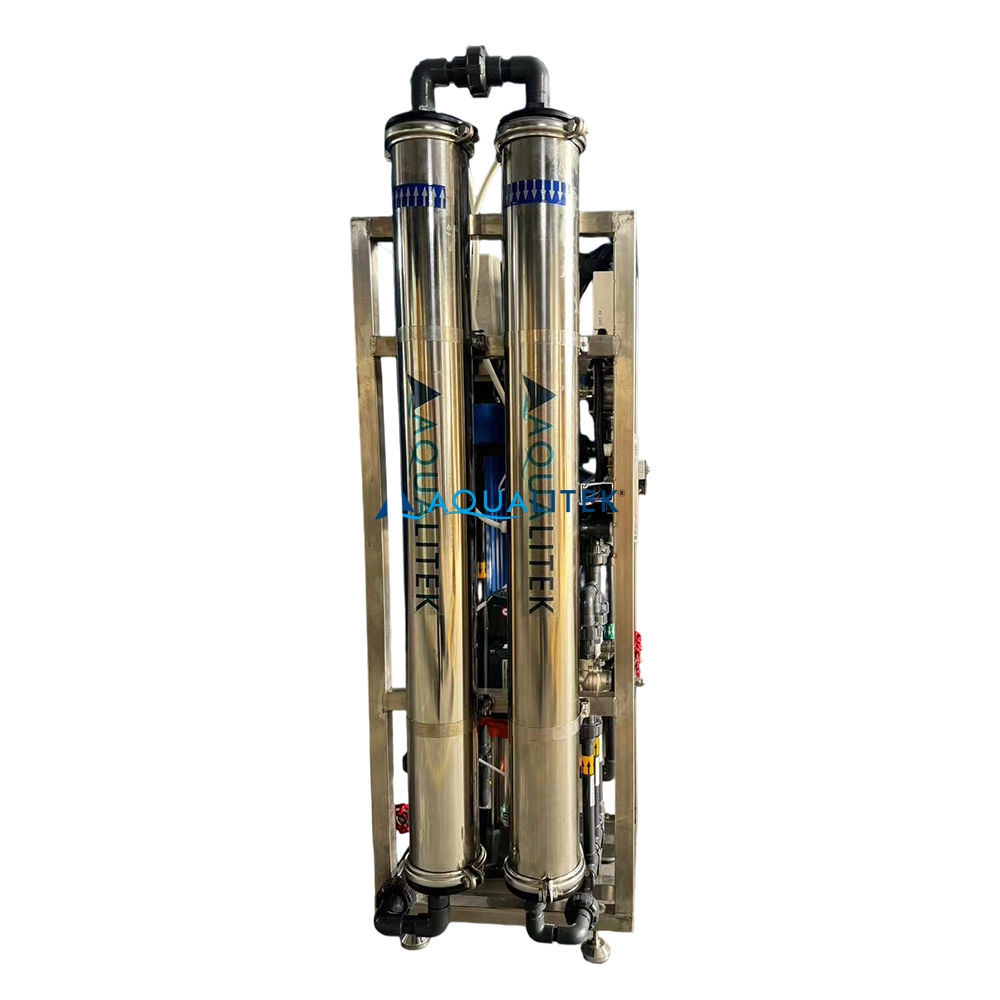
500 LPH Reverse Osmosis TWV - 412 (RO): In-Depth Review
Blog
Is softened water safe to drink?
Yes, but those on low-sodium diets should consider potassium-based softeners or install a separate drinking water filter.
Membrane Water Treatment Systems
Do you offer plug-and-play solutions?
Absolutely. We offer containerized membrane systems that are factory-tested, compact, and quick to deploy.
Ion Exchange Water Treatment Systems
Can ion exchange work with seawater or high-TDS water?
Ion exchange is more suitable for low to moderate TDS water. High-TDS applications often use RO as a primary treatment.
Solutions
Are AQT’s water treatment products certified?
Yes! Our products comply with international quality and safety standards, including ISO, CE, and NSF certifications. We prioritize high-quality materials, advanced technology, and strict quality control to ensure superior performance and reliability.
Water Filters
Are your filters suitable for seawater or chemical-heavy applications?
Yes, we offer FRP and stainless steel housings resistant to corrosion and suitable for marine or aggressive chemical environments.
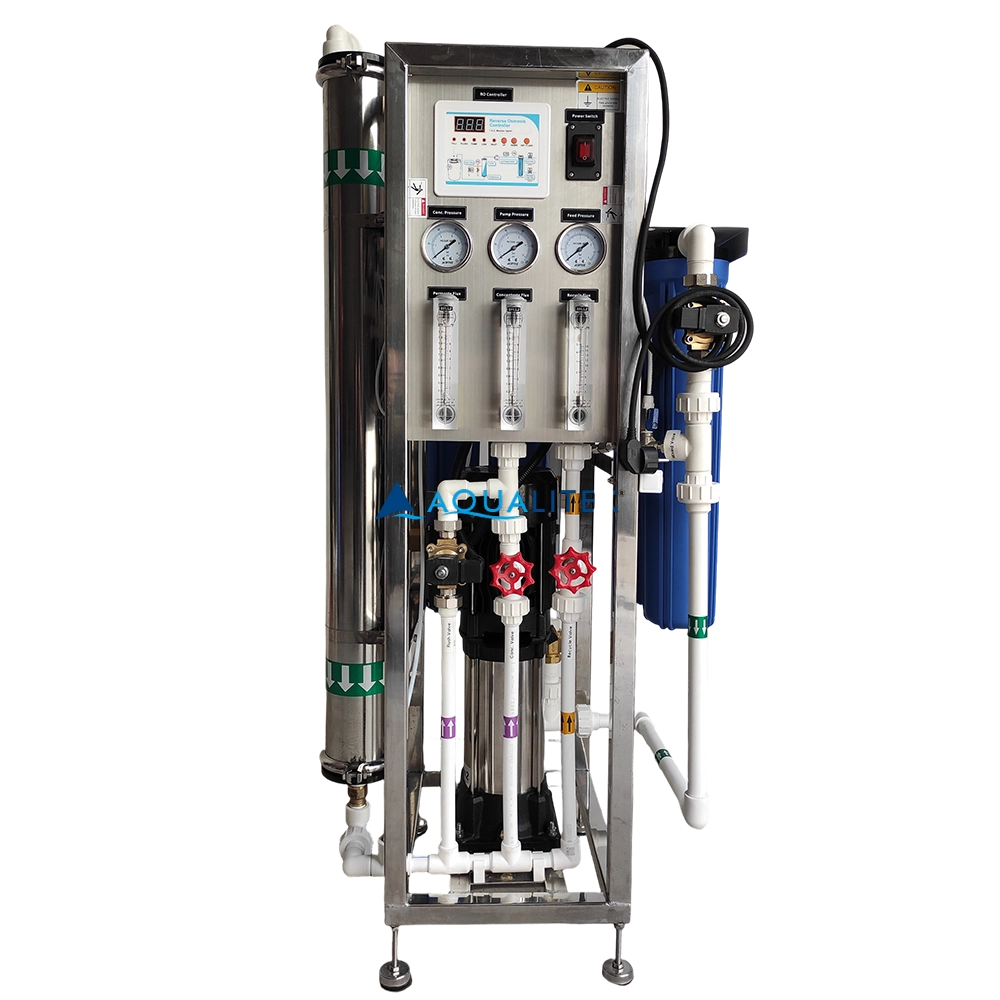
500 LPH Reverse Osmosis (RO) Water Purification Machine TWV - 412
Our 500 LPH Reverse Osmosis (RO) System is engineered to provide high-quality purified water for commercial applications. Designed with advanced RO technology, durable components, and a user-friendly interface, this system ensures consistent performance, low maintenance, and long-term reliability.
With its compact design and robust skid-mounted frame, it’s an excellent choice for businesses that demand efficiency and quality in water purification.
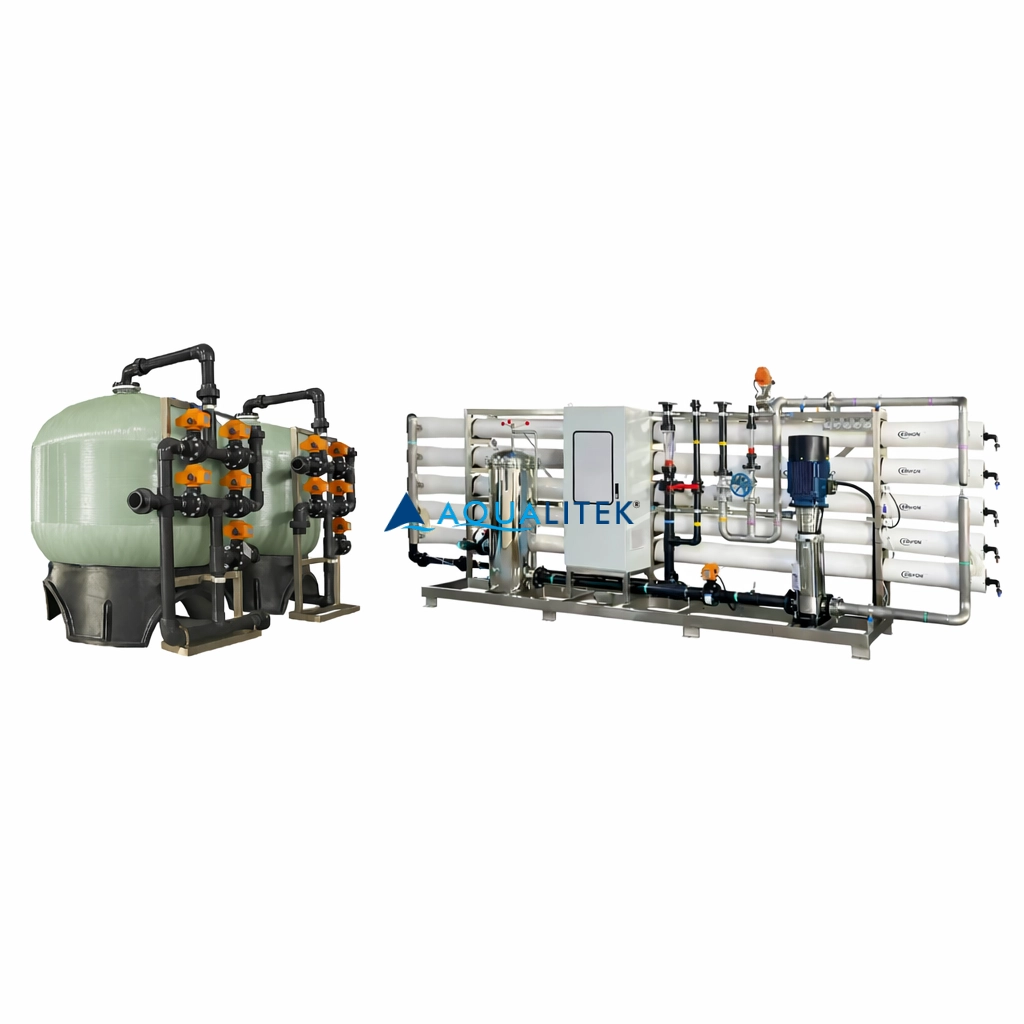
30TPH Industrial Reverse Osmosis (RO) System
30TPH Industrial Reverse Osmosis (RO) System designed for industrial and municipal water treatment. High salt rejection, energy-efficient design, PLC control, and customizable configuration.
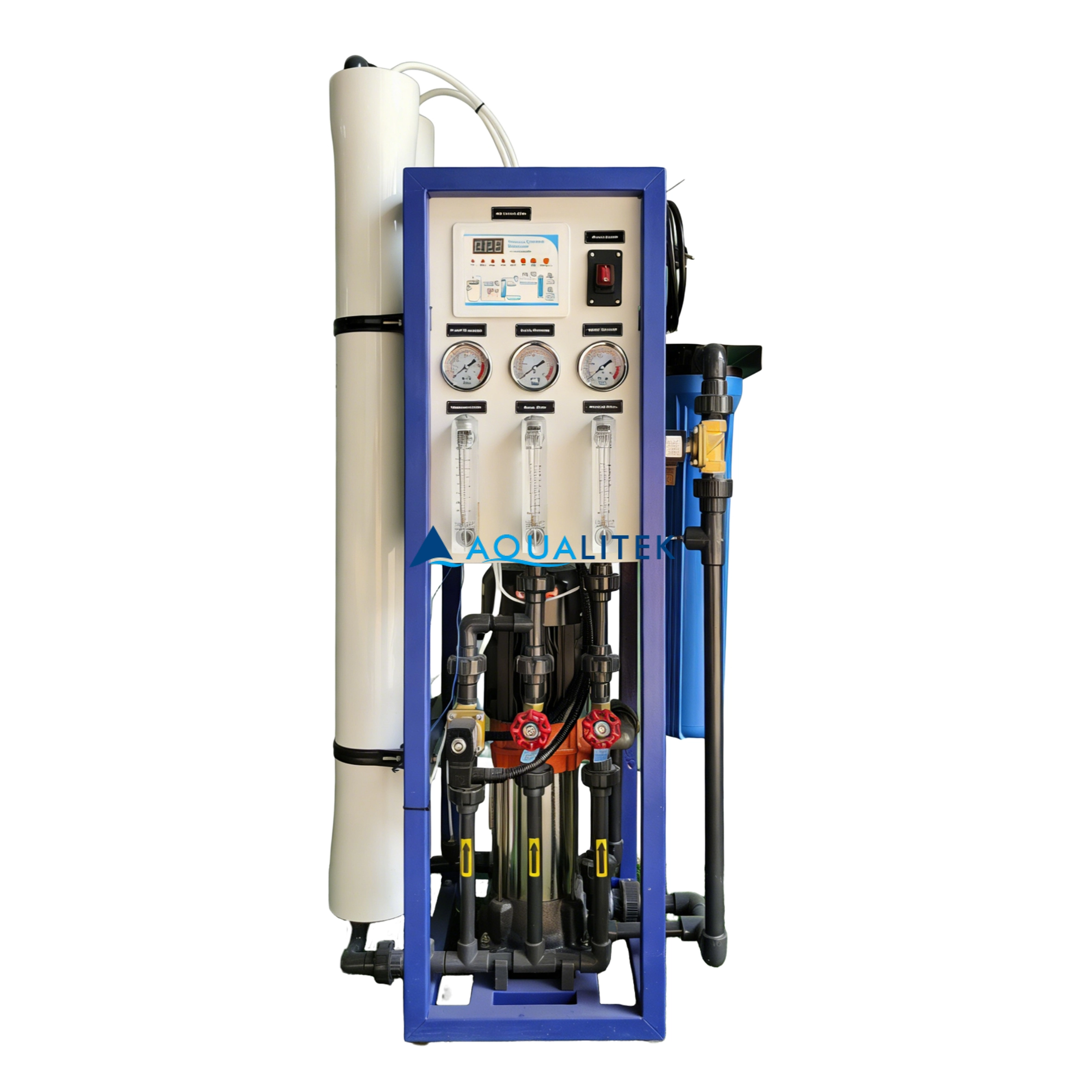
500LPH Panel Mounted Reverse Osmosis Water Purification System
AQUALITEK's 500LPH Panel Mounted Reverse Osmosis Water Purification System delivers reliable 500 LPH RO water production. This compact industrial reverse osmosis unit is ideal for small scale industrial RO needs, ensuring efficient and high-quality purified water in a space-saving design.
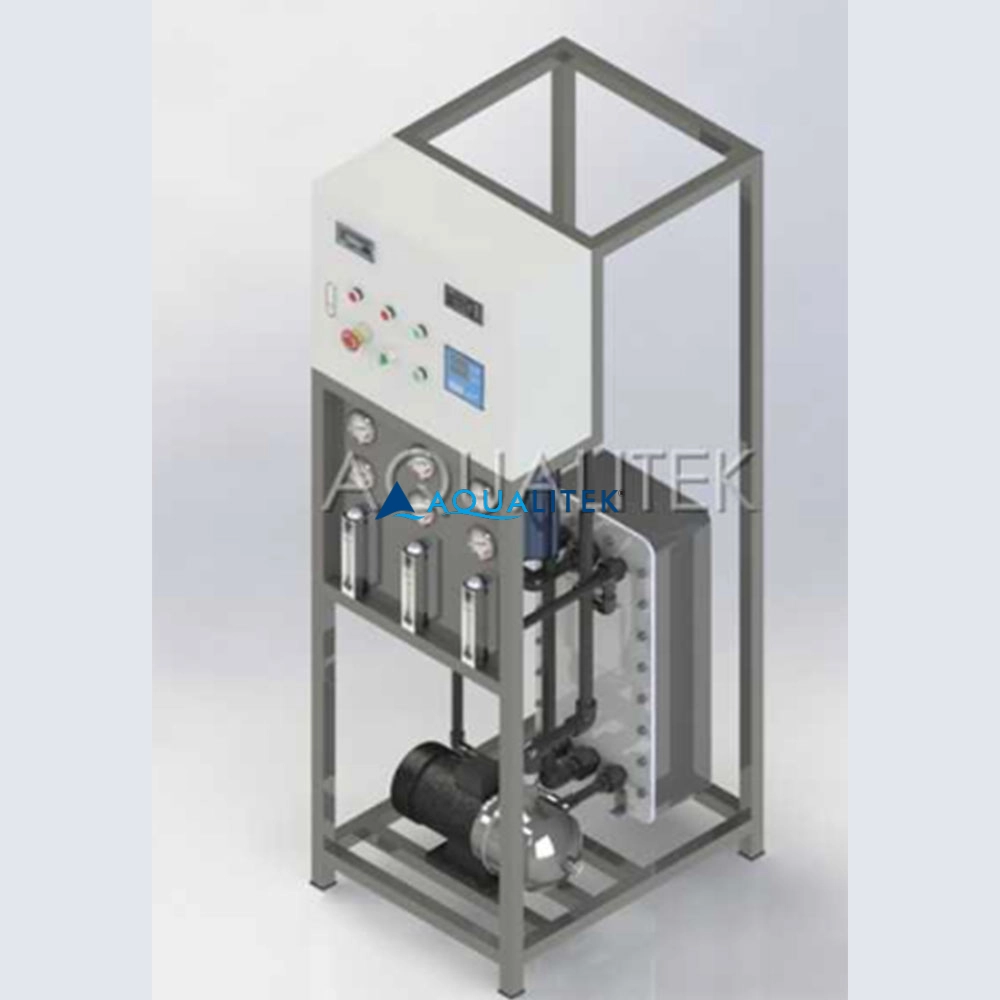
Electrodeionization Systems to Get UltraPure Water
Electrodeionization (EDI) system is an advanced water purification technology that combines ion exchange and electrochemical processes to produce ultra-pure water. Unlike traditional deionization methods, which rely on chemical regeneration, EDI utilizes electric fields to drive the movement of ions through ion-exchange membranes, effectively removing dissolved salts and other ionic contaminants.
This process is continuous and does not require the use of chemicals for regeneration, making it an environmentally friendly and cost-effective solution for producing high-quality deionized water. EDI systems are widely used in applications requiring ultrapure water, such as in the pharmaceutical, semiconductor, power generation, and biotechnology industries, as well as for laboratory use.
By offering high-purity water without the need for chemical regeneration, EDI systems provide a sustainable, efficient, and reliable alternative to traditional deionization methods, making them an ideal choice for industries where water quality and process control are critical.
Request More Information
Contact us today for product catalogs, customization options, and a free quotation designed for your business needs.
Rest assured that your privacy is important to us, and all information provided will be handled with the utmost confidentiality.
© 2026 AQUALITEK. All rights reserved.
AQUALITEK- Aimee Hoo
AQUALITEK - Aimee Hoo