




500 LPH Reverse Osmosis TWV - 412 (RO): In-Depth Review
- 500 LPH Reverse Osmosis TWV - 412 (RO): In-Depth Review
- Overview: Why the TWV-412 Is Considered One of the Best Reverse Osmosis Water Filter System Choices for Commercial Needs
- Product Snapshot: 500 LPH Reverse Osmosis (RO) Water Purification Machine TWV - 412
- Key Performance Indicators: What to Expect from the Best Reverse Osmosis Water Filter System (TWV-412)
- Design & Build: Why the TWV-412 Matches Commercial Expectations for the Best Reverse Osmosis Water Filter System
- Pre-treatment & Water Quality Management — Essential for the Best Reverse Osmosis Water Filter System Performance
- Maintenance, Consumables & Service Intervals for TWV-412 — Real Costs to Expect from the Best Reverse Osmosis Water Filter System
- Installation, Footprint & Integration: Practical Considerations for the Best Reverse Osmosis Water Filter System
- Operating Cost Analysis: How the TWV-412 Compares with Other Commercial RO Systems
- Energy Efficiency & Environmental Considerations: Sustainable Features of the TWV-412 as a Best Reverse Osmosis Water Filter System
- Applications: Where the TWV-412 Excels as the Best Reverse Osmosis Water Filter System
- Compliance & Certification: Ensuring the TWV-412 Meets Regulatory Expectations for the Best Reverse Osmosis Water Filter System
- Comparison Table: Technical Specs Snapshot for Buyers Searching “best reverse osmosis water filter system”
- Brand Advantages: Why TWV Systems Stand Out Among the Best Reverse Osmosis Water Filter System Options
- How to Evaluate If the TWV-412 Is the Best Reverse Osmosis Water Filter System for Your Site
- FAQ — Common Questions About the 500 LPH Reverse Osmosis (RO) Water Purification Machine TWV - 412 and Best Reverse Osmosis Water Filter System Considerations
- Final Recommendations & Next Steps to Purchase the Best Reverse Osmosis Water Filter System (TWV-412)
- Contact & Product Inquiry (Call to Action)
- Authoritative References
- Contact Reminder

500 LPH Reverse Osmosis TWV - 412 (RO): In-Depth Review
Overview: Why the TWV-412 Is Considered One of the Best Reverse Osmosis Water Filter System Choices for Commercial Needs
For commercial operations that require reliable, high-capacity purified water, choosing the best reverse osmosis water filter system is critical. The 500 LPH Reverse Osmosis (RO) Water Purification Machine TWV - 412 is engineered to deliver consistent water quality, practical maintenance, and a compact footprint suitable for restaurants, small food & beverage plants, laboratories, hospitals, and packaged water production. This review breaks down technical performance, operating costs, maintenance needs, certifications, and real-world suitability so buyers can make an informed decision. After reviewing the TWV-412 model, it’s important to place it in the broader market context. This naturally leads to exploring the best reverse osmosis water filter system for high capacity use, especially for commercial and light-industrial operations.
Product Snapshot: 500 LPH Reverse Osmosis (RO) Water Purification Machine TWV - 412
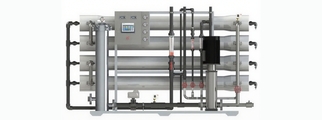
Our 500 LPH Reverse Osmosis (RO) System is engineered to provide high-quality purified water for commercial applications. Designed with advanced RO technology, durable components, and a user-friendly interface, this system ensures consistent performance, low maintenance, and long-term reliability.
With its compact design and robust skid-mounted frame, it’s an excellent choice for businesses that demand efficiency and quality in water purification.
Key Performance Indicators: What to Expect from the Best Reverse Osmosis Water Filter System (TWV-412)
When assessing whether the TWV-412 qualifies as the best reverse osmosis water filter system for your site, focus on measurable KPIs: production rate, TDS rejection, recovery rate, energy consumption, and downtime for maintenance.
- Production capacity: 500 LPH (12,000 L/day at continuous operation)
- TDS reduction: Typical brackish water membranes deliver >95% TDS rejection for many dissolved salts — actual performance depends on feedwater quality and pre-treatment.
- Recovery rate: Typically 45–60% for brackish systems; higher recovery may be achievable with staged systems and appropriate pre-treatment.
- Energy consumption: Expect around 0.5–1.0 kWh/m3 depending on feedwater pressure and pump efficiency.
- Uptime: With routine maintenance and quality pre-treatment, 95%+ operational uptime is realistic for commercial use.
Design & Build: Why the TWV-412 Matches Commercial Expectations for the Best Reverse Osmosis Water Filter System
The TWV-412 is skid-mounted and built using corrosion-resistant materials (stainless steel frames, high-quality pressure vessels, and industrial-grade pumps). The compact skid reduces installation time and simplifies relocation if needed. Controls typically include a PLC or microprocessor with real-time monitoring (pressure, flow, conductivity) and alarms to protect membranes and downstream equipment.
Pre-treatment & Water Quality Management — Essential for the Best Reverse Osmosis Water Filter System Performance
RO membranes are sensitive to fouling, scaling, and chlorine. The TWV-412 is designed to operate with a standard pre-treatment package: multimedia/activated carbon filters, cartridge filtration (5 µm or 1 µm), antiscalant dosing, and optional softening where hardness exceeds design limits. Proper pre-treatment maximizes membrane life and maintains the high rejection rates that make a unit one of the best reverse osmosis water filter system options.
Maintenance, Consumables & Service Intervals for TWV-412 — Real Costs to Expect from the Best Reverse Osmosis Water Filter System
Maintenance tasks are straightforward but required: cartridge changes (every 1–3 months depending on feedwater), chemical dosing checks, membrane cleaning-in-place (CIP) typically every 6–18 months, and periodic pump/service checks. Membrane replacement intervals typically range from 2–5 years, depending on feedwater and maintenance quality.
Installation, Footprint & Integration: Practical Considerations for the Best Reverse Osmosis Water Filter System
The skid-mounted TWV-412 minimizes civil work. Typical footprint fits inside a compact plant room or shelter. Connections required: raw water inlet (with pre-filter), electrical power for the high-pressure pump and control panel, permeate outlet to storage, and automatic drain for concentrate. Integration with existing water systems is simplified by standard flange and pipe connections and digital control interfaces.
Operating Cost Analysis: How the TWV-412 Compares with Other Commercial RO Systems
Operating costs for RO systems include energy, consumables, membrane replacement, chemicals (antiscalant/cleaning agents), and labour. Below is a simplified comparison table for common commercial choices to give a quick view of relative costs and suitability.
| Model / Metric | TWV-412 (500 LPH) | Model A (300 LPH) | Model B (1000 LPH) |
|---|---|---|---|
| Daily output (L/day) | 12,000 | 7,200 | 24,000 |
| Energy consumption (kWh/m3) | ~0.6 | ~0.65 | ~0.55 |
| Estimated annual consumables ($) | 1,200–2,500 | 900–1,800 | 2,000–4,000 |
| Maintenance frequency | Monthly cartridge, CIP 6–18 months | Monthly cartridge, CIP 6–18 months | Monthly cartridge, CIP 6–12 months |
| Best for | Small-to-mid commercial, foodservice, labs | Small commercial, boutique shops | Large-scale beverage, small industrial plants |
Energy Efficiency & Environmental Considerations: Sustainable Features of the TWV-412 as a Best Reverse Osmosis Water Filter System
Energy efficiency is increasingly important. The TWV-412 can be equipped with high-efficiency pumps and variable frequency drives (VFDs) to match production to demand and reduce peak power draw. Proper concentrate management and recovery optimization lower water waste, improving sustainability. For operations focused on green credentials, pairing the RO system with energy-efficient motors and recovering heat or using photovoltaic power are practical strategies.
Applications: Where the TWV-412 Excels as the Best Reverse Osmosis Water Filter System
The TWV-412 is particularly well suited for:
- Restaurants, hotels, and cafeterias needing consistent potable water and boiler feed.
- Small bottled water and beverage lines requiring reliable quality and capacity.
- Healthcare and laboratory support systems where low TDS and predictable water quality are required.
- Manufacturing processes with non-seawater feedstocks (brackish or municipal).
Compliance & Certification: Ensuring the TWV-412 Meets Regulatory Expectations for the Best Reverse Osmosis Water Filter System
For commercial installations, verify that system components meet relevant standards (materials in contact with potable water, electrical safety, pressure equipment directives where applicable). Consider systems with components certified by recognized bodies (NSF, WQA) to ensure compliance and easier permitting. The TWV-412’s design follows standard industrial practices to facilitate compliance and inspection.
Comparison Table: Technical Specs Snapshot for Buyers Searching “best reverse osmosis water filter system”
| Specification | TWV-412 (500 LPH) | Typical Benchmarks |
|---|---|---|
| Membrane type | Commercial brackish RO membranes | High-rejection thin-film composite |
| Recovery | 45–60% | 40–70% (site dependent) |
| TDS rejection | >95% (typical) | 90–99% (depending on chemistry) |
| Control | PLC / Touchscreen, conductivity & pressure monitoring | Standard in commercial systems |
Brand Advantages: Why TWV Systems Stand Out Among the Best Reverse Osmosis Water Filter System Options
TWV's product line focuses on robust mechanical design, modularity, and serviceability. Key brand advantages include:
- Skid-mounted modular systems that reduce installation time.
- Use of industrial-grade pumps and membrane housings for reliability.
- Comprehensive service support and clear maintenance schedules to maximize uptime.
- Flexible pre-treatment modules to adapt to different feedwater sources.
How to Evaluate If the TWV-412 Is the Best Reverse Osmosis Water Filter System for Your Site
Do a site-specific evaluation: measure feedwater TDS and major ions, check turbidity and biological risk, confirm flow demand profile (peak vs steady), and calculate the cost of downtime. Request a site survey and O&M plan from the supplier. Compare total cost of ownership (capital + operations over 3–5 years) rather than just purchase price.
FAQ — Common Questions About the 500 LPH Reverse Osmosis (RO) Water Purification Machine TWV - 412 and Best Reverse Osmosis Water Filter System Considerations
Q: What feedwater quality does TWV-412 require?
A: The TWV-412 is optimized for brackish and municipal feedwater. Pre-treatment to remove chlorine, suspended solids, and hardness is recommended. For very high-salinity sources (seawater), specialized RO systems are required.
Q: How often do I need to replace membranes?
A: Membrane life depends on feedwater and maintenance. With proper pre-treatment and routine CIP, expect 2–5 years of service life.
Q: Can the TWV-412 be remotely monitored?
A: Yes — the control platform supports remote monitoring and alarms for conductivity, pressure, and flow if integrated with your SCADA or via optional telemetry modules.
Q: What is the expected recovery and concentrate ratio?
A: Typical recovery is 45–60%. Concentrate (reject) volume will therefore be roughly 40–55% of feed flow; options exist to stage systems or add recovery-enhancing equipment for lower waste.
Q: Is the TWV-412 energy efficient?
A: When specified with a VFD and an efficient pump, the system operates near industry-standard efficiencies (~0.5–0.8 kWh/m3 for brackish water use). Exact numbers depend on feed pressure and site configuration.
Final Recommendations & Next Steps to Purchase the Best Reverse Osmosis Water Filter System (TWV-412)
If you need a compact, reliable, and commercially-proven 500 LPH RO system, the TWV-412 is a competitive option. To proceed: gather a feedwater analysis, determine daily demand and peak flows, and request a site survey. Ask the supplier for a total cost of ownership analysis and references from installations similar to your use case.
Contact & Product Inquiry (Call to Action)
Ready to evaluate the 500 LPH Reverse Osmosis (RO) Water Purification Machine TWV - 412 for your operation? Contact our sales team to request a datasheet, arrange a site survey, or receive a quotation. For immediate assistance, call our commercial team or complete the online inquiry to view the product and technical documentation.
Authoritative References
- World Health Organization — Drinking-water: https://www.who.int/news-room/fact-sheets/detail/drinking-water
- Wikipedia — Reverse osmosis: https://en.wikipedia.org/wiki/Reverse_osmosis
- U.S. Environmental Protection Agency — Water Research: https://www.epa.gov/water-research
- NSF International — Water System Certification: https://www.nsf.org
- Water Quality Association — Water Treatment Standards and Guidance: https://www.wqa.org
Contact Reminder
For a tailored quote, performance simulation using your feedwater data, or to schedule a demo of the TWV-412, please contact our sales team. We will provide a formal proposal including installation, commissioning, and a recommended maintenance plan to ensure your system operates like the best reverse osmosis water filter system should.
How to Choose a Reverse Osmosis System Manufacturer: 7-Point Checklist
Top 10 water softener system Manufacturers and Supplier Brands

Comparing Cartridge Filter Housings vs Bag Filters for Plants
Signs Your Water Purification System Needs Repair — Practical Guide
Water Filters
How do I choose between a media filter and a micron filter?
Media filters are ideal for high-volume solids removal and can be backwashed. Micron filters offer precise filtration for fine particles and are best for polishing applications.
Solutions
How often should I replace filters and membranes?
Filter and membrane lifespan depends on water quality, usage, and system type. General guidelines:
1. Sediment & Carbon Filters: Replace every 6–12 months.
2. RO Membranes: Replace every 2–3 years, depending on water conditions.
3. UF/NF Membranes: Replace every 1–2 years.
Regular maintenance ensures optimal performance and water quality.
FAQ-aqualitek
What is the difference between Reverse Osmosis (RO), Ultrafiltration (UF), and Nanofiltration (NF)?
1. Reverse Osmosis (RO): Removes up to 99.9% of contaminants, including salts, bacteria, viruses, and heavy metals.
2. Ultrafiltration (UF): Uses a membrane filtration process to remove bacteria and particles, while retaining essential minerals.
3. Nanofiltration (NF): Falls between RO and UF, removing some salts and organic compounds while allowing certain minerals to pass through.
What types of water treatment systems does AQT offer?
AQT provides a wide range of water purification solutions, including reverse osmosis (RO) systems, ultrafiltration (UF) systems, nanofiltration (NF) systems, deionization (DI) systems, electro-deionization (EDI) systems, chemical dosing systems, and water softeners. We also supply spare parts and components for water treatment systems.
Ion Exchange Water Treatment Systems
What is the difference between softening and deionization?
Softening removes only hardness ions (Ca²⁺, Mg²⁺), while deionization removes both cations and anions to produce high-purity water.
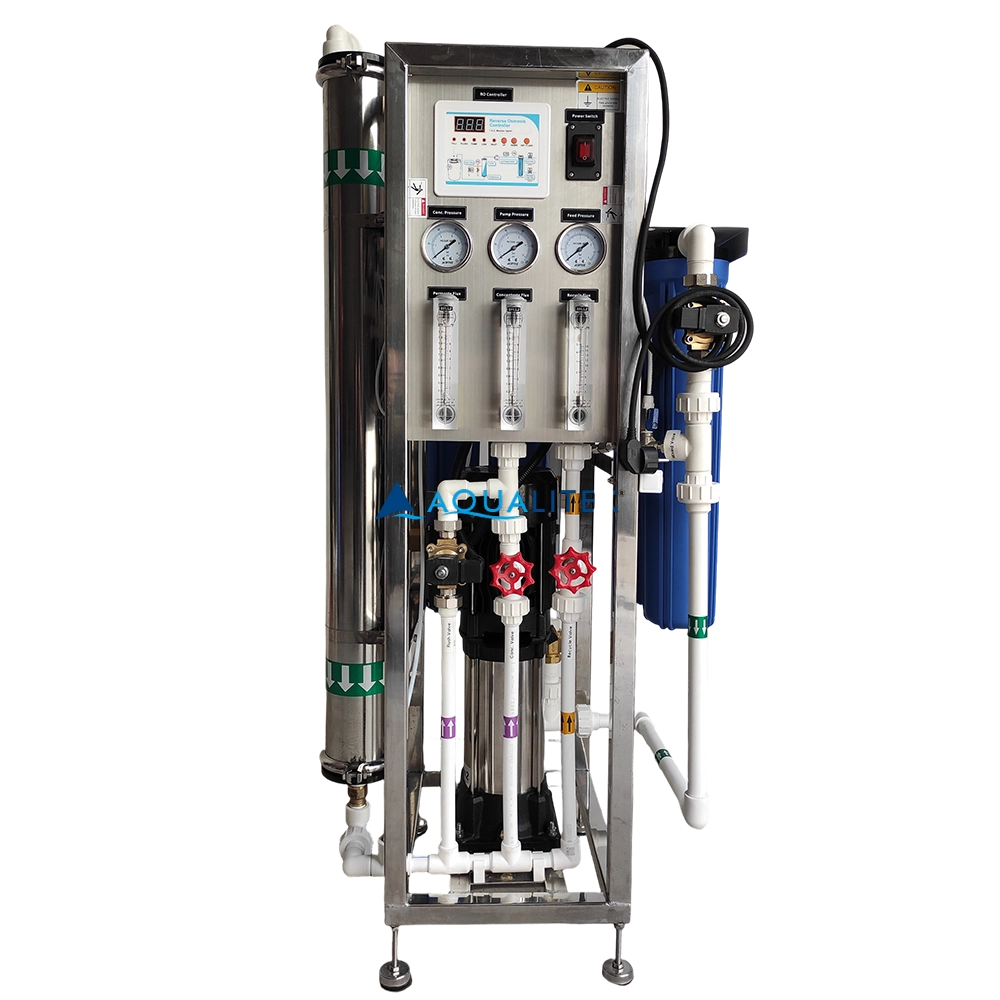
500 LPH Reverse Osmosis (RO) Water Purification Machine TWV - 412
Our 500 LPH Reverse Osmosis (RO) System is engineered to provide high-quality purified water for commercial applications. Designed with advanced RO technology, durable components, and a user-friendly interface, this system ensures consistent performance, low maintenance, and long-term reliability.
With its compact design and robust skid-mounted frame, it’s an excellent choice for businesses that demand efficiency and quality in water purification.
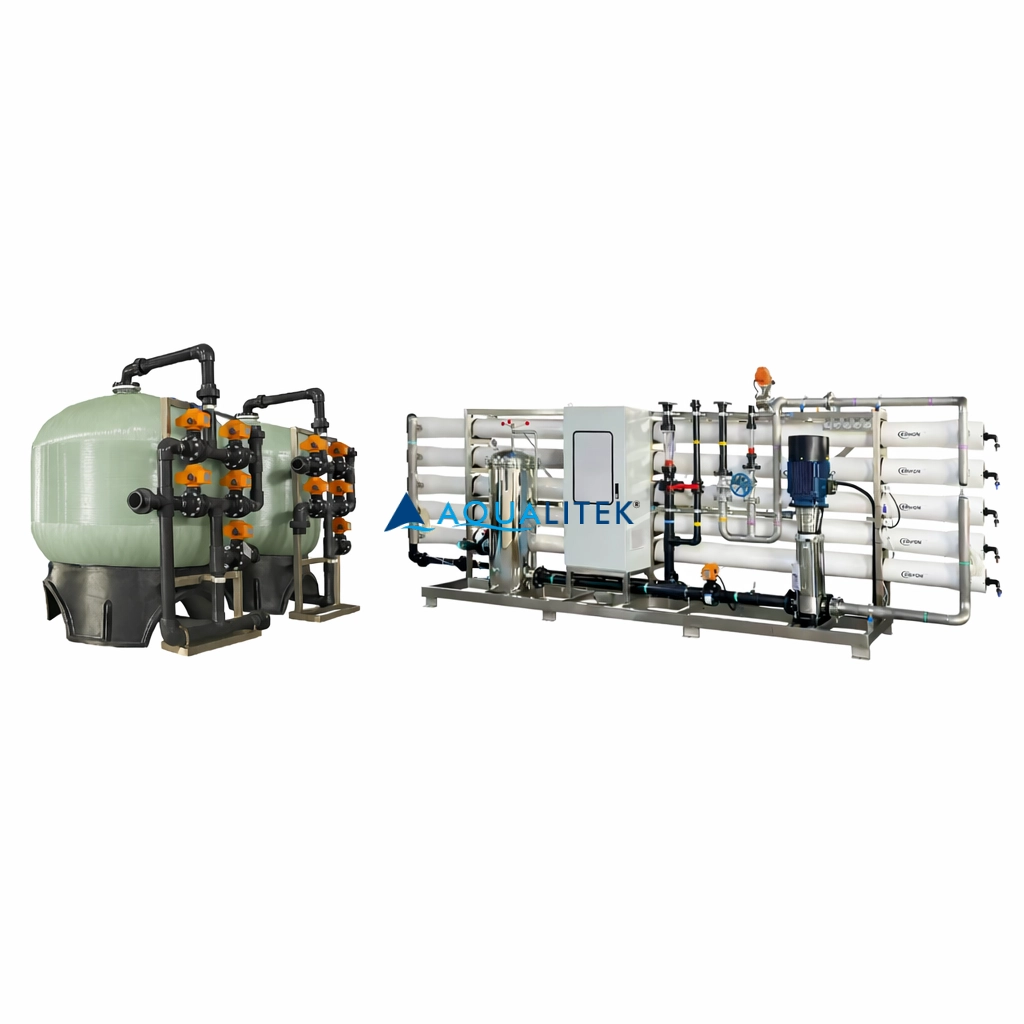
30TPH Industrial Reverse Osmosis (RO) System
30TPH Industrial Reverse Osmosis (RO) System designed for industrial and municipal water treatment. High salt rejection, energy-efficient design, PLC control, and customizable configuration.
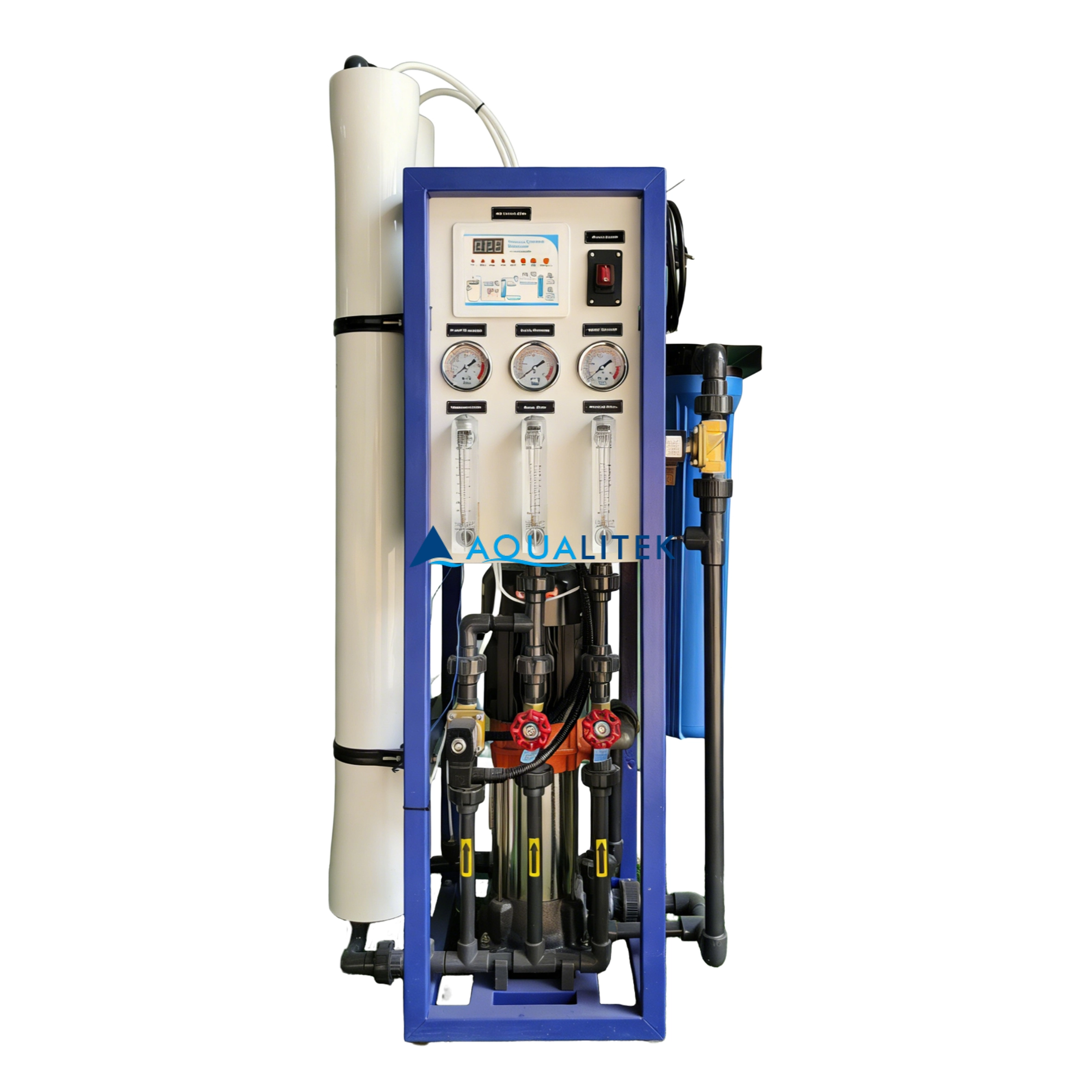
500LPH Panel Mounted Reverse Osmosis Water Purification System
AQUALITEK's 500LPH Panel Mounted Reverse Osmosis Water Purification System delivers reliable 500 LPH RO water production. This compact industrial reverse osmosis unit is ideal for small scale industrial RO needs, ensuring efficient and high-quality purified water in a space-saving design.
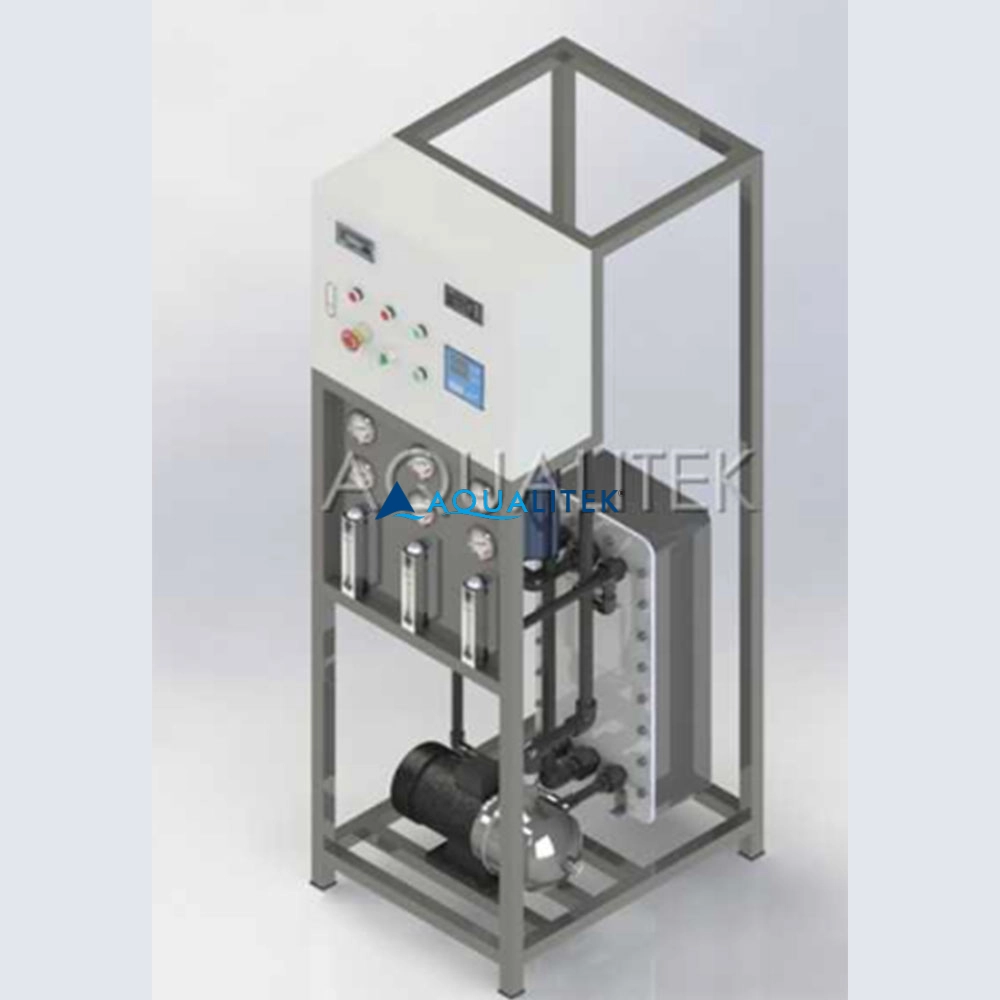
Electrodeionization Systems to Get UltraPure Water
Electrodeionization (EDI) system is an advanced water purification technology that combines ion exchange and electrochemical processes to produce ultra-pure water. Unlike traditional deionization methods, which rely on chemical regeneration, EDI utilizes electric fields to drive the movement of ions through ion-exchange membranes, effectively removing dissolved salts and other ionic contaminants.
This process is continuous and does not require the use of chemicals for regeneration, making it an environmentally friendly and cost-effective solution for producing high-quality deionized water. EDI systems are widely used in applications requiring ultrapure water, such as in the pharmaceutical, semiconductor, power generation, and biotechnology industries, as well as for laboratory use.
By offering high-purity water without the need for chemical regeneration, EDI systems provide a sustainable, efficient, and reliable alternative to traditional deionization methods, making them an ideal choice for industries where water quality and process control are critical.
Request More Information
Contact us today for product catalogs, customization options, and a free quotation designed for your business needs.
Rest assured that your privacy is important to us, and all information provided will be handled with the utmost confidentiality.
© 2026 AQUALITEK. All rights reserved.
AQUALITEK- Aimee Hoo
AQUALITEK - Aimee Hoo