




Comparing Cartridge Filter Housings vs Bag Filters for Plants
- Comparing Cartridge Filter Housings vs Bag Filters for Plants
- Overview of particulate liquid filtration for plants and role of cartridge filter housing
- How cartridge filter housings work and why they matter
- How bag filters work and their common uses in plants
- Product highlight: Multi-cartridge Filter Housing stainless steel micron filter for water purification
- Key performance comparison: filtration efficiency and micron ratings
- Capacity, flow rates, and footprint considerations
- Maintenance cycle, downtime, and operating costs
- Materials compatibility and construction options
- Contaminant types and when to choose each technology
- Installation, safety and compliance considerations
- Environmental, waste and disposal impacts
- Comparison table: Cartridge filter housing vs Bag filters
- Selection checklist for plants
- Brand advantages and why choose a Multi-cartridge Filter Housing stainless steel micron filter for water purification
- Practical case examples and recommended configurations
- FAQs
- Contact us and see the product
- Authoritative references and further reading
- Notes on data and claims
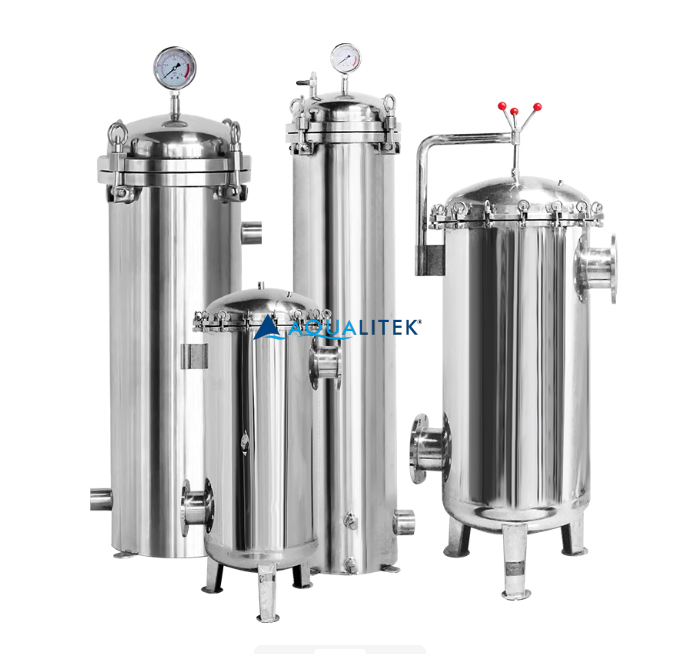
Comparing Cartridge Filter Housings vs Bag Filters for Plants
Overview of particulate liquid filtration for plants and role of cartridge filter housing
Selecting the right filtration solution is essential for reliable plant operation, water quality, regulatory compliance, and total cost of ownership. Two common options for solid liquid separation in industrial and municipal plants are cartridge filter housings and bag filters. This article compares their operating principles, performance, maintenance, cost, and application fit, with practical guidance to help plant engineers, procurement specialists, and maintenance teams choose the best option.
How cartridge filter housings work and why they matter
Cartridge filter housings are engineered vessels that securely hold filter cartridges while directing fluid through replaceable media. The liquid flows from outside the cartridge into or through the cartridge media and exits as filtered fluid. Cartridge housings are available in single and multi cartridge designs to accommodate different flow rates and differential pressure constraints. They are used widely where tight micron ratings, high quality polishing, and low particle residual are required.
How bag filters work and their common uses in plants
Bag filters use a coarse to fine felt or woven bag installed in a basket or vessel. The liquid passes through the bag wall, trapping solids on the bag surface or within the fiber matrix. Bag filters excel at handling higher solids loads, large particulate, and applications where lower initial cost and fast full bag changes are priorities. They are common in prefiltration steps, process streams with variable solids, and applications where coarse retention is acceptable.
Product highlight: Multi-cartridge Filter Housing stainless steel micron filter for water purification
Cartridge filter housing is a critical component in liquid filtration systems, designed to securely hold and protect filter cartridges while allowing liquids to flow through the filter media. These housings are essential for industries that require reliable filtration solutions to remove contaminants from liquids, such as water treatment, pharmaceuticals, food and beverage processing, chemicals, and industrial applications.
Cartridge filter housings are typically constructed from durable materials like stainless steel, polypropylene, or fiber glass, providing excellent resistance to corrosion and ensuring long-term performance. They are available in a variety of configurations, including single or multi-cartridge designs, to accommodate different flow rates and filtration needs. These housings are engineered to securely seal the filter cartridges, preventing any bypass of unfiltered liquid, ensuring the integrity of the filtration process.
Designed for easy maintenance, cartridge filter housings offer the flexibility to replace or clean filter cartridges quickly, making them a convenient solution for systems requiring regular maintenance. Their efficiency and versatility make them ideal for applications where precise filtration is crucial for improving the quality of liquids, whether for industrial processes, potable water production, or high-purity applications.
Key performance comparison: filtration efficiency and micron ratings
Filtration efficiency and available micron ratings are often the decisive factors in selecting between cartridge housings and bag filters.
- Cartridge filter housings: Typically support fine to ultrafine micron ratings, commonly 0.1 micron to 100 microns depending on media. Ideal for polishing, pathogen reduction, and applications requiring low turbidity and fine particle removal.
- Bag filters: Typically rated from 1 micron up to several hundred microns. They are better suited for coarse capture, high solids loading, and prefiltration ahead of finer cartridges or membranes.
For plants where final water quality or process purity requires tight control, cartridge systems usually provide superior particle retention and consistent effluent quality.
Capacity, flow rates, and footprint considerations
Flow handling and footprint are practical factors that affect plant layout and capital choices.
- Cartridge filter housing: Multi cartridge stainless steel housings can handle moderate to high flow rates while maintaining small physical footprints relative to equivalent bag filter vessels. Adding parallel cartridges increases flow capacity while preserving effluent quality. Cartridge housings are modular and scalable.
- Bag filters: Often preferred for very high flow rates and heavy solids because a single bag vessel can accommodate large volumes. However, to achieve similar effluent quality to cartridges, multiple stages or larger vessels are required, increasing footprint.
Maintenance cycle, downtime, and operating costs
Maintenance requirements have a major impact on operating costs and plant uptime.
- Cartridge filter housing: Cartridge replacement is generally quick and cleaner, with minimal operator exposure. Cartridges have consistent performance until they reach end of life or clog, enabling predictable maintenance scheduling. However, cartridge media cost per unit volume filtered can be higher than bag media for heavy solids loads.
- Bag filters: Bag changes can accommodate large solids volumes and are economical when particulate load is high. For high frequency changes, labor cost and downtime can be significant, and handling contaminated bags may require additional safety controls and waste handling.
Materials compatibility and construction options
Material selection affects corrosion resistance, regulatory compliance, and lifetime cost.
- Cartridge filter housing: Available in stainless steel, polypropylene, and fiberglass. Stainless steel multi cartridge housings are preferred for municipal water, pharmaceutical, food and beverage, and chemical applications where durability and cleanability are required. They support CIP and sterilization where needed.
- Bag filters: Typically stainless steel or carbon steel vessels with disposable bag inserts made from polypropylene, nylon, polyester, or other specialty fibers. Bag materials determine solvent compatibility and temperature limits.
Contaminant types and when to choose each technology
Match the filter to the contaminant profile and process goals.
- Choose cartridge filter housing when: requirements include fine particle removal, polishing, pathogen reduction, final filtration ahead of membranes, or high purity water production.
- Choose bag filters when: high solids loads, coarse particulate removal, bulk separation, or prefiltration are the main priorities and when operating cost per bag is an important consideration.
Installation, safety and compliance considerations
Plant installation and regulatory compliance vary by industry.
- Cartridge filter housing: Easier to integrate into sanitary loops, pharmaceutical lines, and food grade systems due to cleanable stainless steel construction and sanitary seals. Fewer contamination risks during cartridge changes if designed properly.
- Bag filters: Require safe protocols for bag removal and disposal to avoid operator exposure to contaminants. Additional containment or automated bagging systems may be necessary for hazardous or regulated streams.
Environmental, waste and disposal impacts
Consider solid waste volume, recyclability, and disposal cost.
- Cartridge filter housing: Cartridge disposal generates smaller volumes of waste when fine media replaceables are required, but certain cartridges may be hard to recycle due to composite construction. Spent cartridges containing hazardous material must follow waste regulations.
- Bag filters: Spent bags generate larger physical waste volumes. For nonhazardous waste streams, bags may be incinerated or landfilled depending on local regulation. For hazardous streams, disposal cost and handling are higher.
Comparison table: Cartridge filter housing vs Bag filters
| Feature | Multi-cartridge Filter Housing stainless steel micron filter for water purification | Bag Filters |
|---|---|---|
| Typical micron range | 0.1 to 100 micron depending on cartridge media | 1 to several hundred microns |
| Best for | Polishing, fine particulate, high quality effluent | High solids load, coarse particulate, prefiltration |
| Capacity and scalability | Modular with multi cartridge designs; compact footprint | High single vessel capacity; may require larger footprint for fine effluent |
| Maintenance frequency | Predictable cartridge changes, typically lower for low solids loads | Frequent bag changes when solids heavy |
| Operating cost | Higher media cost per unit volume for heavy solids, lower labor cost | Lower media cost, potentially higher labor and disposal cost |
| Material options | Stainless steel, polypropylene, fiberglass; suited for CIP | Stainless steel vessels with disposable bag media |
| Typical applications | Drinking water polishing, pharmaceutical, food and beverage, RO prefiltration | Process streams with large solids, wastewater prefiltration, industrial slurry |
Selection checklist for plants
Use this checklist to narrow options before finalizing procurement:
- Define required effluent quality and acceptable micron rating.
- Quantify average and peak solids loading and particle size distribution.
- Estimate permissible downtime and available maintenance labor.
- Review compatibility with chemicals, temperature, and pressure in the process.
- Calculate total cost of ownership including media, labor, disposal, and replacement vessels over expected lifetime.
- Consider footprint and integration with existing piping and controls.
Brand advantages and why choose a Multi-cartridge Filter Housing stainless steel micron filter for water purification
When selecting a filtration solution from a reputable manufacturer, consider these brand level advantages typically offered by proven suppliers of multi cartridge stainless steel housings:
- Engineered reliability and durable stainless steel construction for long service life and low lifecycle cost.
- Modular multi cartridge designs allow capacity scaling without major piping changes.
- Sanitary design options and compliance support for potable water, food, and pharmaceutical standards.
- Availability of validated cartridge media in a broad range of micron ratings for precise control of effluent quality.
- Technical support for sizing, installation, and optimization to match plant needs and reduce operational risk.
Practical case examples and recommended configurations
Example 1: Municipal drinking water polishing
Recommendation: Multi-cartridge stainless steel housings with 1 micron or submicron cartridges ahead of UV or disinfection units for turbidity and pathogen control.
Example 2: Industrial process with high solids influent and final polishing requirement
Recommendation: Use bag filters as a primary stage to remove bulk solids, followed by a multi-cartridge stainless steel housing for final polishing before sensitive downstream equipment.
FAQs
Q1. How do I decide between cartridges and bags for my plant?
A1. Start with the required effluent micron rating and solids loading. If fine polishing and consistent low turbidity are essential, choose cartridge filter housing. If you need high solids capture at low media cost and can manage frequent bag changes, choose bag filters.
Q2. Can cartridge housings handle high flow rates?
A2. Yes. Multi cartridge housings are designed to handle moderate to high flows by adding cartridges in parallel. Verify manufacturer sizing for peak flow and allowable differential pressure.
Q3. What about corrosive or high temperature fluids?
A3. Select housing and media materials compatible with your fluid. Stainless steel housings with appropriate gaskets are good for many corrosive and higher temperature applications. For extreme chemistries, consult materials specialists.
Q4. Are cartridge housings more expensive to operate?
A4. Operating cost depends on solids loading and replacement frequency. Cartridges cost more per unit but often reduce labor and downtime. A combined bag plus cartridge staged system can optimize both capital and operating expenses.
Q5. Can these housings be cleaned or disinfected in place?
A5. Many stainless steel cartridge housings support clean in place and sanitization protocols. Ensure seals, gaskets, and cartridge materials are compatible with the chosen procedures.
Contact us and see the product
If you need help selecting the optimal filtration solution for your plant, contact our sales engineers for a free process review. View product details for the Multi-cartridge Filter Housing stainless steel micron filter for water purification, request a datasheet, or schedule a sizing consultation. For immediate assistance, reach out to our sales team via phone or email, or request a quote on our website.
Authoritative references and further reading
- Wikipedia. Filter cartridge. https://en.wikipedia.org/wiki/Filter_cartridge
- Wikipedia. Bag filter. https://en.wikipedia.org/wiki/Baghouse
- United States Environmental Protection Agency. Drinking Water Treatment. https://www.epa.gov/dwstandardsregulations
- NSF International. Water Treatment Standards. https://www.nsf.org
- ASME. Pressure Vessel and Piping Codes. https://www.asme.org
Notes on data and claims
Performance ranges given in this article are typical industry values and may vary with specific media, manufacturing tolerances, and operating conditions. Always confirm sizing, materials, and warranty with the chosen manufacturer or supplier.
How Does a Water Purification System Work?
Top 10 uf water system Manufacturers and Supplier Brands
Top 10 reverse osmosis system Manufacturers and Supplier Brands
Water Purification System Installation: Step-by-Step Guide
FAQ-aqualitek
What types of water treatment systems does AQT offer?
AQT provides a wide range of water purification solutions, including reverse osmosis (RO) systems, ultrafiltration (UF) systems, nanofiltration (NF) systems, deionization (DI) systems, electro-deionization (EDI) systems, chemical dosing systems, and water softeners. We also supply spare parts and components for water treatment systems.
How often should I replace filters and membranes?
Filter and membrane lifespan depends on water quality, usage, and system type. General guidelines:
1. Sediment & Carbon Filters: Replace every 6–12 months.
2. RO Membranes: Replace every 2–3 years, depending on water conditions.
3. UF/NF Membranes: Replace every 1–2 years.
Regular maintenance ensures optimal performance and water quality.
Ion Exchange Water Treatment Systems
What is the difference between softening and deionization?
Softening removes only hardness ions (Ca²⁺, Mg²⁺), while deionization removes both cations and anions to produce high-purity water.
Blog
Is softened water safe to drink?
Yes, but those on low-sodium diets should consider potassium-based softeners or install a separate drinking water filter.
Solutions
What is the difference between Reverse Osmosis (RO), Ultrafiltration (UF), and Nanofiltration (NF)?
1. Reverse Osmosis (RO): Removes up to 99.9% of contaminants, including salts, bacteria, viruses, and heavy metals.
2. Ultrafiltration (UF): Uses a membrane filtration process to remove bacteria and particles, while retaining essential minerals.
3. Nanofiltration (NF): Falls between RO and UF, removing some salts and organic compounds while allowing certain minerals to pass through.
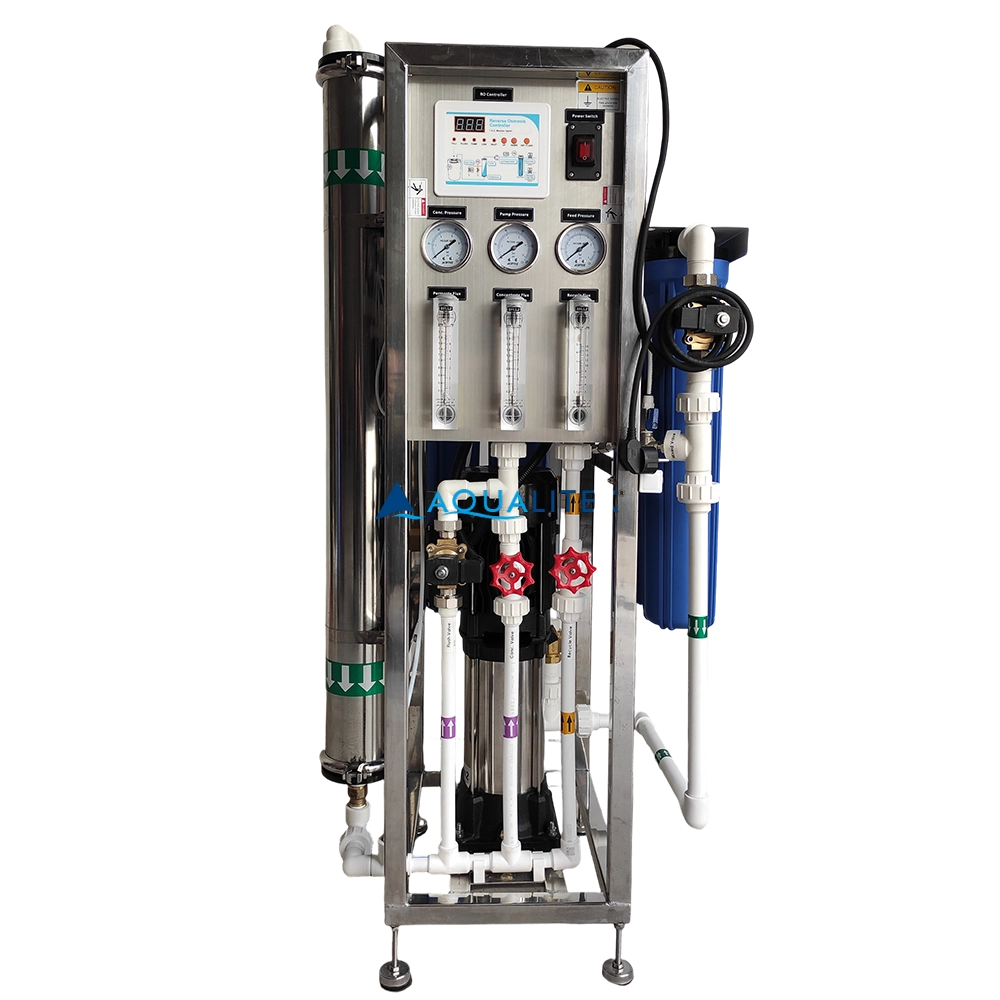
500 LPH Reverse Osmosis (RO) Water Purification Machine TWV - 412
Our 500 LPH Reverse Osmosis (RO) System is engineered to provide high-quality purified water for commercial applications. Designed with advanced RO technology, durable components, and a user-friendly interface, this system ensures consistent performance, low maintenance, and long-term reliability.
With its compact design and robust skid-mounted frame, it’s an excellent choice for businesses that demand efficiency and quality in water purification.
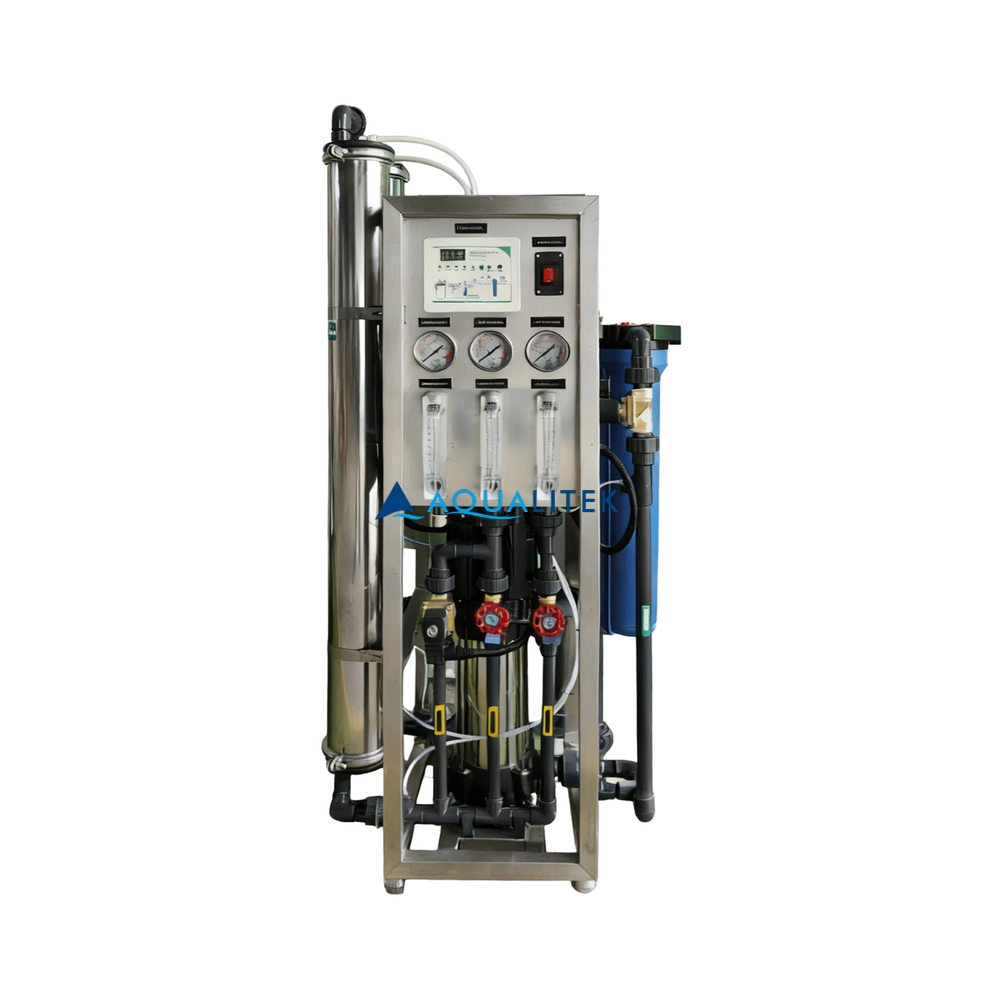
Tap Water Reverse Osmosis (TWRO) Systems TWV Series
TWV series Reverse Osmosis (RO) systems are pre-engineered and pre-assembled units with 2.5”/4” membrane housings(single element type)for tap water(lower TDS).They are designed for overall superior performance, high recovery rates and offer great savings with low maintenance and operation costs.
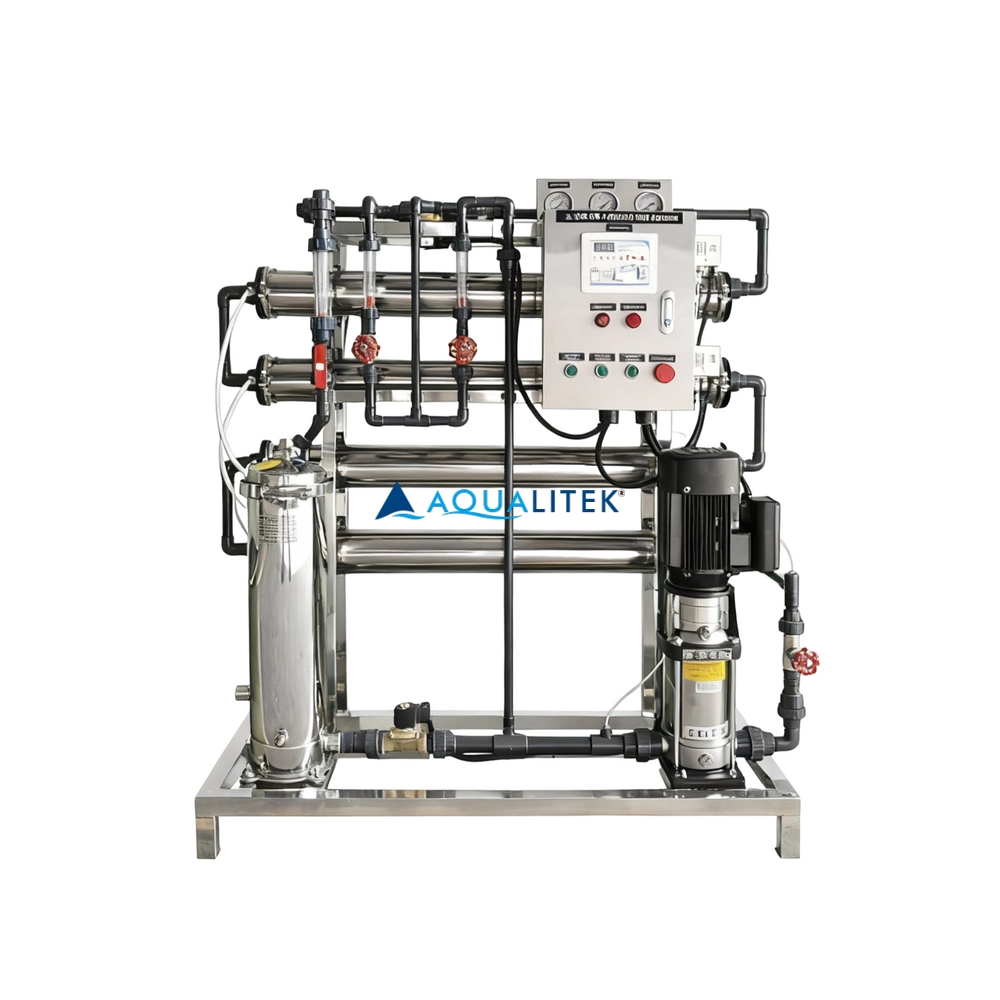
Tap Water Reverse Osmosis (TWRO) Systems TWF Series
TWF series Reverse Osmosis (RO) systems are pre-engineered and pre-assembled units with 4” membrane housings(multiple elements type) for tap water(lower TDS) .The medium large volumes can help meet your a variety of commercial and industrial applications. They are designed for overall superior performance, high recovery rates and offer great savings with low maintenance and operation costs.

Tap Water Reverse Osmosis (TWRO) Systems TWE Series
TWE series Reverse Osmosis (RO) systems are pre-engineered and pre-assembled units with 8” membrane housings for tap water (lower TDS). The large volumes can help meet your a variety of industrial applications. They are designed for overall superior performance, high recovery rates and offer great savings with low maintenance and operation costs.
Request More Information
Contact us today for product catalogs, customization options, and a free quotation designed for your business needs.
Rest assured that your privacy is important to us, and all information provided will be handled with the utmost confidentiality.
© 2026 AQUALITEK. All rights reserved.
AQUALITEK- Aimee Hoo
AQUALITEK - Aimee Hoo