




Maintenance and After-Sales for Industrial RO System Buyers
- Operational Readiness and Commissioning Best Practices
- Pre-commissioning checklist
- Initial performance validation
- Reference standards and resources
- Routine and Preventive Maintenance Strategies
- Daily and weekly checks
- Monthly and quarterly activities
- Annual preventative inspections
- Troubleshooting Common Problems and Solutions
- Membrane fouling and scaling
- High TDS or poor permeate quality
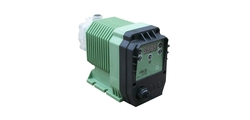
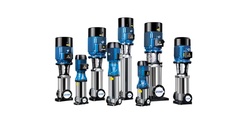
- Pump and mechanical failures
- After-Sales Support, Spare Parts and Service Contracts
- Recommended spare parts and consumables
- Service-level agreements (SLA) and response times
- Training and documentation
- Performance Monitoring, KPIs and Lifecycle Costing
- Key performance indicators (KPIs) to track
- Lifecycle cost comparison (example)
- Environmental, Safety and Compliance Considerations
- Brine and concentrate management
- Chemical handling and safety
- Disposal and recycling
- Brand Summary: Why Choose AQUALITEK 4TPH Industrial Reverse Osmosis System
- Product suitability and industrial focus
- Support and service advantages
- Energy and cost efficiency
- Practical Checklists and Templates
- Start-up checklist (quick)
- Ongoing maintenance checklist (monthly)
- Frequently Asked Questions (FAQ)
- How often should RO membranes be replaced?
- What are the most important spare parts to stock?
- Can we perform chemical cleaning in-house or should we rely on vendor service?
- How do I know if pre-treatment needs an upgrade?
- What environmental permits are typically required for concentrate discharge?
- Contact & Next Steps
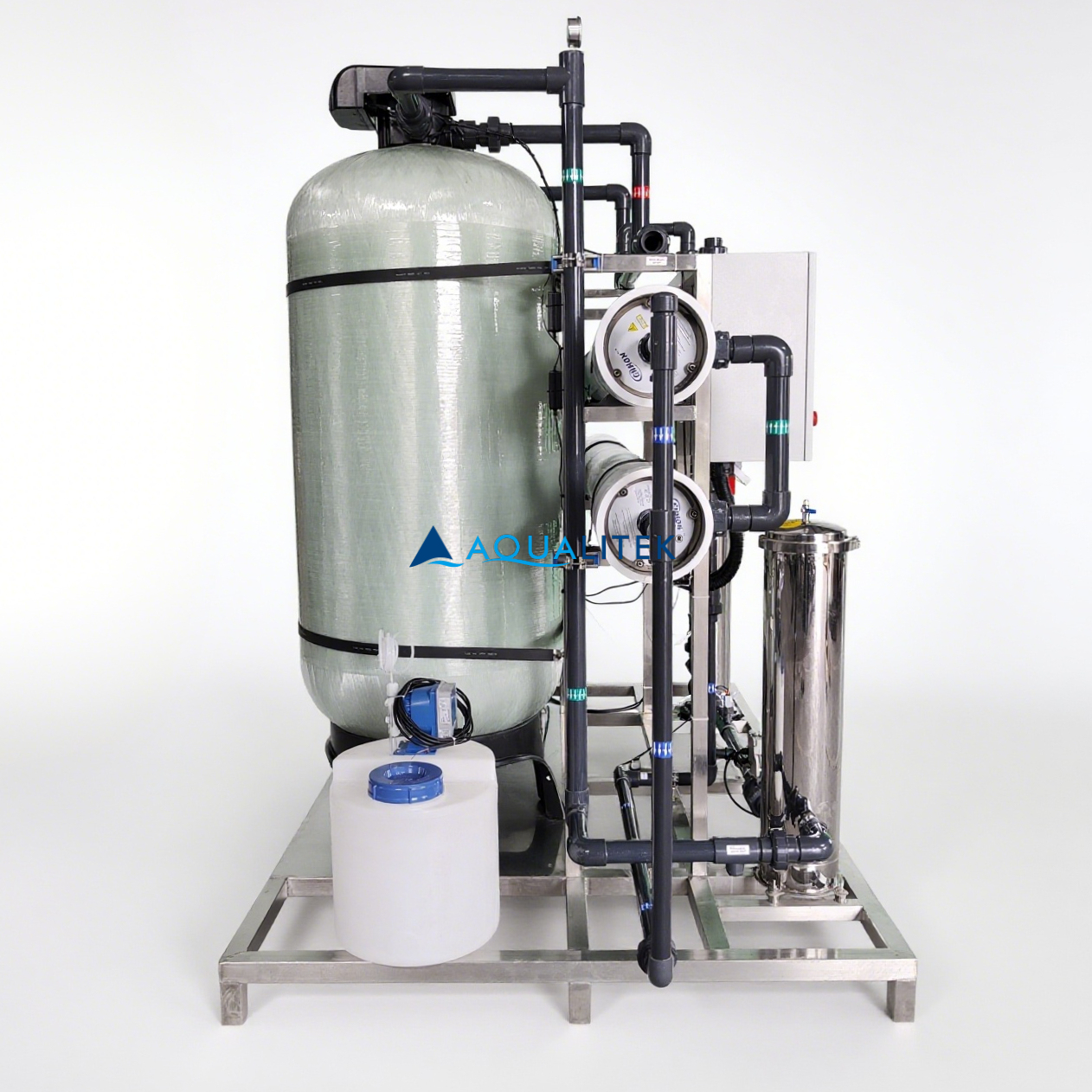
This guide helps industrial RO system buyers understand the critical maintenance and after-sales considerations for long-term, reliable operation. It is written for plant managers, maintenance engineers, procurement teams, and water treatment specialists who want to maximize return on investment, minimize downtime, and ensure regulatory compliance when deploying an industrial ro system.
Product introduction:
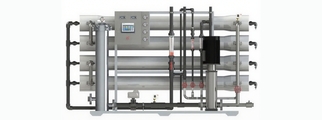
AQUALITEK 4TPH Industrial Reverse Osmosis Water Purification RO System, high-efficiency industrial-grade RO water treatment plant for manufacturing & processing, commercial reverse osmosis filtration system ideal for electronic component cleaning water use.
Operational Readiness and Commissioning Best Practices
Pre-commissioning checklist
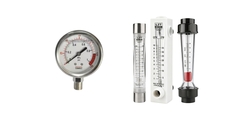
Before commissioning your 4TPH Industrial Reverse Osmosis water purification RO system, confirm the following: site utilities (power, feed-water supply, drainage), proper chemical storage and dosing installations (antiscalant, cleaning agents), piping and valve integrity, instrumentation (flowmeters, pressure gauges, conductivity/TDS meters), and operator training. Use manufacturer-provided factory acceptance test (FAT) documentation and compare on-site results.
Initial performance validation
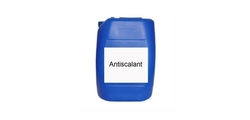
Validate permeate flow rate, salt rejection, recovery ratio, and feed/ concentrate pressure against guaranteed values. Record baseline readings for TDS, conductivity, differential pressure across RO membranes, and permeate quality. Establish an initial tuning of antiscalant dosing and softener regeneration (if present) to reduce early membrane fouling.
Reference standards and resources
For technical background on reverse osmosis principles and common performance metrics, authoritative resources such as the Reverse osmosis - Wikipedia article provide a solid primer. For regulatory and health guidance on industrial water treatment, consult relevant national bodies like the U.S. Environmental Protection Agency (EPA).
Routine and Preventive Maintenance Strategies
Daily and weekly checks
Daily: monitor feed water pressure, permeate flow, permeate TDS/conductivity, and system alarms. Weekly: inspect pre-filters (cartridge housings), check dosing pump operation, verify automatic valves, and review differential pressure across cartridge filters and RO membrane housings. Keeping a daily log enables trend analysis and early detection of performance decline.
Monthly and quarterly activities
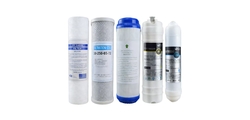
Monthly: replace pre-filtration cartridges as needed, verify antiscalant and cleaning chemical inventories, and test automatic backwash sequences (if part of the design). Quarterly: perform membrane integrity checks, validate recovery settings, and run partial chemical clean-in-place (CIP) if differential pressure indicates fouling. Adjust softener cycles and regeneration frequency to match actual hardness loads.
Annual preventative inspections
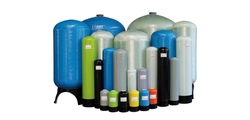
Annually: comprehensive inspection of pressure vessels, heat exchangers (if any), pumps, motor bearings, and electrical panels. Consider sending critical instrumentation for calibration. Replace any sacrificial anodes or worn O-rings and re-certify safety interlocks. A planned annual outage for more thorough membrane cleaning or replacement minimizes unplanned downtime.
Troubleshooting Common Problems and Solutions
Membrane fouling and scaling
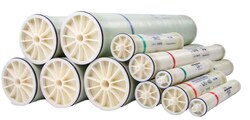
Symptom: rising differential pressure, declining permeate flux, or reduced salt rejection. Causes: particulate matter, colloidal fouling, biological growth, or inorganic scaling (e.g., calcium carbonate, silica). Actions: verify pre-treatment (sediment and multimedia filtration, softening), check antiscalant dosing rates, perform targeted CIP using appropriate cleaning chemistries (acid for scaling, alkaline for organic fouling), and consider upgrading pre-treatment if recurrent.
High TDS or poor permeate quality
Symptom: permeate conductivity or TDS rising above setpoint. Causes: membrane damage, improper concentrate flow control, permeate leak or faulty conductivity transmitter. Actions: review conductivity/TDS sensor calibration, inspect membrane integrity (leaks, broken elements), ensure correct brine flow and pressure, and if needed, perform membrane replacement.
Pump and mechanical failures
Symptom: reduced feed pressure, abnormal vibration, overheating motors. Causes: pump wear, cavitation, incorrect NPSH, or blocked suction. Actions: inspect suction lines, ensure proper mounting and coupling alignment, replace seals and bearings per manufacturer guidance, and maintain spare critical pumps where continuous operation is required.
After-Sales Support, Spare Parts and Service Contracts
Recommended spare parts and consumables
Keep an inventory of critical spares: RO membranes (ideally at least one full pressure vessel set for critical operations), high-pressure pump spare, cartridge filters (variety of micron ratings), dosing pump diaphragms, pressure gauge/transmitter spares, O-rings, and HVAC/fan spares for indoor installations. Maintain a 3–6 month supply of chemicals (antiscalant, biocide, CIP chemicals).
Service-level agreements (SLA) and response times
Negotiate SLAs that define response times for critical failures, preventive maintenance schedules, and inclusion of consumables. Typical SLA tiers: standard (48–72 hour response), priority (24 hour), and emergency (4–8 hour) depending on process criticality. Ensure clarity on what constitutes emergency and whether on-site labor and travel are included.
Training and documentation
Operator training reduces human error and enhances first-line troubleshooting. Request comprehensive documentation from the vendor: O&M manuals, wiring diagrams, P&IDs, commissioning reports, FAT documents, and a recommended spare parts list. Good documentation is central to effective after-sales support.
Performance Monitoring, KPIs and Lifecycle Costing
Key performance indicators (KPIs) to track
Essential KPIs include: permeate production (m3/day), recovery rate (%), salt rejection (%), specific energy consumption (kWh/m3), differential pressure across membranes (bar), frequency of membrane cleanings (CIP frequency), and operating costs per cubic meter (including chemicals and energy). Regular KPI tracking helps optimize operations and extend membrane life.
Lifecycle cost comparison (example)
Below is a simplified comparative table showing annualized operating costs for two scenarios: conservative maintenance vs minimal maintenance. Values are illustrative; customize with plant data for accurate budgeting.
| Cost Item | Conservative Maintenance (Annual) | Minimal Maintenance (Annual) |
|---|---|---|
| Chemicals (antiscalant, CIP) | $6,000 | $4,000 |
| Membrane replacement (pro-rated) | $8,000 | $20,000 |
| Energy (kWh) | $12,000 | $15,000 |
| Downtime / Lost production | $2,000 | $10,000 |
| Total | $28,000 | $49,000 |
Conclusion: Proactive maintenance increases upfront operating costs but reduces total lifecycle cost and production risk.
Environmental, Safety and Compliance Considerations
Brine and concentrate management
Industrial RO systems generate a concentrate (brine) stream that must be managed per local environmental regulations. Options include controlled discharge after pre-treatment, zero-liquid discharge (ZLD) systems, evaporation ponds, or beneficial reuse. Evaluate local discharge limits and always document discharge quality. For guidance on regulatory frameworks, consult your national environmental authority; for example, the EPA industrial wastewater resources provide context on regulatory expectations.
Chemical handling and safety
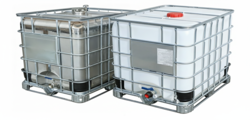
Safe storage and handling of antiscalants, biocides, acids, and alkalis is essential. Provide Material Safety Data Sheets (MSDS) for all chemicals, use secondary containment, and ensure staff have PPE training. Implement spill response plans and regular safety drills.
Disposal and recycling
Dispose of spent membranes, filter cartridges, and chemical containers responsibly. Some components can be recycled or sent for energy recovery depending on local waste management capabilities. Document disposal records to support compliance audits.
Brand Summary: Why Choose AQUALITEK 4TPH Industrial Reverse Osmosis System
Product suitability and industrial focus
The AQUALITEK 4TPH Industrial Reverse Osmosis Water Purification RO System is engineered for manufacturing and processing environments requiring stable, high-quality permeate for tasks such as electronic component cleaning. Its industrial-grade components, optimized pre-treatment options, and modular design support high uptime and straightforward maintenance.
Support and service advantages
AQUALITEK offers factory commissioning, documentation, and training services. Their recommended spare parts lists and service-level offerings help buyers build a resilient after-sales strategy. For buyers requiring strict performance validation, AQUALITEK typically provides performance curves and FAT reports during procurement.
Energy and cost efficiency
With optimized recovery settings and high-efficiency high-pressure pumps, the 4TPH design balances permeate production and energy consumption. When combined with proactive maintenance, buyers can achieve lower total cost of ownership compared to systems with poor pre-treatment or inconsistent after-sales service.
Practical Checklists and Templates
Start-up checklist (quick)
- Confirm utilities and chemical availability
- Verify instrumentation calibration
- Record baseline KPIs (TDS, flow, pressures)
- Run initial rinse and validate permeate quality
- Train operators on alarms and emergency stop procedures
Ongoing maintenance checklist (monthly)
- Replace pre-filter cartridges as required
- Check and log differential pressure across RO membranes
- Inspect high-pressure pump seals and lubrication
- Review chemical dosing levels and reorder if low
- Perform visual inspection of piping and valves for leaks
Frequently Asked Questions (FAQ)
How often should RO membranes be replaced?
Typical membrane life for industrial RO ranges from 3 to 7 years depending on feed water quality, pre-treatment effectiveness, operating pressures, and maintenance frequency. With strong pre-treatment and regular CIP, membranes can achieve the upper end of that range.
What are the most important spare parts to stock?
Priority spares: at least one spare membrane vessel or a full set of elements for critical systems, high-pressure pump spare (or key pump components), cartridge filter stock, dosing pump diaphragms, pressure sensors, and essential valve spares.
Can we perform chemical cleaning in-house or should we rely on vendor service?
Basic CIP can be performed by trained in-house staff if the team follows manufacturer procedures and uses correct chemistries and safety measures. For complex or severe fouling, vendor-assisted cleaning ensures correct chemical selection, concentrations, and handling to avoid membrane damage.
How do I know if pre-treatment needs an upgrade?
If you observe frequent membrane fouling, increased CIP frequency, rapid declines in permeate flux, or scaling despite antiscalant dosing, it's a sign pre-treatment (sediment filtration, softening, multimedia filters, or ultrafiltration) should be reassessed and upgraded.
What environmental permits are typically required for concentrate discharge?
Permit requirements vary by jurisdiction and depend on concentrate volume and pollutant concentrations. Contact local environmental authorities for specific permit obligations; refer to national guidance, for example, EPA resources on industrial wastewater management: EPA industrial wastewater.
Contact & Next Steps
With service strategies in place, forward-looking manufacturers prioritize growth flexibility by evaluating the scalability and modular design of industrial RO systems.If you are considering the AQUALITEK 4TPH Industrial Reverse Osmosis Water Purification RO System or need after-sales support, contact our sales and service team to schedule a site assessment, request a customized maintenance plan, or obtain a spare parts quote. Click here to contact us or view product details and request a quote.
Authority references embedded: For technical background consult Reverse osmosis - Wikipedia. For regulatory and wastewater treatment guidance, see the U.S. EPA groundwater and drinking water and EPA industrial wastewater resources.
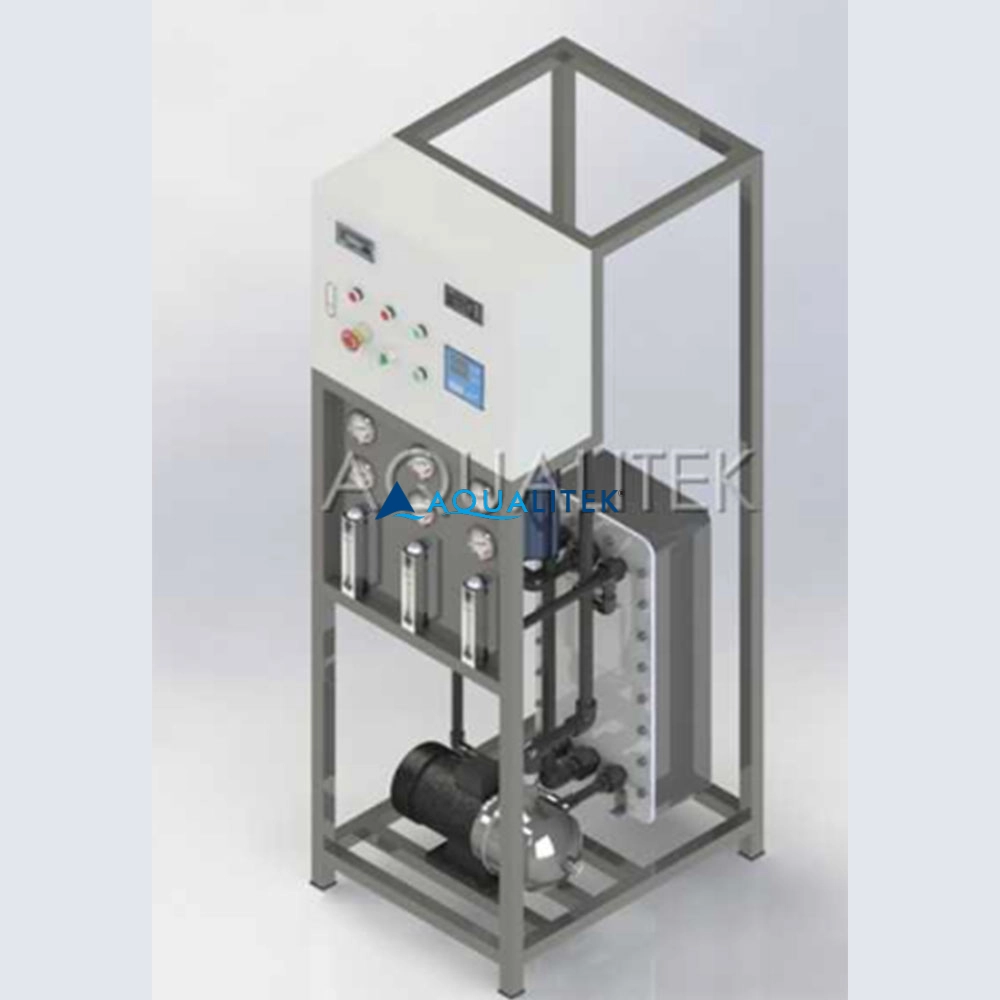
Benefits of Electrodeionization for Continuous Ultrapure Water
Best Industrial RO Machines for Factories 2026
Buyer’s Guide: Electrodeionization Systems for Ultrapure Water
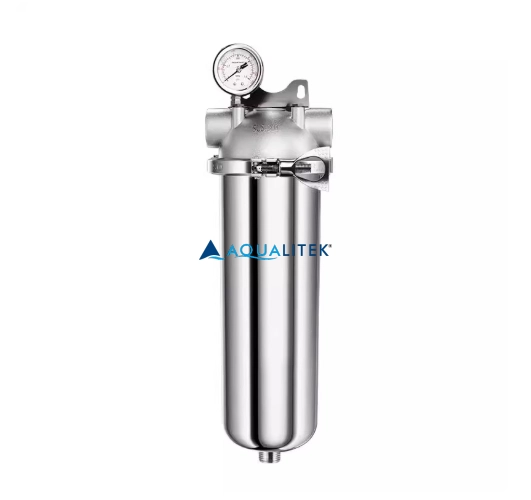
Performance Testing and QA for Stainless Micron Filter Housings
Ion Exchange Water Treatment Systems
Are mixed bed systems better than two-bed systems?
Mixed bed polishers are used for final polishing after RO or two-bed deionization to achieve ultra-pure water.
FAQ-aqualitek
Does AQT provide technical support and after-sales service?
Yes! We offer comprehensive technical support, including installation guidance, troubleshooting, spare parts supply, and ongoing maintenance assistance. Our after-sales team is available to ensure your water treatment system operates efficiently.
What is the difference between Reverse Osmosis (RO), Ultrafiltration (UF), and Nanofiltration (NF)?
1. Reverse Osmosis (RO): Removes up to 99.9% of contaminants, including salts, bacteria, viruses, and heavy metals.
2. Ultrafiltration (UF): Uses a membrane filtration process to remove bacteria and particles, while retaining essential minerals.
3. Nanofiltration (NF): Falls between RO and UF, removing some salts and organic compounds while allowing certain minerals to pass through.
What industries does AQT serve?
We provide water treatment solutions for a wide range of industries, including:
Industrial Manufacturing – Process water treatment, cooling water, and boiler feed.
Hospitality & Commercial – Hotels, restaurants, and office buildings.
Residential Applications – Drinking water purification and softening.
Healthcare & Pharmaceuticals – Ultra-pure water for laboratories and hospitals.
Municipal & Public Utilities – Water supply and wastewater treatment.
Food & Beverage Processing – Filtration for beverage production and food safety.
Solutions
What is the difference between Reverse Osmosis (RO), Ultrafiltration (UF), and Nanofiltration (NF)?
1. Reverse Osmosis (RO): Removes up to 99.9% of contaminants, including salts, bacteria, viruses, and heavy metals.
2. Ultrafiltration (UF): Uses a membrane filtration process to remove bacteria and particles, while retaining essential minerals.
3. Nanofiltration (NF): Falls between RO and UF, removing some salts and organic compounds while allowing certain minerals to pass through.
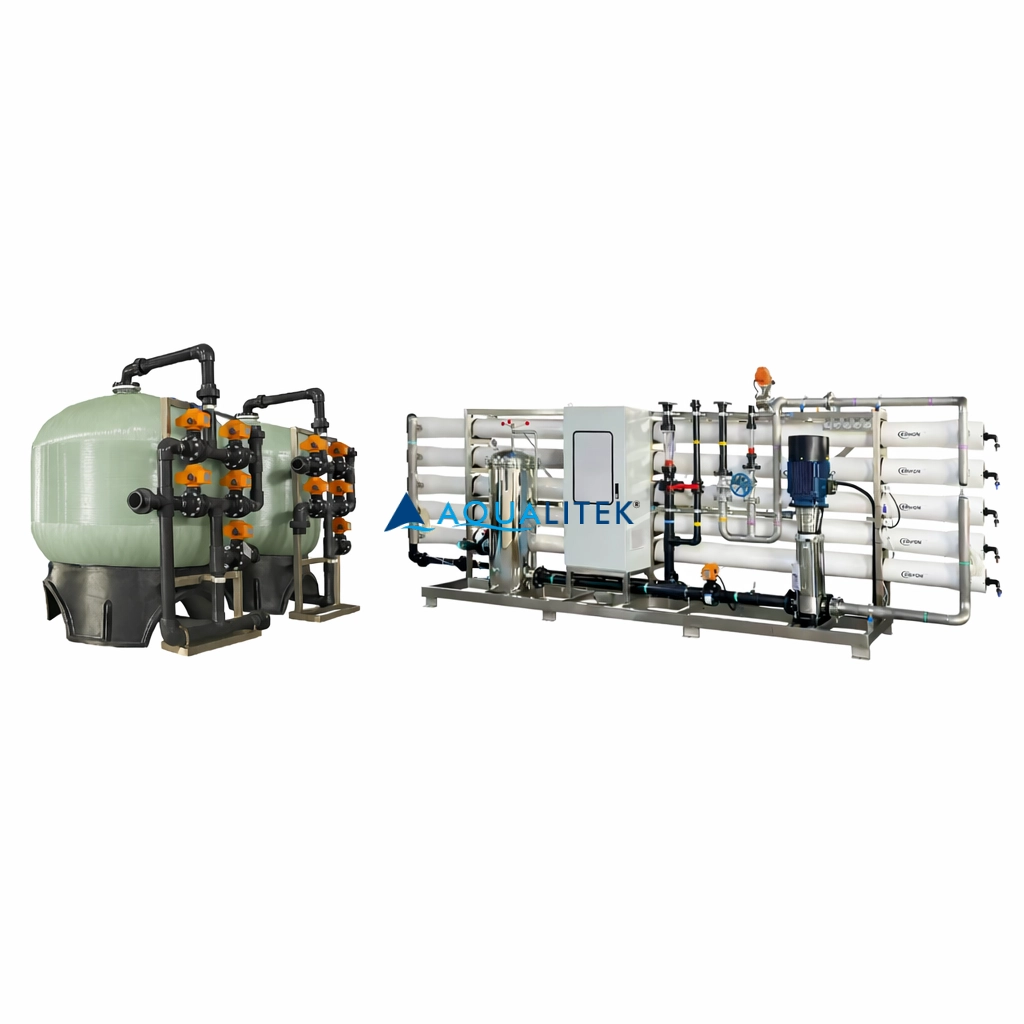
30TPH Industrial Reverse Osmosis (RO) System
30TPH Industrial Reverse Osmosis (RO) System designed for industrial and municipal water treatment. High salt rejection, energy-efficient design, PLC control, and customizable configuration.
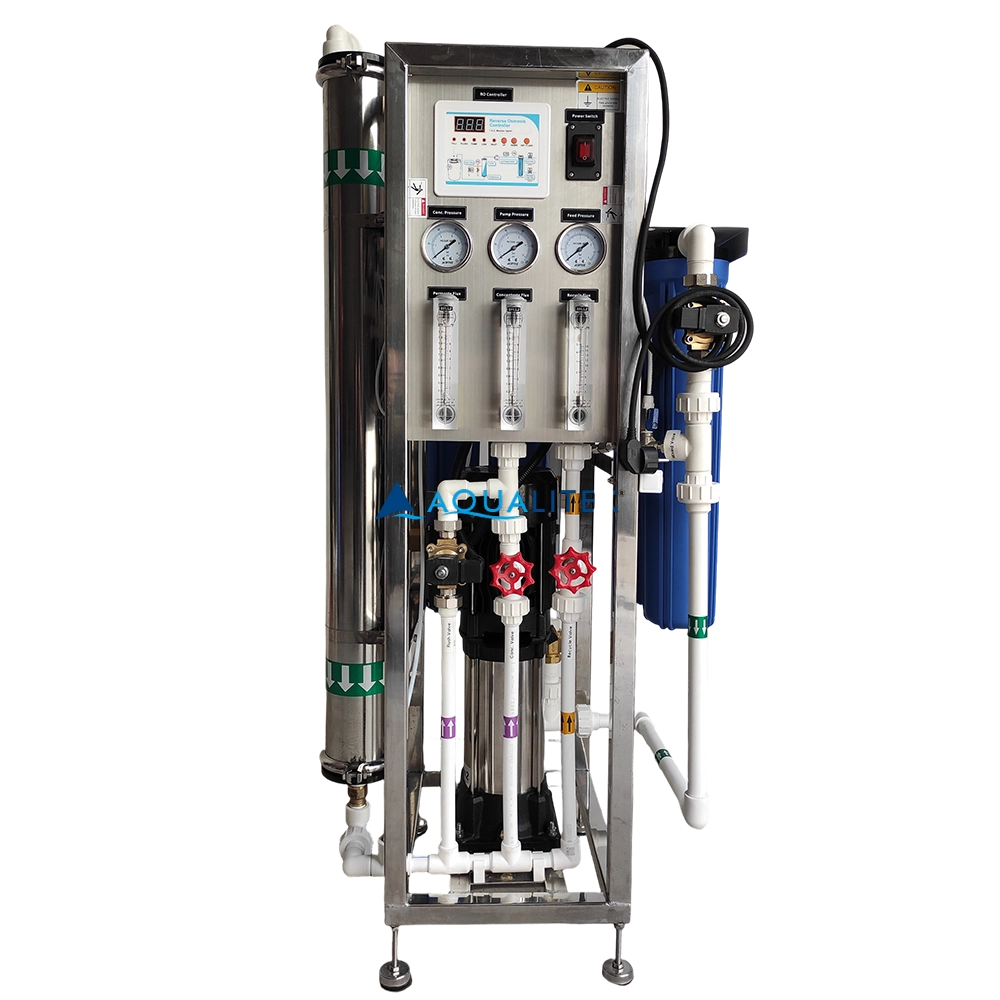
500 LPH Reverse Osmosis (RO) Water Purification Machine TWV - 412
Our 500 LPH Reverse Osmosis (RO) System is engineered to provide high-quality purified water for commercial applications. Designed with advanced RO technology, durable components, and a user-friendly interface, this system ensures consistent performance, low maintenance, and long-term reliability.
With its compact design and robust skid-mounted frame, it’s an excellent choice for businesses that demand efficiency and quality in water purification.
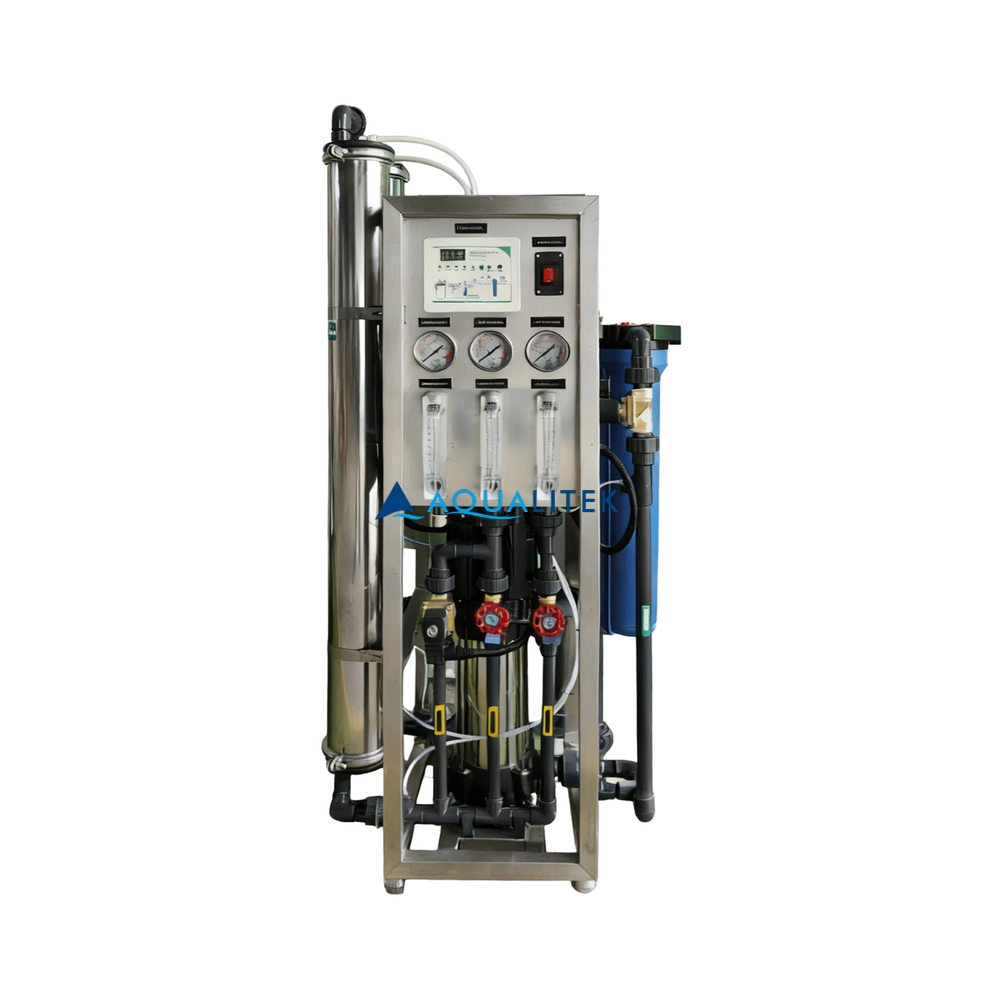
Tap Water Reverse Osmosis (TWRO) Systems TWV Series
TWV series Reverse Osmosis (RO) systems are pre-engineered and pre-assembled units with 2.5”/4” membrane housings(single element type)for tap water(lower TDS).They are designed for overall superior performance, high recovery rates and offer great savings with low maintenance and operation costs.
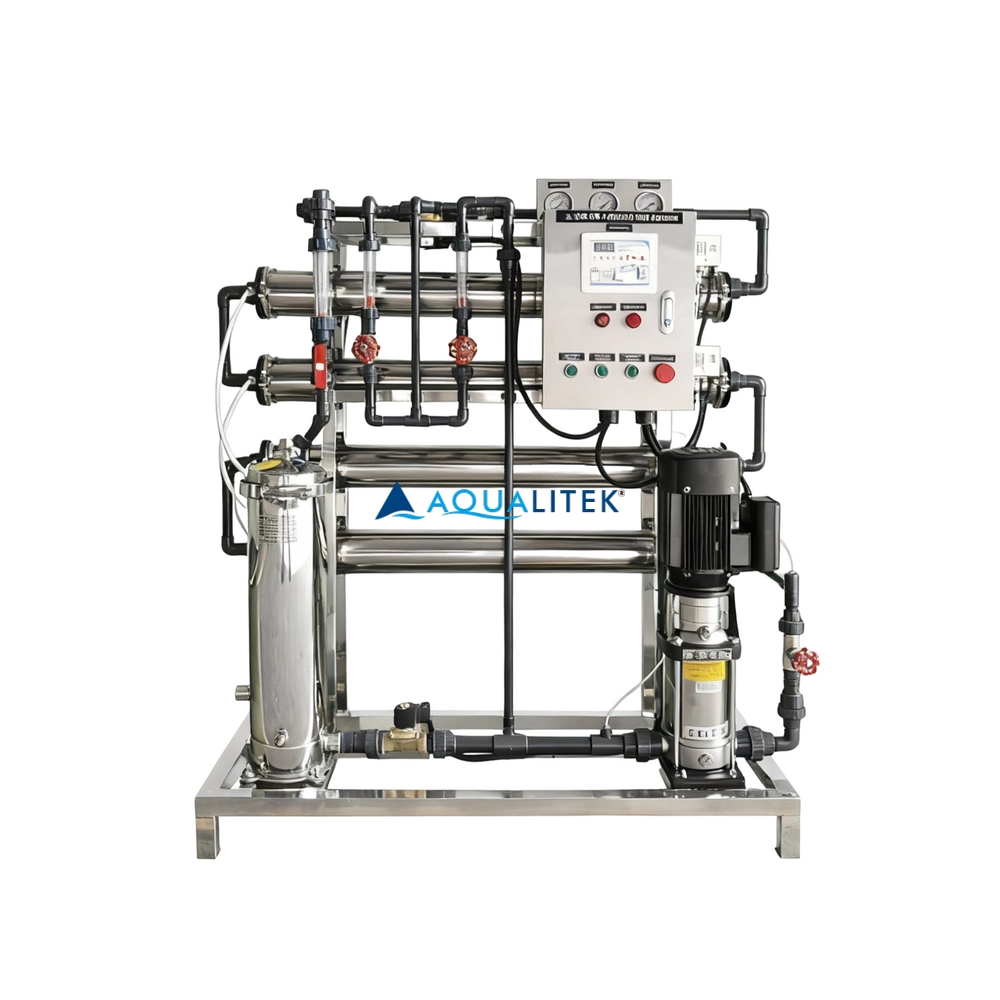
Tap Water Reverse Osmosis (TWRO) Systems TWF Series
TWF series Reverse Osmosis (RO) systems are pre-engineered and pre-assembled units with 4” membrane housings(multiple elements type) for tap water(lower TDS) .The medium large volumes can help meet your a variety of commercial and industrial applications. They are designed for overall superior performance, high recovery rates and offer great savings with low maintenance and operation costs.
Request More Information
Contact us today for product catalogs, customization options, and a free quotation designed for your business needs.
Rest assured that your privacy is important to us, and all information provided will be handled with the utmost confidentiality.
© 2026 AQUALITEK. All rights reserved.
AQUALITEK- Aimee Hoo
AQUALITEK - Aimee Hoo