




Performance Testing and QA for Stainless Micron Filter Housings
- Performance Testing and QA for Stainless Micron Filter Housings
- Overview: Why cartridge filter housing QA matters for water purification
- Key performance parameters for cartridge filter housing
- Material verification and mechanical testing for cartridge filter housing
- Welding and fabrication QA for stainless micron filter housings
- Pressure, leak and burst testing procedures for cartridge filter housing
- Flow performance, differential pressure and filtration efficiency testing
- Microbiological and sterilization validation for water purification housings
- Surface finish, passivation, and corrosion resistance testing for cartridge filter housing
- End-to-end QA protocol, documentation and validation for cartridge filter housing
- Test equipment, standards and acceptance criteria
- Common failure modes and troubleshooting for cartridge filter housing
- How to choose a Multi-cartridge Filter Housing stainless steel micron filter for water purification
- Brand advantages: Why choose our Multi-cartridge Filter Housing stainless steel micron filter for water purification
- Frequently Asked Questions (FAQ)
- Q: What is the difference between hydrostatic and pneumatic testing for cartridge filter housings?
- Q: How often should a stainless micron filter housing be inspected or re-tested?
- Q: Can cartridge filter housings be sterilized repeatedly without damage?
- Q: How do I prevent particle bypass in a multi-cartridge housing?
- Q: What documentation should be provided with a new Multi-cartridge Filter Housing stainless steel micron filter for water purification?
- Contact & Call to Action
- References and Authoritative Sources
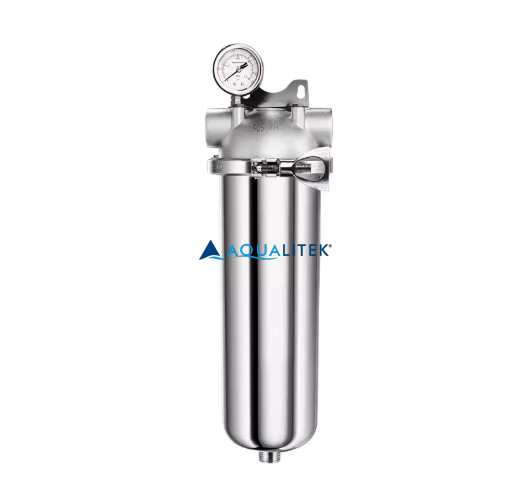
Performance Testing and QA for Stainless Micron Filter Housings
Overview: Why cartridge filter housing QA matters for water purification
Cartridge filter housing is a critical component in liquid filtration systems, designed to securely hold and protect filter cartridges while allowing liquids to flow through the filter media. These housings are essential for industries that require reliable filtration solutions to remove contaminants from liquids, such as water treatment, pharmaceuticals, food and beverage processing, chemicals, and industrial applications.
Multi-cartridge Filter Housing stainless steel micron filter for water purification combines robust materials and multi-cartridge cartridge filter housing design to meet high flow rates and strict purity goals. However, even the best filter elements depend on the housing's mechanical integrity, sealing, and surface condition to achieve target performance. This article outlines the performance testing and QA practices required to validate stainless micron filter housings for safe, repeatable, and documented operation.
Key performance parameters for cartridge filter housing
To design meaningful test protocols, QA teams must define measurable parameters for cartridge filter housing performance. Important parameters include:
- Pressure rating and safety factor (maximum operating pressure, burst pressure)
- Leak-tightness and sealing integrity (no bypass, gasket performance)
- Flow capacity and head loss (flow vs. differential pressure across cartridges)
- Filtration integrity (no particle bypass around cartridges)
- Material and surface quality (stainless grade, passivation, surface finish)
- Sanitary and microbiological performance for potable/high-purity water
- Durability under repeated cycles: assembly, cleaning, sterilization
Each parameter maps to specific test methods and acceptance criteria discussed below.
Material verification and mechanical testing for cartridge filter housing
Stainless micron filter housings used for water purification are typically made from stainless steels such as 304/304L, 316/316L, or duplex grades. Material verification is the first QA step:
- Positive Material Identification (PMI) using XRF or optical emission spectrometry to confirm alloy composition.
- Tensile and hardness tests (where required) to confirm mechanical properties meet design specifications and relevant standards.
- Traceability documentation linking raw material certificates (MTRs) to housing serial numbers.
Without confirmed material compliance, corrosion resistance and mechanical safety under pressure cannot be assured.
Welding and fabrication QA for stainless micron filter housings
Fabrication quality affects long-term reliability. Key QA measures include:
- Welding Procedure Specification (WPS) and Procedure Qualification Record (PQR) documentation for all weld types.
- Welder qualification records to demonstrate personnel competence.
- Non-destructive testing (NDT): dye penetrant testing (PT) for surface cracks, radiographic (RT) or ultrasonic testing (UT) for critical welds.
- Visual inspection ensuring consistent weld profile and absence of undercut, porosity, or inclusions that may cause leakage or accelerated corrosion.
Pressure, leak and burst testing procedures for cartridge filter housing
Pressure testing validates mechanical integrity and sealing. Typical tests:
- Hydrostatic test: the housing is filled with water and pressurized to a specified test pressure (commonly 1.5x maximum operating pressure depending on code/contract) for a set period to check for permanent deformation and leaks.
- Pneumatic leak test: used to detect very small leaks; requires strict safety controls and lower pressures with gas (often nitrogen) and a bubble test or helium leak detection for high-sensitivity applications.
- Burst test (design verification): establishes strength and validates safety margins; performed on sample housings, not production units.
Acceptance criteria should be defined in the QA plan (e.g., no visible leaks, pressure must hold within defined drop limits over test duration).
Flow performance, differential pressure and filtration efficiency testing
Functionality tests ensure the Multi-cartridge Filter Housing meets intended flow and filtration goals:
- Flow vs. ΔP curve: measure flow rates at incremental differential pressures to characterize head loss and capacity with typical cartridge sets.
- Integrity and bypass check: perform particle challenge tests (e.g., using standardized latex spheres or calibrated dust challenge) and monitor particle counts upstream and downstream with laser particle counters to ensure no bypass around cartridges or through poor seals.
- Filter element compatibility: test with the intended cartridge micron ratings to ensure acceptable lifetime and differential pressure profiles.
Microbiological and sterilization validation for water purification housings
For potable water, pharmaceutical, or food applications, microbiological QA is essential:
- Bioburden assessment: swab and rinse tests of internal surfaces to quantify microbial load after fabrication and after passivation/cleaning.
- Endotoxin testing (where applicable), especially for pharma processes.
- Sterilization compatibility: validate that the housing withstands expected sterilization methods (e.g., steam-in-place, autoclaving, chemical sterilants) without structural or surface degradation. Repeat-cycle testing is often required.
Surface finish, passivation, and corrosion resistance testing for cartridge filter housing
Surface quality strongly influences cleanliness, corrosion resistance, and biofilm formation:
- Surface roughness (Ra) measurement: typical targets for sanitary housings are Ra ≤ 0.8 µm; high-purity applications may require Ra ≤ 0.4 µm.
- Electropolishing and passivation: verify process parameters and test with ASTM A967-style tests (pickling and passivation) to ensure free iron removal.
- Salt spray or cyclic corrosion testing for long-term corrosion resistance validation when housings are used in aggressive environments.
End-to-end QA protocol, documentation and validation for cartridge filter housing
A robust QA protocol ensures reproducible performance and traceability. Typical documentation package includes:
- Material certificates and PMI reports.
- Weld PQR/WPS, NDT records, and welder qualifications.
- Factory Acceptance Test (FAT) reports including hydro/pneumatic test data, flow curves, and particle count results.
- Surface finish and passivation certificates.
- Installation Qualification (IQ), Operational Qualification (OQ), and Performance Qualification (PQ) templates for site validation.
- Maintenance and spare parts documentation for ongoing reliability.
Test equipment, standards and acceptance criteria
Below is a concise table mapping common performance tests to methods and typical acceptance criteria for stainless micron cartridge filter housing:
| Test | Method | Typical Acceptance Criteria |
|---|---|---|
| PMI / Material ID | XRF/OES | Alloy composition matches MTR; traceability present |
| Hydrostatic pressure test | Water pressurization at 1.5x operating pressure for 30 min | No leaks; no permanent deformation; pressure hold within defined limits |
| Pneumatic/Helium leak test | Helium mass spectrometry or bubble test | Leak rate below specified threshold (e.g., 1x10^-3 mbar·L/s) |
| Flow vs ΔP | Flow bench testing with calibrated flowmeter and differential pressure gauges | Flow meets design curve within ±10%; ΔP within expected range |
| Particle challenge/integrity | Laser particle counter upstream/downstream; standard challenge aerosol | Downstream particle counts meet micron rating expectations; no bypass |
| Surface roughness | Profilometer measurement | Ra per spec (eg. ≤0.8 µm sanitary; ≤0.4 µm high-purity) |
| NDT of welds | PT/RT/UT | No critical defects; acceptance per contract/code |
Common failure modes and troubleshooting for cartridge filter housing
Understanding frequent issues helps prioritize QA efforts:
- Gasket or seal failure: improper material selection, incorrect gland surface finish, or installation errors. Remedy: verify gasket material compatibility and install torque procedures.
- Bypass (unfiltered liquid): caused by poor cartridge sealing or wrong cartridge length/type. Remedy: verify cartridge-to-housing match and sealing geometry.
- Corrosion or pitting: often due to improper passivation or weld contamination. Remedy: improve cleaning/passivation and implement PMI checks.
- Excessive pressure drop: clogged cartridge selection or wrong flow path. Remedy: confirm cartridge area and recommended change-out schedules.
How to choose a Multi-cartridge Filter Housing stainless steel micron filter for water purification
Selection should be needs-driven and validated with QA testing:
- Define fluid properties: temperature, chemical composition, particulate load, allowable pressure drop.
- Choose the correct cartridge micron rating and length; multi-cartridge housings allow modular capacity scaling.
- Confirm housing material grade (316L recommended for higher corrosion resistance) and finish level for sanitary applications.
- Request factory test reports: PMI, pressure tests, flow curves, and FAT documentation before purchase.
- Plan for site IQ/OQ/PQ to verify performance in the actual system and obtain written acceptance criteria.
Brand advantages: Why choose our Multi-cartridge Filter Housing stainless steel micron filter for water purification
Our Multi-cartridge Filter Housing stainless steel micron filter for water purification is designed and manufactured to rigorous QA standards to deliver predictable performance:
- Material excellence: all housings supplied with full MTRs and PMI verification for stainless steel grades used.
- Fabrication quality: certified welders, documented WPS/PQR, and comprehensive NDT deliver durable, leak-free assemblies.
- Sanitary surface treatment: electropolishing and controlled passivation reduce corrosion and microbial adhesion.
- Comprehensive testing: full FAT packages including hydro/pneumatic tests, flow curves, and particle-count integrity testing.
- Customization and support: modular multi-cartridge designs, spare parts availability, and engineering support for IQ/OQ/PQ and on-site commissioning.
- Regulatory alignment: designed with potable water and food/pharma needs in mind, and able to meet relevant standards and customer-specified acceptance criteria.
Frequently Asked Questions (FAQ)
Q: What is the difference between hydrostatic and pneumatic testing for cartridge filter housings?
A: Hydrostatic tests use water to detect leaks and structural weakness and are safer for large pressure excursions because liquid is incompressible. Pneumatic tests use gases and can be more sensitive for small leaks (especially helium mass spectrometry) but require strict safety protocols due to gas compressibility and stored energy.
Q: How often should a stainless micron filter housing be inspected or re-tested?
A: Routine visual inspections and gasket checks should occur during each cartridge change. Pressure and seal integrity tests should be part of periodic preventive maintenance (frequency depends on application but commonly annually). Full re-validation (IQ/OQ/PQ) may be required after significant repairs, relocation, or process changes.
Q: Can cartridge filter housings be sterilized repeatedly without damage?
A: Many stainless housings can withstand repeated steam or chemical sterilization if designed and validated for those conditions. Validate cycles during QA to confirm no loss of mechanical integrity, surface degradation, or seal failure.
Q: How do I prevent particle bypass in a multi-cartridge housing?
A: Ensure cartridges match housing sealing geometry, gaskets are compatible and undamaged, and the housing's internal cartridge guide and spacers are correctly installed. Integrity testing after assembly will confirm the absence of bypass.
Q: What documentation should be provided with a new Multi-cartridge Filter Housing stainless steel micron filter for water purification?
A: At minimum: material certificates (MTRs), PMI reports, weld PQR/WPS, NDT reports, hydro/pneumatic test records, surface finish/passivation certificates, and FAT results including flow and particle integrity data.
If you have additional questions or need an application-specific validation plan, contact our technical sales team to discuss your process requirements or to request the product datasheet and FAT documentation.
Contact & Call to Action
To learn more about the Multi-cartridge Filter Housing stainless steel micron filter for water purification or to request a custom QA/test plan and quotation, please contact our sales team or request a product datasheet. Our specialists will help you select the correct cartridge filter housing configuration, validate performance requirements, and support installation, IQ/OQ/PQ, and maintenance planning.
References and Authoritative Sources
- Wikipedia — Water purification: https://en.wikipedia.org/wiki/Water_purification
- Wikipedia — Filter (mechanical): https://en.wikipedia.org/wiki/Filter_(mechanical)
- ASME (American Society of Mechanical Engineers): https://www.asme.org/
- NSF International: https://www.nsf.org/
- U.S. Environmental Protection Agency (EPA) — Drinking Water: https://www.epa.gov/dwstandardsregulations
- World Health Organization (WHO) — Drinking-water: https://www.who.int/health-topics/drinking-water
- ISO — International Organization for Standardization: https://www.iso.org/
- 3-A Sanitary Standards: https://www.3-a.org/
- U.S. Food & Drug Administration (FDA): https://www.fda.gov/
How to Test Your Water Before Installing a System
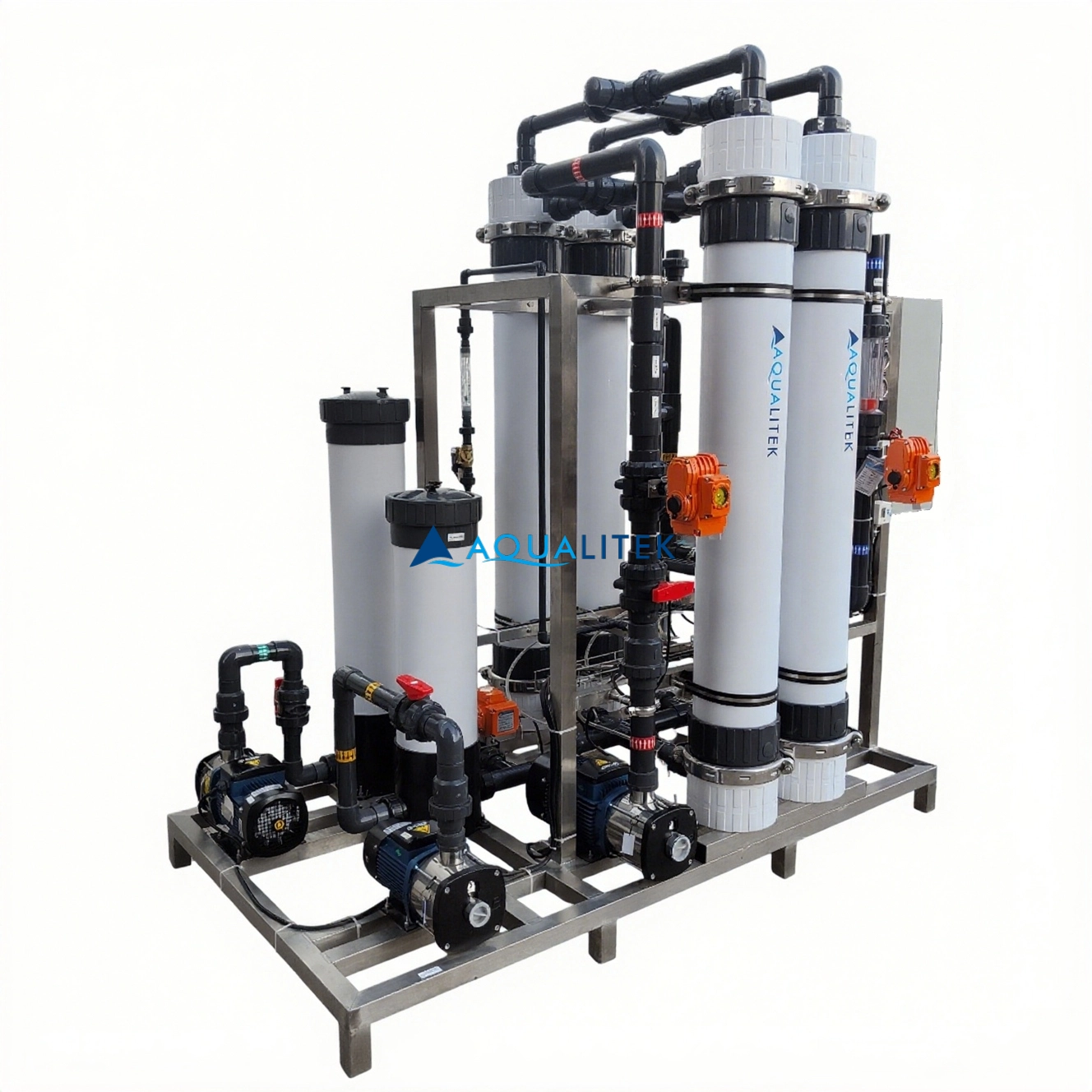
Energy and Chemical Savings with High-Throughput UF Devices
Selecting Vendors: What B2B Buyers Should Ask About UF Systems

4TPH Industrial Reverse Osmosis RO System: Technical Overview
Solutions
How often should I replace filters and membranes?
Filter and membrane lifespan depends on water quality, usage, and system type. General guidelines:
1. Sediment & Carbon Filters: Replace every 6–12 months.
2. RO Membranes: Replace every 2–3 years, depending on water conditions.
3. UF/NF Membranes: Replace every 1–2 years.
Regular maintenance ensures optimal performance and water quality.
Membrane Water Treatment Systems
What’s the difference between UF and RO?
UF (Ultrafiltration) removes suspended solids, bacteria, and larger molecules. RO (Reverse Osmosis) removes dissolved salts and minerals. They’re often used together for complete treatment.
Blog
Can I use a water softener with a septic system?
Yes. Studies show no negative impact, especially when using metered regeneration systems.
Do softener systems remove iron or chlorine?
Not typically. If your water contains iron, manganese, or chlorine, consider a dual-system setup or add specialized pre-filters.
Water Filters
Do you provide replacement parts and consumables?
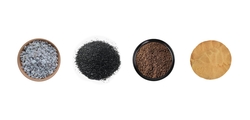
Yes. We supply cartridges, filter bags, media (sand, carbon, etc.), valve kits, and O-rings for all major systems.
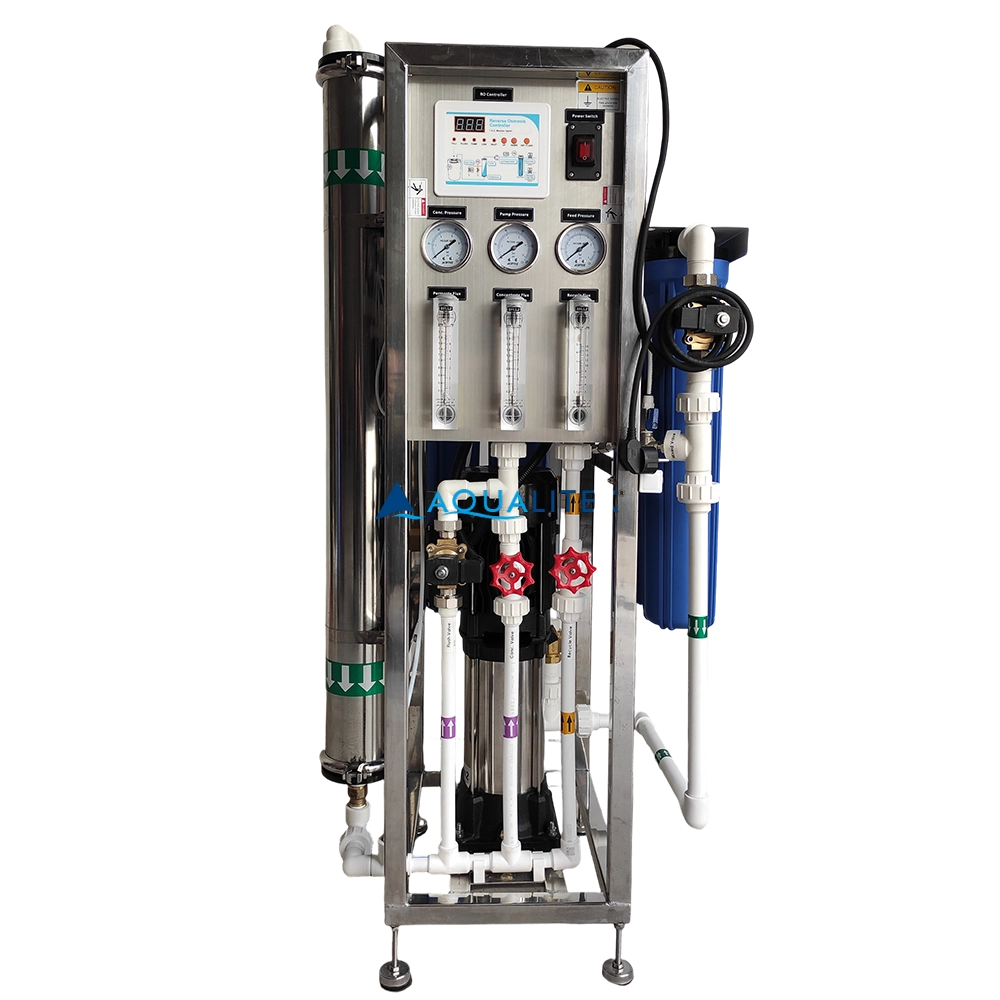
500 LPH Reverse Osmosis (RO) Water Purification Machine TWV - 412
Our 500 LPH Reverse Osmosis (RO) System is engineered to provide high-quality purified water for commercial applications. Designed with advanced RO technology, durable components, and a user-friendly interface, this system ensures consistent performance, low maintenance, and long-term reliability.
With its compact design and robust skid-mounted frame, it’s an excellent choice for businesses that demand efficiency and quality in water purification.
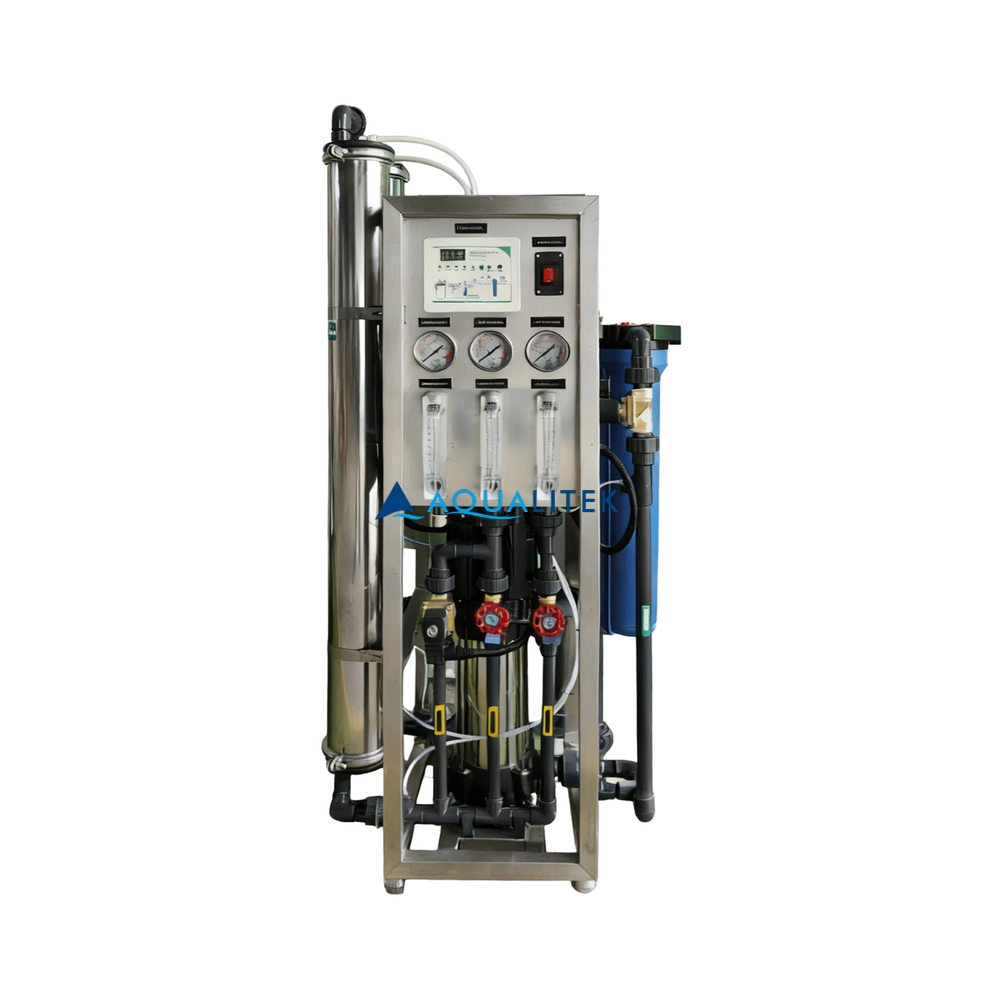
Tap Water Reverse Osmosis (TWRO) Systems TWV Series
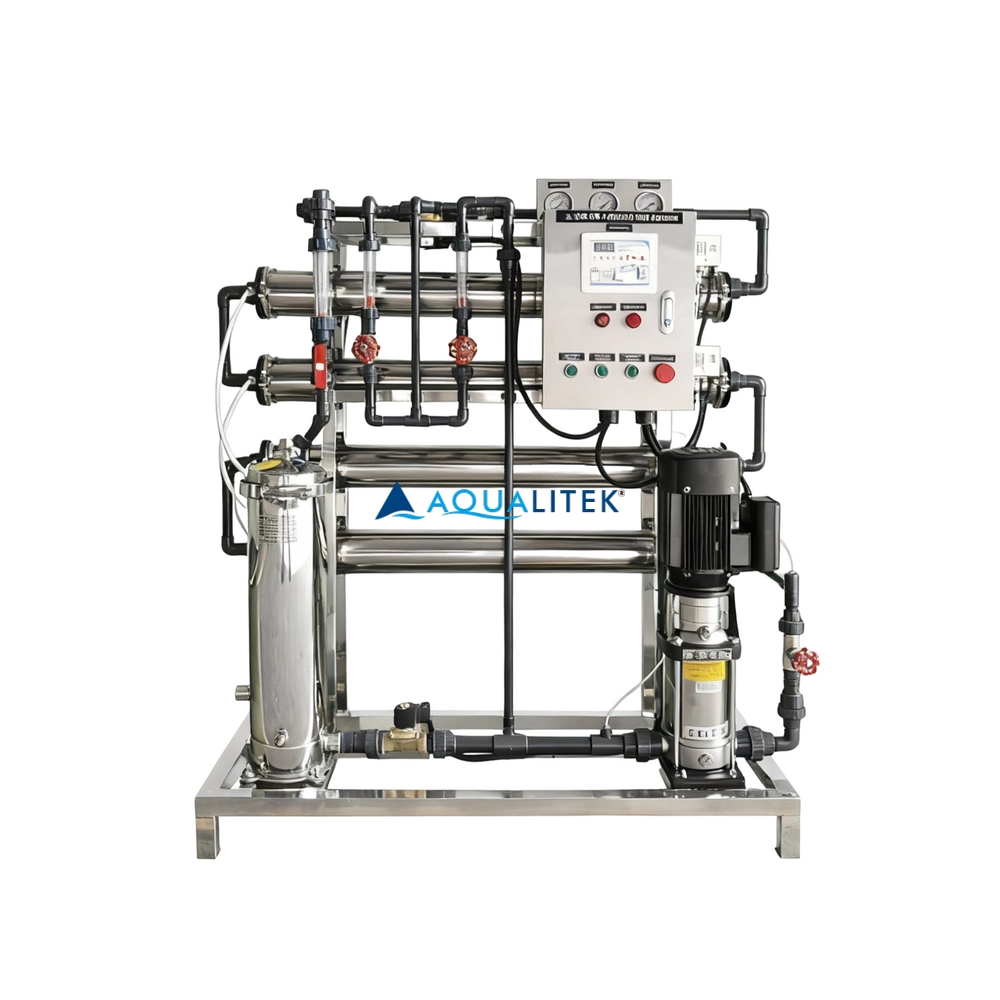
TWV series Reverse Osmosis (RO) systems are pre-engineered and pre-assembled units with 2.5”/4” membrane housings(single element type)for tap water(lower TDS).They are designed for overall superior performance, high recovery rates and offer great savings with low maintenance and operation costs.
Tap Water Reverse Osmosis (TWRO) Systems TWF Series
TWF series Reverse Osmosis (RO) systems are pre-engineered and pre-assembled units with 4” membrane housings(multiple elements type) for tap water(lower TDS) .The medium large volumes can help meet your a variety of commercial and industrial applications. They are designed for overall superior performance, high recovery rates and offer great savings with low maintenance and operation costs.

Tap Water Reverse Osmosis (TWRO) Systems TWE Series
TWE series Reverse Osmosis (RO) systems are pre-engineered and pre-assembled units with 8” membrane housings for tap water (lower TDS). The large volumes can help meet your a variety of industrial applications. They are designed for overall superior performance, high recovery rates and offer great savings with low maintenance and operation costs.
Request More Information
Contact us today for product catalogs, customization options, and a free quotation designed for your business needs.
Rest assured that your privacy is important to us, and all information provided will be handled with the utmost confidentiality.
© 2026 AQUALITEK. All rights reserved.
AQUALITEK- Aimee Hoo
AQUALITEK - Aimee Hoo