



Reducing Operational Downtime in RO Plants
- Maximizing Uptime in Industrial Water Treatment
- Design choices that reduce downtime
- Pretreatment and feedwater management
- Redundancy and modularity
- Operational Best Practices for Reliable RO Performance
- Real-time monitoring and automation
- Clean-in-place (CIP) and chemical management
- Membrane management and replacement strategies
- Maintenance Programs, Troubleshooting & Rapid Recovery
- Predictive vs preventive maintenance
- Common causes of downtime and solutions
- Spare parts and service infrastructure
- Case Study: Implementing Strategies with 4TPH Industrial Reverse Osmosis
- Why AQUALITEK 4TPH is suited to reduce downtime
- Practical steps for retrofits and upgrades
- Measuring ROI and KPIs
- FAQ — Reducing Downtime in RO Plants
- Q: What is the most common cause of unplanned RO downtime?
- Q: How often should I perform CIP on industrial RO membranes?
- Q: Can automation eliminate operator errors that cause downtime?
- Q: What on-site spares should every RO plant keep?
- Q: How can I measure whether retrofits reduced downtime?
- Contact & Product Info
This article provides actionable strategies to reduce operational downtime in industrial reverse osmosis (RO) plants. It focuses on design, pretreatment, monitoring, maintenance, and rapid recovery tactics that are applicable across manufacturing and processing sectors — especially where consistent water quality is critical such as electronics cleaning. Recommendations draw on established industry guidance and standards to help plant managers, engineers, and maintenance teams increase uptime, lower operating cost-per-m3, and maintain regulatory compliance.
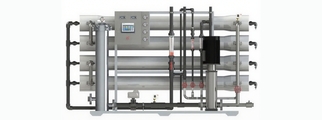
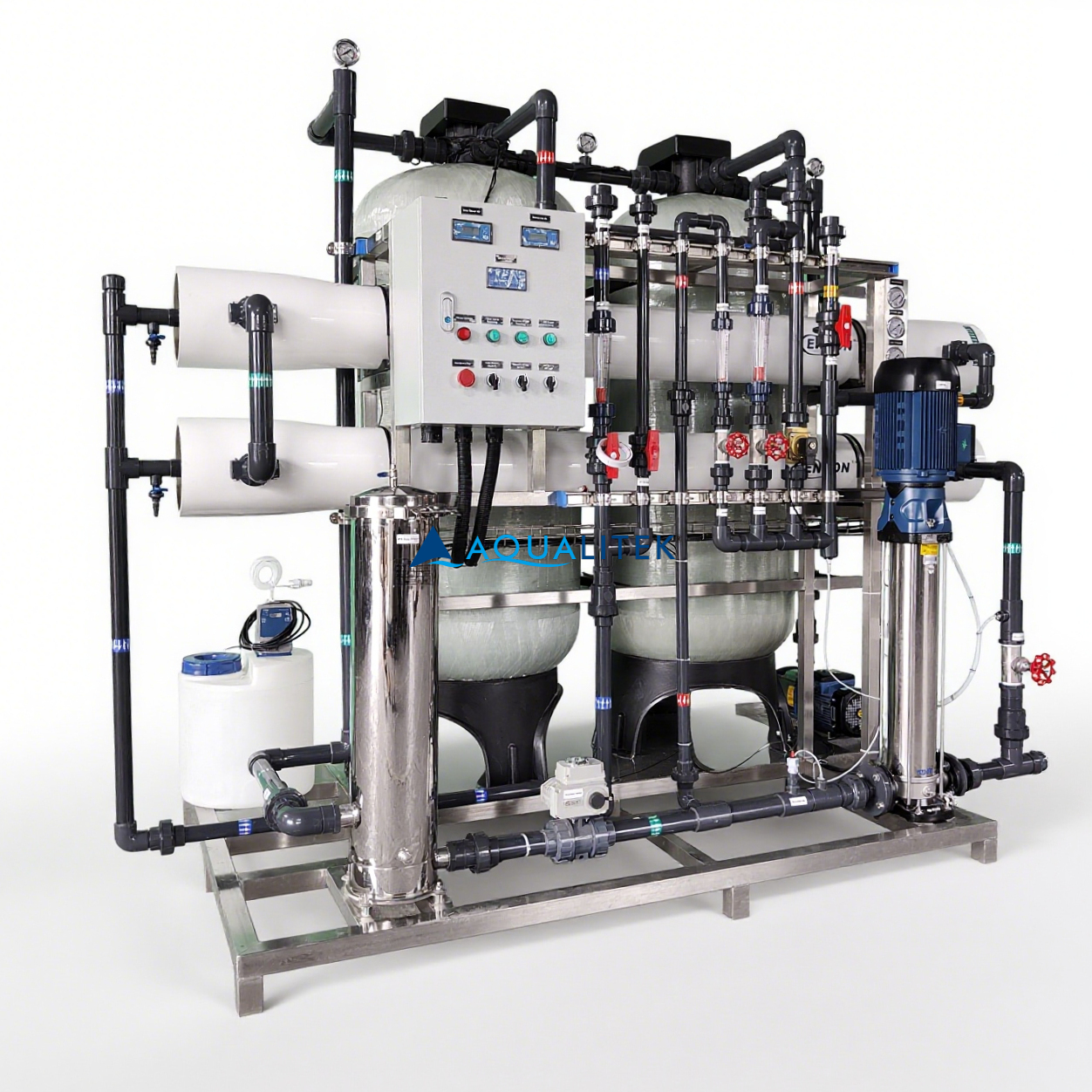
AQUALITEK 4TPH Industrial Reverse Osmosis Water Purification RO System, high-efficiency industrial-grade RO water treatment plant for manufacturing & processing, commercial reverse osmosis filtration system ideal for electronic component cleaning water use.
Maximizing Uptime in Industrial Water Treatment
Design choices that reduce downtime
Design decisions made during initial selection and sizing of an industrial reverse osmosis system directly affect operational resilience. Properly sized pumps, correctly selected membranes, and adequate pretreatment reduce stress on membranes and lower the risk of fouling. Incorporate modular trains so individual skids can undergo maintenance while the rest of the plant continues to produce. Where possible, design systems with parallel trains and automatic switching to maintain production when one train is off-line.
Pretreatment and feedwater management
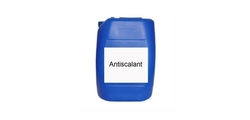
Pretreatment is often the single most effective measure to reduce downtime. Hardness, iron, manganese, silica, organics, and biological growth are common feedwater challenges that accelerate membrane scaling and fouling. Typical pretreatment measures include multimedia filtration, cartridge filters, antiscalant dosing, and softening as appropriate for feedwater chemistry. Regular monitoring of feedwater parameters (TDS, SDI/SDI-15, turbidity, chlorine/chloramines) provides early warning of shifts that would otherwise shorten membrane life or trigger frequent cleanings.
For a primer on reverse osmosis technology, see the reverse osmosis overview on Wikipedia.
Redundancy and modularity
Redundancy is not only about backup pumps or power. Duplicate critical components (pressure vessels, skid-mounted RO trains, controls) and automate seamless switchover to minimize manual intervention. Modular systems such as the AQUALITEK 4TPH Industrial Reverse Osmosis Water Purification RO System simplify scaling and provide built-in redundancy: you can isolate a module for maintenance while others continue running, greatly reducing planned downtime.
Operational Best Practices for Reliable RO Performance
Real-time monitoring and automation
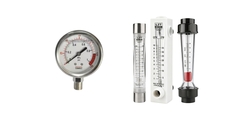
Invest in sensors and control systems (SCADA/PLC) that provide continuous visibility into key performance indicators: permeate conductivity, recovery rate, differential pressure across filters and membranes, permeate flow, and raw feed quality. Automated alarms and trending allow operators to act before transient events become downtime events. Integrating data logging and simple analytics can spot gradual degradation patterns and support predictive maintenance.
Clean-in-place (CIP) and chemical management
Implement an SOP for clean-in-place (CIP) with validated chemicals, concentrations, temperatures, and contact times. Adjust CIP frequency based on fouling indicators rather than a fixed calendar interval when possible. Documented CIP processes reduce risk of ineffective cleans that waste time and accelerate membrane replacement. Use manufacturer-approved cleaning chemistries and maintain a schedule of chemical inventory to avoid interruption of cleaning plans.
Membrane management and replacement strategies
Membrane lifespan varies with feedwater and operational discipline. Regular autopsies of failed membranes (or participating in membrane health checks with vendors) identify root causes such as mechanical damage, irreversible fouling, or chemical attack. Consider staggered replacement schedules to avoid simultaneous train outages. Maintain an inventory of critical spare membranes based on lead times for procurement and the plant's acceptable downtime limits.
Maintenance Programs, Troubleshooting & Rapid Recovery
Predictive vs preventive maintenance
Preventive maintenance follows time-based schedules (e.g., weekly filter change, monthly inspection). Predictive maintenance uses condition monitoring (pressure trends, SDI, permeate quality) and analytics to schedule work only when needed. Combining both approaches reduces unnecessary interventions while ensuring issues are caught early. Use checklists, digital work orders, and historical logs to build a knowledge base that shortens troubleshooting times.
Common causes of downtime and solutions
Below is a practical comparison of typical downtime causes, mitigation steps, and expected impact on downtime when mitigations are applied.
| Cause | Typical Mitigation | Expected Downtime Reduction |
|---|---|---|
| Membrane fouling (organic, biofilm) | Improve pretreatment, antiscalant/biocide dosing, optimized CIP | 40–70% |
| Scaling (hardness, silica) | Softer feedwater, antiscalant selection, lower recovery or staged recovery | 50–80% |
| Particulate ingress / filter bypass | Upgrade multimedia/cartridge filters, monitor differential pressure | 60–90% |
| Equipment failure (pumps, valves) | Redundancy, condition monitoring, spare parts on-site | 70–95% |
| Operational error (incorrect setpoints) | Operator training, automation, alarm configuration | 60–100% |
Quantified reductions are indicative and depend on baseline performance and implementation quality.
Spare parts and service infrastructure
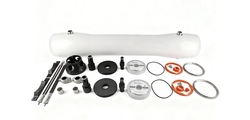
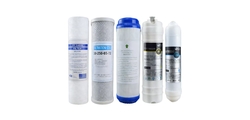
Develop a critical spares list: membranes, high-pressure seals, feed pumps, valves, pressure sensors, and filter cartridges. For high-uptime operations, keeping a small inventory on-site is cost-effective versus lost production. Establish service agreements with OEMs or local specialists to support rapid response for complex repairs, membrane autopsies, or off-hour emergencies.
Case Study: Implementing Strategies with 4TPH Industrial Reverse Osmosis
Why AQUALITEK 4TPH is suited to reduce downtime
The 4TPH Industrial Reverse Osmosis Water Purification RO System is engineered for continuous industrial use, offering features that support uptime: skid-mounted modular design, factory-tested controls, and compatibility with common pretreatment packages. For electronics cleaning applications where permeate resistivity and low particulate counts are critical, the system's stable permeate production and straightforward CIP sequence reduce the operational variability that can lead to unscheduled maintenance.
Practical steps for retrofits and upgrades
When retrofitting older RO plants, focus first on the feedwater train and controls. Upgrading to an automated antiscalant dosing system or adding an SDI/Turbidity monitor provides immediate early-warning capability. Where footprint allows, add a parallel 4TPH skid for redundancy. Work with certified installers to ensure piping, electrical, and control logic are integrated into existing SCADA/PLC systems to allow automated sequencing and remote alarms.
Measuring ROI and KPIs
Key performance indicators to measure before and after improvements include:
- Plant availability (%) — proportion of time producing target permeate
- Specific energy consumption (kWh/m3)
- Membrane life (operational years or cumulative m3)
- Frequency and duration of unplanned shutdowns
- CIP frequency and chemical usage per m3
Track these KPIs to quantify ROI for upgrades: lower downtime increases throughput and reduces unit treatment cost.
For industry guidance related to membrane systems and water treatment practices, consult the American Water Works Association (AWWA) and the U.S. Environmental Protection Agency (EPA). For desalination and membrane-sector best practices, the International Desalination Association (IDA) provides technical resources. These organizations help align operations with recognized standards and benchmarking approaches.
FAQ — Reducing Downtime in RO Plants
Q: What is the most common cause of unplanned RO downtime?
A: Membrane fouling due to inadequate pretreatment (particulates, biological growth, or scaling) is the most common cause. Accurate feedwater characterization and targeted pretreatment typically provide the largest single improvement in uptime.
Q: How often should I perform CIP on industrial RO membranes?
A: CIP frequency depends on fouling rate indicated by pressure differential and permeate decline. Many plants start with a preventive schedule (e.g., every 2–6 weeks) and move to condition-based CIP using trending. Follow membrane manufacturer guidelines and validate CIP effectiveness with post-clean performance checks.
Q: Can automation eliminate operator errors that cause downtime?
A: Automation reduces human error by managing sequences, alarm thresholds, and interlocks. However, automation must be properly commissioned and operators trained to respond to alarms and exceptions. A combination of automation and operator competency is best.
Q: What on-site spares should every RO plant keep?
A: Essential spares include a small inventory of membrane elements, pump seals, pressure sensors, cartridge filters, O-rings, and critical valves. Tailor the spares list to lead times for procurement and the plant's tolerance for downtime.
Q: How can I measure whether retrofits reduced downtime?
A: Compare KPI baselines (availability, unplanned shutdown hours/month, CIP frequency, membrane life) before and after retrofit. A statistically significant reduction in unplanned shutdown hours and lower CIP frequency typically indicates success.
Contact & Product Info
If you are evaluating systems or need help reducing downtime at your RO plant, contact our technical sales team or view the full product specifications for the AQUALITEK 4TPH Industrial Reverse Osmosis Water Purification RO System.
Contact Us | View 4TPH Product Page
References: EPA membrane information and guidance: EPA Membrane Filtration; AWWA resources: AWWA; Overview of reverse osmosis: Wikipedia; International Desalination Association: IDA.
Maintenance and Lifecycle Considerations for Electrodeionization
Troubleshooting Common Electrodeionization Performance Issues

Buyer's Guide to Industrial Reverse Osmosis Systems
Scalability and Modular Design of Industrial RO Systems
Water Filters
Do you provide replacement parts and consumables?
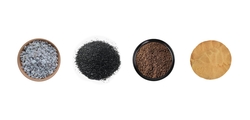
Yes. We supply cartridges, filter bags, media (sand, carbon, etc.), valve kits, and O-rings for all major systems.
Solutions
Can AQT provide custom water treatment solutions?
Yes! We specialize in OEM/ODM water treatment solutions and can design custom filtration systems tailored to your business, industry, or brand requirements. Our team can assist with system design, branding, private labeling, and technical support.
FAQ-aqualitek
How often should I replace filters and membranes?
Filter and membrane lifespan depends on water quality, usage, and system type. General guidelines:
1. Sediment & Carbon Filters: Replace every 6–12 months.
2. RO Membranes: Replace every 2–3 years, depending on water conditions.
3. UF/NF Membranes: Replace every 1–2 years.
Regular maintenance ensures optimal performance and water quality.
Membrane Water Treatment Systems
What’s the difference between UF and RO?
UF (Ultrafiltration) removes suspended solids, bacteria, and larger molecules. RO (Reverse Osmosis) removes dissolved salts and minerals. They’re often used together for complete treatment.
Can your membrane systems treat seawater?
Yes. Our seawater RO systems are designed to handle high salinity with corrosion-resistant materials and energy recovery devices.
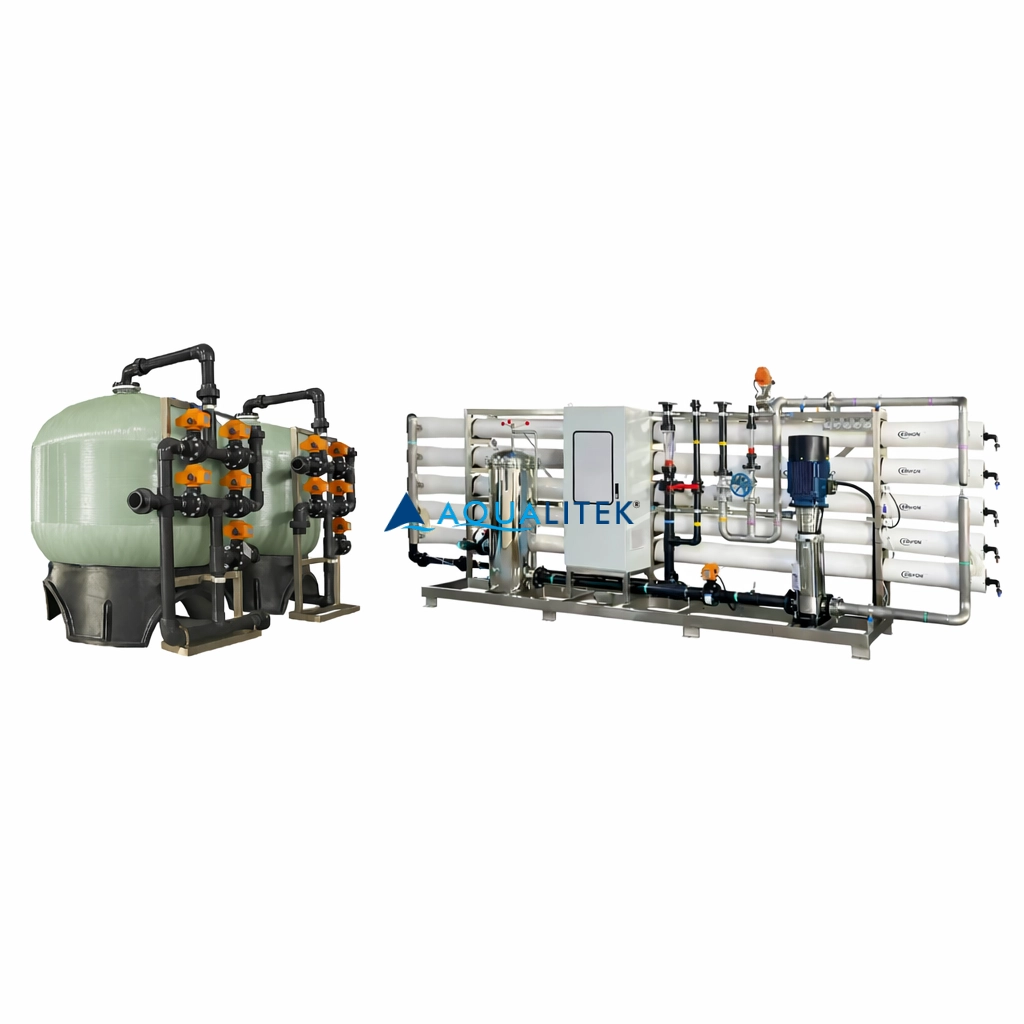
30TPH Industrial Reverse Osmosis (RO) System
30TPH Industrial Reverse Osmosis (RO) System designed for industrial and municipal water treatment. High salt rejection, energy-efficient design, PLC control, and customizable configuration.
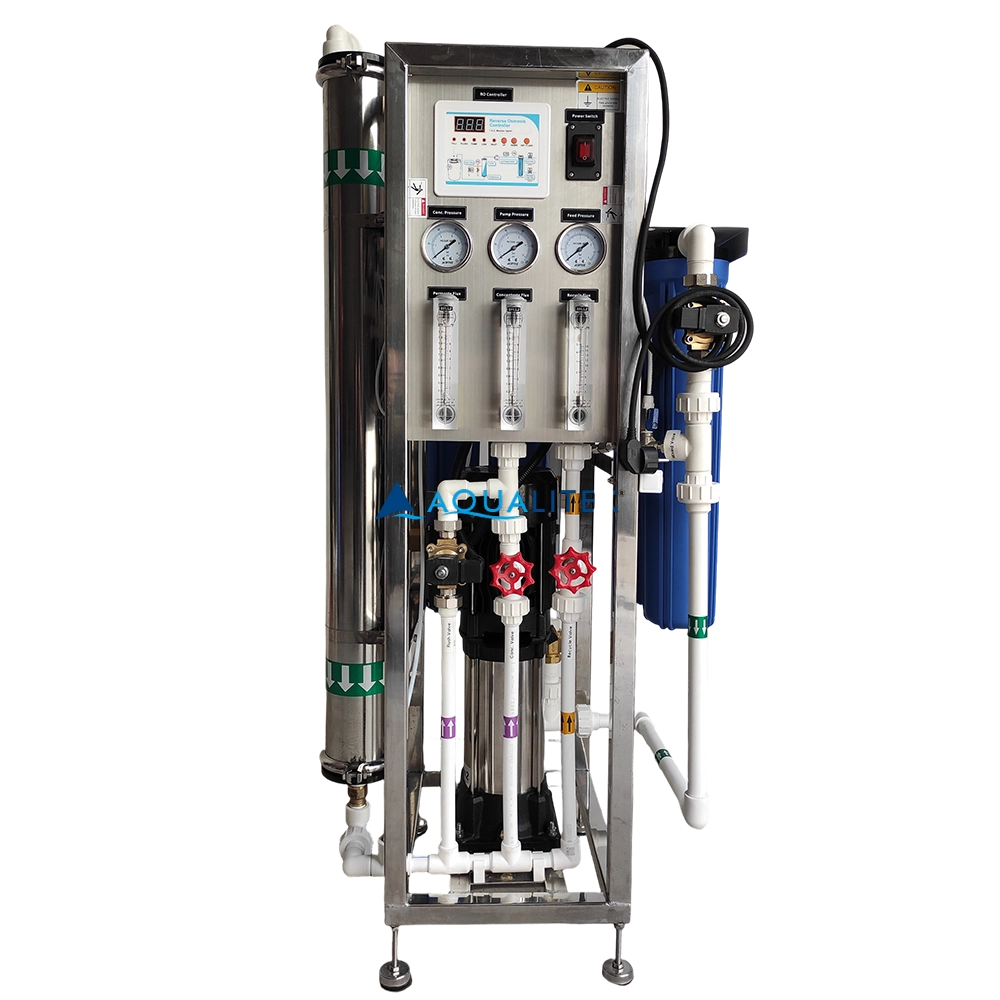
500 LPH Reverse Osmosis (RO) Water Purification Machine TWV - 412
Our 500 LPH Reverse Osmosis (RO) System is engineered to provide high-quality purified water for commercial applications. Designed with advanced RO technology, durable components, and a user-friendly interface, this system ensures consistent performance, low maintenance, and long-term reliability.
With its compact design and robust skid-mounted frame, it’s an excellent choice for businesses that demand efficiency and quality in water purification.
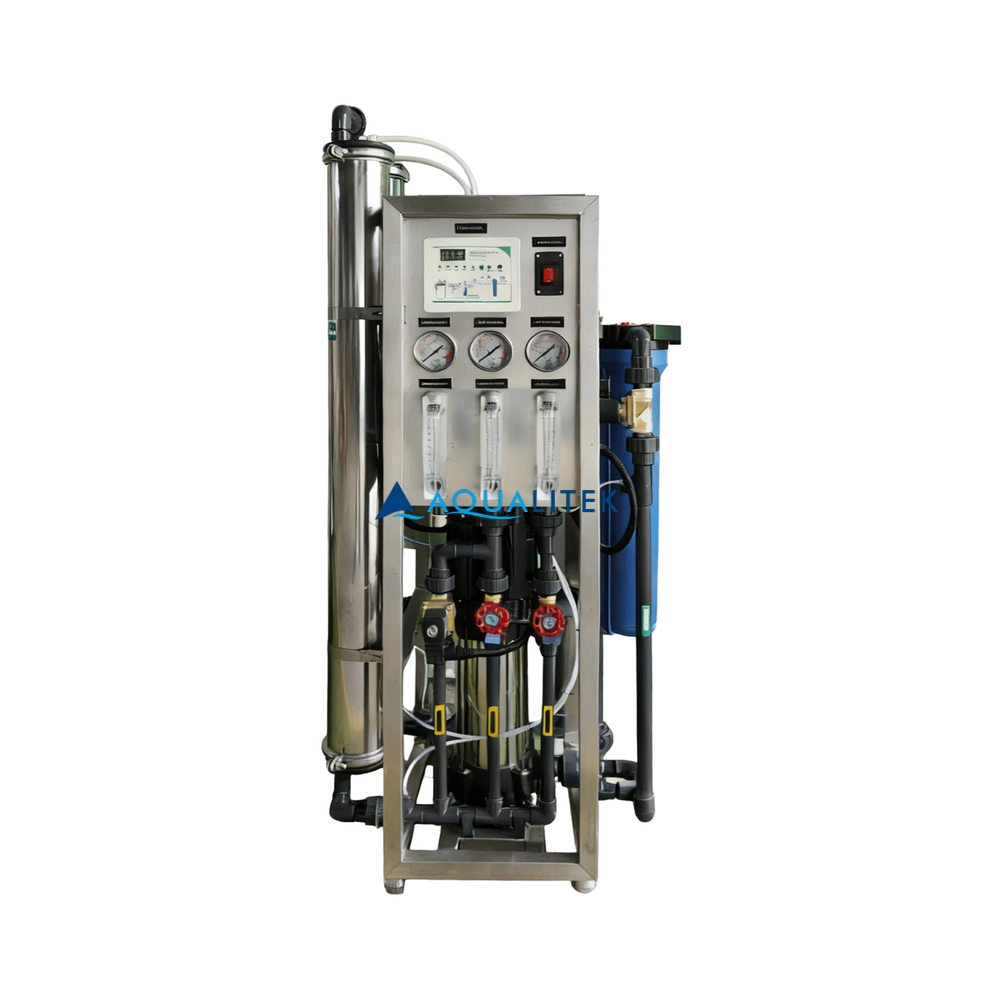
Tap Water Reverse Osmosis (TWRO) Systems TWV Series
TWV series Reverse Osmosis (RO) systems are pre-engineered and pre-assembled units with 2.5”/4” membrane housings(single element type)for tap water(lower TDS).They are designed for overall superior performance, high recovery rates and offer great savings with low maintenance and operation costs.
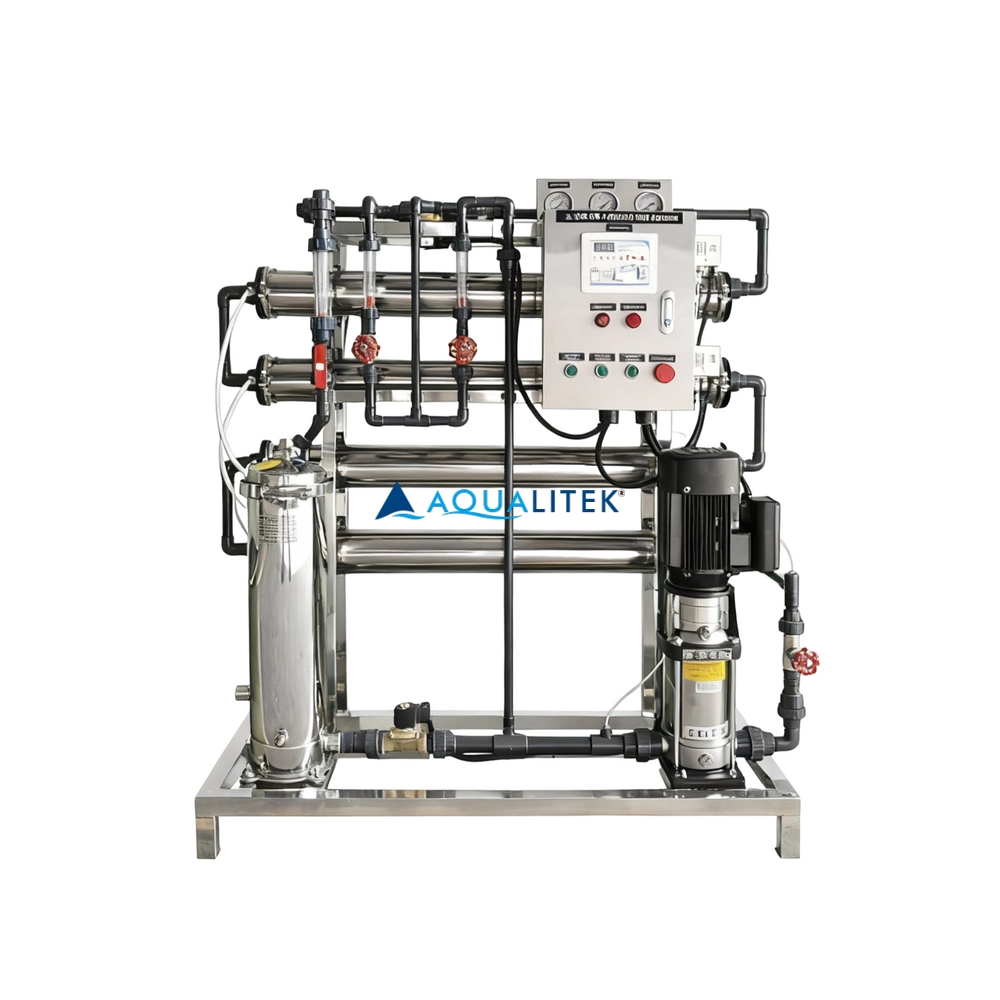
Tap Water Reverse Osmosis (TWRO) Systems TWF Series
TWF series Reverse Osmosis (RO) systems are pre-engineered and pre-assembled units with 4” membrane housings(multiple elements type) for tap water(lower TDS) .The medium large volumes can help meet your a variety of commercial and industrial applications. They are designed for overall superior performance, high recovery rates and offer great savings with low maintenance and operation costs.
Request More Information
Contact us today for product catalogs, customization options, and a free quotation designed for your business needs.
Rest assured that your privacy is important to us, and all information provided will be handled with the utmost confidentiality.
© 2026 AQUALITEK. All rights reserved.
AQUALITEK- Aimee Hoo
AQUALITEK - Aimee Hoo