




Buyer's Guide to Industrial Reverse Osmosis Systems
- How Industrial Reverse Osmosis Works and Key Performance Metrics
- Principle and basic process flow
- Key performance metrics: recovery, rejection and specific energy
- Role of pretreatment and membrane selection
- Choosing the Right Industrial RO System: Criteria and Trade-offs
- Sizing: capacity, peak demand and redundancy planning
- Recovery and concentrate management
- Water quality goals, monitoring and regulatory needs
- Installation, Operation and Maintenance Best Practices
- Site preparation, integration and controls
- Daily operation and monitoring routines
- Membrane care, cleaning schedules and spare parts
- Cost, Compliance, and Real-World Applications
- Lifecycle cost assessment and ROI
- Regulatory and industry compliance
- Typical industrial applications and a case for the 4TPH
- FAQ — Frequently Asked Questions
- Q: What feedwater quality is acceptable for an industrial RO system?
- Q: How often do RO membranes need replacement?
- Q: Can an RO system be expanded later if demand grows?
- Q: What are common causes of RO system downtime and how to prevent them?
- Q: Is the AQUALITEK 4TPH suitable for electronics cleaning water?

Industrial reverse osmosis (RO) systems are critical components for many manufacturing and processing operations that require consistent, high-quality process water. This buyer's guide explains how industrial reverse osmosis works, what to evaluate when selecting a system, operational and maintenance best practices, and compliance considerations to help procurement, operations, and facility engineers choose a reliable solution. The guide emphasizes practical decision-making (capacity, recovery, pretreatment, energy and chemical use, footprint and lifecycle cost) and highlights the AQUALITEK 4TPH Industrial Reverse Osmosis Water Purification RO System as an example of a high-efficiency industrial-grade RO plant suitable for manufacturing and electronic component cleaning water applications.
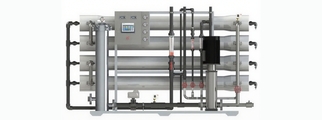
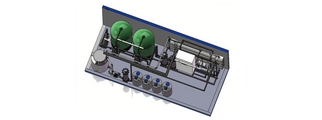
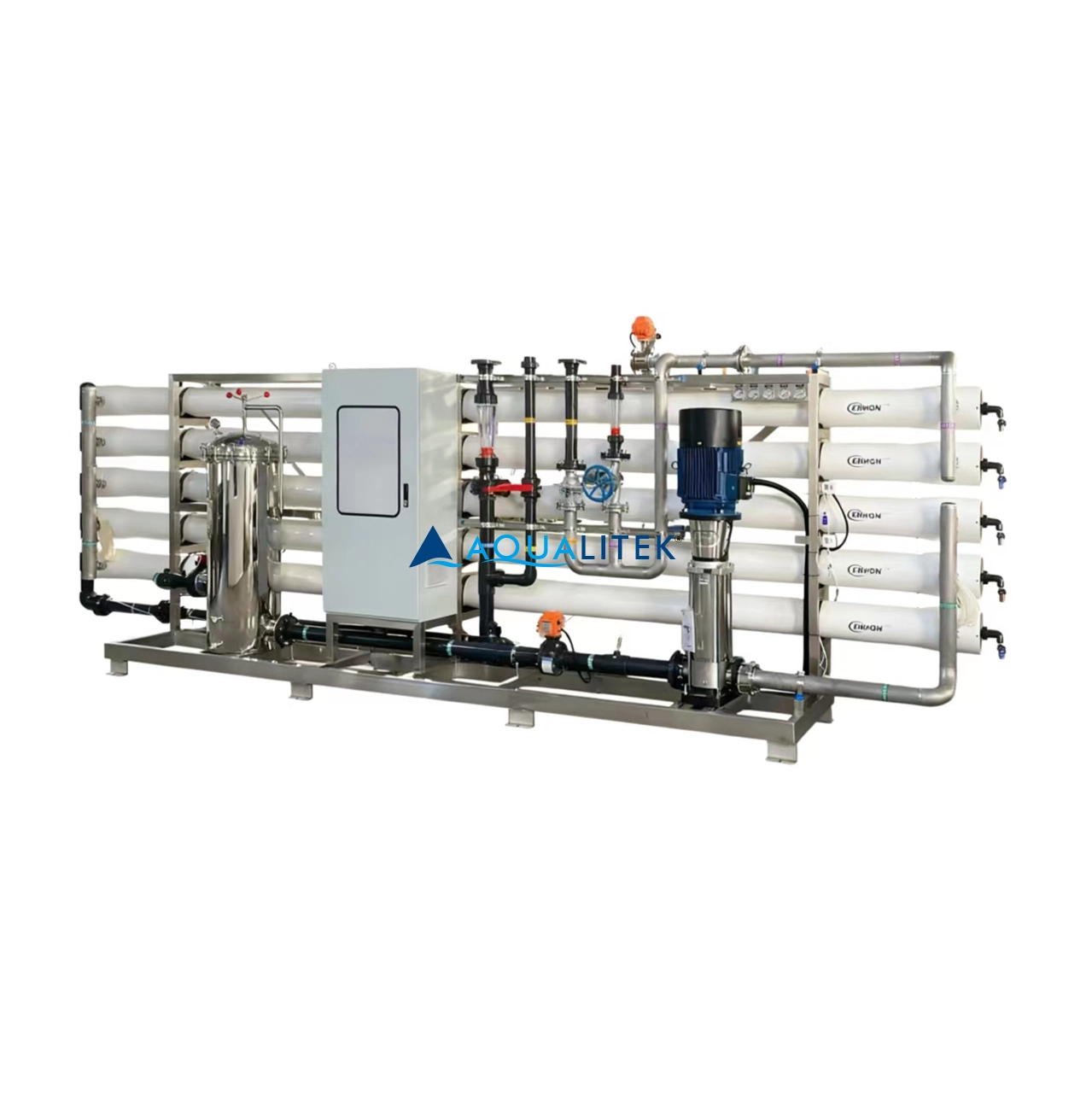
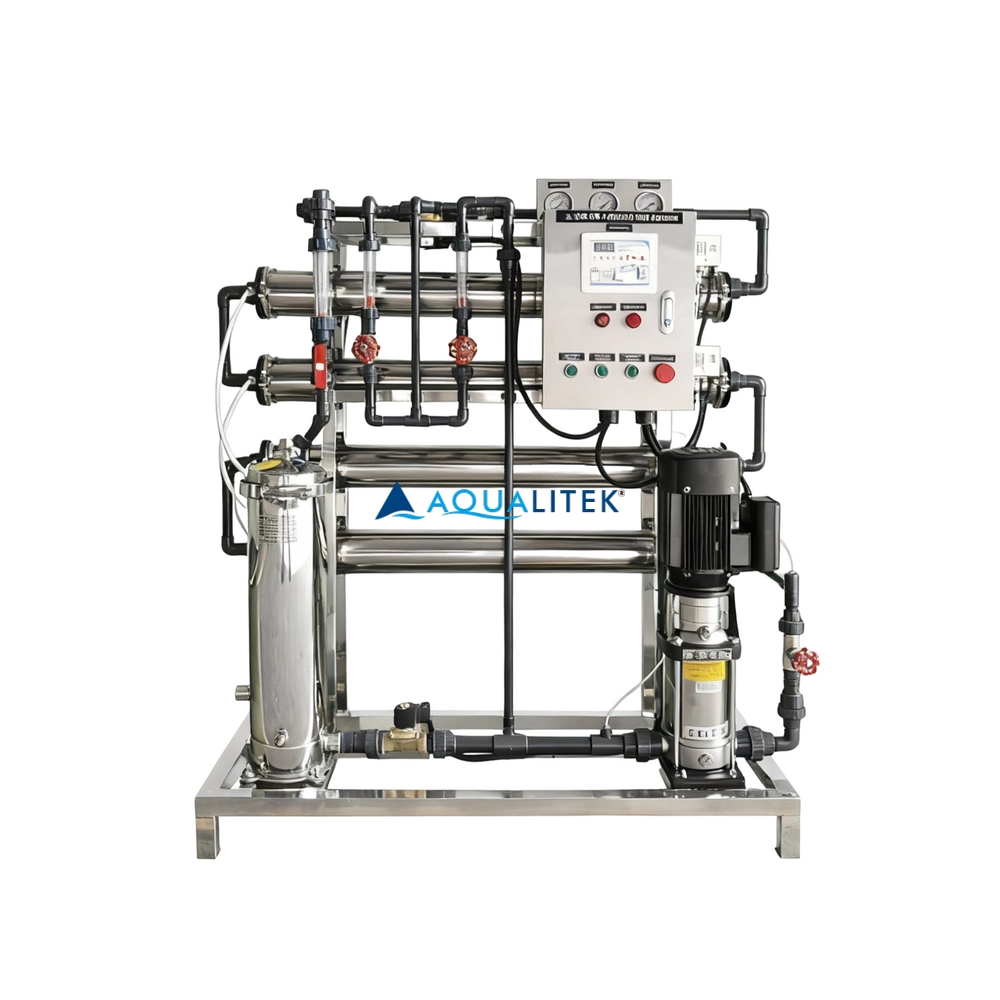
AQUALITEK 4TPH Industrial Reverse Osmosis Water Purification RO System, high-efficiency industrial-grade RO water treatment plant for manufacturing & processing, commercial reverse osmosis filtration system ideal for electronic component cleaning water use.
How Industrial Reverse Osmosis Works and Key Performance Metrics
Principle and basic process flow
Reverse osmosis uses a semipermeable membrane and pressure to remove dissolved salts, organics, and particulates from feedwater. Feedwater is pretreated to remove suspended solids and control scaling and fouling (typically through filtration, softening, and chemical dosing). Pressurized feed flows across RO membranes where freshwater (permeate) passes through the membrane while concentrated brine (reject) is discharged. This reliable membrane separation process is widely used in industrial settings for producing high-purity process water; for an overview of the technology see the Reverse osmosis - Wikipedia.
Key performance metrics: recovery, rejection and specific energy
When comparing industrial RO units, focus on three primary metrics: rejection rate (percent of dissolved solids removed), recovery ratio (percent of feedwater converted to permeate), and specific energy consumption (kWh/m3 of permeate). Typical industrial systems achieve 95%+ salt rejection for sodium chloride-type feeds and recovery ratios vary (50–85%) depending on feedwater composition and pretreatment. Energy consumption depends on pressure and pump efficiency; energy recovery devices can lower operating costs for high-recovery systems.
Role of pretreatment and membrane selection
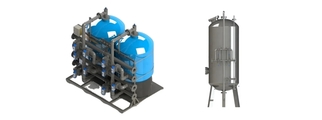
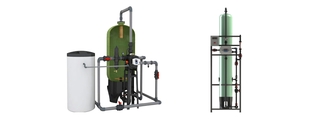
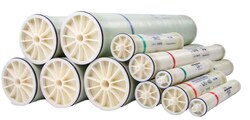
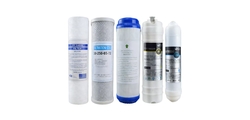
Pretreatment protects membranes and determines system longevity. Common pretreatment steps include multimedia/ cartridge filtration, antiscalant dosing, water softening or ion exchange and degasification for certain contaminants. Membrane material (polyamide thin-film composite is common) and element configuration (spiral-wound for industrial RO) are chosen based on required permeate quality, fouling potential and chemical compatibility.
Choosing the Right Industrial RO System: Criteria and Trade-offs
Sizing: capacity, peak demand and redundancy planning
Capacity should be specified as average daily or hourly permeate production matched to process demand profiles. For continuous production environments, plan for peak-hour demand and include redundancy (N+1) to avoid downtime during maintenance. The AQUALITEK 4TPH (4 tons per hour) is well-suited for medium-scale manufacturers that require consistent water flow for electronics cleaning and process rinsing; it balances footprint, energy use, and servicing intervals.
Recovery and concentrate management
High recovery reduces freshwater usage but increases scaling risk. Balance recovery targets with local wastewater discharge rules and on-site concentrate handling options (evaporation, zero-liquid discharge, or municipal discharge). Many industrial buyers choose modular RO trains that allow tuning recovery by adjusting staging and permeate blending.
Water quality goals, monitoring and regulatory needs
Define permeate quality targets (TDS, conductivity, TOC, silica, endotoxin where applicable). For electronics cleaning, low conductivity and low TOC are typical requirements. Incorporate on-line conductivity/TDS sensors, ORP and differential pressure sensors to automate quality alerts. Regulatory compliance may require documentation of testing and validation per company or industry standards; industry groups such as the Water Quality Association (WQA) and testing organizations like NSF International provide relevant guidance.
Installation, Operation and Maintenance Best Practices
Site preparation, integration and controls
Site preparation includes adequate floor loading capacity, access for servicing, and chemical storage complying with safety standards. Integrate the RO system with existing pretreatment, waste handling and plant automation (PLC/SCADA) to centralize alarms and data logging. Modern industrial RO systems offer remote monitoring and adjustable process parameters to quickly respond to feedwater variability.
Daily operation and monitoring routines
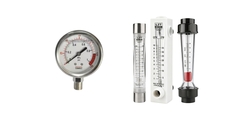
Implement simple daily checks: inlet/outlet pressures, permeate conductivity, feedwater turbidity and anti-scalant feed rate. Track cumulative runtime and permeate production for lifecycle analysis. Automate flush cycles or employ CIP (clean-in-place) when differential pressure rises or permeate quality drops, preventing irreversible fouling.
Membrane care, cleaning schedules and spare parts
Membrane cleaning frequency depends on feedwater characteristics and operating conditions. Establish a preventive maintenance schedule including periodic acid/base CIP, cartridge filter changes, and replacement timelines for high-wear items such as high-pressure pump seals and valves. Maintain an inventory of critical spares (membrane elements, gauges, seals) to reduce downtime.
Cost, Compliance, and Real-World Applications
Lifecycle cost assessment and ROI
Evaluate total cost of ownership (TCO), not just capital expenditure. TCO includes capital cost, energy consumption, chemical usage (antiscalants, cleaning agents), membrane replacement, labor and waste disposal. Use simple ROI models that include avoided costs (water purchase, wastewater surcharges, production downtime) to make procurement decisions. The following table compares typical system options to illustrate trade-offs.
| Model / Capacity | Typical Recovery | Specific Energy (kWh/m3) | Footprint (approx.) | Typical Applications |
|---|---|---|---|---|
| 1 TPH Industrial RO | 50–65% | 1.5–3.0 | Compact skid | Small manufacturers, labs |
| 2 TPH Industrial RO | 55–70% | 1.2–2.5 | Skid-mounted | Light industry, pilot plants |
| 4 TPH Industrial RO (AQUALITEK 4TPH) | 60–75% | 1.0–2.0 | Medium skid; modular | Electronics cleaning, medium manufacturing |
| 10 TPH Industrial RO | 65–85% | 0.8–1.8 | Large skid/containers | Large production lines, municipal pre-treatment |
Note: Values are indicative; actual performance depends on feedwater quality, system design and use of energy recovery devices.
Regulatory and industry compliance
Industrial buyers must consider local discharge permits and water reuse rules. For potable reuse or critical applications, consult guidance such as the WHO drinking-water guidelines. For product safety and materials compatibility, check certifications from organizations such as NSF International and industry best practices summarized by the Water Quality Association.
Typical industrial applications and a case for the 4TPH
Industrial RO systems are used across food & beverage, petrochemical, pharmaceutical, semiconductor and electronics cleaning. Electronics and component-cleaning processes demand low-conductivity, low-particulate water and minimal ionic contamination — requirements the AQUALITEK 4TPH Industrial Reverse Osmosis Water Purification RO System is engineered to meet through robust pretreatment, high-rejection membranes and stable control strategies. Its medium-scale capacity and modular design make it a cost-effective choice for factories that prioritize consistent rinsing quality without excessive footprint.
FAQ — Frequently Asked Questions
Q: What feedwater quality is acceptable for an industrial RO system?
A: Feedwater should be analyzed for TDS, hardness, silica, iron, manganese, turbidity and organics. Most industrial RO systems accept groundwater or surface water after pretreatment. Hardness and scaling ions require antiscalant dosing or softening. Perform a water analysis to size pretreatment and set recovery targets.
Q: How often do RO membranes need replacement?
A: Membrane life varies with feedwater and maintenance; typical lifespan is 3–7 years. Proper pretreatment, routine cleaning (CIP), and monitoring significantly extend membrane life. Keep spare elements based on expected replacement intervals and criticality of uninterrupted operation.
Q: Can an RO system be expanded later if demand grows?
A: Yes. Many industrial RO plants are modular, allowing addition of parallel trains, extra stages for higher recovery, or upgrades to energy recovery devices. When planning, choose skids and piping that allow future expansion to minimize retrofit costs.
Q: What are common causes of RO system downtime and how to prevent them?
A: Downtime is often caused by fouling/scaling, high turbidity, chemical dosing errors, or mechanical failures (pumps/valves). Prevention includes robust pretreatment, automated monitoring alarms, scheduled maintenance, trained operators, and an on-site spare parts kit.
Q: Is the AQUALITEK 4TPH suitable for electronics cleaning water?
A: Yes. The AQUALITEK 4TPH is designed as a high-efficiency industrial-grade RO water treatment plant tailored for manufacturing and processing, and is an ideal commercial reverse osmosis filtration system for electronic component cleaning where stable low-conductivity permeate and reliable throughput are required.
Need help selecting the right industrial reverse osmosis solution for your process? Contact our technical sales team to review feedwater data, required permeate quality and site constraints. To view full specifications and request a quote for the AQUALITEK 4TPH Industrial Reverse Osmosis Water Purification RO System, contact us or visit our product page for datasheets, performance curves and case studies.
Contact us: For a consultation, email sales@example.com or call +1-800-555-ROWP to speak with an industrial water treatment specialist. View the 4TPH product page and request a tailored proposal today.
Buying Guide: Commercial Reverse Osmosis System Essentials
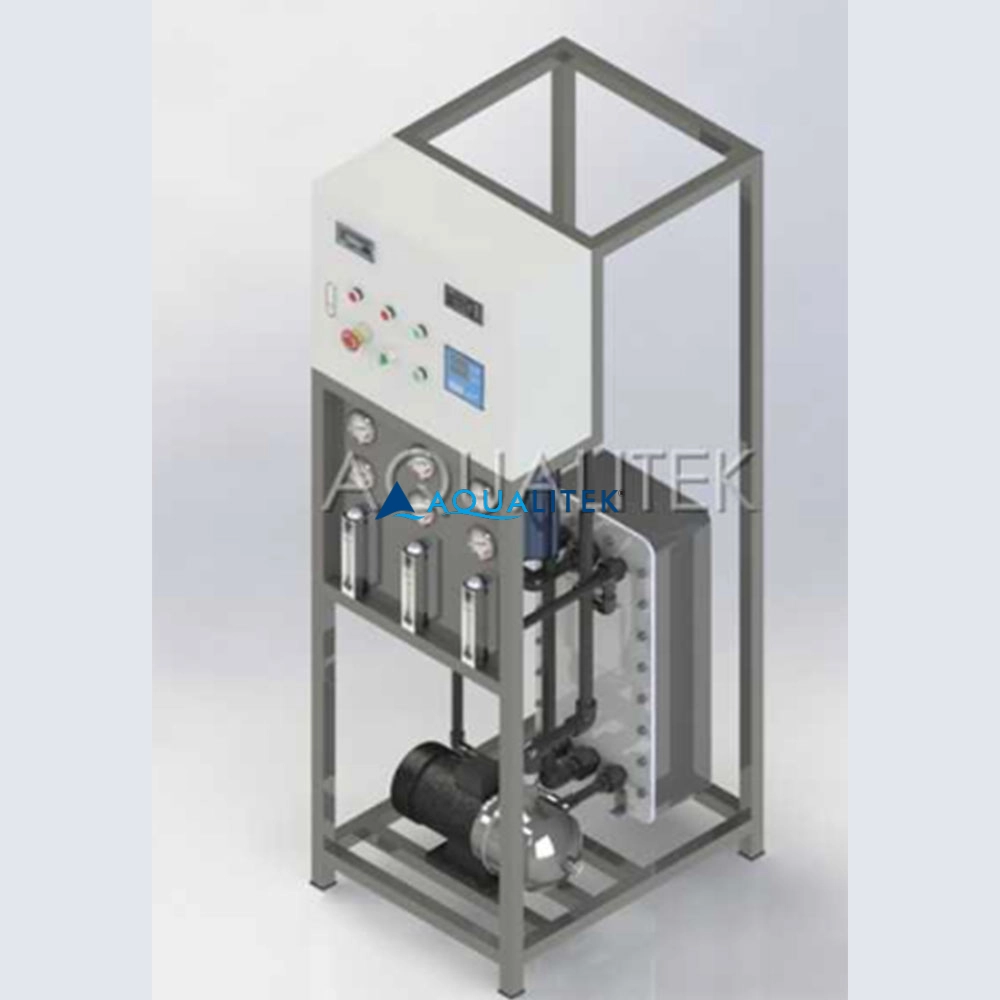
Troubleshooting Common Electrodeionization Performance Issues
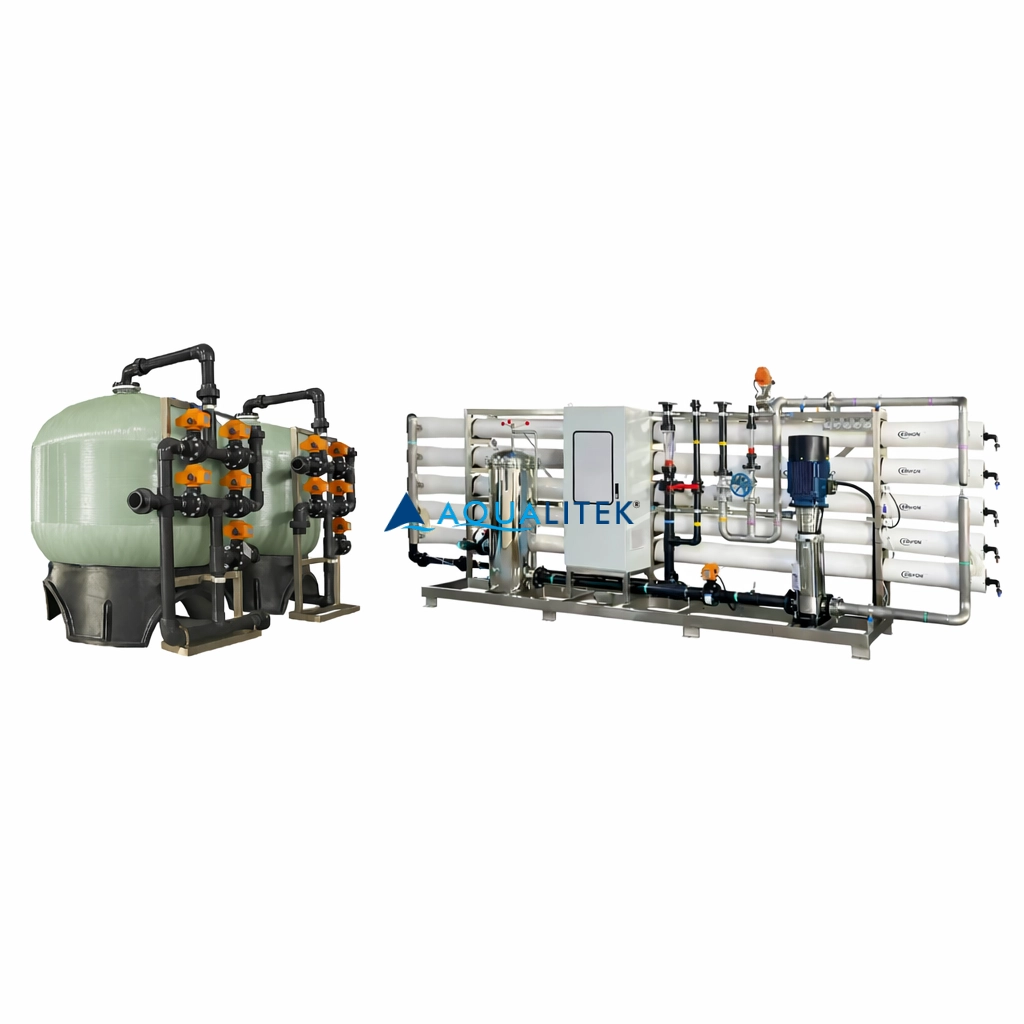
Maintenance Checklist for a 30TPH Industrial Reverse Osmosis System
How Commercial Reverse Osmosis Systems Improve Water Quality
Solutions
Can AQT provide custom water treatment solutions?
Yes! We specialize in OEM/ODM water treatment solutions and can design custom filtration systems tailored to your business, industry, or brand requirements. Our team can assist with system design, branding, private labeling, and technical support.
Does AQT provide technical support and after-sales service?
Yes! We offer comprehensive technical support, including installation guidance, troubleshooting, spare parts supply, and ongoing maintenance assistance. Our after-sales team is available to ensure your water treatment system operates efficiently.
How often should I replace filters and membranes?
Filter and membrane lifespan depends on water quality, usage, and system type. General guidelines:
1. Sediment & Carbon Filters: Replace every 6–12 months.
2. RO Membranes: Replace every 2–3 years, depending on water conditions.
3. UF/NF Membranes: Replace every 1–2 years.
Regular maintenance ensures optimal performance and water quality.
Blog
How long does a water softener system last?
Most systems last 10–15 years with proper maintenance. Resin beads may need replacement after 8–10 years.
Water Filters
Do you provide replacement parts and consumables?
Yes. We supply cartridges, filter bags, media (sand, carbon, etc.), valve kits, and O-rings for all major systems.
30TPH Industrial Reverse Osmosis (RO) System
30TPH Industrial Reverse Osmosis (RO) System designed for industrial and municipal water treatment. High salt rejection, energy-efficient design, PLC control, and customizable configuration.
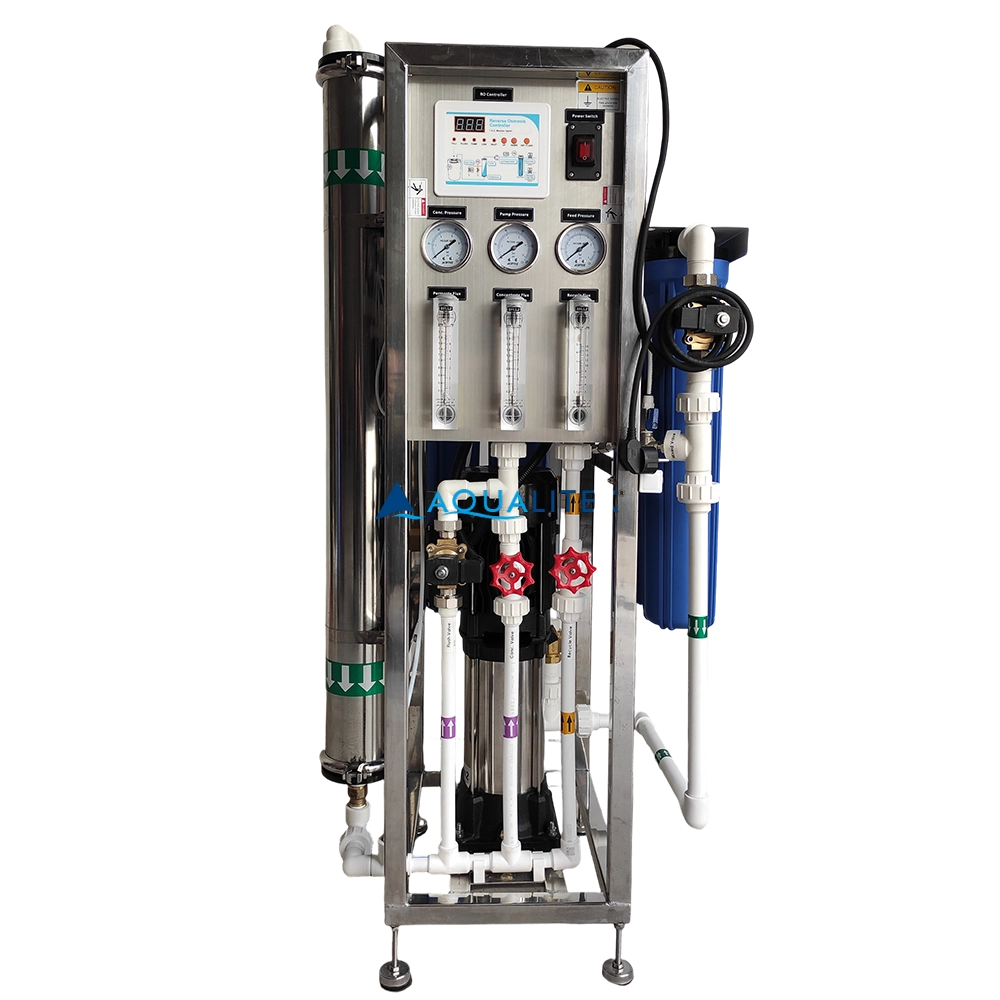
500 LPH Reverse Osmosis (RO) Water Purification Machine TWV - 412
Our 500 LPH Reverse Osmosis (RO) System is engineered to provide high-quality purified water for commercial applications. Designed with advanced RO technology, durable components, and a user-friendly interface, this system ensures consistent performance, low maintenance, and long-term reliability.
With its compact design and robust skid-mounted frame, it’s an excellent choice for businesses that demand efficiency and quality in water purification.
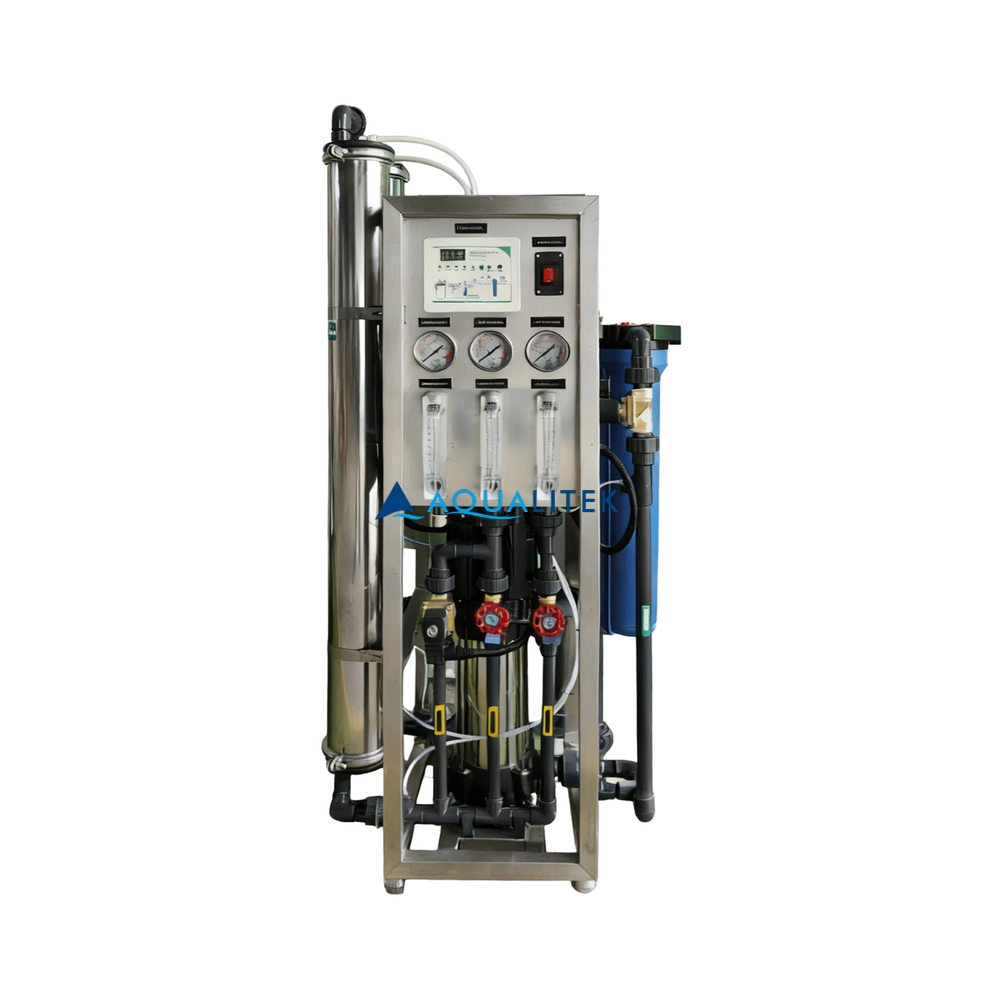
Tap Water Reverse Osmosis (TWRO) Systems TWV Series
TWV series Reverse Osmosis (RO) systems are pre-engineered and pre-assembled units with 2.5”/4” membrane housings(single element type)for tap water(lower TDS).They are designed for overall superior performance, high recovery rates and offer great savings with low maintenance and operation costs.
Tap Water Reverse Osmosis (TWRO) Systems TWF Series
TWF series Reverse Osmosis (RO) systems are pre-engineered and pre-assembled units with 4” membrane housings(multiple elements type) for tap water(lower TDS) .The medium large volumes can help meet your a variety of commercial and industrial applications. They are designed for overall superior performance, high recovery rates and offer great savings with low maintenance and operation costs.
Request More Information
Contact us today for product catalogs, customization options, and a free quotation designed for your business needs.
Rest assured that your privacy is important to us, and all information provided will be handled with the utmost confidentiality.
© 2026 AQUALITEK. All rights reserved.
AQUALITEK- Aimee Hoo
AQUALITEK - Aimee Hoo