




How Commercial Reverse Osmosis Systems Improve Water Quality
- Understanding How RO Improves Water Quality
- Basic principles of reverse osmosis
- Key performance metrics: TDS reduction and salt rejection
- Why membrane quality and configuration matter
- Design Elements That Enhance Water Purity
- Pretreatment to prevent fouling and scaling
- High-quality RO membranes and element selection
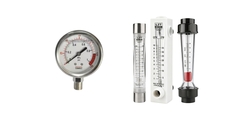
- Automation, controls, and monitoring
- Operational Strategies to Maximize Water Quality
- Optimizing recovery and concentrate management
- Cleaning and maintenance to retain performance
- Energy efficiency and environmental considerations
- Case Study: 30TPH Industrial Reverse Osmosis System — Practical Impact
- Typical applications and feed types
- Expected performance and operational metrics
- Comparing solutions: packaged RO vs. customized industrial systems
- Ensuring Compliance and Reliability
- Meeting regulatory and water quality standards
- Pilot testing and commissioning best practices
- Long-term lifecycle planning and cost control
- Brand Advantages and Why Choose Our 30TPH RO System
- Engineered for industrial-scale reliability
- Energy-efficient design and control intelligence
- Support, compliance, and lifecycle services
- Frequently Asked Questions (FAQ)
- How effective is a commercial reverse osmosis system at removing contaminants?
- What pretreatment is required for long membrane life?
- Can RO systems be used for wastewater reuse?
- How often do membranes need replacement?
- What about concentrate (brine) disposal?
- How do I size a system for my facility?
Commercial reverse osmosis systems are a cornerstone of modern water treatment, delivering consistent reductions in total dissolved solids (TDS), hardness, and contaminants for industrial, municipal, and commercial users. By combining robust pretreatment, high rejection RO membranes, energy-efficient configurations, and automated controls, systems such as the 30TPH Industrial Reverse Osmosis (RO) System enable reliable production of high-quality permeate while minimizing operating cost and downtime.
Understanding How RO Improves Water Quality
Basic principles of reverse osmosis
Reverse osmosis (RO) uses a semipermeable membrane to separate water from dissolved salts and many organic and particulate contaminants. Under pressure greater than the osmotic pressure of the feed, pure water (permeate) passes through the membrane while a concentrated brine (reject) carries away retained contaminants. For an overview of RO technology, see the Wikipedia article on Reverse Osmosis.
Key performance metrics: TDS reduction and salt rejection
Two practical measures of water quality improvement with a commercial reverse osmosis system are total dissolved solids (TDS) reduction and salt rejection percentage. High salt rejection RO membranes typically achieve 95–99% rejection of NaCl and similar salts, substantially lowering TDS to meet process or potable water standards. Monitoring these metrics helps operators verify membrane integrity and system performance.
Why membrane quality and configuration matter
Membrane type (thin-film composite vs. cellulose acetate), element array, recovery rate, and staging all affect permeate quality and concentrate volume. Industrial RO systems use multi-stage arrays and pressure-exchange or energy-recovery devices to balance high rejection with energy efficiency when treating brackish or surface waters.
Design Elements That Enhance Water Purity
Pretreatment to prevent fouling and scaling
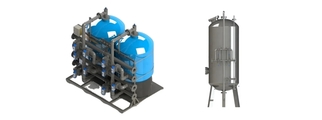
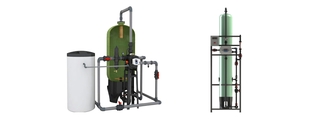
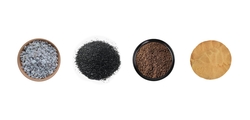
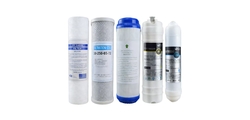
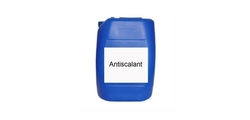
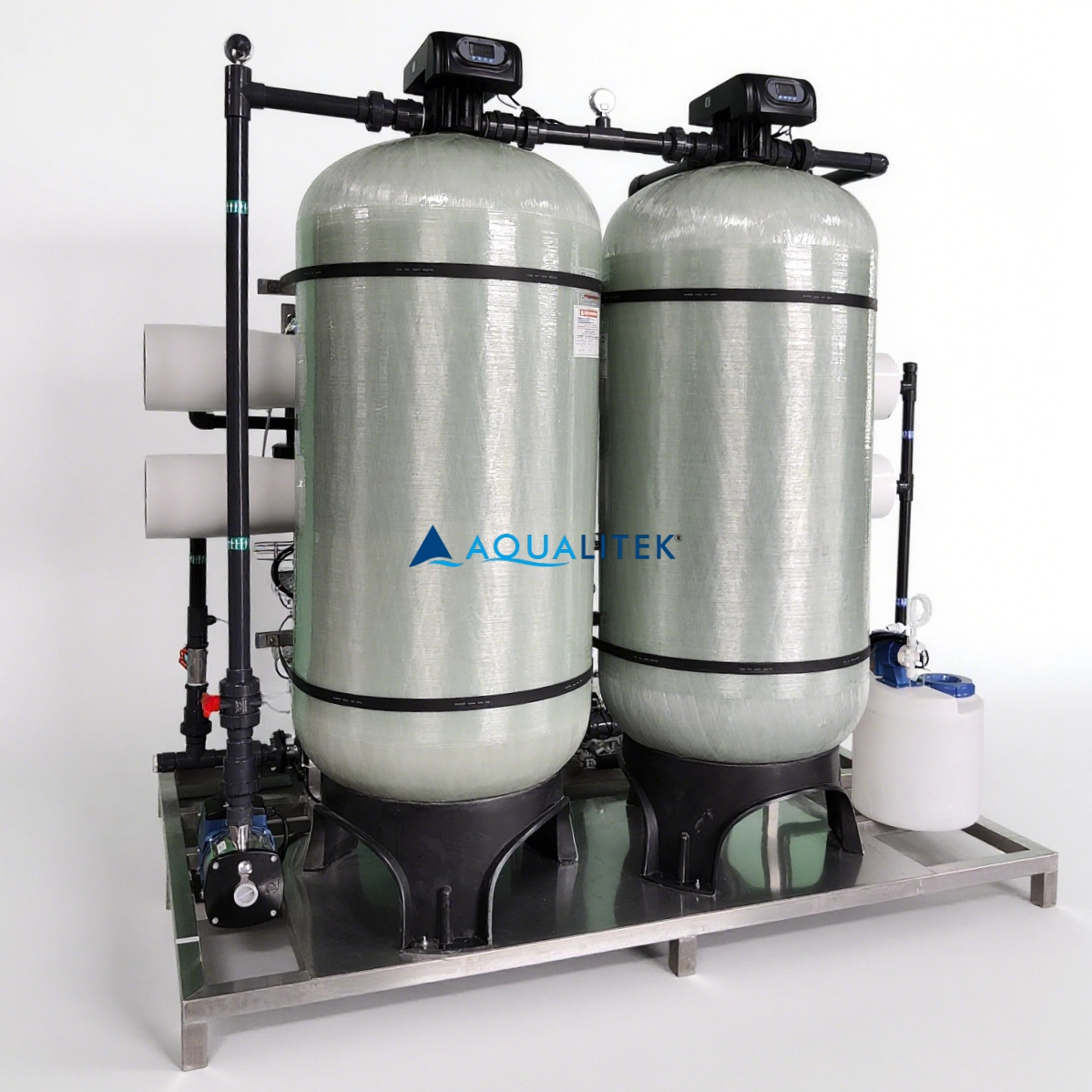
Effective pretreatment reduces suspended solids, turbidity, silt, iron, manganese, and scaling ions (carbonate hardness, silica). Common pretreatment steps for a commercial reverse osmosis system include multimedia filtration, cartridge filtration, antiscalant dosing, pH adjustment, and sometimes softening. Proper pretreatment extends membrane life and stabilizes permeate quality.
High-quality RO membranes and element selection
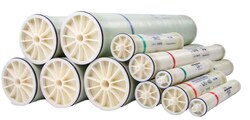
Industrial RO membranes are selected for application-specific salt rejection, chlorine tolerance, and fouling resistance. For challenging feeds (e.g., high TDS or TOC), elements with high rejection and lower flux per element can improve longevity. In commercial settings, modular arrays simplify servicing and staged recovery optimization.
Automation, controls, and monitoring
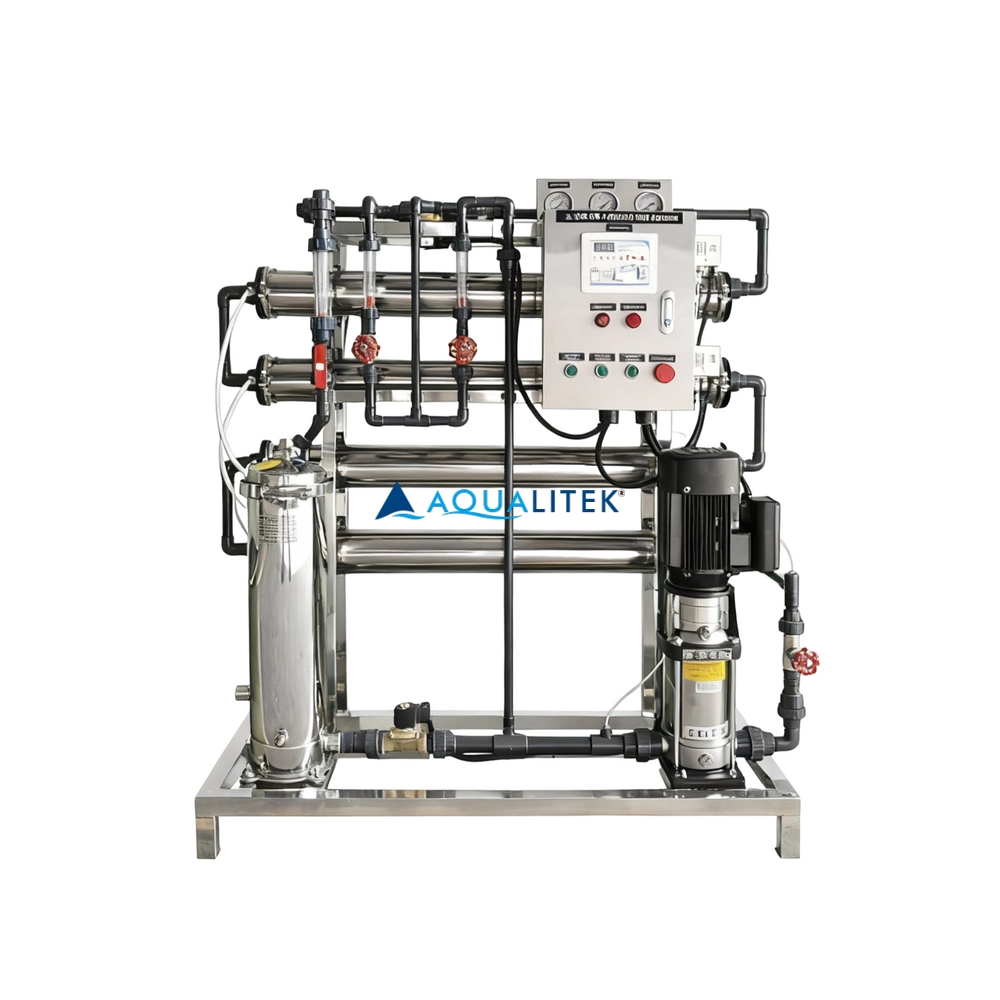
PLC control, automated backwash cycles, conductivity/TDS sensors, and alarm logic are critical to maintain consistent water quality. The 30TPH Industrial Reverse Osmosis (RO) System features PLC control and customizable configuration to allow setpoints, remote monitoring, and data logging—ensuring operators can detect trends and respond to deviations quickly.
Operational Strategies to Maximize Water Quality
Optimizing recovery and concentrate management
Recovery rate (percentage of feed converted to permeate) must be balanced against scaling risk. Higher recovery yields more product water but concentrates scaling ions. Industrial RO systems often use staged membranes and concentrate recirculation strategies to maximize recovery without compromising membrane life.
Cleaning and maintenance to retain performance
Regular chemical cleaning based on differential pressure, flux decline, or rejection loss is essential. Cleaning protocols target organic fouling, biofouling, and inorganic scaling; selecting appropriate cleaning chemistries and frequencies prevents irreversible membrane damage. Scheduled maintenance of prefilters and dosing equipment also supports stable permeate quality.
Energy efficiency and environmental considerations
Energy recovery devices and high-efficiency pumps reduce operational costs while minimizing the carbon footprint of large commercial reverse osmosis systems. Proper brine management and consideration of concentrate discharge regulations are also important for municipal and industrial deployments.
Case Study: 30TPH Industrial Reverse Osmosis System — Practical Impact
Product overview:
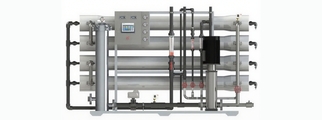
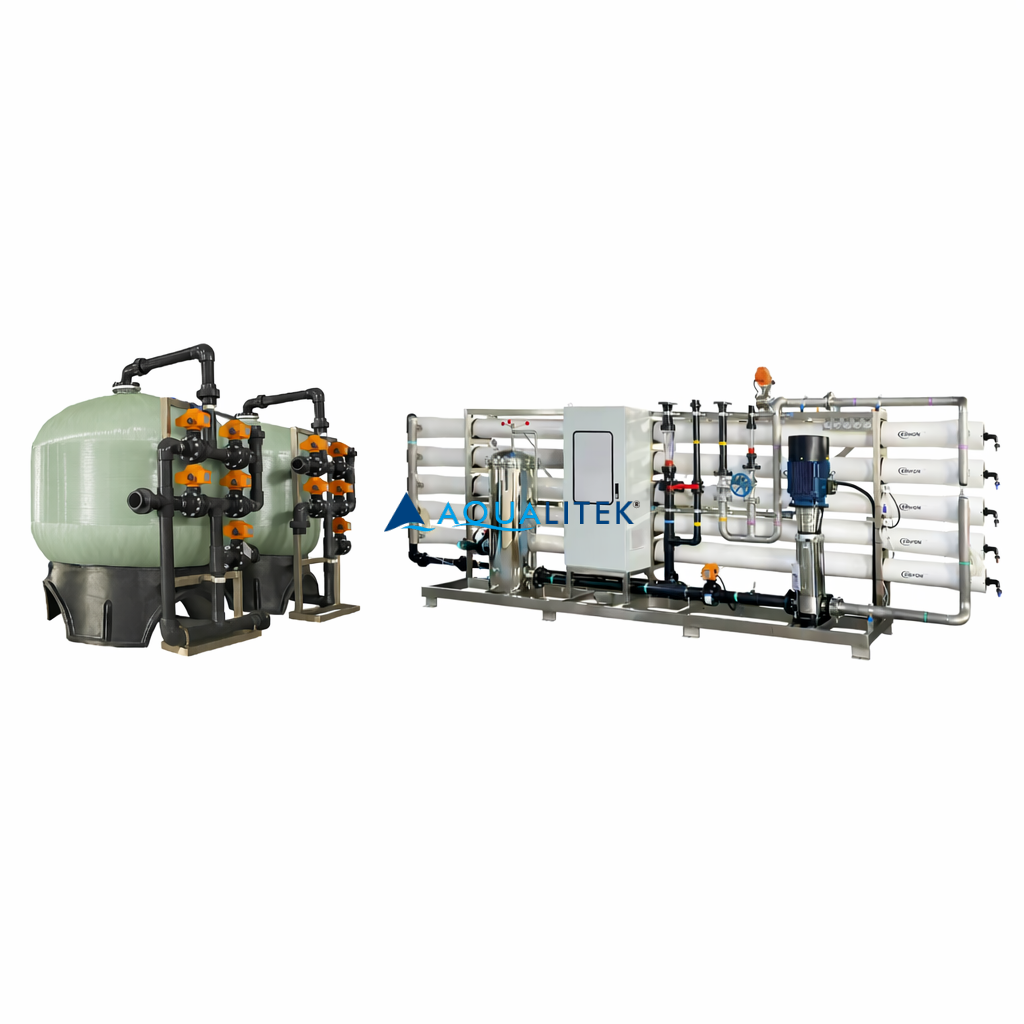
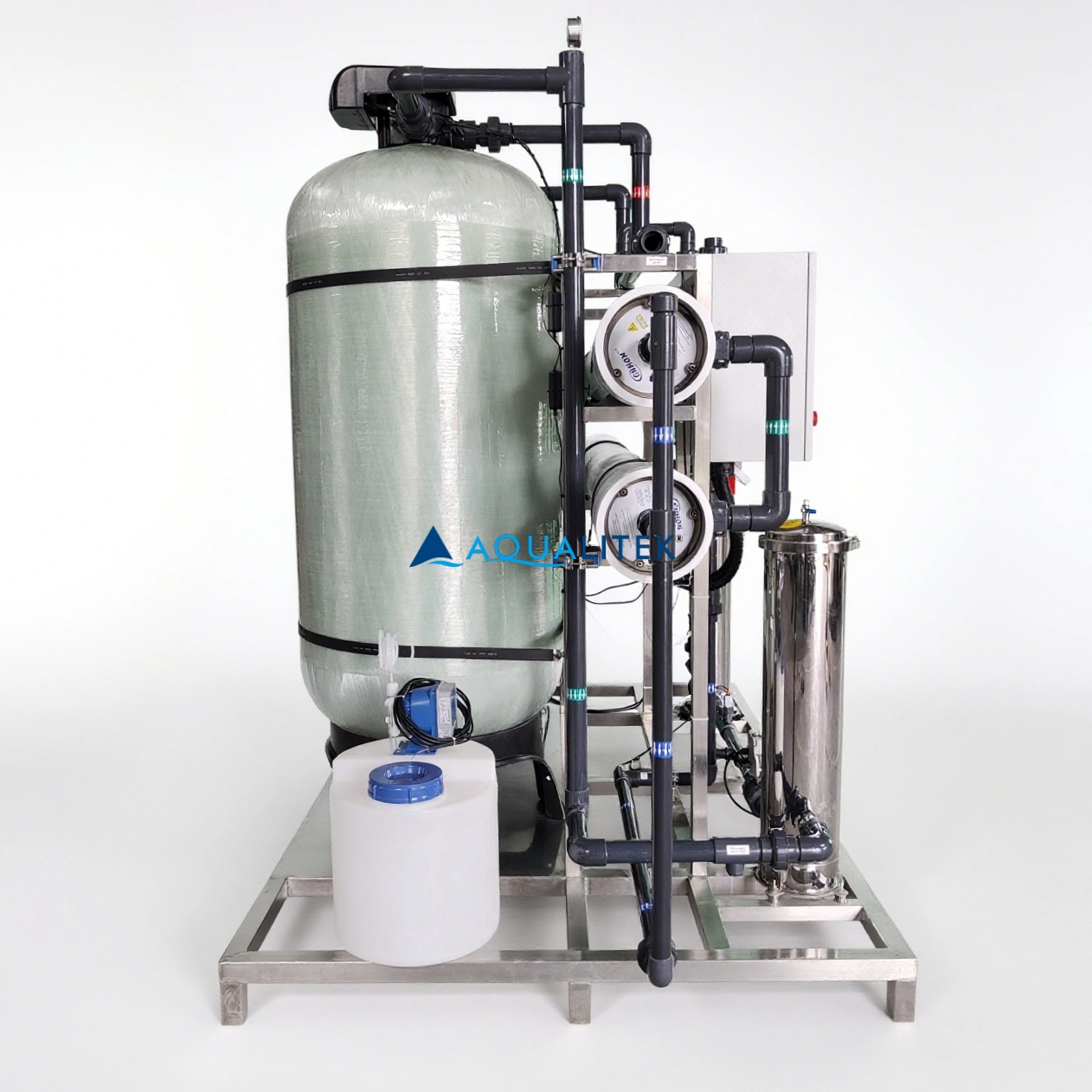
30TPH Industrial Reverse Osmosis (RO) System designed for industrial and municipal water treatment. High salt rejection, energy-efficient design, PLC control, and customizable configuration.
Typical applications and feed types
The 30TPH system is suitable for brackish groundwater, surface water pretreatment for potable systems, boiler feedwater, cooling tower make-up water, and certain wastewater reuse scenarios. When paired with appropriate pretreatment, it can produce permeate that meets stringent process specifications or blending requirements.
Expected performance and operational metrics
The following table summarizes typical performance for a 30-ton-per-hour (30TPH) industrial RO designed for brackish feed water (feed TDS 2,000 mg/L) with appropriate pretreatment and energy recovery:
| Metric | Typical Value | Notes |
|---|---|---|
| Nominal production | 30 m3/h (approx. 30 TPH) | Continuous operation at design recovery |
| Salt rejection | 95–99% | Depends on membrane selection and operating pressure |
| Permeate TDS | <100–200 mg/L | Target for many industrial uses; depends on feed |
| System recovery | 65–85% | Optimized with staged arrays and ERD |
| Specific energy consumption | 1.5–4.0 kWh/m3 | Lower with energy recovery devices on high TDS feeds |
These values are illustrative; site-specific pilot testing and hydrogeochemical analysis are recommended to finalize design parameters.
Comparing solutions: packaged RO vs. customized industrial systems
Commercial reverse osmosis system options range from off-the-shelf packaged units to fully engineered 30TPH-class plants. The key trade-offs:
- Packaged units: faster deployment, lower initial engineering cost, limited scalability.
- Customized industrial systems: tailored pretreatment, optimized recovery, integrated PLC control, and better long-term lifecycle cost for high-capacity needs.
Ensuring Compliance and Reliability
Meeting regulatory and water quality standards
When designing commercial RO for potable or discharge applications, align permeate targets with local and international standards. For potable reuse or drinking water, reference regulatory guidance from bodies such as the U.S. Environmental Protection Agency (EPA Drinking Water) and the World Health Organization (WHO Guidelines for Drinking-water Quality).
Pilot testing and commissioning best practices
Pilots replicate the site feed water chemistry and operational regime, verifying membrane selection, pretreatment effectiveness, and expected energy use. Commissioning should include stepwise start-up, verification of PLC controls, leak tests, performance tests (TDS, conductivity, flow), and documentation to support warranty and regulatory compliance.
Long-term lifecycle planning and cost control
Total cost of ownership includes membrane replacement, cleaning chemicals, energy, labor, and disposal of concentrates. Investing in pretreatment, automated monitoring, and energy recovery will typically reduce lifecycle costs and prevent unexpected quality issues.
Brand Advantages and Why Choose Our 30TPH RO System
Engineered for industrial-scale reliability
Our 30TPH Industrial Reverse Osmosis (RO) System combines high salt rejection membranes with robust feed pretreatment and PLC control to provide consistent permeate quality. Customizable configurations allow adaptation to variable feed waters and local discharge constraints.
Energy-efficient design and control intelligence
Built-in energy recovery options, high-efficiency pumps, and optimized staging reduce specific energy consumption. PLC-based automation with data logging enables predictive maintenance and remote diagnostics to maximize uptime and control operating costs.
Support, compliance, and lifecycle services
We provide pilot testing, start-up assistance, operator training, and long-term service contracts. Documentation and verification protocols facilitate regulatory approvals and quality assurance for municipal and industrial customers.
Frequently Asked Questions (FAQ)
How effective is a commercial reverse osmosis system at removing contaminants?
RO membranes remove a broad range of dissolved salts, hardness ions, and many organics; typical salt rejection is 95–99%. However, RO is less effective for dissolved gases (e.g., CO2) unless combined with degasification, and some small neutral organic compounds may require additional polishing steps.
What pretreatment is required for long membrane life?
Pretreatment commonly includes multimedia filtration, cartridge filters, antiscalant dosing, pH control, and sometimes softening or activated carbon. The specific train depends on feed water analysis (turbidity, silt density index, iron, manganese, silica, alkalinity, TOC).
Can RO systems be used for wastewater reuse?
Yes. When combined with appropriate advanced pretreatment and post-treatment (e.g., ultrafiltration, disinfection), commercial RO systems are a key component of potable and non-potable water reuse schemes. Regulatory and quality targets must guide system design.
How often do membranes need replacement?
Membrane life depends on feed water quality and maintenance. With good pretreatment and cleaning programs, industrial RO membranes can last 3–7 years or longer. Monitoring flux, differential pressure, and rejection trends informs replacement timing.
What about concentrate (brine) disposal?
Concentrate management options include municipal sewer discharge (where permitted), evaporation, deep well injection, or further treatment for recovery. Local regulations and environmental impact assessments determine the best approach.
How do I size a system for my facility?
Sizing requires knowledge of demand (peak and average flow), feed water quality, required permeate quality, and allowable recovery. We recommend a site survey and pilot testing to confirm design parameters before committing to a full-scale 30TPH or other industrial RO installation.
To learn more about how the 30TPH Industrial Reverse Osmosis (RO) System can improve your plant water quality and reduce operational costs, contact our sales team or view the product details. Our specialists are available for pilot deployments, site assessments, and life-cycle cost analyses.
Scalability and Modular Design of Industrial RO Systems
Installation Step-by-Step: Under-Sink Purification System
Industrial Water Purification Systems: Key Considerations for Buyers
Energy Efficiency Metrics for Industrial RO System Procurement
Membrane Water Treatment Systems
What’s the difference between UF and RO?
UF (Ultrafiltration) removes suspended solids, bacteria, and larger molecules. RO (Reverse Osmosis) removes dissolved salts and minerals. They’re often used together for complete treatment.
FAQ-aqualitek
Can I use AQT’s water treatment systems for seawater desalination?
Yes! We provide seawater desalination systems using advanced reverse osmosis (RO) technology, specifically designed to convert seawater into fresh, drinkable water. These systems are ideal for coastal communities, marine applications, and industrial desalination projects.
Solutions
What industries does AQT serve?
We provide water treatment solutions for a wide range of industries, including:
1. Industrial Manufacturing – Process water treatment, cooling water, and boiler feed.
2. Hospitality & Commercial – Hotels, restaurants, and office buildings.
3. Residential Applications – Drinking water purification and softening.
4. Healthcare & Pharmaceuticals – Ultra-pure water for laboratories and hospitals.
5. Municipal & Public Utilities – Water supply and wastewater treatment.
6. Food & Beverage Processing – Filtration for beverage p
How do I choose the right water treatment system for my needs?
The choice depends on factors such as water quality, application, flow rate, and purification requirements. Our team of experts can analyze your water source and recommend the most suitable solution for residential, commercial, or industrial applications.
Blog
How long does a water softener system last?
Most systems last 10–15 years with proper maintenance. Resin beads may need replacement after 8–10 years.
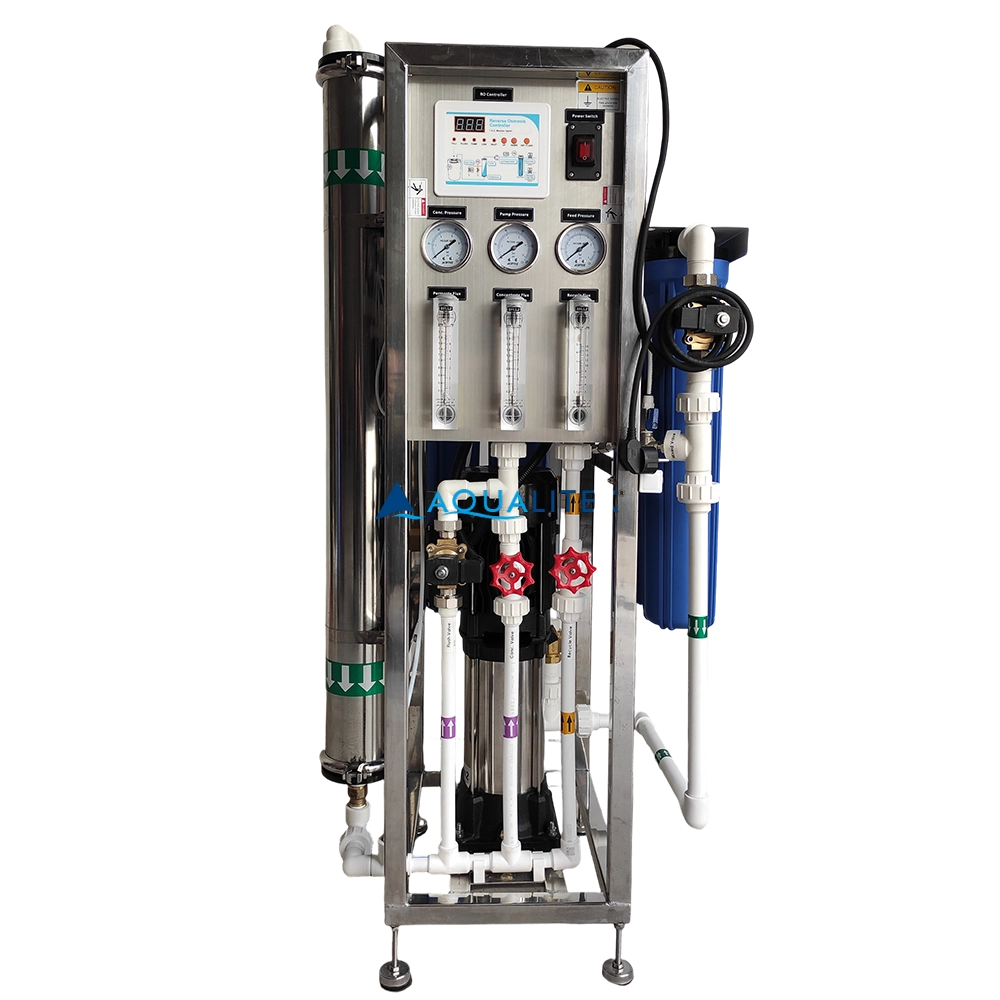
500 LPH Reverse Osmosis (RO) Water Purification Machine TWV - 412
Our 500 LPH Reverse Osmosis (RO) System is engineered to provide high-quality purified water for commercial applications. Designed with advanced RO technology, durable components, and a user-friendly interface, this system ensures consistent performance, low maintenance, and long-term reliability.
With its compact design and robust skid-mounted frame, it’s an excellent choice for businesses that demand efficiency and quality in water purification.
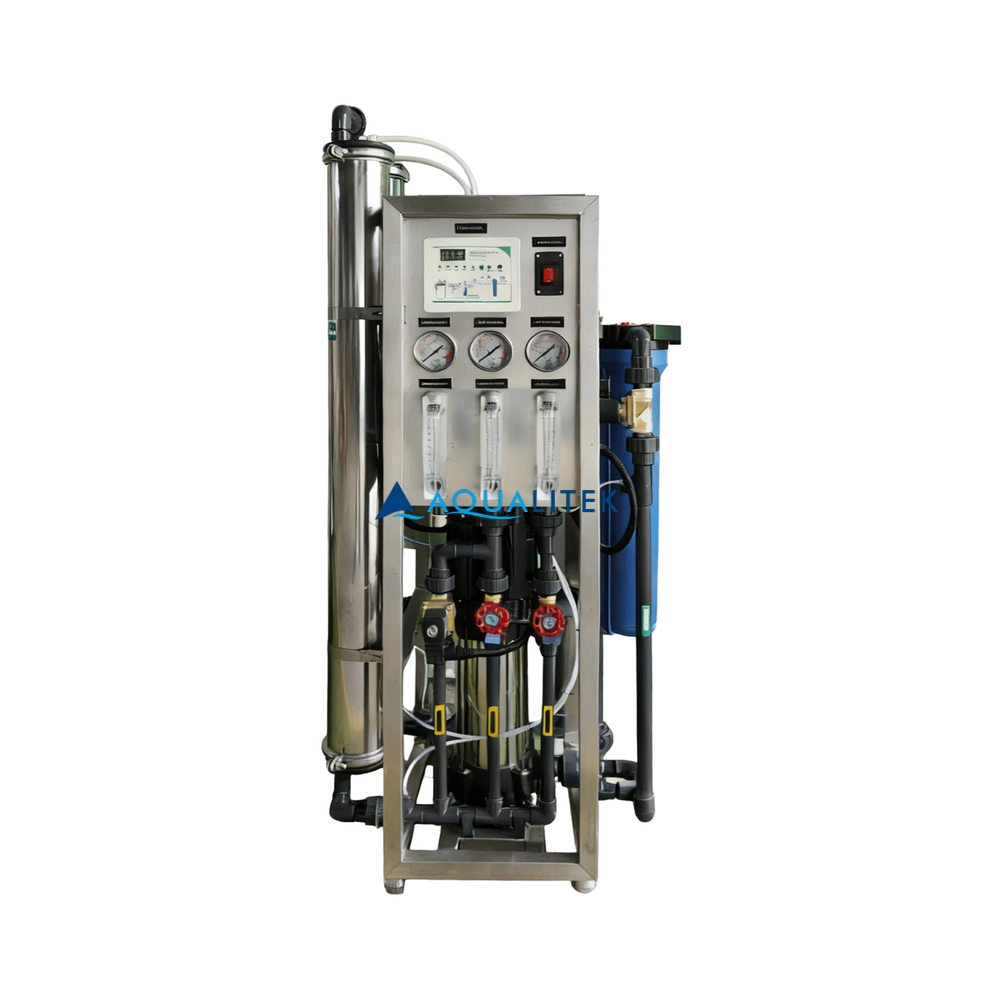
Tap Water Reverse Osmosis (TWRO) Systems TWV Series
TWV series Reverse Osmosis (RO) systems are pre-engineered and pre-assembled units with 2.5”/4” membrane housings(single element type)for tap water(lower TDS).They are designed for overall superior performance, high recovery rates and offer great savings with low maintenance and operation costs.
Tap Water Reverse Osmosis (TWRO) Systems TWF Series
TWF series Reverse Osmosis (RO) systems are pre-engineered and pre-assembled units with 4” membrane housings(multiple elements type) for tap water(lower TDS) .The medium large volumes can help meet your a variety of commercial and industrial applications. They are designed for overall superior performance, high recovery rates and offer great savings with low maintenance and operation costs.

Tap Water Reverse Osmosis (TWRO) Systems TWE Series
TWE series Reverse Osmosis (RO) systems are pre-engineered and pre-assembled units with 8” membrane housings for tap water (lower TDS). The large volumes can help meet your a variety of industrial applications. They are designed for overall superior performance, high recovery rates and offer great savings with low maintenance and operation costs.
Request More Information
Contact us today for product catalogs, customization options, and a free quotation designed for your business needs.
Rest assured that your privacy is important to us, and all information provided will be handled with the utmost confidentiality.
© 2026 AQUALITEK. All rights reserved.
AQUALITEK- Aimee Hoo
AQUALITEK - Aimee Hoo