




Installation and Integration Guide for 12TPH UF Systems in Plants
- Installation and Integration Guide for 12TPH UF Systems in Plants
- System Overview: 12TPH Industrial UF Water Treatment Device with High Throughput (Ultrafiltration Water Treatment)
- Pre-installation Planning and Purchase Considerations (: purchase, installation service)
- Mechanical Installation and Site Requirements for Ultrafiltration Water Treatment
- Hydraulic Integration: Pumps, Pressure and Flow Balancing (Ultrafiltration Water Treatment)
- Electrical, Controls and Automation Integration (: technical support, service)
- Commissioning and Performance Verification for 12TPH UF Systems
- Operation, Routine Maintenance and Spare Parts Strategy (Ultrafiltration Water Treatment)
- Troubleshooting Common Issues and Mitigation Strategies
- Performance Benchmarks and Comparative Table (Ultrafiltration Water Treatment)
- ROI, Environmental and Regulatory Considerations
- Brand Summary and Why Choose AQUALITEK (: purchase, technical support)
- Frequently Asked Questions (FAQ) — Ultrafiltration Water Treatment & 12TPH UF Systems
- Authoritative References and Further Reading

Installation and Integration Guide for 12TPH UF Systems in Plants
System Overview: 12TPH Industrial UF Water Treatment Device with High Throughput (Ultrafiltration Water Treatment)
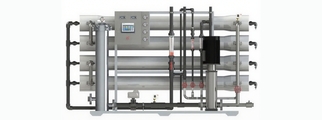
AQUALITEK 12TPH Industrial UF Water Treatment Device (UFL-4 Series) delivers high-efficiency, high-throughput ultrafiltration with Automatic Backwash Technology, high fouling-resistance membrane modules for efficient pretreatment and turbidity reduction in industrial and commercial applications.
This guide explains practical steps for installing, integrating and commissioning a 12TPH ultrafiltration water treatment system in a plant environment, focusing on minimizing downtime, ensuring regulatory compliance and optimizing long-term performance. The content targets plant engineers, procurement teams and project integrators evaluating or preparing for purchase and installation. After commissioning, maintaining stable output depends on effective maintenance strategies to maximize 12TPH UF system uptime.
Pre-installation Planning and Purchase Considerations (: purchase, installation service)
Before equipment arrives, complete a site assessment and procurement checklist. Key items to resolve early include available footprint, inlet water characteristics, utilities, permitting, and responsibilities for civil works. Proper planning reduces change orders and delays during installation.
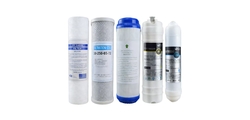
- Confirm feed water quality: turbidity, TSS, SDI/Fouling index, pH, temperature, and suspicious contaminants (oil, solvents, heavy metals). These parameters determine prefilters and chemical dosing needs.
- Specify required deliverables with supplier: skid-mounted unit, pre-assembled piping, instrumentation list, manufacturer factory acceptance test (FAT) results, spare parts kit, and start-up support.
- Decide on integration scope: turnkey (supplier handles civil, piping, electrical) vs. equipment supply only. Turnkey reduces risks for first-time integrators.
- Plan utilities: electrical capacity (including motor starting currents), compressed air (if used for air scouring), washwater drains and blowdown handling.
Mechanical Installation and Site Requirements for Ultrafiltration Water Treatment
Follow the manufacturer's mechanical drawings. The AQUALITEK UFL-4 Series is typically skid-mounted to reduce field assembly. Critical mechanical steps include placement, anchoring, piping alignment, and clearances for servicing membranes and pumps.
Best-practice checklist:
- Foundation & anchoring: If the skid is heavy or vibration-prone, use anti-vibration pads and anchor bolts. Ensure level within specified tolerance (±5 mm recommended).
- Access & maintenance space: Leave at least 0.8–1.2 m clearance around the skid for membrane removal, valve access and cleaning-in-place (CIP) rigging.
- Piping and connections: Use flexible connectors on pump suction/discharge to avoid transmitting thermal expansion and vibration. Provide isolation valves, pressure gauges and drain points at key locations.
- Drainage and blowdown: Route backwash and CIP effluent to proper drains or holding tanks. Provide shutoff and sampling points.
Hydraulic Integration: Pumps, Pressure and Flow Balancing (Ultrafiltration Water Treatment)
Hydraulic integration is vital to reach specified 12TPH throughput while protecting membranes from pressure and shear stress. Understand the feed pump selection, operating pressure windows and control valves required for stable flux.
- Feed pumps: Select pumps sized for design flow plus head losses. Variable frequency drives (VFD) are recommended for flow control and soft-start to protect membranes and reduce energy consumption.
- Operating pressures: Typical UF systems operate at low pressure (0.1–0.6 MPa). Avoid pressure spikes; include pressure relief valves and surge protection.
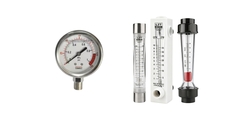
- Flow balancing: Install flow meters at feed and permeate lines. Provide recirculation or bypass lines for system flushing and to maintain minimum crossflow velocities during low demand.
Electrical, Controls and Automation Integration (: technical support, service)
Automation ensures consistent performance and protects membranes through automated backwash and CIP sequences. The UFL-4 Series includes Automatic Backwash Technology; ensure control wiring and logic integration with plant SCADA/PLC.
- Power supply: Confirm voltage, phase and panel ratings. Include MCC with soft-starters or VFDs sized per motor nameplate, and space for remote I/O modules.
- Sensors and interlocks: Common sensors include differential pressure (across membranes), turbidity, flow, conductivity and tank level switches. Integrate interlocks for high DP, low feed, and purge events.
- Control logic: Implement routine automatic backwash based on time, volume or DP setpoints. CIP sequences should be automated with manual override for safety and adjustments.
- SCADA/communication: Provide Modbus TCP/RTU or OPC UA endpoints. Supply a point list to the plant integrator for seamless integration.
Commissioning and Performance Verification for 12TPH UF Systems
Structured commissioning confirms the system meets contractual performance. Typical tasks include mechanical checks, leak testing, instrument calibration, membrane integrity verification and performance testing.
- Pre-start checks: verify electrical grounding, motor rotation, valve positions, and absence of leaks.
- Cold flushing: flush new membranes with dechlorinated water per manufacturer duration to remove preservatives and shipping contaminants.
- Integrity & turbidity tests: run permeate through a turbidity meter, and perform a permeability/integrity test if specified (e.g., pressure decay or bubble point for certain modules).
- Throughput validation: run to design flow (12 TPH) and monitor transmembrane pressure (TMP), permeate quality and flux stability. Record steady-state data for acceptance.
- Backwash/CIP validation: execute automatic backwash cycles and a full CIP, then verify recovery of baseline flux and permeate quality.
Operation, Routine Maintenance and Spare Parts Strategy (Ultrafiltration Water Treatment)
Establish an operational plan focused on consistent permeate quality and membrane longevity. Membranes are sensitive to fouling; routine backwash, periodic chemical CIP and careful feedwater control prolong life.
- Daily checks: monitor feed and permeate turbidity, DP, flow rates and alarms. Log data and set trending for early detection of fouling.
- Backwash schedule: automatic backwash frequency depends on feed quality; recommended starting point: timed backwash every 30–60 minutes or based on DP rise.
- CIP frequency: perform CIP based on flux decline (e.g., when flux drops 10–20% under constant TMP) or pre-defined schedule (monthly/quarterly depending on fouling rate).
- Spares: keep critical spares on site—membrane housings, valves, pressure sensors, pump seals and a small membrane module set for emergency replacements.
Troubleshooting Common Issues and Mitigation Strategies
Typical issues include elevated differential pressure, reduced flux, high permeate turbidity, odor or membrane damage. Use a logical troubleshooting flow: identify symptom, check instrumentation, isolate section and review recent events.
- High DP & low flux: check feed pre-treatment (coagulant dosing, sand filters), inspect for scaling or biological fouling; increase backwash frequency or implement targeted CIP.
- Permeate turbidity spikes: check integrity of modules, look for air ingress, verify valves and permeate line sealing.
- Membrane chemical damage: ensure correct dosing chemistry and concentrations during CIP; avoid oxidants that exceed membrane tolerance.
Performance Benchmarks and Comparative Table (Ultrafiltration Water Treatment)
Below is a high-level comparison of membrane technologies to help justify UF selection for pretreatment and turbidity removal in industrial plants.
| Metric | Ultrafiltration (UF) | Microfiltration (MF) | Reverse Osmosis (RO) |
|---|---|---|---|
| Typical pore size | 0.01–0.1 µm | 0.1–10 µm | Non-porous (molecular) |
| Main removal targets | Colloids, turbidity, bacteria, macromolecules | Turbidity, suspended solids | Dissolved salts, organics, ions |
| Typical operating pressure | 0.1–0.6 MPa | 0.05–0.2 MPa | 1.5–4.0 MPa |
| Energy intensity | Low–Moderate | Low | High |
| Best use | Pretreatment for RO, process water, effluent polishing | Pre-filtration, solids removal | Desalination, high-purity water |
ROI, Environmental and Regulatory Considerations
Calculate ROI by considering reduced chemical use, lower sludge disposal, extended RO membrane life (if used downstream), and improved product water quality. UF often reduces coagulant demand and lowers secondary treatment costs.
Regulatory compliance: ensure permeate meets local discharge or reuse standards. Implement monitoring and record-keeping for audits. For potable reuse projects, confirm additional disinfection and validation requirements per jurisdiction.
Brand Summary and Why Choose AQUALITEK (: purchase, technical support)
AQUALITEK's 12TPH Industrial UF Water Treatment Device (UFL-4 Series) is designed for high-throughput industrial applications with built-in Automatic Backwash Technology and fouling-resistant membranes. Key advantages:
- Turnkey skid design reduces field assembly and shortens commissioning time.
- Automated backwash & CIP sequences minimize manual intervention and optimize uptime.
- High fouling-resistance membranes lower frequency of chemical cleaning and extend membrane life.
- Comprehensive FAT, start-up support and service packages ensure reliable integration into plant controls and processes.
For plants seeking a robust ultrafiltration water treatment solution that balances throughput, operational simplicity and lifecycle cost, the UFL-4 Series is positioned as a cost-effective choice with strong technical support options.
Frequently Asked Questions (FAQ) — Ultrafiltration Water Treatment & 12TPH UF Systems
Q1: What footprint and civil works are required for a 12TPH UF skid?
A1: Typical skid footprints vary by supplier, but a packaged 12TPH UF skid often requires a 6–12 m2 area with 0.8–1.2 m clearance for maintenance. Civil works usually include level concrete pad, anchors and a drain to handle backwash/CIP effluent.
Q2: How long does installation and commissioning take?
A2: For a skid-mounted system with completed site preparations, typical on-site installation and commissioning take 5–15 working days depending on integration complexity and permit requirements.
Q3: What is the expected membrane life?
A3: With proper operation and routine CIP, industry-standard UF membranes commonly last 5–10 years. Life depends on feedwater quality, fouling control and correct chemical maintenance.
Q4: How often is CIP required?
A4: CIP frequency ranges from monthly to quarterly in many industrial applications. Monitor flux decline and DP to schedule CIP proactively.
Q5: Can the system be integrated into existing plant SCADA?
A5: Yes. AQUALITEK supports common protocols such as Modbus TCP/RTU and OPC UA. Provide point lists prior to integration to expedite mapping.
Contact Sales / View Product
To request a datasheet, schedule a site survey or order the AQUALITEK 12TPH Industrial UF Water Treatment Device (UFL-4 Series), contact our sales team: sales@aqualitek.com or visit the product page: https://www.aqualitek.com/products/uf-12tph. Phone: +1-800-555-0123.
Authoritative References and Further Reading
- Ultrafiltration — Wikipedia: https://en.wikipedia.org/wiki/Ultrafiltration
- World Health Organization — Water Quality and Health: https://www.who.int/water_sanitation_health
- U.S. Environmental Protection Agency (EPA) — Water Treatment Manuals and Guidance: https://www.epa.gov/water-research
- International Water Association (IWA): https://www.iwa-network.org
By following this guide, plant teams can minimize installation risks and ensure the AQUALITEK 12TPH UF system is integrated for reliable ultrafiltration water treatment performance, reduced lifecycle costs, and regulatory compliance.
Common Contaminants and How Systems Remove Them
Benefits of Electrodeionization for Continuous Ultrapure Water
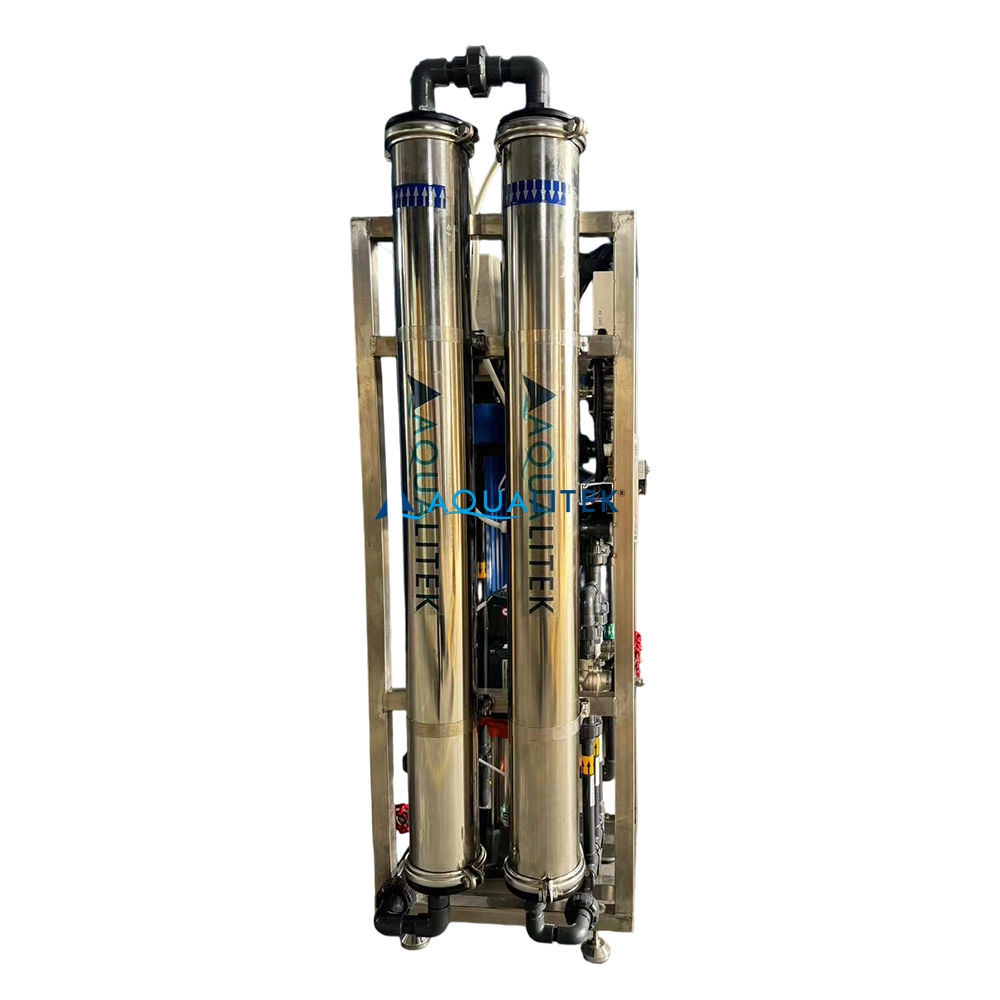
500 LPH Reverse Osmosis TWV - 412 (RO): In-Depth Review
RO vs UV vs Carbon: Which Water Purification System Wins?
Blog
How long does a water softener system last?
Most systems last 10–15 years with proper maintenance. Resin beads may need replacement after 8–10 years.
Membrane Water Treatment Systems
Do you offer plug-and-play solutions?
Absolutely. We offer containerized membrane systems that are factory-tested, compact, and quick to deploy.
Ion Exchange Water Treatment Systems
Which chemicals are required for regeneration?
Softening uses NaCl. Demineralization uses HCl or H₂SO₄ for cation resin and NaOH for anion resin.
FAQ-aqualitek
How often should I replace filters and membranes?
Filter and membrane lifespan depends on water quality, usage, and system type. General guidelines:
1. Sediment & Carbon Filters: Replace every 6–12 months.
2. RO Membranes: Replace every 2–3 years, depending on water conditions.
3. UF/NF Membranes: Replace every 1–2 years.
Regular maintenance ensures optimal performance and water quality.
Water Filters
Can I automate the filter cleaning process?
Absolutely. Our automatic backwash filters come with timer-based or differential pressure-triggered controls.
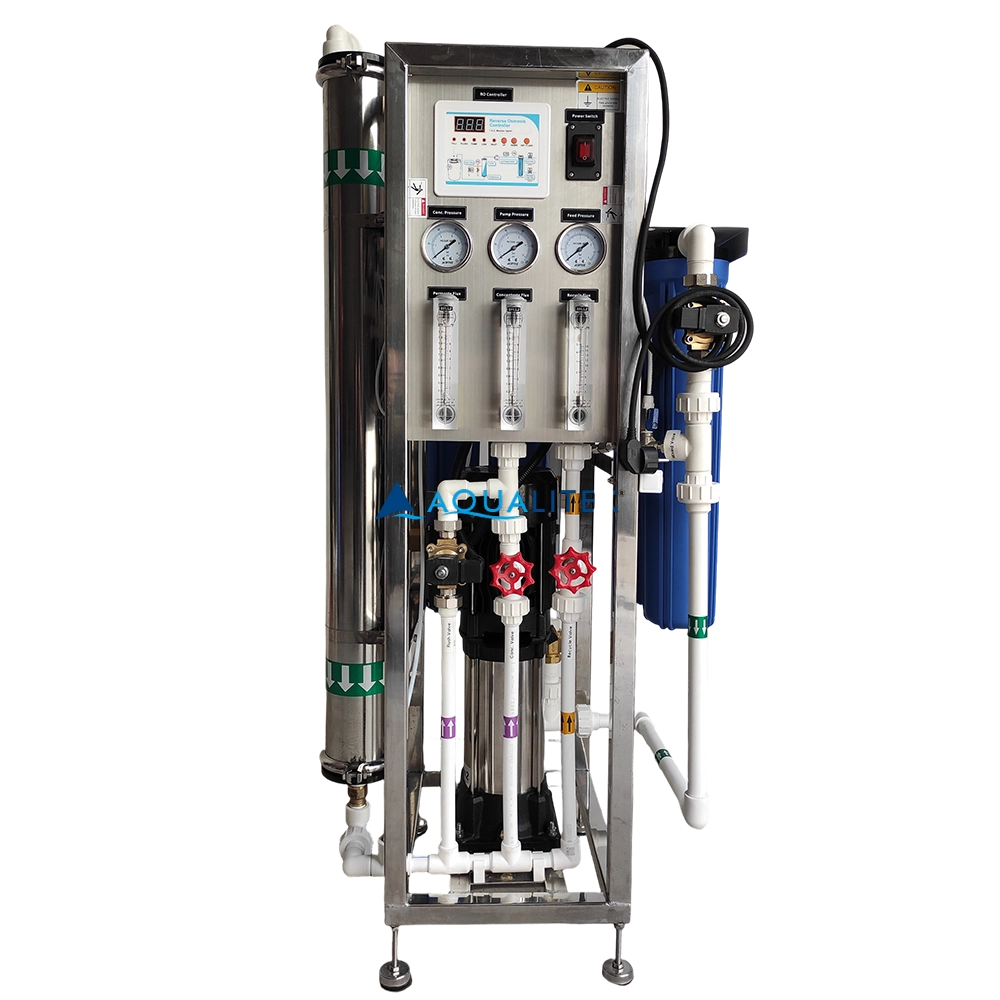
500 LPH Reverse Osmosis (RO) Water Purification Machine TWV - 412
Our 500 LPH Reverse Osmosis (RO) System is engineered to provide high-quality purified water for commercial applications. Designed with advanced RO technology, durable components, and a user-friendly interface, this system ensures consistent performance, low maintenance, and long-term reliability.
With its compact design and robust skid-mounted frame, it’s an excellent choice for businesses that demand efficiency and quality in water purification.
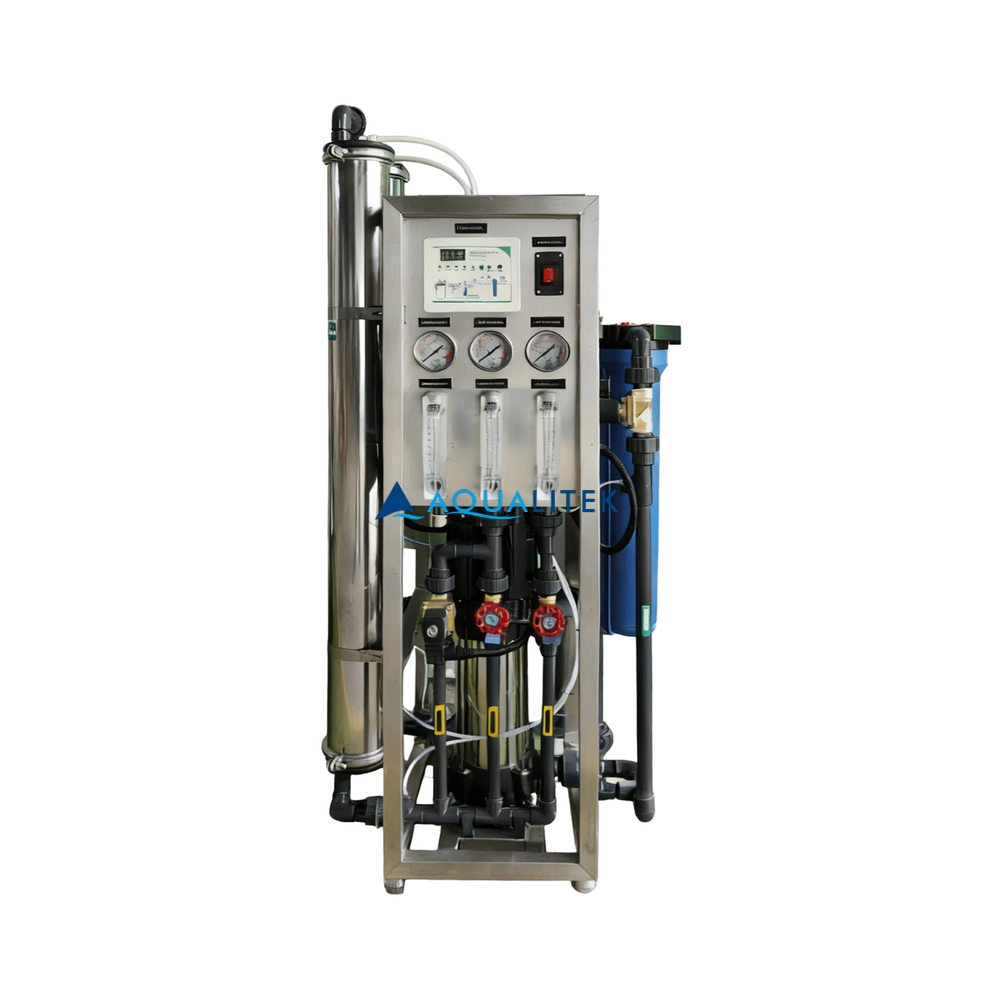
Tap Water Reverse Osmosis (TWRO) Systems TWV Series
TWV series Reverse Osmosis (RO) systems are pre-engineered and pre-assembled units with 2.5”/4” membrane housings(single element type)for tap water(lower TDS).They are designed for overall superior performance, high recovery rates and offer great savings with low maintenance and operation costs.
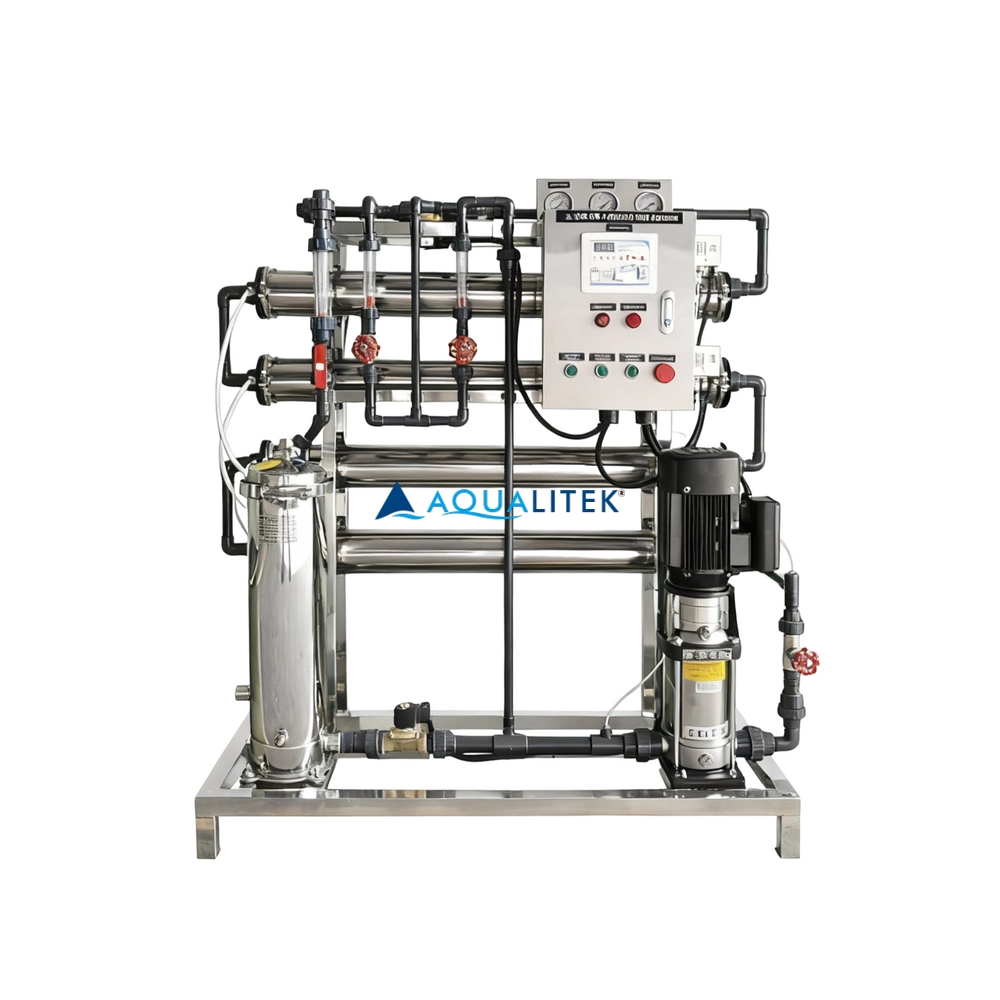
Tap Water Reverse Osmosis (TWRO) Systems TWF Series
TWF series Reverse Osmosis (RO) systems are pre-engineered and pre-assembled units with 4” membrane housings(multiple elements type) for tap water(lower TDS) .The medium large volumes can help meet your a variety of commercial and industrial applications. They are designed for overall superior performance, high recovery rates and offer great savings with low maintenance and operation costs.

Tap Water Reverse Osmosis (TWRO) Systems TWE Series
TWE series Reverse Osmosis (RO) systems are pre-engineered and pre-assembled units with 8” membrane housings for tap water (lower TDS). The large volumes can help meet your a variety of industrial applications. They are designed for overall superior performance, high recovery rates and offer great savings with low maintenance and operation costs.
Request More Information
Contact us today for product catalogs, customization options, and a free quotation designed for your business needs.
Rest assured that your privacy is important to us, and all information provided will be handled with the utmost confidentiality.
© 2026 AQUALITEK. All rights reserved.
AQUALITEK- Aimee Hoo
AQUALITEK - Aimee Hoo