



Maintenance Strategies to Maximize 12TPH UF System Uptime
- Maintenance Strategies to Maximize 12TPH UF System Uptime
- Overview of Ultrafiltration Water Treatment and the 12TPH Industrial UF Device
- Why uptime matters for Ultrafiltration Water Treatment systems
- Common causes of fouling and performance decline in UF systems
- Scheduled preventive maintenance routines for the 12TPH Industrial UF Water Treatment Device with High Throughput
- Optimize Automatic Backwash Technology and Cleaning-in-Place (CIP)
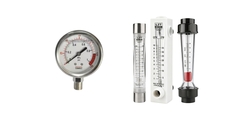
- Monitoring and instrumentation: what to track to maximize uptime
- Feedwater pretreatment and chemical dosing to prevent fouling
- Membrane handling, inspection, and replacement strategy
- Spare parts, service-level agreements, and workforce training
- Measurable benefits: expected uptime and cost impact
- Brand advantages: why choose AQUALITEK 12TPH Industrial UF Water Treatment Device
- Practical checklist to implement today
- FAQ — Ultrafiltration Water Treatment and 12TPH UF System Maintenance
- Q: How often should I perform CIP on a 12TPH UF system?
- Q: Can I use chlorine for biofouling control?
- Q: What spare parts should I keep on-site?
- Q: How do I know when a membrane module needs replacing?
- Contact us / View product
- Authoritative references

Maintenance Strategies to Maximize 12TPH UF System Uptime
Overview of Ultrafiltration Water Treatment and the 12TPH Industrial UF Device
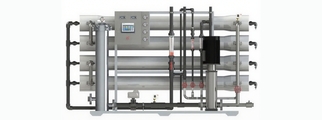
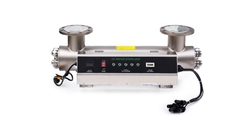
AQUALITEK 12TPH Industrial UF Water Treatment Device (UFL-4 Series) delivers high-efficiency, high-throughput ultrafiltration with Automatic Backwash Technology, high fouling-resistance membrane modules for efficient pretreatment and turbidity reduction in industrial and commercial applications.
Ultrafiltration water treatment is widely used in industry for robust removal of particulates, suspended solids, and some microorganisms. For operations relying on the 12TPH Industrial UF Water Treatment Device with High Throughput, maximizing system uptime is essential to maintain production continuity, protect downstream equipment, reduce operating costs, and meet regulatory or quality specifications. The strategies below are practical, field-tested, and designed for plant engineers, operators, and procurement decision-makers.
Why uptime matters for Ultrafiltration Water Treatment systems
Downtime in UF systems translates directly into lost production, higher labor costs, emergency chemical cleaning, and potential non-compliance with water quality standards. For a 12TPH ultrafiltration system, even short interruptions can force downstream processes to idle or switch to expensive backup water sources. Reliable uptime minimizes operational risk and improves return on investment for membrane assets. In short: uptime preserves product throughput, reduces lifecycle cost, and protects company reputation.
Common causes of fouling and performance decline in UF systems
Understanding why membranes foul is the first step to preventing downtime. Major fouling types include:
- Particulate/colloidal fouling — high turbidity and suspended solids
- Organic fouling — natural organic matter, oils, and process organics
- Biofouling — microbial growth forming biofilms on membrane surfaces
- Scaling — precipitation of sparingly soluble salts (calcium carbonate, silica)
- Chemical/oxidative damage — overexposure to oxidants or incompatible chemicals
Each fouling mechanism affects transmembrane pressure (TMP), flux decline, and permeability differently. A targeted maintenance program addresses the dominant mechanisms for the facility's feedwater profile.
Scheduled preventive maintenance routines for the 12TPH Industrial UF Water Treatment Device with High Throughput
Proactive, scheduled maintenance prevents small issues from becoming outages. A recommended preventive maintenance (PM) routine for a 12TPH UF unit includes daily, weekly, monthly, and annual tasks. Below is a concise PM checklist:
- Daily: Check TMP, permeate turbidity, flux, feed pressure, and automatic backwash indicators. Log alarms and clear minor blockages.
- Weekly: Inspect prefilters/multimedia filters, verify chemical dosing systems, examine air scour and backwash headers for leaks, and confirm instrumentation calibration.
- Monthly: Review CIP frequency history, verify membrane integrity tests where applicable, clean screens and strainers, and top up spare consumables.
- Annually: Perform a full CIP if indicated, inspect membrane modules for physical damage, verify gaskets and housings, and update spare parts inventory.
Documented PM logs improve troubleshooting, extend membrane life, and demonstrate compliance for audits.
Optimize Automatic Backwash Technology and Cleaning-in-Place (CIP)
AUTO backwash and CIP are core features of the UFL-4 Series. Optimizing these automated processes reduces fouling while minimizing unnecessary chemical use and downtime.
- Tune backwash frequency based on flux and TMP trends rather than fixed intervals — adaptive backwash reduces fouling accumulation without excessive water use.
- Use differential backwash steps: short hydraulic backwash to remove loosely bound solids, followed by air scouring where designed to dislodge more tenacious deposits.
- Design CIP recipes according to foulant type: alkaline cleaners for organic fouling, acid rinses for scaling, and chlorine neutralization/biocides for biofouling (verify membrane compatibility first).
- Track CIP effectiveness by measuring flux recovery and TMP reduction post-CIP; only escalate to stronger chemicals or increased frequency when recovery is below benchmarks.
Monitoring and instrumentation: what to track to maximize uptime
Continuous monitoring enables early detection of performance decline. Key parameters to track, recommended operating ranges, and operator actions are summarized in the table below.
| Parameter | Typical Operating Range / Target | Action if Out of Range |
|---|---|---|
| Transmembrane Pressure (TMP) | Low and steady; increases slowly with time; follow manufacturer limits | Initiate backwash/CIP; inspect pre-treatment; reduce flux |
| Flux (L/m2·h or LMH) | Setpoint per system design (monitor decline) | Reduce flux setpoint; schedule cleaning; check feed conditions |
| Permeate Turbidity (NTU) | Product requirement (e.g., <0.1–0.5 NTU for many uses) | Investigate membrane integrity, check backwash, run integrity test |
| SDI/Feed Turbidity | SDI <3 for optimal performance; turbidity as low as achievable | Improve pre-treatment; replace or backwash filters |
| Feed Conductivity and pH | Within design specification for membrane compatibility | Adjust dosing; add antiscalant or pH correction |
| Flow rates and Valves | Stable according to process map | Repair/replace faulty valves; recalibrate flowmeters |
Integrate TMP/flux trending into SCADA with alarms for pre-set thresholds. Early alarms permit corrective action before performance collapse.
Feedwater pretreatment and chemical dosing to prevent fouling
Excellent pretreatment extends membrane life and reduces cleaning frequency. Best practices include:
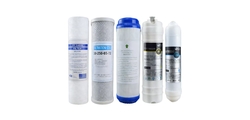
- Multimedia filtration or micro-screens upstream to remove coarse solids and reduce turbidity spikes.
- Coagulation and flocculation when raw water has high turbidity or colloidal load—this reduces particulate load to UF membranes.
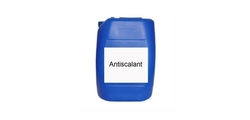
- Antiscalant dosing and pH control to limit inorganic scale formation in waters with high hardness or silica.
- Careful control of oxidants: pre-chlorination can prevent biofouling but must be dechlorinated or controlled to avoid oxidative membrane damage—verify membrane compatibility and follow manufacturer guidelines.
Assuring stable feed water quality is one of the highest-impact investments for uptime.
Membrane handling, inspection, and replacement strategy
Membrane module care reduces unexpected failures. Key actions include:
- Follow manufacturer chemical exposure limits for pH, temperature, and oxidant concentration.
- Perform periodic visual inspections for leaks or housing damage during scheduled shutdowns.
- Use non-destructive integrity testing (pressure decay, bubble point where appropriate) as part of annual maintenance.
- Track life history per module: number of CIPs, cumulative operating hours, and flux recovery after CIP to determine replacement timing.
Spare parts, service-level agreements, and workforce training
Planned availability of critical spares and trained technicians is essential to rapid recovery:
- Stock standard spare kits: valve seals, pressure sensors, backwash valves, O-rings, and at least one spare membrane module or housing depending on uptime criticality.
- Negotiate an SLA with the supplier for priority service and parts replacement to reduce mean time to repair (MTTR).
- Invest in operator training on routine intervention, safe handling of cleaning chemicals, and emergency procedures. Cross-training reduces single-point failure risk when staff are absent.
- Consider remote monitoring and vendor-supported diagnostics to speed troubleshooting and allow predictive maintenance recommendations from the manufacturer.
Measurable benefits: expected uptime and cost impact
To quantify benefits, the table below compares a typical facility operating a 12TPH UF unit under reactive versus preventive maintenance regimes. Figures are illustrative and conservative; adapt to your plant-specific costs.
| Metric | Reactive Maintenance | Preventive & Optimized CIP |
|---|---|---|
| Annual Uptime | ~92% | ~98–99% |
| Unplanned Downtime Events/yr | 6–12 | 1–2 |
| Maintenance Cost (incl. emergency) | Baseline (higher variability) | ~10–25% lower total cost of ownership, due to less emergency CIP and longer membrane life |
Even small improvements in uptime at 12TPH scale can deliver significant operational continuity and cost avoidance.
Brand advantages: why choose AQUALITEK 12TPH Industrial UF Water Treatment Device
AQUALITEK's UFL-4 Series is designed with uptime in mind. Key advantages relevant to maintenance strategy include:
- Automatic Backwash Technology tuned for high-throughput operation to reduce manual intervention and frequency of chemical cleaning.
- High fouling-resistance membrane modules that improve flux stability and reduce CIP frequency.
- Modular design facilitating quick module swaps and easy access for inspections and repairs, reducing MTTR.
- Comprehensive monitoring integration options (TMP, flow, turbidity) for predictive maintenance workflows.
- Manufacturer support for spare part kits, training, and tailored CIP protocols designed for common industrial feedwaters.
Combined, these features lower lifecycle costs and make it easier to implement the maintenance strategies described earlier.
Practical checklist to implement today
Operators can start with a focused 30-60-90 day plan:
- First 30 days: Baseline monitoring — enable TMP and permeate turbidity logging, confirm backwash routines, and inspect prefilters.
- 30–60 days: Tune backwash frequency by correlating TMP/flux trends; train operators on early alarm responses.
- 60–90 days: Review CIP performance, update spare parts list, and finalize preventive maintenance calendar with manufacturer collaboration.
FAQ — Ultrafiltration Water Treatment and 12TPH UF System Maintenance
Q: How often should I perform CIP on a 12TPH UF system?
A: CIP frequency depends on feedwater quality and fouling rates. Start with manufacturer recommendations, then adjust based on flux recovery metrics and TMP trends. Many sites move from monthly to quarterly CIPs once pretreatment and automatic backwash are optimized.
Q: Can I use chlorine for biofouling control?
A: Chlorine can control biofouling but may damage some membrane materials. Always confirm membrane chemical compatibility with AQUALITEK guidance and apply dechlorination where required to protect the membranes.
Q: What spare parts should I keep on-site?
A: Stock items include backwash valves, pressure and flow sensors, O-rings and gaskets, prefilter cartridges, and at least one membrane module or a quick-swap element depending on criticality. Tailor the list to your expected MTTR tolerance.
Q: How do I know when a membrane module needs replacing?
A: Replacement indicators include poor flux recovery after properly executed CIP, sustained high TMP despite cleaning, physical damage, or failing integrity tests. Track cumulative CIPs and performance trends for data-driven replacement decisions.
Contact us / View product
In parallel with maintenance planning, buyers must ensure regulatory readiness by understanding compliance and quality standards for ultrafiltration water systems.To discuss how to deploy a maintenance program for your AQUALITEK 12TPH Industrial UF Water Treatment Device with High Throughput or to request a service agreement, contact our technical sales team or request a product datasheet. Our specialists provide site-specific optimization plans tailored to your feedwater and production requirements.
Authoritative references
- Ultrafiltration — Wikipedia: https://en.wikipedia.org/wiki/Ultrafiltration
- U.S. Environmental Protection Agency (EPA) — Membrane Filtration and Related Research: https://www.epa.gov/water-research/membrane-filtration
- International Water Association (IWA) — Membrane Technologies: https://iwa-network.org/
- Membrane Technology (Elsevier) — Journal Information: https://www.elsevier.com/journals/membrane-technology
- World Health Organization (WHO) — Guidelines for Drinking-water Quality: https://www.who.int/publications/i/item/9789241549950
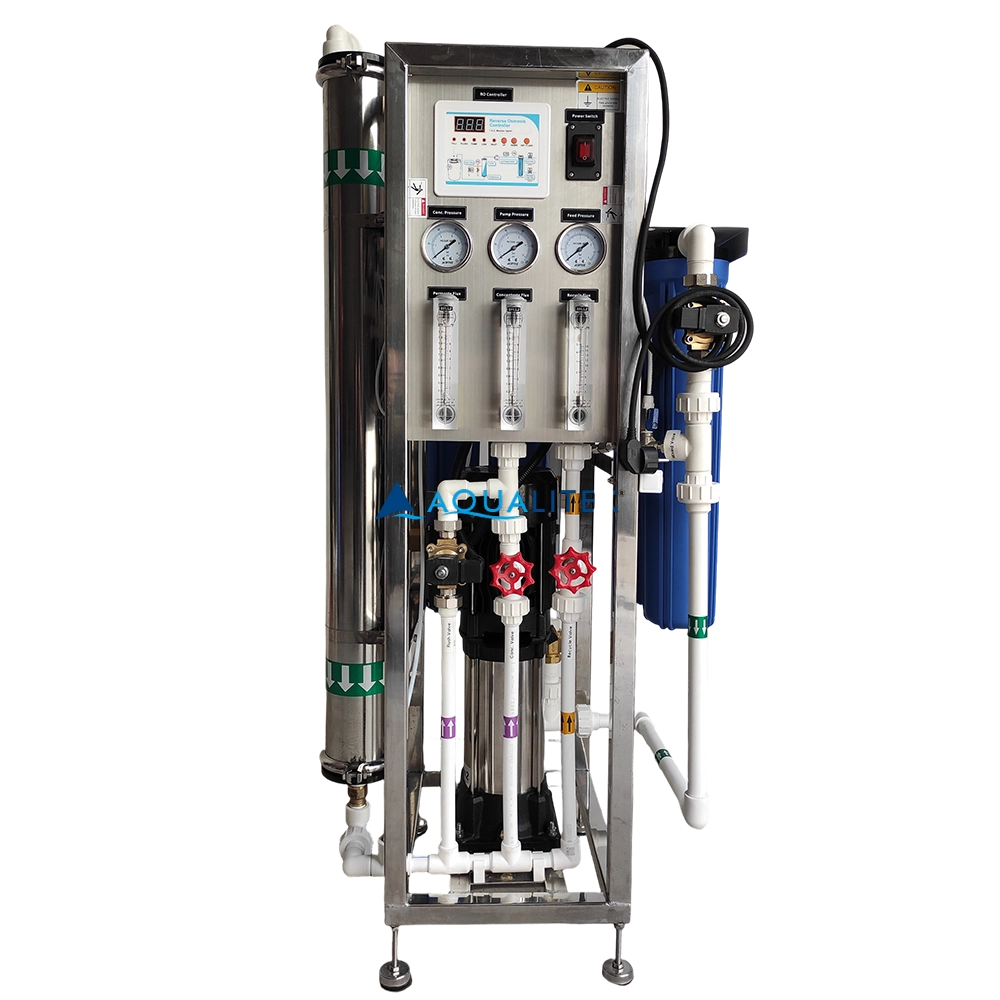
Best Reverse Osmosis Water Filter System: How to Choose Right
Top Mistakes When Buying a Water Purification System: Practical Buyer’s Guide
Reverse Osmosis Water Purification System Explained
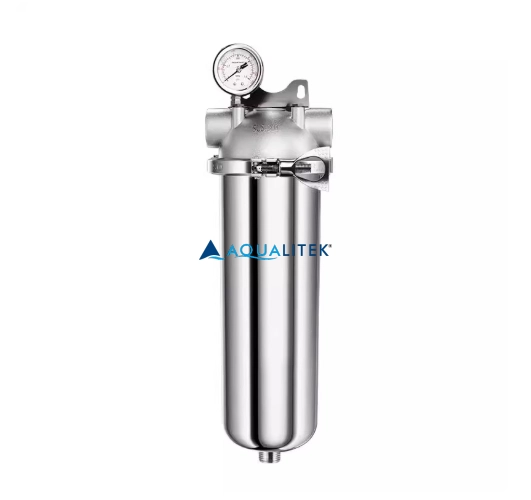
Selecting Cartridge Filter Housing for Large-scale Water Systems
Ion Exchange Water Treatment Systems
How often is regeneration needed?
It depends on water quality and usage. Most systems regenerate every few days to a week under normal loads.
Membrane Water Treatment Systems
Can your membrane systems treat seawater?
Yes. Our seawater RO systems are designed to handle high salinity with corrosion-resistant materials and energy recovery devices.
FAQ-aqualitek
How often should I replace filters and membranes?
Filter and membrane lifespan depends on water quality, usage, and system type. General guidelines:
1. Sediment & Carbon Filters: Replace every 6–12 months.
2. RO Membranes: Replace every 2–3 years, depending on water conditions.
3. UF/NF Membranes: Replace every 1–2 years.
Regular maintenance ensures optimal performance and water quality.
Solutions
How do I choose the right water treatment system for my needs?
The choice depends on factors such as water quality, application, flow rate, and purification requirements. Our team of experts can analyze your water source and recommend the most suitable solution for residential, commercial, or industrial applications.
What industries does AQT serve?
We provide water treatment solutions for a wide range of industries, including:
1. Industrial Manufacturing – Process water treatment, cooling water, and boiler feed.
2. Hospitality & Commercial – Hotels, restaurants, and office buildings.
3. Residential Applications – Drinking water purification and softening.
4. Healthcare & Pharmaceuticals – Ultra-pure water for laboratories and hospitals.
5. Municipal & Public Utilities – Water supply and wastewater treatment.
6. Food & Beverage Processing – Filtration for beverage p
500 LPH Reverse Osmosis (RO) Water Purification Machine TWV - 412
Our 500 LPH Reverse Osmosis (RO) System is engineered to provide high-quality purified water for commercial applications. Designed with advanced RO technology, durable components, and a user-friendly interface, this system ensures consistent performance, low maintenance, and long-term reliability.
With its compact design and robust skid-mounted frame, it’s an excellent choice for businesses that demand efficiency and quality in water purification.
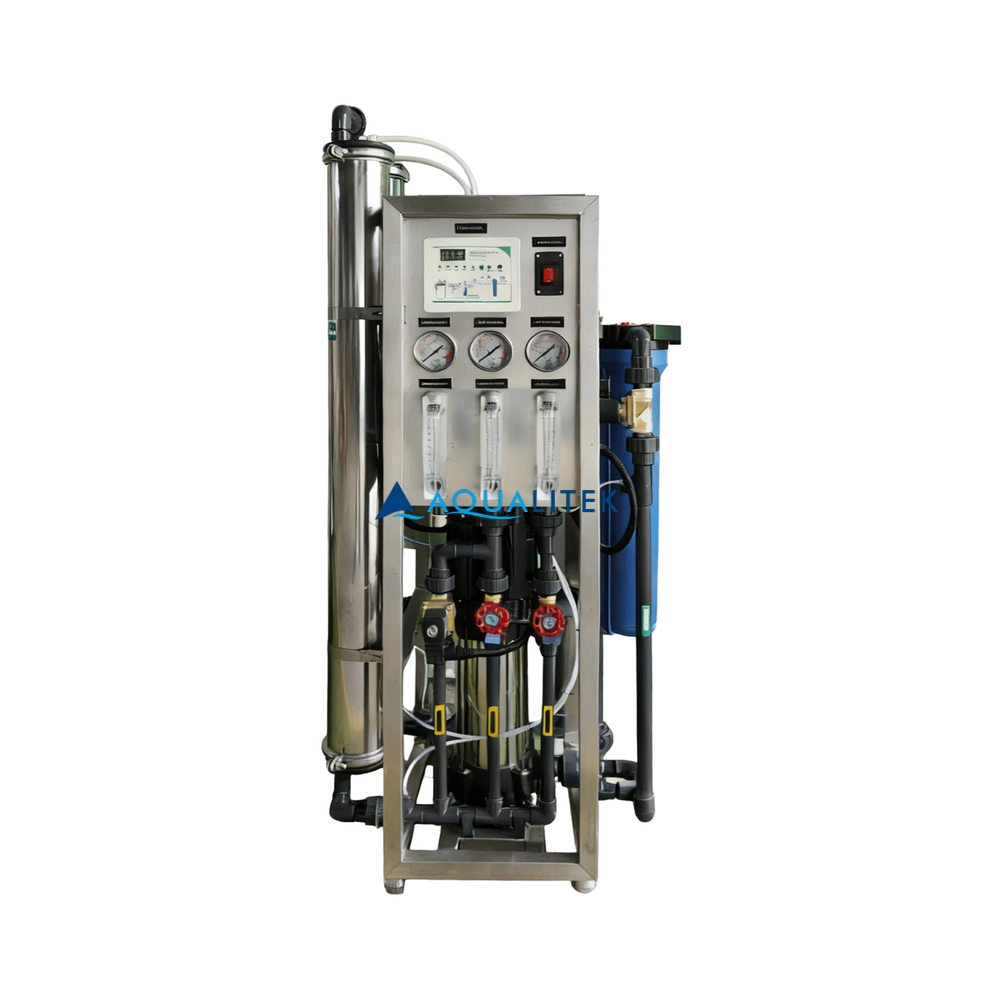
Tap Water Reverse Osmosis (TWRO) Systems TWV Series
TWV series Reverse Osmosis (RO) systems are pre-engineered and pre-assembled units with 2.5”/4” membrane housings(single element type)for tap water(lower TDS).They are designed for overall superior performance, high recovery rates and offer great savings with low maintenance and operation costs.
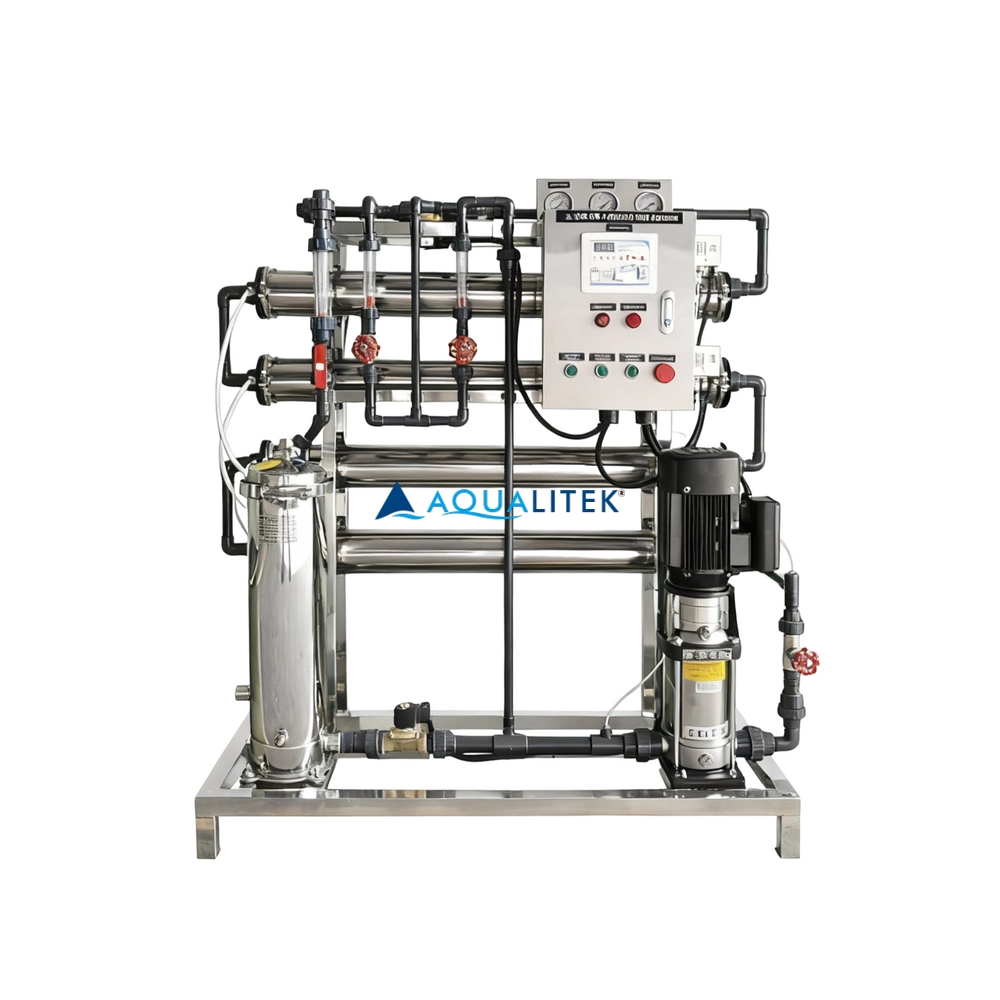
Tap Water Reverse Osmosis (TWRO) Systems TWF Series
TWF series Reverse Osmosis (RO) systems are pre-engineered and pre-assembled units with 4” membrane housings(multiple elements type) for tap water(lower TDS) .The medium large volumes can help meet your a variety of commercial and industrial applications. They are designed for overall superior performance, high recovery rates and offer great savings with low maintenance and operation costs.

Tap Water Reverse Osmosis (TWRO) Systems TWE Series
TWE series Reverse Osmosis (RO) systems are pre-engineered and pre-assembled units with 8” membrane housings for tap water (lower TDS). The large volumes can help meet your a variety of industrial applications. They are designed for overall superior performance, high recovery rates and offer great savings with low maintenance and operation costs.
Request More Information
Contact us today for product catalogs, customization options, and a free quotation designed for your business needs.
Rest assured that your privacy is important to us, and all information provided will be handled with the utmost confidentiality.
© 2026 AQUALITEK. All rights reserved.
AQUALITEK- Aimee Hoo
AQUALITEK - Aimee Hoo