




Compliance and Quality Standards for Ultrafiltration Water Systems
- Compliance and Quality Standards for Ultrafiltration Water Systems
- Why Compliance Matters for Ultrafiltration Water Treatment
- Key International Standards and Regulatory Frameworks for Ultrafiltration Systems
- Technical Quality Standards for UF Membranes and Modules
- Design, Manufacturing, and Certification: What to Look For in an Ultrafiltration Supplier
- Operational Compliance: Monitoring, Validation, and Documentation for UF Systems
- Comparing Treatment Options — Ultrafiltration vs. Microfiltration vs. Reverse Osmosis (Compliance Perspective)
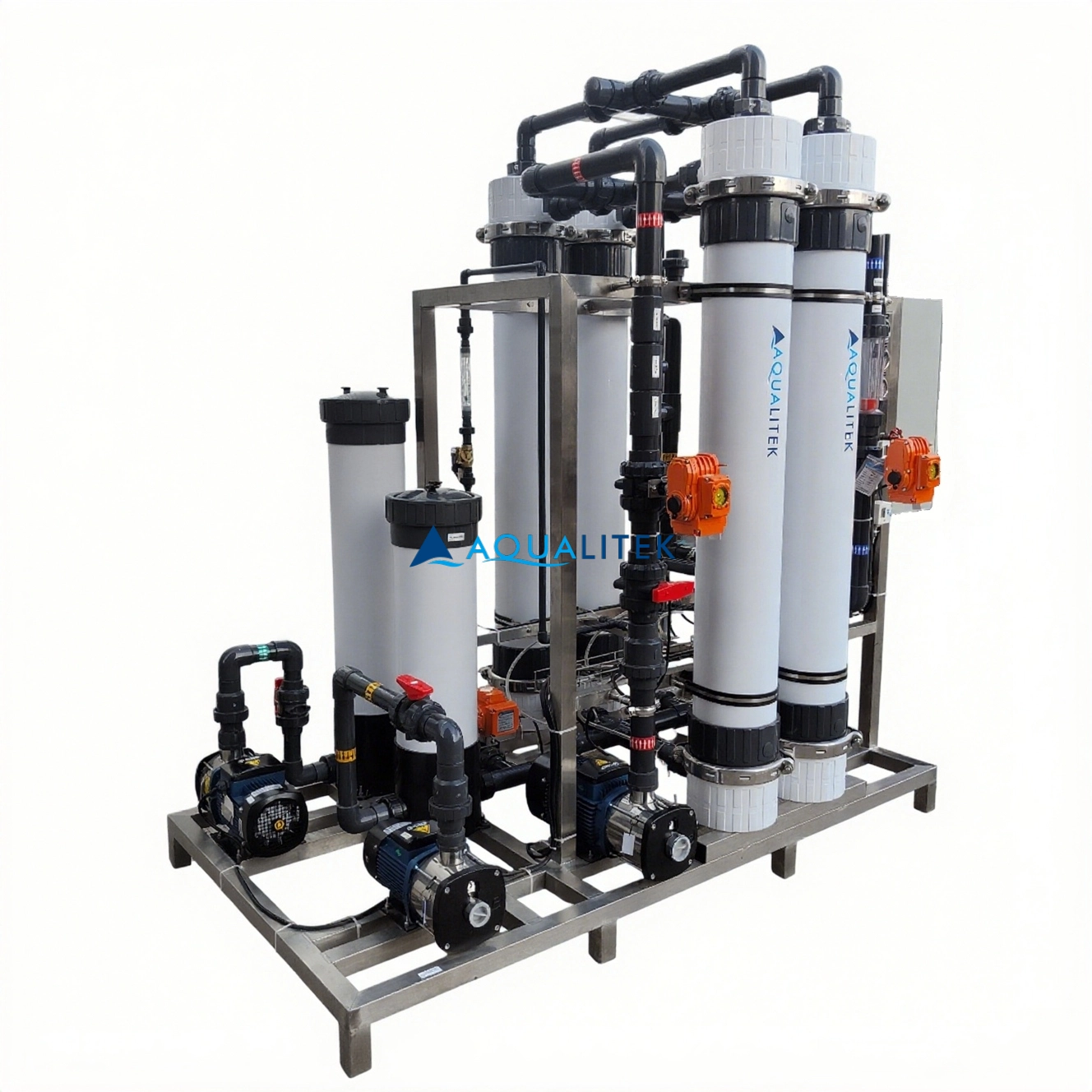
- Product Highlight: AQUALITEK 12TPH Industrial UF Water Treatment Device with High Throughput
- How the AQUALITEK 12TPH Aligns with Compliance and Quality Requirements
- Typical Technical Specifications (Representative)
- Best Practices for Commissioning and Ongoing Compliance
- Brand Advantage Summary — Why Choose AQUALITEK for Industrial Ultrafiltration
- Frequently Asked Questions (FAQ)
- Q: What certifications should I require for an ultrafiltration system used in potable water production?
- Q: How does automatic backwash help meet compliance requirements?
- Q: How often should membrane integrity be tested?
- Q: Can UF alone guarantee removal of all pathogens?
- Q: What documentation do I need to demonstrate compliance during an audit?
- Contact / View Product
- Authoritative References and Sources

Compliance and Quality Standards for Ultrafiltration Water Systems
Why Compliance Matters for Ultrafiltration Water Treatment
Ultrafiltration water treatment is widely adopted across industrial and commercial applications for reliable removal of suspended solids, turbidity, and pathogens. Compliance and quality standards are not just regulatory hurdles — they directly affect system safety, performance, lifecycle costs, and reputation. For facility managers and water professionals evaluating an Ultrafiltration Water Treatment solution, understanding applicable standards (material safety, pressure vessels, drinking/industrial water requirements, and testing protocols) is essential to ensure consistent water quality, avoid liabilities, and maintain operational uptime. As regulations tighten and water demand grows, facilities often assess scaling water treatment and when to upgrade to a 12TPH UF device.
Key International Standards and Regulatory Frameworks for Ultrafiltration Systems
Several types of standards address different aspects of ultrafiltration (UF) systems: public health and water quality guidelines, product and material certifications, pressure and mechanical safety codes, and manufacturing quality management. Common and widely recognized frameworks include:
- WHO Drinking-water Guidelines — guidance on safe water quality and risk management for human consumption.
- EPA (U.S.) drinking water research and treatment technology guidance — protocol and technology reviews used by regulators and utilities.
- NSF/ANSI certification programs — for products and materials in contact with potable water (e.g., NSF/ANSI 61 for drinking water system components).
- ISO 9001 — quality management systems for manufacturers, ensuring consistent production and traceability.
- ASME and local pressure vessel codes — relevant where UF systems include pressurized vessels or housings.
- CE marking and EU directives — for systems sold in the European market, covering safety and EMC where applicable.
Each of these frameworks serves a different compliance purpose; selecting a UF system that aligns with the relevant combination (local regulations, potable vs. non-potable use, and industry-specific requirements) is critical.
Technical Quality Standards for UF Membranes and Modules
Membrane performance and the ability to verify integrity are central to quality assurance. Key technical requirements and tests include:
- Pore size and retention characteristics: UF membranes typically have pore sizes in the range of ~0.01–0.1 µm, providing effective removal of colloids, bacteria and certain viruses. Product specifications should state nominal pore size and MWCO (molecular weight cut-off) where appropriate.
- Material suitability: Common membrane materials include PVDF, PES, and PVDF blends. Materials must be compatible with feed water chemistry and cleaning agents; manufacturers should provide chemical compatibility charts.
- Integrity testing: Methods such as pressure-hold/decay, bubble point, or online turbidity/particle monitoring confirm membrane integrity and detect breaches that could compromise water quality.
- Flux and fouling characteristics: Standardized flux testing at defined transmembrane pressures (TMP) and feed conditions helps estimate performance and cleaning frequency. High fouling-resistance modules reduce downtime and cleaning costs.
- CIP (Clean-In-Place) compatibility: UF modules should tolerate recommended CIP chemicals, temperatures, and cycles without degradation.
Design, Manufacturing, and Certification: What to Look For in an Ultrafiltration Supplier
Buyer confidence increases when manufacturers operate under robust quality systems and provide independent certifications. Look for:
- ISO 9001 certification confirming systematic production control and document traceability.
- Third-party testing reports for membrane performance (flux, retention, mechanical strength) from accredited labs.
- Compliance with pressure vessel codes (ASME or equivalent) for any pressure housings, and CE marking for EU sales.
- Clear material declarations and certification for components in contact with potable water (NSF, WRAS, or equivalent depending on market).
- Factory acceptance testing (FAT) and site acceptance testing (SAT) procedures to validate system performance under real feed-water conditions.
Operational Compliance: Monitoring, Validation, and Documentation for UF Systems
Operational compliance ensures long-term system safety and performance. Practical measures include:
- Online turbidity monitoring at UF permeate outlets to ensure instant detection of integrity loss. Typical control setpoints are conservatively low to trigger immediate action if turbidity rises.
- Scheduled integrity tests and maintenance — e.g., periodic pressure-hold tests, membrane autopsies when necessary, and logging of automatic backwash/CIP cycles.
- Routine water quality sampling and laboratory analysis for parameters relevant to the intended use (microbial indicators for potable use; turbidity, TSS, and specific contaminants for industrial uses).
- Documented Standard Operating Procedures (SOPs) and maintenance logs to demonstrate procedural compliance for audits.
- Risk assessments and Hazard Analysis and Critical Control Points (HACCP) or Water Safety Plans (WSP) for potable applications, aligned with WHO guidance.
Comparing Treatment Options — Ultrafiltration vs. Microfiltration vs. Reverse Osmosis (Compliance Perspective)
Choosing the right membrane-based treatment involves compliance trade-offs. The table below summarizes key differences relevant to regulatory and quality considerations.
| Feature | Ultrafiltration (UF) | Microfiltration (MF) | Reverse Osmosis (RO) |
|---|---|---|---|
| Typical pore size | ~0.01–0.1 µm | ~0.1–10 µm | <0.001 µm (non-porous membrane) |
| Targets | Bacteria, colloids, turbidity, some viruses (size-dependent) | Suspended solids, larger particulates | Dissolved salts, small organic molecules |
| Compliance focus | Integrity testing, turbidity control, biofouling management | Turbidity and solids removal validation | Water chemistry monitoring, scaling control, brine disposal, product water quality |
| Operational complexity | Moderate — requires fouling control and integrity checks | Lower — simpler modules, but less removal capability | High — requires antiscalants, high pressure, strict post-treatment |
Product Highlight: AQUALITEK 12TPH Industrial UF Water Treatment Device with High Throughput
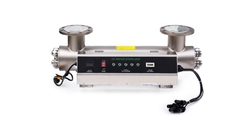
The AQUALITEK 12TPH Industrial UF Water Treatment Device (UFL-4 Series) is engineered for high-efficiency ultrafiltration in industrial and commercial settings. Key selling points include automation for reduced operator intervention and membrane modules designed for high fouling resistance and reliable pretreatment performance.
AQUALITEK 12TPH Industrial UF Water Treatment Device (UFL-4 Series) delivers high-efficiency, high-throughput ultrafiltration with Automatic Backwash Technology, high fouling-resistance membrane modules for efficient pretreatment and turbidity reduction in industrial and commercial applications.
How the AQUALITEK 12TPH Aligns with Compliance and Quality Requirements
The AQUALITEK 12TPH system incorporates design and operational features that address the compliance concerns covered earlier:
- Automatic Backwash and CIP-friendly design — reduces risk of biofouling and maintains long-term permeability while documenting cleaning cycles for audits.
- High fouling-resistance membrane modules — lowering frequency of manual interventions and minimizing integrity stress during cleaning.
- Capacity transparency — 12TPH (approx. 12 m3/h or ~288 m3/day at continuous operation), suitable for many industrial and commercial pretreatment roles; capacity sizing should be validated with actual site feed conditions.
- Instrumentation-ready — designed to accept turbidity sensors and automated alarm logic for rapid detection of integrity or performance deviations.
- Factory and site testing — systems can be supplied with FAT and SAT reports to support regulatory documentation and procurement specifications.
Typical Technical Specifications (Representative)
| Parameter | Representative Value |
|---|---|
| Nominal Capacity | 12 TPH (approx. 12 m3/h) |
| Membrane Type | High fouling-resistance UF (PVDF/PES variants available) |
| Pore Size | Nominal 0.01–0.1 µm (product-specific) |
| Turbidity Removal | >99% particulate/turbidity reduction (typical under proper pretreatment) |
| Cleaning | Automatic backwash, CIP-compatible |
Note: The above table provides representative, non-contractual values — final specifications should be confirmed with the manufacturer and validated during FAT/SAT with actual feed water.
Best Practices for Commissioning and Ongoing Compliance
To achieve and maintain compliance with quality standards, follow these practical steps:
- Perform a feed-water assessment to determine pretreatment needs (coagulation, media filtration, or cartridge prefiltration) to protect UF membranes.
- Specify required certifications and testing in procurement documents (e.g., material contact certifications, FAT protocols, ASME compliance for pressure components).
- Install online turbidity and pressure monitoring with alarm thresholds and automated responses (e.g., divert permeate to waste on turbidity exceedance).
- Implement a documented maintenance plan including scheduled integrity testing, backwash/CIP logs, and membrane performance tracking (flux, TMP trends).
- Maintain traceable records for audits: certificates, test reports, SOPs, training records, and water quality results.
Brand Advantage Summary — Why Choose AQUALITEK for Industrial Ultrafiltration
AQUALITEK positions its 12TPH Industrial UF device for customers needing robust pretreatment and high throughput with compliance-focused features. Key brand advantages include:
- Engineering-led design with automation that simplifies compliance through logged backwash/CIP cycles and instrumentation-ready architecture.
- Membrane modules selected for fouling resistance, reducing operational risk and downtime in challenging feed waters.
- Support for FAT/SAT and documentation to assist with regulatory approvals and procurement compliance checks.
- Scalable approach: modular designs allow system configuration to align with industry standards and local regulatory requirements.
Frequently Asked Questions (FAQ)
Q: What certifications should I require for an ultrafiltration system used in potable water production?
A: For potable use, prioritize product and material certifications (e.g., NSF/ANSI or local potable water approvals for materials in contact with water), adherence to applicable national drinking water regulations, documented integrity testing procedures, and evidence of factory QA (ISO 9001). A Water Safety Plan approach aligned with WHO guidance is also recommended.
Q: How does automatic backwash help meet compliance requirements?
A: Automatic backwash reduces fouling accumulation, stabilizes flux and TMP trends, and keeps membranes operating within validated performance envelopes. When combined with logged schedules and sensors, backwash events become part of documented maintenance records used in audits.
Q: How often should membrane integrity be tested?
A: Frequency depends on application and regulatory expectations. For potable applications, routine online monitoring (turbidity, particle count) is continuous, while scheduled integrity tests (pressure-hold or alternative methods) might be performed monthly to quarterly. High-risk or variable feeds may require more frequent checks; follow manufacturer guidance and local regulations.
Q: Can UF alone guarantee removal of all pathogens?
A: UF is highly effective for removing bacteria and many protozoa, and it can significantly reduce virus counts depending on pore size and system operation. However, for absolute pathogen control in potable systems, UF is often part of a multi-barrier approach that may include disinfection and source protection. Validate performance with integrity testing and water quality monitoring.
Q: What documentation do I need to demonstrate compliance during an audit?
A: Provide manufacturer certificates, FAT/SAT reports, SOPs, maintenance and cleaning logs, integrity test results, water quality sampling and lab reports, and any third-party certifications. A complete traceable record is essential.
Contact / View Product
If you are evaluating ultrafiltration solutions, request detailed specifications, FAT/SAT protocols, and compliance documentation for the AQUALITEK 12TPH Industrial UF Water Treatment Device. Contact our sales and technical team to schedule a site assessment or to receive a customized compliance package.
Contact us today to request datasheets, certifications, and a quotation for the AQUALITEK 12TPH Industrial UF Water Treatment Device.
Authoritative References and Sources
For additional authoritative guidance, consult:
- World Health Organization — Guidelines for Drinking-water Quality: https://www.who.int/publications/i/item/9789241549950
- U.S. Environmental Protection Agency — Water Research: https://www.epa.gov/water-research
- Wikipedia — Ultrafiltration (technical overview): https://en.wikipedia.org/wiki/Ultrafiltration
- NSF International — Standards and Certification (NSF/ANSI): https://www.nsf.org
- International Water Association (IWA) — Technical resources: https://iwa-network.org/
- ISO — Quality management systems (ISO 9001): https://www.iso.org
- ASME — Codes and standards for pressure equipment: https://www.asme.org
These sources provide additional context on public-health guidance, testing methods, and manufacturing standards relevant to ultrafiltration systems.
Key Certifications for a Best Reverse Osmosis Water Filter System
ROI and TCO Analysis for a 12TPH Industrial UF Water Treatment Device
Top 10 reverse osmosis system Manufacturers and Supplier Brands
Energy and Chemical Savings with High-Throughput UF Devices
Solutions
Does AQT provide technical support and after-sales service?
Yes! We offer comprehensive technical support, including installation guidance, troubleshooting, spare parts supply, and ongoing maintenance assistance. Our after-sales team is available to ensure your water treatment system operates efficiently.
What types of water treatment systems does AQT offer?
AQT provides a wide range of water purification solutions, including reverse osmosis (RO) systems, ultrafiltration (UF) systems, nanofiltration (NF) systems, deionization (DI) systems, electro-deionization (EDI) systems, chemical dosing systems, and water softeners. We also supply spare parts and components for water treatment systems.
What industries does AQT serve?
We provide water treatment solutions for a wide range of industries, including:
1. Industrial Manufacturing – Process water treatment, cooling water, and boiler feed.
2. Hospitality & Commercial – Hotels, restaurants, and office buildings.
3. Residential Applications – Drinking water purification and softening.
4. Healthcare & Pharmaceuticals – Ultra-pure water for laboratories and hospitals.
5. Municipal & Public Utilities – Water supply and wastewater treatment.
6. Food & Beverage Processing – Filtration for beverage p
FAQ-aqualitek
Can I use AQT’s water treatment systems for seawater desalination?
Yes! We provide seawater desalination systems using advanced reverse osmosis (RO) technology, specifically designed to convert seawater into fresh, drinkable water. These systems are ideal for coastal communities, marine applications, and industrial desalination projects.
How do I choose the right water treatment system for my needs?
The choice depends on factors such as water quality, application, flow rate, and purification requirements. Our team of experts can analyze your water source and recommend the most suitable solution for residential, commercial, or industrial applications.
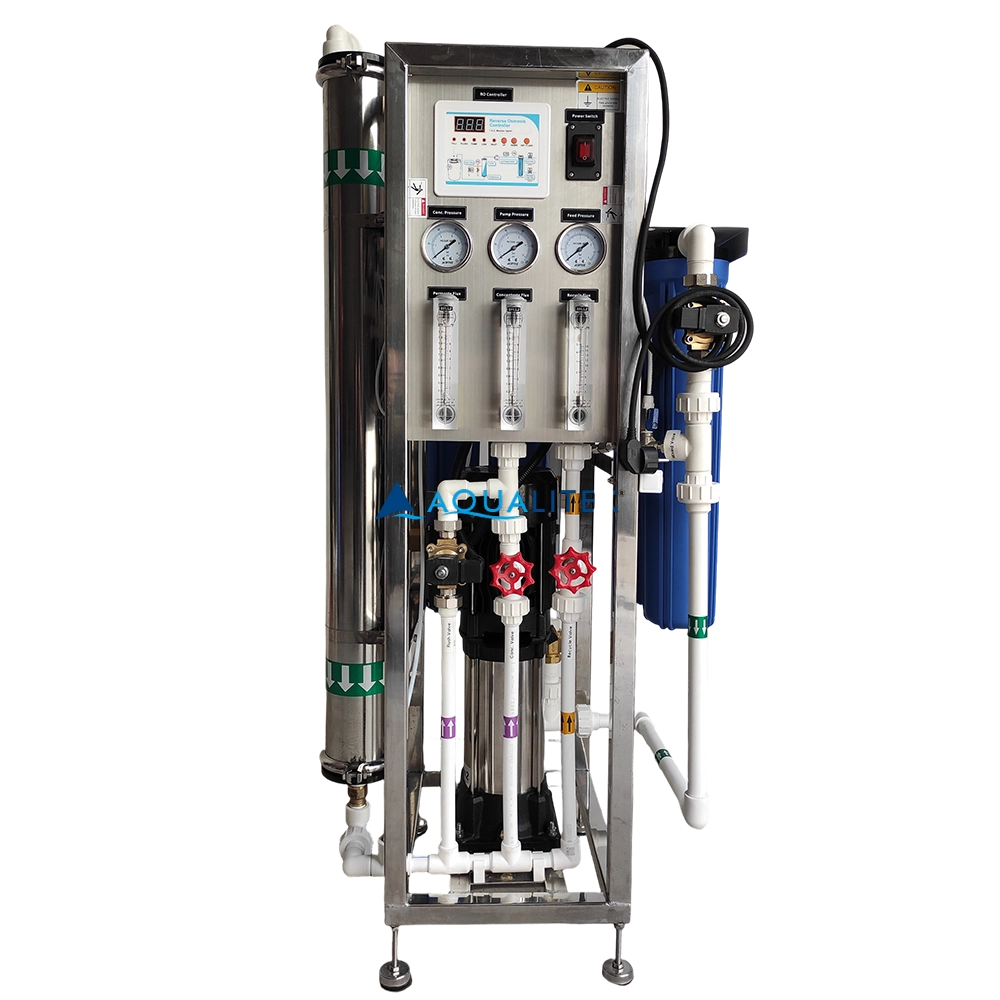
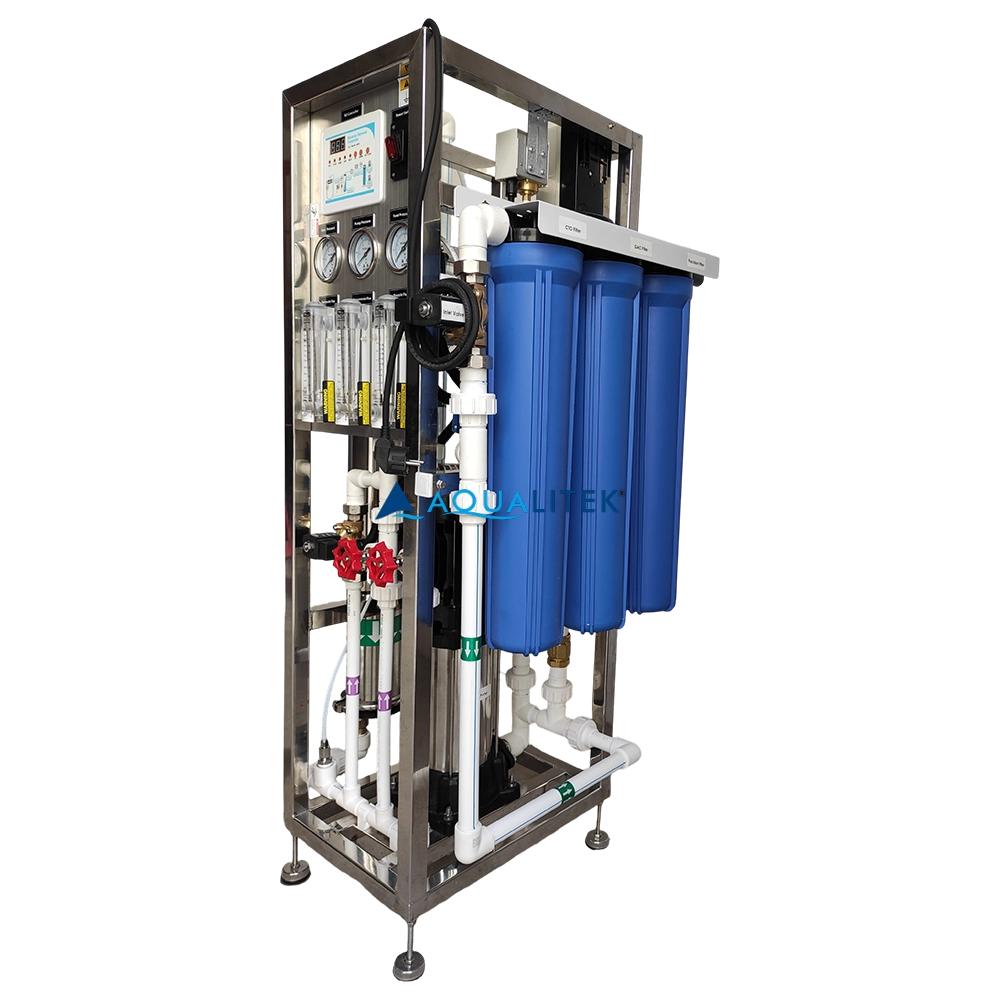
500 LPH Reverse Osmosis (RO) Water Purification Machine TWV - 412
Our 500 LPH Reverse Osmosis (RO) System is engineered to provide high-quality purified water for commercial applications. Designed with advanced RO technology, durable components, and a user-friendly interface, this system ensures consistent performance, low maintenance, and long-term reliability.
With its compact design and robust skid-mounted frame, it’s an excellent choice for businesses that demand efficiency and quality in water purification.
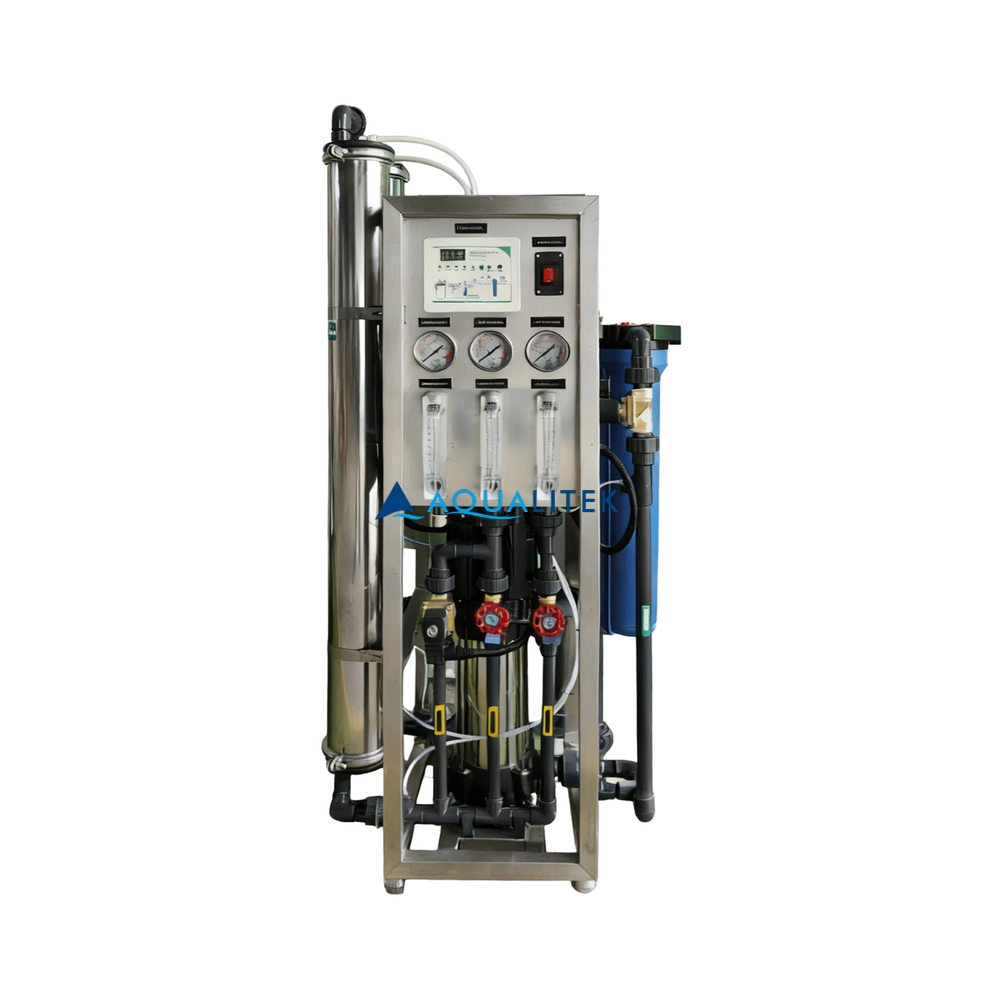
Tap Water Reverse Osmosis (TWRO) Systems TWV Series
TWV series Reverse Osmosis (RO) systems are pre-engineered and pre-assembled units with 2.5”/4” membrane housings(single element type)for tap water(lower TDS).They are designed for overall superior performance, high recovery rates and offer great savings with low maintenance and operation costs.
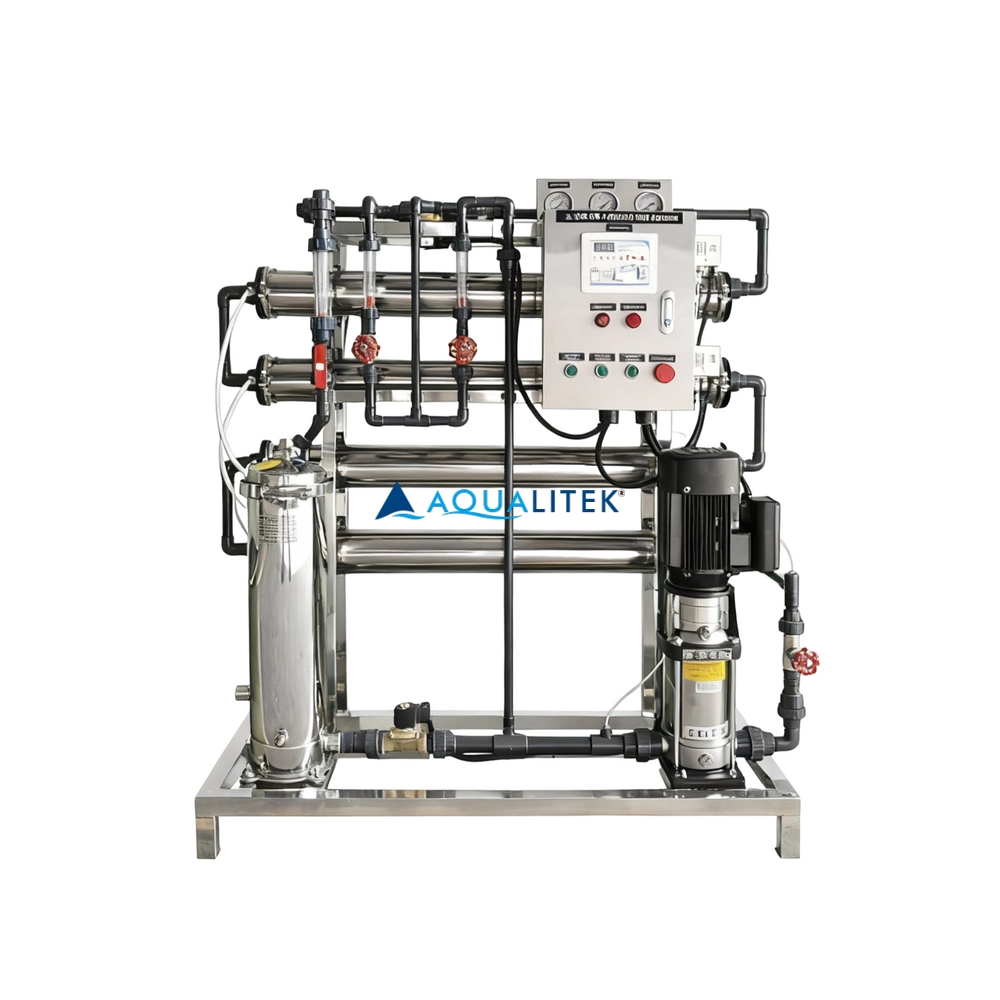
Tap Water Reverse Osmosis (TWRO) Systems TWF Series
TWF series Reverse Osmosis (RO) systems are pre-engineered and pre-assembled units with 4” membrane housings(multiple elements type) for tap water(lower TDS) .The medium large volumes can help meet your a variety of commercial and industrial applications. They are designed for overall superior performance, high recovery rates and offer great savings with low maintenance and operation costs.

Tap Water Reverse Osmosis (TWRO) Systems TWE Series
TWE series Reverse Osmosis (RO) systems are pre-engineered and pre-assembled units with 8” membrane housings for tap water (lower TDS). The large volumes can help meet your a variety of industrial applications. They are designed for overall superior performance, high recovery rates and offer great savings with low maintenance and operation costs.
Request More Information
Contact us today for product catalogs, customization options, and a free quotation designed for your business needs.
Rest assured that your privacy is important to us, and all information provided will be handled with the utmost confidentiality.
© 2026 AQUALITEK. All rights reserved.
AQUALITEK- Aimee Hoo
AQUALITEK - Aimee Hoo