
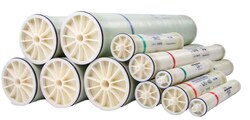



How to restore fouled membranes without replacement?
- Understanding Reverse Osmosis Systems and Membrane Fouling
- 1. What Are the Common Causes of Membrane Fouling in Reverse Osmosis Systems?
- 2. How Can Fouled Membranes Be Restored Without Replacement?
- 3. What Are the Recommended Cleaning Procedures for RO Membranes?
- 4. How Can Membrane Fouling Be Prevented in Reverse Osmosis Systems?
- 5. When Should Membranes Be Replaced in Reverse Osmosis Systems?
- 6. What Are the Benefits of Regular Maintenance in Reverse Osmosis Systems?
- 7. How Does AQUALITEK Enhance Reverse Osmosis System Performance?
- 8. What Are the Key Considerations When Purchasing Reverse Osmosis Systems?
Understanding Reverse Osmosis Systems and Membrane Fouling
Reverse osmosis (RO) systems are integral to water treatment, effectively removing contaminants to produce purified water. However, over time, these systems can encounter issues, particularly with membrane fouling, which can compromise performance and necessitate costly replacements. This guide delves into common problems associated with RO systems and provides insights into restoring fouled membranes without resorting to replacement.
1. What Are the Common Causes of Membrane Fouling in Reverse Osmosis Systems?
Membrane fouling in RO systems can arise from various factors:
Scaling (Inorganic Fouling): The precipitation of salts like calcium carbonate and silica on the membrane surface due to high recovery rates or inadequate antiscalant dosing.
Organic Fouling: Accumulation of natural organic matter such as humic substances, oils, and greases, leading to reduced membrane efficiency.
Biological Fouling: Growth of microorganisms like bacteria, mold, and fungi on the membrane surface, often exacerbated by the presence of biodegradable organic matter.
2. How Can Fouled Membranes Be Restored Without Replacement?
Restoring fouled membranes involves systematic cleaning procedures:
Physical Cleaning: Initiate a low-pressure flush to dislodge loose particles from the membrane surface.
Chemical Cleaning: Employ acid or alkaline solutions tailored to the specific fouling type. For instance, acid solutions are effective against inorganic fouling, while alkaline solutions target organic and biological fouling.
Clean-In-Place (CIP) Method: For severe fouling, CIP allows cleaning without membrane removal. This method requires specialized equipment and involves circulating cleaning solutions through the system.
3. What Are the Recommended Cleaning Procedures for RO Membranes?
Effective cleaning procedures include:
Preparation: Inspect equipment, prepare cleaning solutions with appropriate chemicals, and ensure the correct pH and temperature.
Cleaning Process: Perform a low-flow flush, circulate the cleaning solution, allow soaking time, and then conduct a high-flow rinse to remove contaminants.
Post-Cleaning: Rinse thoroughly with clean, chlorine-free water and monitor system performance to confirm the effectiveness of the cleaning.
4. How Can Membrane Fouling Be Prevented in Reverse Osmosis Systems?
Preventive measures include:
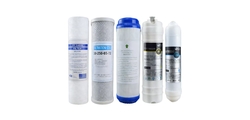
Effective Pre-Filtration: Ensure pre-filters are intact and functioning to reduce the load of contaminants entering the RO system.
Monitoring Feed Water Quality: Regularly check parameters like the silt density index (SDI) to assess particulate levels and adjust pre-treatment processes accordingly.
Regular Maintenance: Establish a routine maintenance schedule to monitor system performance and address issues promptly.
5. When Should Membranes Be Replaced in Reverse Osmosis Systems?
Membranes should be considered for replacement when:
Persistent Performance Decline: If cleaning procedures do not restore performance to acceptable levels.
Physical Damage: Visible signs of membrane degradation or damage.
End of Service Life: Membranes have reached their expected operational lifespan.
6. What Are the Benefits of Regular Maintenance in Reverse Osmosis Systems?
Regular maintenance offers several advantages:
Extended Membrane Life: Prolongs the operational life of membranes, reducing replacement costs.
Consistent Water Quality: Ensures the production of high-quality permeate water.
Operational Efficiency: Maintains optimal system performance and energy efficiency.
7. How Does AQUALITEK Enhance Reverse Osmosis System Performance?
AQUALITEK offers advanced solutions to improve RO system performance:
High-Quality Membranes: Provides durable membranes designed for extended service life and consistent performance.
Comprehensive Maintenance Services: Offers expert maintenance services to ensure optimal system operation.
Innovative Cleaning Solutions: Supplies effective cleaning agents tailored to various fouling types, enhancing membrane longevity.
By integrating AQUALITEK's products and services, users can achieve enhanced efficiency and reliability in their reverse osmosis systems.
8. What Are the Key Considerations When Purchasing Reverse Osmosis Systems?
When purchasing RO systems, consider the following:
System Capacity: Ensure the system meets your water production requirements.
Water Quality Needs: Assess the specific contaminants to be removed.
Maintenance Requirements: Evaluate the ease of maintenance and availability of support services.
Cost of Ownership: Consider initial investment, operational costs, and potential savings from extended membrane life.
By addressing these considerations, you can select a reverse osmosis system that aligns with your operational needs and budget.


![The Ultimate 2026 Guide to Nanofiltration for industrial: Everything You Need to Know [Expert Insights]](https://www.aqualitek.com/upload/img/GY729933660850/the-ultimate-2026-guide-to-nanofiltration-for-industrial-everything-you-need-to-know-expert-insights.png?x-oss-process=image/watermark,t_100,g_center,x_5,y_5,image_dXBsb2FkL2ltZy9HWTcyOTkzMzY2MDg1MC9sb2dvLW5ldy0zLnBuZz94LW9zcy1wcm9jZXNzPWltYWdlL3Jlc2l6ZSxQXzI1/format,webp/quality,Q_100 "The-Ultimate-2026-Guide-to-Nanofiltration-for-industrial:-Everything-You-Need-to-Know-[Expert-Insights]")
Request More Information or Expert Advice
Share a few details, and we’ll provide deeper insights, tailored suggestions, or product support.
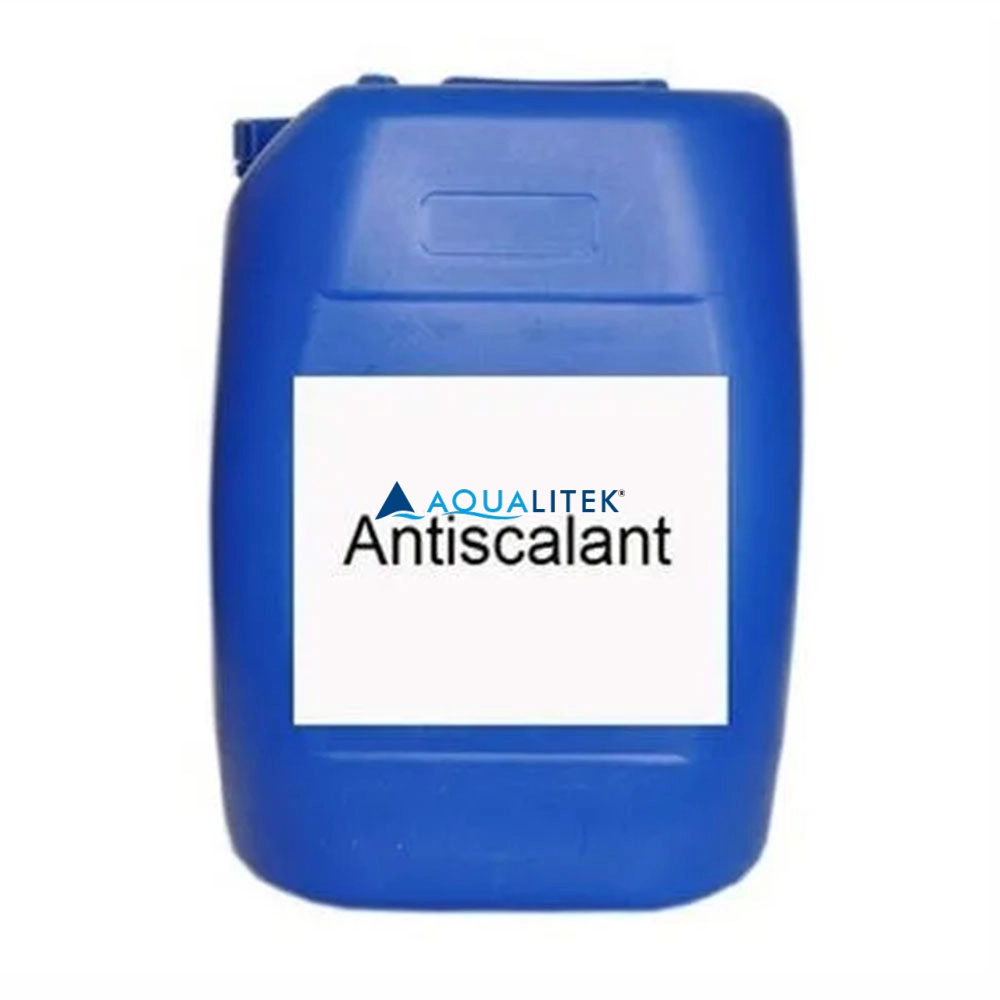
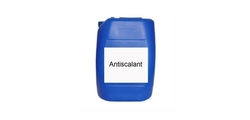
Anti-Scalant is a specialized water treatment chemical designed to prevent the formation of scale in reverse osmosis (RO) systems. Scaling is a common issue in RO systems, where minerals like calcium, magnesium, and silica precipitate and form hard deposits on the membrane surface. These deposits can clog the membranes, reduce water production efficiency, and increase operational costs.
RO chemical anti-scalants work by inhibiting the crystallization of scale-forming minerals, effectively keeping them in solution and preventing them from adhering to the membrane. This ensures the longevity and optimal performance of the RO system.
Anti-scalants are essential in applications with hard water or high mineral content, such as in industrial, municipal, and desalination plants.
These chemicals are highly effective in preventing scaling caused by common minerals such as calcium carbonate, calcium sulfate, barium sulfate, and silica, helping to extend the lifespan of the membranes, reduce cleaning cycles, and enhance system efficiency.
By incorporating an RO chemical anti-scalant into your water treatment process, you can improve the reliability and overall performance of your reverse osmosis system, ensuring consistent, high-quality water output while minimizing maintenance costs.
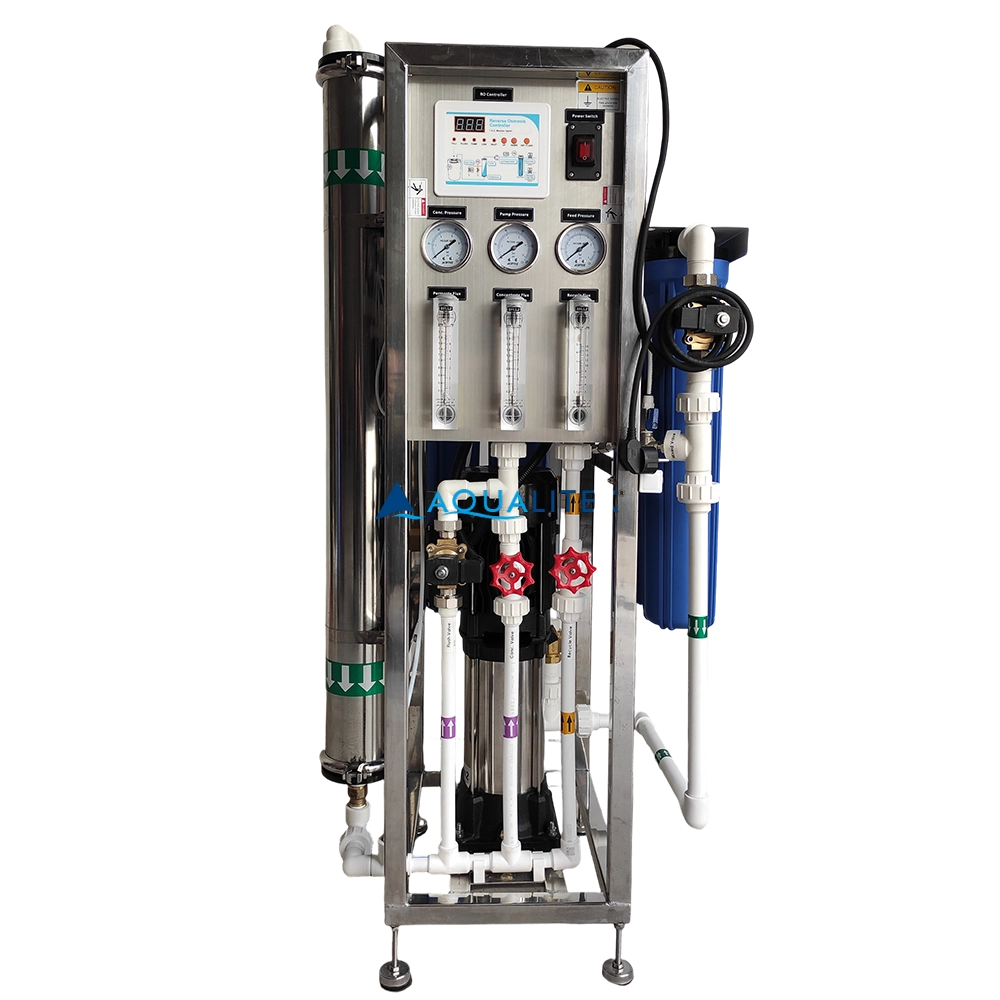
Our 500 LPH Reverse Osmosis (RO) System is engineered to provide high-quality purified water for commercial applications. Designed with advanced RO technology, durable components, and a user-friendly interface, this system ensures consistent performance, low maintenance, and long-term reliability.
With its compact design and robust skid-mounted frame, it’s an excellent choice for businesses that demand efficiency and quality in water purification.
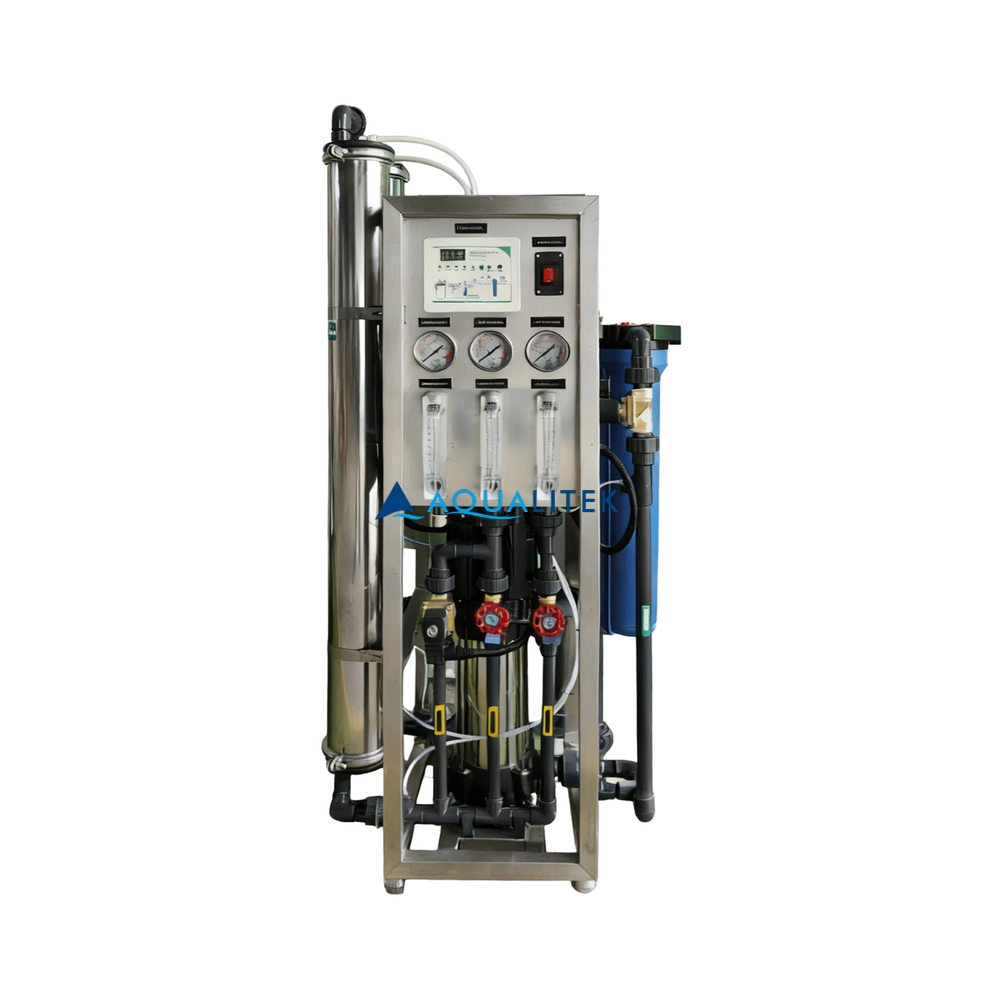
TWV series Reverse Osmosis (RO) systems are pre-engineered and pre-assembled units with 2.5”/4” membrane housings(single element type)for tap water(lower TDS).They are designed for overall superior performance, high recovery rates and offer great savings with low maintenance and operation costs.
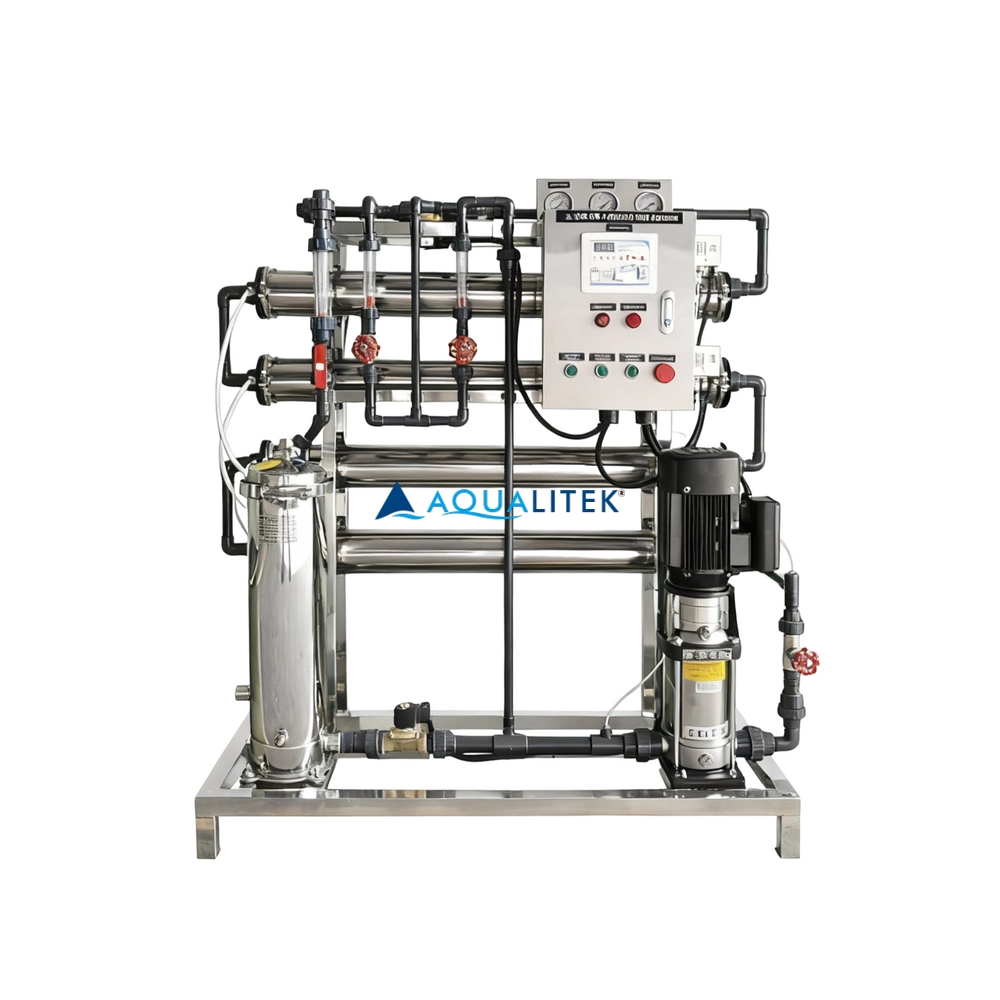
TWF series Reverse Osmosis (RO) systems are pre-engineered and pre-assembled units with 4” membrane housings(multiple elements type) for tap water(lower TDS) .The medium large volumes can help meet your a variety of commercial and industrial applications. They are designed for overall superior performance, high recovery rates and offer great savings with low maintenance and operation costs.
© 2026 AQUALITEK. All rights reserved.
AQUALITEK- Aimee Hoo
AQUALITEK - Aimee Hoo