



How to address organic fouling in RO membranes?
Reverse osmosis (RO) systems are pivotal in water purification, effectively removing contaminants to provide clean, safe drinking water. However, understanding their operation and addressing challenges like organic fouling in RO membranes is crucial for maintaining system efficiency.
What Are Reverse Osmosis Systems?
Reverse osmosis systems utilize a semi-permeable membrane to separate impurities from water. The process involves several stages:
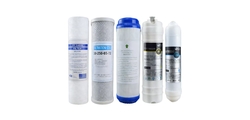
- Pre-Filtration: Water passes through sediment and carbon filters to eliminate larger particles and chlorine.
- RO Membrane Filtration: The water is forced through the RO membrane, removing dissolved solids and contaminants.
- Post-Filtration: A final carbon filter polishes the water, enhancing taste and odor.
This multi-stage process ensures high-quality purified water suitable for various applications.
What Are the Benefits of Reverse Osmosis Water Filtration?
RO systems offer several advantages:
- Improved Water Quality: Effectively reduces contaminants like PFAS, heavy metals, and microplastics.
- Enhanced Taste and Odor: Provides better-tasting, odor-free water for drinking and cooking.
- Low Maintenance: Requires minimal upkeep compared to other filtration methods.
These benefits make RO systems a reliable choice for both residential and commercial water purification needs.
How Does Organic Fouling Affect RO Membranes?
Organic fouling occurs when organic materials, such as bacteria, algae, and natural organic matter, accumulate on the RO membrane surface. This buildup can lead to:
- Reduced Permeate Flow: Clogs the membrane, decreasing water production.
- Increased Operating Pressure: Requires more energy to maintain flow rates.
- Shortened Membrane Lifespan: Accelerates membrane degradation, leading to more frequent replacements.
Addressing organic fouling is essential for maintaining system performance and longevity.
What Are Effective Strategies to Mitigate Organic Fouling in RO Membranes?
To combat organic fouling, consider the following approaches:
- Pre-Treatment Processes: Implementing pre-filtration stages, such as activated carbon filters, can remove organic contaminants before they reach the RO membrane.
- Regular Cleaning Protocols: Establishing routine cleaning schedules using appropriate chemicals helps remove fouling deposits.
- Optimizing Operating Conditions: Adjusting parameters like pH and temperature can enhance membrane performance and reduce fouling.
- Utilizing Antifouling Agents: Incorporating chemicals that prevent organic growth on the membrane surface can be beneficial.
Implementing these strategies can significantly reduce the impact of organic fouling, ensuring efficient RO system operation.
How Do Hard Water Conditions Affect RO Systems?
Hard water, characterized by high mineral content, can lead to scaling on RO membranes, further reducing efficiency. Integrating a water softener before the RO system can mitigate this issue by removing hardness-causing minerals. This combination enhances overall system performance and extends membrane life.
What Are the Key Features to Look for in a Reverse Osmosis System?
When selecting an RO system, consider the following features:
- Filtration Stages: Multiple stages ensure comprehensive contaminant removal.
- Remineralization Capability: Adds essential minerals back into the water for improved taste and health benefits.
- Permeate Pump: Enhances water efficiency by reducing wastewater and improving flow rates.
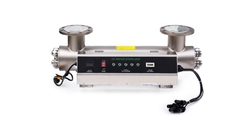
- UV Sterilization: Provides an additional layer of protection against microorganisms.
These features contribute to a more effective and efficient water purification process.
How Do I Maintain My Reverse Osmosis System?
Proper maintenance includes:
- Regular Filter Replacement: Change pre-filters and post-filters as recommended to ensure optimal performance.
- Membrane Cleaning: Periodically clean the RO membrane to remove fouling and maintain flow rates.
- System Inspection: Check for leaks, pressure issues, and other operational problems regularly.
Adhering to a maintenance schedule prolongs system life and ensures consistent water quality.
What Are the Advantages of Choosing AQUALITEK Reverse Osmosis Systems?
AQUALITEK offers advanced RO systems designed to address common challenges like organic fouling and hard water scaling. Their systems feature multi-stage filtration, remineralization capabilities, and efficient water usage, ensuring high-quality purified water. Additionally, AQUALITEK provides comprehensive customer support and maintenance services, enhancing the overall user experience.
By understanding the intricacies of reverse osmosis systems and implementing effective strategies to mitigate organic fouling, users can ensure optimal water treatment performance and longevity.



Request More Information or Expert Advice
Share a few details, and we’ll provide deeper insights, tailored suggestions, or product support.
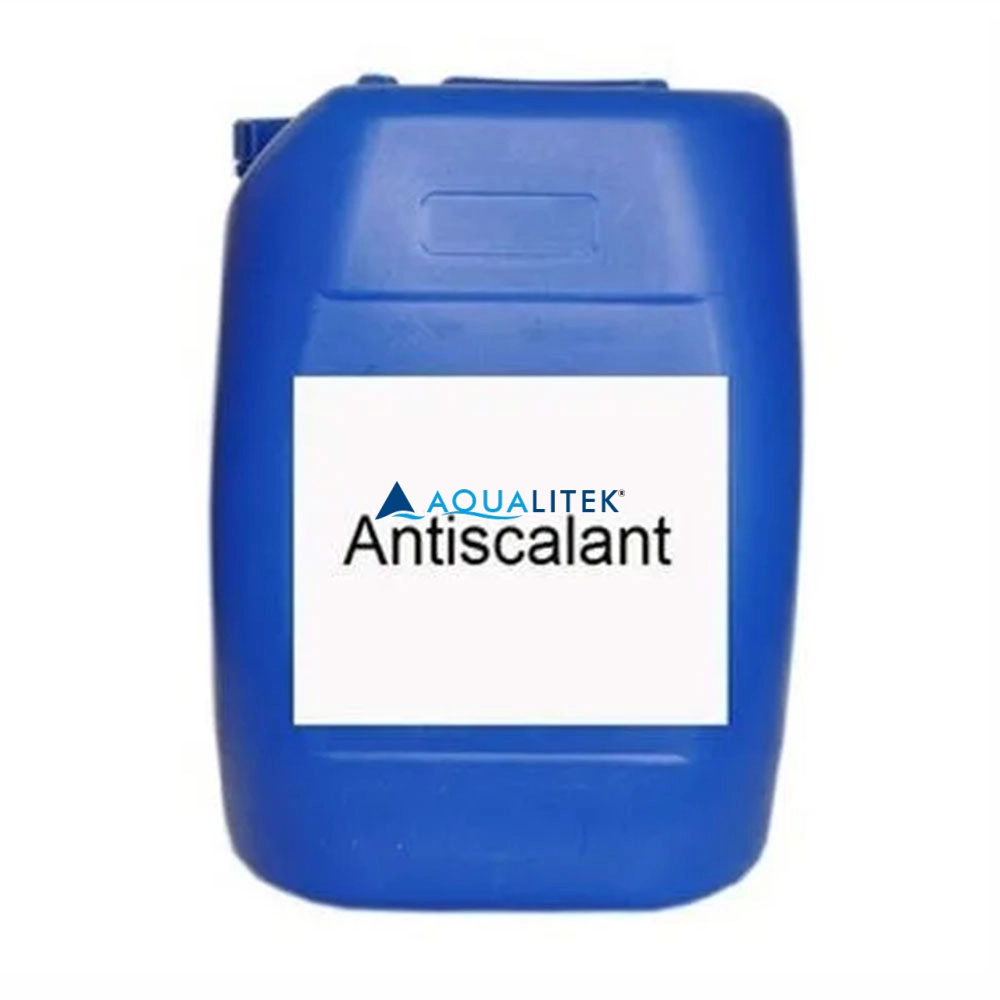
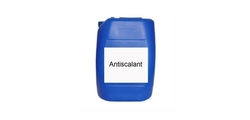
Anti-Scalant is a specialized water treatment chemical designed to prevent the formation of scale in reverse osmosis (RO) systems. Scaling is a common issue in RO systems, where minerals like calcium, magnesium, and silica precipitate and form hard deposits on the membrane surface. These deposits can clog the membranes, reduce water production efficiency, and increase operational costs.
RO chemical anti-scalants work by inhibiting the crystallization of scale-forming minerals, effectively keeping them in solution and preventing them from adhering to the membrane. This ensures the longevity and optimal performance of the RO system.
Anti-scalants are essential in applications with hard water or high mineral content, such as in industrial, municipal, and desalination plants.
These chemicals are highly effective in preventing scaling caused by common minerals such as calcium carbonate, calcium sulfate, barium sulfate, and silica, helping to extend the lifespan of the membranes, reduce cleaning cycles, and enhance system efficiency.
By incorporating an RO chemical anti-scalant into your water treatment process, you can improve the reliability and overall performance of your reverse osmosis system, ensuring consistent, high-quality water output while minimizing maintenance costs.
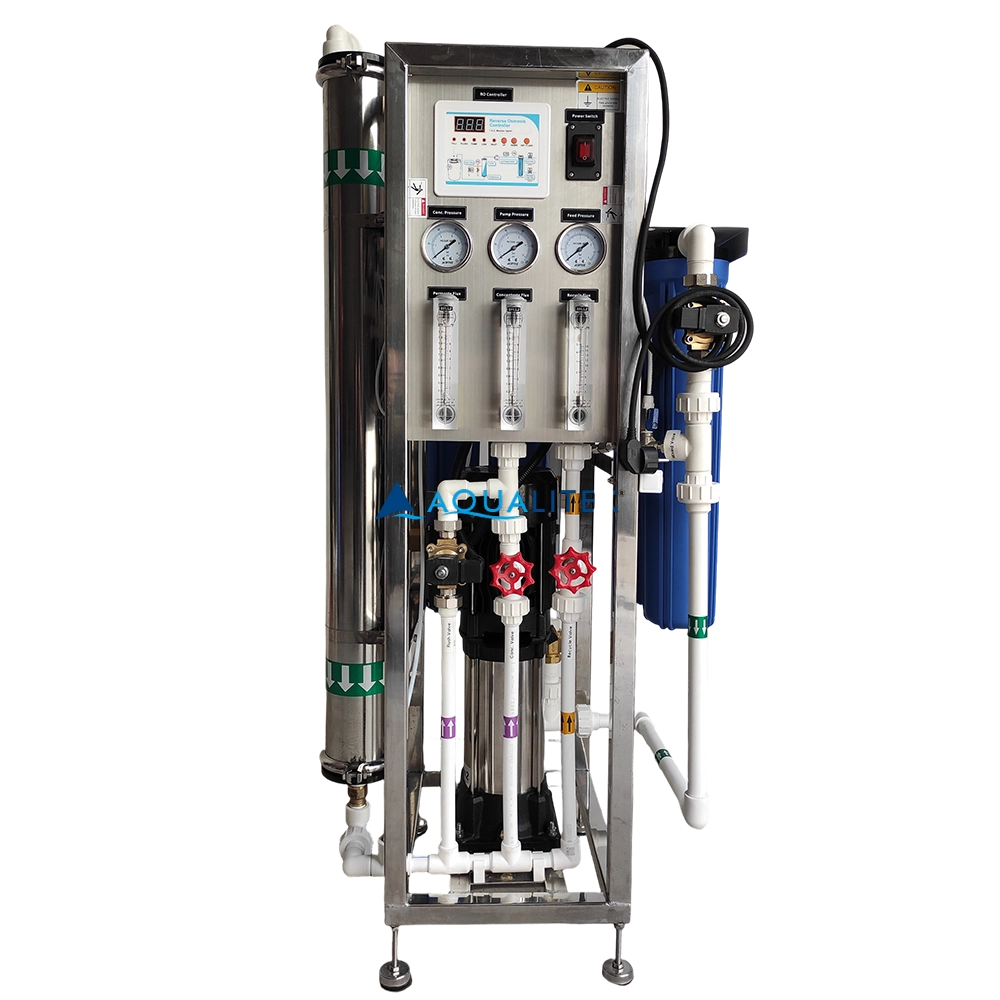
Our 500 LPH Reverse Osmosis (RO) System is engineered to provide high-quality purified water for commercial applications. Designed with advanced RO technology, durable components, and a user-friendly interface, this system ensures consistent performance, low maintenance, and long-term reliability.
With its compact design and robust skid-mounted frame, it’s an excellent choice for businesses that demand efficiency and quality in water purification.
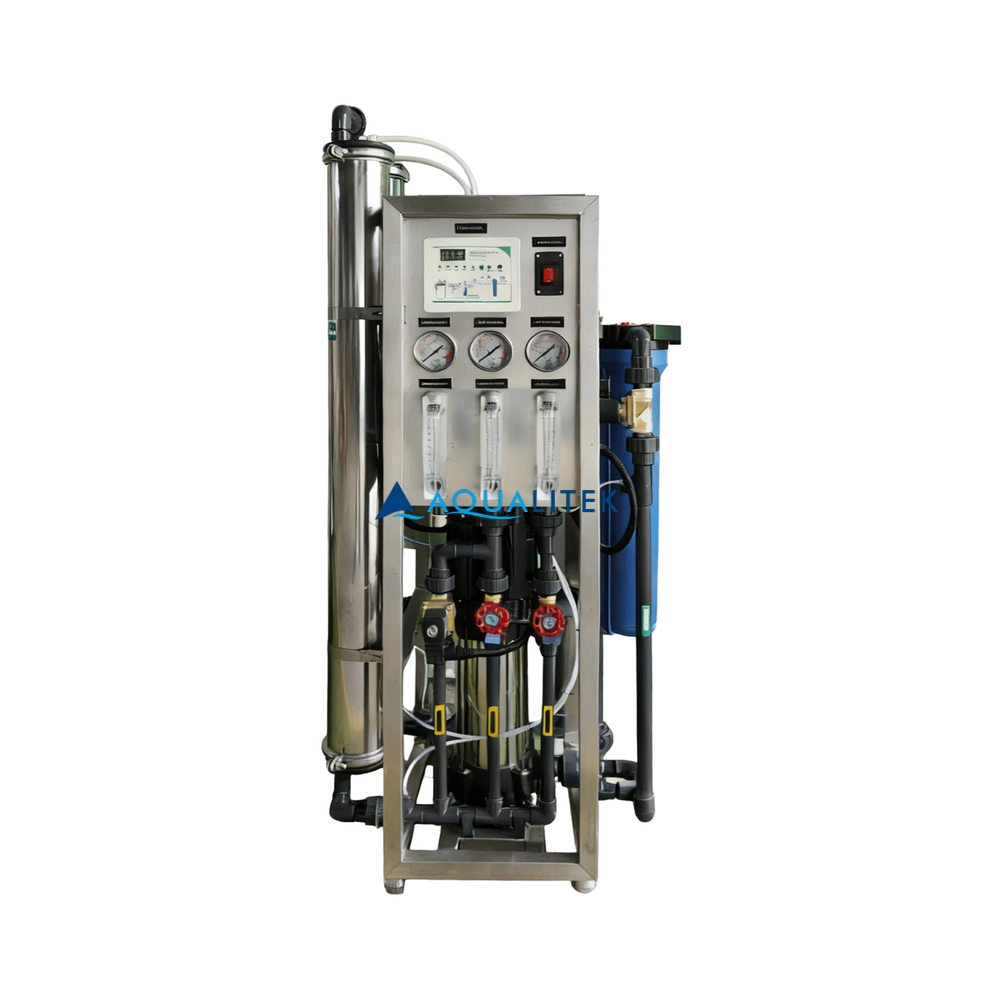
TWV series Reverse Osmosis (RO) systems are pre-engineered and pre-assembled units with 2.5”/4” membrane housings(single element type)for tap water(lower TDS).They are designed for overall superior performance, high recovery rates and offer great savings with low maintenance and operation costs.
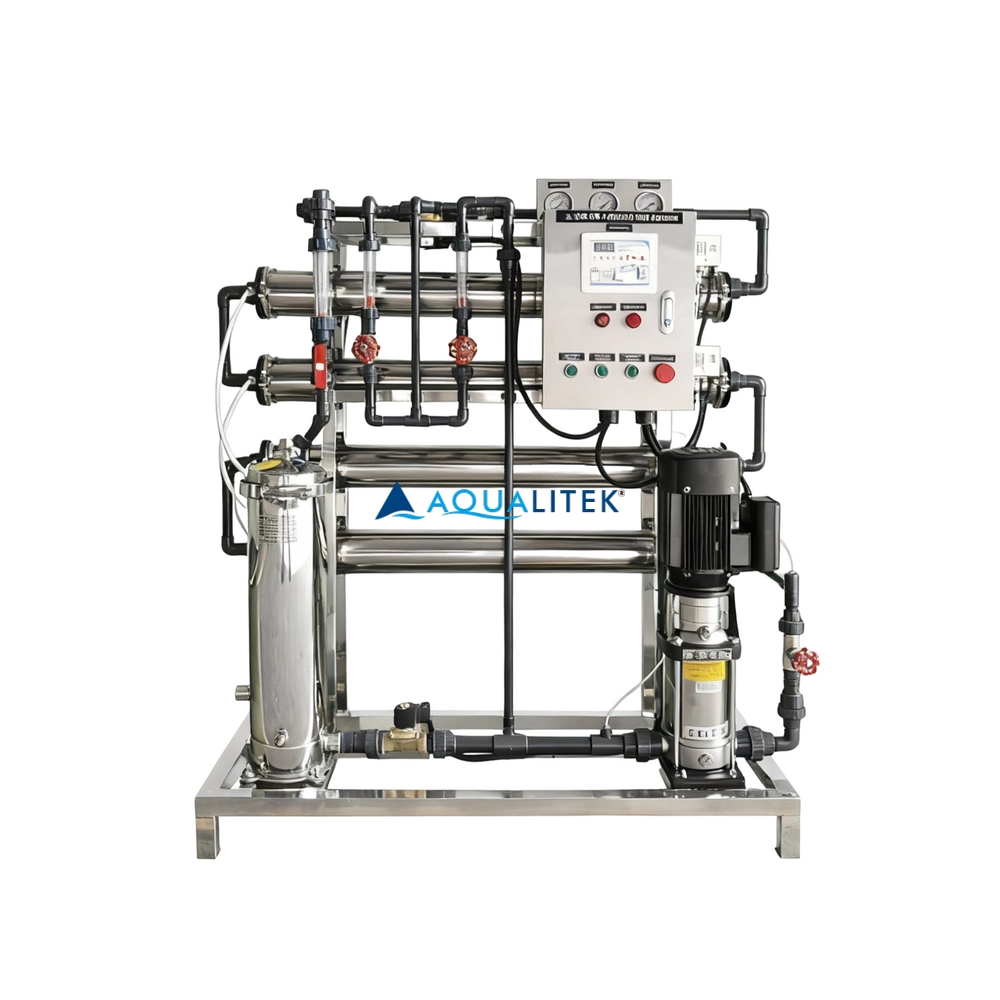
TWF series Reverse Osmosis (RO) systems are pre-engineered and pre-assembled units with 4” membrane housings(multiple elements type) for tap water(lower TDS) .The medium large volumes can help meet your a variety of commercial and industrial applications. They are designed for overall superior performance, high recovery rates and offer great savings with low maintenance and operation costs.
© 2026 AQUALITEK. All rights reserved.
AQUALITEK- Aimee Hoo
AQUALITEK - Aimee Hoo