




What are safety considerations when operating RO plants?
- Essential Safety Considerations for Operating Reverse Osmosis Systems
- 1. Installation Safety
- 2. Operational Safety
- 3. Maintenance Safety
- 4. Emergency Preparedness
- 5. Waste Disposal
- 6. System Shutdown Procedures
- 7. Personnel Training
- 8. System Monitoring and Control
- Conclusion
- AQUALITEK's Commitment to Safety
- References
Essential Safety Considerations for Operating Reverse Osmosis Systems
Reverse osmosis (RO) systems are vital for purifying water in various applications. Ensuring their safe operation is paramount to protect personnel and maintain system efficiency. Below are key safety considerations:
1. Installation Safety
Professional Installation: Engage qualified professionals for installation to prevent leaks and ensure compliance with safety standards. Proper installation minimizes risks associated with system failures.
Location Selection: Choose a well-ventilated, dry area away from direct sunlight and heat sources. Ensure sufficient space for maintenance and avoid locations prone to flooding.
Electrical Safety: Have a licensed electrician handle electrical connections, using dedicated circuits to prevent overloading. Always follow the manufacturer's electrical safety guidelines.
2. Operational Safety
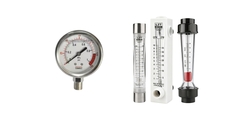
System Monitoring: Regularly monitor system parameters such as pressure, flow rates, and water quality. Implement automated controls to detect and address anomalies promptly.
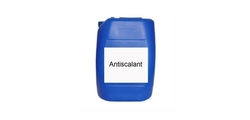
Chemical Handling: Use appropriate personal protective equipment (PPE) when handling chemicals like disinfectants and anti-scalants. Store chemicals safely and follow proper disposal procedures.
Pressure Management: Maintain operating pressures within recommended ranges to prevent membrane damage. Utilize pressure relief valves and rupture disks as safety measures.
3. Maintenance Safety
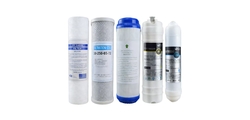
Regular Maintenance: Adhere to a maintenance schedule for tasks such as filter replacement and system cleaning to ensure optimal performance.
Lockout/Tagout Procedures: Before maintenance, isolate energy sources and secure equipment to prevent accidental startup, reducing the risk of injury.
Confined Space Entry: Follow confined space entry protocols, including atmospheric testing and emergency preparedness, when accessing areas like membrane vessels.
4. Emergency Preparedness
Emergency Response Plan: Develop and communicate an emergency response plan covering potential incidents such as chemical spills or system failures.
Training and Drills: Conduct regular training sessions and drills to ensure personnel are prepared for emergency situations.
First Aid and Safety Equipment: Equip the facility with first aid kits, fire extinguishers, and other safety equipment, ensuring they are easily accessible and maintained.
5. Waste Disposal
Concentrate Management: Properly handle and dispose of RO concentrate, which may contain contaminants, following environmental regulations to prevent pollution.
Chemical Disposal: Dispose of used chemicals and cleaning agents in accordance with local environmental guidelines to minimize ecological impact.
6. System Shutdown Procedures
Controlled Shutdown: Implement procedures to maintain minimum flow and operating pressures during system shutdowns to prevent issues like concentration polarization.
Flush Cycles: Perform regular flush cycles to reduce the buildup of rejected solutes on the feed side of the membrane, maintaining system efficiency.
7. Personnel Training
Comprehensive Training: Provide thorough training on system operation, safety protocols, and emergency procedures to all personnel involved.
Continuous Education: Encourage ongoing education to keep staff updated on best practices and new safety standards.
8. System Monitoring and Control
Automated Controls: Utilize automated systems to monitor key parameters and alert operators to deviations, facilitating prompt corrective actions.
Data Logging: Maintain detailed logs of system performance and maintenance activities to identify trends and inform decision-making.
Conclusion
Ensuring the safety of reverse osmosis systems requires a comprehensive approach encompassing proper installation, vigilant operation, regular maintenance, and thorough training. By adhering to these safety considerations, facilities can protect personnel, maintain system integrity, and achieve reliable water purification outcomes.
AQUALITEK's Commitment to Safety
AQUALITEK is dedicated to providing high-quality reverse osmosis systems designed with safety and efficiency in mind. Our products incorporate advanced safety features, and we offer comprehensive training and support to ensure optimal operation. Choose AQUALITEK for reliable and safe water treatment solutions.
References



Request More Information or Expert Advice
Share a few details, and we’ll provide deeper insights, tailored suggestions, or product support.
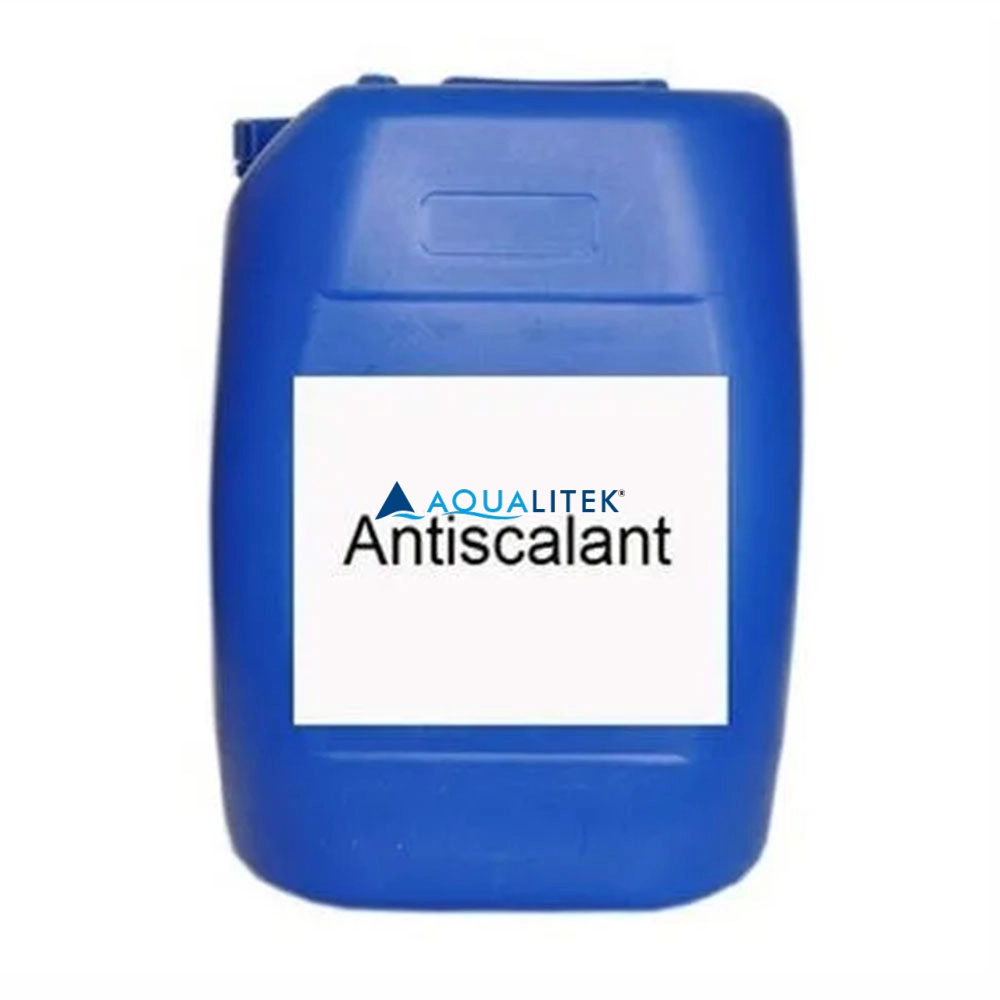
Anti-Scalant is a specialized water treatment chemical designed to prevent the formation of scale in reverse osmosis (RO) systems. Scaling is a common issue in RO systems, where minerals like calcium, magnesium, and silica precipitate and form hard deposits on the membrane surface. These deposits can clog the membranes, reduce water production efficiency, and increase operational costs.
RO chemical anti-scalants work by inhibiting the crystallization of scale-forming minerals, effectively keeping them in solution and preventing them from adhering to the membrane. This ensures the longevity and optimal performance of the RO system.
Anti-scalants are essential in applications with hard water or high mineral content, such as in industrial, municipal, and desalination plants.
These chemicals are highly effective in preventing scaling caused by common minerals such as calcium carbonate, calcium sulfate, barium sulfate, and silica, helping to extend the lifespan of the membranes, reduce cleaning cycles, and enhance system efficiency.
By incorporating an RO chemical anti-scalant into your water treatment process, you can improve the reliability and overall performance of your reverse osmosis system, ensuring consistent, high-quality water output while minimizing maintenance costs.
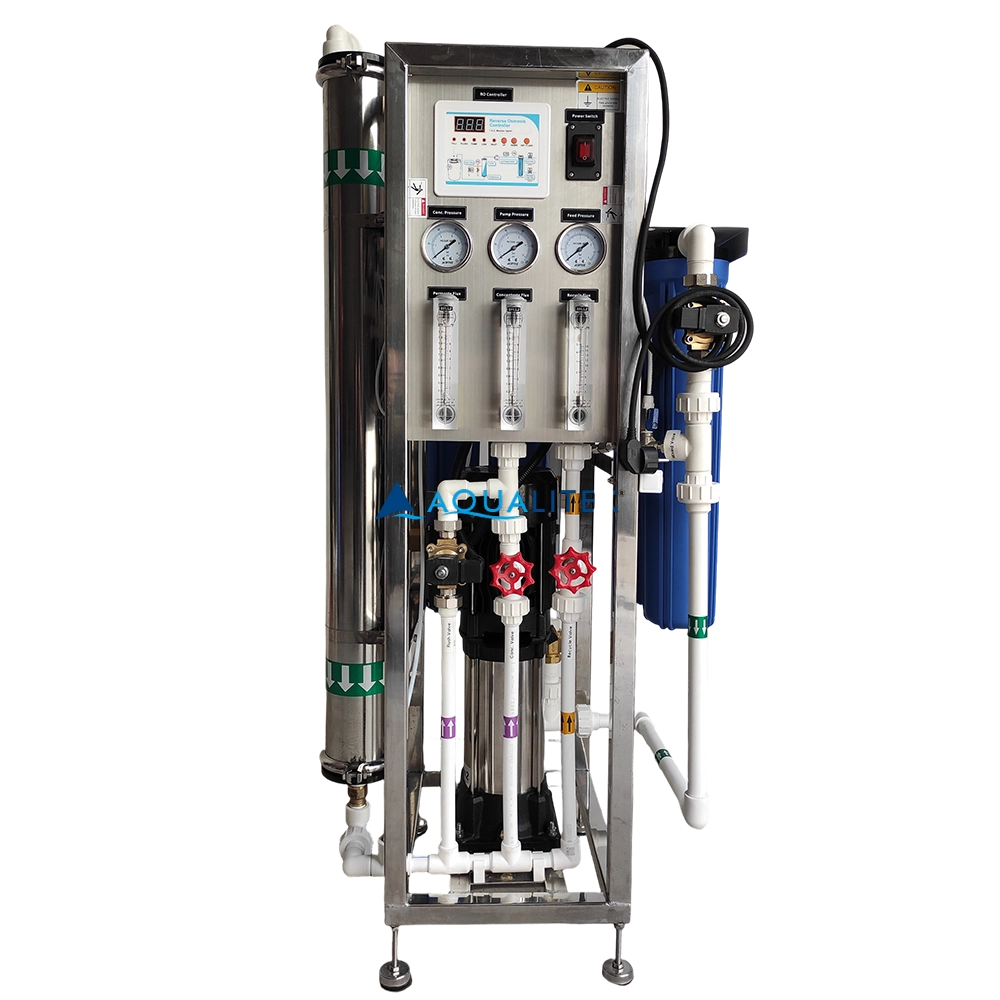
Our 500 LPH Reverse Osmosis (RO) System is engineered to provide high-quality purified water for commercial applications. Designed with advanced RO technology, durable components, and a user-friendly interface, this system ensures consistent performance, low maintenance, and long-term reliability.
With its compact design and robust skid-mounted frame, it’s an excellent choice for businesses that demand efficiency and quality in water purification.
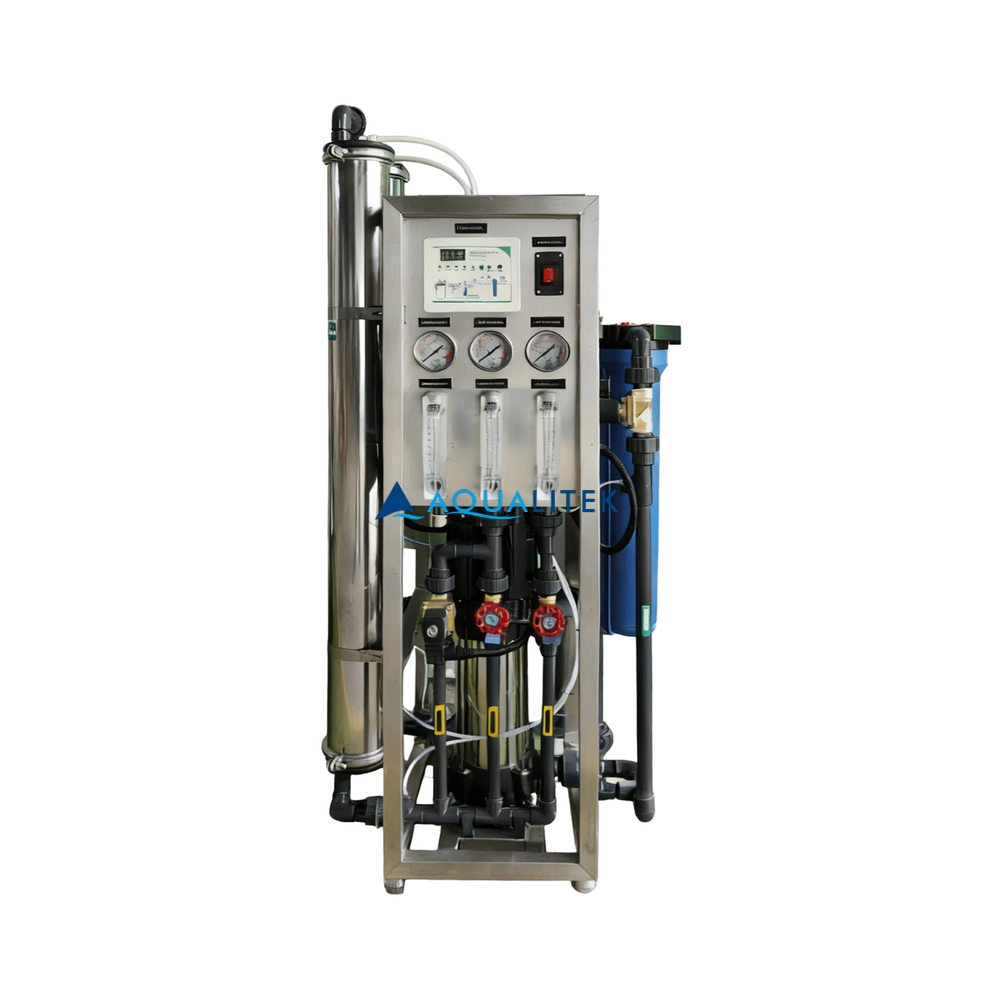
TWV series Reverse Osmosis (RO) systems are pre-engineered and pre-assembled units with 2.5”/4” membrane housings(single element type)for tap water(lower TDS).They are designed for overall superior performance, high recovery rates and offer great savings with low maintenance and operation costs.
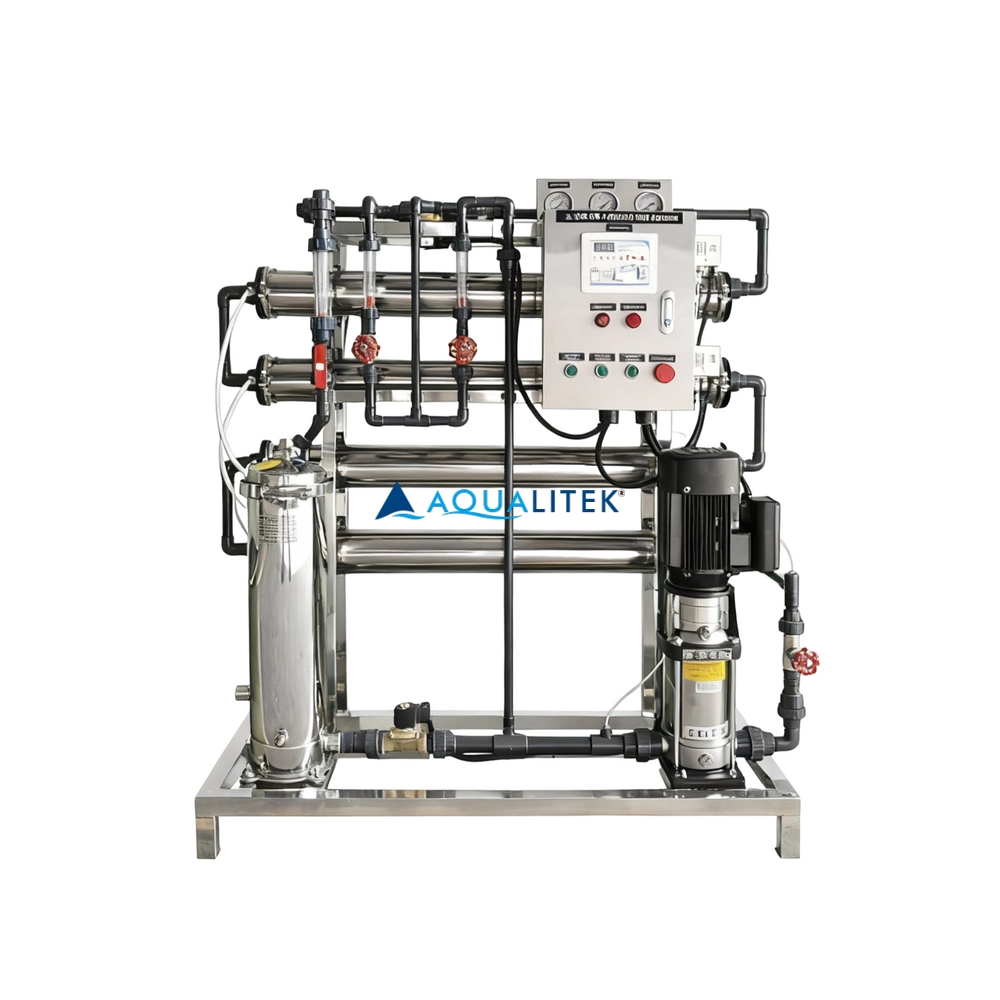
TWF series Reverse Osmosis (RO) systems are pre-engineered and pre-assembled units with 4” membrane housings(multiple elements type) for tap water(lower TDS) .The medium large volumes can help meet your a variety of commercial and industrial applications. They are designed for overall superior performance, high recovery rates and offer great savings with low maintenance and operation costs.
© 2026 AQUALITEK. All rights reserved.
AQUALITEK- Aimee Hoo
AQUALITEK - Aimee Hoo