



How to evaluate total dissolved solids in feed water?
- What Are Reverse Osmosis Systems?
- How Do Reverse Osmosis Systems Remove Contaminants?
- What Is TDS Rejection and Why Is It Important in RO Systems?
- How Do You Evaluate TDS in Feed Water?
- What Factors Affect TDS Rejection in RO Systems?
- How Often Should RO System Filters Be Replaced?
- What Are the Advantages of Choosing AQUALITEK for RO Systems?
Reverse osmosis (RO) systems are pivotal in water purification, effectively removing contaminants to produce clean, safe drinking water. A critical aspect of assessing RO system performance is evaluating the Total Dissolved Solids (TDS) in the feed water. This guide addresses common questions and provides insights essential for water treatment professionals during procurement.
What Are Reverse Osmosis Systems?
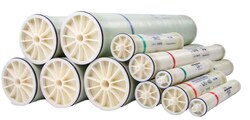
Reverse osmosis systems utilize a semipermeable membrane to separate dissolved solids and contaminants from water. The process involves applying pressure to the feed water, forcing it through the membrane, which allows only water molecules to pass while blocking dissolved solids. This results in purified water with significantly reduced TDS levels.
How Do Reverse Osmosis Systems Remove Contaminants?
RO systems effectively eliminate a wide range of contaminants, including:
Dissolved salts and minerals
Heavy metals
Chlorine and chloramines
Fluoride
Pesticides and herbicides
Bacteria and viruses
Sediment and particulates
This comprehensive filtration ensures the production of clean, safe drinking water. ((https://www.aqualitek.com/guides/reverse-osmosis-systems-tds-rejection-insights.html))
What Is TDS Rejection and Why Is It Important in RO Systems?
Total Dissolved Solids (TDS) rejection refers to the percentage of dissolved solids that an RO system can remove from the water. A higher TDS rejection rate indicates more effective purification. For instance, a high-quality RO membrane can reject up to 99% of TDS, ensuring the water is nearly free from dissolved impurities. ((https://www.aqualitek.com/guides/reverse-osmosis-systems-tds-rejection-insights.html))
How Do You Evaluate TDS in Feed Water?
Evaluating TDS in feed water is essential for assessing RO system performance. A TDS meter measures the combined content of all dissolved substances in water, providing a TDS reading in parts per million (ppm). To evaluate TDS:
Test the Feed Water: Use a TDS meter to measure the TDS level of the incoming water.
Test the RO Product Water: Measure the TDS level of the water produced by the RO system.
Calculate TDS Rejection: Determine the percentage of TDS removed by the RO system using the formula:
TDS Rejection (%) = × 100
For example, if the feed water has a TDS of 356 ppm and the product water has a TDS of 32 ppm, the TDS rejection is approximately 91%.
What Factors Affect TDS Rejection in RO Systems?
Several factors influence TDS rejection in RO systems:
Feed Water Quality: Higher TDS levels in feed water can impact the efficiency of the RO system.
Membrane Quality: The effectiveness of the RO membrane plays a crucial role in TDS rejection. High-quality membranes with smaller pore sizes can block more contaminants, resulting in purer water.
Operating Conditions: Temperature, pressure, and flow rates can affect membrane performance and TDS rejection rates.
How Often Should RO System Filters Be Replaced?
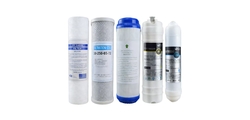
Regular maintenance is vital for optimal RO system performance. Generally, most filters require replacement every 6-12 months, while the RO membrane itself often lasts 2-3 years. However, this can vary based on water quality and system usage. ((https://www.aqualitek.com/guides/reverse-osmosis-systems-tds-rejection-insights.html))
What Are the Advantages of Choosing AQUALITEK for RO Systems?
AQUALITEK offers advanced RO systems designed for superior TDS rejection and durability. Their systems are engineered to handle varying feed water qualities, ensuring consistent performance and high-quality purified water. With a focus on innovation and customer satisfaction, AQUALITEK provides reliable solutions for diverse water treatment needs.
In conclusion, understanding the role of TDS in feed water is crucial for evaluating and selecting effective reverse osmosis systems. By considering factors such as feed water quality, membrane performance, and maintenance schedules, water treatment professionals can make informed decisions to ensure optimal water purification outcomes.


Request More Information or Expert Advice
Share a few details, and we’ll provide deeper insights, tailored suggestions, or product support.
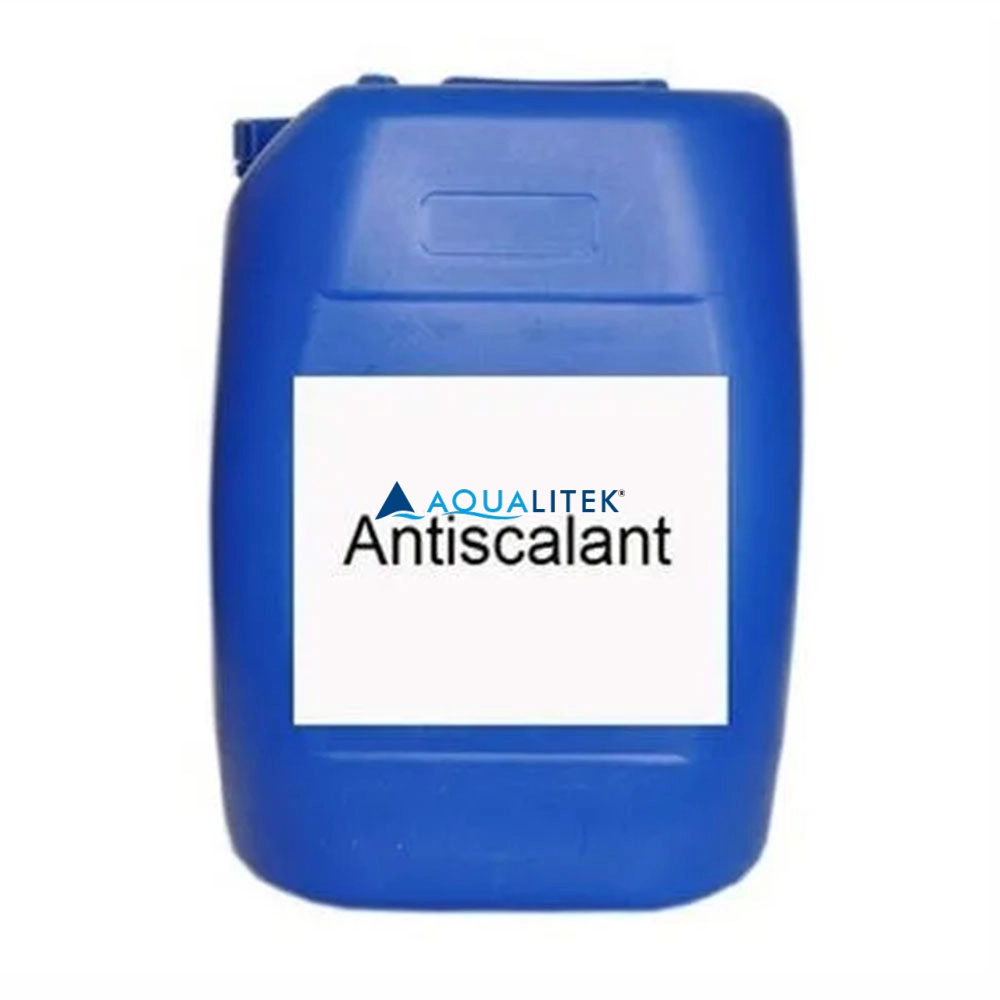
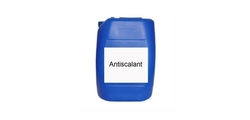
Anti-Scalant is a specialized water treatment chemical designed to prevent the formation of scale in reverse osmosis (RO) systems. Scaling is a common issue in RO systems, where minerals like calcium, magnesium, and silica precipitate and form hard deposits on the membrane surface. These deposits can clog the membranes, reduce water production efficiency, and increase operational costs.
RO chemical anti-scalants work by inhibiting the crystallization of scale-forming minerals, effectively keeping them in solution and preventing them from adhering to the membrane. This ensures the longevity and optimal performance of the RO system.
Anti-scalants are essential in applications with hard water or high mineral content, such as in industrial, municipal, and desalination plants.
These chemicals are highly effective in preventing scaling caused by common minerals such as calcium carbonate, calcium sulfate, barium sulfate, and silica, helping to extend the lifespan of the membranes, reduce cleaning cycles, and enhance system efficiency.
By incorporating an RO chemical anti-scalant into your water treatment process, you can improve the reliability and overall performance of your reverse osmosis system, ensuring consistent, high-quality water output while minimizing maintenance costs.
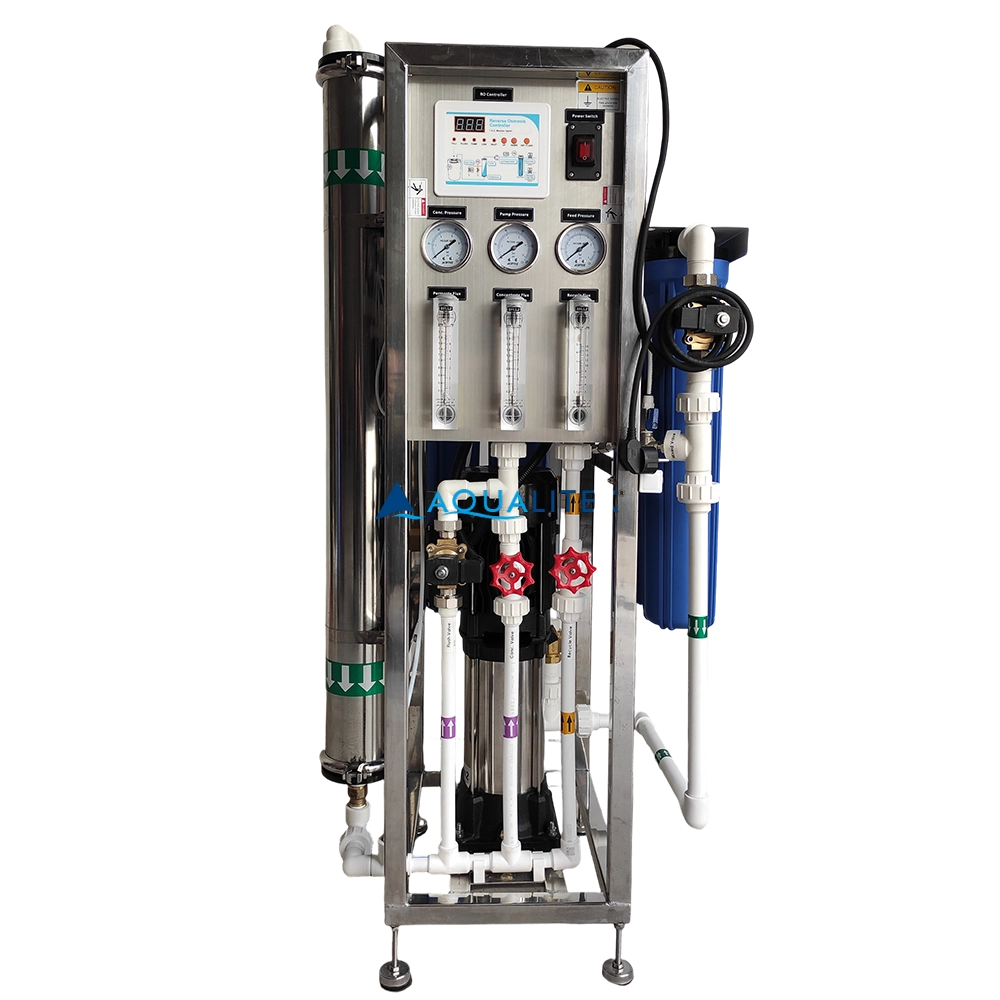
Our 500 LPH Reverse Osmosis (RO) System is engineered to provide high-quality purified water for commercial applications. Designed with advanced RO technology, durable components, and a user-friendly interface, this system ensures consistent performance, low maintenance, and long-term reliability.
With its compact design and robust skid-mounted frame, it’s an excellent choice for businesses that demand efficiency and quality in water purification.
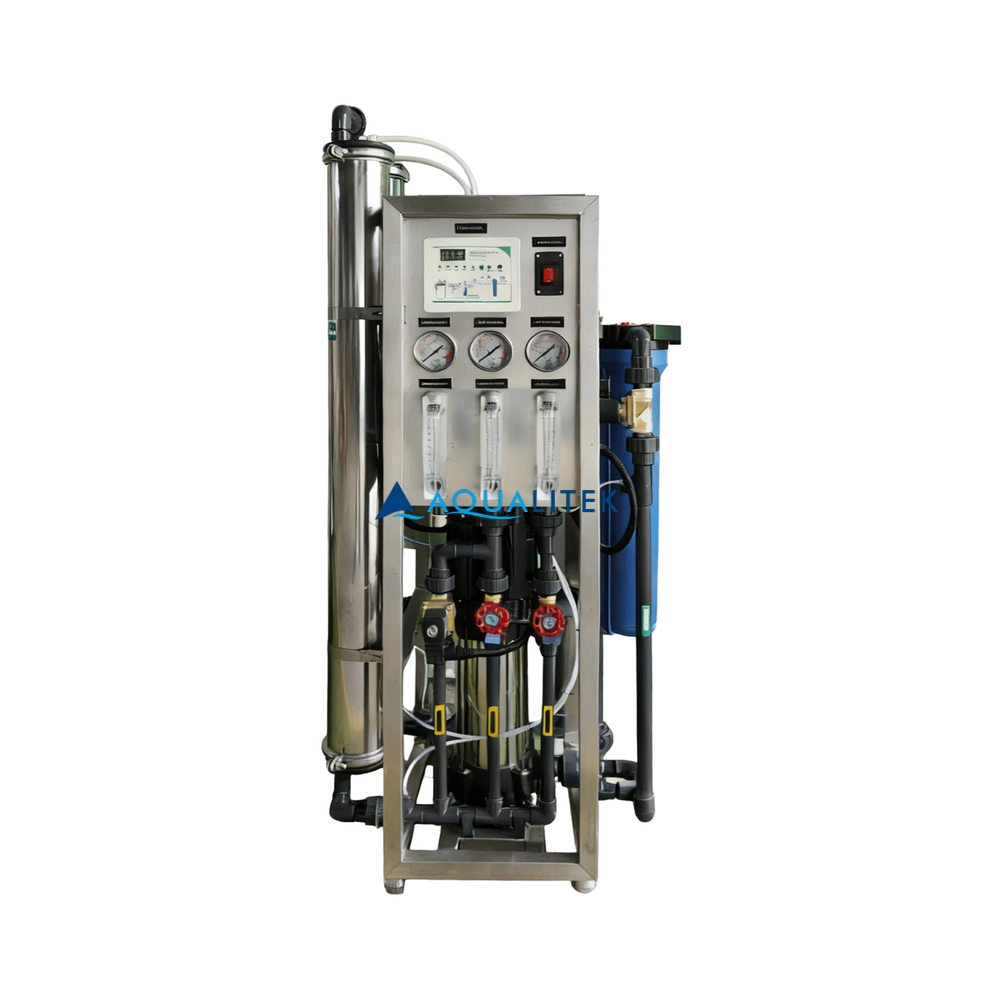
TWV series Reverse Osmosis (RO) systems are pre-engineered and pre-assembled units with 2.5”/4” membrane housings(single element type)for tap water(lower TDS).They are designed for overall superior performance, high recovery rates and offer great savings with low maintenance and operation costs.
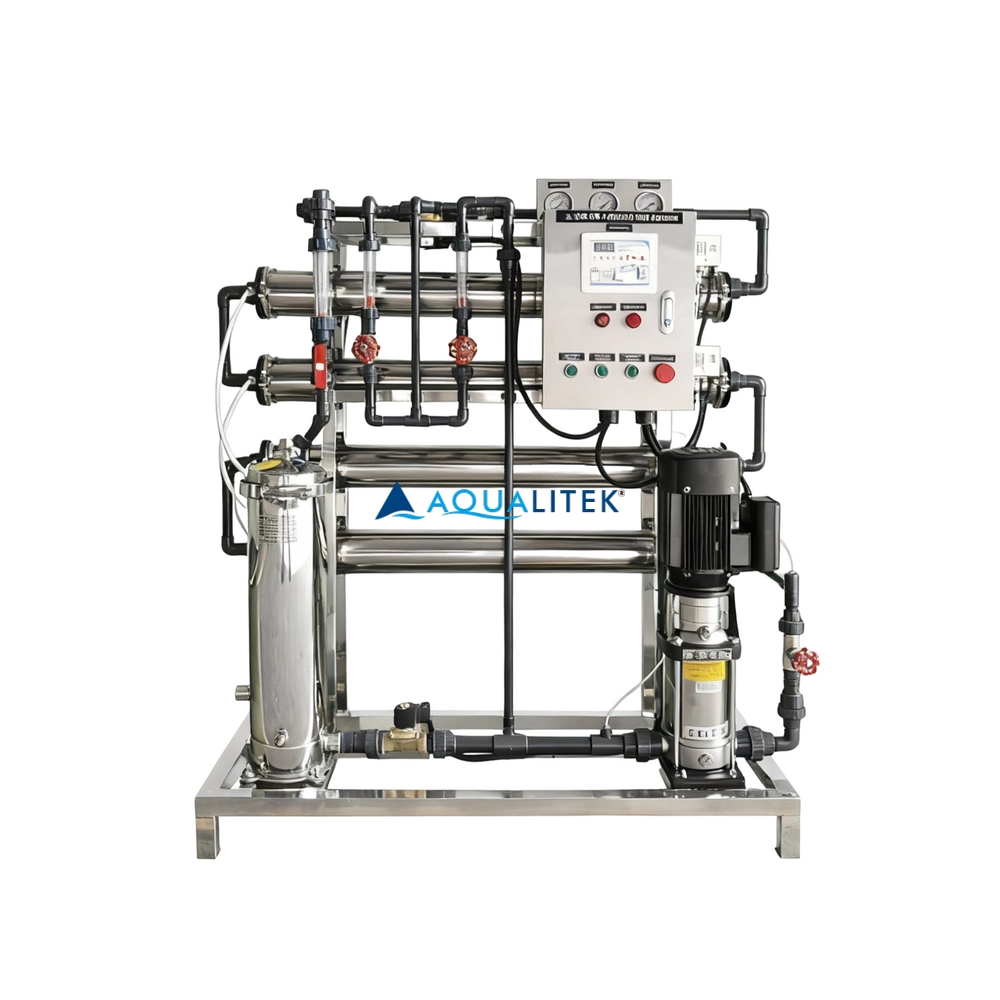
TWF series Reverse Osmosis (RO) systems are pre-engineered and pre-assembled units with 4” membrane housings(multiple elements type) for tap water(lower TDS) .The medium large volumes can help meet your a variety of commercial and industrial applications. They are designed for overall superior performance, high recovery rates and offer great savings with low maintenance and operation costs.
© 2026 AQUALITEK. All rights reserved.
AQUALITEK- Aimee Hoo
AQUALITEK - Aimee Hoo