



What pre-filtration options protect RO membranes?
- Understanding Reverse Osmosis Systems and Pre-Filtration Options
- 1. What is the role of pre-filtration in reverse osmosis systems?
- 2. What contaminants does pre-filtration remove to protect RO membranes?
- 3. What types of pre-filters are commonly used in RO systems?
- 4. How often should pre-filters be replaced to ensure optimal RO system performance?
- 5. How does AQUALITEK's pre-filtration solutions enhance RO system efficiency?
Understanding Reverse Osmosis Systems and Pre-Filtration Options
Reverse osmosis (RO) systems are widely used for water purification, effectively removing contaminants to provide clean and safe water. However, the efficiency and longevity of these systems heavily depend on the quality of pre-filtration implemented before the water reaches the RO membrane. In this article, we will address common questions regarding RO systems and pre-filtration, providing insights to assist in making informed decisions when selecting water treatment solutions.
1. What is the role of pre-filtration in reverse osmosis systems?
Pre-filtration serves as the first line of defense by removing larger particles, sediments, and certain chemicals from the water before it enters the RO membrane. This process protects the delicate membrane from damage, reduces fouling and scaling, and ensures consistent performance of the RO system. Without adequate pre-filtration, the RO membrane can become clogged or degraded, leading to decreased efficiency and increased maintenance costs.
2. What contaminants does pre-filtration remove to protect RO membranes?
Pre-filtration effectively removes various contaminants, including:
Sediments and Particulates: Sand, silt, rust, and other debris that can physically damage the RO membrane.
Chlorine and Chloramines: Chemical disinfectants that can degrade the RO membrane material over time.
Microorganisms: Bacteria and viruses that can cause biofouling on the membrane surface.
Hardness Minerals: Calcium and magnesium ions that can lead to scaling on the membrane.
By removing these contaminants, pre-filtration extends the lifespan of the RO membrane and maintains the quality of the purified water.
3. What types of pre-filters are commonly used in RO systems?
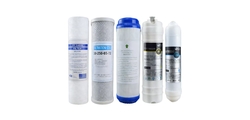
Several types of pre-filters are utilized in RO systems, each serving specific functions:
Sediment Filters: Typically the first stage in pre-filtration, these filters capture visible particles like sand, silt, and rust. They are available in various micron ratings, with 5-micron filters being standard for general applications.
Activated Carbon Filters: These filters remove chlorine, volatile organic compounds (VOCs), and certain chemical contaminants, protecting the RO membrane from chemical damage.
Ultrafiltration (UF) Membranes: UF membranes can remove bacteria and viruses, providing an additional layer of protection against microbial contamination.
Anti-Scale Filters: Designed to prevent scaling by removing hardness minerals from the water.
Selecting the appropriate combination of pre-filters depends on the specific water quality and contaminants present in the source water.
4. How often should pre-filters be replaced to ensure optimal RO system performance?
The replacement frequency of pre-filters varies based on the type of filter and the quality of the source water:
Sediment Filters: Generally replaced every 6 to 12 months, depending on the level of particulate contamination.
Activated Carbon Filters: Typically replaced every 12 months, as they can become saturated with contaminants over time.
UF Membranes and Anti-Scale Filters: Replacement intervals can range from 1 to 3 years, depending on usage and water quality.
Regular monitoring of filter performance and water quality is essential to determine the optimal replacement schedule.
5. How does AQUALITEK's pre-filtration solutions enhance RO system efficiency?
AQUALITEK offers advanced pre-filtration solutions designed to protect RO membranes and improve overall system performance. Their products include:
High-Efficiency Pre-Filters: AQUALITEK's pre-filters effectively remove a wide range of contaminants, including sediments, chlorine, and microorganisms, ensuring that only clean water reaches the RO membrane.
Durable Construction: Built with high-quality materials, AQUALITEK's pre-filters are designed for longevity, reducing maintenance costs and downtime.
Easy Maintenance: The user-friendly design of AQUALITEK's pre-filters allows for straightforward maintenance and timely replacement, ensuring consistent RO system performance.
By integrating AQUALITEK's pre-filtration solutions, users can enhance the efficiency, reliability, and lifespan of their RO systems, leading to better water quality and reduced operational expenses.
In conclusion, understanding the importance of pre-filtration in reverse osmosis systems is crucial for maintaining optimal performance and extending the lifespan of the RO membrane. By selecting appropriate pre-filters and adhering to a regular maintenance schedule, users can ensure the delivery of high-quality purified water and achieve cost-effective operation. AQUALITEK's comprehensive pre-filtration solutions provide the necessary protection and efficiency enhancements for your RO system, making them a valuable choice for water treatment needs.
References:**SEO Title:** Reverse Osmosis Systems and Pre-Filtration Options Explained


Request More Information or Expert Advice
Share a few details, and we’ll provide deeper insights, tailored suggestions, or product support.
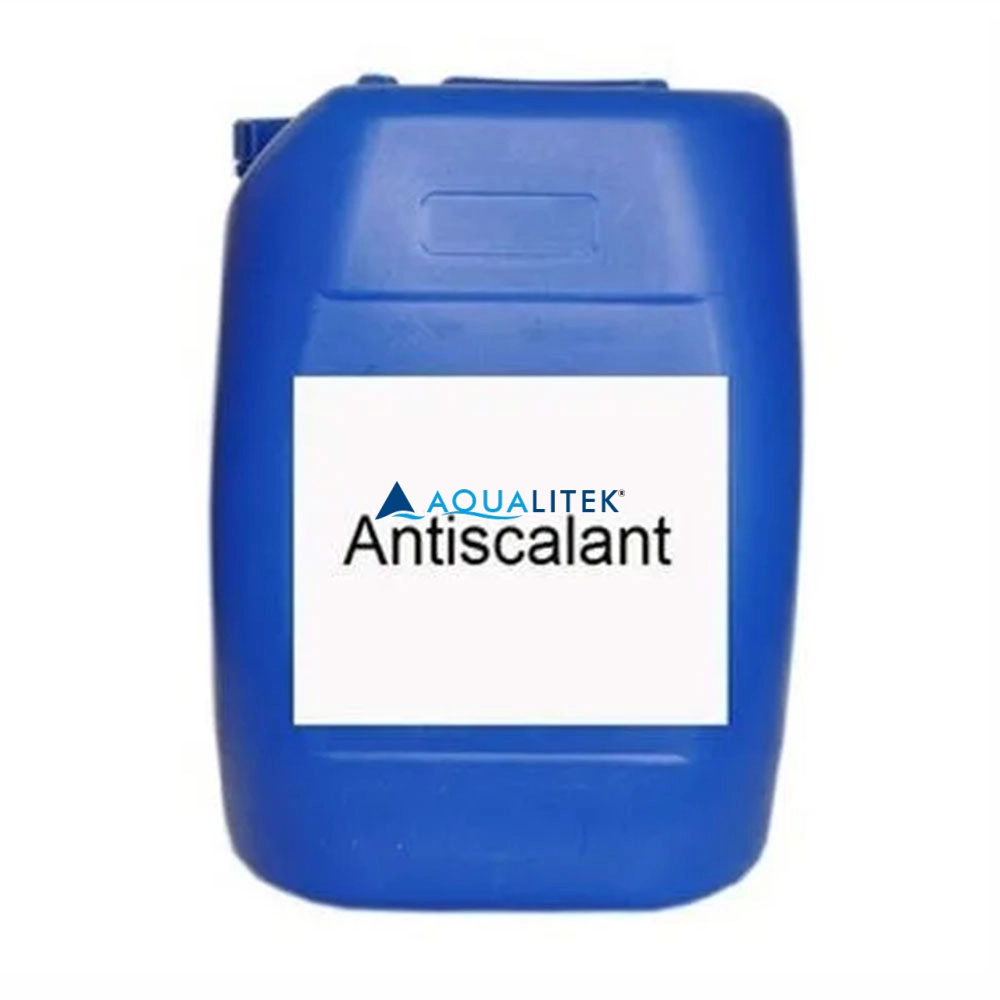
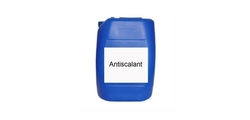
Anti-Scalant is a specialized water treatment chemical designed to prevent the formation of scale in reverse osmosis (RO) systems. Scaling is a common issue in RO systems, where minerals like calcium, magnesium, and silica precipitate and form hard deposits on the membrane surface. These deposits can clog the membranes, reduce water production efficiency, and increase operational costs.
RO chemical anti-scalants work by inhibiting the crystallization of scale-forming minerals, effectively keeping them in solution and preventing them from adhering to the membrane. This ensures the longevity and optimal performance of the RO system.
Anti-scalants are essential in applications with hard water or high mineral content, such as in industrial, municipal, and desalination plants.
These chemicals are highly effective in preventing scaling caused by common minerals such as calcium carbonate, calcium sulfate, barium sulfate, and silica, helping to extend the lifespan of the membranes, reduce cleaning cycles, and enhance system efficiency.
By incorporating an RO chemical anti-scalant into your water treatment process, you can improve the reliability and overall performance of your reverse osmosis system, ensuring consistent, high-quality water output while minimizing maintenance costs.
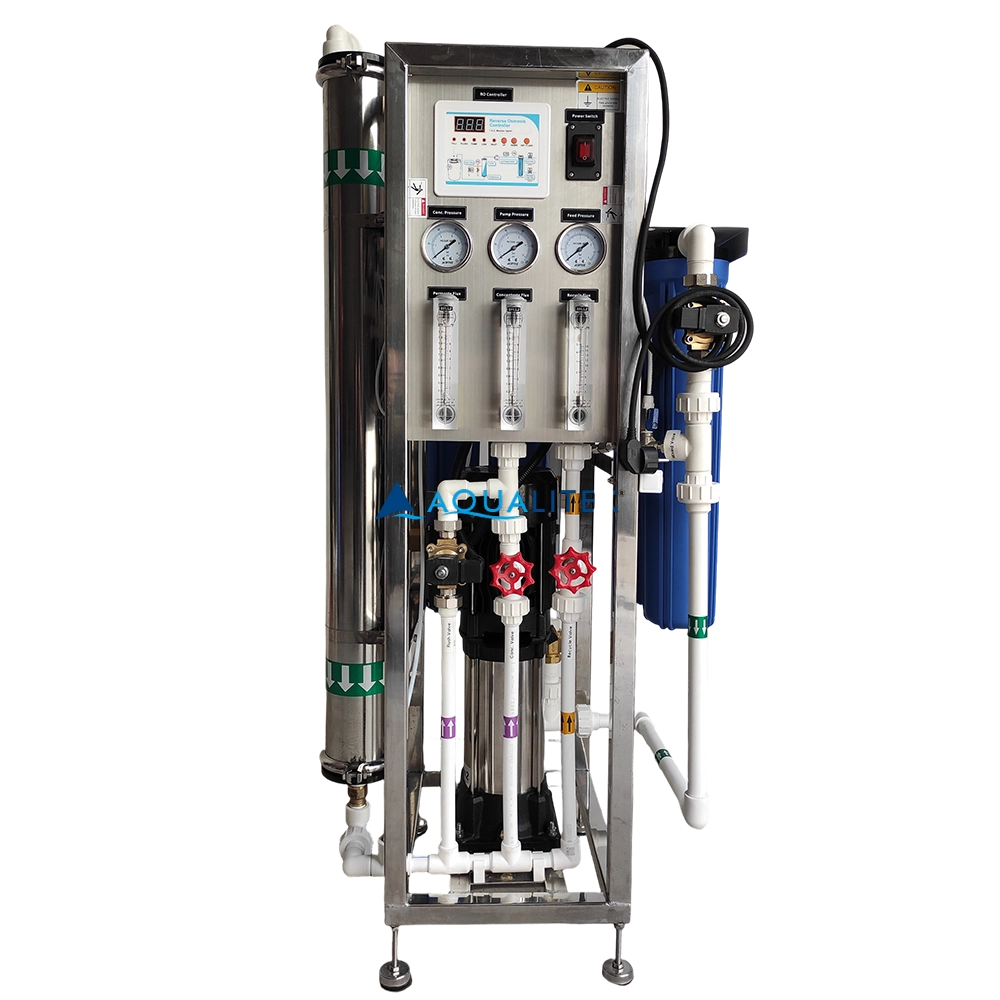
Our 500 LPH Reverse Osmosis (RO) System is engineered to provide high-quality purified water for commercial applications. Designed with advanced RO technology, durable components, and a user-friendly interface, this system ensures consistent performance, low maintenance, and long-term reliability.
With its compact design and robust skid-mounted frame, it’s an excellent choice for businesses that demand efficiency and quality in water purification.
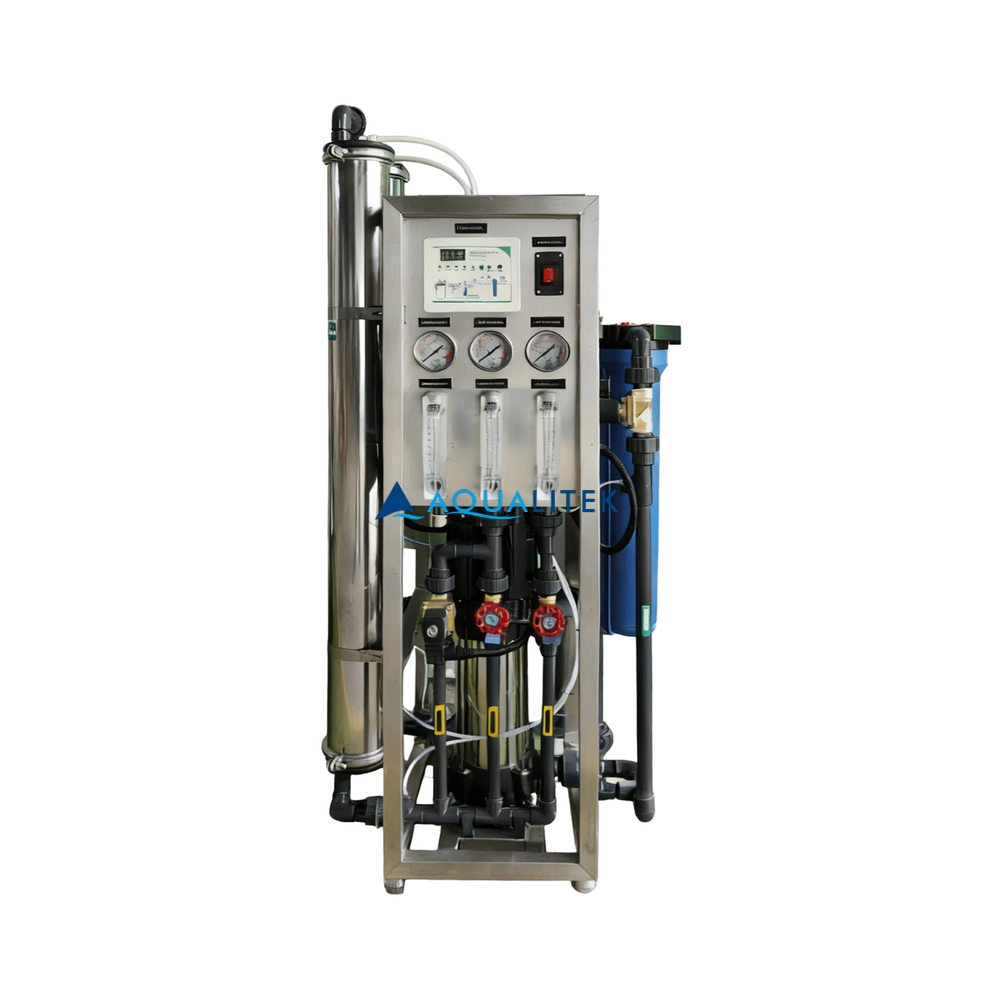
TWV series Reverse Osmosis (RO) systems are pre-engineered and pre-assembled units with 2.5”/4” membrane housings(single element type)for tap water(lower TDS).They are designed for overall superior performance, high recovery rates and offer great savings with low maintenance and operation costs.
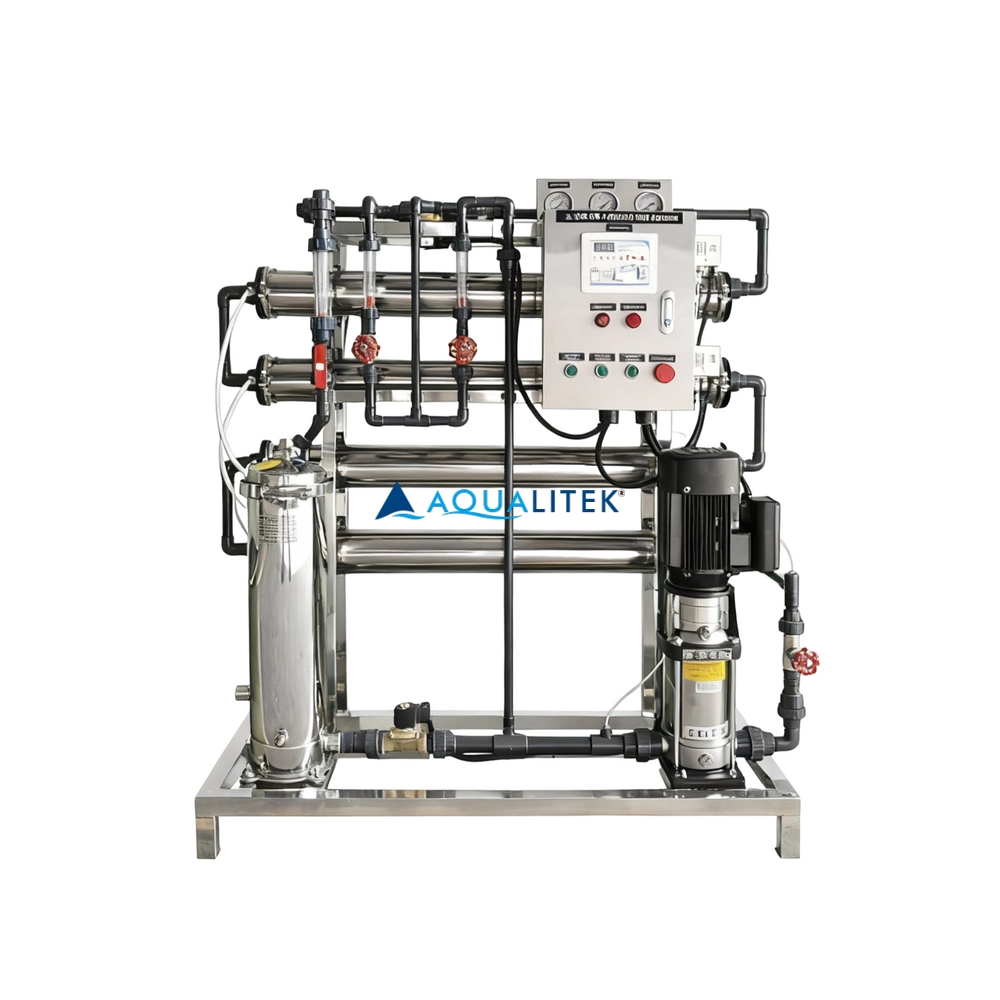
TWF series Reverse Osmosis (RO) systems are pre-engineered and pre-assembled units with 4” membrane housings(multiple elements type) for tap water(lower TDS) .The medium large volumes can help meet your a variety of commercial and industrial applications. They are designed for overall superior performance, high recovery rates and offer great savings with low maintenance and operation costs.
© 2026 AQUALITEK. All rights reserved.
AQUALITEK- Aimee Hoo
AQUALITEK - Aimee Hoo