




What is TDS rejection and why it matters in RO?
- Understanding Reverse Osmosis Systems and TDS Rejection: Essential Insights for Water Treatment Purchases
- 1. What Is a Reverse Osmosis System?
- 2. How Does Reverse Osmosis Work?
- 3. What Contaminants Does an RO System Remove?
- 4. What Is TDS Rejection and Why Is It Important in RO Systems?
- 5. How Often Should RO System Filters Be Replaced?
- 6. Do Reverse Osmosis Systems Waste Water?
- 7. Is DIY Installation of an RO System Possible?
- 8. How Much Does a Reverse Osmosis System Cost?
- 9. Do RO Systems Require Electricity?
- 10. Can Reverse Osmosis Systems Remove Salt From Water?
Understanding Reverse Osmosis Systems and TDS Rejection: Essential Insights for Water Treatment Purchases
When considering a reverse osmosis (RO) system for water purification, it's crucial to understand how these systems work, their maintenance requirements, and the significance of Total Dissolved Solids (TDS) rejection. This knowledge will guide you in making an informed purchase decision.
1. What Is a Reverse Osmosis System?
A reverse osmosis system is a water purification technology that uses a semipermeable membrane to remove ions, molecules, and larger particles from drinking water. By applying pressure to the water, the RO system forces it through the membrane, leaving contaminants behind and producing clean, filtered water.
2. How Does Reverse Osmosis Work?
Reverse osmosis works by pushing water through a pore-filled semipermeable membrane. The pores are large enough to allow water molecules to pass through but small enough to prevent contaminants like salts, bacteria, and chemicals from making their way through.
3. What Contaminants Does an RO System Remove?
Reverse osmosis systems can remove a variety of contaminants, including:
Dissolved salts and minerals
Heavy metals
Chlorine and chloramines
Fluoride
Pesticides and herbicides
Bacteria and viruses
Sediment and particulates
This comprehensive filtration ensures the production of clean, safe drinking water.
4. What Is TDS Rejection and Why Is It Important in RO Systems?
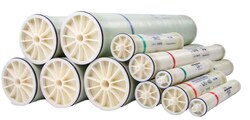
Total Dissolved Solids (TDS) rejection refers to the percentage of dissolved solids that an RO system can remove from the water. A higher TDS rejection rate indicates more effective purification. For instance, a high-quality RO membrane can reject up to 99% of TDS, ensuring the water is nearly free from dissolved impurities.
5. How Often Should RO System Filters Be Replaced?
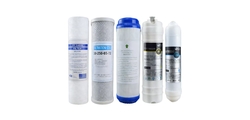
The filter replacement schedule depends on several factors, including water quality and the specific RO system used. Generally, most filters require replacement every 6-12 months, while the RO membrane itself often lasts 2-3 years. Regular maintenance is essential to ensure optimal performance.
6. Do Reverse Osmosis Systems Waste Water?
Many homeowners ask whether reverse osmosis systems waste water. Older RO systems can use up to 3-4 gallons of water for every gallon of purified water produced. However, newer and more efficient models often lower wastewater to as little as 1 gallon for every gallon of clean water. Some systems even feature zero-waste technology to further contribute to water conservation efforts.
7. Is DIY Installation of an RO System Possible?
Many reverse osmosis systems are designed for easy installation and come with detailed instructions. If you have basic plumbing skills, you may be able to install the system yourself. However, if you're not skilled with DIY projects, it's best to hire a water treatment professional to ensure proper installation and avoid potential issues.
8. How Much Does a Reverse Osmosis System Cost?
The cost of a reverse osmosis system varies widely depending on the brand, features, capacity, and geographical location. Basic under-the-sink units can cost between $200 and $400, while more advanced systems with additional filtration stages, higher capacity, and smart features can cost upwards of $500. Additionally, consider the cost of replacement filters and maintenance when evaluating the overall expense.
9. Do RO Systems Require Electricity?
Most standard reverse osmosis systems do not require electricity to operate, as they rely on water pressure to force water through the membrane. However, some advanced systems with features like pumps or UV sterilizers may require a power source. Always check the specifications of the model you're interested in to understand its energy requirements.
10. Can Reverse Osmosis Systems Remove Salt From Water?
Yes, reverse osmosis systems are highly effective at removing salt from water. This makes them a popular choice for desalination in areas with high salinity levels. The semipermeable membrane used in RO systems can filter out dissolved salts, providing fresh, clean water even from brackish sources.
In conclusion, understanding the functionality, maintenance, and efficiency of reverse osmosis systems, particularly regarding TDS rejection, is vital when selecting a water treatment solution. Regular maintenance, including timely filter replacements, ensures optimal performance and longevity of the system.
When considering a reverse osmosis system, it's essential to evaluate factors such as TDS rejection rates, maintenance requirements, water waste, installation complexity, and overall cost. By thoroughly researching and understanding these aspects, you can make an informed decision that best suits your water purification needs.
AQUALITEK offers high-quality reverse osmosis systems designed for efficiency and durability. Their products feature advanced TDS rejection capabilities, ensuring superior water purity. With a focus on user-friendly installation and low maintenance costs, AQUALITEK provides reliable solutions for your water treatment needs.



Request More Information or Expert Advice
Share a few details, and we’ll provide deeper insights, tailored suggestions, or product support.
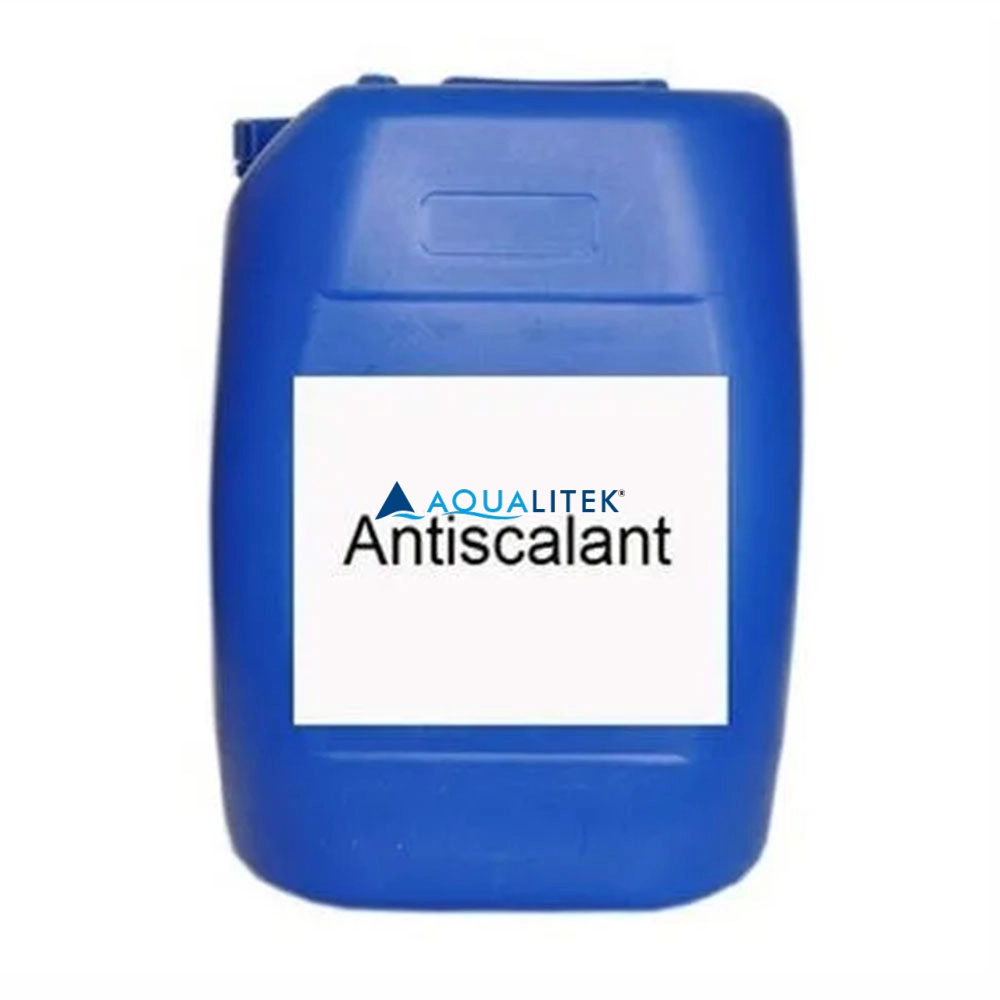
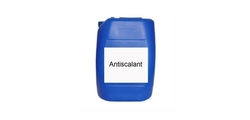
Anti-Scalant is a specialized water treatment chemical designed to prevent the formation of scale in reverse osmosis (RO) systems. Scaling is a common issue in RO systems, where minerals like calcium, magnesium, and silica precipitate and form hard deposits on the membrane surface. These deposits can clog the membranes, reduce water production efficiency, and increase operational costs.
RO chemical anti-scalants work by inhibiting the crystallization of scale-forming minerals, effectively keeping them in solution and preventing them from adhering to the membrane. This ensures the longevity and optimal performance of the RO system.
Anti-scalants are essential in applications with hard water or high mineral content, such as in industrial, municipal, and desalination plants.
These chemicals are highly effective in preventing scaling caused by common minerals such as calcium carbonate, calcium sulfate, barium sulfate, and silica, helping to extend the lifespan of the membranes, reduce cleaning cycles, and enhance system efficiency.
By incorporating an RO chemical anti-scalant into your water treatment process, you can improve the reliability and overall performance of your reverse osmosis system, ensuring consistent, high-quality water output while minimizing maintenance costs.
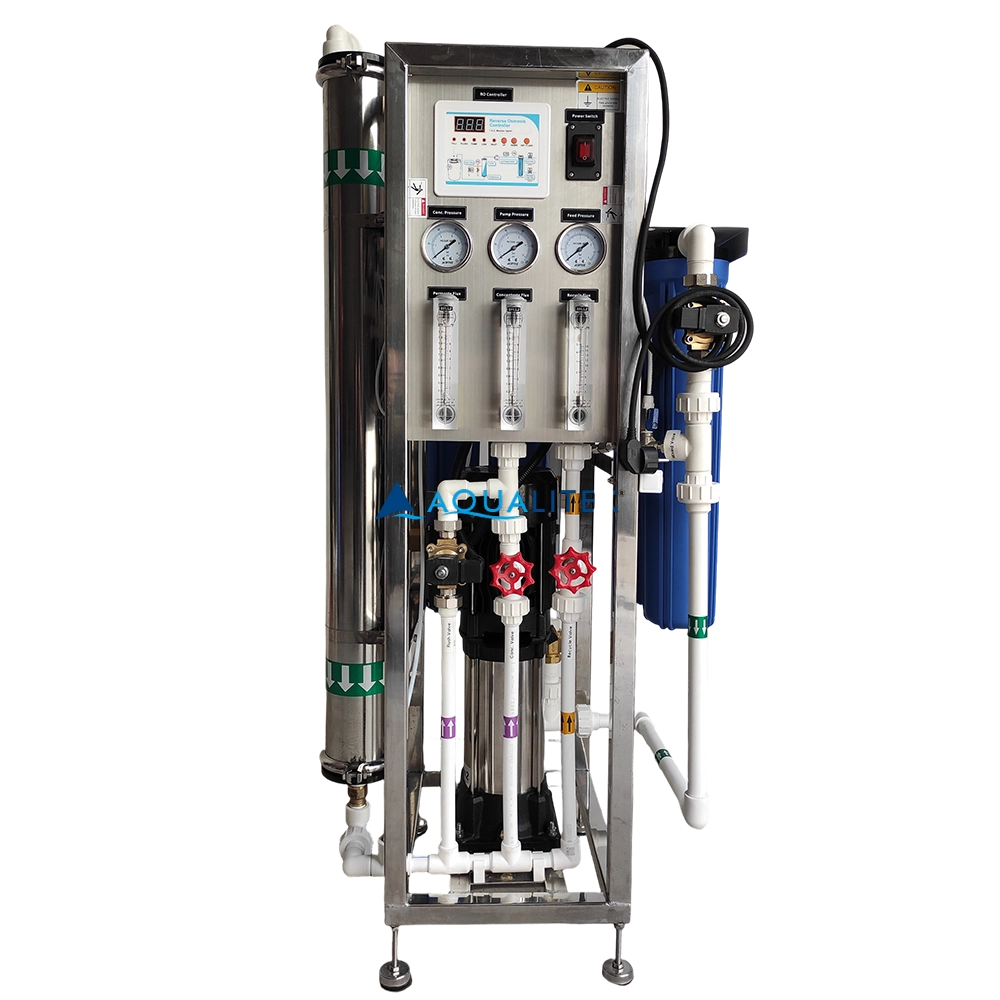
Our 500 LPH Reverse Osmosis (RO) System is engineered to provide high-quality purified water for commercial applications. Designed with advanced RO technology, durable components, and a user-friendly interface, this system ensures consistent performance, low maintenance, and long-term reliability.
With its compact design and robust skid-mounted frame, it’s an excellent choice for businesses that demand efficiency and quality in water purification.
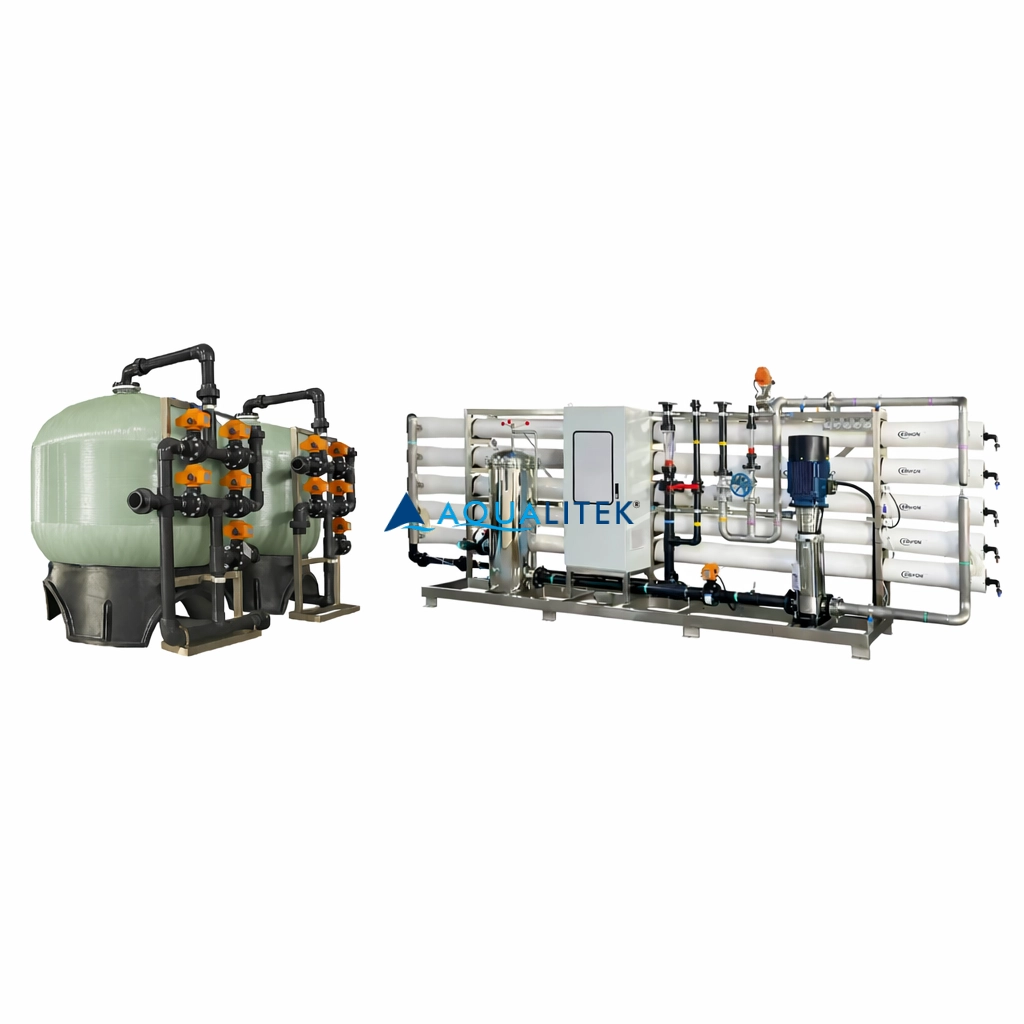
30TPH Industrial Reverse Osmosis (RO) System designed for industrial and municipal water treatment. High salt rejection, energy-efficient design, PLC control, and customizable configuration.
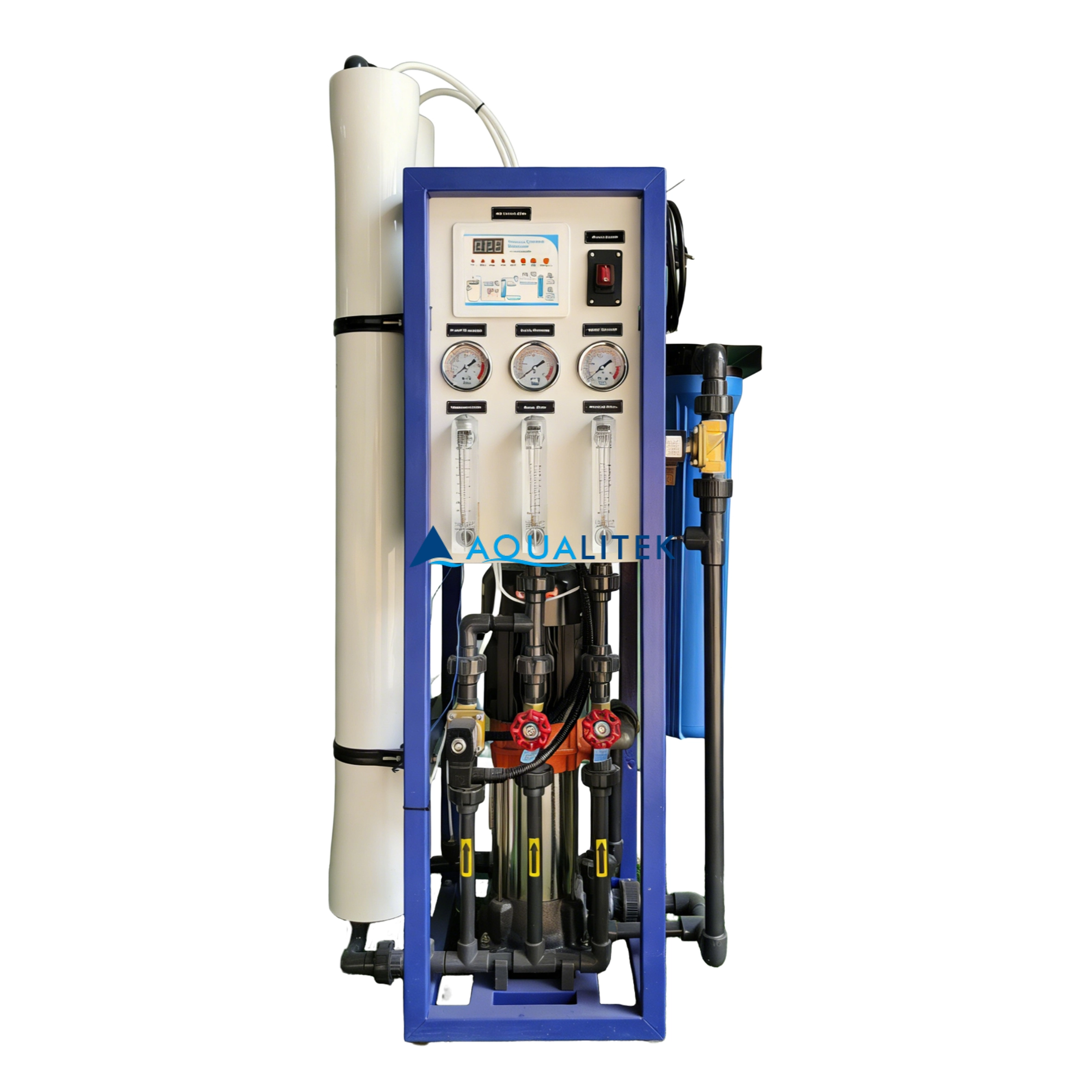
AQUALITEK's 500LPH Panel Mounted Reverse Osmosis Water Purification System delivers reliable 500 LPH RO water production. This compact industrial reverse osmosis unit is ideal for small scale industrial RO needs, ensuring efficient and high-quality purified water in a space-saving design.
© 2026 AQUALITEK. All rights reserved.
AQUALITEK- Aimee Hoo
AQUALITEK - Aimee Hoo