





How to optimize energy use in reverse osmosis plants?
- Optimizing Energy Efficiency in Reverse Osmosis Systems: A Comprehensive Guide
- 1. How Does Membrane Selection Impact Energy Efficiency?
- 2. What Role Do Energy Recovery Devices Play?
- 3. How Does System Design Affect Energy Consumption?
- 4. What Maintenance Practices Are Essential for Energy Efficiency?
- 5. How Do Operating Conditions Influence Energy Efficiency?
- 6. What Are the Benefits of Integrating Renewable Energy Sources?
- 7. How Do Advanced Control Systems Contribute to Energy Optimization?
- 8. What Are the Economic Implications of Energy Optimization in RO Systems?
- Conclusion: AQUALITEK's Commitment to Energy Efficiency
Optimizing Energy Efficiency in Reverse Osmosis Systems: A Comprehensive Guide
Reverse osmosis (RO) systems are pivotal in water treatment processes, especially for desalination and purification. However, their energy-intensive nature often leads to high operational costs. This guide delves into effective strategies to optimize energy use in RO plants, providing essential insights for industry professionals.
1. How Does Membrane Selection Impact Energy Efficiency?
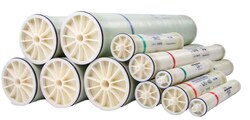
The choice of RO membranes significantly influences energy consumption. Membranes with higher permeability allow for greater water flux, reducing the energy required to achieve desired permeate flow rates. Selecting membranes tailored to specific water qualities can enhance efficiency and performance.
2. What Role Do Energy Recovery Devices Play?
Integrating energy recovery devices (ERDs) into RO systems is a proven method to reduce energy usage. ERDs capture energy from the high-pressure brine stream and transfer it to the incoming feed water, decreasing the load on high-pressure pumps. This integration can lead to substantial energy savings, with some systems achieving up to 60% energy recovery.
3. How Does System Design Affect Energy Consumption?
Optimizing system design is crucial for energy efficiency. Utilizing variable frequency drives (VFDs) on pumps allows for adjustments in energy consumption based on demand, ensuring that the system operates at optimal efficiency levels. Additionally, designing systems with appropriate pressure and flow configurations can minimize energy losses.
4. What Maintenance Practices Are Essential for Energy Efficiency?
Regular maintenance is vital to sustain energy efficiency in RO systems. Key practices include:
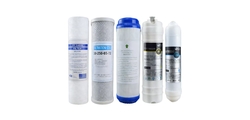
Timely Filter Replacement: Replacing sediment and carbon pre-filters as scheduled prevents membrane fouling and maintains low backpressure.
Annual Sanitation: Sanitizing housings and lines yearly helps prevent biofilm buildup, ensuring consistent water quality and flow rates.
Tank Pressure Verification: Checking the storage tank pre-charge pressure prevents short-cycling and maintains consistent faucet flow.
Upstream Pretreatment Maintenance: Ensuring that upstream systems, such as softeners or iron filters, are well-maintained reduces membrane fouling and energy consumption.
5. How Do Operating Conditions Influence Energy Efficiency?
Operating conditions, such as feed water salinity, flow rate, and temperature, directly impact energy consumption. For instance, higher salinity increases osmotic pressure, requiring more energy to achieve the same permeate flow. Similarly, adjusting feed flow rates can influence both recovery rates and specific energy consumption. Understanding and optimizing these parameters are essential for energy-efficient RO operation.
6. What Are the Benefits of Integrating Renewable Energy Sources?
Incorporating renewable energy sources, like photovoltaic systems, into RO plants can further enhance energy efficiency. A study on a medium-scale RO brackish water desalination plant demonstrated that integrating a photovoltaic system led to significant energy savings, showcasing the potential of renewable energy integration in reducing operational costs and environmental impact.
7. How Do Advanced Control Systems Contribute to Energy Optimization?
Modern RO systems equipped with advanced control systems can automatically adjust operational parameters to optimize energy efficiency. These systems provide real-time monitoring and data analysis, enabling proactive adjustments and maintenance, which leads to improved performance and reduced energy consumption.
8. What Are the Economic Implications of Energy Optimization in RO Systems?
Implementing energy optimization strategies in RO systems can lead to substantial cost savings. For example, a pharmaceutical company reported a 35% reduction in energy use after upgrading its RO system, resulting in significant annual savings. Such improvements not only reduce operational costs but also support environmental sustainability efforts.
Conclusion: AQUALITEK's Commitment to Energy Efficiency
AQUALITEK is dedicated to providing advanced RO systems that prioritize energy efficiency. By integrating high-permeability membranes, energy recovery devices, and advanced control systems, AQUALITEK ensures that clients benefit from reduced operational costs and a smaller environmental footprint. Our commitment to innovation and sustainability makes us a trusted partner in the water treatment industry.
References:
(https://aquatekwater.net/reverse-osmosis-energy-efficiency/)
(https://www.sciencedirect.com/science/article/abs/pii/B978032395879050117X)
(https://jwafs.mit.edu/publications/2017/saving-energy-optimized-two-stage-reverse-osmosis-system)
(https://www.linkedin.com/pulse/energy-minimization-design-optimization-ro-water-plants-elshoura)



Request More Information or Expert Advice
Share a few details, and we’ll provide deeper insights, tailored suggestions, or product support.
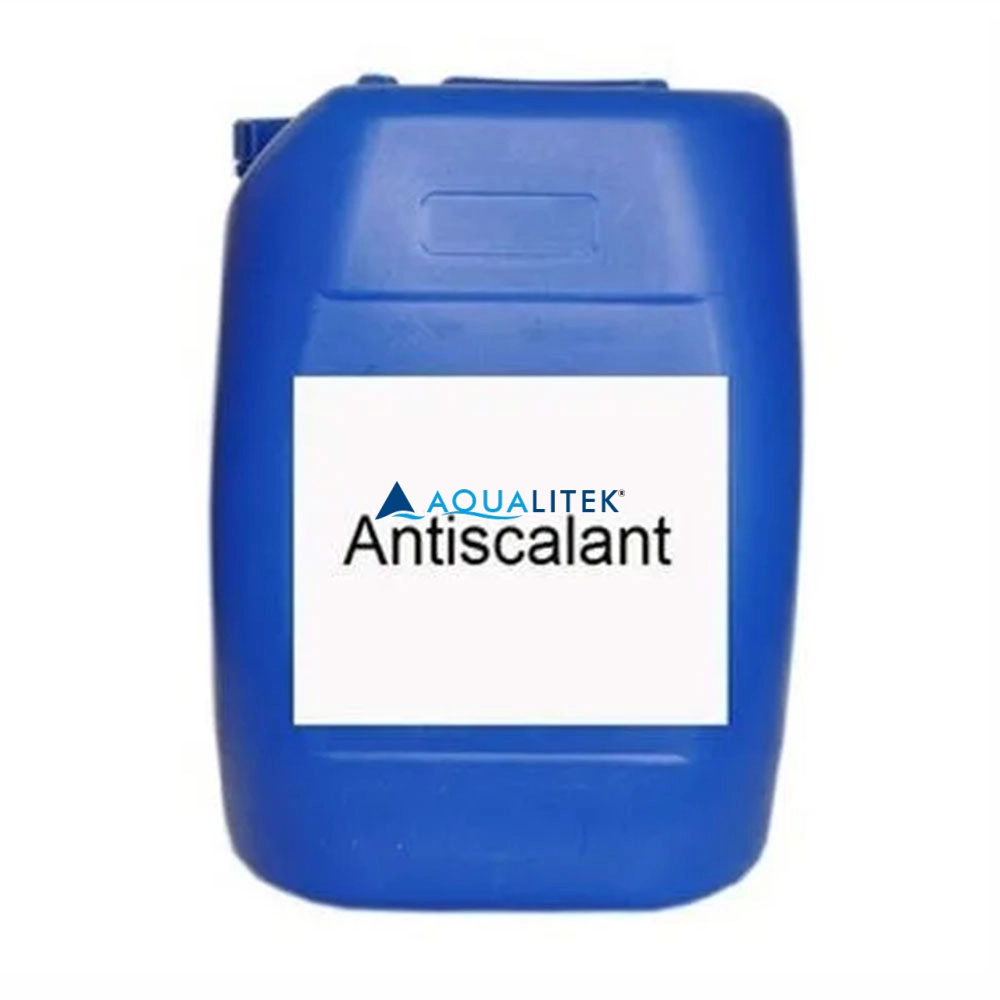
Anti-Scalant is a specialized water treatment chemical designed to prevent the formation of scale in reverse osmosis (RO) systems. Scaling is a common issue in RO systems, where minerals like calcium, magnesium, and silica precipitate and form hard deposits on the membrane surface. These deposits can clog the membranes, reduce water production efficiency, and increase operational costs.
RO chemical anti-scalants work by inhibiting the crystallization of scale-forming minerals, effectively keeping them in solution and preventing them from adhering to the membrane. This ensures the longevity and optimal performance of the RO system.
Anti-scalants are essential in applications with hard water or high mineral content, such as in industrial, municipal, and desalination plants.
These chemicals are highly effective in preventing scaling caused by common minerals such as calcium carbonate, calcium sulfate, barium sulfate, and silica, helping to extend the lifespan of the membranes, reduce cleaning cycles, and enhance system efficiency.
By incorporating an RO chemical anti-scalant into your water treatment process, you can improve the reliability and overall performance of your reverse osmosis system, ensuring consistent, high-quality water output while minimizing maintenance costs.
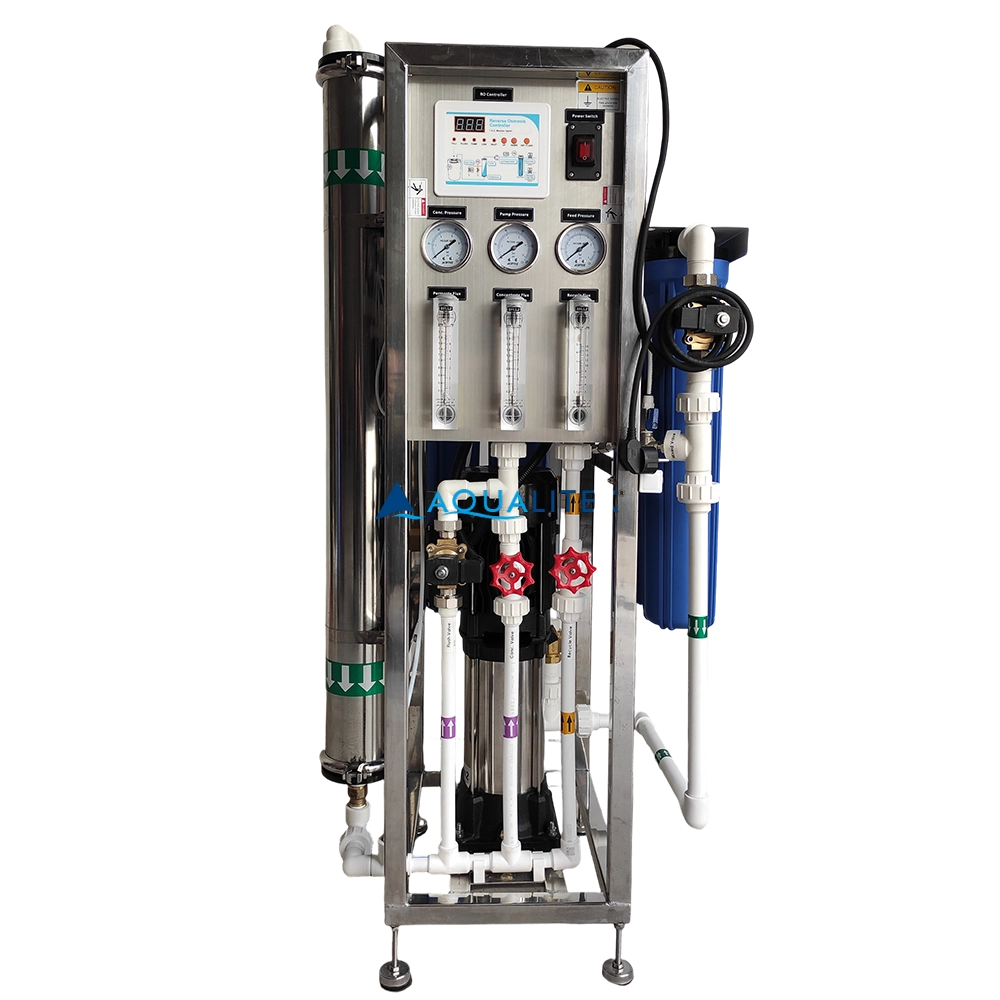
Our 500 LPH Reverse Osmosis (RO) System is engineered to provide high-quality purified water for commercial applications. Designed with advanced RO technology, durable components, and a user-friendly interface, this system ensures consistent performance, low maintenance, and long-term reliability.
With its compact design and robust skid-mounted frame, it’s an excellent choice for businesses that demand efficiency and quality in water purification.
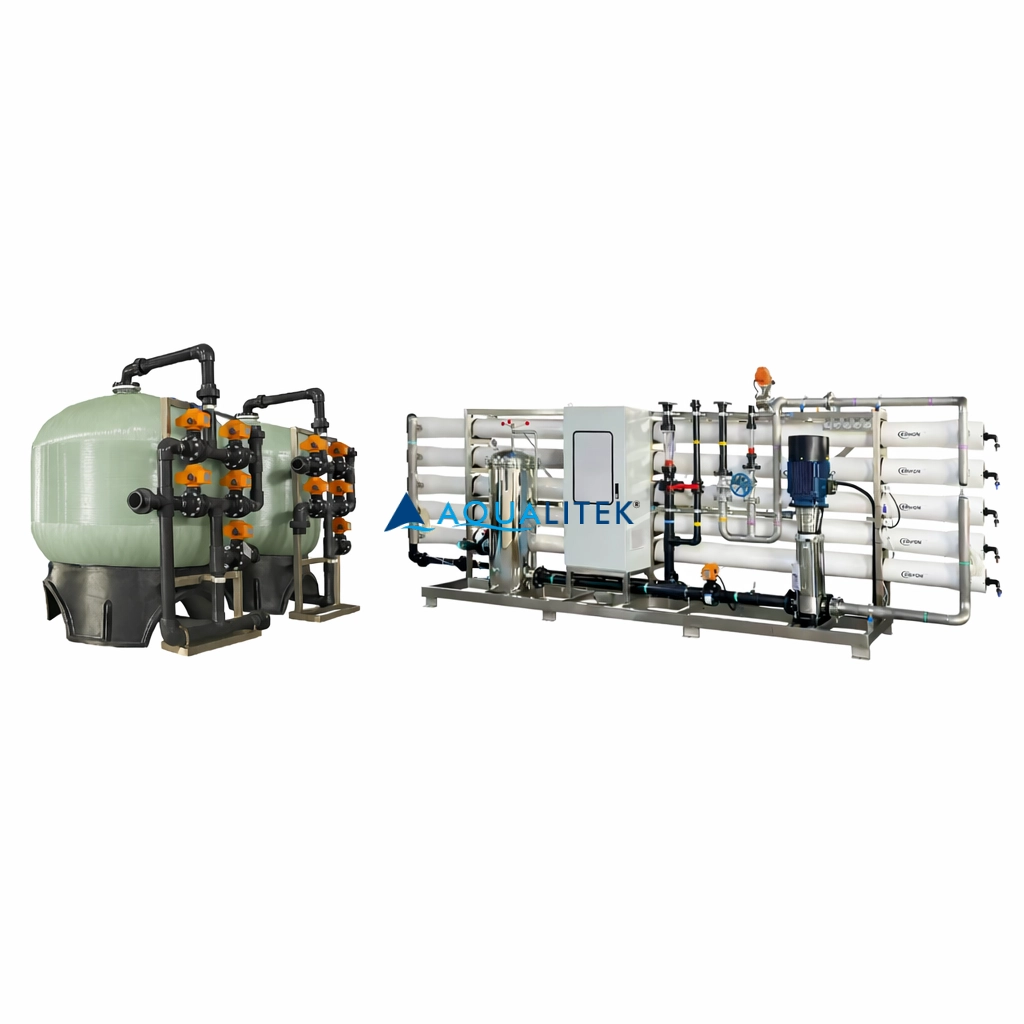
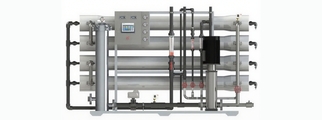
30TPH Industrial Reverse Osmosis (RO) System designed for industrial and municipal water treatment. High salt rejection, energy-efficient design, PLC control, and customizable configuration.
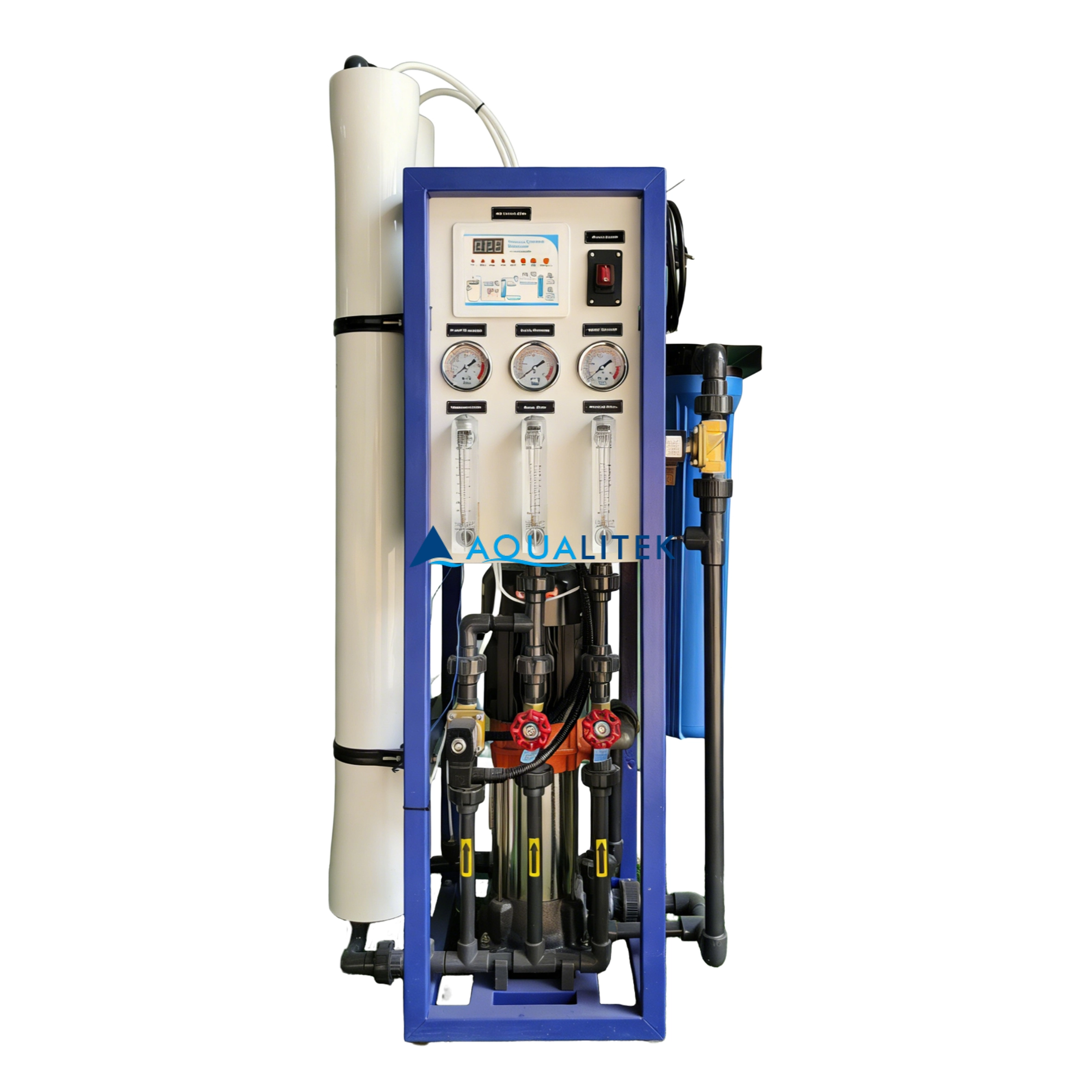
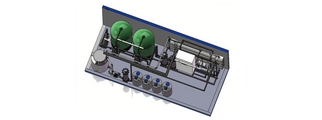
AQUALITEK's 500LPH Panel Mounted Reverse Osmosis Water Purification System delivers reliable 500 LPH RO water production. This compact industrial reverse osmosis unit is ideal for small scale industrial RO needs, ensuring efficient and high-quality purified water in a space-saving design.
© 2026 AQUALITEK. All rights reserved.
AQUALITEK- Aimee Hoo
AQUALITEK - Aimee Hoo