



What is concentrate management for industrial RO?
- Understanding Reverse Osmosis Systems and Concentrate Management in Industrial Applications
- 1. What is Reverse Osmosis?
- 2. How Does Reverse Osmosis Work?
- 3. What is Concentrate Management in Industrial RO Systems?
- 4. Why is Concentrate Management Important?
- 5. What Are Common Methods for Managing RO Concentrate?
- 6. How Does Concentrate Management Affect RO System Performance?
- 7. What Are the Challenges in Concentrate Management?
- 8. How Can AQUALITEK Enhance Your Reverse Osmosis System?
Understanding Reverse Osmosis Systems and Concentrate Management in Industrial Applications
Reverse osmosis (RO) systems are integral to industrial water treatment, offering efficient purification by removing dissolved salts, organic compounds, and other contaminants. A critical aspect of these systems is concentrate management, which addresses the handling of the residual brine produced during the filtration process.
1. What is Reverse Osmosis?
Reverse osmosis is a water purification process that forces water through a semi-permeable membrane, allowing only water molecules to pass while blocking contaminants. This process effectively removes up to 99% of dissolved salts, particles, colloids, organics, bacteria, and pyrogens from the feed water.
2. How Does Reverse Osmosis Work?
In reverse osmosis, water is pressurized against a semi-permeable membrane, causing water molecules to pass through while leaving contaminants behind. The purified water, known as permeate, is collected, while the remaining concentrated solution, or brine, is discharged.
3. What is Concentrate Management in Industrial RO Systems?
Concentrate management involves the handling, treatment, and disposal of the brine produced by RO systems. Proper management is essential to minimize environmental impact, comply with regulations, and ensure the system's efficiency.
4. Why is Concentrate Management Important?
Effective concentrate management is crucial for several reasons:
Environmental Compliance: Ensures that discharge meets regulatory standards, preventing pollution.
System Efficiency: Reduces fouling and scaling, extending membrane life and maintaining performance.
Cost Management: Optimizes water recovery rates, reducing operational costs.
5. What Are Common Methods for Managing RO Concentrate?
Several methods are employed to manage RO concentrate:
Dilution: Mixing concentrate with a larger volume of water to reduce salinity before discharge.
Evaporation: Using evaporation ponds or thermal processes to reduce volume.
Zero Liquid Discharge (ZLD): Recovering all water and converting solids into usable by-products.
Deep Well Injection: Injecting concentrate into deep underground wells, though this method is subject to regulatory scrutiny.
6. How Does Concentrate Management Affect RO System Performance?
Proper concentrate management enhances RO system performance by:
Preventing Scaling and Fouling: Reduces the buildup of minerals and contaminants on membranes.
Improving Water Recovery: Increases the amount of purified water produced per unit of feedwater.
Extending Membrane Life: Minimizes damage and degradation, leading to longer operational periods.
7. What Are the Challenges in Concentrate Management?
Challenges include:
Regulatory Compliance: Adhering to local and international discharge standards.
Environmental Impact: Ensuring that disposal methods do not harm ecosystems.
Economic Considerations: Balancing the costs of treatment and disposal with operational budgets.
8. How Can AQUALITEK Enhance Your Reverse Osmosis System?
AQUALITEK offers advanced RO systems designed for optimal performance and efficient concentrate management. Their solutions include:
High-Quality Membranes: Ensuring superior filtration and durability.
Integrated Pretreatment Systems: Protecting membranes and enhancing system longevity.
Advanced Concentrate Management Solutions: Providing sustainable and cost-effective methods for brine handling.
By choosing AQUALITEK, you invest in a reliable partner committed to delivering high-quality water treatment solutions tailored to your industrial needs.
In conclusion, understanding reverse osmosis systems and implementing effective concentrate management are vital for industrial water treatment. AQUALITEK's expertise and innovative solutions can help optimize your water purification processes, ensuring efficiency, compliance, and sustainability.
Note: The information provided is based on current industry standards and practices as of December 16, 2025.


Request More Information or Expert Advice
Share a few details, and we’ll provide deeper insights, tailored suggestions, or product support.
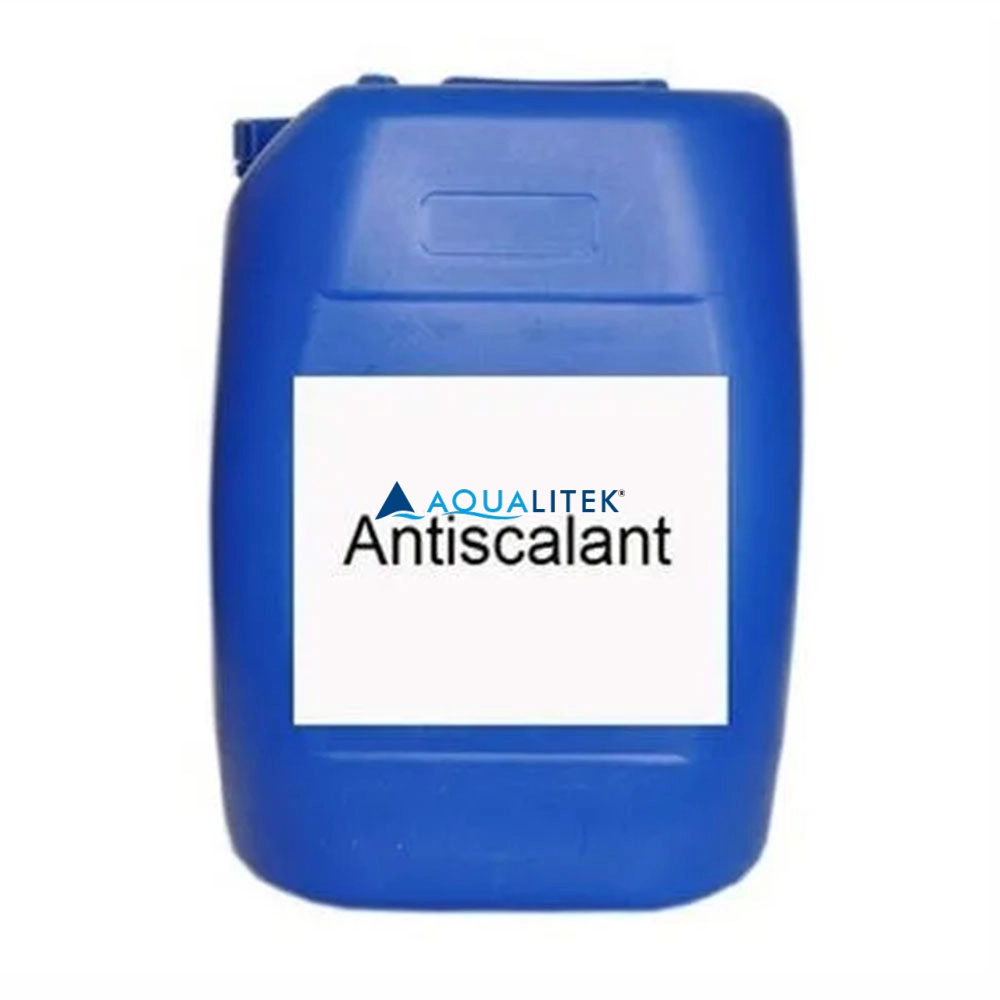
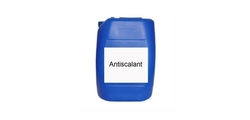
Anti-Scalant is a specialized water treatment chemical designed to prevent the formation of scale in reverse osmosis (RO) systems. Scaling is a common issue in RO systems, where minerals like calcium, magnesium, and silica precipitate and form hard deposits on the membrane surface. These deposits can clog the membranes, reduce water production efficiency, and increase operational costs.
RO chemical anti-scalants work by inhibiting the crystallization of scale-forming minerals, effectively keeping them in solution and preventing them from adhering to the membrane. This ensures the longevity and optimal performance of the RO system.
Anti-scalants are essential in applications with hard water or high mineral content, such as in industrial, municipal, and desalination plants.
These chemicals are highly effective in preventing scaling caused by common minerals such as calcium carbonate, calcium sulfate, barium sulfate, and silica, helping to extend the lifespan of the membranes, reduce cleaning cycles, and enhance system efficiency.
By incorporating an RO chemical anti-scalant into your water treatment process, you can improve the reliability and overall performance of your reverse osmosis system, ensuring consistent, high-quality water output while minimizing maintenance costs.
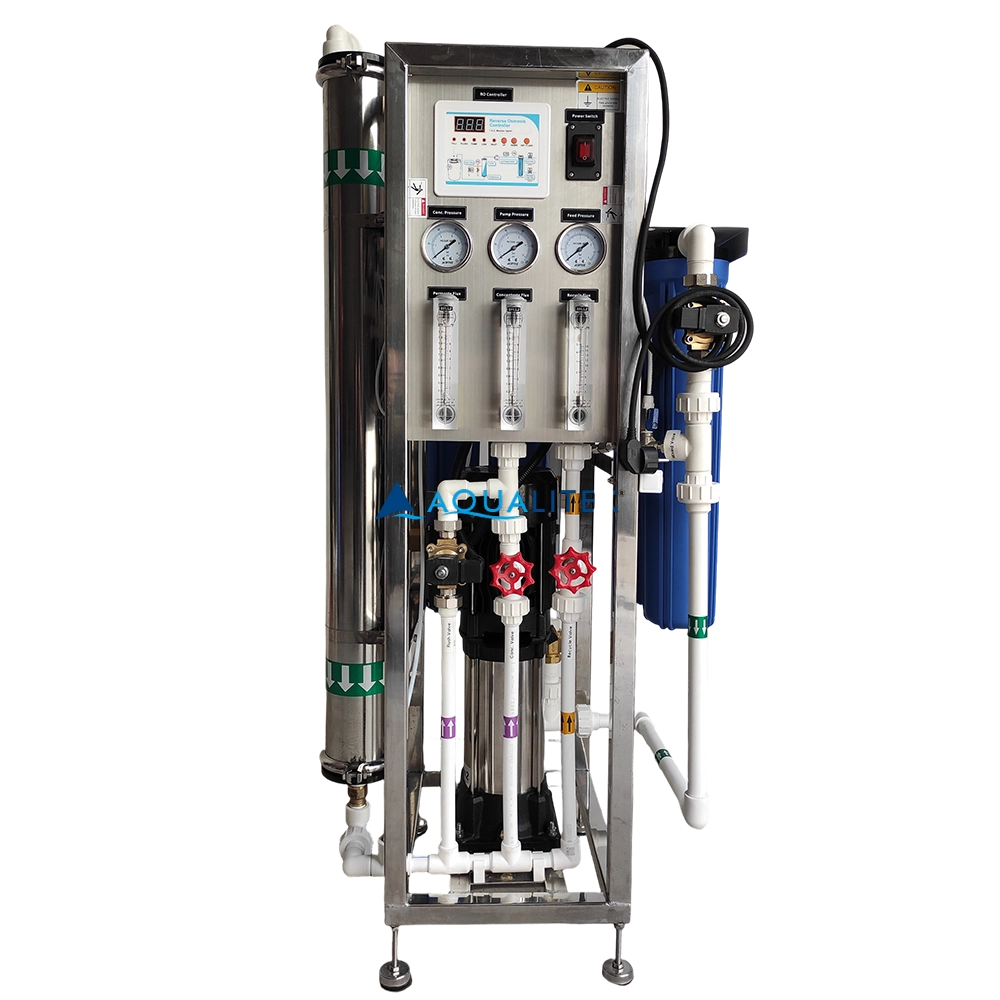
Our 500 LPH Reverse Osmosis (RO) System is engineered to provide high-quality purified water for commercial applications. Designed with advanced RO technology, durable components, and a user-friendly interface, this system ensures consistent performance, low maintenance, and long-term reliability.
With its compact design and robust skid-mounted frame, it’s an excellent choice for businesses that demand efficiency and quality in water purification.
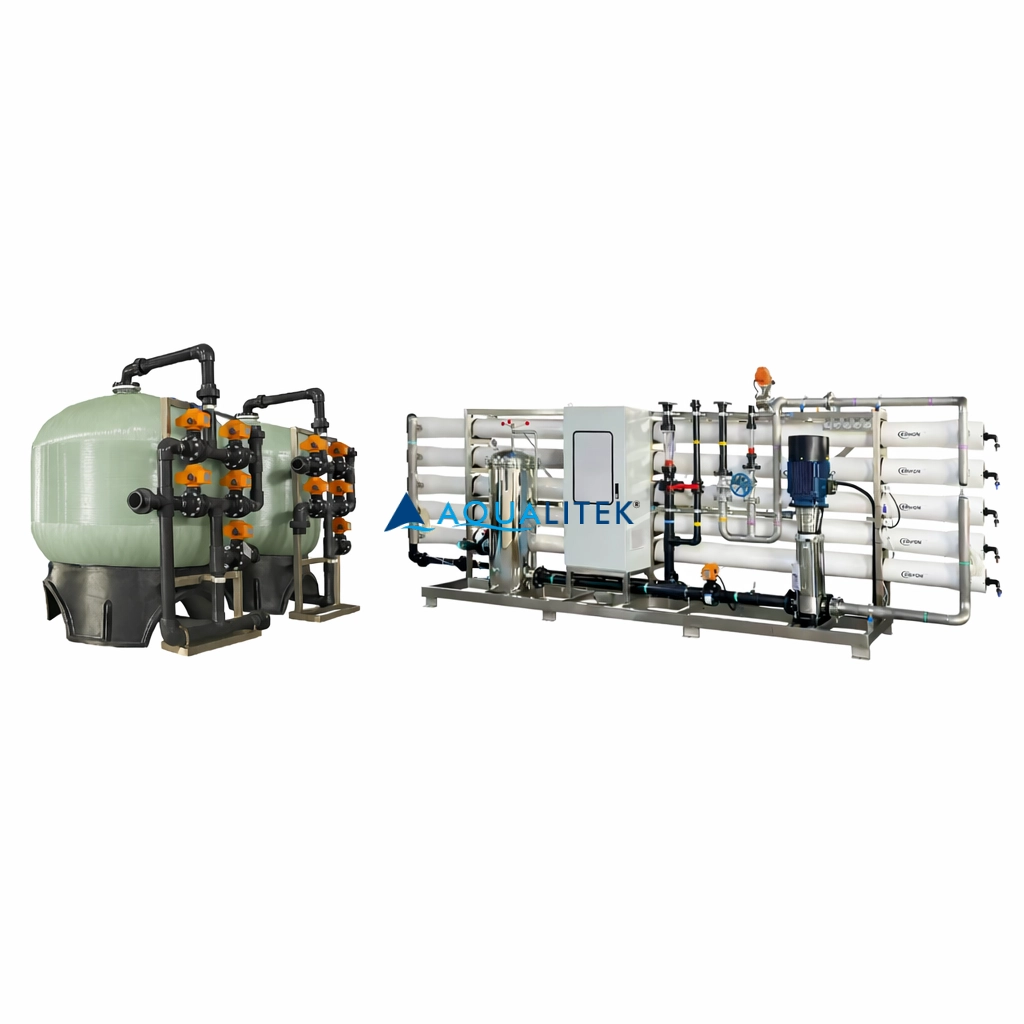
30TPH Industrial Reverse Osmosis (RO) System designed for industrial and municipal water treatment. High salt rejection, energy-efficient design, PLC control, and customizable configuration.
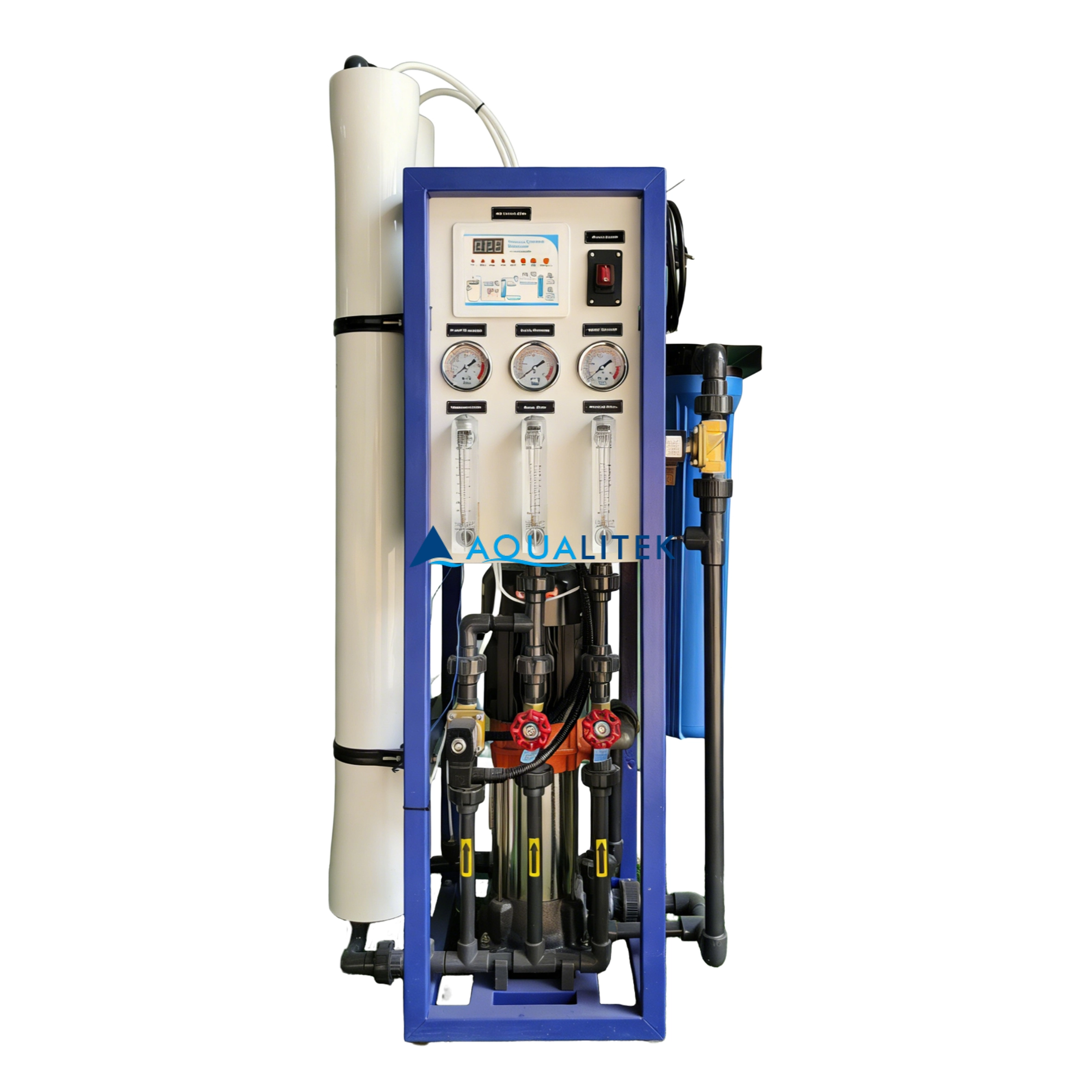
AQUALITEK's 500LPH Panel Mounted Reverse Osmosis Water Purification System delivers reliable 500 LPH RO water production. This compact industrial reverse osmosis unit is ideal for small scale industrial RO needs, ensuring efficient and high-quality purified water in a space-saving design.
© 2026 AQUALITEK. All rights reserved.
AQUALITEK- Aimee Hoo
AQUALITEK - Aimee Hoo