




How to handle silica scaling in reverse osmosis?
- Understanding Reverse Osmosis Systems and Silica Scaling
- 1. What Are Reverse Osmosis Systems?
- 2. What Is Silica Scaling in Reverse Osmosis?
- 3. How Does Silica Scaling Affect Reverse Osmosis Systems?
- 4. What Are the Causes of Silica Scaling?
- 5. How Can Silica Scaling Be Prevented in Reverse Osmosis Systems?
- 6. What Are the Challenges in Managing Silica Scaling?
- 7. How Can Reverse Osmosis System Efficiency Be Optimized for Silica Removal?
- 8. What Are the Best Practices for Handling Silica Scaling in Reverse Osmosis Systems?
- Conclusion: AQUALITEK's Commitment to Excellence
Understanding Reverse Osmosis Systems and Silica Scaling
Reverse osmosis (RO) systems are pivotal in water purification, effectively removing contaminants to produce high-quality water. However, one of the significant challenges faced in RO operations is silica scaling, which can impede system performance and longevity. This article delves into common issues associated with RO systems and provides expert solutions for managing silica scaling.
1. What Are Reverse Osmosis Systems?
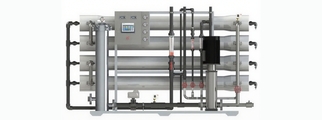
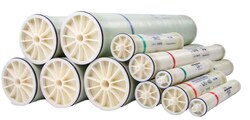
Reverse osmosis systems utilize a semi-permeable membrane to separate contaminants from water, allowing only water molecules to pass through while blocking impurities. This process is widely used for desalination, wastewater treatment, and producing potable water.
2. What Is Silica Scaling in Reverse Osmosis?
Silica scaling occurs when dissolved silica in water polymerizes and forms solid deposits on RO membranes. This scaling can significantly reduce membrane efficiency, leading to decreased water flow, increased energy consumption, and potential membrane damage. Silica scaling is particularly challenging due to the hardness and tenacity of the deposits, making them difficult to remove through standard cleaning methods.
3. How Does Silica Scaling Affect Reverse Osmosis Systems?
Silica scaling can lead to several operational issues:
Reduced Permeate Flow: The accumulation of silica deposits on membranes obstructs water passage, decreasing the volume of purified water produced.
Increased Energy Consumption: As scaling impedes water flow, the system requires more energy to maintain desired output levels.
Membrane Damage: Persistent scaling can cause irreversible damage to membranes, necessitating costly replacements.
Operational Downtime: Cleaning and maintenance to address scaling issues can lead to system downtime, affecting overall productivity.
4. What Are the Causes of Silica Scaling?
Several factors contribute to silica scaling in RO systems:
High Silica Concentration: Elevated levels of dissolved silica in the feed water increase the likelihood of scaling.
pH Levels: The solubility of silica is pH-dependent; at higher pH levels, silica is more likely to precipitate and form scales.
Temperature: Higher temperatures can accelerate the polymerization of silica, leading to scaling.
Presence of Other Ions: Certain ions, such as calcium and magnesium, can interact with silica, promoting its precipitation.
5. How Can Silica Scaling Be Prevented in Reverse Osmosis Systems?
Effective prevention strategies include:
Pretreatment Processes: Implementing pretreatment methods like coagulation, flocculation, and electrocoagulation can reduce silica concentrations and prevent scaling. Electrocoagulation, for instance, has been shown to effectively remove colloidal and particulate silica types, minimizing their impact on RO membranes.
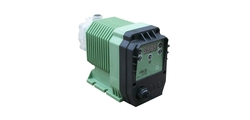
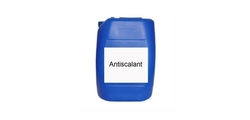
Chemical Antiscalants: Utilizing specialized antiscalant chemicals can inhibit silica polymerization, reducing scaling potential. These chemicals work by disrupting the formation of silica scales, thereby protecting the membranes.
pH Adjustment: Adjusting the pH of the feed water can influence silica solubility. Operating at a higher pH can help prevent silica scaling, but this must be balanced with the potential for other scaling issues.
Regular Cleaning Protocols: Establishing routine cleaning schedules using appropriate cleaning agents can help remove any silica deposits that do form, maintaining membrane performance.
6. What Are the Challenges in Managing Silica Scaling?
Managing silica scaling presents several challenges:
Complex Chemistry: The behavior of silica in water is complex, influenced by factors such as pH, temperature, and the presence of other ions, making it difficult to predict and control scaling tendencies.
Membrane Sensitivity: Some cleaning agents effective against silica scaling can be harsh on membranes, potentially causing damage if not used correctly.
Operational Costs: Implementing effective silica control measures, including pretreatment processes and chemical dosing, can increase operational expenses.
7. How Can Reverse Osmosis System Efficiency Be Optimized for Silica Removal?
Optimizing RO system efficiency for silica removal involves:
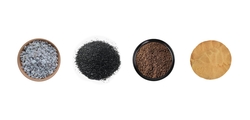
Advanced Pretreatment Technologies: Employing advanced pretreatment methods, such as catalytic activation treatment technology (GCAT), can enhance silica removal efficiency. GCAT utilizes specialized catalytic bead media to break up silica particles by altering their molecular shape and charge, enhancing anti-fouling properties on RO membranes.
Integrated System Design: Designing RO systems with integrated technologies that address silica scaling can improve overall performance and reduce maintenance needs.
Continuous Monitoring: Implementing real-time monitoring systems to track silica levels and system performance allows for timely adjustments to prevent scaling.
8. What Are the Best Practices for Handling Silica Scaling in Reverse Osmosis Systems?
Best practices include:
Comprehensive Water Quality Assessment: Regularly analyzing feed water quality to understand silica concentrations and other relevant parameters.
Customized Pretreatment Strategies: Developing pretreatment processes tailored to the specific water chemistry and scaling risks.
Routine Maintenance and Cleaning: Establishing and adhering to maintenance schedules to ensure optimal system performance and longevity.
Staff Training: Ensuring that personnel are well-trained in recognizing and addressing silica scaling issues promptly.
Conclusion: AQUALITEK's Commitment to Excellence
AQUALITEK stands at the forefront of water treatment solutions, offering advanced technologies and comprehensive services to address challenges like silica scaling in reverse osmosis systems. Our expertise ensures enhanced system efficiency, reduced operational costs, and prolonged equipment lifespan, empowering industries to achieve optimal water quality and sustainability.
References:
Genesis Water Technologies. (2024). Silica Fouling in Reverse Osmosis Systems: Prevention & Treatment. (https://genesiswatertech.com/blog-post/silica-fouling-control-in-reverse-osmosis-systems/)
ScienceDirect. (2024). Silica removal to prevent silica scaling in reverse osmosis membranes. (https://www.sciencedirect.com/science/article/abs/pii/S0011916414001568)
ScienceDirect. (2024). Scaling and cleaning of silica scales on reverse osmosis membrane: Effective removal and degradation mechanisms utilizing gallic acid. (https://www.sciencedirect.com/science/article/abs/pii/S0045653524003205)
ScienceDirect. (2024). Silica scaling of reverse osmosis membranes preconditioned by natural organic matter. (https://www.sciencedirect.com/science/article/pii/S0048969720347070)
ScienceDirect. (2024). Chemistry of silica scale mitigation for RO desalination with particular reference to remote operations. (https://www.sciencedirect.com/science/article/pii/S0043135414005065)
Genesis Water Technologies. (2024). Optimizing RO System Efficiency for Silica Removal. (https://genesiswatertech.com/blog-post/optimizing-ro-system-efficiency-for-silica-removal/)


Request More Information or Expert Advice
Share a few details, and we’ll provide deeper insights, tailored suggestions, or product support.
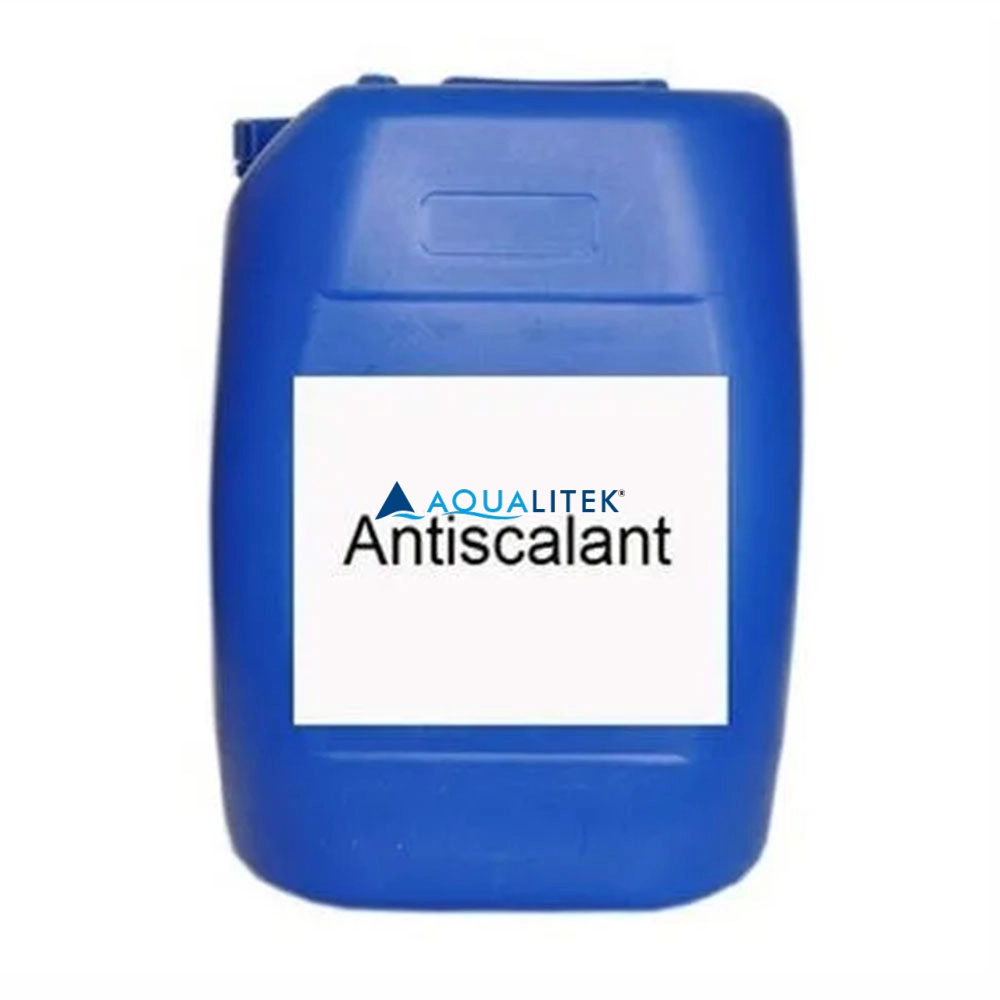
Anti-Scalant is a specialized water treatment chemical designed to prevent the formation of scale in reverse osmosis (RO) systems. Scaling is a common issue in RO systems, where minerals like calcium, magnesium, and silica precipitate and form hard deposits on the membrane surface. These deposits can clog the membranes, reduce water production efficiency, and increase operational costs.
RO chemical anti-scalants work by inhibiting the crystallization of scale-forming minerals, effectively keeping them in solution and preventing them from adhering to the membrane. This ensures the longevity and optimal performance of the RO system.
Anti-scalants are essential in applications with hard water or high mineral content, such as in industrial, municipal, and desalination plants.
These chemicals are highly effective in preventing scaling caused by common minerals such as calcium carbonate, calcium sulfate, barium sulfate, and silica, helping to extend the lifespan of the membranes, reduce cleaning cycles, and enhance system efficiency.
By incorporating an RO chemical anti-scalant into your water treatment process, you can improve the reliability and overall performance of your reverse osmosis system, ensuring consistent, high-quality water output while minimizing maintenance costs.
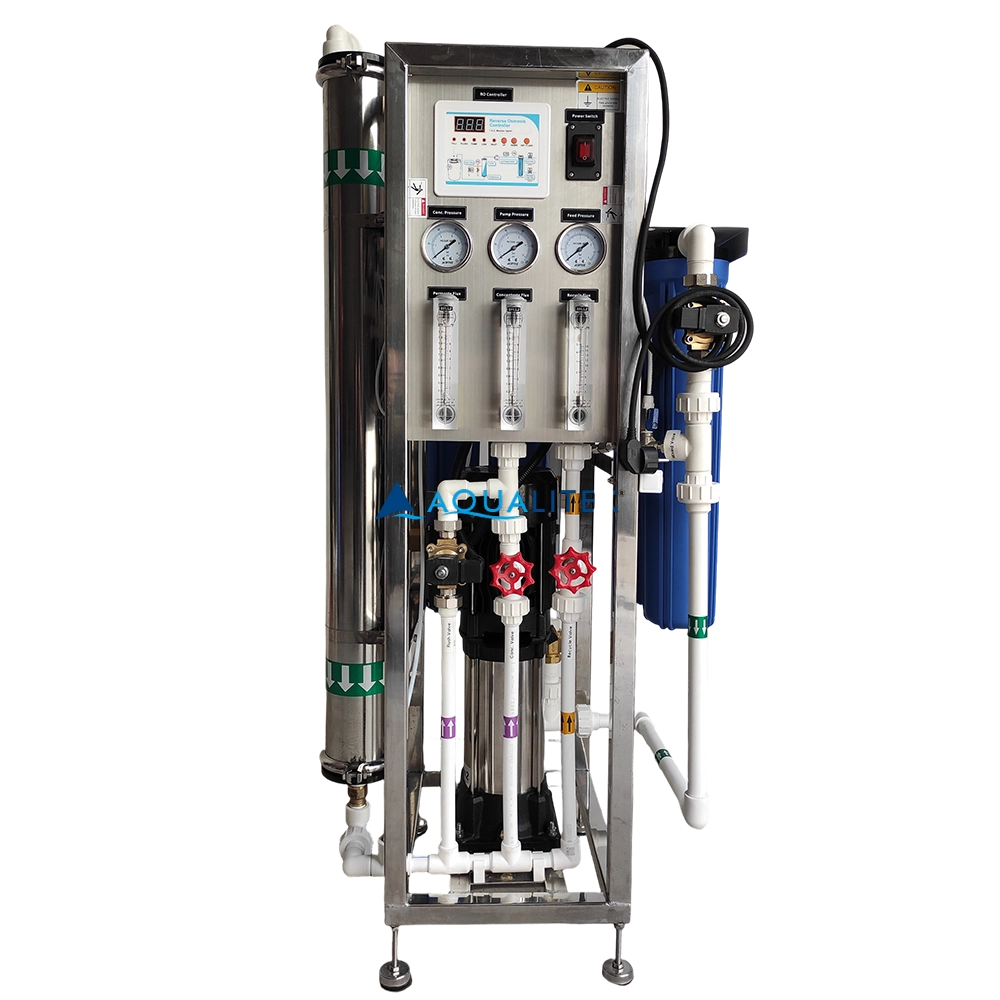
Our 500 LPH Reverse Osmosis (RO) System is engineered to provide high-quality purified water for commercial applications. Designed with advanced RO technology, durable components, and a user-friendly interface, this system ensures consistent performance, low maintenance, and long-term reliability.
With its compact design and robust skid-mounted frame, it’s an excellent choice for businesses that demand efficiency and quality in water purification.
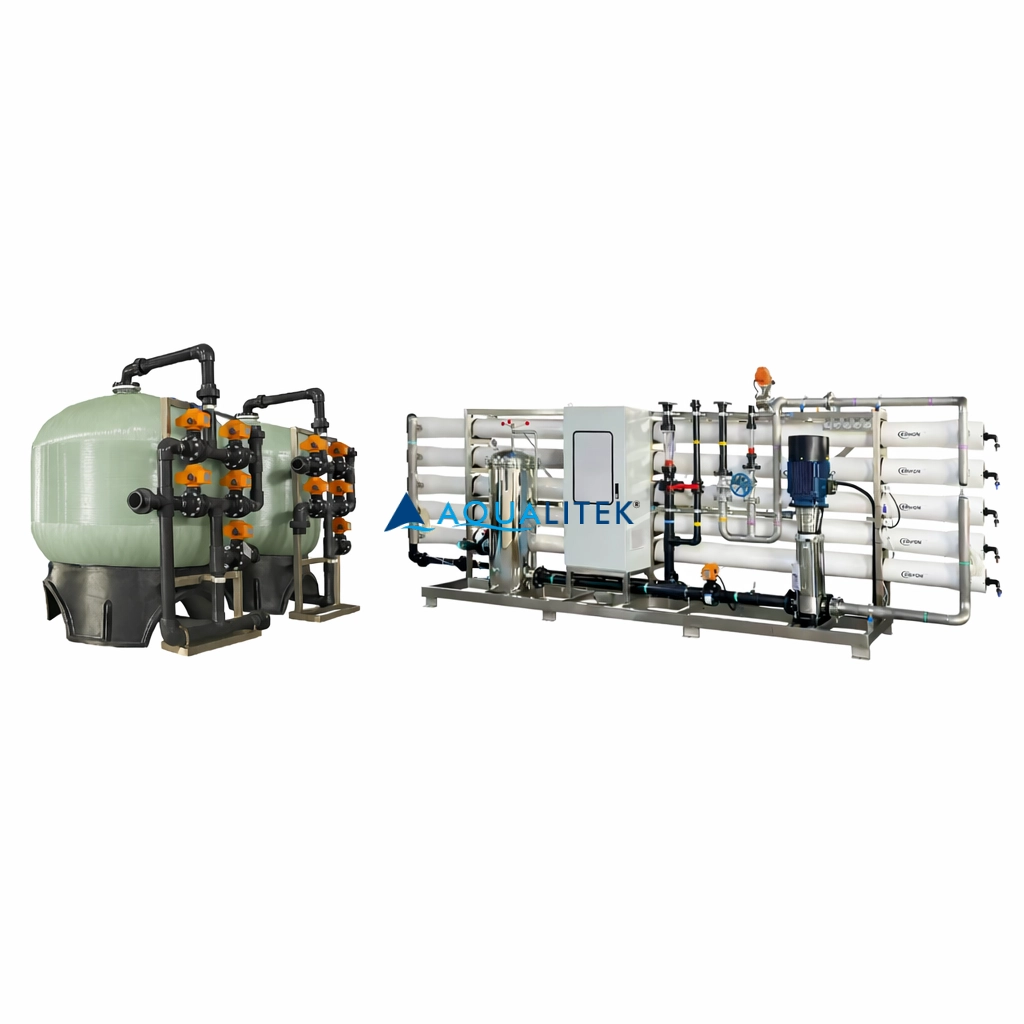
30TPH Industrial Reverse Osmosis (RO) System designed for industrial and municipal water treatment. High salt rejection, energy-efficient design, PLC control, and customizable configuration.
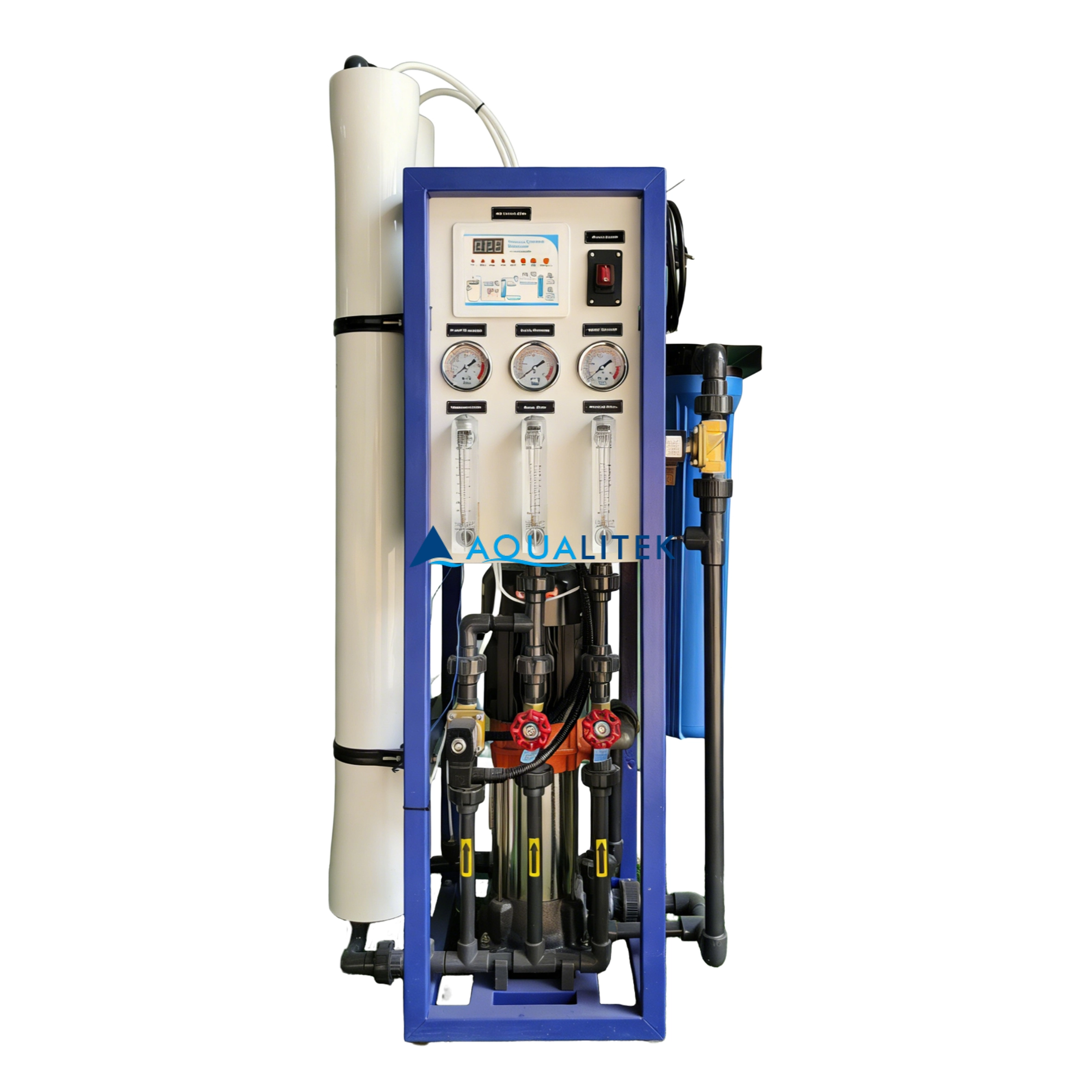
AQUALITEK's 500LPH Panel Mounted Reverse Osmosis Water Purification System delivers reliable 500 LPH RO water production. This compact industrial reverse osmosis unit is ideal for small scale industrial RO needs, ensuring efficient and high-quality purified water in a space-saving design.
© 2026 AQUALITEK. All rights reserved.
AQUALITEK- Aimee Hoo
AQUALITEK - Aimee Hoo