



How to conduct performance tests on RO membranes?
- What are the key performance parameters of reverse osmosis systems?
- How do you evaluate the performance of RO membranes?
- What methods are used to test RO membrane performance?
- How do operating conditions affect RO membrane performance?
- What are the common causes of RO membrane fouling?
- How can membrane integrity be monitored?
- How do you conduct performance tests on RO membranes?
- What are the advantages of AQUALITEK's RO systems?
Reverse osmosis (RO) systems are pivotal in water treatment, offering efficient solutions for desalination and purification. Understanding their performance and the methodologies for testing RO membranes is crucial for professionals in the water treatment industry.
In this guide, we address common questions and provide insights into evaluating RO systems and conducting membrane performance tests.
What are the key performance parameters of reverse osmosis systems?
The primary performance indicators for RO systems include:
Permeate Flux: The rate at which water passes through the membrane per unit area, typically measured in liters per square meter per hour (L/m²·h).
Salt Rejection: The percentage of dissolved salts removed from the feed water.
Recovery Rate: The proportion of feed water converted into permeate.
Monitoring these parameters ensures optimal system performance and membrane longevity.
How do you evaluate the performance of RO membranes?
Performance evaluation involves:
Conducting Performance Tests: Assessing parameters like permeate flux, salt rejection, and recovery rate under various operating conditions.
Monitoring System Parameters: Regularly checking feed and permeate pressures, flow rates, and water quality indicators.
Analyzing Fouling and Scaling: Identifying and mitigating fouling and scaling to maintain membrane efficiency.
These evaluations help in troubleshooting and optimizing RO system operations.
What methods are used to test RO membrane performance?
Common testing methods include:
Salt Rejection Tests: Determining the membrane's ability to reject specific salts.
Permeate Flux Measurements: Calculating the volume of permeate produced over time.
Fouling and Scaling Analysis: Assessing the extent of fouling and scaling on the membrane surface.
These tests are essential for evaluating membrane performance and planning maintenance activities.
How do operating conditions affect RO membrane performance?
Operating conditions such as pressure, temperature, pH, and feed water quality significantly influence membrane performance. For instance, higher pressures can increase permeate flux but may also lead to higher fouling rates. Maintaining optimal conditions is vital for efficient operation.
What are the common causes of RO membrane fouling?
Fouling can result from:
Organic Compounds: Such as oils and greases.
Inorganic Compounds: Including calcium carbonate and silica.
Biological Growth: Like bacteria and algae.
Regular monitoring and maintenance are essential to mitigate fouling and ensure membrane longevity.
How can membrane integrity be monitored?
Membrane integrity can be assessed using:
Flow Cytometry: For detecting virus particles in treated water.
Dynamic Light Scattering: To analyze particle size distributions.
Traditional Water Quality Analyzers: Measuring parameters like total organic carbon (TOC) to detect integrity breaches.
Implementing these methods ensures the membrane's effectiveness in pathogen removal.
How do you conduct performance tests on RO membranes?
Performance testing involves:
Establishing Baseline Conditions: Setting standard operating parameters.
Conducting Tests: Measuring permeate flux, salt rejection, and recovery rate.
Analyzing Results: Comparing data to manufacturer specifications and historical performance.
Regular testing helps in identifying issues and optimizing membrane performance.
What are the advantages of AQUALITEK's RO systems?
AQUALITEK offers:
Customized Solutions: Tailored RO systems to meet specific water treatment needs.
Advanced Technology: Incorporating state-of-the-art components for enhanced performance.
Comprehensive Support: Providing installation, maintenance, and training services.
Choosing AQUALITEK ensures reliable and efficient water treatment solutions.
By understanding these aspects, water treatment professionals can make informed decisions when procuring RO systems, ensuring optimal performance and longevity.




Request More Information or Expert Advice
Share a few details, and we’ll provide deeper insights, tailored suggestions, or product support.
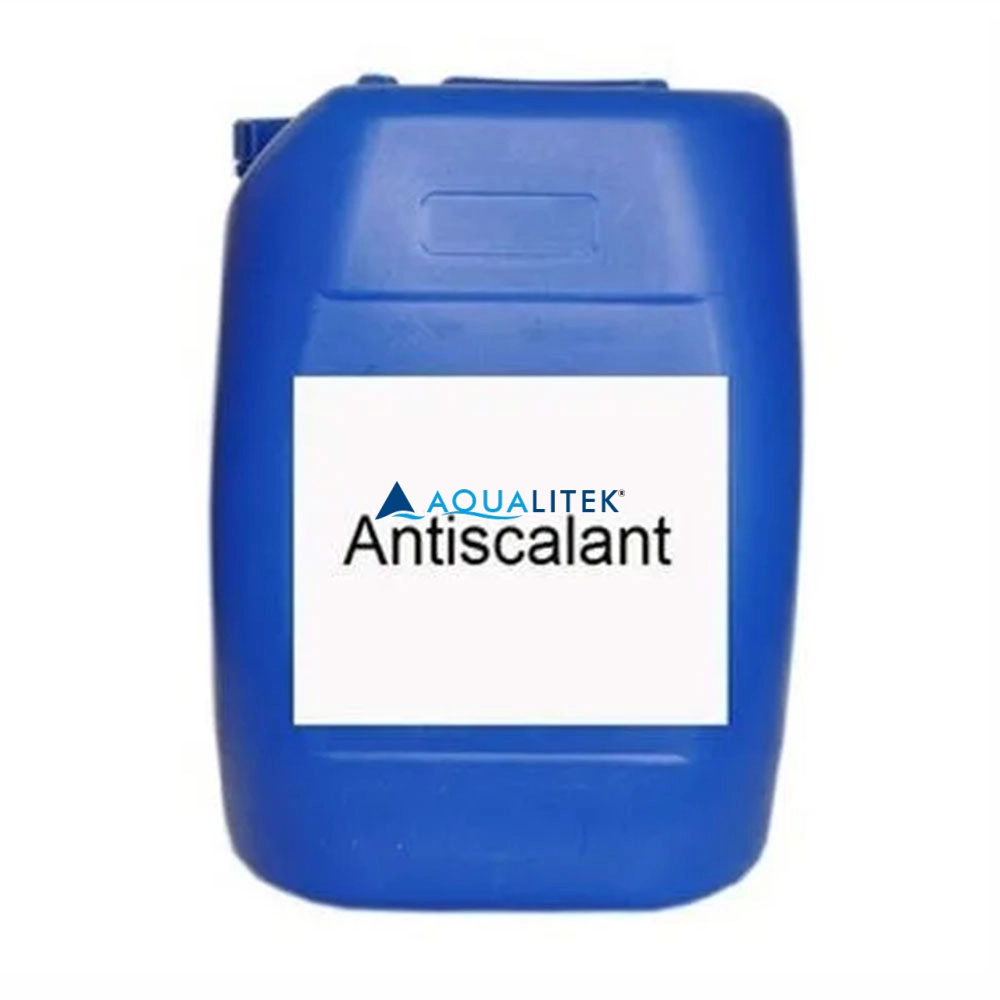
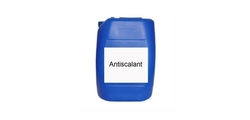
Anti-Scalant is a specialized water treatment chemical designed to prevent the formation of scale in reverse osmosis (RO) systems. Scaling is a common issue in RO systems, where minerals like calcium, magnesium, and silica precipitate and form hard deposits on the membrane surface. These deposits can clog the membranes, reduce water production efficiency, and increase operational costs.
RO chemical anti-scalants work by inhibiting the crystallization of scale-forming minerals, effectively keeping them in solution and preventing them from adhering to the membrane. This ensures the longevity and optimal performance of the RO system.
Anti-scalants are essential in applications with hard water or high mineral content, such as in industrial, municipal, and desalination plants.
These chemicals are highly effective in preventing scaling caused by common minerals such as calcium carbonate, calcium sulfate, barium sulfate, and silica, helping to extend the lifespan of the membranes, reduce cleaning cycles, and enhance system efficiency.
By incorporating an RO chemical anti-scalant into your water treatment process, you can improve the reliability and overall performance of your reverse osmosis system, ensuring consistent, high-quality water output while minimizing maintenance costs.
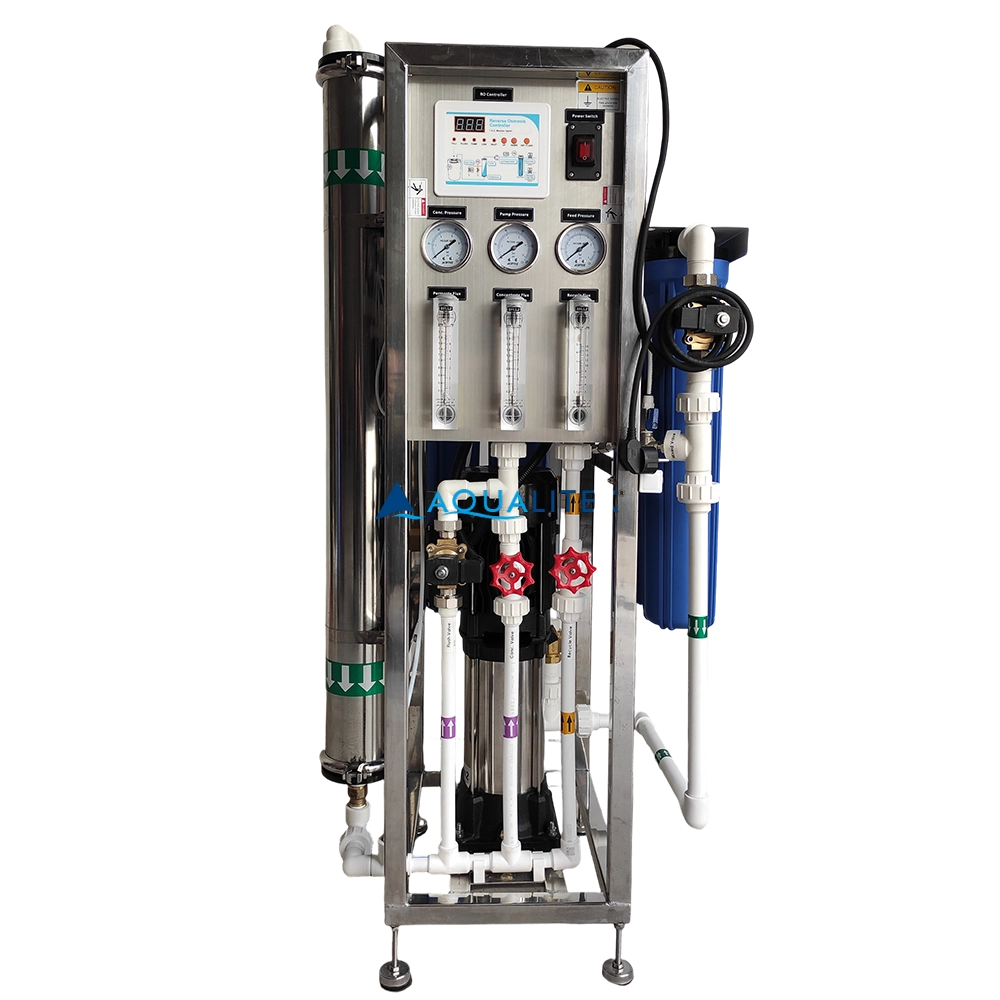
Our 500 LPH Reverse Osmosis (RO) System is engineered to provide high-quality purified water for commercial applications. Designed with advanced RO technology, durable components, and a user-friendly interface, this system ensures consistent performance, low maintenance, and long-term reliability.
With its compact design and robust skid-mounted frame, it’s an excellent choice for businesses that demand efficiency and quality in water purification.
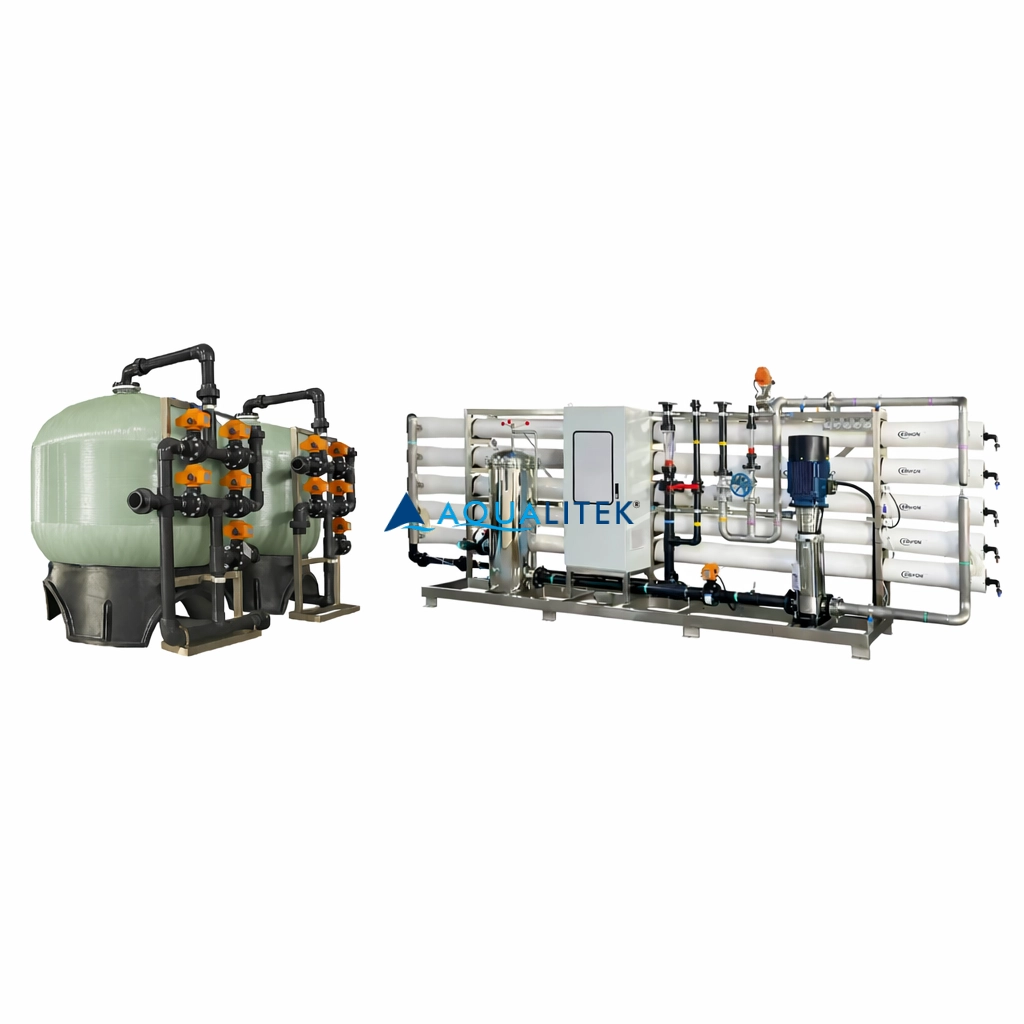
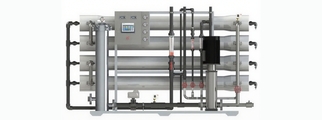
30TPH Industrial Reverse Osmosis (RO) System designed for industrial and municipal water treatment. High salt rejection, energy-efficient design, PLC control, and customizable configuration.
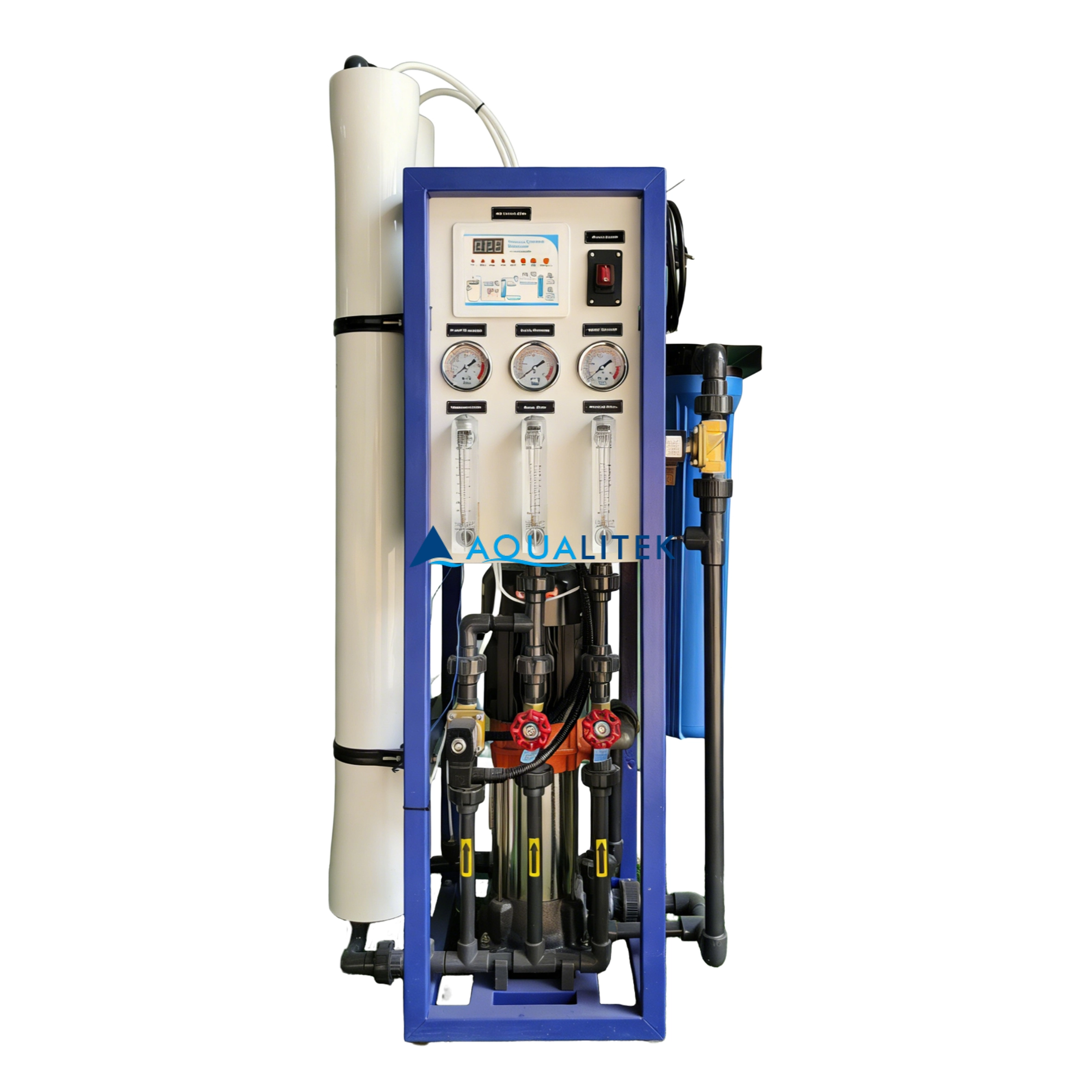
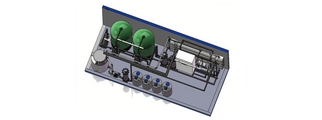
AQUALITEK's 500LPH Panel Mounted Reverse Osmosis Water Purification System delivers reliable 500 LPH RO water production. This compact industrial reverse osmosis unit is ideal for small scale industrial RO needs, ensuring efficient and high-quality purified water in a space-saving design.
© 2026 AQUALITEK. All rights reserved.
AQUALITEK- Aimee Hoo
AQUALITEK - Aimee Hoo