




What are typical RO system control strategies?
- Understanding Reverse Osmosis Systems: Key Considerations for Water Treatment Professionals
- 1. What Are Reverse Osmosis Systems?
- 2. What Are Typical RO System Control Strategies?
- 3. What Are Common Issues in RO Systems?
- 4. How Do Control Systems Enhance RO Performance?
- 5. What Are the Key Considerations When Procuring an RO System?
- 6. How Does Automation Contribute to RO System Efficiency?
- 7. What Are the Benefits of Advanced Control Systems in RO Plants?
- 8. How Do PLC-Based Control Strategies Improve RO System Operations?
- Conclusion: AQUALITEK's Advantages in RO System Procurement
Understanding Reverse Osmosis Systems: Key Considerations for Water Treatment Professionals
Reverse osmosis (RO) systems are integral to modern water treatment processes, offering efficient solutions for desalination, wastewater reuse, and high-purity water production. For professionals in the water treatment industry, comprehending the intricacies of RO systems is crucial when considering procurement. Below are key questions and insights to guide your decision-making process.
1. What Are Reverse Osmosis Systems?
Reverse osmosis systems utilize a semi-permeable membrane to separate contaminants from water, allowing only water molecules to pass through while blocking impurities. This process effectively removes salts, bacteria, and other contaminants, producing purified water suitable for various applications.
2. What Are Typical RO System Control Strategies?
Effective control strategies are vital for optimizing RO system performance. Common approaches include:
Advanced Control Systems: Implementing fuzzy logic control systems that adjust water recovery rates based on feedwater conductivity and temperature, aiming to maximize efficiency while preventing scaling and fouling.
Model-Based Control: Utilizing mathematical models to predict system behavior and adjust operational parameters in real-time, enhancing performance and energy efficiency.
PLC-Based Control: Employing programmable logic controllers (PLCs) to automate processes such as high-pressure pump operation, chemical dosing, and system start/stop sequences, ensuring consistent and reliable system operation.
3. What Are Common Issues in RO Systems?
Understanding potential challenges is essential for effective system management:
Membrane Fouling: Accumulation of contaminants on membrane surfaces can reduce efficiency. Regular cleaning protocols and monitoring are necessary to mitigate this issue.
Scaling: Mineral deposits can form on membranes, leading to decreased performance. Chemical scale inhibitors and proper pH adjustments can help prevent scaling.
Energy Consumption: RO systems can be energy-intensive. Integrating energy recovery devices and optimizing operational parameters can enhance energy efficiency.
4. How Do Control Systems Enhance RO Performance?
Advanced control systems offer several benefits:
Optimization of Operational Parameters: Real-time adjustments to variables like pressure and flow rates ensure optimal performance.
Energy Efficiency: Automated control of high-pressure pumps and integration of energy recovery devices reduce energy consumption.
Prolonged Membrane Life: Continuous monitoring and control help prevent conditions that lead to membrane fouling and scaling, extending membrane lifespan.
5. What Are the Key Considerations When Procuring an RO System?
When evaluating RO systems for procurement, consider the following:
System Capacity and Scalability: Ensure the system meets current water treatment needs and can accommodate future demands.
Energy Efficiency: Opt for systems with integrated energy recovery devices to minimize operational costs.
Maintenance Requirements: Assess the ease of maintenance, availability of spare parts, and support services.
Compliance with Standards: Verify that the system adheres to industry standards and regulations for water quality and safety.
6. How Does Automation Contribute to RO System Efficiency?
Automation plays a pivotal role in enhancing RO system efficiency:
Automated Chemical Dosing: Real-time adjustments based on water quality parameters ensure effective treatment while reducing chemical usage.
Performance Monitoring: Continuous monitoring of parameters like temperature, flow rate, and pressure allows for prompt detection and correction of operational issues.
System Start/Stop Protocols: Automated sequences ensure safe and efficient system startup and shutdown, protecting equipment and optimizing performance.
7. What Are the Benefits of Advanced Control Systems in RO Plants?
Implementing advanced control systems offers several advantages:
Enhanced Performance: Optimized control of operational parameters leads to improved water quality and system reliability.
Cost Savings: Efficient energy use and reduced chemical consumption lower operational expenses.
Adaptability: Advanced systems can adjust to varying feedwater conditions and operational demands, maintaining consistent performance.
8. How Do PLC-Based Control Strategies Improve RO System Operations?
PLC-based control strategies offer several improvements:
Automation of Processes: Automates tasks such as high-pressure pump operation, chemical dosing, and system start/stop sequences, reducing human error and enhancing reliability.
Real-Time Monitoring and Control: Provides continuous monitoring of system parameters, enabling prompt adjustments to maintain optimal performance.
Integration with Other Systems: Facilitates seamless integration with other plant systems, enabling coordinated operation and data sharing.
Conclusion: AQUALITEK's Advantages in RO System Procurement
When considering the procurement of a reverse osmosis system, AQUALITEK stands out as a leading provider in the water treatment industry. AQUALITEK offers:
Innovative Control Solutions: Advanced control systems that optimize performance and energy efficiency.
Comprehensive Support: End-to-end services from system design to installation and maintenance.
Quality Assurance: Products that adhere to international standards, ensuring reliability and longevity.
By choosing AQUALITEK, you invest in a solution that combines cutting-edge technology with expert support, ensuring the success of your water treatment operations.
References:For a visual guide on troubleshooting common RO system issues, you may find the following video helpful:
(https://www.youtube.com/watch?v=mA1KQTKDDf8&utm_source=openai)


Request More Information or Expert Advice
Share a few details, and we’ll provide deeper insights, tailored suggestions, or product support.
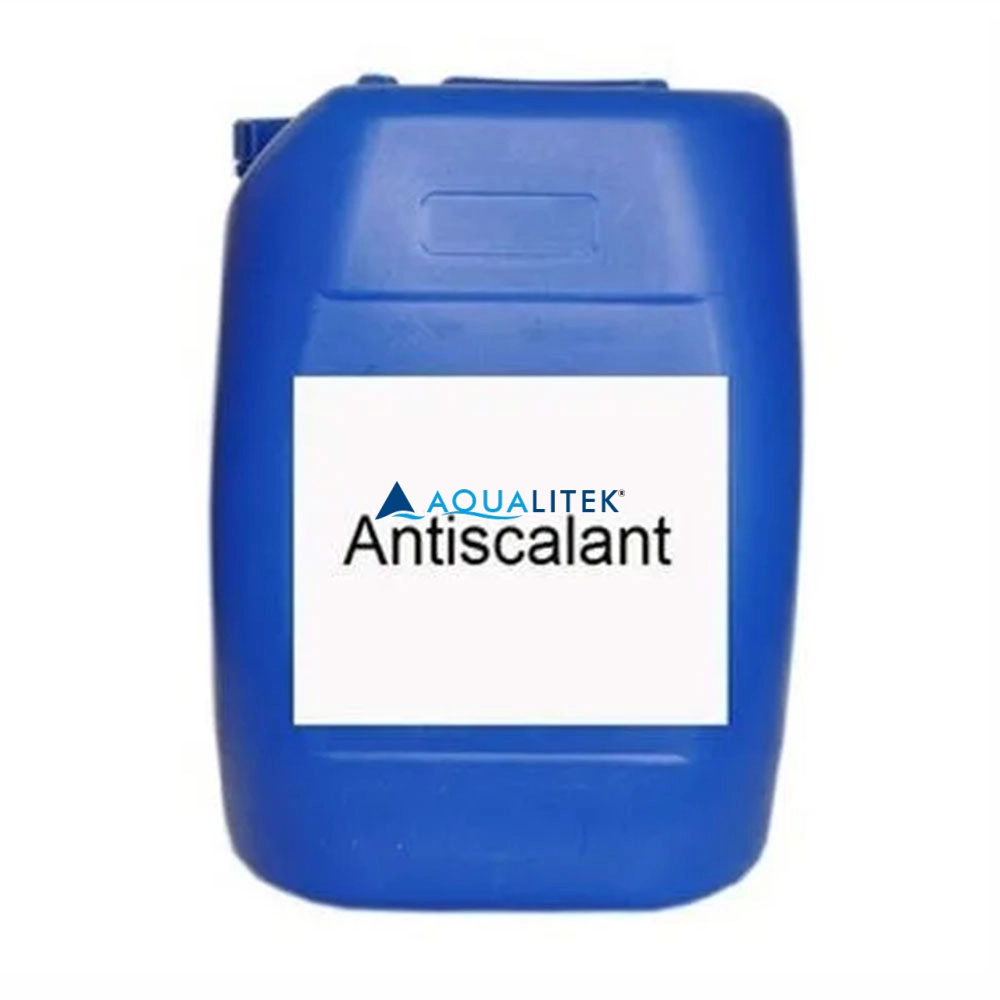
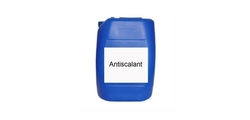
Anti-Scalant is a specialized water treatment chemical designed to prevent the formation of scale in reverse osmosis (RO) systems. Scaling is a common issue in RO systems, where minerals like calcium, magnesium, and silica precipitate and form hard deposits on the membrane surface. These deposits can clog the membranes, reduce water production efficiency, and increase operational costs.
RO chemical anti-scalants work by inhibiting the crystallization of scale-forming minerals, effectively keeping them in solution and preventing them from adhering to the membrane. This ensures the longevity and optimal performance of the RO system.
Anti-scalants are essential in applications with hard water or high mineral content, such as in industrial, municipal, and desalination plants.
These chemicals are highly effective in preventing scaling caused by common minerals such as calcium carbonate, calcium sulfate, barium sulfate, and silica, helping to extend the lifespan of the membranes, reduce cleaning cycles, and enhance system efficiency.
By incorporating an RO chemical anti-scalant into your water treatment process, you can improve the reliability and overall performance of your reverse osmosis system, ensuring consistent, high-quality water output while minimizing maintenance costs.
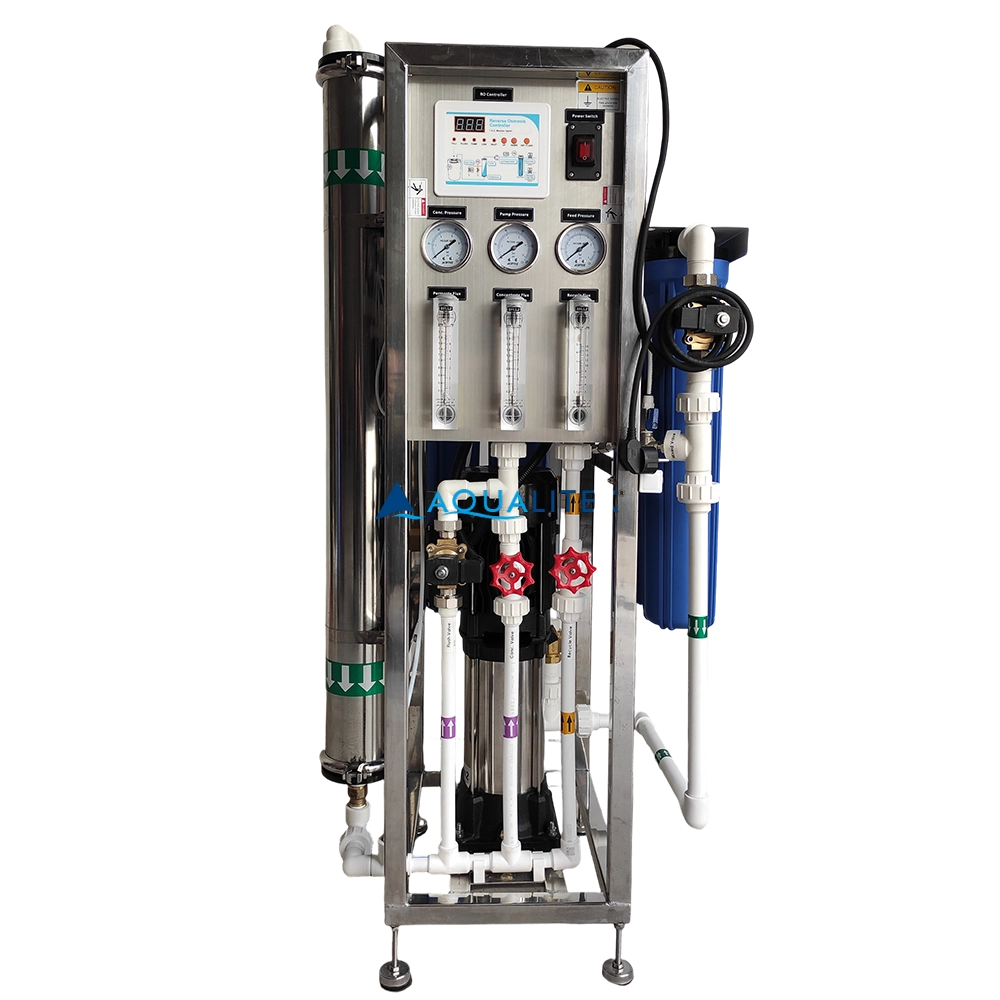
Our 500 LPH Reverse Osmosis (RO) System is engineered to provide high-quality purified water for commercial applications. Designed with advanced RO technology, durable components, and a user-friendly interface, this system ensures consistent performance, low maintenance, and long-term reliability.
With its compact design and robust skid-mounted frame, it’s an excellent choice for businesses that demand efficiency and quality in water purification.
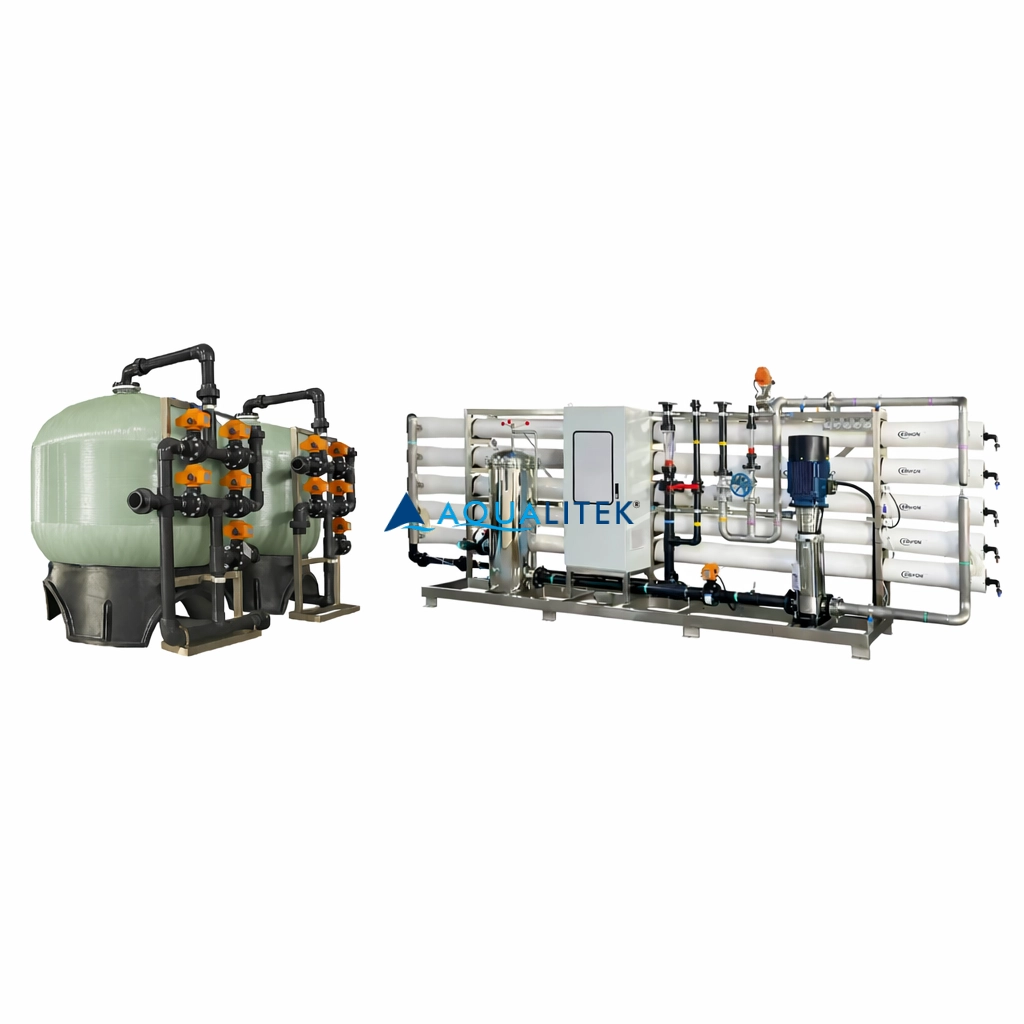
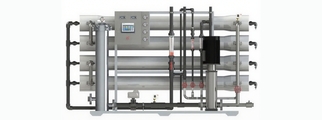
30TPH Industrial Reverse Osmosis (RO) System designed for industrial and municipal water treatment. High salt rejection, energy-efficient design, PLC control, and customizable configuration.
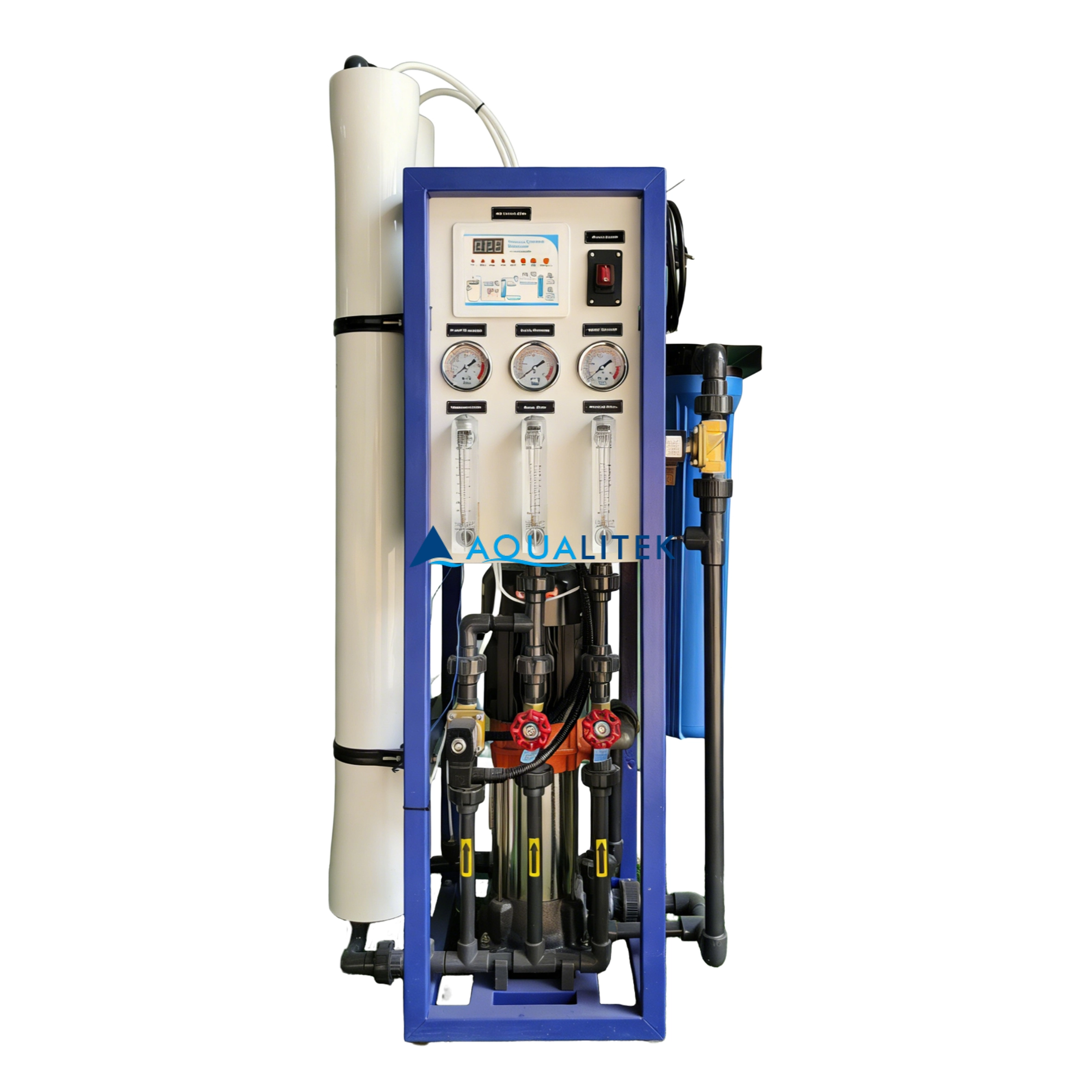
AQUALITEK's 500LPH Panel Mounted Reverse Osmosis Water Purification System delivers reliable 500 LPH RO water production. This compact industrial reverse osmosis unit is ideal for small scale industrial RO needs, ensuring efficient and high-quality purified water in a space-saving design.
© 2026 AQUALITEK. All rights reserved.
AQUALITEK- Aimee Hoo
AQUALITEK - Aimee Hoo