




Best Guide: How Should Spare New RO Membranes Be Stored and Handled?| Insights by AQUALITEK
Proper storage and handling of spare RO membranes are critical to maintaining performance, ensuring long-term reliability, and preventing irreversible damage. This guide explains recommended storage conditions, precautions, common mistakes, and best practices for inventory management.
- 1. Why Proper RO Membrane Storage Matters
- 2. Keep Membranes in Original Packaging
- 3. Ideal Storage Environment
- (1) Temperature
- (2) Humidity
- (3) Sunlight
- (4) Shelf Life
- 4. Storage Orientation: Horizontal or Vertical?
- 5. Handling Precautions
- (1) Avoid impacts and deformation
- (2) Do not expose to oxidants
- (3) Transport carefully
- 6. Precautions for Long-Term Storage (>1 year)
- 7. Before Installation: What to Check
- 8. Common Mistakes to Avoid
- 9. Best Practices Summary
1. Why Proper RO Membrane Storage Matters
RO membranes are precision-engineered materials containing delicate polyamide layers. Even unused membranes can degrade if exposed to heat, sunlight, dryness, or microbial growth. Incorrect storage may result in:
•Reduced salt rejection
•Lower water production
•Difficulties during system startup
•Shortened service life
•Increased OPEX due to premature replacements
Therefore, correct storage is a foundational step in RO system asset management.
2. Keep Membranes in Original Packaging
All new RO membranes come sealed in vacuum-packed, preservative-filled bags. Never open the packaging early unless the membrane is ready for installation.
Inside the packaging:
•The moisture level is controlled
•A preservative (usually sodium metabisulfite) prevents microbial growth
•The membrane remains protected from dust and mechanical damage
Opening the bag prematurely exposes the membrane to contamination and desiccation.
3. Ideal Storage Environment
(1) Temperature
•Recommended: 5–35°C
•Avoid:
High temperatures (>35°C): May oxidize the polyamide layer, weaken bonding, or cause warping.
Freezing (<0°C): Preservative solution may crystallize and damage the membrane.
(2) Humidity
•Store in a dry, ventilated room, away from sources of moisture.
•Membranes must not be stored directly on the ground to prevent condensation damage.
(3) Sunlight
•Keep away from direct sunlight or UV exposure, which can degrade the membrane material.
(4) Shelf Life
•Typical shelf life: 1–2 years (depending on brand)
•If stored properly, many membranes remain usable for longer, but always follow the manufacturer’s guidelines.
4. Storage Orientation: Horizontal or Vertical?
Manufacturers recommend storing sealed membranes:
•Horizontally to prevent preservative pooling at one end
•Avoid vertical stacking that may deform the outer shell
If space is limited:
•Vertical storage is acceptable only when the membrane is still sealed and placed on a stable surface.
5. Handling Precautions
(1) Avoid impacts and deformation
RO membrane shells are durable but not impact-proof. Dropping or bending can cause:
•Internal feed spacer distortion
•End-cap leakage
•Channeling and performance loss
(2) Do not expose to oxidants
RO membranes are extremely sensitive to oxidants like chlorine or ozone.
During storage:
•Ensure no chemical fumes or disinfectants are kept nearby.
(3) Transport carefully
During movement:
•Use both hands, hold from both ends
•Avoid rolling on the floor
•Keep away from sharp or hot objects
6. Precautions for Long-Term Storage (>1 year)
For membranes stored beyond one year, follow these best practices:
•Inspect packaging condition every 3–6 months
•Check for:
Vacuum seal integrity
Preservative leakage
Bag discoloration
If any issues are found, replace or re-preserve the membrane according to manufacturer instructions.
7. Before Installation: What to Check
When ready to install, inspect the membrane carefully:
•Packaging intact?
•No mold, odor, or discoloration?
•Preservative solution still moist?
•No cracks on the outer shell or O-rings?
If abnormalities are found, do not install—contact the supplier immediately.
8. Common Mistakes to Avoid
•Opening the packaging too early
•Storing in hot warehouse environments
•Leaving membranes in direct sunlight
•Resting membranes directly on concrete floors
•Storing near chemicals or disinfection agents
•Forgetting to rotate inventory (first in, first out)
These mistakes significantly increase the risk of membrane failure during operation.
9. Best Practices Summary
To preserve membrane quality:
•Store in original packaging
•Keep temperature at 5–35°C
•Avoid freezing and heat
•Prevent sunlight exposure
•Avoid impacts and chemical vapors
•Conduct periodic inspections
•Practice FIFO inventory management
Proper storage ensures optimum performance and extends membrane lifespan.




Request More Information or Expert Advice
Share a few details, and we’ll provide deeper insights, tailored suggestions, or product support.
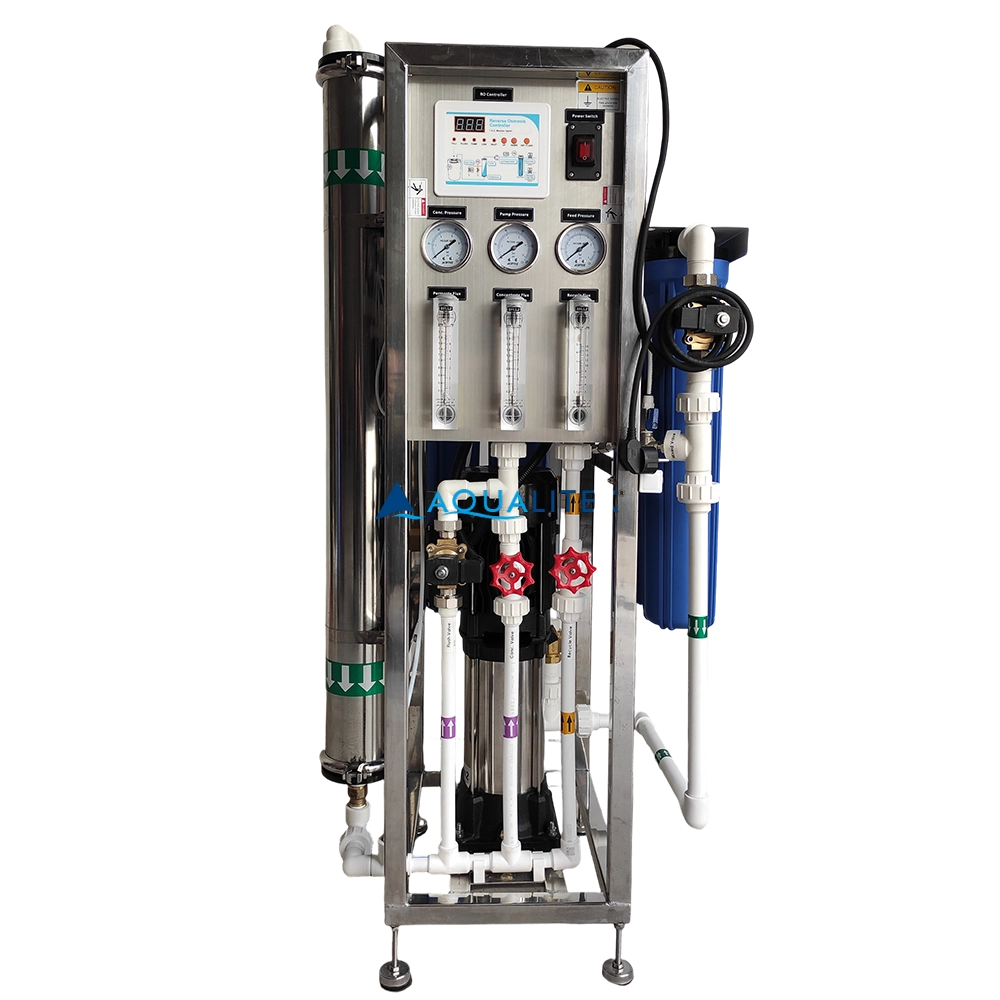
Our 500 LPH Reverse Osmosis (RO) System is engineered to provide high-quality purified water for commercial applications. Designed with advanced RO technology, durable components, and a user-friendly interface, this system ensures consistent performance, low maintenance, and long-term reliability.
With its compact design and robust skid-mounted frame, it’s an excellent choice for businesses that demand efficiency and quality in water purification.
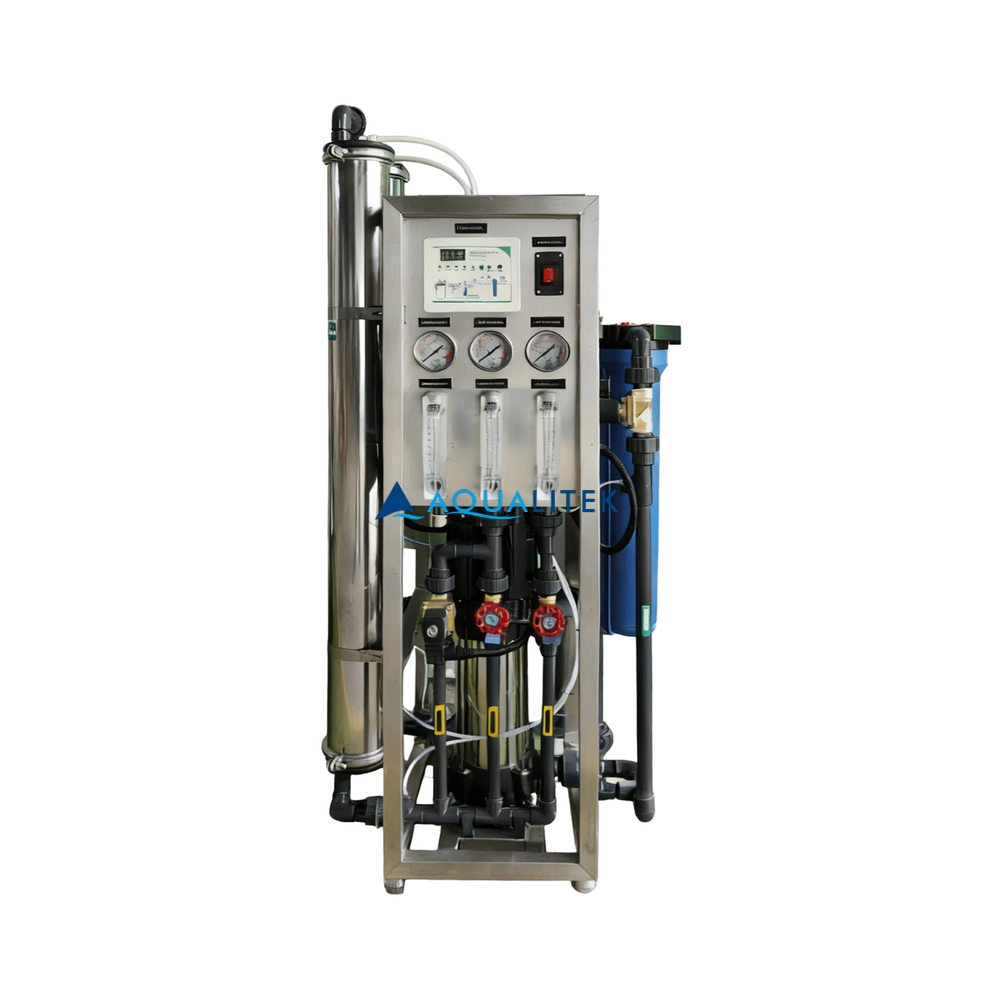
TWV series Reverse Osmosis (RO) systems are pre-engineered and pre-assembled units with 2.5”/4” membrane housings(single element type)for tap water(lower TDS).They are designed for overall superior performance, high recovery rates and offer great savings with low maintenance and operation costs.
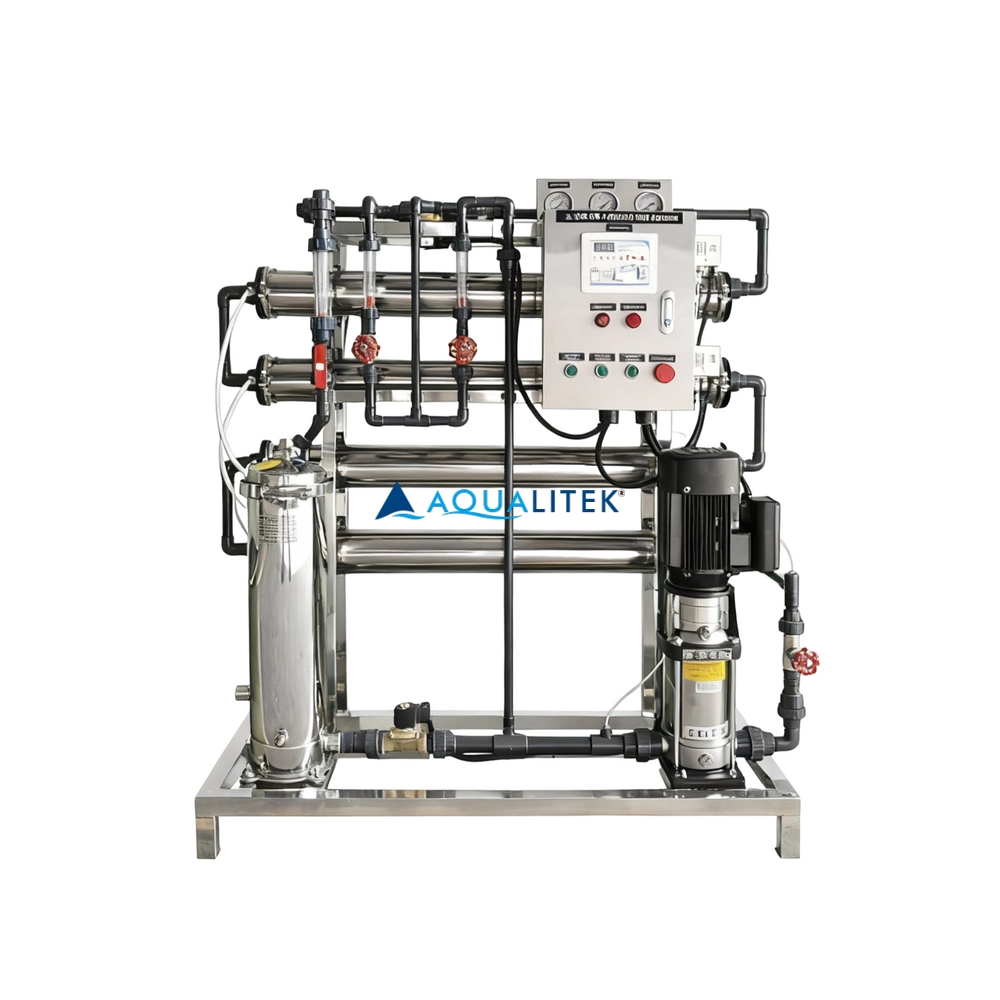
TWF series Reverse Osmosis (RO) systems are pre-engineered and pre-assembled units with 4” membrane housings(multiple elements type) for tap water(lower TDS) .The medium large volumes can help meet your a variety of commercial and industrial applications. They are designed for overall superior performance, high recovery rates and offer great savings with low maintenance and operation costs.

TWE series Reverse Osmosis (RO) systems are pre-engineered and pre-assembled units with 8” membrane housings for tap water (lower TDS). The large volumes can help meet your a variety of industrial applications. They are designed for overall superior performance, high recovery rates and offer great savings with low maintenance and operation costs.
© 2026 AQUALITEK. All rights reserved.
AQUALITEK- Aimee Hoo
AQUALITEK - Aimee Hoo