



Best Practical Ways to Verify the Accuracy of Product and Concentrate Flow Meters in RO Systems| Insights by AQUALITEK
Inaccurate flow meter readings can lead to incorrect recovery calculations, membrane damage, and inefficient RO operation. This Best-practice guide explains simple, fast, and reliable methods to verify whether product water and concentrate flow meters are reading accurately—without specialized calibration equipment.
- Why Flow Meter Accuracy Matters in RO Systems
- 1. Mass Balance Check (Recovery Cross-Verification) – The Easiest Method
- 2. Recovery Rate Reasonableness Check
- 3. Time-and-Volume (Bucket) Test – Most Direct Method
- 4. Trend Comparison with Historical Data
- 5. Pressure–Flow Relationship Check
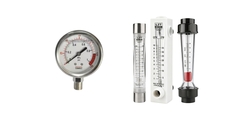
- 6. Visual Inspection (Especially for Rotameters)
- 7. Compare with Conductivity and Salt Rejection
- Conclusion
Why Flow Meter Accuracy Matters in RO Systems
In an RO system, permeate (product) flow rate and concentrate flow rate are core operating parameters used to calculate:
•System recovery rate
•Membrane loading
•Differential pressure trends
•Energy efficiency
•Scaling and fouling risk
If either flow meter is inaccurate, operators may unknowingly operate the system outside its design limits.
1. Mass Balance Check (Recovery Cross-Verification) – The Easiest Method
Principle
In steady-state operation:
Feed flow ≈ Product flow + Concentrate flow
How to Do It
•Record:
Feed flow rate
Product flow meter reading
Concentrate flow meter reading
•Compare:
Feed flow vs. (Product + Concentrate)
How to Judge
•Error ≤ 5% → Flow meters likely accurate
•Error 5–10% → Possible drift or fouling
•Error > 10% → Flow meter malfunction or blockage
✅ This method requires no tools and is ideal for daily checks.
2. Recovery Rate Reasonableness Check
Formula
Recovery (%) = Product Flow ÷ Feed Flow × 100
What to Look For
•Compare calculated recovery with design recovery
•Typical industrial RO recovery: 60–75%
•Sudden deviations often indicate flow meter errors
Example
•Design recovery: 70%
•Actual calculated recovery: 82%
⚠️ This is a strong sign that one or both flow meters are inaccurate.
3. Time-and-Volume (Bucket) Test – Most Direct Method
Best For
•Small to medium RO systems
•Commissioning or troubleshooting
Procedure
1.Divert product or concentrate to a calibrated tank
2.Measure collected volume over a fixed time
3.Calculate actual flow rate
Comparison
•Measured flow vs. flow meter reading
•Acceptable deviation: ±5%
✅ This is the most reliable field method for permeate flow meters.
4. Trend Comparison with Historical Data
Flow meters usually drift slowly, not suddenly.
Warning Signs
•Gradual flow increase with unchanged pressure
•Sudden flow drop without fouling indicators
•Flow readings inconsistent with conductivity or pressure trends
Inconsistent trends often point to:
•Sensor scaling
•Internal blockage
•Mechanical wear (rotameters)
5. Pressure–Flow Relationship Check
Normal Behavior
•Higher pressure → higher permeate flow
•Lower pressure → lower permeate flow
Abnormal Behavior
•Pressure increases but flow does not change
•Flow changes without pressure variation
This often indicates a faulty flow meter rather than membrane issues.
6. Visual Inspection (Especially for Rotameters)
What to Check
•Float sticking or slow movement
•Scaling or biofilm inside the tube
•Air bubbles trapped in the meter
Even minor fouling can cause significant reading errors.
7. Compare with Conductivity and Salt Rejection
High permeate flow with:
•Normal pressure
•Unchanged conductivity
Often suggests over-reporting by the flow meter, not improved membrane performance.
Common Causes of Flow Meter Inaccuracy
|
Cause |
Impact |
|
Scaling or fouling |
Under-reading |
|
Biofilm growth |
Erratic readings |
|
Air entrainment |
Over-reading |
|
Mechanical wear |
Drift |
|
Wrong installation direction |
Permanent error |
When Professional Calibration Is Needed
•Error exceeds 10%
•Flow data affects billing or compliance
•After membrane replacement or system retrofit
•During performance acceptance testing
Best Practice Summary
✔ Use mass balance checks for daily verification
✔ Perform bucket tests periodically
✔ Compare flow trends with pressure and conductivity
✔ Clean flow meters during CIP
✔ Never adjust recovery based on unverified flow readings
Conclusion
The easiest and most effective way to verify the accuracy of RO product and concentrate flow meters is cross-checking flow balance and recovery. Combined with occasional time-volume testing and trend analysis, operators can confidently detect flow meter errors before they impact system safety or membrane life.


Request More Information or Expert Advice
Share a few details, and we’ll provide deeper insights, tailored suggestions, or product support.
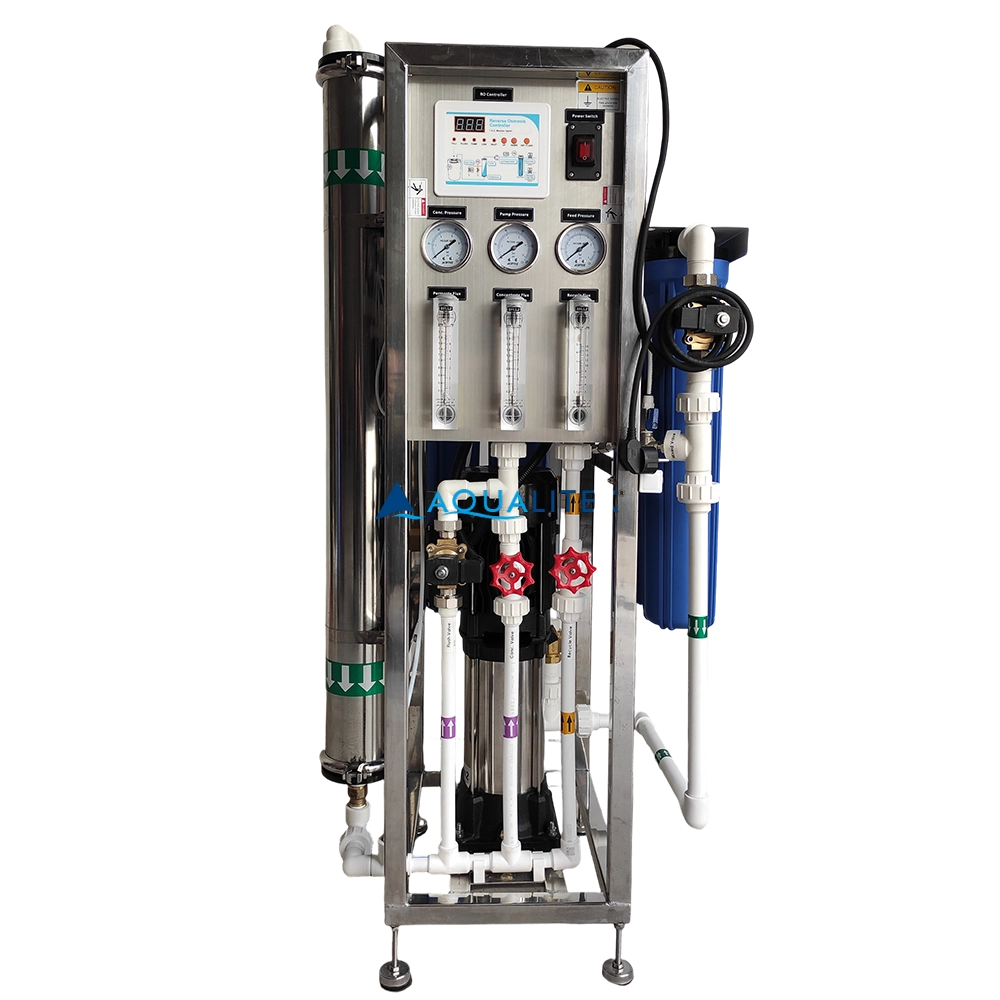
Our 500 LPH Reverse Osmosis (RO) System is engineered to provide high-quality purified water for commercial applications. Designed with advanced RO technology, durable components, and a user-friendly interface, this system ensures consistent performance, low maintenance, and long-term reliability.
With its compact design and robust skid-mounted frame, it’s an excellent choice for businesses that demand efficiency and quality in water purification.
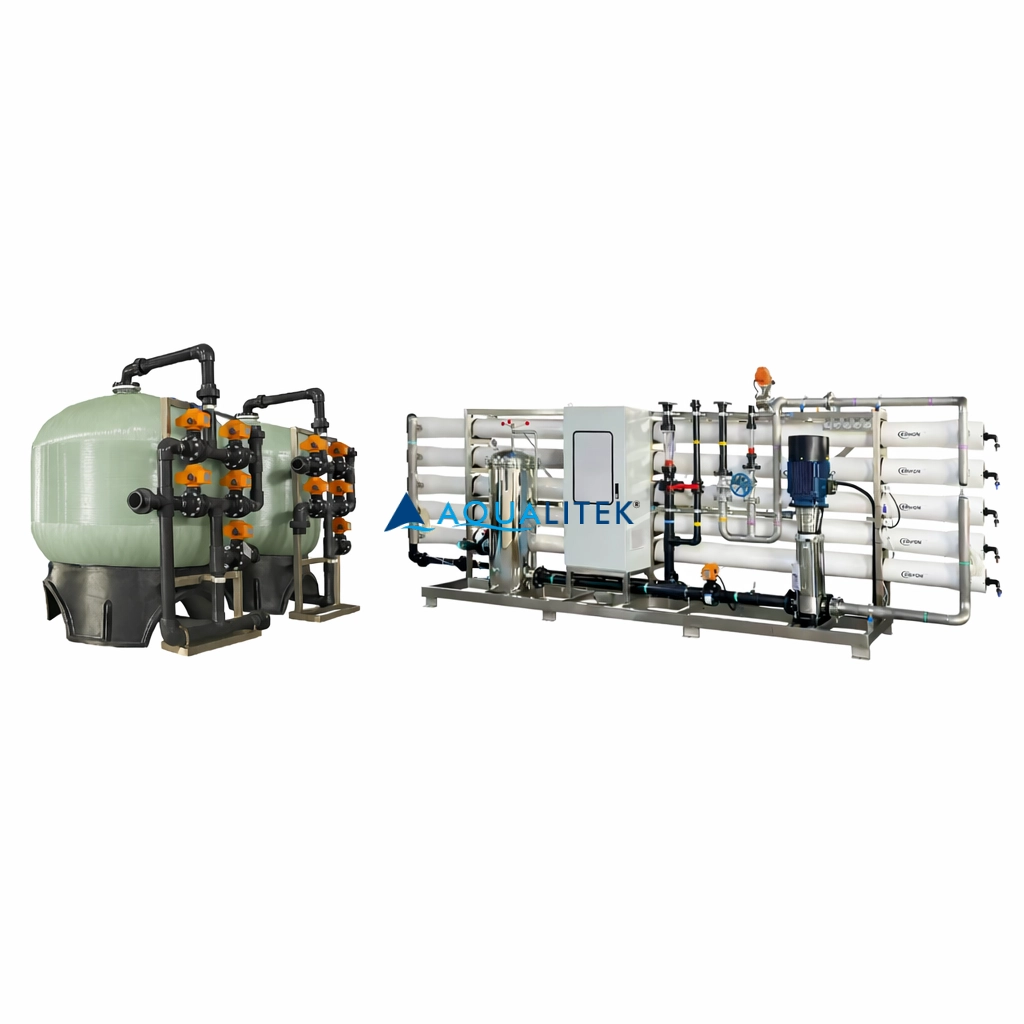
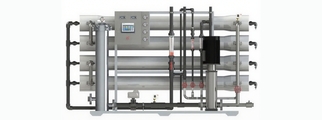
30TPH Industrial Reverse Osmosis (RO) System designed for industrial and municipal water treatment. High salt rejection, energy-efficient design, PLC control, and customizable configuration.
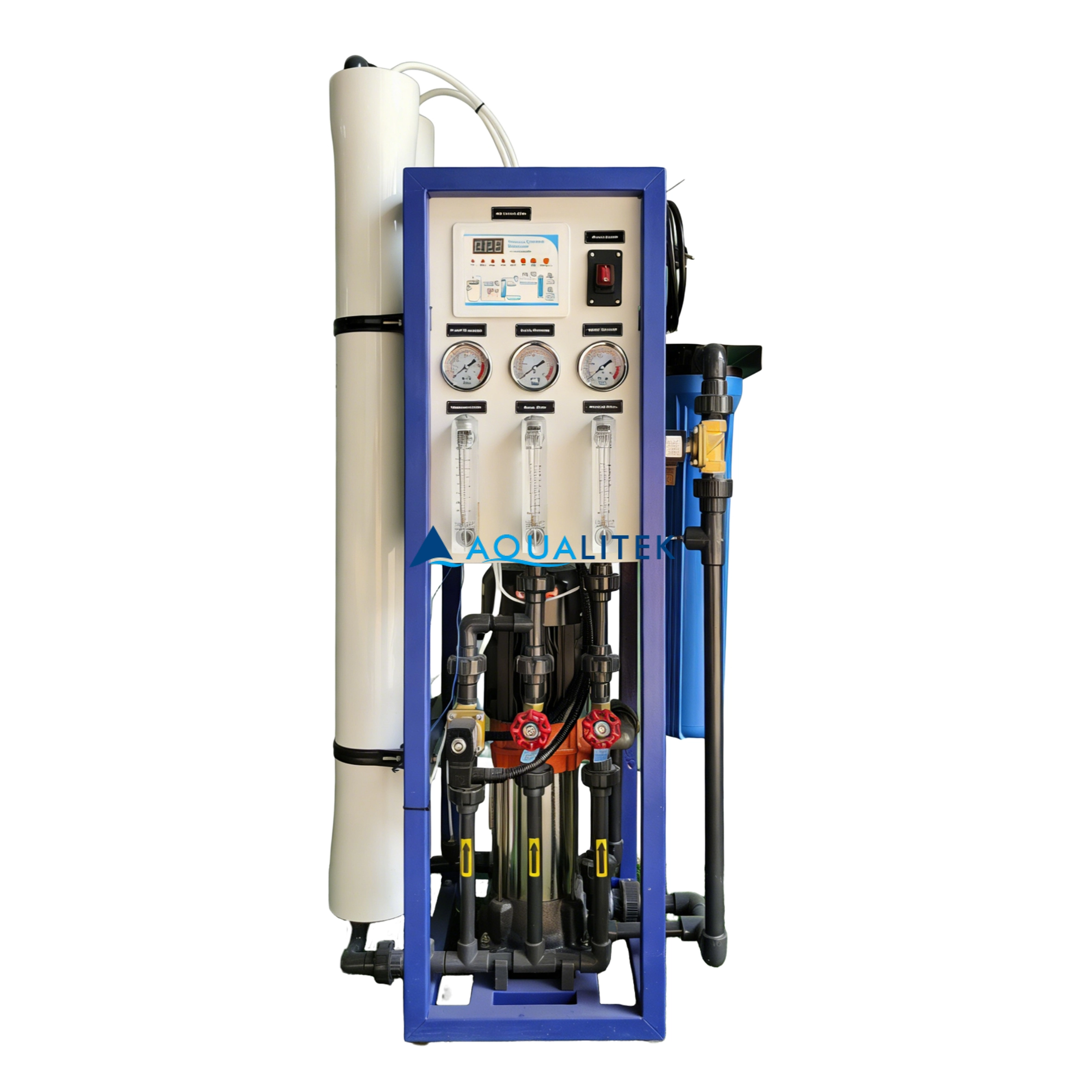
AQUALITEK's 500LPH Panel Mounted Reverse Osmosis Water Purification System delivers reliable 500 LPH RO water production. This compact industrial reverse osmosis unit is ideal for small scale industrial RO needs, ensuring efficient and high-quality purified water in a space-saving design.
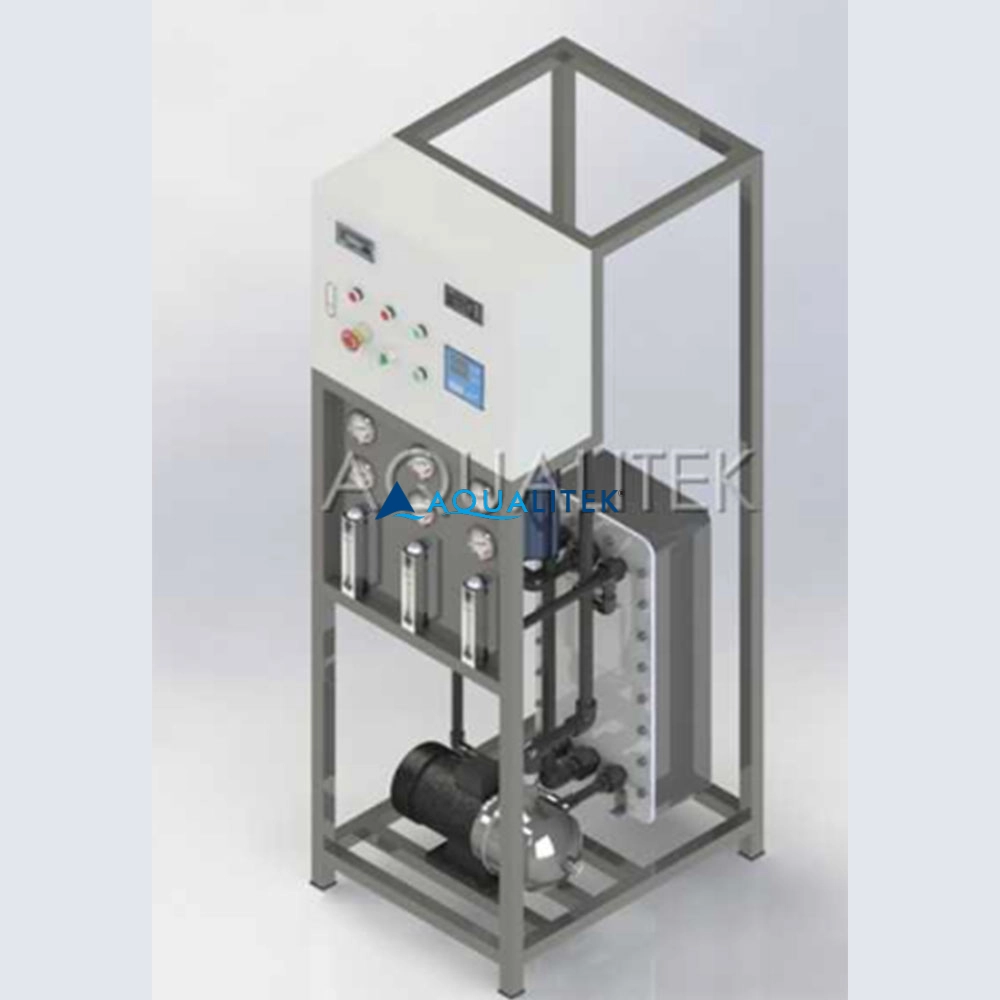
Electrodeionization (EDI) system is an advanced water purification technology that combines ion exchange and electrochemical processes to produce ultra-pure water. Unlike traditional deionization methods, which rely on chemical regeneration, EDI utilizes electric fields to drive the movement of ions through ion-exchange membranes, effectively removing dissolved salts and other ionic contaminants.
This process is continuous and does not require the use of chemicals for regeneration, making it an environmentally friendly and cost-effective solution for producing high-quality deionized water. EDI systems are widely used in applications requiring ultrapure water, such as in the pharmaceutical, semiconductor, power generation, and biotechnology industries, as well as for laboratory use.
By offering high-purity water without the need for chemical regeneration, EDI systems provide a sustainable, efficient, and reliable alternative to traditional deionization methods, making them an ideal choice for industries where water quality and process control are critical.
© 2026 AQUALITEK. All rights reserved.
AQUALITEK- Aimee Hoo
AQUALITEK - Aimee Hoo