




What materials are best for RO pressure vessels and piping?
- Understanding Reverse Osmosis Systems: Troubleshooting and Material Selection
- 1. What Are Common Issues in Reverse Osmosis Systems?
- 2. How Can I Troubleshoot My Reverse Osmosis System?
- 3. What Materials Are Best for RO Pressure Vessels and Piping?
- 4. How Can I Prevent Common Reverse Osmosis System Problems?
- 5. When Should I Seek Professional Assistance for My RO System?
- 6. How Can I Extend the Lifespan of My Reverse Osmosis System?
- 7. What Are the Benefits of Choosing AQUALITEK for My RO System Needs?
Understanding Reverse Osmosis Systems: Troubleshooting and Material Selection
Reverse osmosis (RO) systems are vital for purifying water by removing contaminants through a semi-permeable membrane. However, like all systems, they can encounter issues that affect performance. Additionally, selecting appropriate materials for pressure vessels and piping is crucial for system longevity and efficiency. This guide addresses common problems, offers troubleshooting tips, and discusses optimal materials for RO system components.
1. What Are Common Issues in Reverse Osmosis Systems?
a. Low Water Flow Rate
A decrease in water flow can result from several factors:
Clogged Filters or Fouled Membranes: Over time, filters and membranes can become clogged with contaminants, reducing flow. Regular replacement is essential to maintain optimal performance.
Bent Tubing: Physical obstructions or kinks in the tubing can restrict water flow. Inspect and straighten any bent lines to restore proper flow.
b. Water Leaks
Leaks can occur due to:
Loose Fittings: Ensure all connections are tightened properly to prevent leaks.
Damaged O-Rings: Worn or damaged O-rings can lead to leaks; replacing them can resolve the issue.
c. Unpleasant Taste or Odor
If the purified water has an off-taste or odor, consider the following:
Degraded Membrane: A compromised membrane can allow contaminants to pass through, affecting water quality. Regular membrane replacement is recommended.
Stagnant Water: Water left unused in the system can develop bacterial growth, leading to unpleasant tastes. Flushing the system before use can mitigate this.
2. How Can I Troubleshoot My Reverse Osmosis System?
To address common RO system issues:
Regular Maintenance: Periodically replace filters and membranes as per manufacturer guidelines to ensure optimal performance.
Check Water Pressure: Ensure the system operates within the recommended pressure range to maintain efficiency.
Inspect for Leaks: Regularly examine all components for signs of leaks and address them promptly to prevent further damage.
3. What Materials Are Best for RO Pressure Vessels and Piping?
Selecting appropriate materials for RO system components is crucial for durability and performance:
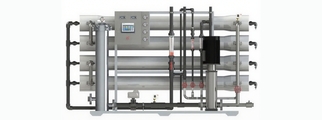
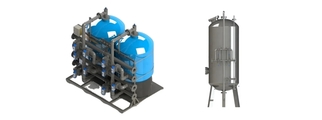
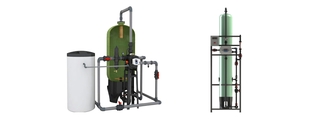
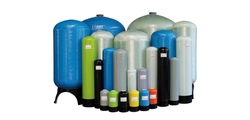
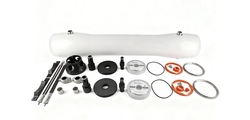
Pressure Vessels: Materials like fiberglass-reinforced epoxy and stainless steel are commonly used due to their strength and resistance to corrosion.
Piping: Materials such as PVC, CPVC, and PEX are suitable for RO systems, offering resistance to corrosion and ease of installation.
4. How Can I Prevent Common Reverse Osmosis System Problems?
Preventative measures include:
Regular Maintenance: Follow a consistent schedule for replacing filters and membranes to prevent clogging and degradation.
Monitor Water Quality: Regularly test water for contaminants to ensure the system is effectively removing impurities.
Proper Installation: Ensure all components are installed correctly to prevent issues like leaks and reduced efficiency.
5. When Should I Seek Professional Assistance for My RO System?
If issues persist after performing basic troubleshooting steps, it's advisable to consult a professional:
Persistent Leaks: If leaks continue despite tightening fittings and replacing O-rings, professional assessment is recommended.
Continuous Low Flow: If water flow remains low after replacing filters and membranes, a technician can diagnose underlying issues.
Unresolved Water Quality Issues: If water taste or odor problems persist, professional evaluation can identify and address the cause.
6. How Can I Extend the Lifespan of My Reverse Osmosis System?
To maximize the longevity of your RO system:
Regular Cleaning: Periodically clean and sanitize the system, including the storage tank, to prevent bacterial growth and maintain water quality.
Monitor System Performance: Keep an eye on water flow rates and pressure to detect early signs of issues.
Use Quality Components: Invest in high-quality filters, membranes, and materials to ensure durability and efficiency.
7. What Are the Benefits of Choosing AQUALITEK for My RO System Needs?
AQUALITEK offers several advantages for your RO system requirements:
Expertise: With years of experience in water treatment solutions, AQUALITEK provides reliable and effective systems tailored to your needs.
Quality Materials: AQUALITEK utilizes high-quality materials in their RO systems, ensuring durability and optimal performance.
Comprehensive Support: From installation to maintenance, AQUALITEK offers comprehensive support to ensure your system operates efficiently over time.
Customer Satisfaction: AQUALITEK is committed to customer satisfaction, providing prompt and professional service to address any concerns.
By choosing AQUALITEK, you invest in a high-quality, reliable, and efficient reverse osmosis system that meets your water purification needs.
References:
(https://sustainabilitymattersdaily.com/common-reverse-osmosis-systems-problems/)
(https://watertreatmentuae.com/10-common-reverse-osmosis-problems-solutions/)
(https://purewaterblog.com/reverse-osmosis-troubleshooting-guide-10-common-problems/)
(https://www.watertechusa.com/reverse-osmosis-troubleshooting)
(https://www.freshwatersystems.com/blogs/blog/troubleshooting-for-reverse-osmosis-systems)
(https://www.ampac1.com/blog/reverse-osmosis-system-troubleshooting/)
(https://www.best-osmosis-systems.com/troubleshooting-guide/)


Request More Information or Expert Advice
Share a few details, and we’ll provide deeper insights, tailored suggestions, or product support.
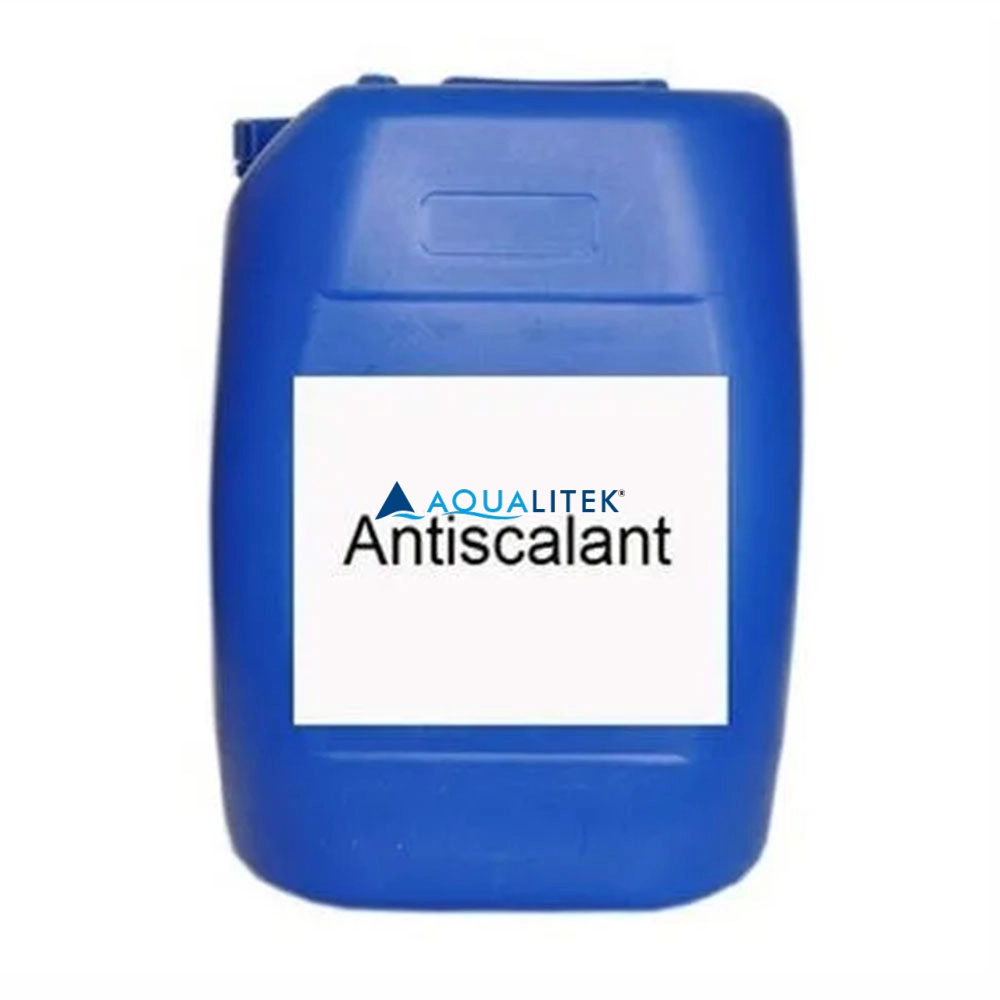
Anti-Scalant is a specialized water treatment chemical designed to prevent the formation of scale in reverse osmosis (RO) systems. Scaling is a common issue in RO systems, where minerals like calcium, magnesium, and silica precipitate and form hard deposits on the membrane surface. These deposits can clog the membranes, reduce water production efficiency, and increase operational costs.
RO chemical anti-scalants work by inhibiting the crystallization of scale-forming minerals, effectively keeping them in solution and preventing them from adhering to the membrane. This ensures the longevity and optimal performance of the RO system.
Anti-scalants are essential in applications with hard water or high mineral content, such as in industrial, municipal, and desalination plants.
These chemicals are highly effective in preventing scaling caused by common minerals such as calcium carbonate, calcium sulfate, barium sulfate, and silica, helping to extend the lifespan of the membranes, reduce cleaning cycles, and enhance system efficiency.
By incorporating an RO chemical anti-scalant into your water treatment process, you can improve the reliability and overall performance of your reverse osmosis system, ensuring consistent, high-quality water output while minimizing maintenance costs.
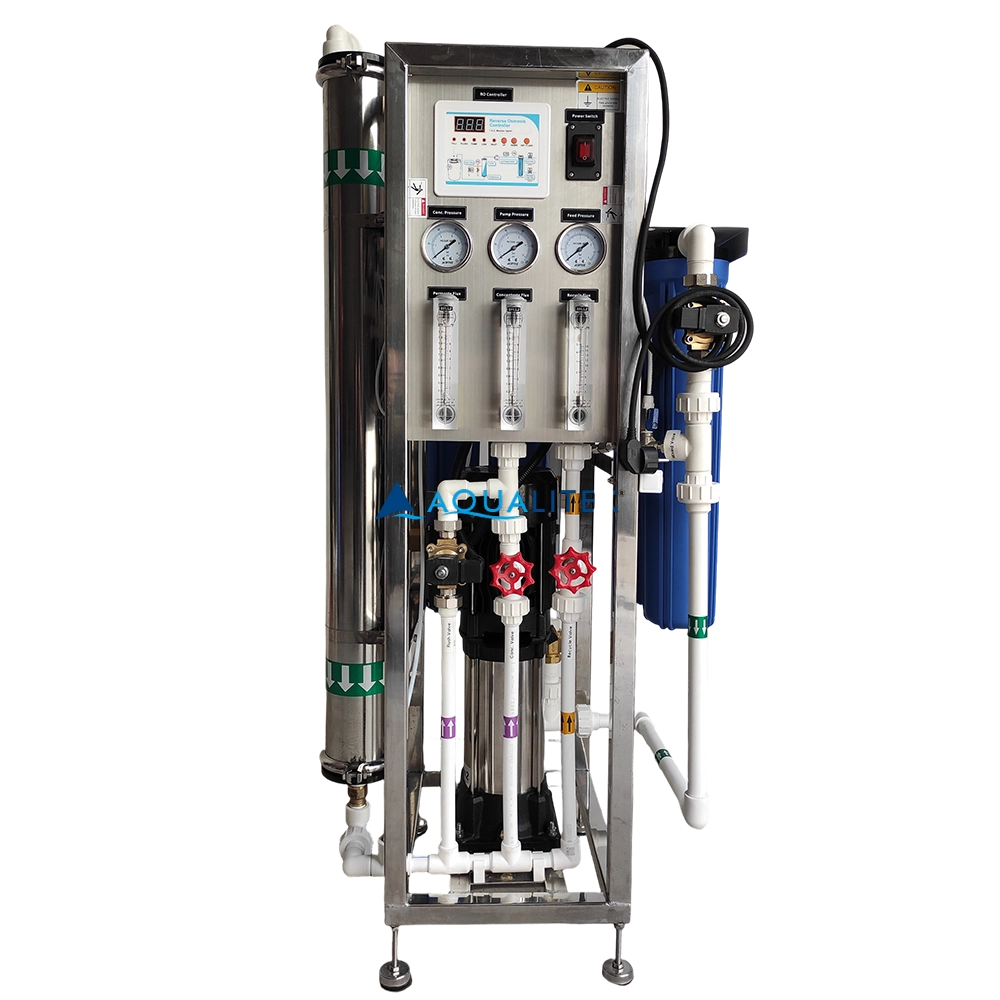
Our 500 LPH Reverse Osmosis (RO) System is engineered to provide high-quality purified water for commercial applications. Designed with advanced RO technology, durable components, and a user-friendly interface, this system ensures consistent performance, low maintenance, and long-term reliability.
With its compact design and robust skid-mounted frame, it’s an excellent choice for businesses that demand efficiency and quality in water purification.
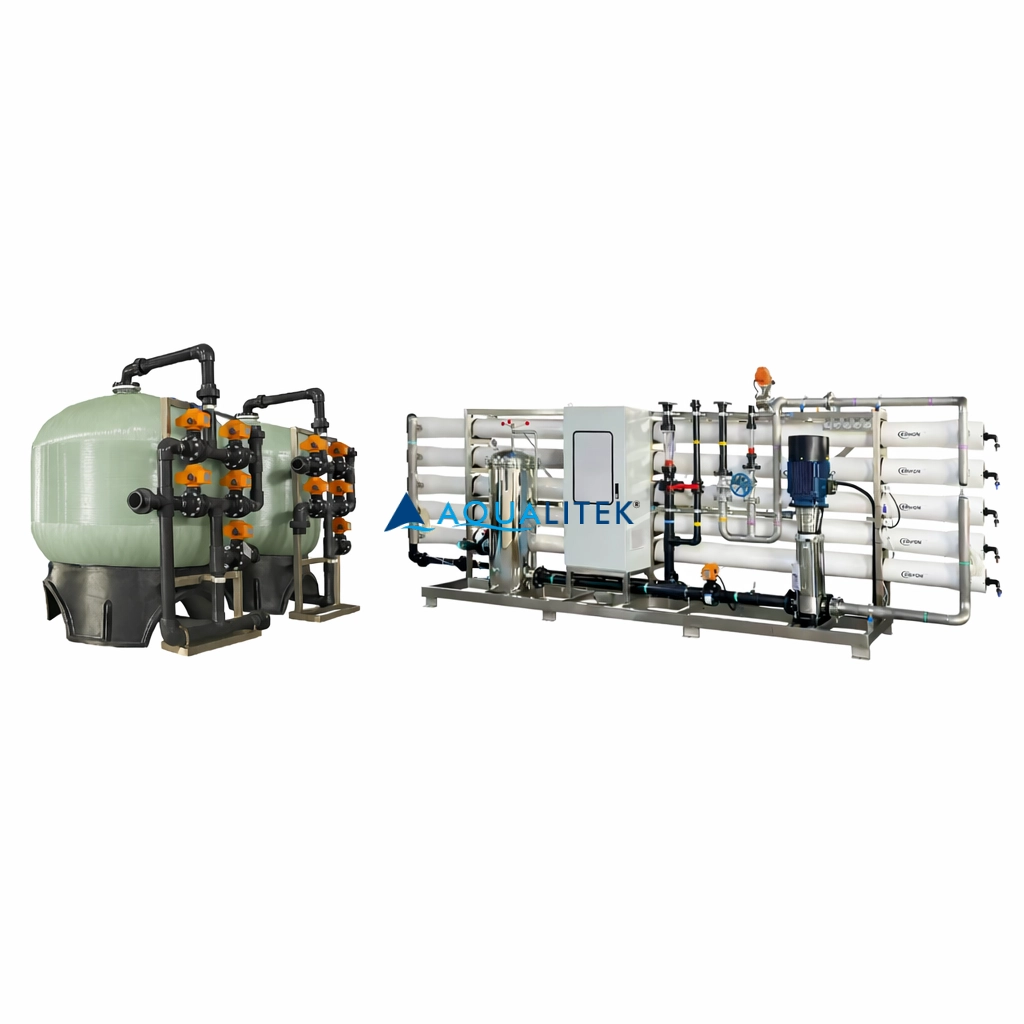
30TPH Industrial Reverse Osmosis (RO) System designed for industrial and municipal water treatment. High salt rejection, energy-efficient design, PLC control, and customizable configuration.
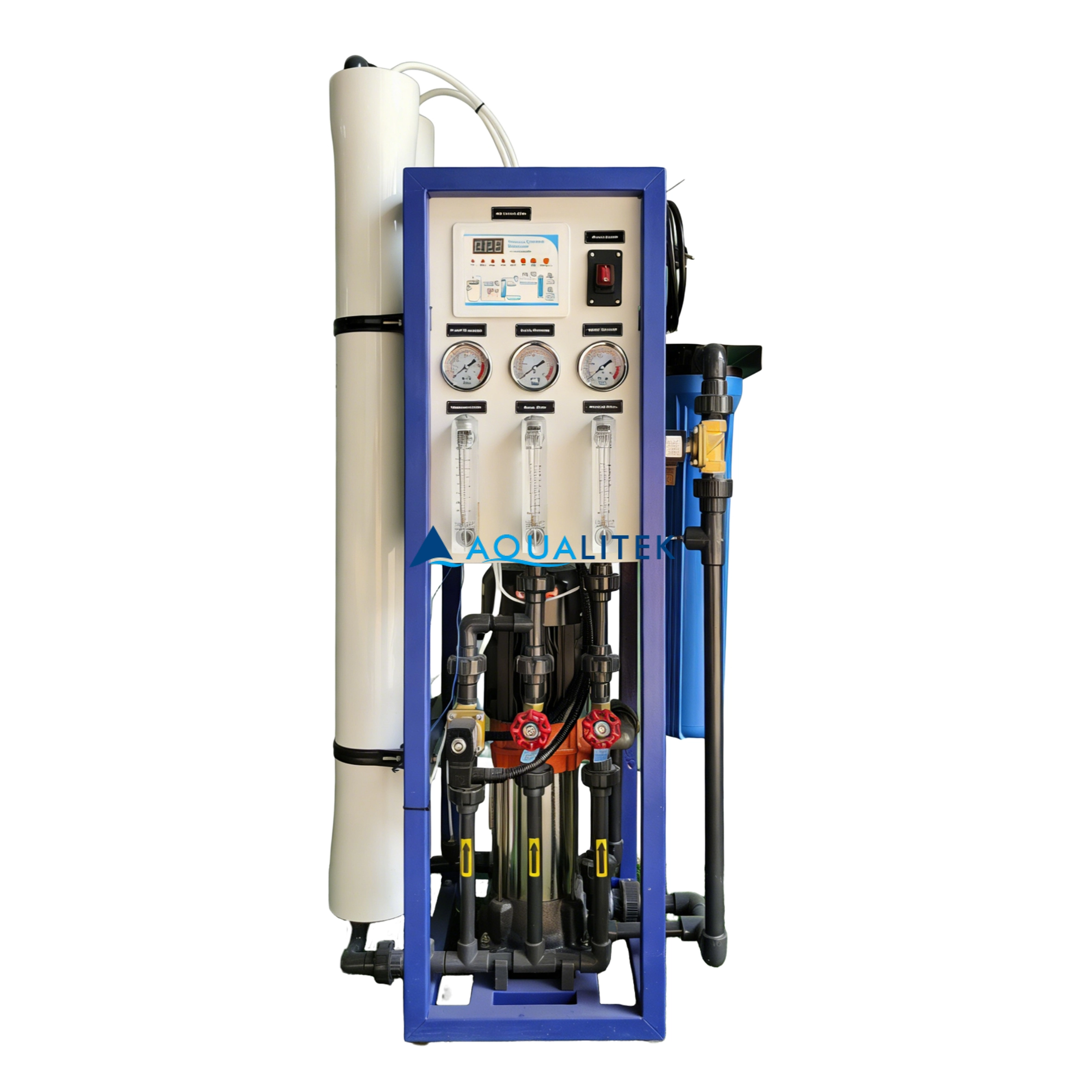
AQUALITEK's 500LPH Panel Mounted Reverse Osmosis Water Purification System delivers reliable 500 LPH RO water production. This compact industrial reverse osmosis unit is ideal for small scale industrial RO needs, ensuring efficient and high-quality purified water in a space-saving design.
© 2026 AQUALITEK. All rights reserved.
AQUALITEK- Aimee Hoo
AQUALITEK - Aimee Hoo