




How to size pumps for high-pressure RO applications?
- Understanding Reverse Osmosis Systems and High-Pressure Pump Selection
- 1. What Are the Common Challenges in Reverse Osmosis Systems?
- 2. How Do High-Pressure Pumps Impact RO System Performance?
- 3. What Are the Key Considerations When Selecting a High-Pressure Pump for RO Applications?
- 4. What Are the Different Types of High-Pressure Pumps Used in RO Systems?
- 5. How Do Centrifugal and Positive Displacement Pumps Compare in RO Applications?
- 6. What Are the Maintenance Requirements for High-Pressure Pumps in RO Systems?
- 7. How Does Pump Efficiency Affect the Overall Cost of an RO System?
- 8. What Are the Latest Technological Advancements in High-Pressure Pumps for RO Systems?
- Conclusion: AQUALITEK's Commitment to Excellence
Understanding Reverse Osmosis Systems and High-Pressure Pump Selection
Reverse osmosis (RO) systems are pivotal in water purification, effectively removing contaminants to produce clean water. A critical component of these systems is the high-pressure pump, which drives water through the RO membranes. Selecting the appropriate pump is vital for system efficiency, longevity, and cost-effectiveness. Below, we address common questions and provide expert guidance on RO systems and high-pressure pump selection.
1. What Are the Common Challenges in Reverse Osmosis Systems?
RO systems can encounter several issues:
Membrane Fouling: Accumulation of contaminants on membranes can reduce efficiency. Regular cleaning and pretreatment can mitigate this.
Pressure Fluctuations: Inconsistent pressure can affect water quality. Installing pressure regulators helps maintain stability.
Leakages: Over time, seals and gaskets may degrade, leading to leaks. Routine inspections and maintenance are essential.
Energy Consumption: High operational costs can arise from inefficient components. Opting for energy-efficient pumps and components can reduce expenses.
2. How Do High-Pressure Pumps Impact RO System Performance?
High-pressure pumps are central to RO systems, providing the necessary force to overcome osmotic pressure and drive water through membranes. Their performance directly influences:
Water Production Rate: Adequate pressure ensures optimal flow rates.
Energy Efficiency: Efficient pumps reduce operational costs.
Membrane Longevity: Consistent pressure minimizes stress on membranes, extending their service life.
3. What Are the Key Considerations When Selecting a High-Pressure Pump for RO Applications?
When choosing a high-pressure pump, consider:
Flow Rate Requirements: Match the pump's capacity with the system's water production needs.
Pressure Specifications: Ensure the pump can generate the required pressure to overcome osmotic resistance.
Pump Efficiency: Select pumps with high efficiency to minimize energy consumption.
Material Compatibility: Choose materials resistant to corrosion, especially for seawater applications.
Maintenance Needs: Opt for pumps with accessible components and low maintenance requirements.
4. What Are the Different Types of High-Pressure Pumps Used in RO Systems?
The primary types include:
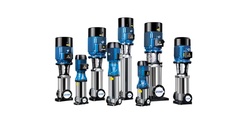
Centrifugal Pumps: Suitable for medium to high-pressure applications, offering continuous flow and lower maintenance costs. Ideal for brackish water RO systems.
Plunger (Positive Displacement) Pumps: Provide very high pressure, making them suitable for seawater desalination. They offer precise pressure control but may require additional components to manage pulsating flow.
5. How Do Centrifugal and Positive Displacement Pumps Compare in RO Applications?
Centrifugal Pumps:
- Advantages: Continuous and stable flow, low vibration, simple structure, and lower investment cost.
- Disadvantages: Efficiency decreases when operating off the design point; limited maximum pressure compared to plunger pumps.
Plunger Pumps:
- Advantages: Very high pressure output, high mechanical efficiency, and precise pressure control.
- Disadvantages: Pulsating flow requires dampeners; higher vibration and maintenance costs; potential lubrication issues in ultra-pure water applications.
6. What Are the Maintenance Requirements for High-Pressure Pumps in RO Systems?
Regular maintenance includes:
Routine Inspections: Check for leaks, wear, and corrosion.
Cleaning: Remove debris and scale buildup to maintain efficiency.
Lubrication: Ensure moving parts are adequately lubricated to prevent wear.
Component Replacement: Replace seals, gaskets, and other wear parts as needed.
System Calibration: Verify pressure and flow rates to ensure optimal performance.
7. How Does Pump Efficiency Affect the Overall Cost of an RO System?
High-efficiency pumps reduce energy consumption, leading to lower operational costs. They also minimize heat generation, reducing the need for cooling systems. Over time, the initial investment in an efficient pump is offset by savings in energy and maintenance.
8. What Are the Latest Technological Advancements in High-Pressure Pumps for RO Systems?
Recent advancements include:
Energy Recovery Devices (ERDs): Integrated systems that recover energy from the brine stream, improving overall system efficiency.
Variable Frequency Drives (VFDs): Allow pumps to adjust speed based on demand, optimizing energy use.
Advanced Materials: Use of corrosion-resistant materials like duplex stainless steel enhances pump durability.
Conclusion: AQUALITEK's Commitment to Excellence
AQUALITEK stands out in the water treatment industry by offering high-quality, energy-efficient high-pressure pumps tailored for RO systems. Our products are designed for durability, ease of maintenance, and optimal performance, ensuring reliable and cost-effective water purification solutions for our clients.
For a visual guide on troubleshooting common RO system issues, you might find the following video helpful:


Request More Information or Expert Advice
Share a few details, and we’ll provide deeper insights, tailored suggestions, or product support.
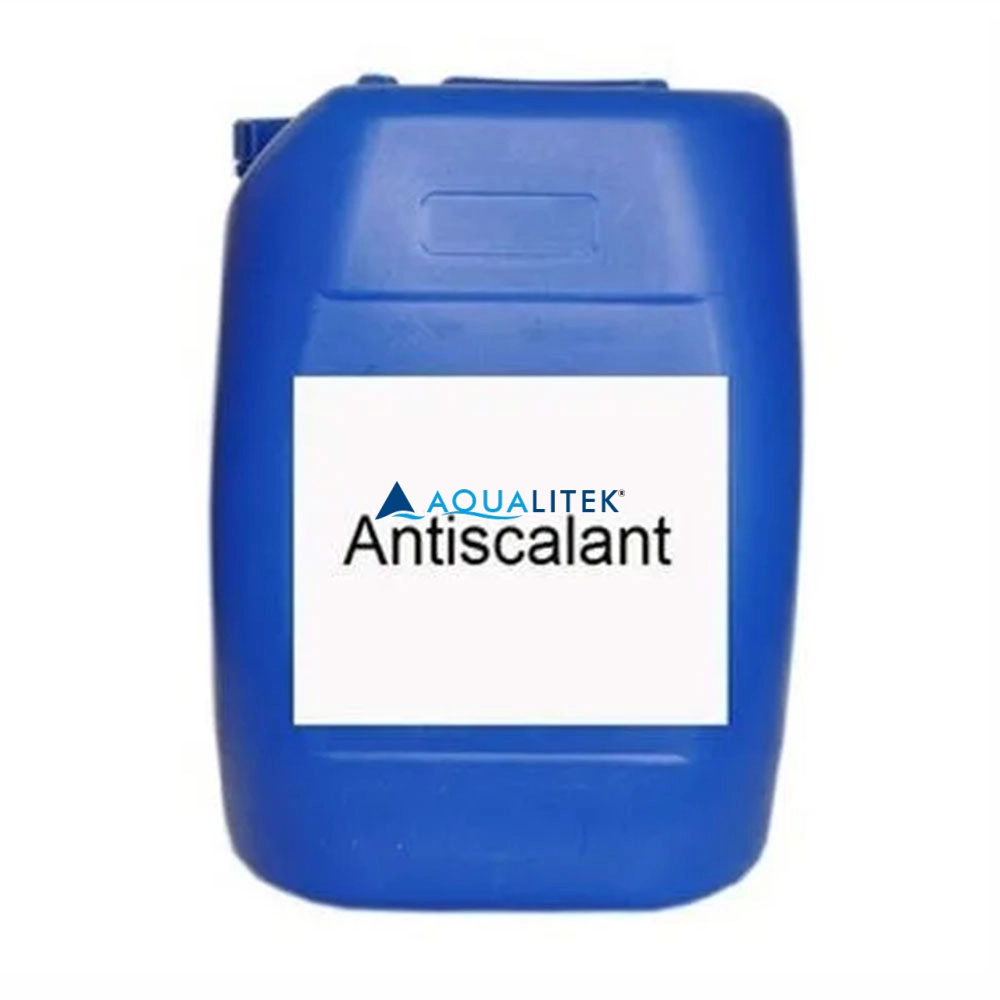
Anti-Scalant is a specialized water treatment chemical designed to prevent the formation of scale in reverse osmosis (RO) systems. Scaling is a common issue in RO systems, where minerals like calcium, magnesium, and silica precipitate and form hard deposits on the membrane surface. These deposits can clog the membranes, reduce water production efficiency, and increase operational costs.
RO chemical anti-scalants work by inhibiting the crystallization of scale-forming minerals, effectively keeping them in solution and preventing them from adhering to the membrane. This ensures the longevity and optimal performance of the RO system.
Anti-scalants are essential in applications with hard water or high mineral content, such as in industrial, municipal, and desalination plants.
These chemicals are highly effective in preventing scaling caused by common minerals such as calcium carbonate, calcium sulfate, barium sulfate, and silica, helping to extend the lifespan of the membranes, reduce cleaning cycles, and enhance system efficiency.
By incorporating an RO chemical anti-scalant into your water treatment process, you can improve the reliability and overall performance of your reverse osmosis system, ensuring consistent, high-quality water output while minimizing maintenance costs.
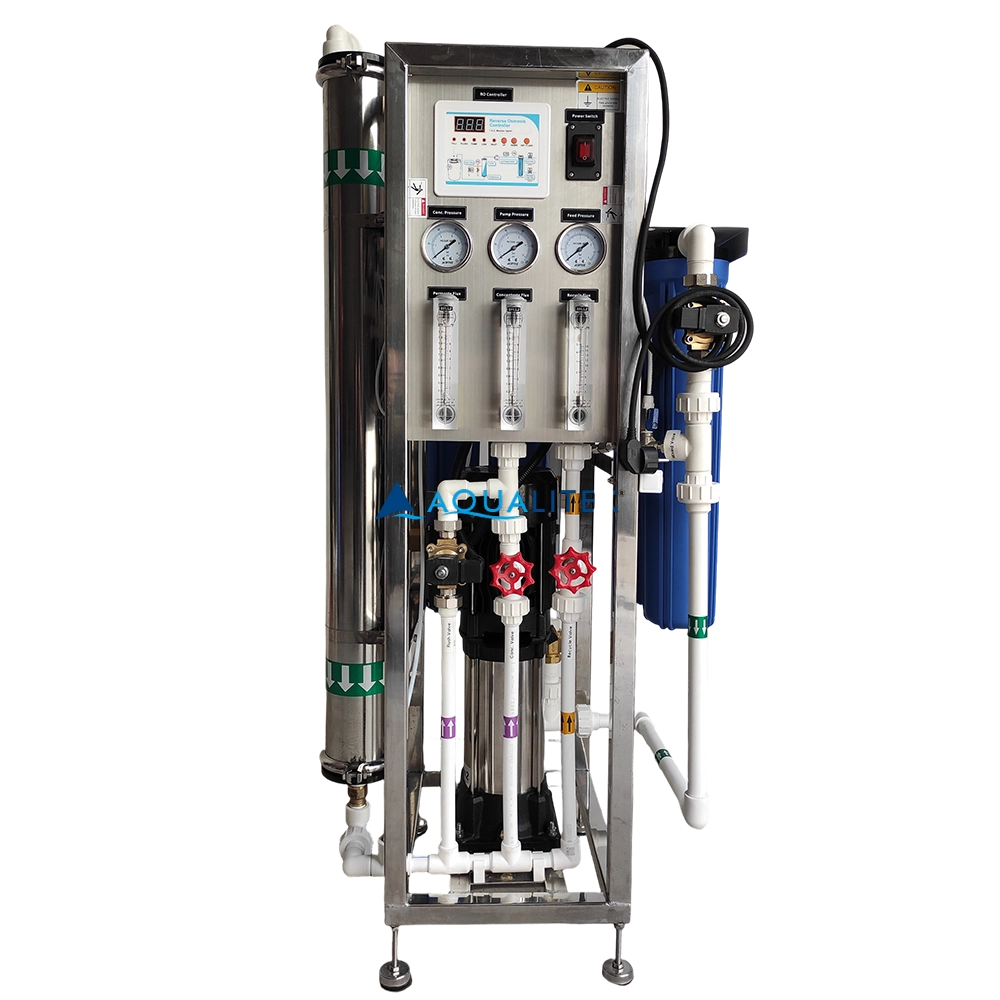
Our 500 LPH Reverse Osmosis (RO) System is engineered to provide high-quality purified water for commercial applications. Designed with advanced RO technology, durable components, and a user-friendly interface, this system ensures consistent performance, low maintenance, and long-term reliability.
With its compact design and robust skid-mounted frame, it’s an excellent choice for businesses that demand efficiency and quality in water purification.
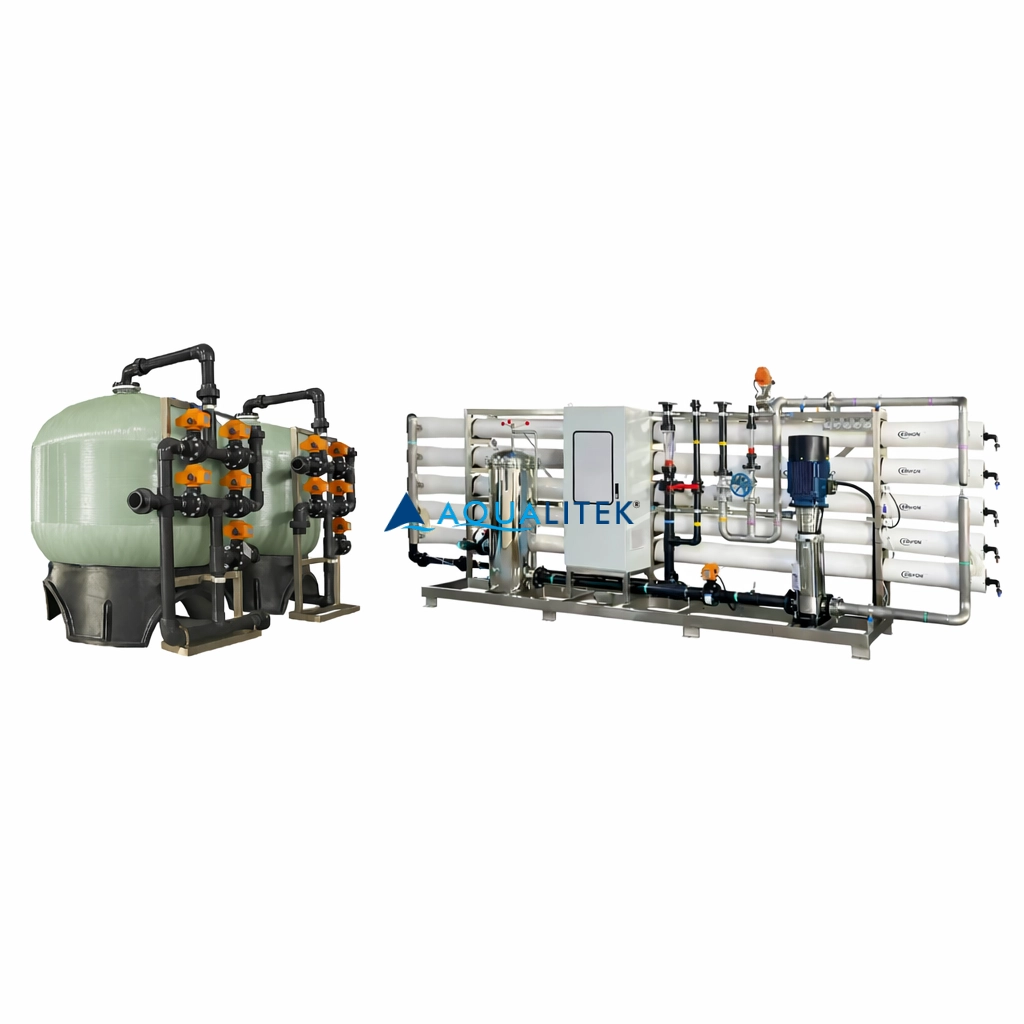
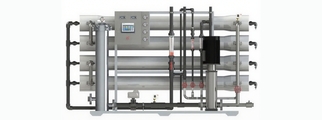
30TPH Industrial Reverse Osmosis (RO) System designed for industrial and municipal water treatment. High salt rejection, energy-efficient design, PLC control, and customizable configuration.
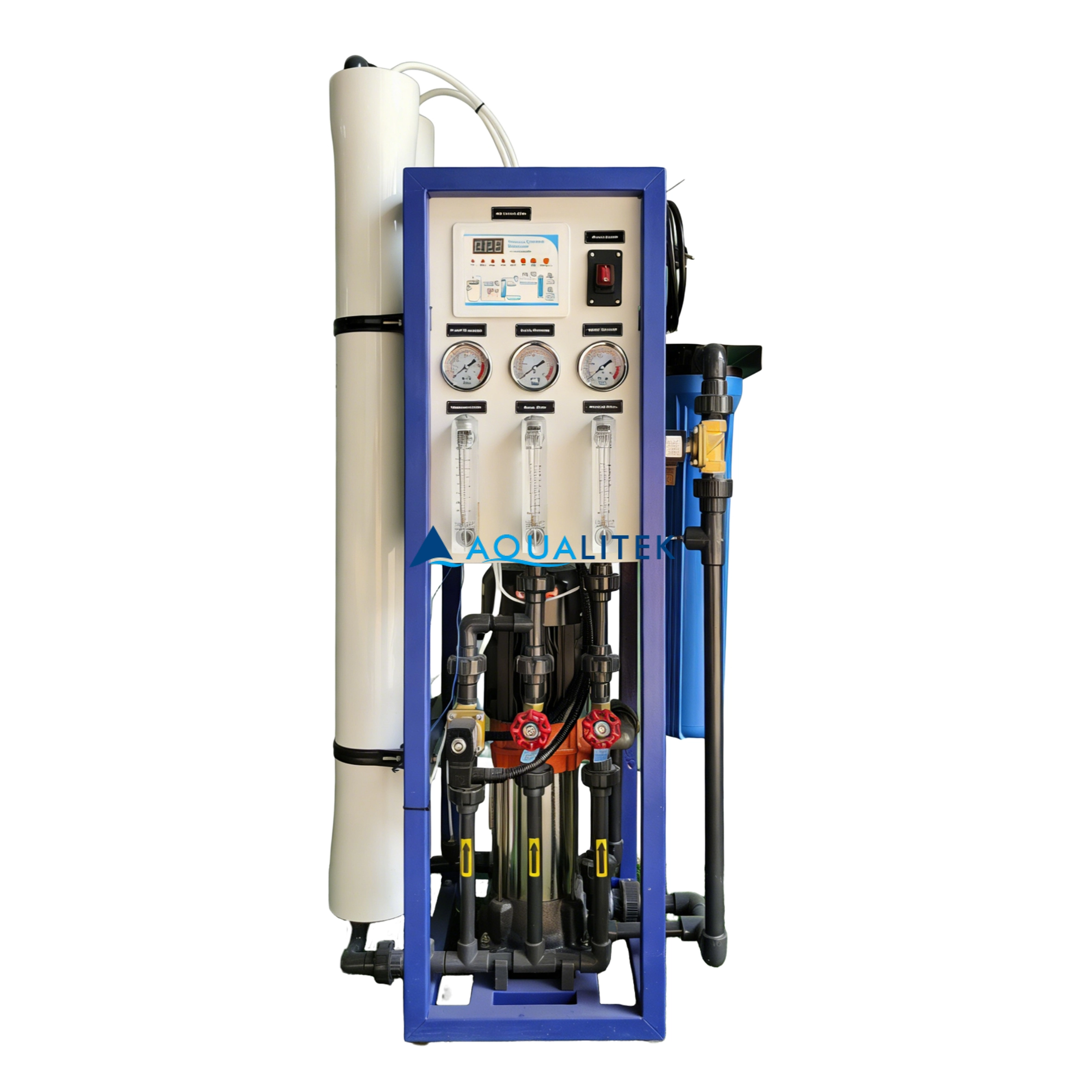
AQUALITEK's 500LPH Panel Mounted Reverse Osmosis Water Purification System delivers reliable 500 LPH RO water production. This compact industrial reverse osmosis unit is ideal for small scale industrial RO needs, ensuring efficient and high-quality purified water in a space-saving design.
© 2026 AQUALITEK. All rights reserved.
AQUALITEK- Aimee Hoo
AQUALITEK - Aimee Hoo