




What are common RO system instrumentation and alarms?
Reverse osmosis (RO) systems are pivotal in water purification, serving industries from municipal water treatment to pharmaceuticals. To ensure these systems operate efficiently and produce high-quality water, it's essential to understand the key instrumentation and alarms involved.
1. What are the primary instruments used in reverse osmosis systems?
RO systems rely on various instruments to monitor and control their operations:
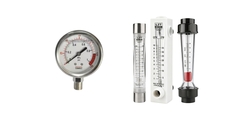
Pressure Gauges and Transmitters: Installed at critical points like the feed water inlet, post-filtration stages, and membrane inlets/outlets, they detect pressure drops indicative of fouling or clogging. ((https://www.aqualitek.com/best-online-instruments-crucial-to-the-operation-of-an-ro-system-insights-by-aqualitek.html))
Flow Meters: Measure the flow rates of feed, permeate, and concentrate streams, aiding in assessing system performance and recovery rates. ((https://www.aqualitek.com/best-online-instruments-crucial-to-the-operation-of-an-ro-system-insights-by-aqualitek.html))
Conductivity/TDS Sensors: Monitor the total dissolved solids in the permeate, providing insights into desalination efficiency and membrane performance. ((https://www.aqualitek.com/best-online-instruments-crucial-to-the-operation-of-an-ro-system-insights-by-aqualitek.html))
pH and ORP Sensors: Ensure optimal chemical dosing and prevent membrane damage by monitoring acidity and oxidation-reduction potential. ((https://www.aqualitek.com/best-online-instruments-crucial-to-the-operation-of-an-ro-system-insights-by-aqualitek.html))
Temperature Sensors: Account for temperature variations affecting water viscosity and membrane permeability. ((https://www.aqualitek.com/best-online-instruments-crucial-to-the-operation-of-an-ro-system-insights-by-aqualitek.html))
These instruments collectively provide real-time data, enabling operators to make informed decisions and maintain system integrity.
2. What alarms are critical in reverse osmosis systems?
Alarms are vital for early detection of issues:
High-Pressure Alarms: Trigger when system pressure exceeds safe limits, preventing potential membrane damage. ((https://www.aqualitek.com/best-online-instruments-crucial-to-the-operation-of-an-ro-system-insights-by-aqualitek.html))
Low-Pressure Alarms: Indicate insufficient feed water pressure, which can lead to cavitation and equipment damage. ((https://www.aqualitek.com/best-online-instruments-crucial-to-the-operation-of-an-ro-system-insights-by-aqualitek.html))
High-Temperature Alarms: Alert operators to temperature spikes that may affect membrane performance. ((https://www.aqualitek.com/best-online-instruments-crucial-to-the-operation-of-an-ro-system-insights-by-aqualitek.html))
Conductivity Alarms: Signal when permeate water quality deviates from set standards, suggesting membrane fouling or damage. ((https://www.aqualitek.com/best-online-instruments-crucial-to-the-operation-of-an-ro-system-insights-by-aqualitek.html))
Implementing these alarms ensures prompt corrective actions, minimizing downtime and maintaining water quality.
3. How do these instruments and alarms enhance system efficiency?
Continuous monitoring allows for:
Early Detection of Issues: Identifying problems like fouling or scaling before they escalate.
Optimized Chemical Dosing: Adjusting chemical treatments based on real-time data to prevent membrane damage.
Extended Membrane Life: Regular monitoring and maintenance reduce wear and tear on membranes.
Improved Water Quality: Ensuring the produced water consistently meets quality standards.
Proper instrumentation and alarm systems are integral to the efficient and reliable operation of RO systems.
4. What are the consequences of inadequate monitoring in RO systems?
Without proper monitoring:
Increased Operational Costs: Unnoticed issues can lead to expensive repairs and replacements.
Reduced Water Quality: Compromised systems may produce water that doesn't meet required standards.
Shortened Equipment Lifespan: Lack of maintenance can lead to premature equipment failure.
Regular monitoring is essential to avoid these pitfalls and ensure system longevity.
5. How can AQUALITEK's solutions benefit RO system operations?
AQUALITEK offers advanced instrumentation tailored for RO systems, including:
Comprehensive Monitoring Solutions: Providing real-time data on all critical parameters.
User-Friendly Interfaces: Ensuring ease of operation and quick decision-making.
Reliable Alarming Systems: Offering timely alerts to prevent system failures.
By integrating AQUALITEK's solutions, operators can enhance system efficiency, extend equipment life, and maintain high water quality standards.
In conclusion, understanding and implementing the right instrumentation and alarms are crucial for the optimal performance of reverse osmosis systems. AQUALITEK's expertise in this field provides valuable support to ensure these systems operate at their best.




Request More Information or Expert Advice
Share a few details, and we’ll provide deeper insights, tailored suggestions, or product support.
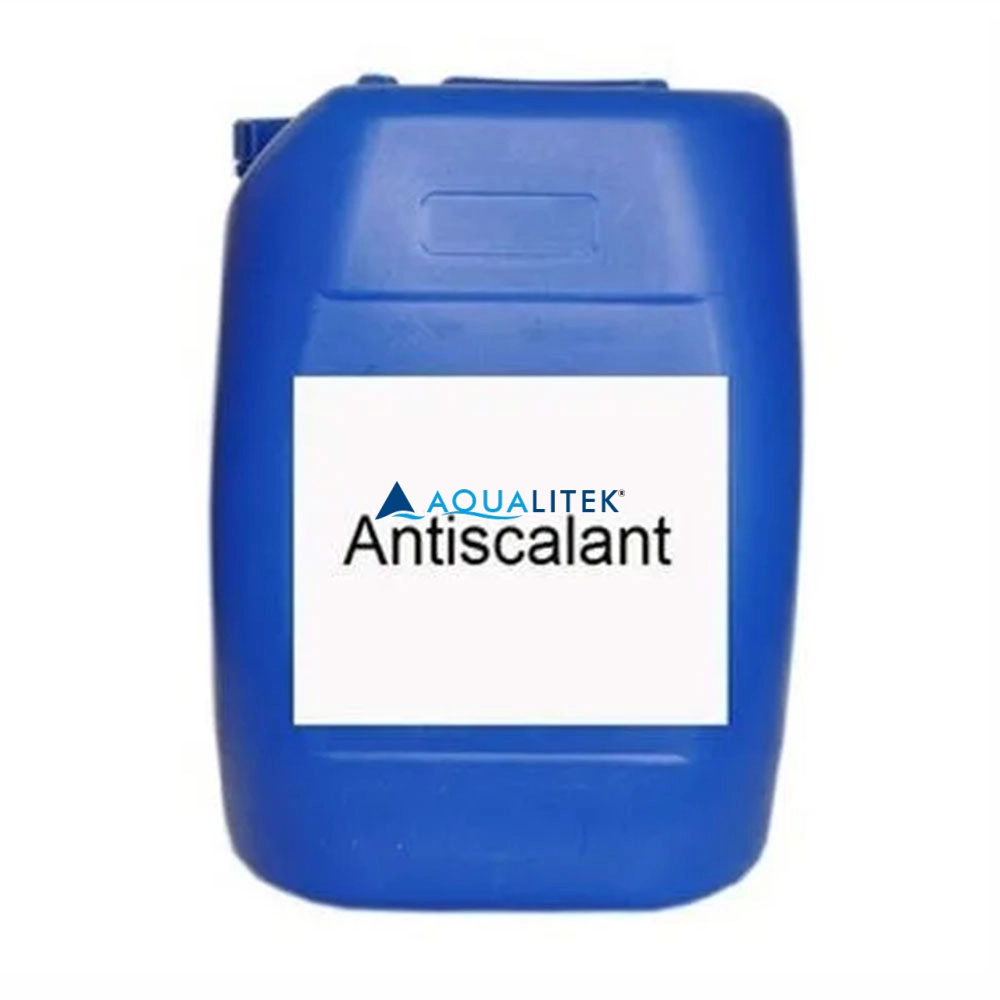
Anti-Scalant is a specialized water treatment chemical designed to prevent the formation of scale in reverse osmosis (RO) systems. Scaling is a common issue in RO systems, where minerals like calcium, magnesium, and silica precipitate and form hard deposits on the membrane surface. These deposits can clog the membranes, reduce water production efficiency, and increase operational costs.
RO chemical anti-scalants work by inhibiting the crystallization of scale-forming minerals, effectively keeping them in solution and preventing them from adhering to the membrane. This ensures the longevity and optimal performance of the RO system.
Anti-scalants are essential in applications with hard water or high mineral content, such as in industrial, municipal, and desalination plants.
These chemicals are highly effective in preventing scaling caused by common minerals such as calcium carbonate, calcium sulfate, barium sulfate, and silica, helping to extend the lifespan of the membranes, reduce cleaning cycles, and enhance system efficiency.
By incorporating an RO chemical anti-scalant into your water treatment process, you can improve the reliability and overall performance of your reverse osmosis system, ensuring consistent, high-quality water output while minimizing maintenance costs.
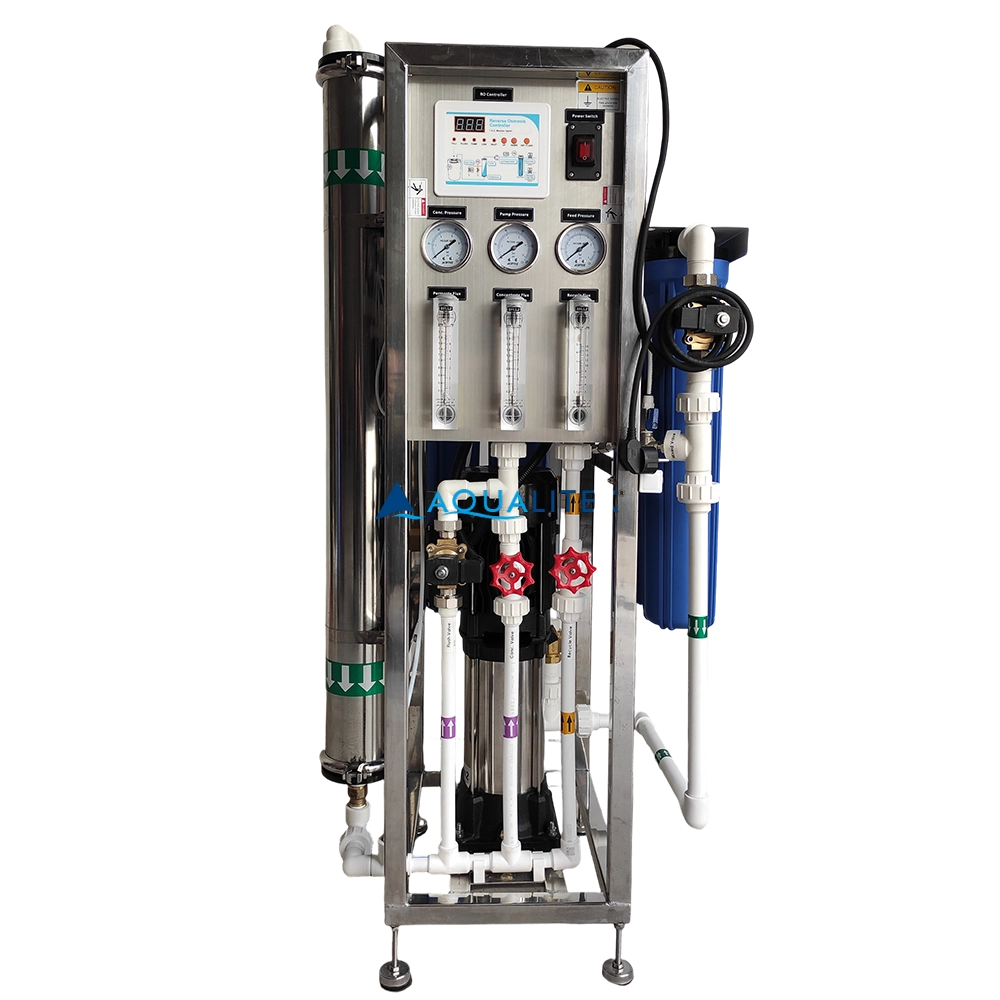
Our 500 LPH Reverse Osmosis (RO) System is engineered to provide high-quality purified water for commercial applications. Designed with advanced RO technology, durable components, and a user-friendly interface, this system ensures consistent performance, low maintenance, and long-term reliability.
With its compact design and robust skid-mounted frame, it’s an excellent choice for businesses that demand efficiency and quality in water purification.
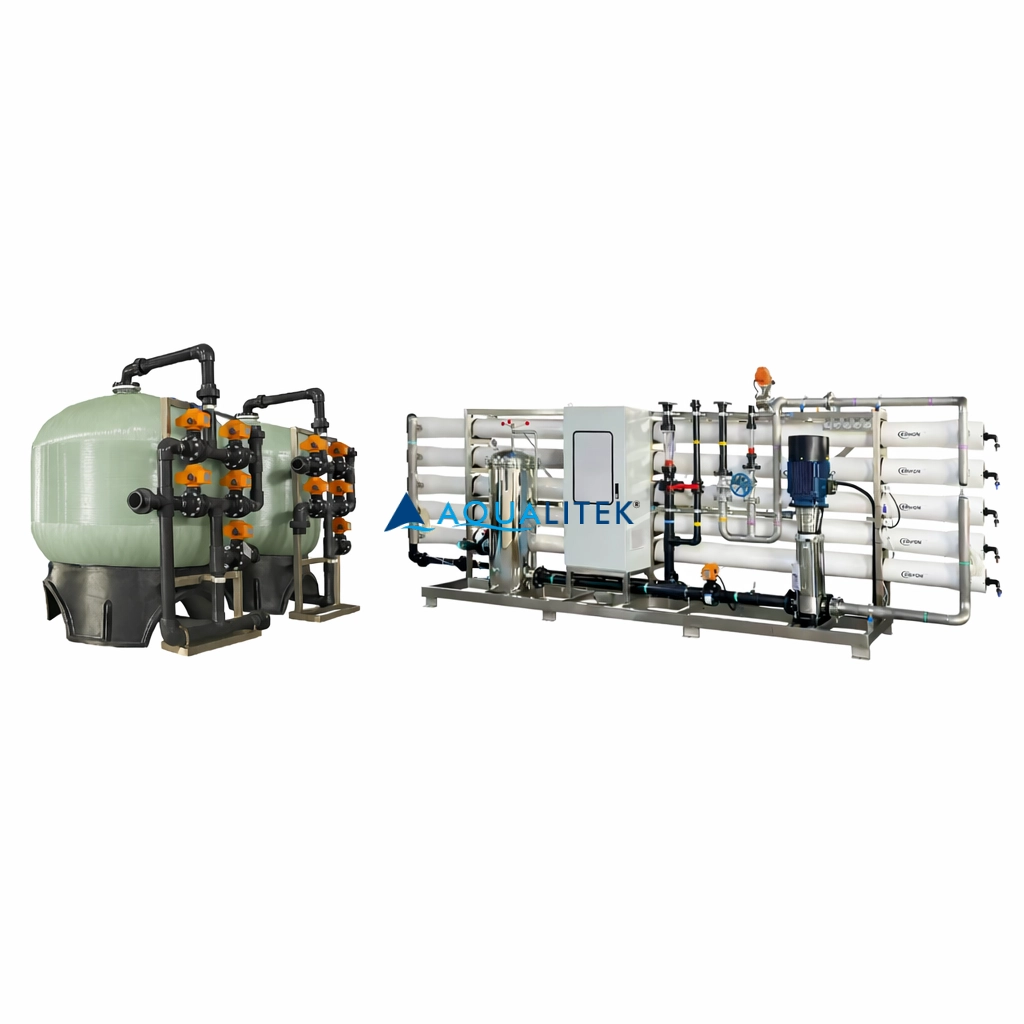
30TPH Industrial Reverse Osmosis (RO) System designed for industrial and municipal water treatment. High salt rejection, energy-efficient design, PLC control, and customizable configuration.
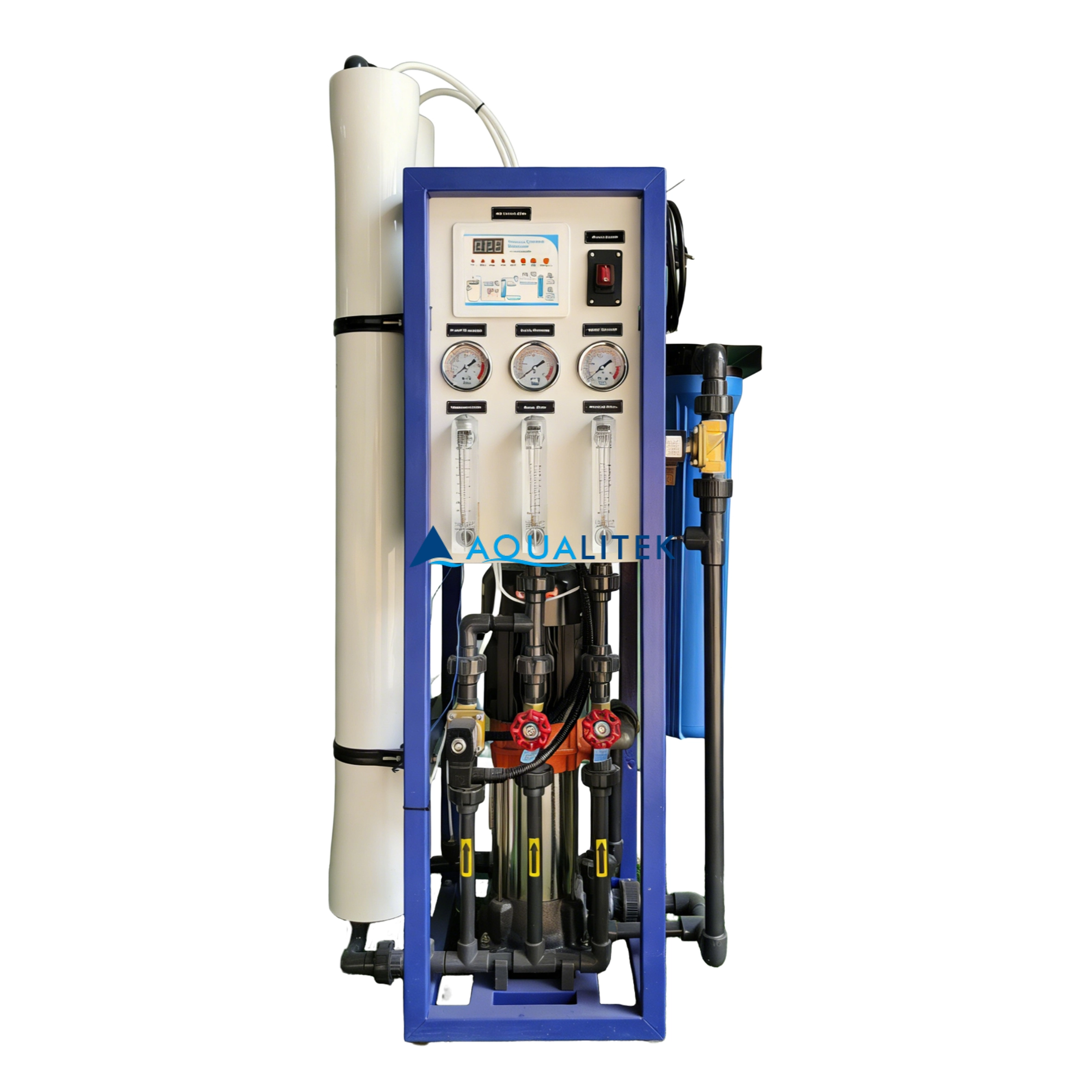
AQUALITEK's 500LPH Panel Mounted Reverse Osmosis Water Purification System delivers reliable 500 LPH RO water production. This compact industrial reverse osmosis unit is ideal for small scale industrial RO needs, ensuring efficient and high-quality purified water in a space-saving design.
© 2026 AQUALITEK. All rights reserved.
AQUALITEK- Aimee Hoo
AQUALITEK - Aimee Hoo