




How to plan preventive maintenance for RO systems?
- Understanding Reverse Osmosis Systems and Preventive Maintenance
- 1. What Are the Common Problems in Reverse Osmosis Systems?
- 2. How Can I Plan Preventive Maintenance for My RO System?
- 3. What Are the Benefits of Regular Maintenance?
- 4. How Do I Troubleshoot Common RO System Issues?
- 5. How Can I Ensure Optimal Performance of My RO System?
- 6. When Should I Seek Professional Assistance?
- 7. How Does AQUALITEK Ensure Quality in RO Systems?
Understanding Reverse Osmosis Systems and Preventive Maintenance
Reverse osmosis (RO) systems are widely used for water purification, effectively removing contaminants to provide clean and safe drinking water. However, like all filtration systems, RO units require regular maintenance to function efficiently and extend their lifespan. This guide addresses common issues faced by RO systems and outlines preventive maintenance strategies to ensure optimal performance.
1. What Are the Common Problems in Reverse Osmosis Systems?
RO systems can encounter several issues that may affect their performance:
Slow Water Production: This can result from low water pressure, clogged filters, a fouled membrane, or cold water temperatures.
Bad Taste or Odor: Depleted carbon filters, bacterial growth, or an old membrane can cause water to have an unpleasant taste or smell.
System Leaks: Loose connections, damaged O-rings, or cracked housings can lead to leaks, affecting system efficiency.
High Total Dissolved Solids (TDS) Levels: This may indicate membrane failure, improper installation, or an open bypass valve.
Noisy Operation: Air in the system, drain restrictions, or high TDS in waste water can cause unusual noises.
2. How Can I Plan Preventive Maintenance for My RO System?
Implementing a preventive maintenance plan is crucial to keep your RO system running efficiently:
Regular Filter Replacement: Replace pre-filters every 6 to 12 months to remove sediment and chlorine, which can harm the RO membrane.
Membrane Replacement: Typically, RO membranes should be changed every 2 to 3 years, depending on water quality and usage.
System Cleaning and Sanitization: Clean and sanitize the system annually to prevent bacterial growth and maintain water quality.
Leak Inspection: Regularly check all connections for leaks or wear, as even small leaks can impact efficiency.
Water Quality Testing: Use a TDS meter to monitor water quality and ensure the system is effectively removing impurities.
Pressure Checks: Ensure the system operates at appropriate pressure levels, as reduced pressure can affect filtration capability and water production.
3. What Are the Benefits of Regular Maintenance?
Regular maintenance offers several advantages:
Extended System Lifespan: Proper upkeep can significantly prolong the life of your RO system.
Consistent Water Quality: Ensures the system continues to produce clean and safe drinking water.
Cost Savings: Prevents costly repairs and replacements by addressing issues early.
Improved Efficiency: Maintains optimal performance, reducing energy consumption and water waste.
4. How Do I Troubleshoot Common RO System Issues?
Effective troubleshooting involves:
Identifying the Problem: Recognize symptoms like slow water flow, bad taste, or leaks.
Checking Components: Inspect filters, membranes, and connections for issues.
Testing Water Quality: Use a TDS meter to assess water purity.
Consulting Professionals: If problems persist, seek assistance from qualified technicians.
5. How Can I Ensure Optimal Performance of My RO System?
To maintain optimal performance:
Follow Manufacturer Guidelines: Adhere to recommended maintenance schedules and procedures.
Use Quality Components: Invest in high-quality filters and membranes for better performance.
Monitor System Performance: Regularly check water quality and system indicators.
Stay Informed: Keep abreast of new maintenance practices and technologies.
6. When Should I Seek Professional Assistance?
Consider professional help when:
Persistent Issues: Problems continue despite regular maintenance.
Complex Repairs: Tasks beyond basic maintenance require expert intervention.
System Upgrades: Implementing advanced features or components necessitates professional installation.
7. How Does AQUALITEK Ensure Quality in RO Systems?
AQUALITEK stands out in the water treatment industry by offering:
High-Quality Components: Ensuring durability and efficiency in every system.
Comprehensive Support: Providing expert guidance and customer service.
Innovative Solutions: Incorporating the latest technologies for superior performance.
Sustainability Focus: Designing systems that are both effective and environmentally friendly.
By choosing AQUALITEK, you invest in a reliable and efficient RO system backed by a commitment to quality and customer satisfaction.
Sources:
(https://water.viomi.com/blogs/hydration-lab/common-reverse-osmosis-system-problems-and-fixes)
(https://demandfiltration.com.au/reverse-osmosis-maintenance-schedule-common-problem/)
(https://crystalquest.com/blogs/filter-maintenance/reverse-osmosis-maintenance-guide)
(https://www.watertechusa.com/reverse-osmosis-troubleshooting)
(https://purewaterblog.com/reverse-osmosis-troubleshooting-guide-10-common-problems/)
(https://sustainabilitymattersdaily.com/common-reverse-osmosis-systems-problems/)
(https://www.ampac1.com/blog/reverse-osmosis-system-troubleshooting/)
(https://watertreatmentuae.com/10-common-reverse-osmosis-problems-solutions/)
(https://www.freshwatersystems.com/blogs/blog/troubleshooting-for-reverse-osmosis-systems)
(https://waterfiltercast.com/reverse-osmosis-troubleshooting/)
(https://www.jmfiltec.com/news/25-common-problems-and-solutions-for-reverse-o-85212830.html)


Request More Information or Expert Advice
Share a few details, and we’ll provide deeper insights, tailored suggestions, or product support.
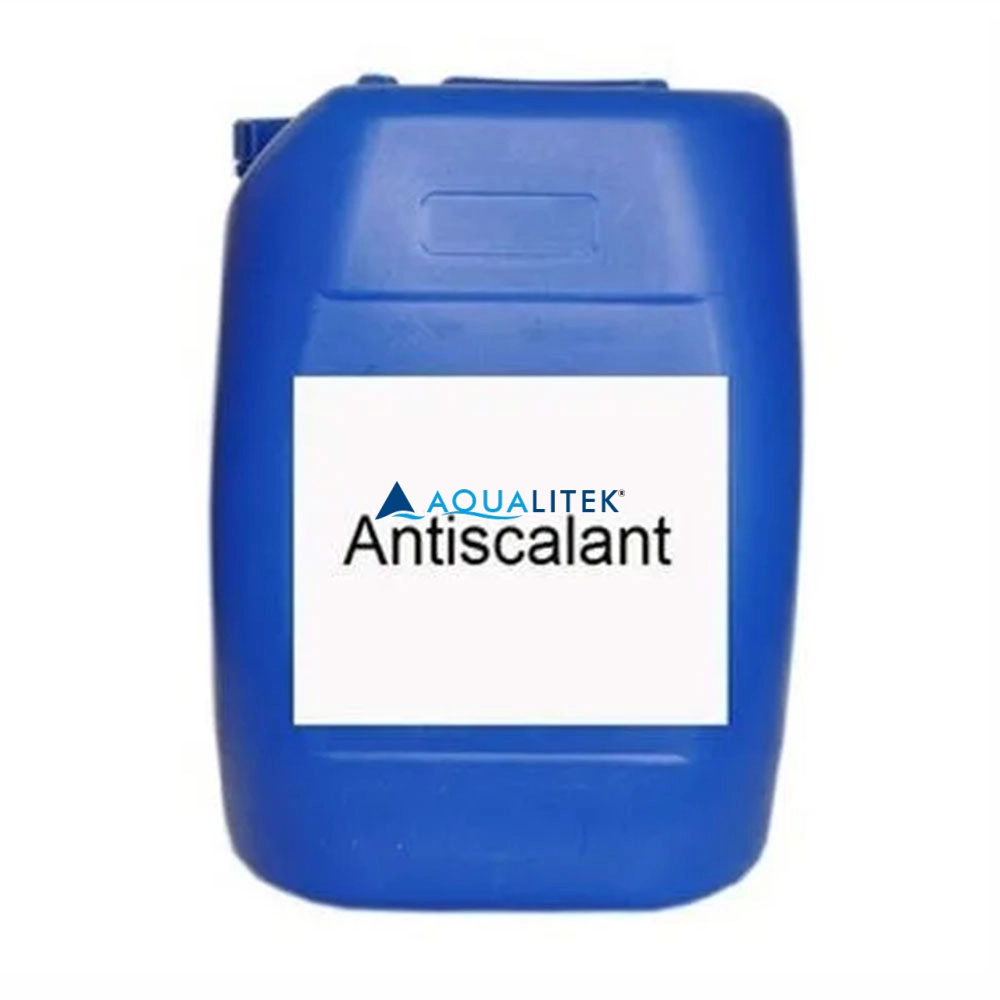
Anti-Scalant is a specialized water treatment chemical designed to prevent the formation of scale in reverse osmosis (RO) systems. Scaling is a common issue in RO systems, where minerals like calcium, magnesium, and silica precipitate and form hard deposits on the membrane surface. These deposits can clog the membranes, reduce water production efficiency, and increase operational costs.
RO chemical anti-scalants work by inhibiting the crystallization of scale-forming minerals, effectively keeping them in solution and preventing them from adhering to the membrane. This ensures the longevity and optimal performance of the RO system.
Anti-scalants are essential in applications with hard water or high mineral content, such as in industrial, municipal, and desalination plants.
These chemicals are highly effective in preventing scaling caused by common minerals such as calcium carbonate, calcium sulfate, barium sulfate, and silica, helping to extend the lifespan of the membranes, reduce cleaning cycles, and enhance system efficiency.
By incorporating an RO chemical anti-scalant into your water treatment process, you can improve the reliability and overall performance of your reverse osmosis system, ensuring consistent, high-quality water output while minimizing maintenance costs.
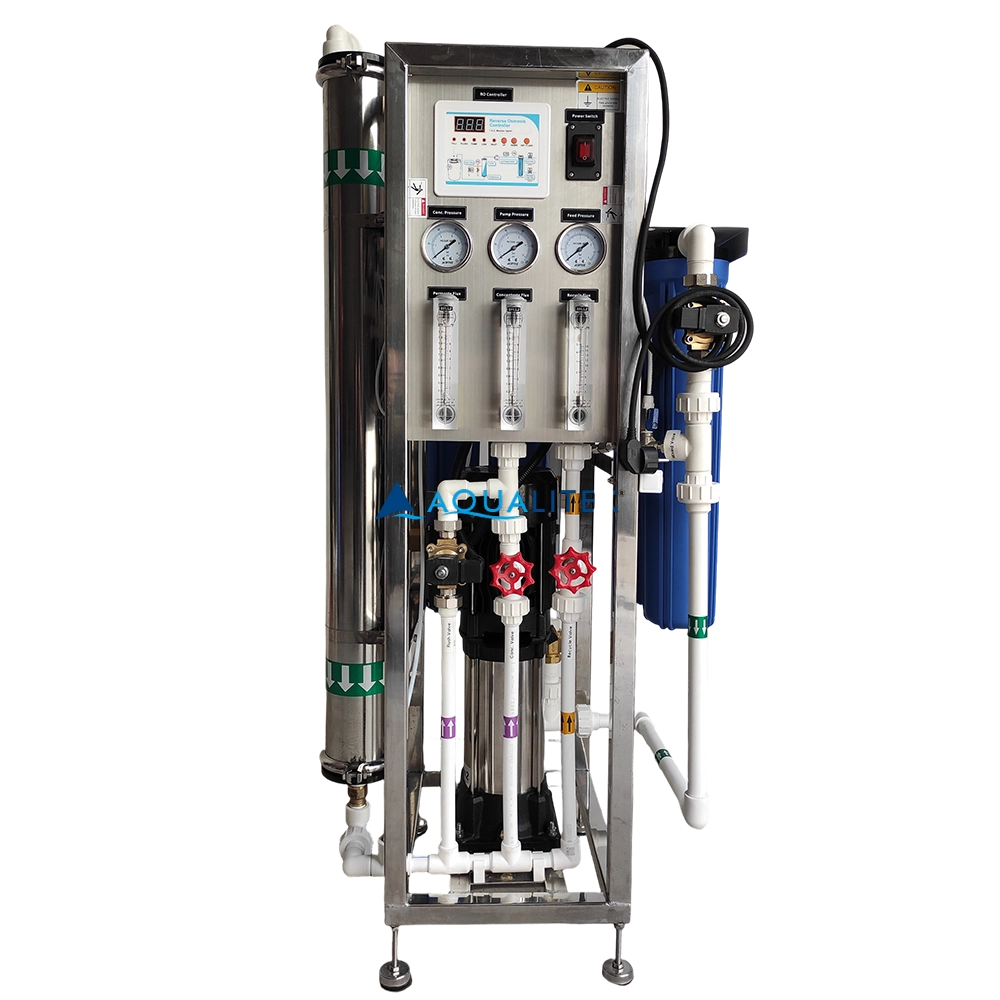
Our 500 LPH Reverse Osmosis (RO) System is engineered to provide high-quality purified water for commercial applications. Designed with advanced RO technology, durable components, and a user-friendly interface, this system ensures consistent performance, low maintenance, and long-term reliability.
With its compact design and robust skid-mounted frame, it’s an excellent choice for businesses that demand efficiency and quality in water purification.
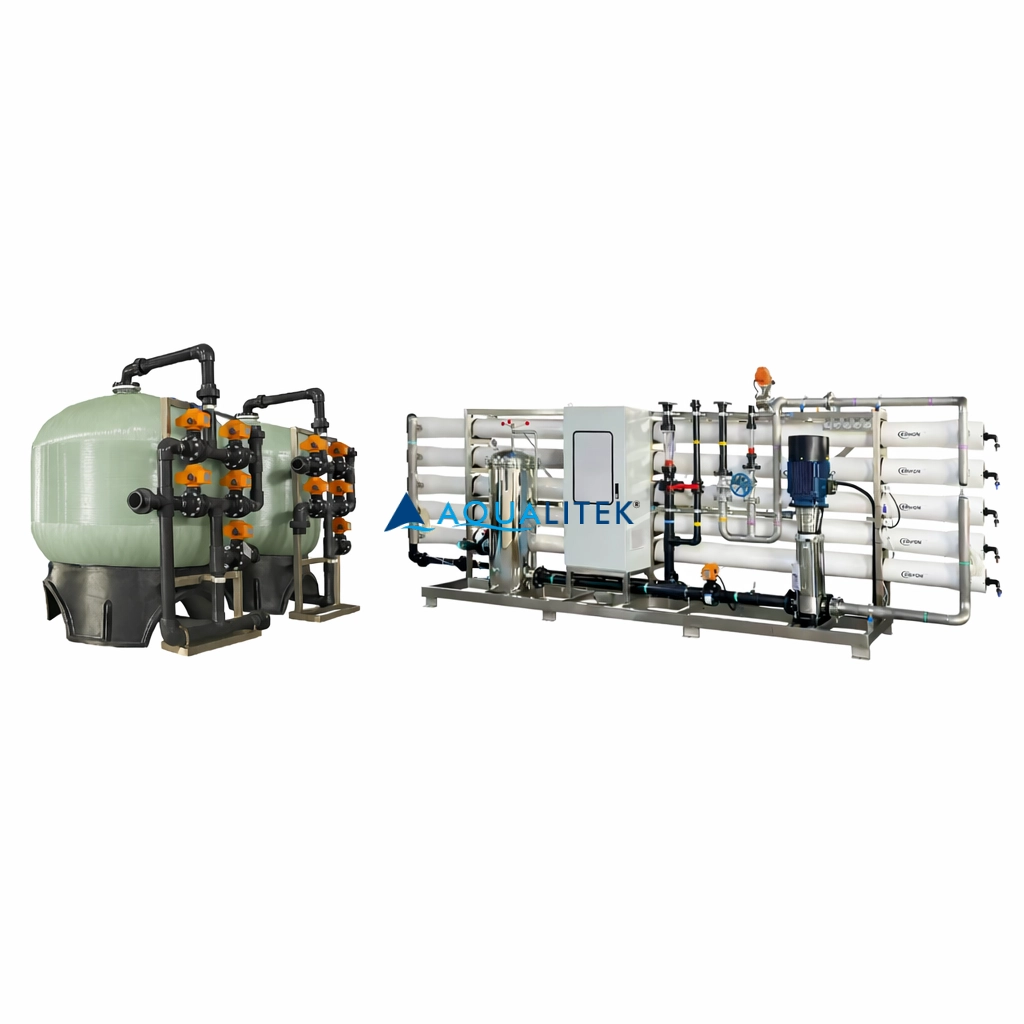
30TPH Industrial Reverse Osmosis (RO) System designed for industrial and municipal water treatment. High salt rejection, energy-efficient design, PLC control, and customizable configuration.
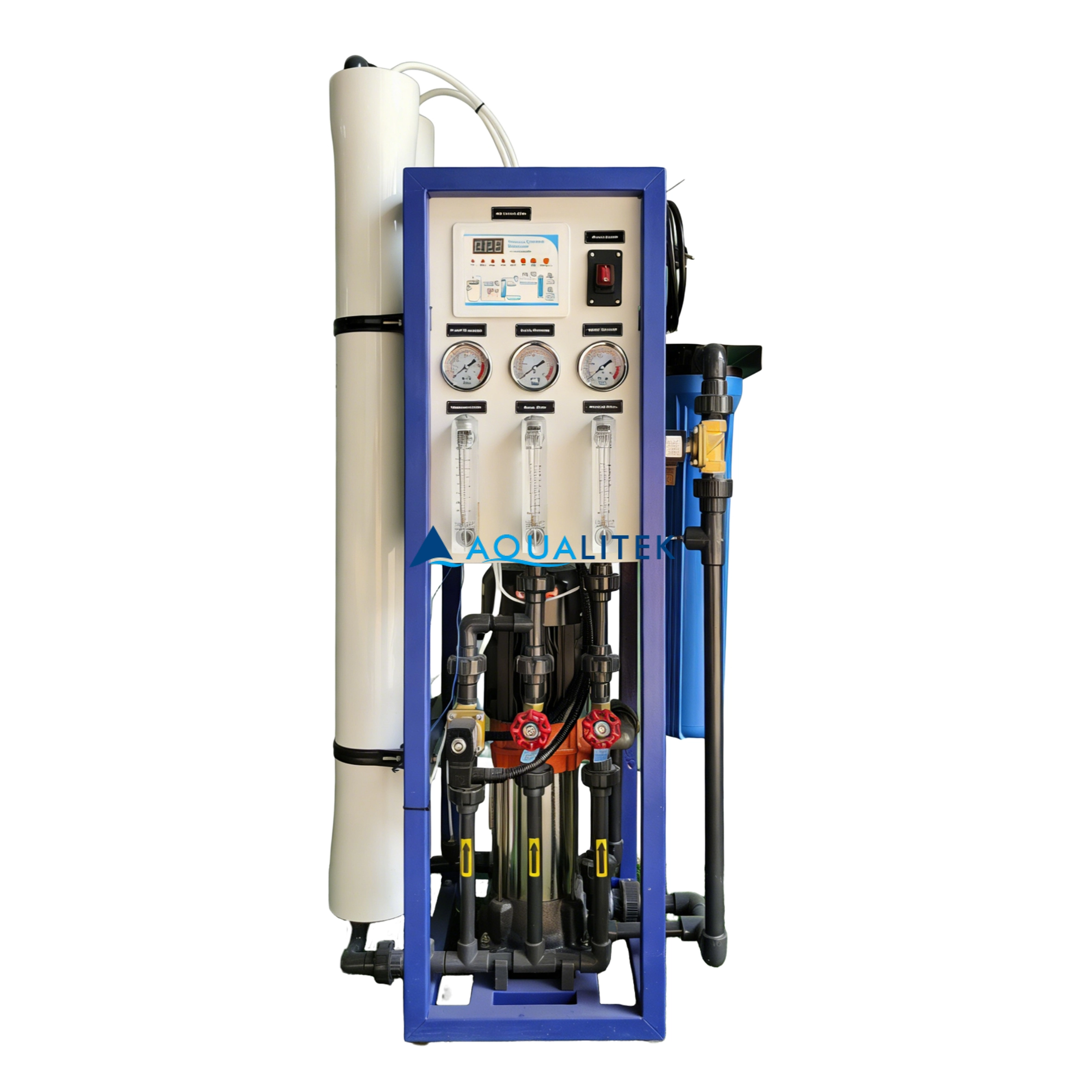
AQUALITEK's 500LPH Panel Mounted Reverse Osmosis Water Purification System delivers reliable 500 LPH RO water production. This compact industrial reverse osmosis unit is ideal for small scale industrial RO needs, ensuring efficient and high-quality purified water in a space-saving design.
© 2026 AQUALITEK. All rights reserved.
AQUALITEK- Aimee Hoo
AQUALITEK - Aimee Hoo