




What factors affect membrane life expectancy?
- Understanding Reverse Osmosis Systems: Key Considerations for Optimal Performance
- 1. What is the typical lifespan of an RO membrane?
- 2. What factors affect membrane life expectancy?
- 3. How can I extend the lifespan of my RO system?
- 4. What are the signs that an RO membrane needs replacement?
- 5. How often should I replace my RO membrane?
- 6. What are the benefits of regular cleaning and maintenance?
- 7. How does water hardness affect RO membrane lifespan?
- 8. What role does pre-treatment play in extending RO membrane life?
- Conclusion: AQUALITEK's Commitment to Quality and Longevity
Understanding Reverse Osmosis Systems: Key Considerations for Optimal Performance
Reverse osmosis (RO) systems are integral to water treatment processes, offering efficient purification by removing contaminants through a semi-permeable membrane. When considering the purchase of an RO system, it's crucial to understand various factors that influence its performance and longevity. Below are some common questions and answers to guide your decision-making process.
1. What is the typical lifespan of an RO membrane?
The lifespan of an RO membrane varies based on several factors:
- Feed Water Quality: High levels of contaminants can shorten membrane life.
- Maintenance Practices: Regular cleaning and monitoring can extend longevity.
- Operating Conditions: Factors like pressure and temperature affect durability.
Generally, RO membranes last between 2 to 3 years in industrial settings. However, with optimal conditions and maintenance, they can last up to 5 years. ((https://www.aqualitek.com/best-guide-what-is-the-typical-lifespan-of-an-industrial-ro-membrane-insights-by-aqualitek.html))
2. What factors affect membrane life expectancy?
Several factors influence the lifespan of RO membranes:
- Water Quality: High levels of contaminants, such as hardness minerals, chlorine, and organic matter, can lead to fouling and damage.
- Pre-Treatment Processes: Implementing pre-treatment methods like water softening and activated carbon filtration can reduce the burden on the RO membrane.
- Maintenance Practices: Regular cleaning schedules and monitoring system performance indicators, such as permeate flow rate and salt rejection, are essential.
3. How can I extend the lifespan of my RO system?
To maximize the longevity of your RO system:
- Regular Maintenance: Establish a routine maintenance schedule that includes checking system pressures, flow rates, and water quality parameters.
- Monitor Performance: Keep an eye on potential problems that are likely to occur before they damage the system. For example, a significant drop in water flow rate may indicate that the membrane is clogged.
- Pre-Treatment of Water: Before water reaches the RO membrane, it should have been subjected to some procedure known as pre-treatment. The pre-treatment could involve filters that remove big particles like dirt or sand and there could be chemicals that could neutralize scaling agents or bacteria.
4. What are the signs that an RO membrane needs replacement?
Indicators that an RO membrane may require replacement include:
- Declining Water Quality: The water coming from the filter system will be dirty with more impurities as the membrane has lost its ability to shut them out.
- Reduced Water Output: The volume of water produced by the system will decrease largely due to blockage or deterioration.
- Increased Pressure: Sometimes the system will need higher pressure to pump water through the membrane, which is an indication of fouling or blockage.
5. How often should I replace my RO membrane?
The replacement frequency of RO membranes depends on:
- Water Quality: High levels of contaminants can shorten membrane life.
- System Usage: Higher demand can lead to more frequent replacements.
- Maintenance Practices: Regular cleaning and monitoring can extend membrane life.
In industrial settings, RO membranes typically need replacement every 2-3 years. However, this timeframe can vary significantly depending on factors such as water quality, system usage, and maintenance practices.
6. What are the benefits of regular cleaning and maintenance?
Regular cleaning and maintenance offer several advantages:
- Prolonged Membrane Life: Consistent cleaning schedules help remove scale deposits and prevent membrane clogging, extending membrane life.
- Improved System Efficiency: Regular maintenance ensures optimal performance, reducing operational costs.
- Enhanced Water Quality: Proper upkeep maintains the system's ability to produce high-quality purified water.
7. How does water hardness affect RO membrane lifespan?
Water hardness significantly impacts RO membrane longevity:
- Scaling: Hard water contains high levels of calcium and magnesium, which can form scale deposits on the membrane surface, leading to fouling and reduced efficiency.
- Maintenance Requirements: Hard water may necessitate more frequent cleaning and maintenance to manage scaling.
A study published in the journal Desalination found a strong correlation between water hardness and RO membrane scaling. The study showed that membranes operating in hard water conditions experienced a 30% reduction in lifespan compared to those in soft water environments.
8. What role does pre-treatment play in extending RO membrane life?
Pre-treatment is crucial for extending RO membrane life:
- Removal of Contaminants: Pre-treatment processes like filtration and chemical dosing can remove large particles and neutralize scaling agents or bacteria before water reaches the RO membrane.
- Reduced Fouling: Effective pre-treatment reduces the burden on the RO membrane, minimizing fouling and extending its operational life.
Conclusion: AQUALITEK's Commitment to Quality and Longevity
When selecting an RO system, consider the quality and durability of the components. AQUALITEK offers high-quality RO membranes designed for extended lifespans and optimal performance. By choosing AQUALITEK, you invest in a system that prioritizes longevity, efficiency, and consistent water quality, ensuring reliable and cost-effective water treatment solutions for your needs.
Sources:
- (https://www.commercialroplant.com/industrial-ro-plant-membrane-life-expectancy/)
- (https://eaiwater.com/how-long-does-a-reverse-osmosis-system-last/)
- (https://www.aqualitek.com/best-guide-what-is-the-typical-lifespan-of-an-industrial-ro-membrane-insights-by-aqualitek.html)
- (https://www.moruiwater.com/knowledge/how-often-to-replace-reverse-osmosis-equipment-membranes)
- (https://www.wemacpharma.com/Reverse-Osmosis-Membranes-Extending-Lifespan-in-High-Purity-Water-Applications)
- (https://water.viomi.com/blogs/hydration-lab/how-long-do-ro-membranes-last)
- (https://blog.veoliawatertech.com/en-us/is-it-time-to-replace-your-uf-and-ro-membranes)
- (https://www.md-desalination.com/knowledge/how-often-should-ro-membrane-be-replaced-)
- (https://www.waterworld.com/residential-commercial/article/14308614/life-expectancy-of-pou-membrane-elements)
- (https://www.watertechonline.com/industry/article/14206172/kurita-america-when-to-replace-your-ro-membrane)



Request More Information or Expert Advice
Share a few details, and we’ll provide deeper insights, tailored suggestions, or product support.
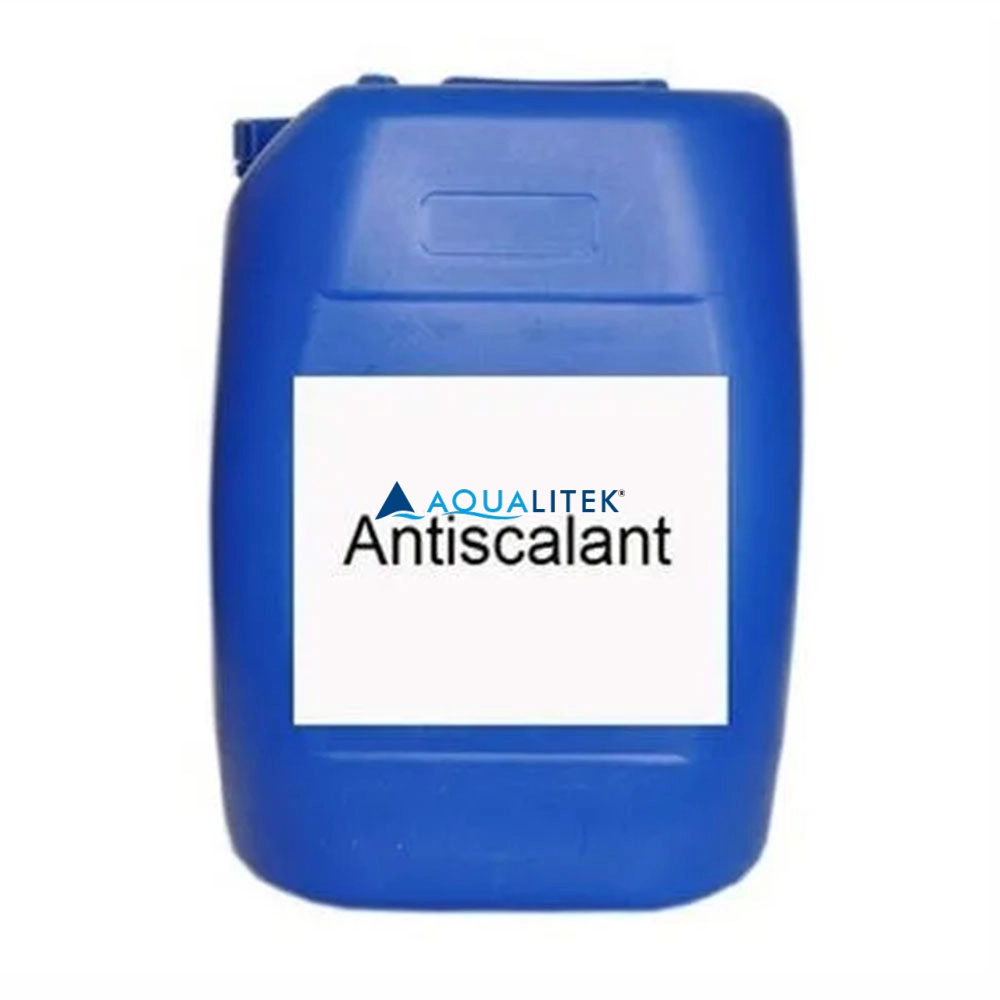
Anti-Scalant is a specialized water treatment chemical designed to prevent the formation of scale in reverse osmosis (RO) systems. Scaling is a common issue in RO systems, where minerals like calcium, magnesium, and silica precipitate and form hard deposits on the membrane surface. These deposits can clog the membranes, reduce water production efficiency, and increase operational costs.
RO chemical anti-scalants work by inhibiting the crystallization of scale-forming minerals, effectively keeping them in solution and preventing them from adhering to the membrane. This ensures the longevity and optimal performance of the RO system.
Anti-scalants are essential in applications with hard water or high mineral content, such as in industrial, municipal, and desalination plants.
These chemicals are highly effective in preventing scaling caused by common minerals such as calcium carbonate, calcium sulfate, barium sulfate, and silica, helping to extend the lifespan of the membranes, reduce cleaning cycles, and enhance system efficiency.
By incorporating an RO chemical anti-scalant into your water treatment process, you can improve the reliability and overall performance of your reverse osmosis system, ensuring consistent, high-quality water output while minimizing maintenance costs.
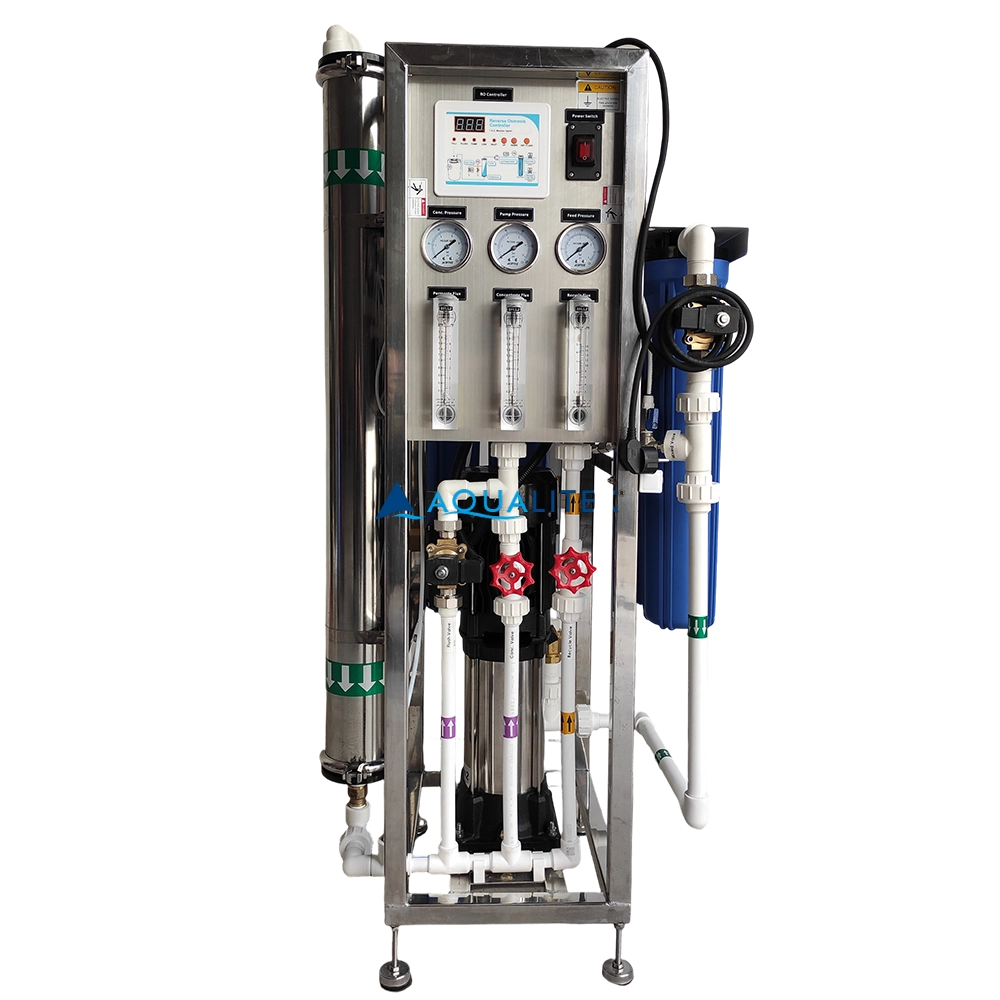
Our 500 LPH Reverse Osmosis (RO) System is engineered to provide high-quality purified water for commercial applications. Designed with advanced RO technology, durable components, and a user-friendly interface, this system ensures consistent performance, low maintenance, and long-term reliability.
With its compact design and robust skid-mounted frame, it’s an excellent choice for businesses that demand efficiency and quality in water purification.
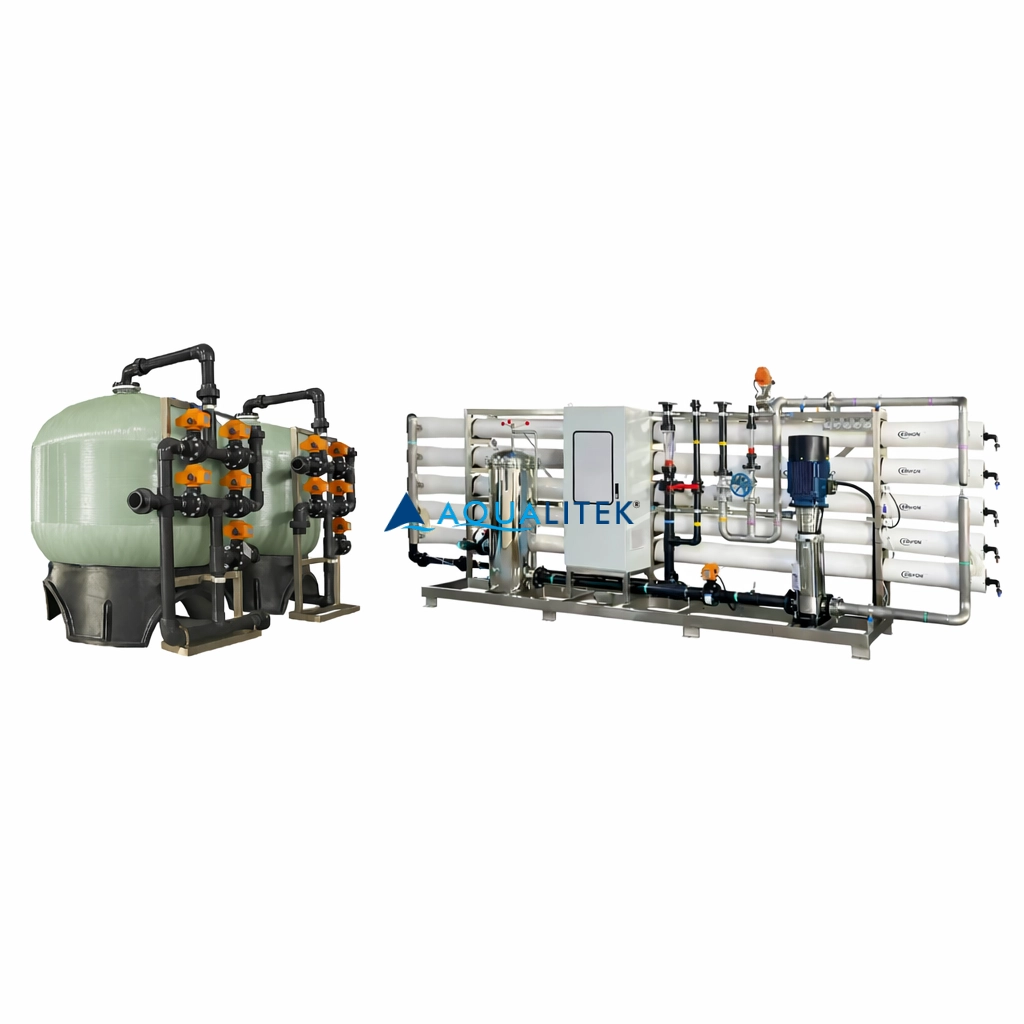
30TPH Industrial Reverse Osmosis (RO) System designed for industrial and municipal water treatment. High salt rejection, energy-efficient design, PLC control, and customizable configuration.
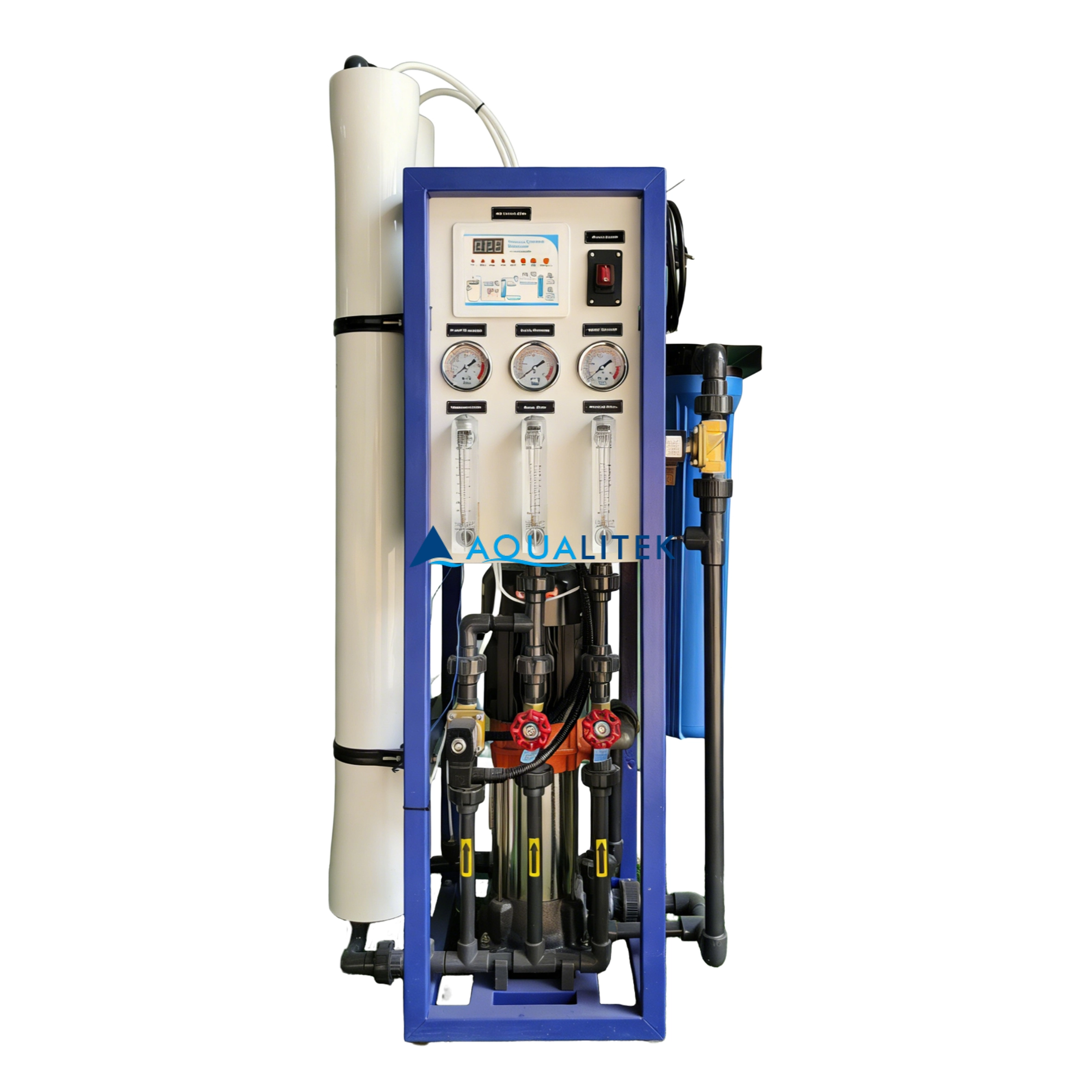
AQUALITEK's 500LPH Panel Mounted Reverse Osmosis Water Purification System delivers reliable 500 LPH RO water production. This compact industrial reverse osmosis unit is ideal for small scale industrial RO needs, ensuring efficient and high-quality purified water in a space-saving design.
© 2026 AQUALITEK. All rights reserved.
AQUALITEK- Aimee Hoo
AQUALITEK - Aimee Hoo