



What is permeate conductivity and how to monitor it?
- Understanding Reverse Osmosis Systems and Permeate Conductivity Monitoring
- 1. What are the common problems in reverse osmosis systems?
- 2. How can I monitor permeate conductivity in reverse osmosis systems?
- 3. What is permeate conductivity, and why is it important?
- 4. How often should I replace filters and membranes in my RO system?
- 5. How can I prevent common issues in my RO system?
- 6. What should I do if my RO system is leaking?
- 7. How can I improve the efficiency of my RO system?
- 8. When should I consult a professional for my RO system?
- Conclusion: Why Choose AQUALITEK?
Understanding Reverse Osmosis Systems and Permeate Conductivity Monitoring
Reverse osmosis (RO) systems are essential for producing purified water by removing contaminants through a semipermeable membrane. However, like all systems, they can encounter issues that affect performance. Additionally, monitoring permeate conductivity is crucial for assessing water quality. This guide addresses common problems in RO systems and the significance of permeate conductivity monitoring.
1. What are the common problems in reverse osmosis systems?
RO systems can experience several issues:
Low Water Pressure or Flow: Caused by clogged filters, fouled membranes, or low feed water pressure.
Water Tastes and Smells Bad: Often due to biofilm accumulation in filters and membranes.
System Runs Continually: Indicates potential issues with the automatic shut-off valve or check valve.
Cloudy or Milky Colored Water: Can result from air in the system, a degraded membrane, or high oxygen levels in the water supply.
2. How can I monitor permeate conductivity in reverse osmosis systems?
Monitoring permeate conductivity involves:
Using a Conductivity Meter: Measure the electrical conductivity of the permeate water to assess ion concentration.
Regular Testing: Perform periodic tests to detect changes indicating membrane fouling or system inefficiencies.
Interpreting Results: Higher conductivity suggests higher ion concentration, indicating potential issues with the RO membrane.
3. What is permeate conductivity, and why is it important?
Permeate conductivity measures the ion concentration in the filtered water. It's important because:
Assessing Membrane Performance: Elevated conductivity can indicate membrane fouling or degradation.
Ensuring Water Quality: Helps ensure the RO system produces water within desired purity levels.
4. How often should I replace filters and membranes in my RO system?
Replacement frequency depends on:
Water Quality: Poor water quality may require more frequent replacements.
System Usage: High water usage can lead to quicker filter and membrane degradation.
Manufacturer Recommendations: Follow the manufacturer's guidelines for optimal performance.
5. How can I prevent common issues in my RO system?
Preventive measures include:
Regular Maintenance: Schedule periodic inspections and replacements.
Proper Installation: Ensure correct setup to avoid issues like low water pressure.
Monitoring System Performance: Keep track of water quality and system indicators.
6. What should I do if my RO system is leaking?
To address leaks:
Inspect Fittings: Ensure all connections are tight and secure.
Check for Damaged Components: Replace any faulty parts, such as membranes or filters.
Consult a Professional: If leaks persist, seek professional assistance.
7. How can I improve the efficiency of my RO system?
Enhance efficiency by:
Optimizing Water Pressure: Maintain adequate feed water pressure.
Regular Cleaning: Clean and sanitize the system as recommended.
Upgrading Components: Consider high-quality filters and membranes for better performance.
8. When should I consult a professional for my RO system?
Seek professional help when:
Persistent Issues: Problems that don't resolve with basic troubleshooting.
Complex Repairs: Tasks beyond routine maintenance.
System Upgrades: For significant system enhancements or replacements.
Conclusion: Why Choose AQUALITEK?
AQUALITEK offers advanced reverse osmosis systems designed for optimal performance and durability. Our products feature:
High-Quality Membranes: Ensuring efficient contaminant removal.
User-Friendly Design: Simplifying maintenance and operation.
Comprehensive Support: Providing expert assistance and resources.
Choose AQUALITEK for reliable and efficient water treatment solutions.



Request More Information or Expert Advice
Share a few details, and we’ll provide deeper insights, tailored suggestions, or product support.
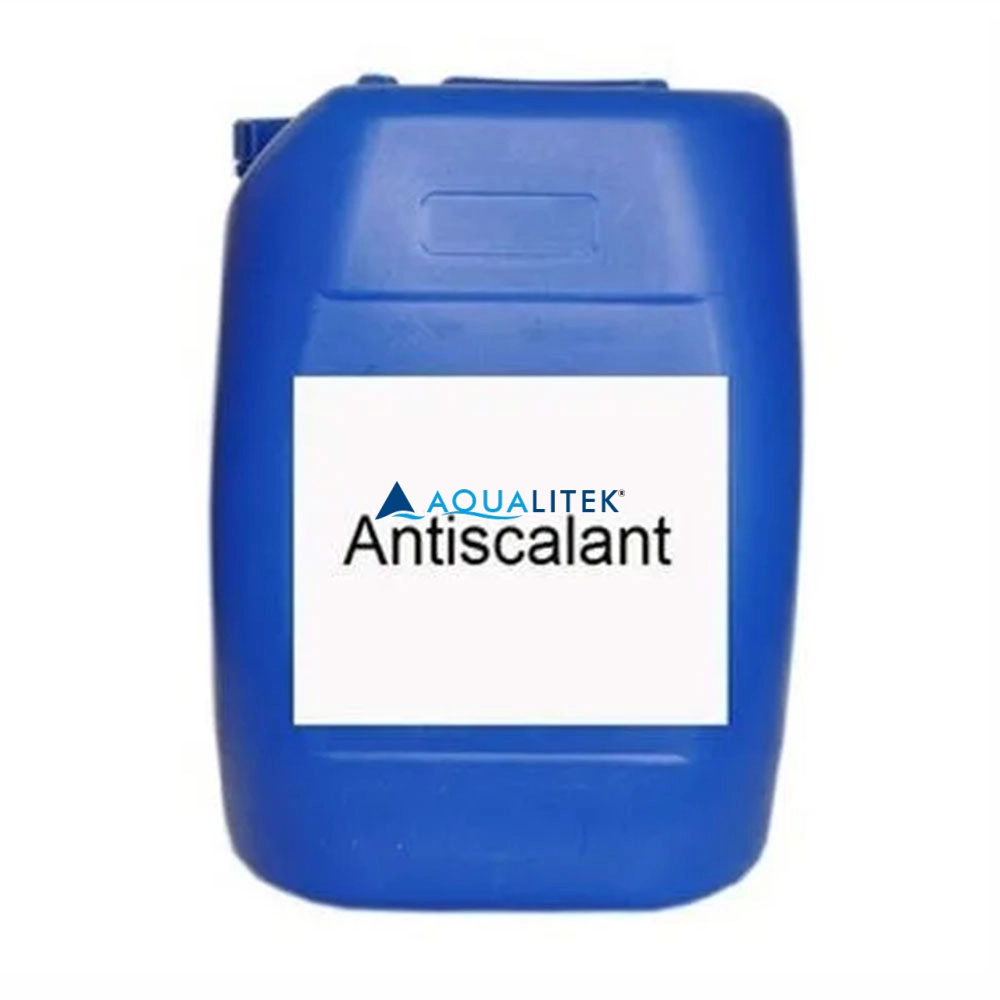
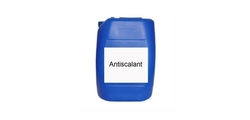
Anti-Scalant is a specialized water treatment chemical designed to prevent the formation of scale in reverse osmosis (RO) systems. Scaling is a common issue in RO systems, where minerals like calcium, magnesium, and silica precipitate and form hard deposits on the membrane surface. These deposits can clog the membranes, reduce water production efficiency, and increase operational costs.
RO chemical anti-scalants work by inhibiting the crystallization of scale-forming minerals, effectively keeping them in solution and preventing them from adhering to the membrane. This ensures the longevity and optimal performance of the RO system.
Anti-scalants are essential in applications with hard water or high mineral content, such as in industrial, municipal, and desalination plants.
These chemicals are highly effective in preventing scaling caused by common minerals such as calcium carbonate, calcium sulfate, barium sulfate, and silica, helping to extend the lifespan of the membranes, reduce cleaning cycles, and enhance system efficiency.
By incorporating an RO chemical anti-scalant into your water treatment process, you can improve the reliability and overall performance of your reverse osmosis system, ensuring consistent, high-quality water output while minimizing maintenance costs.
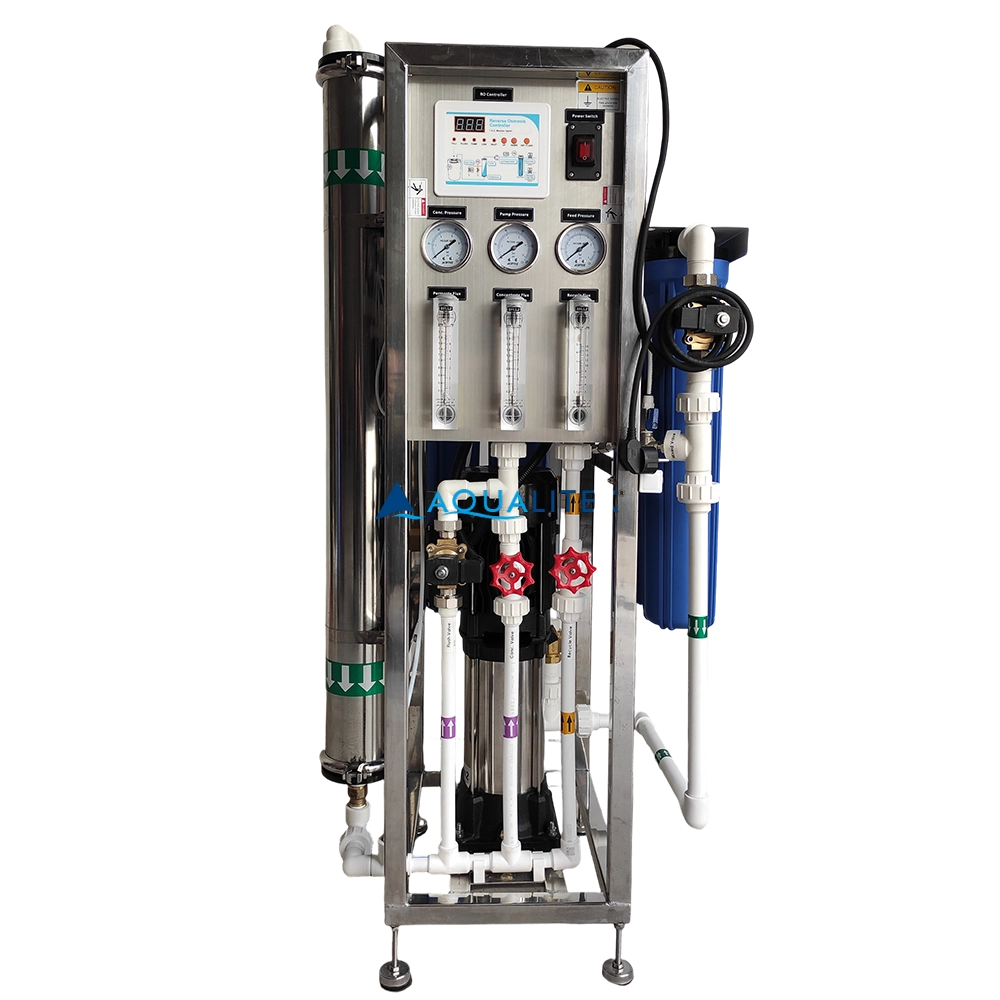
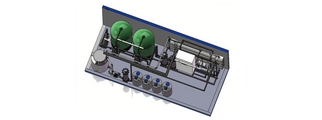
Our 500 LPH Reverse Osmosis (RO) System is engineered to provide high-quality purified water for commercial applications. Designed with advanced RO technology, durable components, and a user-friendly interface, this system ensures consistent performance, low maintenance, and long-term reliability.
With its compact design and robust skid-mounted frame, it’s an excellent choice for businesses that demand efficiency and quality in water purification.
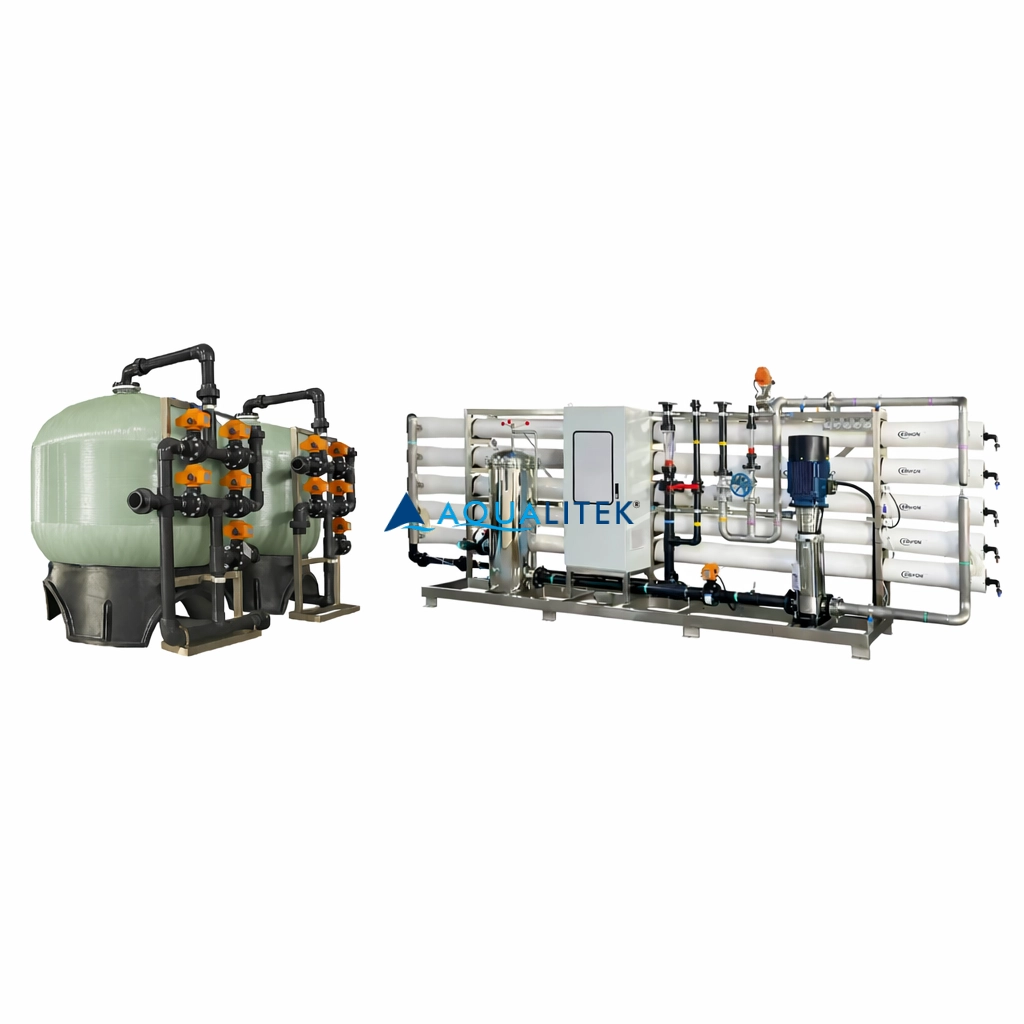
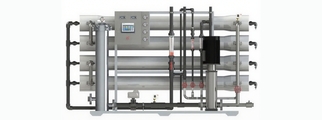
30TPH Industrial Reverse Osmosis (RO) System designed for industrial and municipal water treatment. High salt rejection, energy-efficient design, PLC control, and customizable configuration.
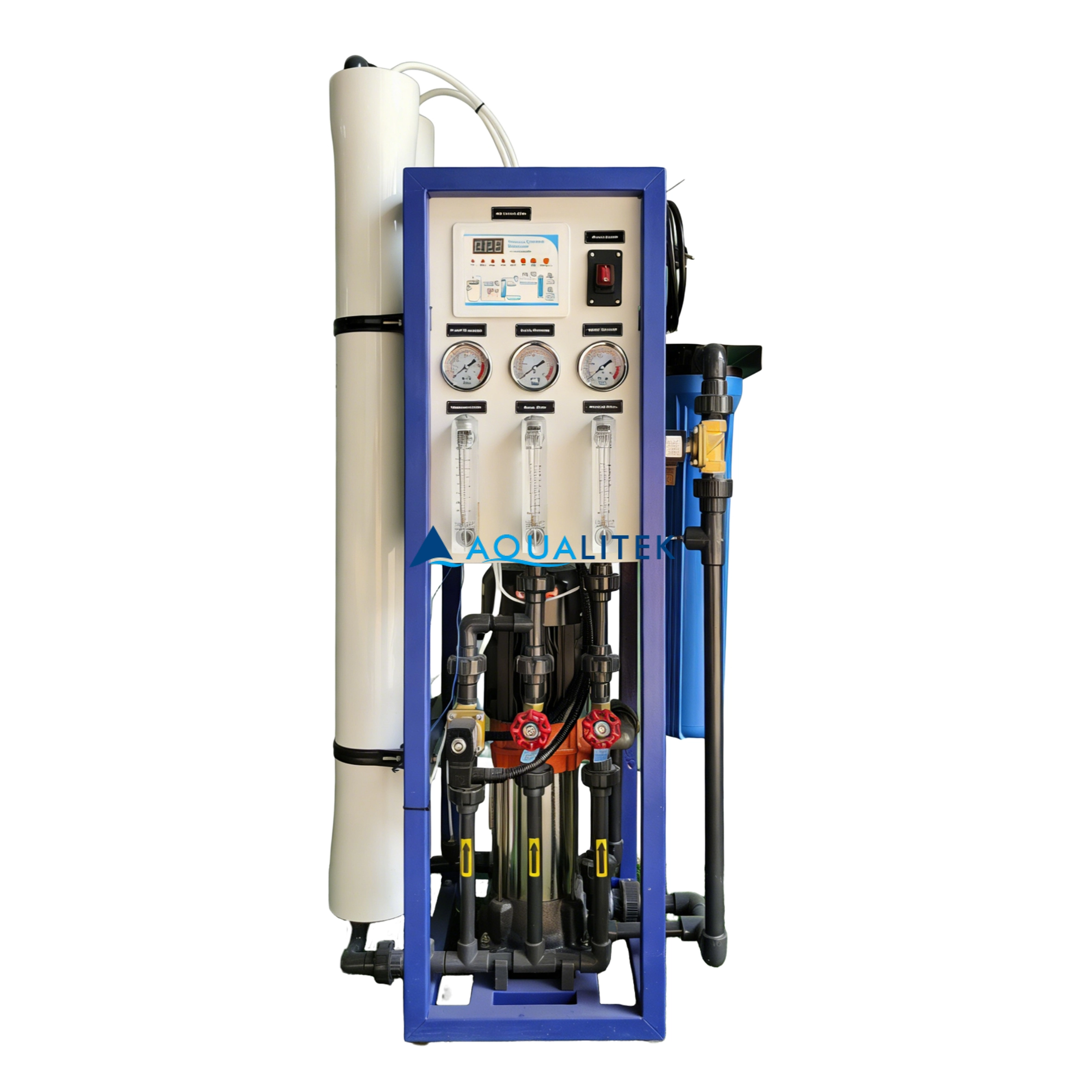
AQUALITEK's 500LPH Panel Mounted Reverse Osmosis Water Purification System delivers reliable 500 LPH RO water production. This compact industrial reverse osmosis unit is ideal for small scale industrial RO needs, ensuring efficient and high-quality purified water in a space-saving design.
© 2026 AQUALITEK. All rights reserved.
AQUALITEK- Aimee Hoo
AQUALITEK - Aimee Hoo