




Why Choose a 4TPH Industrial Reverse Osmosis System?
- Key Advantages of a 4TPH Industrial Reverse Osmosis System
- Right-sized capacity for mid-sized plants
- Cost-effectiveness — capital and operational balance
- Consistent water quality for critical processes
- Technical Considerations When Selecting a 4TPH RO System
- Pre-treatment: the foundation of reliable operation
- Membrane choice, recovery rate and concentrate management
- Instrumentation, automation and remote monitoring
- Applications, Compliance and Quality Assurance
- Electronics cleaning and precision manufacturing
- Food, beverage and process water applications
- Meeting industry standards and audit readiness
- Installation, Operation and Return on Investment
- Sizing examples and a practical comparison
- Operating costs, energy and chemical use
- Installation, commissioning and training
- Maintenance, Troubleshooting and Longevity
- Common issues: fouling, scaling and membrane damage
- Membrane life expectancy and replacement strategy
- Spare parts, service contracts and documentation
- FAQ
- Q: Is a 4TPH system suitable for electronic component cleaning?
- Q: What pre-treatment is required for a 4TPH RO system?
- Q: How often do RO membranes need cleaning or replacement?
- Q: Can the concentrate be reused or must it be discharged?
- Q: What certifications or references should I request from a supplier?
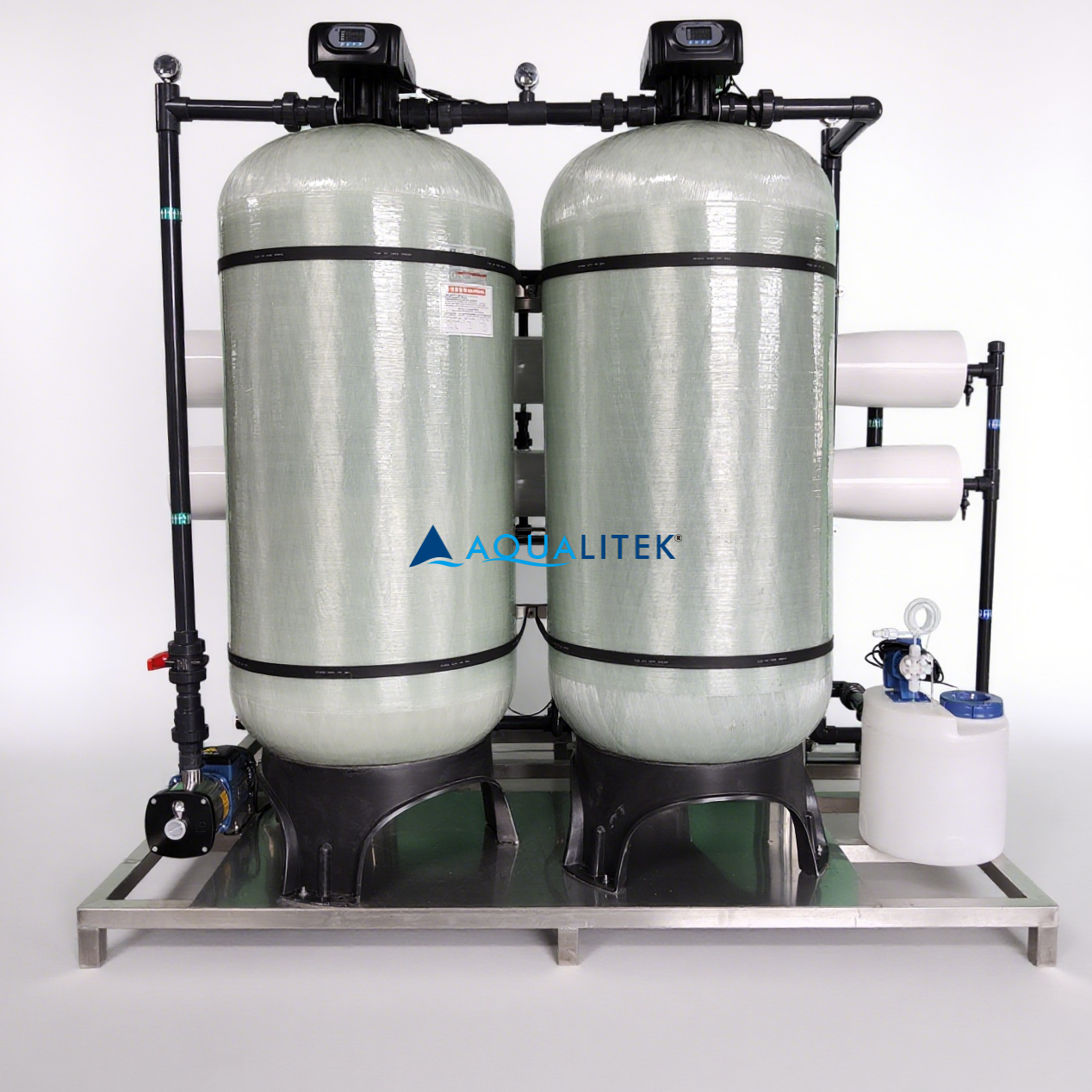
The 4TPH Industrial Reverse Osmosis option balances throughput, footprint and operating cost for many mid-sized manufacturing and processing plants. This article explains why a 4TPH industrial reverse osmosis system often represents the best tradeoff between reliability, water quality, and lifecycle cost for applications such as electronic component cleaning, precision manufacturing, laboratory support, and process make-up. We cover technical selection criteria (pre-treatment, membrane type, recovery rates), operational best practices (monitoring, cleaning, brine handling), regulatory considerations, and a practical comparison to other capacities so you can decide with confidence.
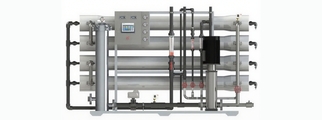
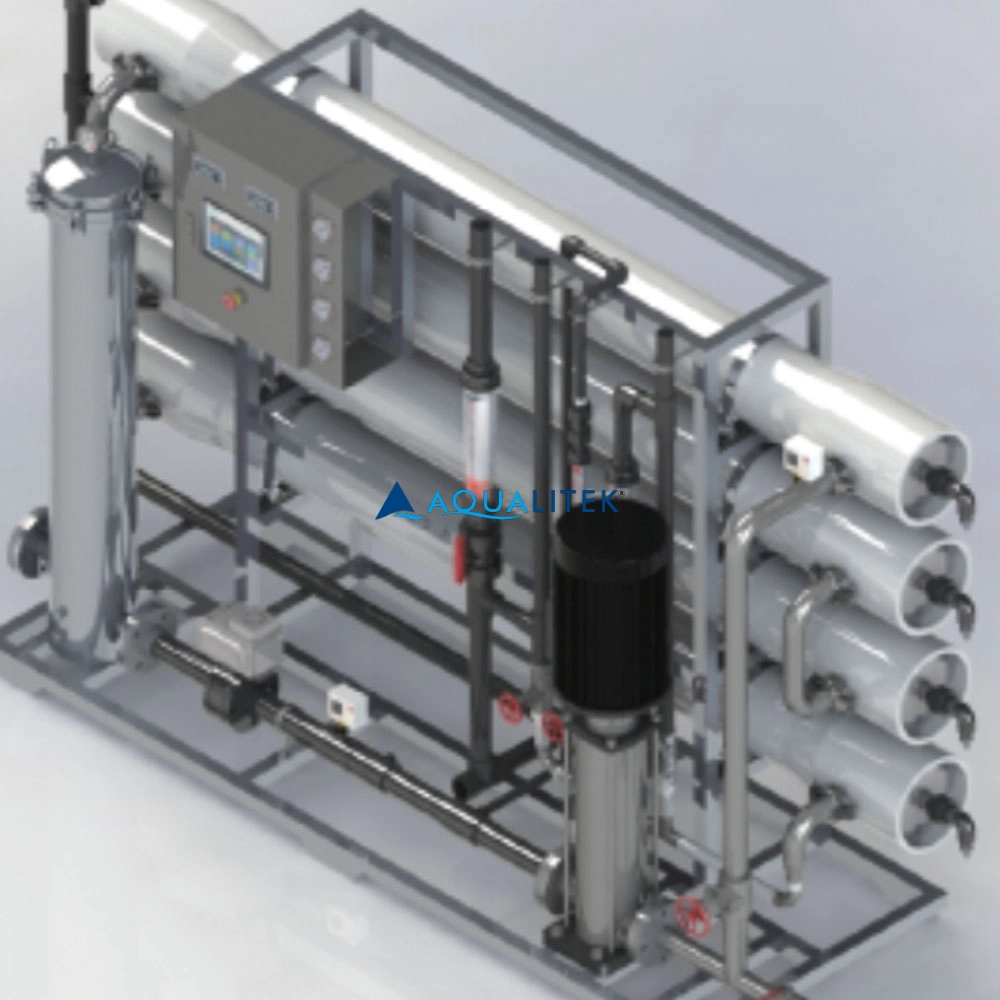
AQUALITEK 4TPH Industrial Reverse Osmosis Water Purification RO System, high-efficiency industrial-grade RO water treatment plant for manufacturing & processing, commercial reverse osmosis filtration system ideal for electronic component cleaning water use.
Key Advantages of a 4TPH Industrial Reverse Osmosis System
Right-sized capacity for mid-sized plants
A 4TPH (tons per hour) industrial reverse osmosis system delivers roughly 4,000 liters/hour (or about 96 m3/day) of high-quality permeate depending on feed water and recovery settings. For many electronics, chemical processing, pharmaceutical support, and small-to-medium food processing lines, this capacity matches demand without excessive capital spending or energy waste. Choosing the correct scale reduces unnecessary pretreatment complexity and avoids repeated modular redundancy that increases CAPEX and OPEX.
Cost-effectiveness — capital and operational balance
Compared with very large skid systems, a 4TPH RO system offers lower upfront capital cost while often maintaining favorable energy consumption per unit of treated water. Optimized pumps and energy-efficient membranes achieve good specific energy consumption (SEC) at moderate TDS levels. Furthermore, the smaller footprint lowers civil and installation costs. When paired with modern variable-frequency drives (VFDs) and effective pre-treatment, lifecycle costs become highly competitive.
Consistent water quality for critical processes
Industrial reverse osmosis at 4TPH provides stable permeate quality (low TDS, low SDI contribution) when combined with proper pre-treatment such as multimedia filtration, activated carbon, and antiscalant dosing. For sensitive uses like electronic component cleaning, consistent resistivity or TDS control is crucial to avoid product defects. A well-designed 4TPH RO system can be tuned to deliver that consistency with a manageable maintenance program.
Technical Considerations When Selecting a 4TPH RO System
Pre-treatment: the foundation of reliable operation
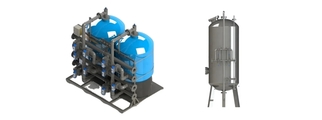
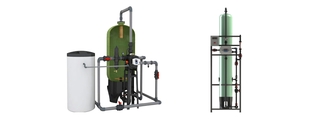
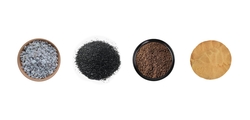
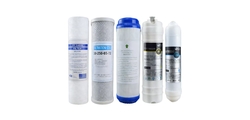
Pre-treatment protects membranes and determines long-term reliability. For a 4TPH industrial reverse osmosis plant, typical pre-treatment includes: sediment filtration (to remove suspended solids and lower SDI), activated carbon (to remove chlorine that damages polyamide membranes), softening or antiscalant dosing (to control hardness and scaling), and ultrafiltration when biological loading is high. Selecting the right pre-treatment reduces fouling rates and extends membrane life, directly lowering OPEX.
Membrane choice, recovery rate and concentrate management
Membrane selection depends on feedwater TDS, desired permeate quality, and allowable recovery. Standard polyamide thin-film composite membranes work for most feedwaters; for very high TDS or specific contaminants, specialty membranes may be required. Recovery (the percentage of feed converted into permeate) for industrial RO systems typically ranges from 60% to 85% depending on feedwater hardness and economics. Higher recovery reduces wastewater volume but raises scaling risk and might require enhanced antiscalant dosing or additional softening. Concentrate (brine) disposal must comply with local environmental rules or be further concentrated for reuse.
Instrumentation, automation and remote monitoring
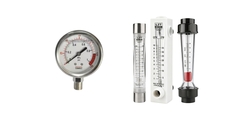
Modern 4TPH RO systems should include conductivity/TDS monitors on feed, permeate and concentrate lines, pressure transducers across the membrane elements, flow meters, and automated controls for start/stop, backwash and chemical dosing. Remote monitoring and alarm features reduce downtime by enabling predictive maintenance and faster reaction to fouling or leaks. Integration with plant SCADA or building management systems is common and recommended.
Applications, Compliance and Quality Assurance
Electronics cleaning and precision manufacturing
The AQUALITEK 4TPH Industrial Reverse Osmosis Water Purification RO System is well matched to electronic component cleaning, where low ionic content and consistent water purity directly affect yield. RO permeate can be further polished with deionization (EDI or mixed-bed ion exchange) when ultra-pure water is required. For many cleaning processes, RO permeate with low TDS and minimized organics reduces spotting, residues and rework.
Food, beverage and process water applications
For industrial food and beverage processes, RO reduces mineral content and microbial load, protecting downstream equipment and improving product stability. Note that RO permeate is not automatically potable—post-treatment (e.g., disinfection, remineralization) and compliance with local regulations may be required before direct human consumption. Refer to WHO guidance on safe drinking-water and treatment options for community and industrial uses: WHO Water, Sanitation & Health.
Meeting industry standards and audit readiness
To demonstrate E-E-A-T (experience, expertise, authority, trustworthiness) and regulatory compliance, keep system documentation: as-built drawings, material certificates, calibration records, maintenance logs, and water quality test records. For industry standards and best practices, consult technical resources such as the American Water Works Association (AWWA) and professional guidance on reverse osmosis processes (see the general overview at Reverse osmosis — Wikipedia). For broader desalination and membrane technology perspectives, the International Desalination Association provides case studies and guidelines: IDA.
Installation, Operation and Return on Investment
Sizing examples and a practical comparison
Choosing between 1TPH, 4TPH and 10TPH systems should be based on peak demand, redundancy needs and future growth. Below is a compact comparison to help sizing decisions:
| Metric | 1TPH | 4TPH | 10TPH |
|---|---|---|---|
| Typical daily output (m3/day) | 24 | 96 | 240 |
| Typical capital cost | Low | Moderate | High |
| Footprint | Small | Compact | Large |
| Best for | Small labs, pilot lines | Mid-size plants, electronics cleaning | Large facilities, centralized plants |
| Operational complexity | Low | Medium | High |
Operating costs, energy and chemical use
Operating expense includes energy (high-pressure pumping), consumables (membranes, cartridges), chemicals (antiscalants, cleaning agents) and labor. A well-commissioned 4TPH RO system usually achieves lower specific costs than many smaller units due to better component scaling and pump efficiency, while remaining far more economical than over-sized systems that run with low load factors. Regular monitoring and an optimized cleaning schedule keep membrane performance high and minimize downtime.
Installation, commissioning and training
Proper installation and commissioning are essential. Key steps include verifying feed water quality, calibrating instruments, leak testing, validating recovery and permeate quality, and running thorough membrane cleaning-in-place (CIP) protocols. Operator training on daily checks, alarm responses, and basic troubleshooting is crucial to protect ROI. Many vendors, including manufacturers of the AQUALITEK 4TPH Industrial Reverse Osmosis Water Purification RO System, provide commissioning support and operator training as part of the supply package.
Maintenance, Troubleshooting and Longevity
Common issues: fouling, scaling and membrane damage
Fouling (biological or particulate) and scaling (mineral precipitation) are the most common operational problems. Regular SDI monitoring of feed water, scheduled backwashing of pre-filters, and controlled antiscalant dosing reduce these risks. Membrane chemical cleaning schedules (CIP) based on differential pressure and permeate decline help restore performance. Avoid chlorine exposure to polyamide membranes unless a dechlorination step (activated carbon) is present.
Membrane life expectancy and replacement strategy
Typical membrane life in industrial applications ranges from 3 to 7 years depending on feedwater quality and care. Establishing a membrane replacement and inventory plan is part of predictable maintenance budgeting. Tracking normalized permeate flux and salt passage (conductivity) helps determine end-of-life criteria for elements.
Spare parts, service contracts and documentation
Keep essential spares (pressure gauges, cartridges, seals, dosing pumps) on site. A service contract with scheduled visits for preventive maintenance and calibration can significantly reduce unplanned downtime. Maintain a clear set of documents and certificates to support audits and warranty claims.
FAQ
Q: Is a 4TPH system suitable for electronic component cleaning?
A: Yes. The AQUALITEK 4TPH Industrial Reverse Osmosis Water Purification RO System is specifically positioned for high-quality permeate used in electronics cleaning. For ultra-pure needs, combine RO with ion exchange polishing (EDI or mixed-bed).
Q: What pre-treatment is required for a 4TPH RO system?
A: Typical pre-treatment includes sediment filtration (to lower SDI), activated carbon (to remove chlorine), softening or antiscalant dosing (to control hardness), and sometimes ultrafiltration for biologically loaded waters. Final design depends on feedwater analysis.
Q: How often do RO membranes need cleaning or replacement?
A: Chemical cleaning frequency depends on feedwater and operational metrics; many plants schedule CIP every few months, with membranes replaced every 3–7 years based on performance decline and salt passage.
Q: Can the concentrate be reused or must it be discharged?
A: Reuse depends on plant processes and local regulations. Concentrate can sometimes be used in non-critical processes, evaporated, or further treated. Always verify environmental and discharge rules for your jurisdiction.
Q: What certifications or references should I request from a supplier?
A: Request performance data, as-built drawings, material certificates, factory acceptance test (FAT) reports, and references from similar installations. Compliance with local electrical and pressure vessel codes is also important.
If you want tailored advice for your facility, request a site assessment or a quote for the AQUALITEK 4TPH Industrial Reverse Osmosis Water Purification RO System. Contact our sales team for configuration options, detailed specifications, or to schedule a free consultation: sales@yourcompany.com. View the product datasheet and request a quote now.
Scaling and Fouling Control Strategies for BWRO BWE Systems
500 LPH Reverse Osmosis TWV - 412 (RO): In-Depth Review
How to Maintain Your Water Purification System: A Guide
Maintenance and Lifecycle Costs of Stainless Cartridge Housings
FAQ-aqualitek
How do I choose the right water treatment system for my needs?
The choice depends on factors such as water quality, application, flow rate, and purification requirements. Our team of experts can analyze your water source and recommend the most suitable solution for residential, commercial, or industrial applications.
What industries does AQT serve?
We provide water treatment solutions for a wide range of industries, including:
Industrial Manufacturing – Process water treatment, cooling water, and boiler feed.
Hospitality & Commercial – Hotels, restaurants, and office buildings.
Residential Applications – Drinking water purification and softening.
Healthcare & Pharmaceuticals – Ultra-pure water for laboratories and hospitals.
Municipal & Public Utilities – Water supply and wastewater treatment.
Food & Beverage Processing – Filtration for beverage production and food safety.
Water Filters
Can I automate the filter cleaning process?
Absolutely. Our automatic backwash filters come with timer-based or differential pressure-triggered controls.
Solutions
What is the difference between Reverse Osmosis (RO), Ultrafiltration (UF), and Nanofiltration (NF)?
1. Reverse Osmosis (RO): Removes up to 99.9% of contaminants, including salts, bacteria, viruses, and heavy metals.
2. Ultrafiltration (UF): Uses a membrane filtration process to remove bacteria and particles, while retaining essential minerals.
3. Nanofiltration (NF): Falls between RO and UF, removing some salts and organic compounds while allowing certain minerals to pass through.
How often should I replace filters and membranes?
Filter and membrane lifespan depends on water quality, usage, and system type. General guidelines:
1. Sediment & Carbon Filters: Replace every 6–12 months.
2. RO Membranes: Replace every 2–3 years, depending on water conditions.
3. UF/NF Membranes: Replace every 1–2 years.
Regular maintenance ensures optimal performance and water quality.
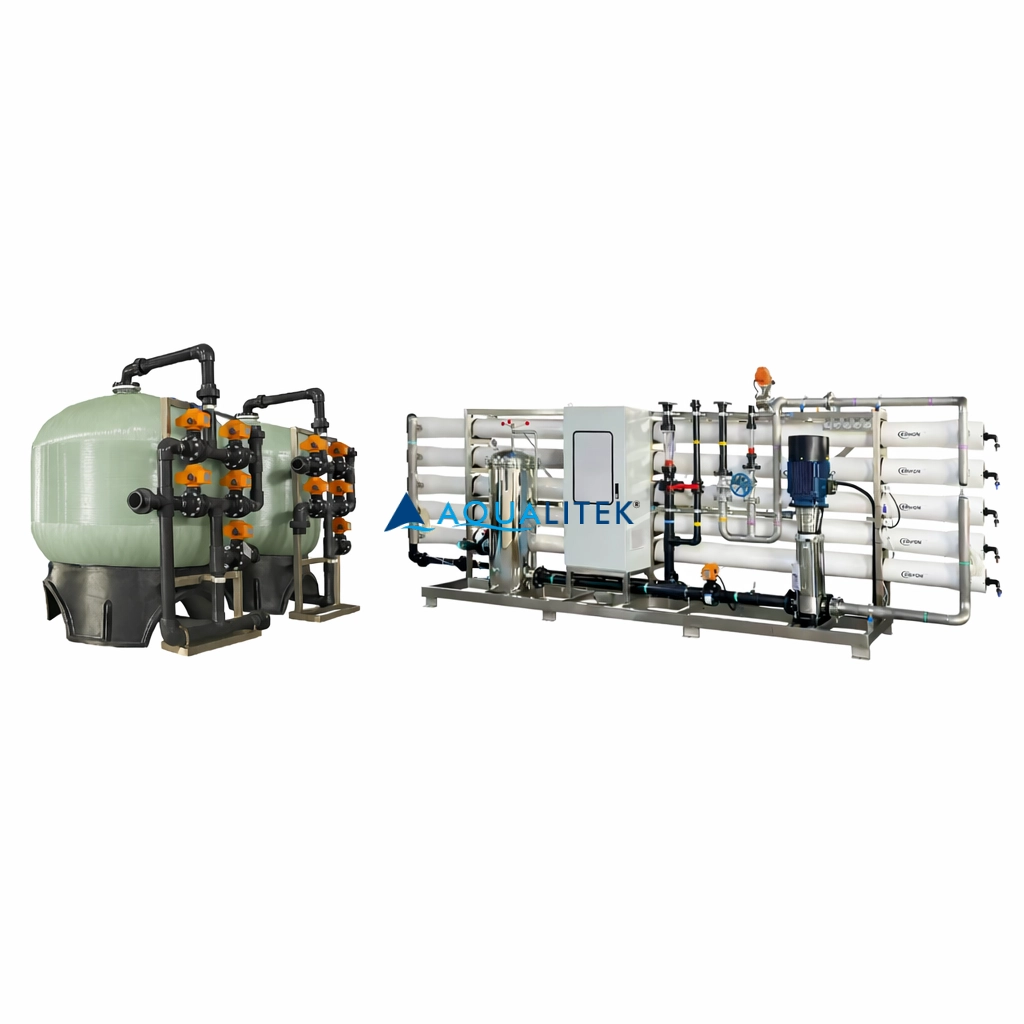
30TPH Industrial Reverse Osmosis (RO) System
30TPH Industrial Reverse Osmosis (RO) System designed for industrial and municipal water treatment. High salt rejection, energy-efficient design, PLC control, and customizable configuration.
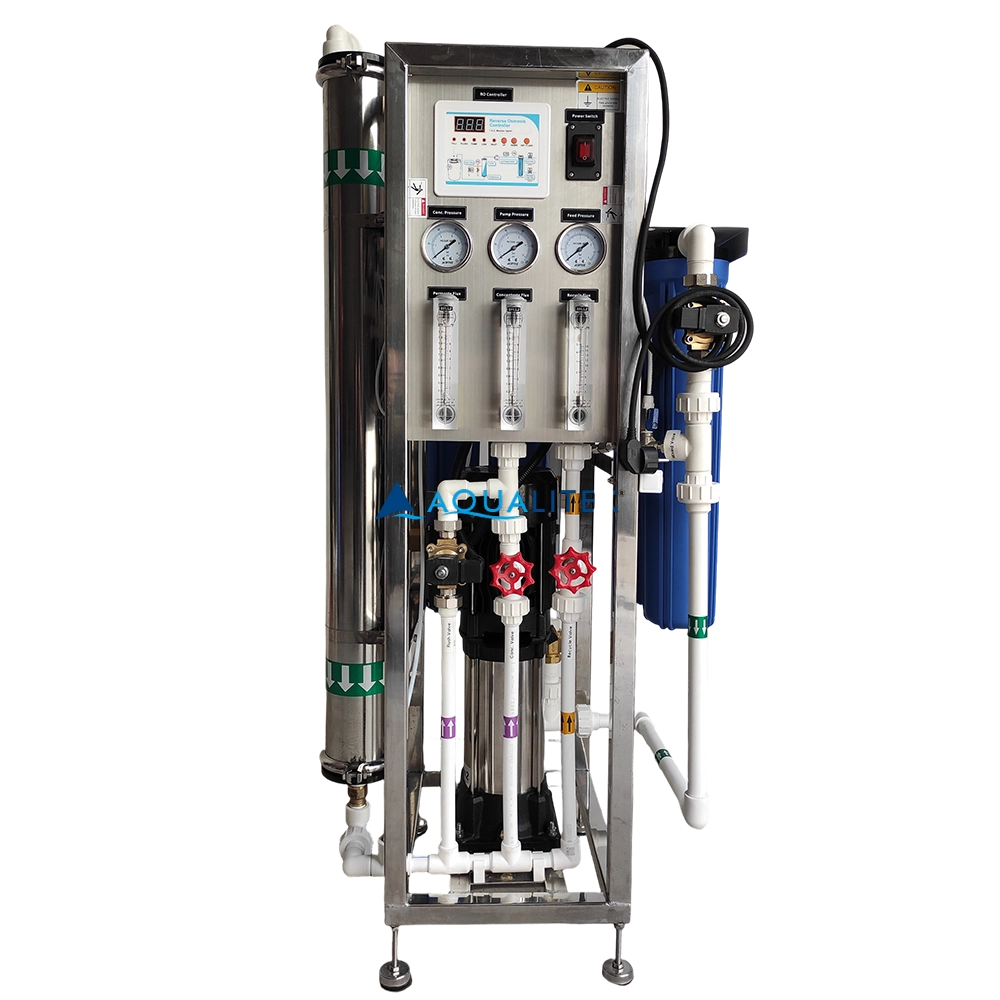
500 LPH Reverse Osmosis (RO) Water Purification Machine TWV - 412
Our 500 LPH Reverse Osmosis (RO) System is engineered to provide high-quality purified water for commercial applications. Designed with advanced RO technology, durable components, and a user-friendly interface, this system ensures consistent performance, low maintenance, and long-term reliability.
With its compact design and robust skid-mounted frame, it’s an excellent choice for businesses that demand efficiency and quality in water purification.
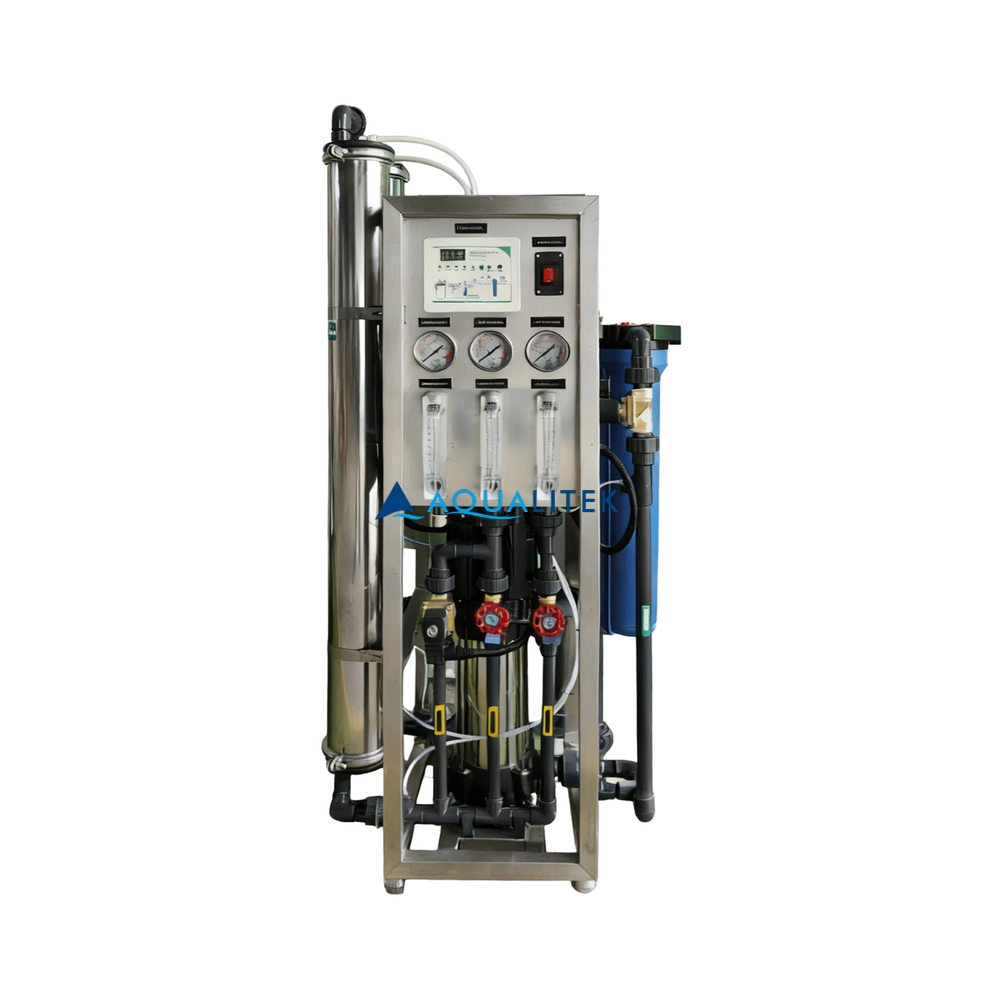
Tap Water Reverse Osmosis (TWRO) Systems TWV Series
TWV series Reverse Osmosis (RO) systems are pre-engineered and pre-assembled units with 2.5”/4” membrane housings(single element type)for tap water(lower TDS).They are designed for overall superior performance, high recovery rates and offer great savings with low maintenance and operation costs.
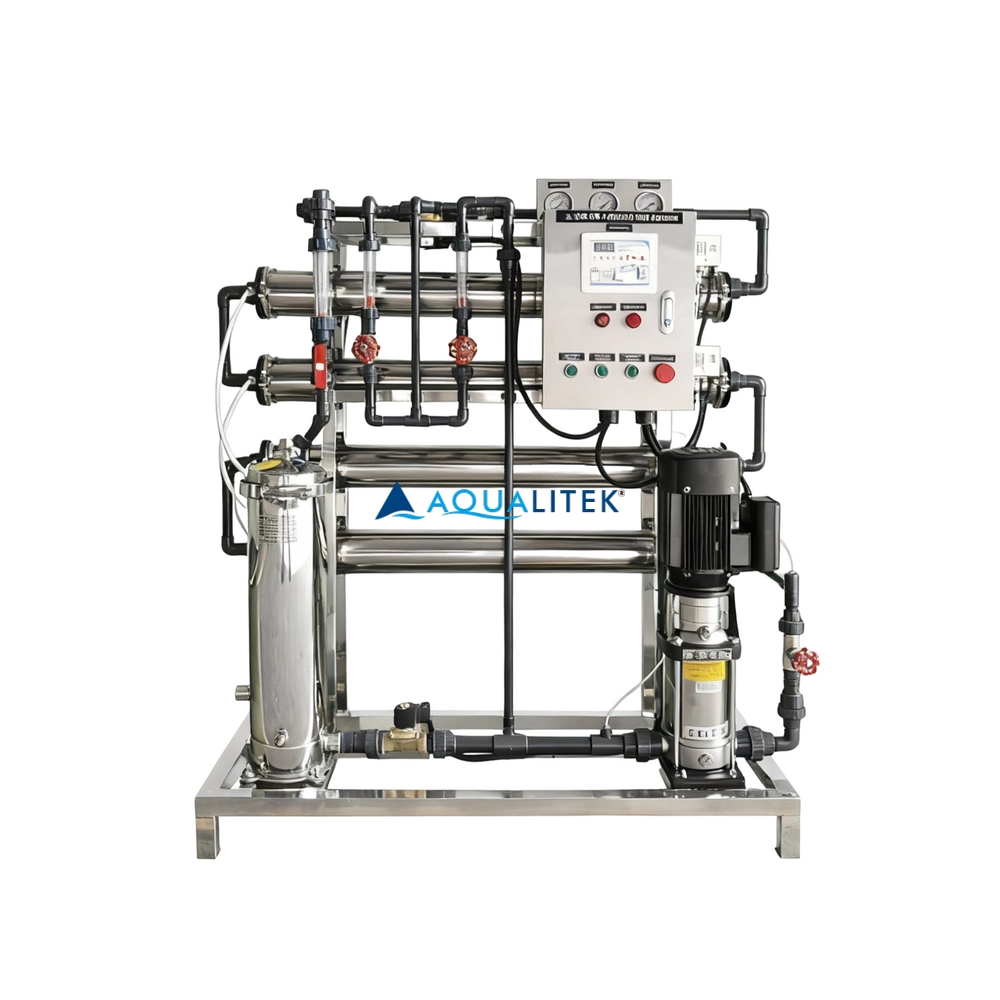
Tap Water Reverse Osmosis (TWRO) Systems TWF Series
TWF series Reverse Osmosis (RO) systems are pre-engineered and pre-assembled units with 4” membrane housings(multiple elements type) for tap water(lower TDS) .The medium large volumes can help meet your a variety of commercial and industrial applications. They are designed for overall superior performance, high recovery rates and offer great savings with low maintenance and operation costs.
Request More Information
Contact us today for product catalogs, customization options, and a free quotation designed for your business needs.
Rest assured that your privacy is important to us, and all information provided will be handled with the utmost confidentiality.
© 2026 AQUALITEK. All rights reserved.
AQUALITEK- Aimee Hoo
AQUALITEK - Aimee Hoo