




Membrane Selection for Industrial Reverse Osmosis
- Understanding Membrane Types and Materials
- Common membrane chemistries: advantages and limitations
- Element configurations and their application
- Key Performance Criteria for Membrane Selection
- Salt rejection and permeate quality
- Flux, recovery, and lifecycle cost
- Fouling resistance and cleaning tolerance
- Pretreatment, Antiscalants, and Operational Controls
- Pretreatment strategies matched to membrane choice
- Antiscalant selection and dosing guidance
- Monitoring, cleaning-in-place (CIP), and diagnostics
- Matching Membrane Selection to the AQUALITEK 4TPH System
- Why membrane choice matters for the 4TPH Industrial RO
- Recommended membrane profiles for electronic cleaning applications
- Installation, validation, and performance testing
- Comparing Membrane Types: Quick Reference
- Standards, Validation, and Further Reading
- Piloting and third-party verification
- FAQ — Membrane Selection for Industrial Reverse Osmosis
- Q: Which membrane type is best for industrial reverse osmosis for electronics cleaning?
- Q: How often should membranes be cleaned or replaced?
- Q: Can I use the AQUALITEK 4TPH system with seawater feed?
- Q: What tests should I request from membrane suppliers?
- Q: How to verify membrane compatibility with cleaning chemicals?
- Contact & Product Information
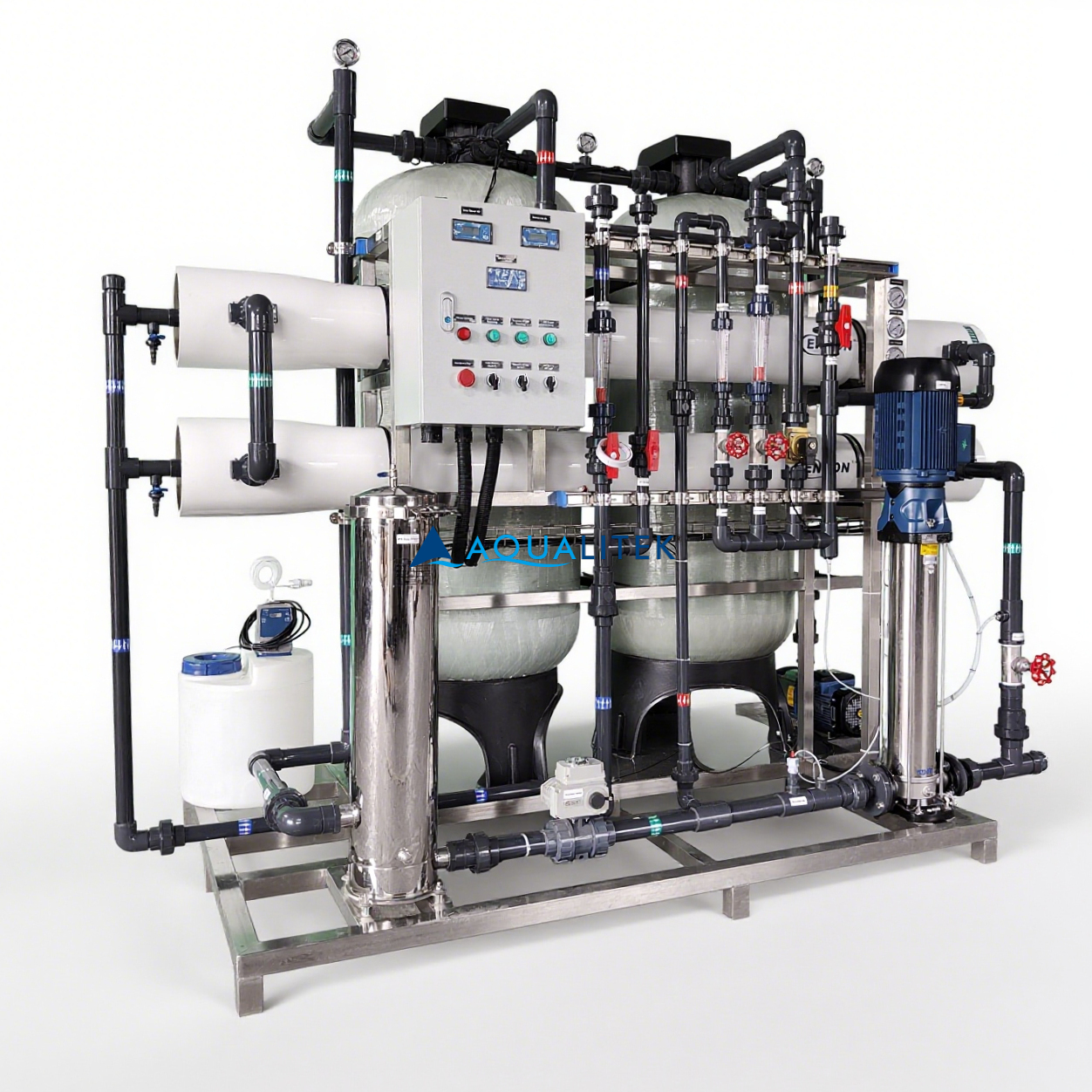
This guide provides a concise, crawl-friendly overview of membrane selection for industrial reverse osmosis systems. It helps engineers, plant managers, and procurement teams choose the right RO membrane to meet feedwater conditions, desired product quality, and lifecycle cost targets. Practical recommendations cover membrane materials, configuration, fouling control, monitoring, and compatibility with the AQUALITEK 4TPH Industrial Reverse Osmosis Water Purification RO System for manufacturing and electronic cleaning water applications.
Understanding Membrane Types and Materials
Common membrane chemistries: advantages and limitations
Three membrane chemistries dominate industrial reverse osmosis: cellulose acetate (CA), aromatic polyamide thin-film composite (TFC/TFC-PA), and modified polyamide variants. TFC membranes (also called thin-film composite polyamide) are the most widely used in industrial and commercial RO plants due to their high salt rejection (typically >99% for brackish waters) and good flux per unit area. Cellulose acetate membranes provide better chlorine tolerance but lower rejection and flux. Choosing the right chemistry requires balancing feedwater composition, pretreatment strategy, and allowable chemical exposure.
Element configurations and their application
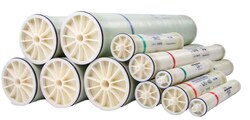
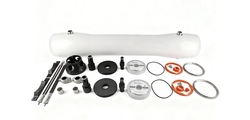
Membranes are manufactured into elements—commonly 8-inch, 4-inch, and customized industrial sizes—and packaged into pressure vessels. For industrial reverse osmosis applications, spiral-wound elements are the norm because of high packing density and predictable hydrodynamics. For high-fouling feeds or small-batch/ultra-high-purity needs, alternative configurations (e.g., hollow fiber) can be considered, but spiral-wound remains the best general solution for the AQUALITEK 4TPH Industrial Reverse Osmosis Water Purification RO System and similar plants.
Key Performance Criteria for Membrane Selection
Salt rejection and permeate quality
The primary performance metric is salt rejection, which determines permeate conductivity and downstream process suitability. For electronic component cleaning water and many manufacturing uses, a high salt rejection membrane (TFC) ensures low conductivity and reduced risk of ionic contamination. When specifying membranes, request manufacturer performance curves at representative temperature, pressure, and feed TDS conditions rather than relying exclusively on nominal datasheet figures.
Flux, recovery, and lifecycle cost
Flux (L/m2·h or GFD) combined with allowable recovery influences the number of elements and size of the RO system. Higher flux membranes reduce membrane area but can cost more and may be more sensitive to fouling. Recovery rate (percentage of feed converted to permeate) affects concentrate salinity and scaling risk; membranes that enable higher recovery must be paired with appropriate antiscalant dosing and pretreatment. Consider total lifecycle cost (membrane replacements, cleaning frequency, energy) rather than upfront price alone.
Fouling resistance and cleaning tolerance
Membrane fouling (organic, colloidal, inorganic scaling, biological) is the leading cause of performance decline. Choose membranes with demonstrated fouling resistance for your feed type and verify compatibility with the cleaning chemicals you plan to use (acid, caustic, oxidants). For instance, TFC membranes often have limited free-chlorine tolerance, so dechlorination is standard in pretreatment; cellulose acetate tolerates chlorine better but has other trade-offs.
Pretreatment, Antiscalants, and Operational Controls
Pretreatment strategies matched to membrane choice
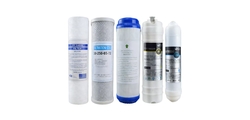
Effective pretreatment is as important as membrane selection. Typical pretreatment for industrial reverse osmosis includes multimedia filtration, cartridge filtration (to 5 μm or 1 μm), softening or antiscalant dosing for hardness control, and activated carbon or dechlorination where membranes are chlorine-sensitive. For electronic cleaning water, particulate control and organic removal (to limit total organic carbon) are particularly critical to prevent RDIs and ensure consistent product quality.
Antiscalant selection and dosing guidance
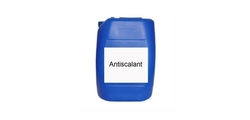
Antiscalants prevent inorganic scaling (calcium carbonate, gypsum, silica) and enable higher recoveries. Select an antiscalant compatible with the membrane material and feedwater composition. Bench or pilot testing is recommended: a small-scale membrane autopsy or lab test can determine the minimum effective dose, reducing chemical costs and minimizing potential membrane interactions.
Monitoring, cleaning-in-place (CIP), and diagnostics
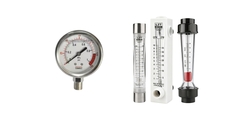
Implement a monitoring program that tracks feed and permeate conductivity, differential pressure across vessels, normalized permeate flow, and salt passage. Establish CIP protocols based on observed performance trends rather than fixed calendar intervals to extend membrane life and optimize plant uptime. For guidance on water quality and monitoring parameters, consult WHO’s drinking-water quality guidelines when applicable: WHO Guidelines for Drinking-water Quality.
Matching Membrane Selection to the AQUALITEK 4TPH System
Why membrane choice matters for the 4TPH Industrial RO
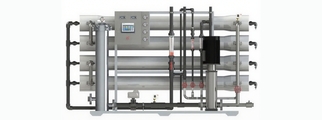
The AQUALITEK 4TPH Industrial Reverse Osmosis Water Purification RO System is a high-efficiency industrial-grade RO plant designed for manufacturing and processing, including electronic component cleaning water. Its performance depends on the membrane elements installed: selecting membranes optimized for brackish feed with low TOC and particulate loading will yield stable permeate conductivity, reduced chemical consumption, and predictable maintenance intervals.
Recommended membrane profiles for electronic cleaning applications
For electronic cleaning water, prioritize membranes offering:
- High salt rejection (>98.5%) to ensure low ionic contamination
- Low organic adsorption to reduce particle/organic fouling potential
- Stable flux at modest applied pressures to lower energy use
Typical selection: aromatic polyamide TFC spiral-wound elements rated for brackish conditions, combined with rigorous pretreatment (cartridge filtration <1 μm, antiscalant) and dechlorination. The AQUALITEK 4TPH system design accommodates these common industrial membrane elements and provides proper hydraulics and instrumentation for performance monitoring.
Installation, validation, and performance testing
When commissioning the 4TPH RO system, perform factory acceptance tests (FAT) and site acceptance tests (SAT) including: inflow/outflow conductivity, normalized flux at reference temperature, and a baseline salt rejection test. Keep membrane serial numbers and production lots logged for traceability. For industrial operators, referencing membrane manufacturer validation data and performing a short pilot run under representative feed conditions is a best practice to avoid surprises during full-scale operation.
Comparing Membrane Types: Quick Reference
| Membrane Type | Typical Salt Rejection | Chlorine Tolerance | Fouling Resistance | Typical Use |
|---|---|---|---|---|
| Thin-film composite (TFC, polyamide) | 98–99.7% | Low (requires dechlorination) | Good (sensitive to oxidants) | Brackish RO, industrial RO, electronics rinse water |
| Cellulose acetate (CA) | 94–98% | High (chlorine tolerant) | Moderate | Feeds with disinfectant residuals, niche applications |
| Modified polyamide / specialty membranes | Varies by design | Improved vs TFC (depends on coating) | Engineered for fouling resistance | High-fouling or specialty industrial streams |
Standards, Validation, and Further Reading
Membrane selection and system validation should reference industry standards and technical literature. Useful resources include the reverse osmosis overview on Wikipedia for foundational understanding: Reverse osmosis — Wikipedia, and guidance from professional associations such as the American Water Works Association: AWWA. For material and product safety, consult NSF/ANSI guidance and certification programs via NSF International: NSF International. These sources help verify claims, lifecycle expectations, and accepted test methods.
Piloting and third-party verification
Before committing to large membrane orders, run a pilot using the same membrane chemistry and element size planned for production. Pilot tests provide real-world data on fouling rates, CIP effectiveness, and required antiscalant dose. Where regulatory or contractual quality limits apply, consider third-party lab verification of permeate quality and membrane integrity testing.
FAQ — Membrane Selection for Industrial Reverse Osmosis
Q: Which membrane type is best for industrial reverse osmosis for electronics cleaning?
A: Generally, aromatic polyamide TFC membranes are recommended for electronics cleaning water because of their high salt rejection and good permeate quality. However, ensure robust pretreatment (fine filtration and dechlorination) because TFC membranes have limited chlorine tolerance.
Q: How often should membranes be cleaned or replaced?
A: Cleaning frequency depends on feedwater quality and operational monitoring. Many industrial RO systems follow performance-based CIP triggers—e.g., a specified rise in differential pressure or a decline in normalized permeate flow—rather than fixed intervals. Typical element life ranges from 3–7 years under well-controlled conditions, but this varies widely.
Q: Can I use the AQUALITEK 4TPH system with seawater feed?
A: The AQUALITEK 4TPH Industrial Reverse Osmosis Water Purification RO System is designed primarily for brackish and industrial feeds used in manufacturing and electronic cleaning. Seawater RO requires specialized high-pressure seawater membranes and a system engineered for much higher feed pressures; consult AQUALITEK technical support for feasibility and recommendations.
Q: What tests should I request from membrane suppliers?
A: Request performance curves (flux vs pressure at specified temperature), salt rejection at representative TDS, chemical compatibility data, cleaning protocols, and validated test reports. Ask for references from similar industrial applications when possible.
Q: How to verify membrane compatibility with cleaning chemicals?
A: Check the membrane manufacturer's chemical compatibility matrix and conduct small-scale soak tests under expected CIP concentrations and temperatures. Avoid prolonged exposure to oxidants (like free chlorine) with TFC membranes unless specifically rated for oxidant tolerance.
Contact & Product Information
Product highlight:
AQUALITEK 4TPH Industrial Reverse Osmosis Water Purification RO System, high-efficiency industrial-grade RO water treatment plant for manufacturing & processing, commercial reverse osmosis filtration system ideal for electronic component cleaning water use.
If you have specific feedwater data (TDS, hardness, silica, TOC, SDI) and production requirements, our engineers can recommend membrane brands, element counts, and a pretreatment package optimized for long-term performance. Contact our technical sales team to arrange a pilot test or request a detailed proposal.
Contact us or view the AQUALITEK 4TPH Industrial Reverse Osmosis RO System for specifications, datasheets, and commissioning support.
References: WHO Guidelines for Drinking-water Quality (WHO), Reverse osmosis overview (Wikipedia), American Water Works Association (AWWA), NSF International (NSF).
Top 10 Ultra filtration water system Manufacturers and Supplier Brands

4TPH Industrial Reverse Osmosis RO System: Technical Overview
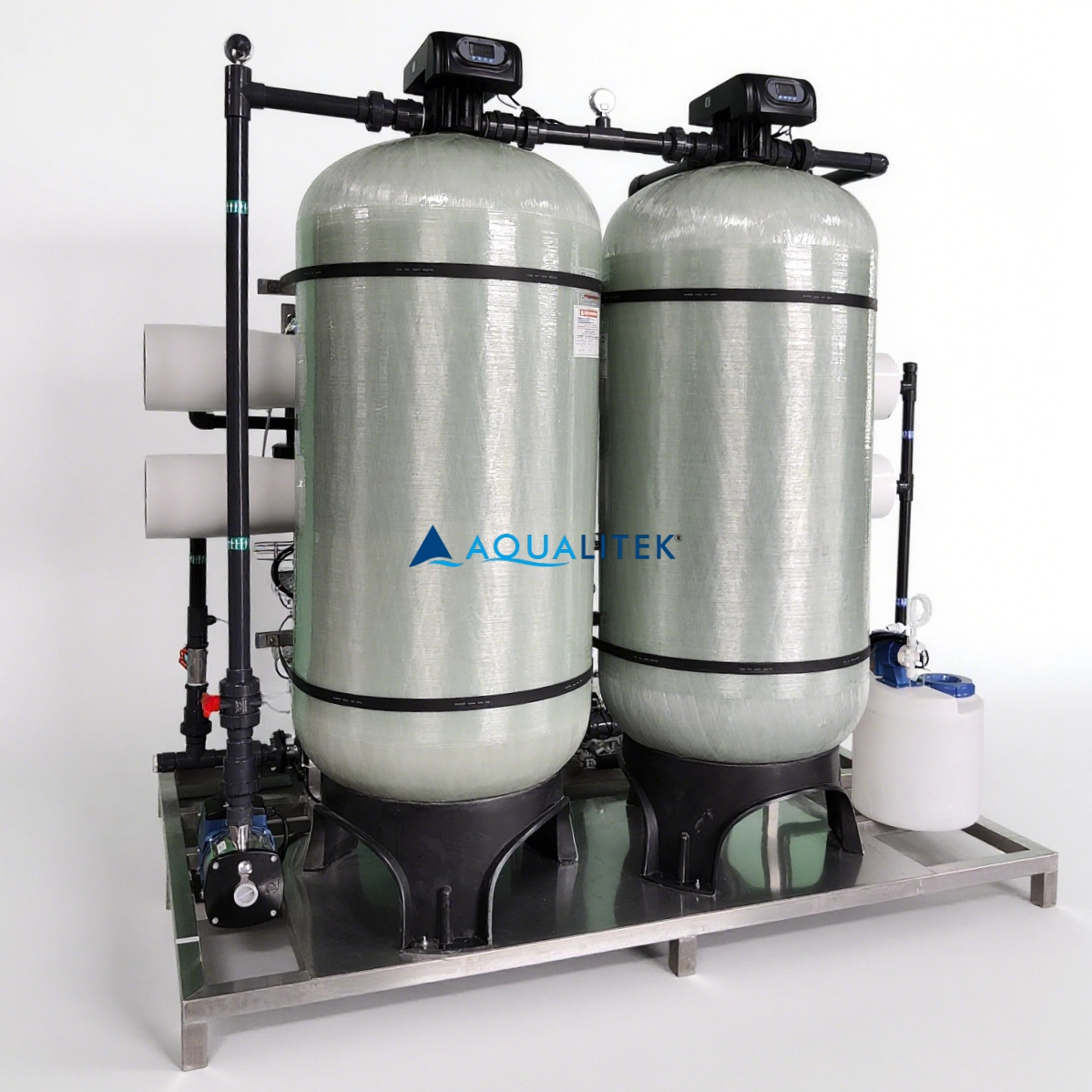
Energy Efficiency Metrics for Industrial RO System Procurement
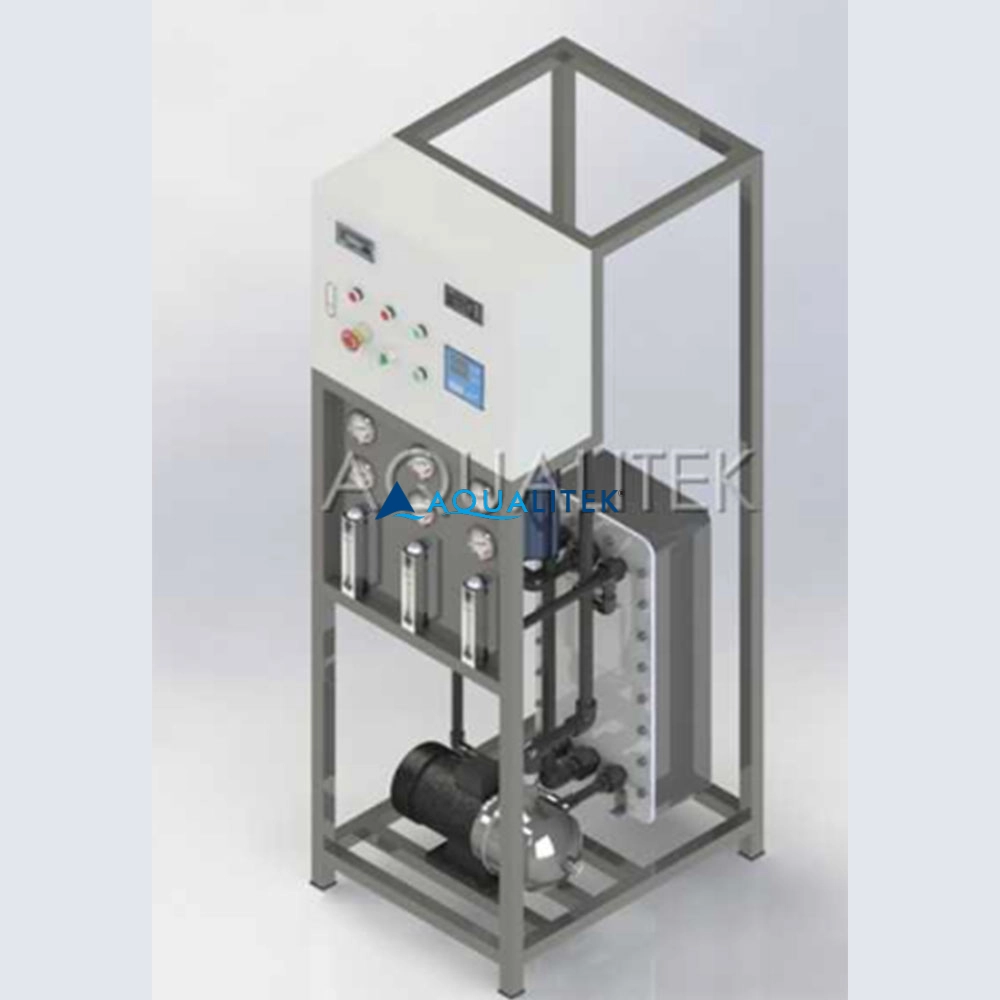
Operating Best Practices for Electrodeionization Systems
Ion Exchange Water Treatment Systems
Are mixed bed systems better than two-bed systems?
Mixed bed polishers are used for final polishing after RO or two-bed deionization to achieve ultra-pure water.
Blog
How do I know when to add salt to my softener?
Check the brine tank monthly. Modern systems often alert you automatically when salt levels are low.
Membrane Water Treatment Systems
What’s the difference between UF and RO?
UF (Ultrafiltration) removes suspended solids, bacteria, and larger molecules. RO (Reverse Osmosis) removes dissolved salts and minerals. They’re often used together for complete treatment.
Do you offer plug-and-play solutions?
Absolutely. We offer containerized membrane systems that are factory-tested, compact, and quick to deploy.
FAQ-aqualitek
Can I use AQT’s water treatment systems for seawater desalination?
Yes! We provide seawater desalination systems using advanced reverse osmosis (RO) technology, specifically designed to convert seawater into fresh, drinkable water. These systems are ideal for coastal communities, marine applications, and industrial desalination projects.
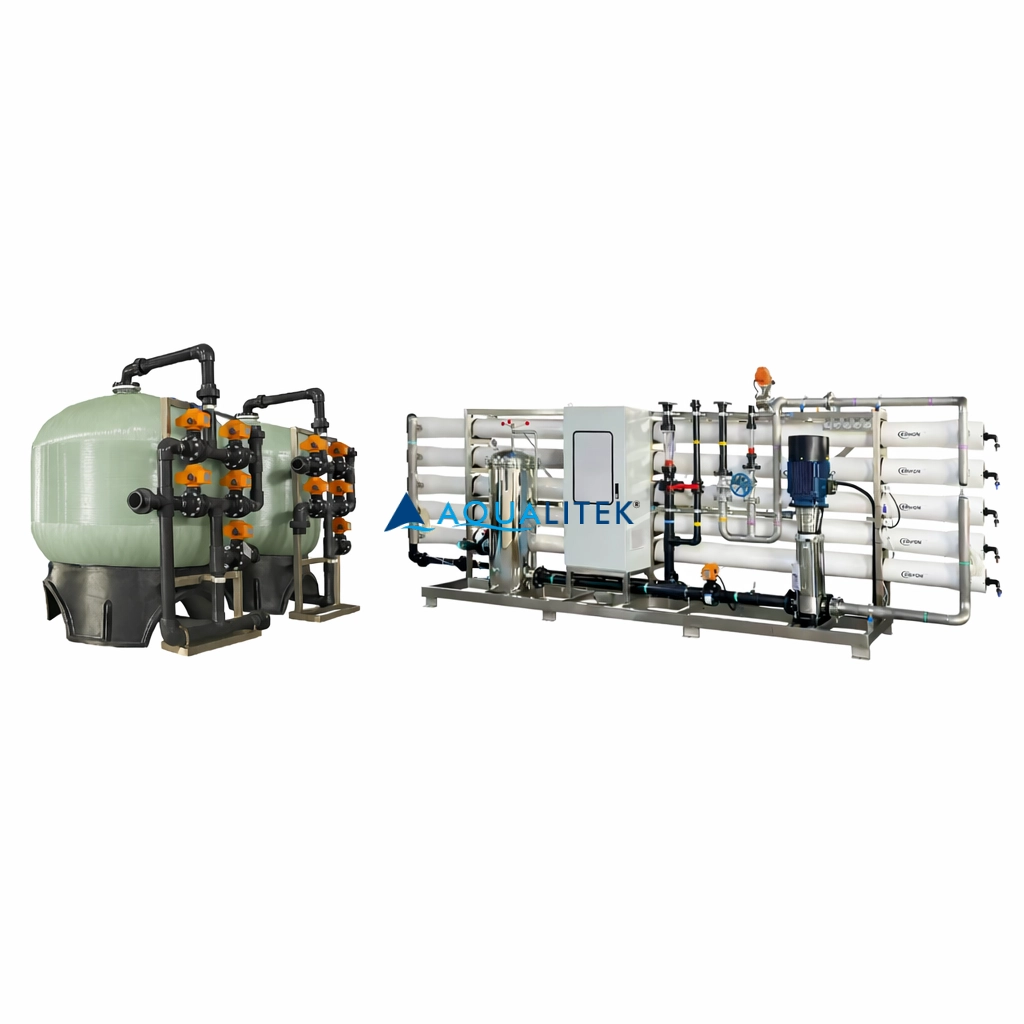
30TPH Industrial Reverse Osmosis (RO) System
30TPH Industrial Reverse Osmosis (RO) System designed for industrial and municipal water treatment. High salt rejection, energy-efficient design, PLC control, and customizable configuration.
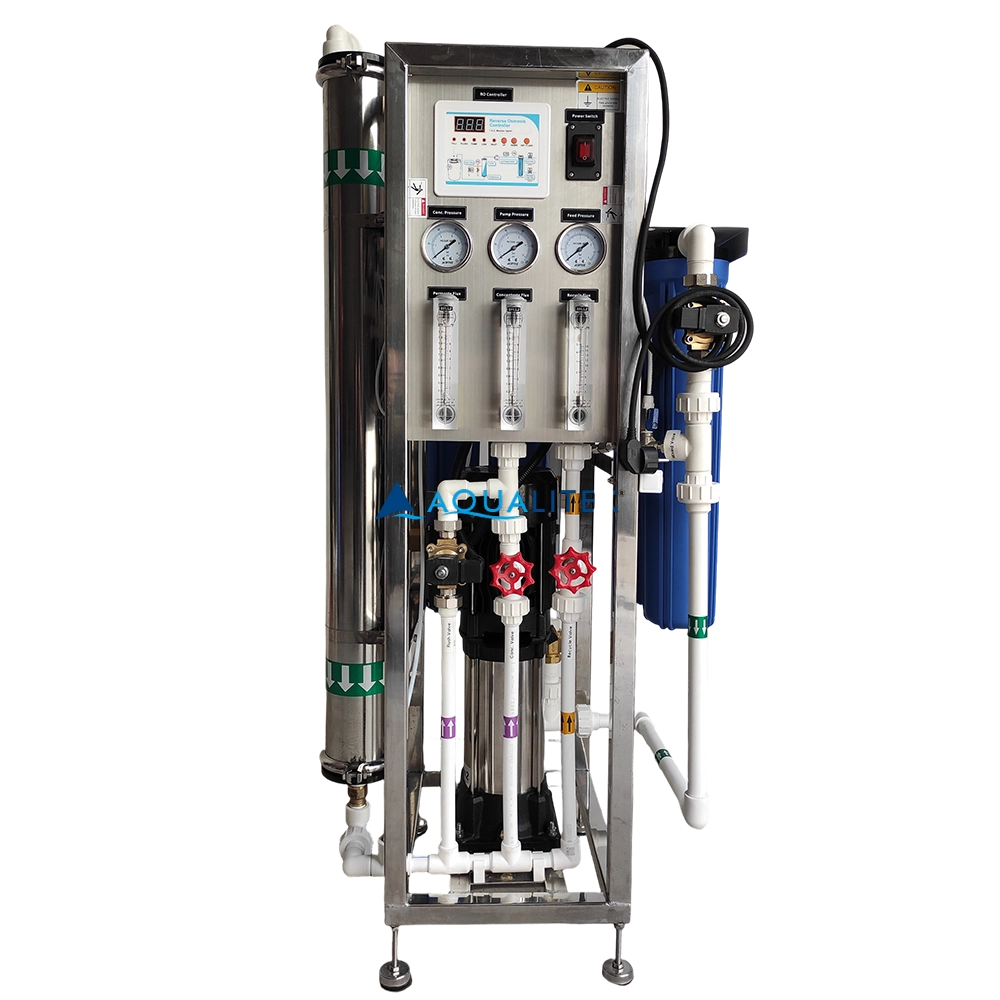
500 LPH Reverse Osmosis (RO) Water Purification Machine TWV - 412
Our 500 LPH Reverse Osmosis (RO) System is engineered to provide high-quality purified water for commercial applications. Designed with advanced RO technology, durable components, and a user-friendly interface, this system ensures consistent performance, low maintenance, and long-term reliability.
With its compact design and robust skid-mounted frame, it’s an excellent choice for businesses that demand efficiency and quality in water purification.
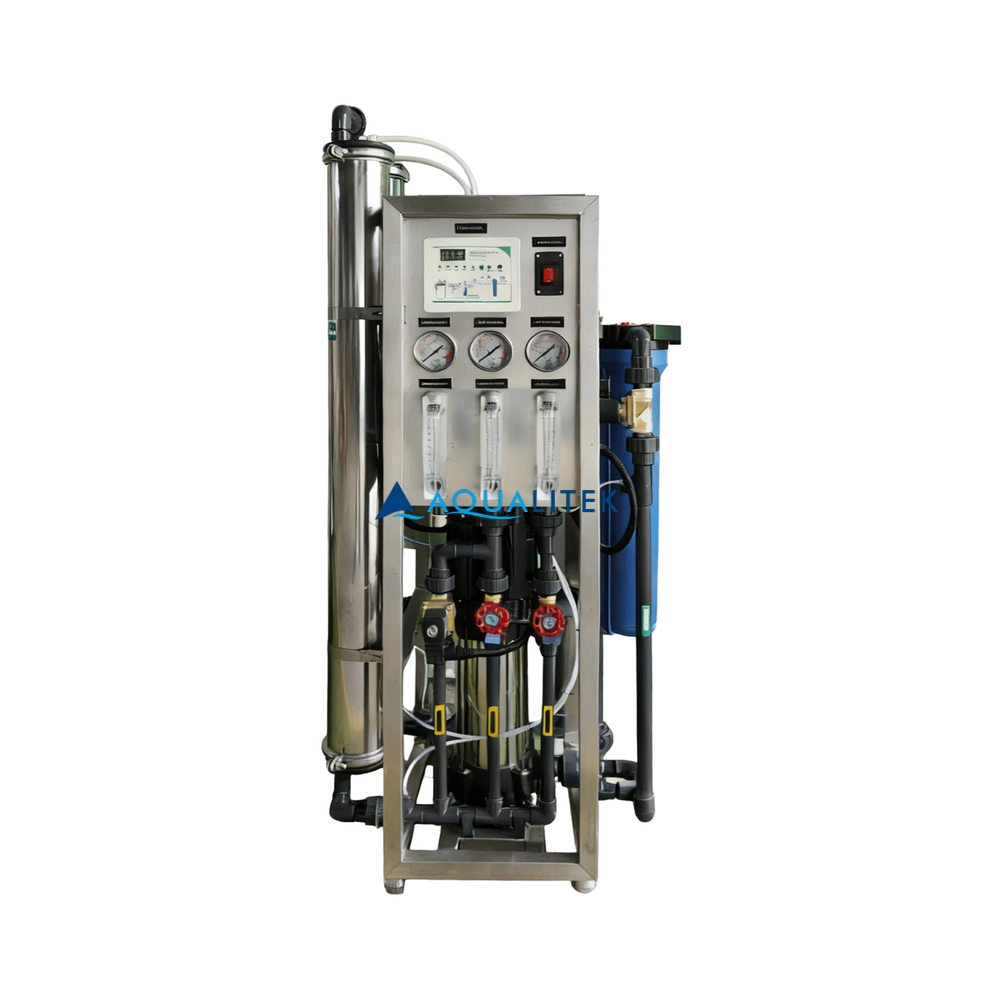
Tap Water Reverse Osmosis (TWRO) Systems TWV Series
TWV series Reverse Osmosis (RO) systems are pre-engineered and pre-assembled units with 2.5”/4” membrane housings(single element type)for tap water(lower TDS).They are designed for overall superior performance, high recovery rates and offer great savings with low maintenance and operation costs.
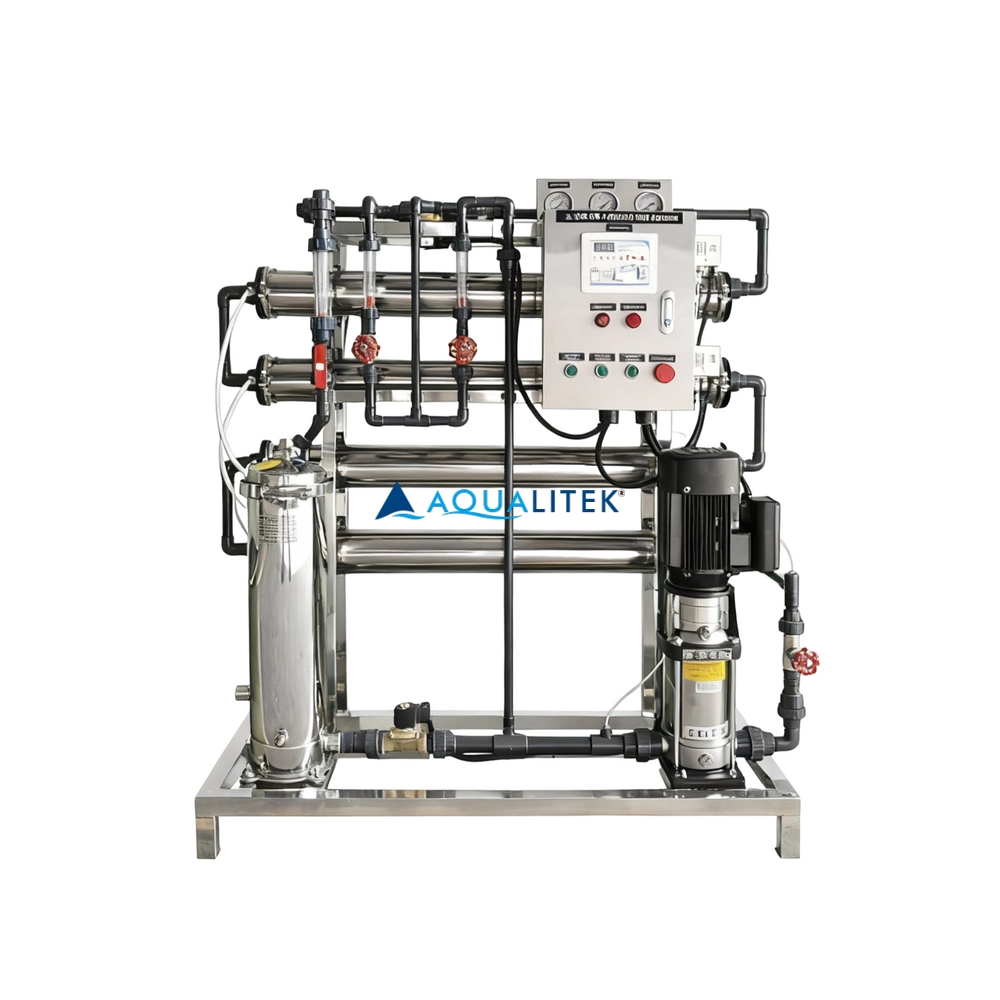
Tap Water Reverse Osmosis (TWRO) Systems TWF Series
TWF series Reverse Osmosis (RO) systems are pre-engineered and pre-assembled units with 4” membrane housings(multiple elements type) for tap water(lower TDS) .The medium large volumes can help meet your a variety of commercial and industrial applications. They are designed for overall superior performance, high recovery rates and offer great savings with low maintenance and operation costs.
Request More Information
Contact us today for product catalogs, customization options, and a free quotation designed for your business needs.
Rest assured that your privacy is important to us, and all information provided will be handled with the utmost confidentiality.
© 2026 AQUALITEK. All rights reserved.
AQUALITEK- Aimee Hoo
AQUALITEK - Aimee Hoo