




Membrane Fouling: Causes and Prevention in RO
- Understanding Membrane Fouling in Industrial RO Systems
- Mechanisms of fouling
- Types of foulants and their signatures
- Root Causes: Water Quality and Operational Factors
- Feed water characteristics to evaluate
- System design and operational contributors
- Prevention and Control Strategies
- Pretreatment techniques and selection
- Operational best practices
- Cleaning protocols and chemical choices
- Monitoring, Troubleshooting, and Long-term Management
- Key performance indicators and sensors
- Troubleshooting common symptoms
- Economic and lifecycle considerations
- Integrating the 4TPH Industrial RO System into a Fouling-Control Program
- Why choose the AQUALITEK 4TPH system for manufacturing and electronics cleaning water
- Recommended pretreatment and operational package for 4TPH installations
- Frequently Asked Questions (FAQ)
- How often should RO membranes be cleaned?
- Can antiscalants prevent scaling completely?
- Are there cleaning chemicals safe for all RO membranes?
- Is the AQUALITEK 4TPH RO System suitable for electronic component cleaning water?
- What monitoring data should I log to detect fouling early?

Effective membrane fouling management is a critical component of any industrial reverse osmosis (RO) program. This article summarizes the mechanisms of fouling, identifies the main risk factors in feed water and operation, and provides practical prevention, monitoring and cleaning strategies that improve uptime, reduce operating cost, and extend membrane life for industrial RO installations.
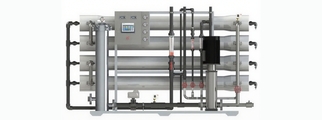
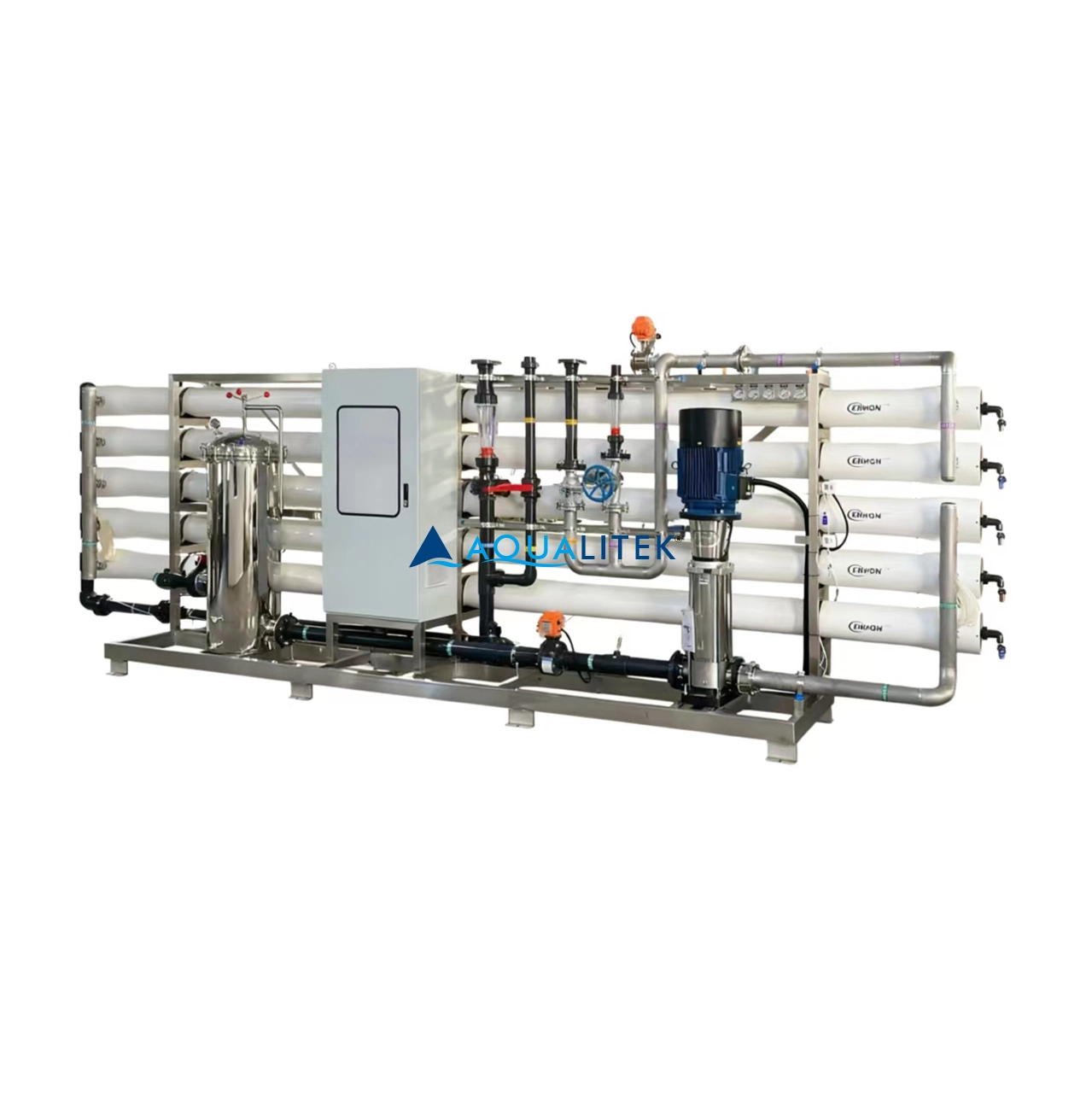
AQUALITEK 4TPH Industrial Reverse Osmosis Water Purification RO System, high-efficiency industrial-grade RO water treatment plant for manufacturing & processing, commercial reverse osmosis filtration system ideal for electronic component cleaning water use.
Understanding Membrane Fouling in Industrial RO Systems
Mechanisms of fouling
Membrane fouling occurs when materials in the feedwater deposit or accumulate on the membrane surface or within its pores, increasing hydraulic resistance and reducing permeate quality. In industrial reverse osmosis plants, fouling manifests as reduced flux (permeate flow), increased transmembrane pressure (TMP) or pressure drop across stages, and worsening salt passage (lower rejection). Understanding these mechanisms helps prioritize corrective actions and select pretreatment tailored to the feedwater chemistry.
Types of foulants and their signatures
Four broad categories explain most fouling problems in industrial RO:
- Scaling: inorganic salts (calcium carbonate, calcium sulfate, silica, barium, strontium) precipitate when solubility limits are exceeded by concentration polarization or temperature changes.
- Biofouling: microbial growth, extracellular polymeric substances (EPS) and biofilm formation cause progressive flux decline and can be difficult to remove with standard clean-in-place (CIP) if not addressed early.
- Particulate/colloidal fouling: suspended solids, silt, clay and colloidal iron/manganese cause cake layer formation and rapid pressure increases.
- Organic fouling: natural organic matter (NOM), oils, greases or process organics that adsorb to membrane surfaces, sometimes promoting biofouling.
Each foulant has distinct operational signatures. For example, scaling often shows a rapid rise in differential pressure with stable feed turbidity, while particulate fouling correlates with turbidity spikes. Recognizing these helps operators choose the right pretreatment and cleaning chemicals.
Root Causes: Water Quality and Operational Factors
Feed water characteristics to evaluate
A focused feed-water assessment informs pretreatment design. Key parameters include total dissolved solids (TDS), hardness (Ca2+, Mg2+), alkalinity, silica, iron and manganese, turbidity, silt density index (SDI) or modified fouling index (MFI), total organic carbon (TOC), and microbiological counts. Regular monitoring of these metrics is essential because seasonal or process changes can shift fouling risk quickly.
Reference guidance for membrane feed water and pretreatment is available from regulatory and technical authorities such as the U.S. EPA on membrane filtration (EPA: Membrane Filtration) and general reverse osmosis background (Wikipedia: Reverse osmosis).
System design and operational contributors
Design and operational choices affect fouling:
- High recovery settings increase salt concentration at the membrane surface and raise scaling risk.
- Insufficient or poorly maintained pretreatment (filters, antiscalant dosing, softeners) allows particulate or scale precursors to reach membranes.
- Irregular cleaning schedules or inadequate CIP chemicals allow biofilms to mature.
- Poor hydraulics (dead zones, inadequate crossflow velocity) favor deposition.
Well-documented industry standards and review papers detail best practices for design and operation — for example, academic reviews on membrane fouling mechanisms and control (ScienceDirect review) provide deep technical context for engineers.
Prevention and Control Strategies
Pretreatment techniques and selection
Matching pretreatment to the fouling risk is the most cost-effective strategy. Common pretreatment options for industrial reverse osmosis plants include:
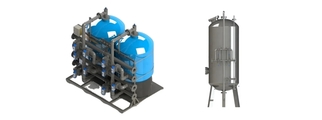
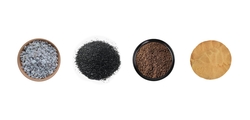
- Multimedia and sand filtration — removes larger particulates and protects downstream cartridge filters.
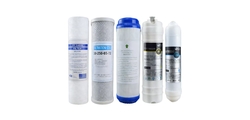
- Cartridge filtration (5 μm → 1 μm) — final particulate polishing before membranes.
- Antiscalant dosing — prevents precipitation of scale-forming salts by threshold inhibition and crystal modification.
- pH adjustment — acidification (e.g., HCl or CO2) to reduce carbonate scaling potential.
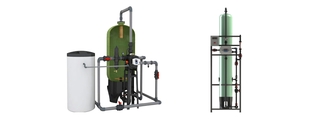
- Water softening (ion exchange) — reduces hardness to prevent CaCO3 and CaSO4 scaling in high-risk feeds.
- Ultrafiltration (UF) — excellent for removing colloids, bacteria and many organics prior to RO, particularly where biofouling or high SDI is a concern.
Operational best practices
Operational controls reduce fouling stress:
- Conservative recovery settings: start lower and increase only when stable performance is proven.
- Maintain crossflow velocities: adequate crossflow limits cake formation on the membrane surface.
- Continuous antiscalant and coagulant dosing: base dosing on real-time water quality and online controllers.
- Minimize feedwater variability: buffer the impact of shore/seasonal changes with blending or holding tanks where feasible.
Cleaning protocols and chemical choices
An effective clean-in-place (CIP) program restores membrane permeability and maintains salt rejection. Typical practice is to perform cleaning when normalized flux drops by 10–15% or when differential pressure increases beyond setpoints. Cleaning chemicals are selected based on foulant type:
- Acid cleaners (citric acid, HCl blends) dissolve carbonate and metal oxide scales.
- Alkaline cleaners (NaOH with chelants/surfactants) remove organic and biological films.
- Enzymatic or biological cleaners target EPS and biofilms for stubborn biofouling.
- Oxidizing agents (e.g., NaOCl) must be used with caution — many polymeric RO membranes (polyamide) are chlorine-sensitive; only specialized membranes or controlled exposure are acceptable.
Manufacturer guidance and standards (for example NSF resources on water treatment standards (NSF: Water treatment standards)) should be consulted before selecting cleaning chemicals and membrane-compatible practices.
Monitoring, Troubleshooting, and Long-term Management
Key performance indicators and sensors
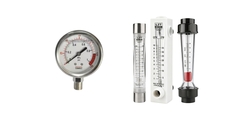
Implementing an instrumentation package tuned for industrial reverse osmosis greatly improves early detection of fouling:
- Permeate flow (normalized) — the primary indicator of flux decline.
- Salt rejection / conductivity — rising permeate conductivity suggests membrane integrity loss or bypass.
- Feed/retentate differential pressure (ΔP) — increases indicate particulate/colloidal buildup.
- Silt Density Index (SDI) or MFI — trending shows changes in particulate load on pretreatment.
- Online turbidity and TOC — help identify feed spikes that precede fouling events.
Automated logging, alarms and basic analytics help detect slow trends (scaling) vs. abrupt events (plugging) so operators can act before irreversible membrane damage occurs.
Troubleshooting common symptoms
Actionable diagnostic rules of thumb:
- Rapid ΔP rise with stable permeate conductivity: check cartridge/multimedia filters and particle ingress.
- Gradual flux decline with increasing recovery: likely scaling — verify antiscalant dosing and consider pH adjustment or lowering recovery.
- Increasing permeate conductivity without ΔP change: membrane compaction, bypass or aging — consider integrity tests and manufacturer support.
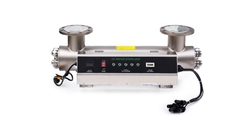
- High TOC and biofilm indicators: sanitary checks, UV disinfection upstream and targeted biocide/enzymatic CIP may be needed.
Economic and lifecycle considerations
Prevention is typically far cheaper than frequent membrane replacement and unplanned downtime. A basic cost/benefit comparison often shows that modest investment in robust pretreatment, antiscalant metering and monitoring reduces total cost of ownership (TCO) for industrial reverse osmosis systems by lowering chemical use, reducing CIP frequency and extending membrane life.
| Pretreatment | Effective Against | Relative Cost | Maintenance |
|---|---|---|---|
| Multimedia / Sand filter | Large particulates, turbidity | Low-Medium | Backwash cycles, periodic media replacement |
| Cartridge filters (1–5 μm) | Fine particulates, silt | Low | Frequent cartridge change |
| Antiscalant dosing | Scale-forming salts (CaCO3, CaSO4, Ba/Sr) | Low | Chemical refills, dosing calibration |
| Ultrafiltration (UF) | Bacteria, colloids, high SDI | Medium-High | Periodic backwash/CIP |
| Water softener (ion exchange) | Hardness (Ca, Mg) | Medium | Resin regen handling, salt usage |
Integrating the 4TPH Industrial RO System into a Fouling-Control Program
Why choose the AQUALITEK 4TPH system for manufacturing and electronics cleaning water
The AQUALITEK 4TPH Industrial Reverse Osmosis Water Purification RO System is designed for continuous industrial use where stable permeate quality and uptime are essential. For electronic component cleaning water — a use-case sensitive to ionic contamination and particulates — combining the 4TPH RO skid with appropriate pretreatment (UF or cartridge filtration, antiscalant and pH control) reduces fouling risk and ensures consistent rinse/cleaning performance.
Recommended pretreatment and operational package for 4TPH installations
Typical configuration to minimize fouling in industrial deployments:
- Intake → multimedia/sand filtration → cartridge filtration (5 → 1 μm)
- Antiscalant dosing and pH control upstream of RO feed
- Optional ultrafiltration (UF) for high SDI or bio-risk sources
- Automated monitoring: flow, TMP, conductivity, SDI and alarmed CIP schedule
This integrated approach minimizes the frequency of CIP cycles and reduces membrane replacement costs, improving life-cycle economics for industrial reverse osmosis plants.
Frequently Asked Questions (FAQ)
How often should RO membranes be cleaned?
There is no one-size-fits-all schedule. Clean when normalized permeate flow decreases 10–15% or TMP rises beyond control setpoints. With good pretreatment and stable feed water, many industrial RO systems run for several months to a year between major CIPs. Monitor trends closely and use chemistry tailored to foulant type.
Can antiscalants prevent scaling completely?
Antiscalants greatly reduce scaling risk and are highly effective at typical industrial dosing, but they cannot guarantee zero scaling if system recovery is excessive or if feed chemistry changes drastically. Combine antiscalants with pH control, appropriate recovery settings and monitoring for best results.
Are there cleaning chemicals safe for all RO membranes?
No. Many thin-film composite (polyamide) RO membranes are sensitive to free chlorine and strong oxidants. Consult membrane manufacturer guidance before oxidizing-cleaner use. Non-oxidizing biocides, enzymatic cleaners, alkaline and acidic formulations are commonly used selectively depending on foulant composition.
Is the AQUALITEK 4TPH RO System suitable for electronic component cleaning water?
Yes. The 4TPH Industrial Reverse Osmosis Water Purification RO System is designed for industrial-grade, high-efficiency RO performance and is especially suitable for manufacturing and processing needs, including electronic component cleaning where low ionic content and particulate-free water are required. Pair it with the recommended pretreatment package for best results.
What monitoring data should I log to detect fouling early?
Log normalized permeate flow, feed and permeate conductivity, feed/retentate differential pressure, SDI or MFI, and turbidity/TOC. Trend analysis with alarms for deviation from expected baselines will detect slow fouling and sudden events.
If you would like guidance tailored to your feedwater and process, request a personalized assessment or view the product page for the 4TPH system. For sales, technical support or to download detailed specifications, contact our team: sales@aqualitek.com or visit AQUALITEK 4TPH Industrial RO. We can provide water testing protocols and a recommended pretreatment/CIP plan to minimize membrane fouling and optimize your industrial reverse osmosis performance.
Further reading and authoritative references:
Buying Guide: Commercial Reverse Osmosis System Essentials
Signs Your Water Purification System Needs Repair — Practical Guide
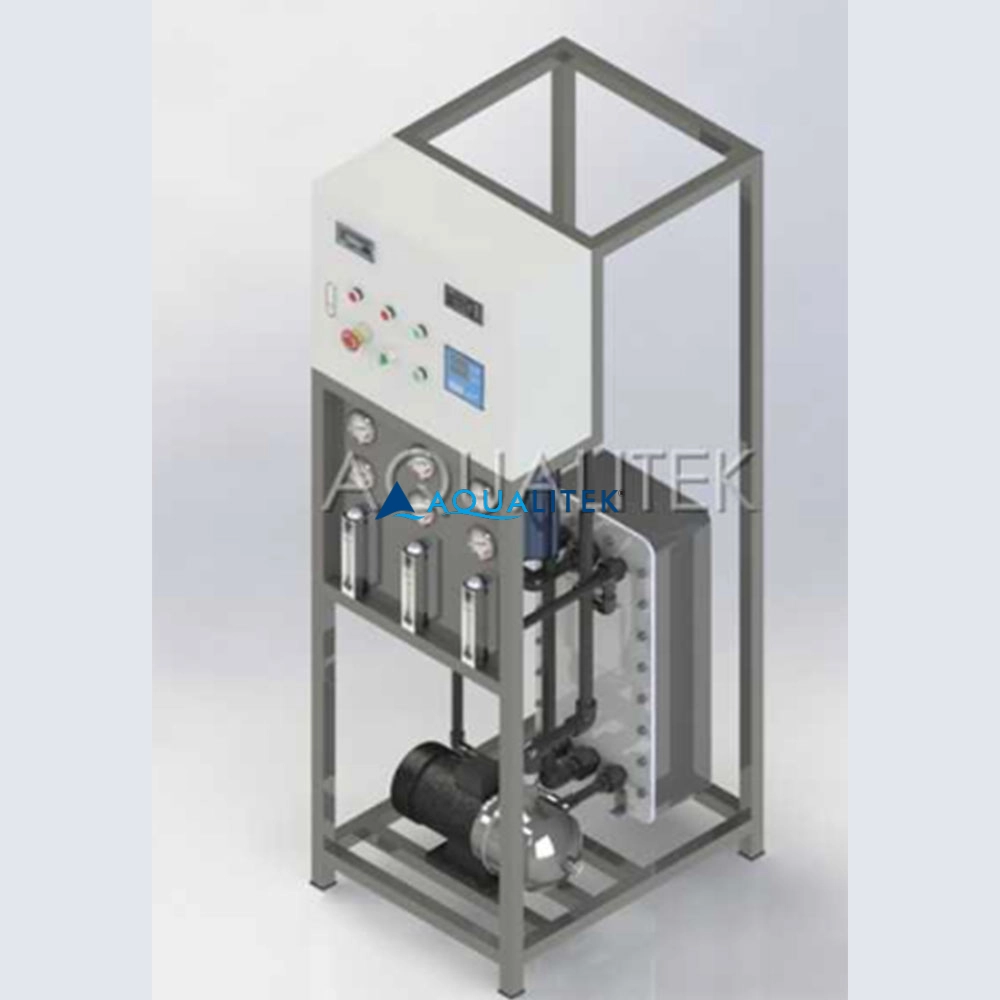
How Electrodeionization Systems Improve Water Purity Reliability
How Does a Water Purification System Work?
Solutions
How do I choose the right water treatment system for my needs?
The choice depends on factors such as water quality, application, flow rate, and purification requirements. Our team of experts can analyze your water source and recommend the most suitable solution for residential, commercial, or industrial applications.
Membrane Water Treatment Systems
Do you offer plug-and-play solutions?
Absolutely. We offer containerized membrane systems that are factory-tested, compact, and quick to deploy.
Ion Exchange Water Treatment Systems
Are mixed bed systems better than two-bed systems?
Mixed bed polishers are used for final polishing after RO or two-bed deionization to achieve ultra-pure water.
How often is regeneration needed?
It depends on water quality and usage. Most systems regenerate every few days to a week under normal loads.
FAQ-aqualitek
Can AQT provide custom water treatment solutions?
Yes! We specialize in OEM/ODM water treatment solutions and can design custom filtration systems tailored to your business, industry, or brand requirements. Our team can assist with system design, branding, private labeling, and technical support.
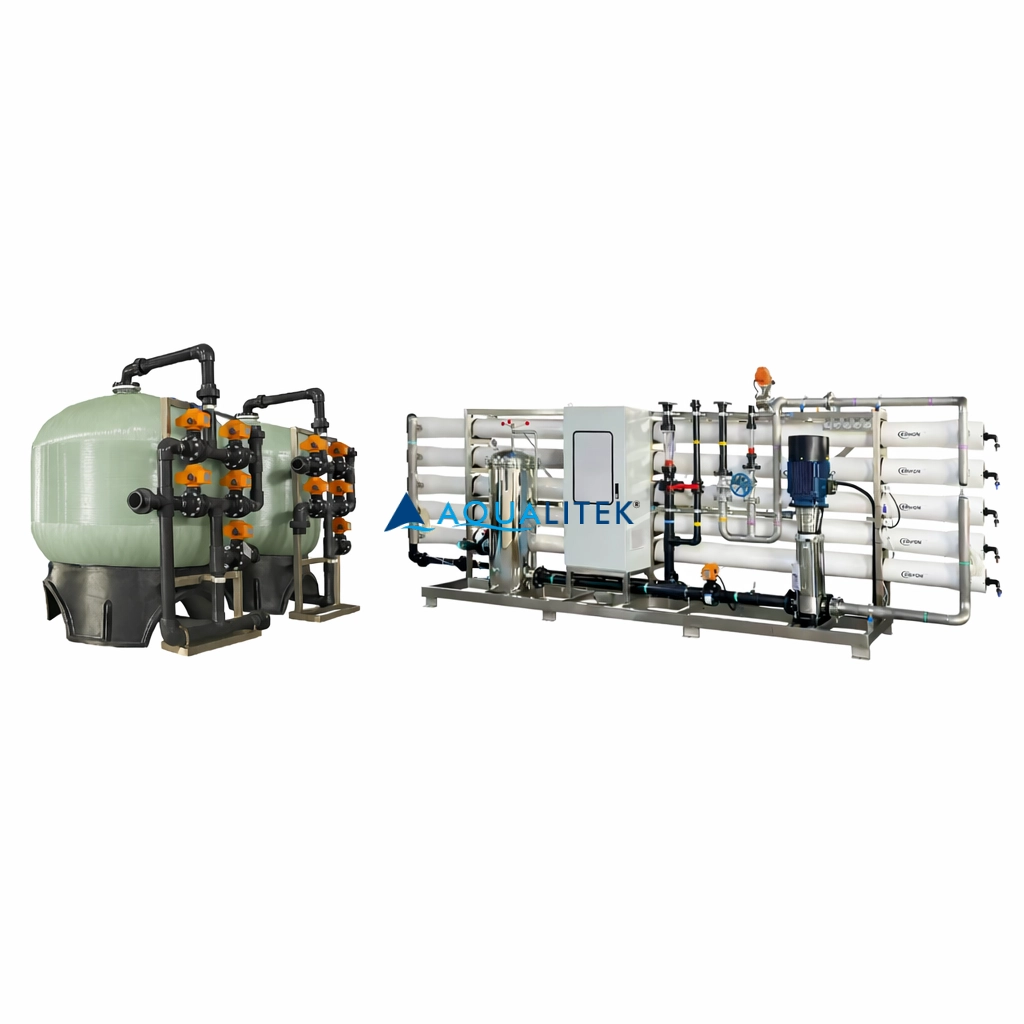
30TPH Industrial Reverse Osmosis (RO) System
30TPH Industrial Reverse Osmosis (RO) System designed for industrial and municipal water treatment. High salt rejection, energy-efficient design, PLC control, and customizable configuration.
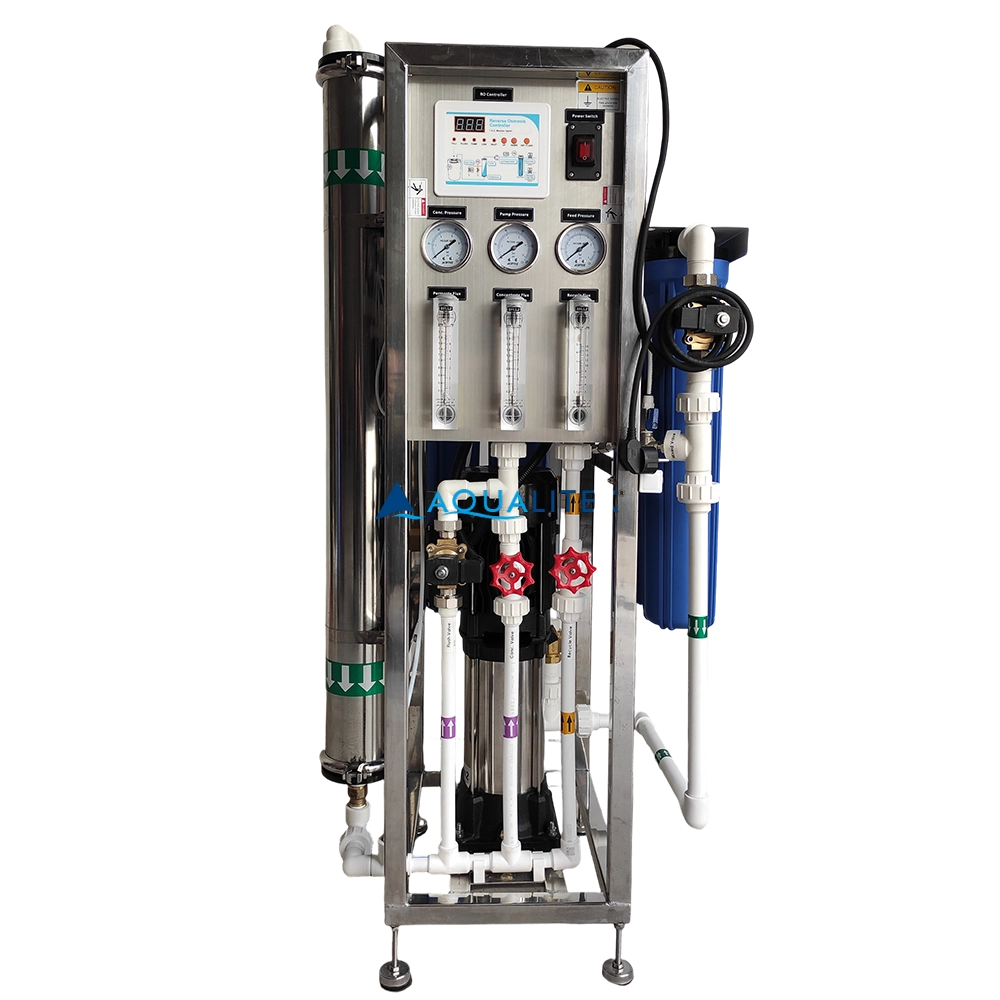
500 LPH Reverse Osmosis (RO) Water Purification Machine TWV - 412
Our 500 LPH Reverse Osmosis (RO) System is engineered to provide high-quality purified water for commercial applications. Designed with advanced RO technology, durable components, and a user-friendly interface, this system ensures consistent performance, low maintenance, and long-term reliability.
With its compact design and robust skid-mounted frame, it’s an excellent choice for businesses that demand efficiency and quality in water purification.
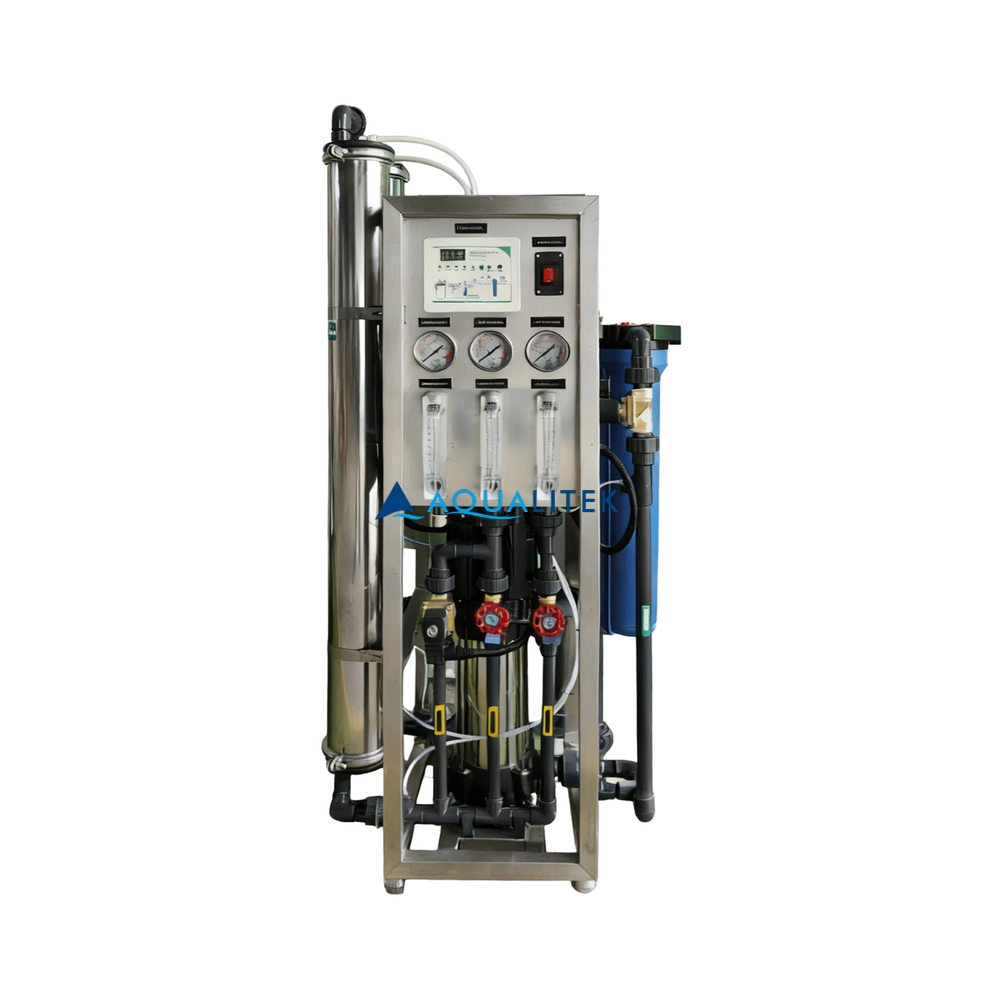
Tap Water Reverse Osmosis (TWRO) Systems TWV Series
TWV series Reverse Osmosis (RO) systems are pre-engineered and pre-assembled units with 2.5”/4” membrane housings(single element type)for tap water(lower TDS).They are designed for overall superior performance, high recovery rates and offer great savings with low maintenance and operation costs.
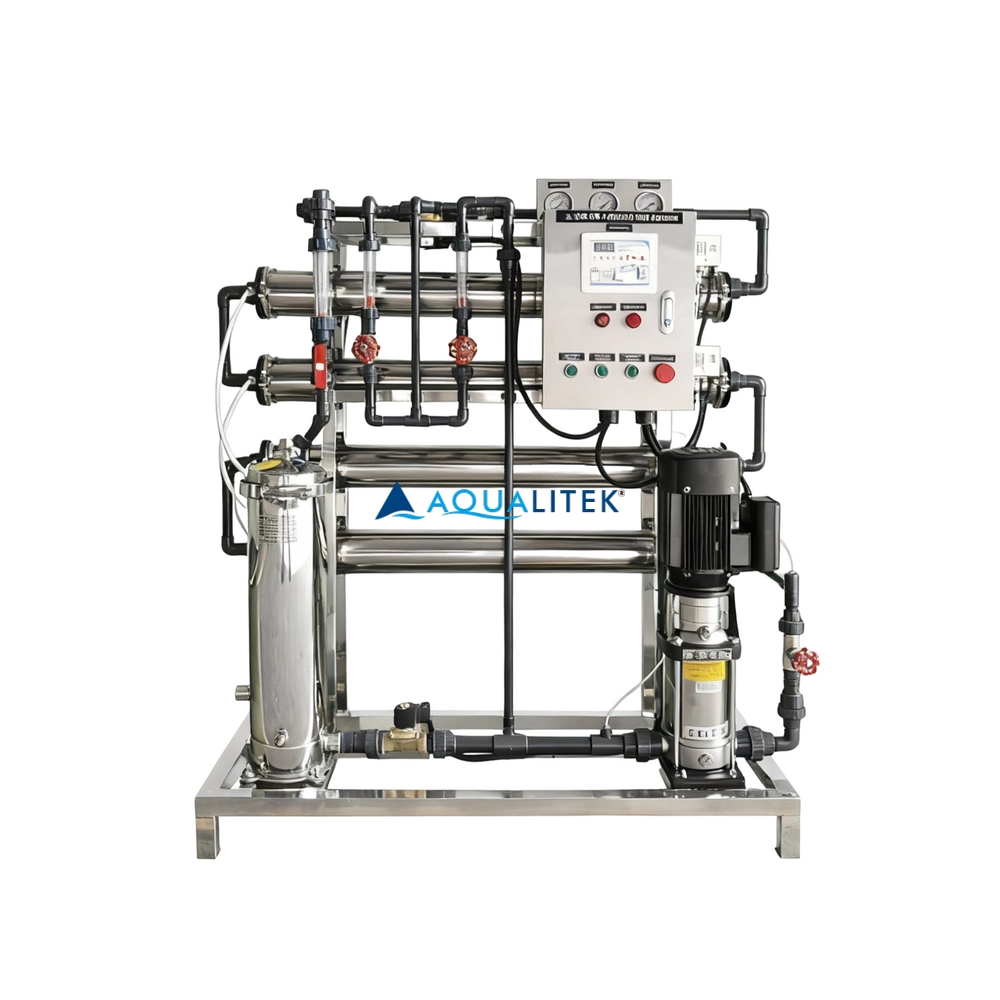
Tap Water Reverse Osmosis (TWRO) Systems TWF Series
TWF series Reverse Osmosis (RO) systems are pre-engineered and pre-assembled units with 4” membrane housings(multiple elements type) for tap water(lower TDS) .The medium large volumes can help meet your a variety of commercial and industrial applications. They are designed for overall superior performance, high recovery rates and offer great savings with low maintenance and operation costs.
Request More Information
Contact us today for product catalogs, customization options, and a free quotation designed for your business needs.
Rest assured that your privacy is important to us, and all information provided will be handled with the utmost confidentiality.
© 2026 AQUALITEK. All rights reserved.
AQUALITEK- Aimee Hoo
AQUALITEK - Aimee Hoo