



Maximizing Recovery in Industrial Reverse Osmosis
- Key Design Principles to Raise Recovery in Industrial RO
- Understand Feedwater Quality and Pretreatment Needs
- Choose the Right Membrane Configuration and Materials
- Operational Strategies to Sustain High Recovery
- Antiscalant and Chemical Management
- Optimize Operating Pressure and Crossflow Velocity
- Implement Concentrate Management Techniques
- Monitoring, Maintenance, and Cleaning to Protect Recovery
- On-line Monitoring and Process Control
- Preventive Maintenance and Periodic Clean-in-Place (CIP)
- Control Biofouling and Organic Fouling
- Practical Design & Economic Considerations
- Balancing Recovery with Energy and Chemical Costs
- Case Example: 4TPH Industrial Reverse Osmosis Implementation
- Evidence, Standards and Further Reading
- Quick Checklist to Maximize Recovery
- FAQ — Frequently Asked Questions
- What is a realistic recovery rate for industrial reverse osmosis?
- How does the AQUALITEK 4TPH support high recovery operation?
- Will higher recovery shorten membrane life?
- What monitoring is essential when maximizing recovery?
- How do regulations affect concentrate disposal?

This concise guide covers proven methods to maximize water recovery from industrial reverse osmosis (RO) systems without sacrificing permeate quality or membrane life. It addresses pretreatment, membrane selection, hydraulic design, antiscalant and cleaning regimes, monitoring strategies, and concentrate management tailored for manufacturing and processing uses—including electronic component cleaning—so plant operators can increase yield, reduce wastewater, and lower operating cost while maintaining compliance with industry standards.
Key Design Principles to Raise Recovery in Industrial RO
Understand Feedwater Quality and Pretreatment Needs
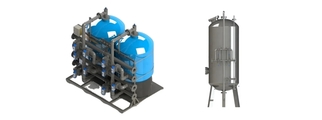
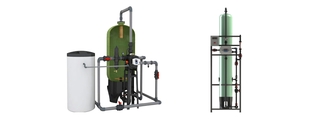
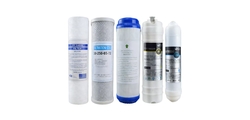
Accurate feedwater characterization (TDS, SDI, hardness, alkalinity, silica, iron, manganese, organics, and microbiological load) is the foundation for increasing recovery. For industrial reverse osmosis, pretreatment steps such as multimedia filtration, cartridge filtration, antiscalant dosing, pH correction, softening (ion exchange or nano-filtration), and UV/disinfection directly affect allowable recovery and membrane life. For instance, reducing SDI below 3 and controlling silt and organics can permit higher flux and recovery without rapid fouling. Authoritative guidance on safe water treatment approaches can be found in WHO's drinking-water guidelines, which help inform pretreatment targets in industrial contexts (WHO Guidelines).
Choose the Right Membrane Configuration and Materials
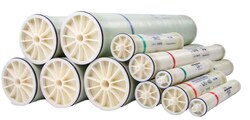
Membrane element selection (polyamide thin-film composite vs alternative chemistries), element length (2.5 vs 4 vs 8), and system configuration (single-pass vs double-pass, number of stages) influence recoverable fraction. Industrial RO plants aiming for high recovery typically use staged arrays where the first stage produces high-quality permeate while the second stage polishes the permeate or handles concentrate recycling. High-rejection membranes with proven fouling resistance enable higher recovery but may require more aggressive pretreatment and periodic chemical cleaning.
Operational Strategies to Sustain High Recovery
Antiscalant and Chemical Management
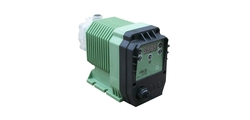
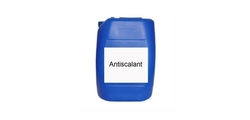
Careful antiscalant selection and dosing is one of the most effective operational controls for increasing recovery. Antiscalants inhibit precipitation of common scalants—calcium carbonate, calcium sulfate, barium sulfate, strontium sulfate, and silica—by altering crystal formation kinetics. Continuous on-line dosing with a metering pump controlled by feedwater composition and recovery setpoint reduces the risk of scale at higher recoveries. For industrial systems, pairing antiscalants with softening (where hardness is high) can push recovery from typical 60–75% up toward 80–90%, depending on feed chemistry.
Optimize Operating Pressure and Crossflow Velocity
Recovery increases as permeate flow rises relative to feed, but raising recovery without increasing crossflow shear or adjusting pressure can accelerate fouling. Maintaining adequate crossflow velocity helps sweep particulates and biofilm precursors from the membrane surface. When recovery is increased, consider adjustments to pump pressure and staging to keep transmembrane pressure (TMP) and flux within safe limits—this prevents compaction and irreversible fouling.
Implement Concentrate Management Techniques
Concentrate (brine) handling becomes the limiting factor at high recovery. Options include: (1) blend/dispose via permitted waste lines; (2) further concentration using a brine concentrator or evaporator; (3) recycle a portion of concentrate to an earlier stage if feed chemistry allows; or (4) integrate with zero-liquid-discharge (ZLD) systems. Each approach has trade-offs: recycling can increase osmotic load and fouling risk, while evaporators incur higher energy cost. Case-by-case analysis of salt load, regulatory discharge limits, and energy pricing will determine the appropriate strategy.
Monitoring, Maintenance, and Cleaning to Protect Recovery
On-line Monitoring and Process Control
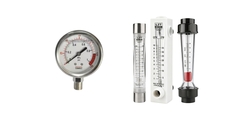
To safely maximize recovery, implement continuous monitoring of key parameters: feed/permeate conductivity (or TDS), permeate flow, differential pressure (dP) across stages, feed pressure, pH, and chemical dosing rates. Automated control systems that modulate recovery setpoints based on real-time data allow operators to push recovery until indices (rise in conductivity, dP, TMP) signal risk. Data logging also supports root-cause analysis when fouling or scaling events occur.
Preventive Maintenance and Periodic Clean-in-Place (CIP)
Scheduled inspection and membrane cleaning preserve performance. A cleaning program typically includes an acid wash to remove inorganic scale and an alkaline wash with surfactants/biocides to remove organic fouling and biofilm. Membrane manufacturers provide recommended cleaning chemistries and limits; following them preserves warranty and life expectancy. In industrial RO, frequent light cleanings are often preferable to infrequent aggressive CIP cycles.
Control Biofouling and Organic Fouling
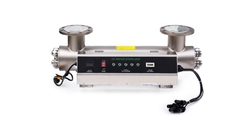
Biofouling reduces recovery by clogging flow channels and creating hydraulic resistance. Strategies include feed chlorination with dechlorination before RO if polyamide membranes are used, UV pretreatment, and maintaining low assimilable organic carbon (AOC) through filtration and oxidant control. Regular monitoring of biofilm indicators (ATP testing or bacterial counts) supports targeted biocide dosing when needed.
Practical Design & Economic Considerations
Balancing Recovery with Energy and Chemical Costs
Higher recovery reduces freshwater consumption and wastewater volume, but may increase energy and chemical costs due to higher pumping power and more frequent dosing/cleaning. A techno-economic evaluation comparing life-cycle costs at various recovery setpoints identifies the optimal operating point. The table below summarizes typical trade-offs:
| Parameter | Lower Recovery (50–65%) | Medium Recovery (65–80%) | High Recovery (80–90%+) |
|---|---|---|---|
| Permeate yield | Moderate | High | Very high |
| Waste brine volume | High | Moderate | Low |
| Risk of scaling/fouling | Low | Moderate | High (needs strong pretreatment) |
| Energy & chemical use | Lower | Moderate | Higher (more pumping & antiscalant/cleaning) |
| CapEx for concentrate handling | Low | Moderate | High (ZLD or brine concentrator may be needed) |
Case Example: 4TPH Industrial Reverse Osmosis Implementation
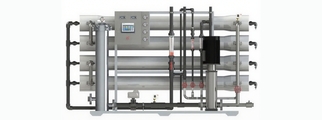
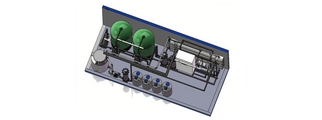
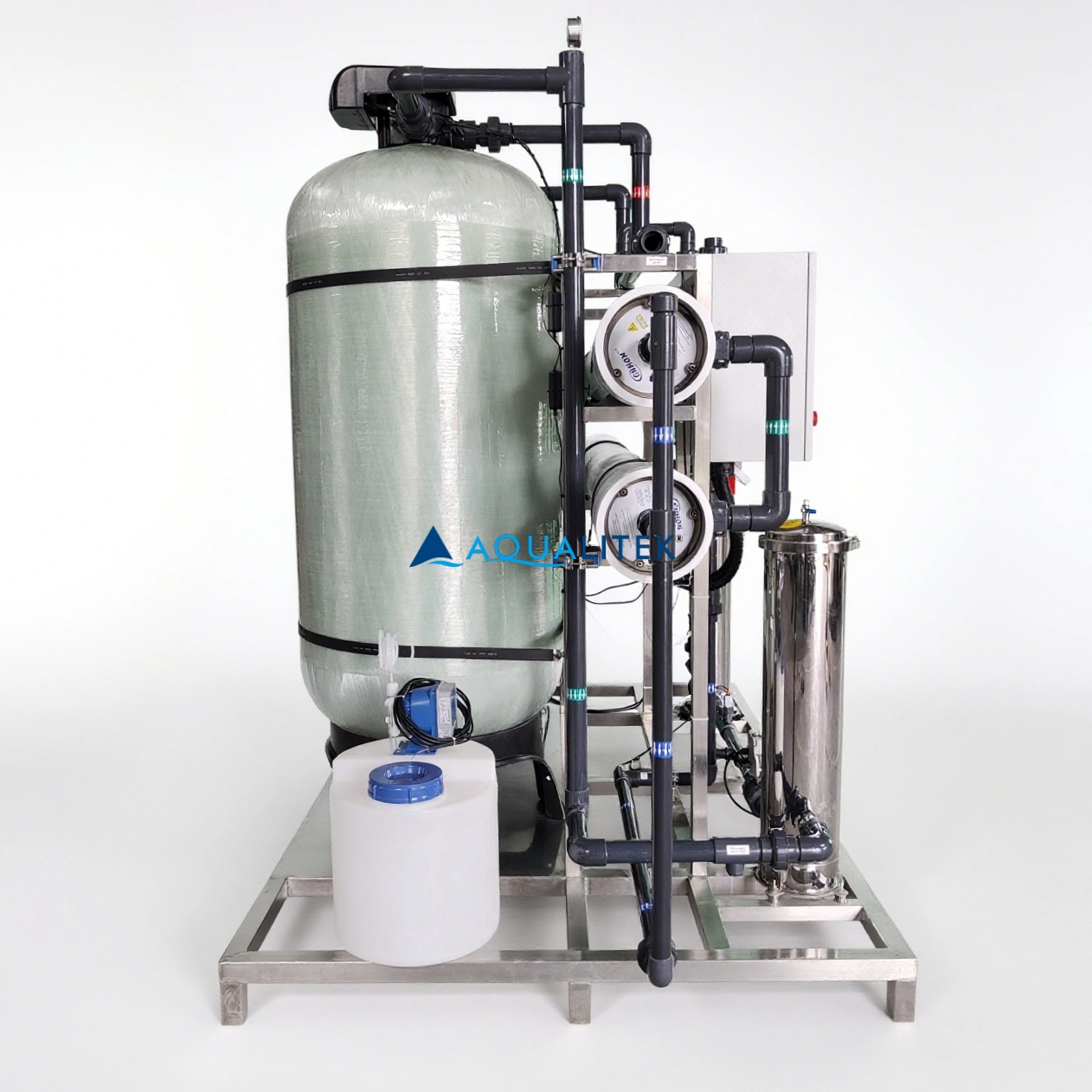
The AQUALITEK 4TPH Industrial Reverse Osmosis Water Purification RO System is a high-efficiency industrial-grade RO plant suitable for manufacturing and processing environments, particularly electronic component cleaning where ultra-clean permeate is required. Its modular design supports staged configurations, antiscalant dosing, and integrated monitoring to optimize recovery and product quality. The product brief is shown below for quick reference:
AQUALITEK 4TPH Industrial Reverse Osmosis Water Purification RO System, high-efficiency industrial-grade RO water treatment plant for manufacturing & processing, commercial reverse osmosis filtration system ideal for electronic component cleaning water use.
For a 4 TPH unit treating moderately hard feedwater (TDS 1,200 mg/L, hardness 300 mg/L as CaCO3), a practical approach to push recovery from 70% to 80% would include: improved cartridge prefiltration to 5 μm, antiscalant tailored for sulfate and silica control, softened feed or partial softening, and a two-stage membrane array with interstage monitoring. Economic modeling would weigh the cost of increased antiscalant and periodic cleaning against wastewater disposal savings.
Evidence, Standards and Further Reading
Reverse osmosis principles and membrane technology are widely documented. For background on RO technology see the Wikipedia overview on reverse osmosis (Reverse osmosis - Wikipedia). Practical guidance on membrane fouling and cleaning is explored in literature such as review articles on RO membrane fouling (PubMed review). Industry best practices and standards for potable and industrial water treatment are provided by organizations like the American Water Works Association (AWWA), and global guidelines can be referenced via the WHO (WHO Guidelines).
Quick Checklist to Maximize Recovery
- Perform detailed feedwater analysis and map seasonal variability.
- Design robust pretreatment (filtration, softening, chemical dosing).
- Select membranes designed for high recovery and fouling resistance.
- Implement automated monitoring and adaptive control for recovery setpoints.
- Plan concentrate handling that meets discharge regulations and business goals.
- Maintain a proactive CIP and inspection schedule with manufacturer-approved chemistries.
FAQ — Frequently Asked Questions
What is a realistic recovery rate for industrial reverse osmosis?
Typical industrial RO systems operate between 60% and 85% recovery depending on feedwater quality and pretreatment. With good softening and antiscalant control, many systems can routinely achieve 75–85%. Extremely high recoveries (>90%) require advanced concentrate management and stricter pretreatment to control scaling and fouling.
How does the AQUALITEK 4TPH support high recovery operation?
The AQUALITEK 4TPH system features modular staging, integrated chemical dosing ports, and monitoring points to balance flux and crossflow velocity. These design features allow operators to implement higher recovery setpoints while maintaining membrane protection and permeate quality.
Will higher recovery shorten membrane life?
Not necessarily—if higher recovery is coupled with adequate pretreatment, antiscalant dosing, and a disciplined cleaning schedule. However, attempting higher recovery without these controls increases the risk of scaling and fouling, which will reduce membrane life.
What monitoring is essential when maximizing recovery?
Essential parameters include permeate conductivity/TDS, feed and concentrate flow, transmembrane pressure, differential pressure across stages, pH, and antiscalant dosing rate. Trending these values helps detect scaling/fouling early and adjust recovery accordingly.
How do regulations affect concentrate disposal?
Discharge limits and environmental regulations vary by jurisdiction. Some areas restrict chloride, heavy metals, or total dissolved solids in effluent. Evaluate local regulations early to determine whether onsite treatment, dilution, or off-site disposal is required.
If you want to evaluate the AQUALITEK 4TPH Industrial Reverse Osmosis system for your facility, contact our sales engineering team for a site-specific assessment and ROI analysis.
View product details: AQUALITEK 4TPH Industrial Reverse Osmosis | Contact sales | Phone: +1-800-123-4567
Maintenance and After-Sales for Industrial RO System Buyers
Top 10 Water Purification System Types for Home Use
Why Choose a 4TPH Industrial Reverse Osmosis System?
ROI and TCO Analysis for a 12TPH Industrial UF Water Treatment Device
Solutions
Are AQT’s water treatment products certified?
Yes! Our products comply with international quality and safety standards, including ISO, CE, and NSF certifications. We prioritize high-quality materials, advanced technology, and strict quality control to ensure superior performance and reliability.
How often should I replace filters and membranes?
Filter and membrane lifespan depends on water quality, usage, and system type. General guidelines:
1. Sediment & Carbon Filters: Replace every 6–12 months.
2. RO Membranes: Replace every 2–3 years, depending on water conditions.
3. UF/NF Membranes: Replace every 1–2 years.
Regular maintenance ensures optimal performance and water quality.
Membrane Water Treatment Systems
How long do membranes last?
With proper maintenance and CIP, UF and RO membranes can last 3–5 years, depending on feed water quality and system design.
Blog
Do softener systems remove iron or chlorine?
Not typically. If your water contains iron, manganese, or chlorine, consider a dual-system setup or add specialized pre-filters.
Water Filters
Can I automate the filter cleaning process?
Absolutely. Our automatic backwash filters come with timer-based or differential pressure-triggered controls.
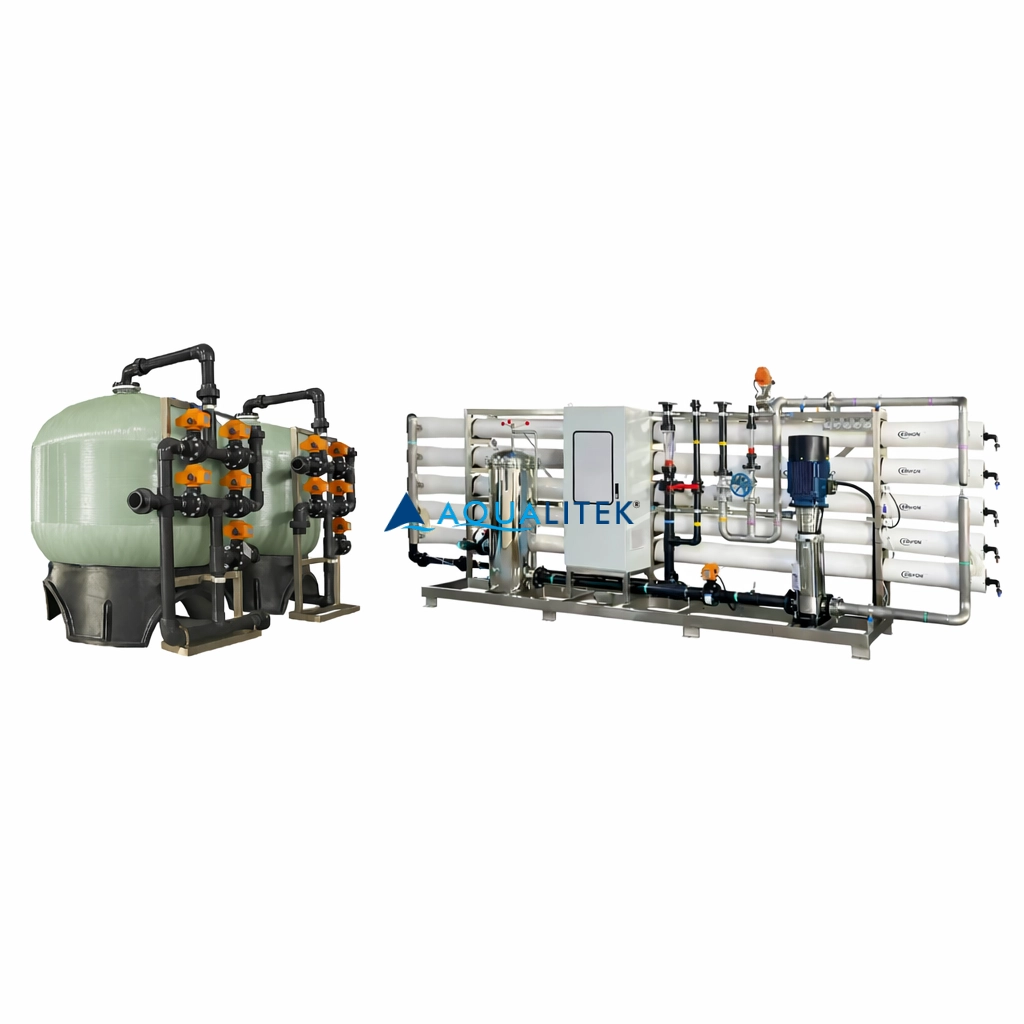
30TPH Industrial Reverse Osmosis (RO) System
30TPH Industrial Reverse Osmosis (RO) System designed for industrial and municipal water treatment. High salt rejection, energy-efficient design, PLC control, and customizable configuration.
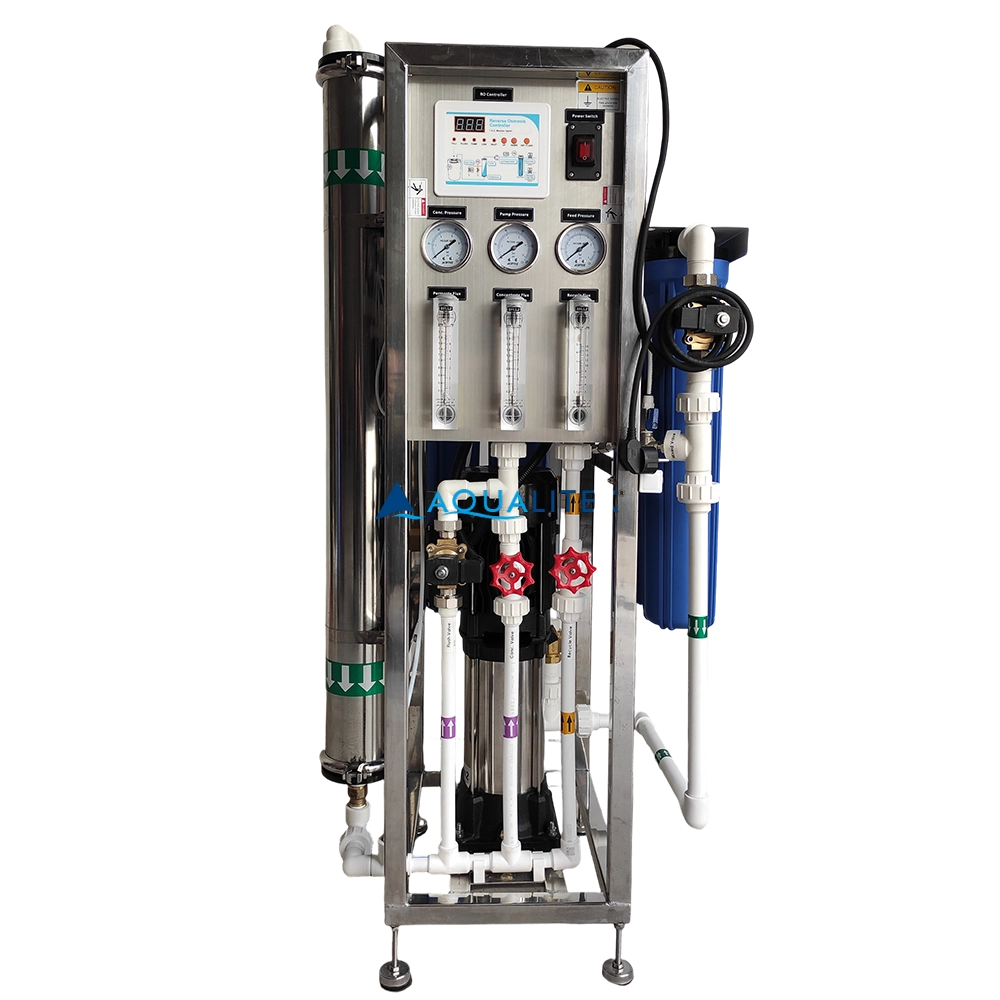
500 LPH Reverse Osmosis (RO) Water Purification Machine TWV - 412
Our 500 LPH Reverse Osmosis (RO) System is engineered to provide high-quality purified water for commercial applications. Designed with advanced RO technology, durable components, and a user-friendly interface, this system ensures consistent performance, low maintenance, and long-term reliability.
With its compact design and robust skid-mounted frame, it’s an excellent choice for businesses that demand efficiency and quality in water purification.
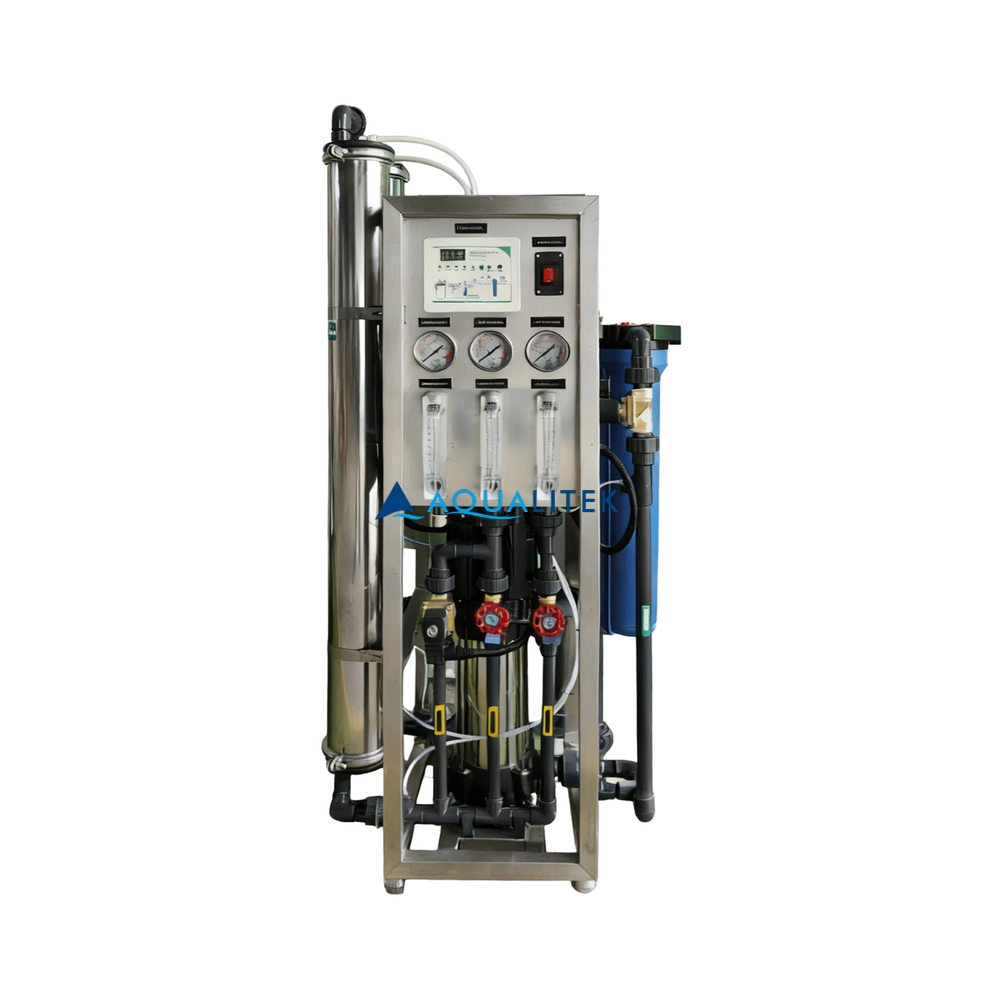
Tap Water Reverse Osmosis (TWRO) Systems TWV Series
TWV series Reverse Osmosis (RO) systems are pre-engineered and pre-assembled units with 2.5”/4” membrane housings(single element type)for tap water(lower TDS).They are designed for overall superior performance, high recovery rates and offer great savings with low maintenance and operation costs.
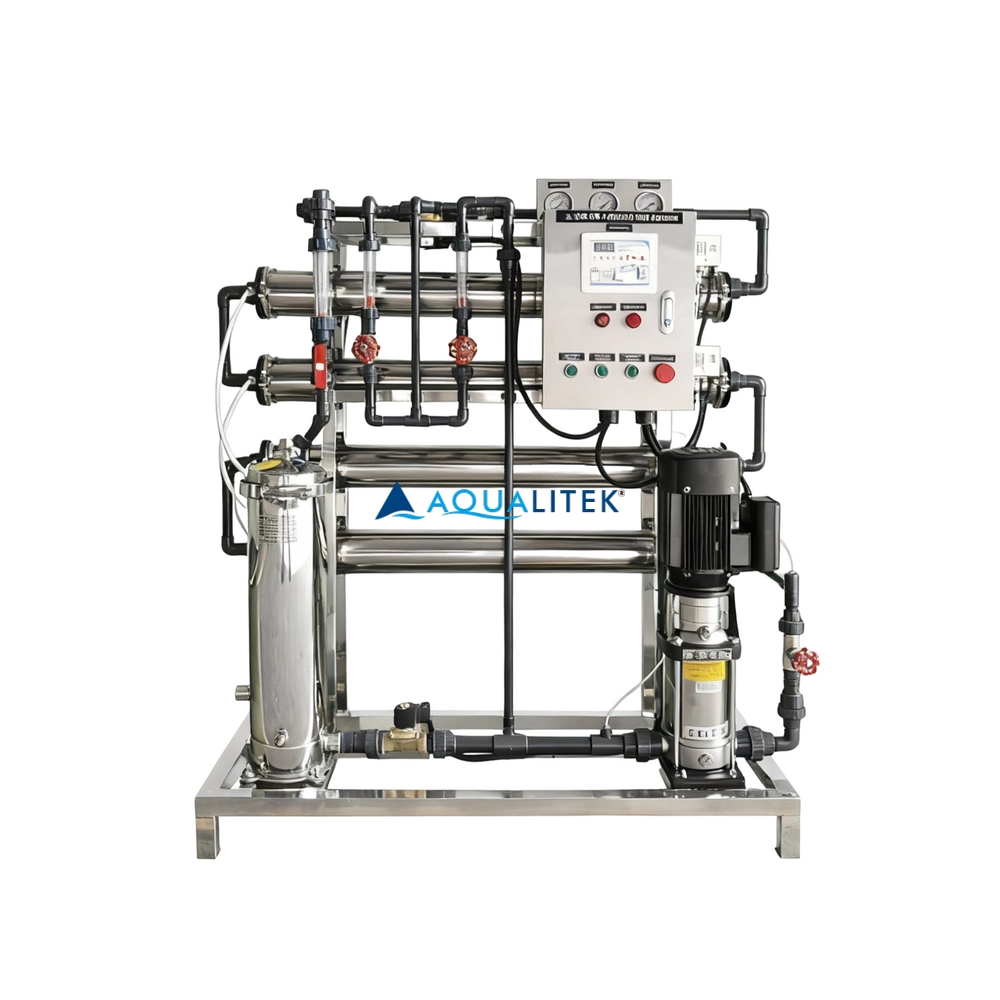
Tap Water Reverse Osmosis (TWRO) Systems TWF Series
TWF series Reverse Osmosis (RO) systems are pre-engineered and pre-assembled units with 4” membrane housings(multiple elements type) for tap water(lower TDS) .The medium large volumes can help meet your a variety of commercial and industrial applications. They are designed for overall superior performance, high recovery rates and offer great savings with low maintenance and operation costs.
Request More Information
Contact us today for product catalogs, customization options, and a free quotation designed for your business needs.
Rest assured that your privacy is important to us, and all information provided will be handled with the utmost confidentiality.
© 2026 AQUALITEK. All rights reserved.
AQUALITEK- Aimee Hoo
AQUALITEK - Aimee Hoo