




Maintenance Checklist for 4TPH RO Systems
- Routine Daily and Weekly Checks to Keep 4TPH RO Systems Running
- Daily operational checks
- Weekly pre-treatment and chemical dosing checks
- Monthly and Quarterly Maintenance — Membrane Care & System Health
- Monthly inspection checklist
- Quarterly membrane performance review and cleaning
- Troubleshooting, Optimization and Advanced Monitoring
- Common problems and quick diagnoses
- Instrumentation and data-driven optimization
- Spare Parts, Compliance, Recordkeeping and Safety
- Recommended spare parts and inspection intervals
- Recordkeeping, standards and compliance
- Membrane Cleaning (CIP) Procedures and Best Practices
- When to perform CIP and how to decide
- Safe CIP steps for polyamide membranes
- Frequently Asked Questions (FAQ)
- How often should I replace RO membranes in a 4TPH Industrial Reverse Osmosis system?
- What are the key performance indicators (KPIs) I should monitor?
- Can I use chlorine upstream of polyamide membranes?
- What documentation or certifications should I maintain?
- Where can I find technical guidance and recognized industry standards?
- Contact and Product Information
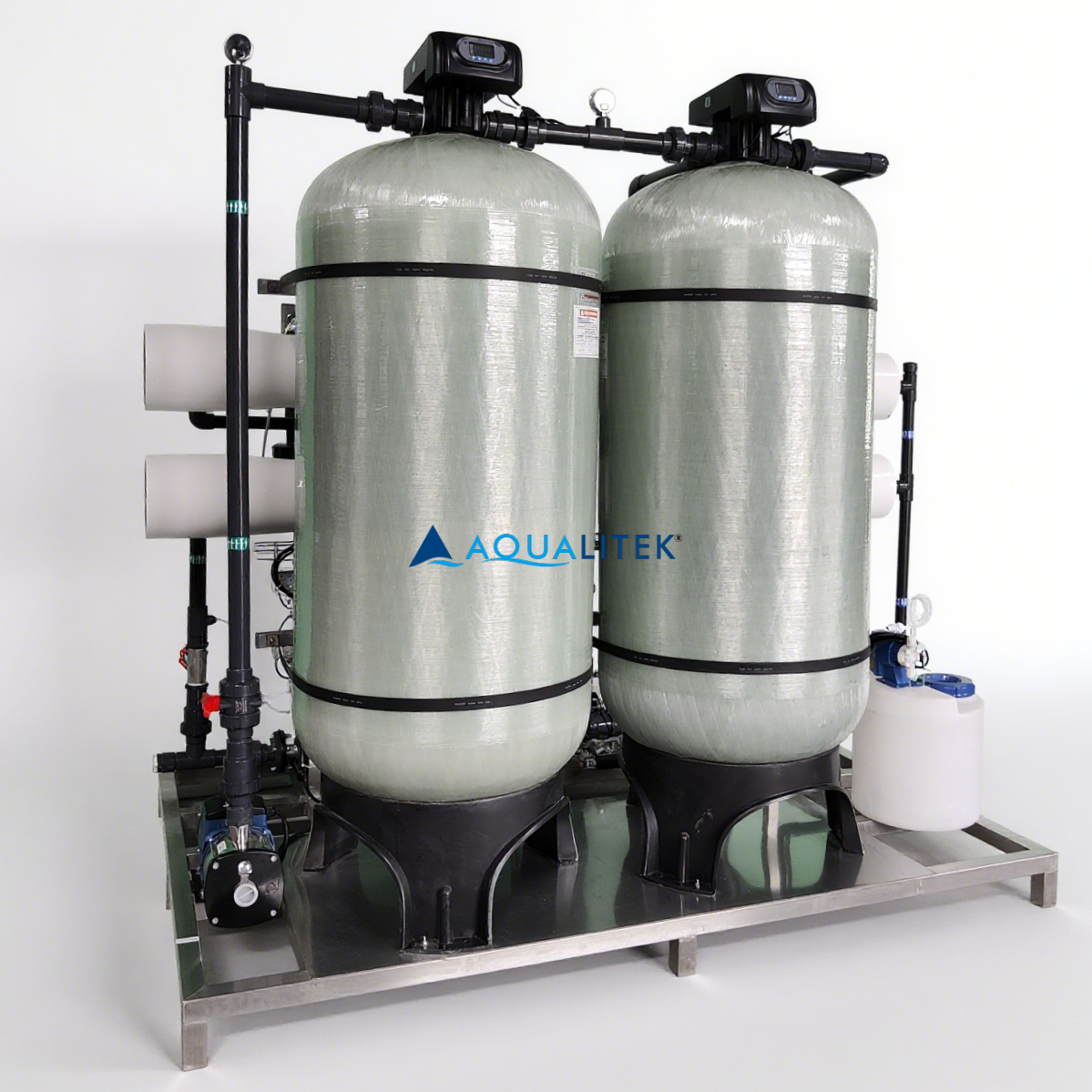
This Maintenance Checklist for 4TPH RO Systems provides a practical, field-ready guide for operators and facility managers running industrial reverse osmosis plants. It covers daily to annual tasks, membrane care, pre-treatment checks, instrumentation validation, spare parts, troubleshooting, and compliance references to ensure stable permeate quality and maximum uptime.
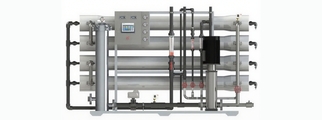
AQUALITEK 4TPH Industrial Reverse Osmosis Water Purification RO System, high-efficiency industrial-grade RO water treatment plant for manufacturing & processing, commercial reverse osmosis filtration system ideal for electronic component cleaning water use.
Routine Daily and Weekly Checks to Keep 4TPH RO Systems Running
Daily operational checks
Daily monitoring is critical for industrial reverse osmosis systems to catch deviations early. At the start of each shift, check and log:
- Feed water flow and pressure to ensure stable pre-treatment supply.
- RO feed pressure, concentrate pressure, and permeate flow (record differential pressure across the pressure vessel).
- Conductivity or TDS of permeate and feed (confirm rejection percent).
- Pump vibration, noise or abnormal heat—indicators of mechanical wear or cavitation.
Acceptable daily KPIs for a healthy 4TPH RO unit typically include stable permeate TDS within design rejection (e.g., >95–99% depending on membrane), minimal pressure spikes, and constant feed flow. Instant corrective action on out-of-range readings prevents fouling and membrane damage.
Weekly pre-treatment and chemical dosing checks
Weekly tasks maintain upstream equipment that protects the RO membranes:
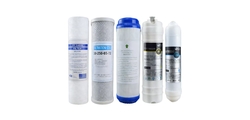
- Inspect multimedia/cartridge filters for turbidity/colloidal loading; change cartridges if pressure drop exceeds manufacturer recommendation.
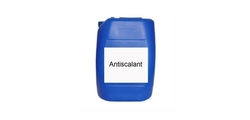
- Check water softener regeneration logs or antiscalant dosing rates; adjust dosing if feed hardness or scaling index changes.
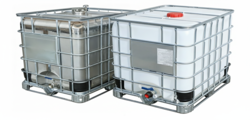
- Confirm dosing pumps are primed and calibrated; inspect chemical storage for correct concentrations and integrity.
Monthly and Quarterly Maintenance — Membrane Care & System Health
Monthly inspection checklist
Monthly inspections go deeper into system integrity and early fouling indicators:
- Measure and log normalized permeate flow and salt passage (percent rejection). Trends are more important than single readings.
- Inspect pressure vessels, end caps, and bulkheads for leaks, seepage, or scale deposits.
- Check and tighten mechanical connections, valves, and instrumentation wiring.
Quarterly membrane performance review and cleaning
Membranes accumulate organic, biological, inorganic, and colloidal foulants. Quarterly review should include:
- Calculate recovery and specific flux (GFD/pressure unit). Drops in flux or rising differential pressure indicate fouling.
- Perform Clean-In-Place (CIP) if performance thresholds are exceeded. Use manufacturer-recommended cleaning agents and procedures (acid for scaling, alkaline for organics). Document volumes, pH, temperatures, and contact times.
- Microbiological checks where applicable—biofouling can drastically reduce membrane life. Consider biocide dosing or shock chlorination for upstream components, but ensure dechlorination prior to polyamide membranes.
Troubleshooting, Optimization and Advanced Monitoring
Common problems and quick diagnoses
Below are frequent issues with industrial reverse osmosis systems and practical triage steps:
- Low permeate flow: Check feed pressure, clogged pre-filters, fouled membranes (CIP threshold), or pump performance.
- High permeate conductivity: Inspect for membrane breach, high feed TDS, bypassed valves, or poor antiscalant dosing.
- Frequent pump trips: Investigate air entrainment, cavitation (low feed pressure), or electrical/control issues.
Instrumentation and data-driven optimization
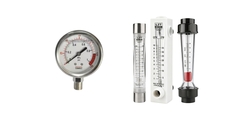
Implementing reliable instrumentation and trend logging unlocks predictive maintenance. Recommended instrumentation includes:
- Online conductivity/TDS meters on feed, permeate, and concentrate lines.
- Pressure transducers at feed, permeate, and concentrate ports for differential pressure monitoring.
- Flow meters on permeate and concentrate lines to monitor recovery and balance flow.
Use a simple SCADA or data logger to store historical data; analyze trends monthly to schedule CIP before irreversible decline. For guidance on water quality parameters and monitoring guidelines, authoritative resources like the World Health Organization are helpful: WHO - Drinking-water.
Spare Parts, Compliance, Recordkeeping and Safety
Recommended spare parts and inspection intervals
Keeping critical spares on site reduces downtime. The table below lists suggested parts and recommended replacement/inspection frequency for a 4TPH industrial RO system.
| Item | Recommended Stock | Inspection / Replacement Interval |
|---|---|---|
| Cartridge filters (5 μm and 1 μm) | 1–2 weeks' supply | Weekly or when ΔP exceeds spec |
| High-pressure pump seals / mechanical seal kit | 1 set | Annual or on first sign of leakage |
| RO membrane elements (spare) | 1–2 elements (depends on pressure vessel configuration) | Replace as needed — typical life 3–7 years with proper care |
| Pressure transducers / conductivity probes | 1 spare each | Calibrate quarterly; replace if drift exceeds tolerance |
| Dosing pump spare | 1 | Inspect monthly; replace if performance drops |
Recordkeeping, standards and compliance
Maintain a logbook or digital records of daily readings, CIP logs, chemical purchases, membrane serial numbers and interventions. This supports warranty claims and compliance audits. For system design, operation and quality management, consult standards such as ISO 9001 for quality systems: ISO 9001, and industry best practices from organizations like the American Water Works Association: AWWA.
Membrane Cleaning (CIP) Procedures and Best Practices
When to perform CIP and how to decide
Trigger CIP based on objective thresholds: a significant drop in normalized permeate flow, increase in differential pressure across the vessel, or decline in salt rejection. Typical triggers:
- Normalized flux reduction >10–15% vs baseline.
- ΔP across RO elements increases by 15–20%.
- Permeate conductivity rise beyond acceptable limit for the process.
Safe CIP steps for polyamide membranes
Follow membrane manufacturer guidance. General CIP sequence:
- Isolate RO train and depressurize per lockout/tagout procedures.
- Flush with low-pressure permeate/backwash if applicable to remove loose solids.
- Apply alkaline cleaning solution (for organics/foulants) at recommended pH and temperature for specified contact time.
- Rinse thoroughly, then apply acid cleaning if inorganic scaling is present. Avoid simultaneous mixing of incompatible chemicals.
- Rinse to near-neutral pH and verify permeate quality before returning to service.
For membrane chemistry and failure prevention, consult membrane manufacturer datasheets and technical bulletins. Additional design and technology background is available in expert references such as the Reverse Osmosis entry on Wikipedia: Reverse osmosis - Wikipedia.
Frequently Asked Questions (FAQ)
How often should I replace RO membranes in a 4TPH Industrial Reverse Osmosis system?
Membrane life depends on feed quality, pre-treatment effectiveness, and maintenance. With robust pre-treatment and regular CIP, membranes often last 3–7 years. Replace sooner if irrecoverable flux decline or salt passage increases beyond process tolerances.
What are the key performance indicators (KPIs) I should monitor?
Essential KPIs: normalized permeate flow (flux), salt rejection (%), feed and concentrate pressures, differential pressure across vessels, and permeate conductivity/TDS. Tracking trends is crucial for predictive maintenance.
Can I use chlorine upstream of polyamide membranes?
Polyamide RO membranes are chlorine-sensitive. If chlorination is required for upstream bio-control, install a dechlorination step (e.g., activated carbon or chemical dosing) prior to the membrane. Follow manufacturer guidance to avoid membrane oxidation.
What documentation or certifications should I maintain?
Keep system drawings, instrument calibration certificates, membrane serial numbers, chemical safety data sheets (SDS), CIP logs, maintenance records, and any third-party inspection reports. Adhering to quality management standards such as ISO 9001 helps structure recordkeeping.
Where can I find technical guidance and recognized industry standards?
Useful resources include the World Health Organization for general water quality guidance (WHO), the American Water Works Association (AWWA), and technical literature on membrane processes. For regulatory and certification information, NSF International is a recognized standards body: NSF.
Contact and Product Information
For detailed service manuals, spare parts lists, or to schedule a maintenance audit for your 4TPH Industrial Reverse Osmosis system, contact AQUALITEK Sales & Service. Our technicians provide on-site inspections, CIP support, and membrane performance optimization to extend element life and ensure reliable permeate quality.
Contact Us or email sales@aqualitek.example to request a maintenance checklist tailored to your plant.
References: WHO - Drinking-water (link), Reverse Osmosis - Wikipedia (link), AWWA (link), ISO 9001 (link), NSF International (link).
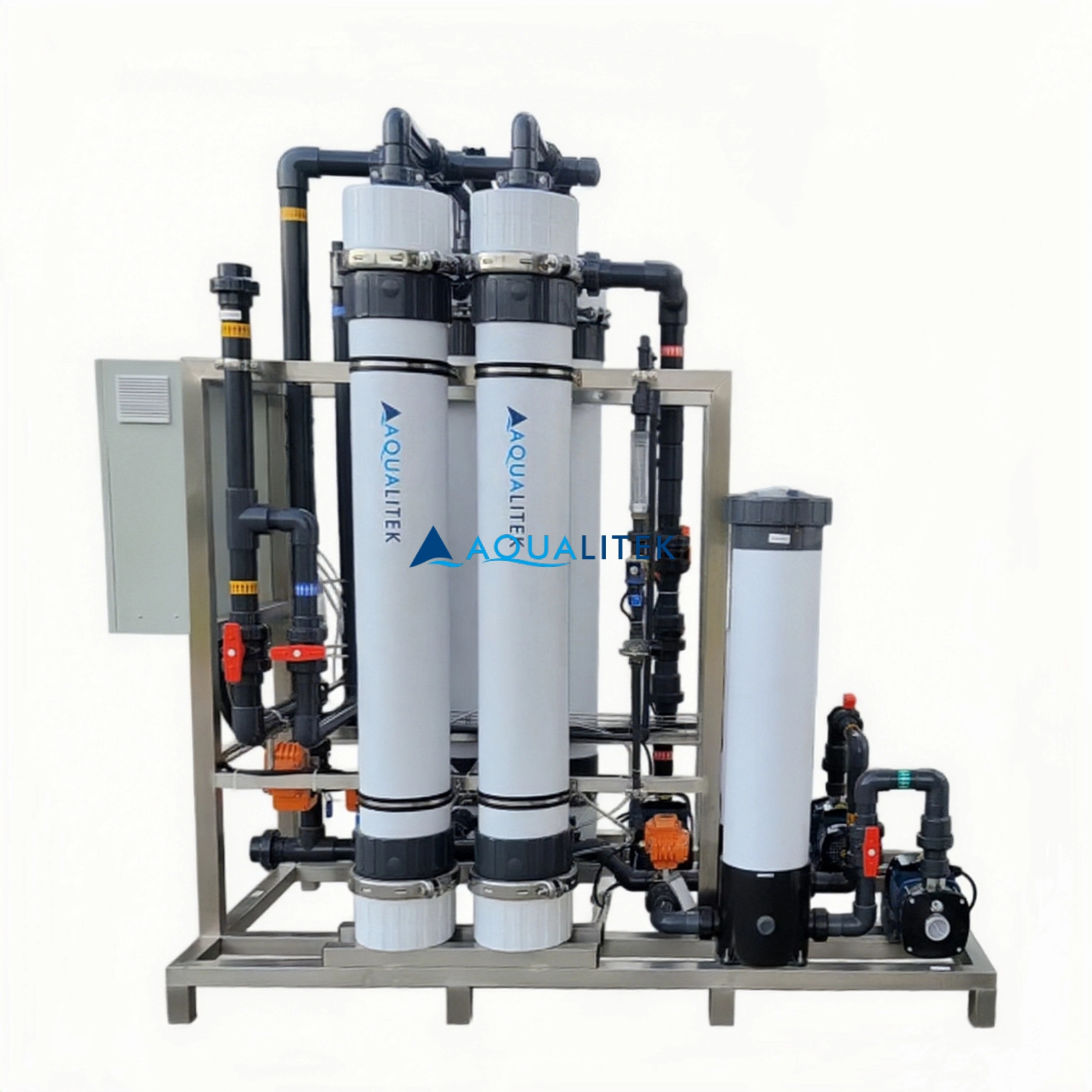
Compliance and Quality Standards for Ultrafiltration Water Systems

Procurement Checklist: Installing an Industrial RO System
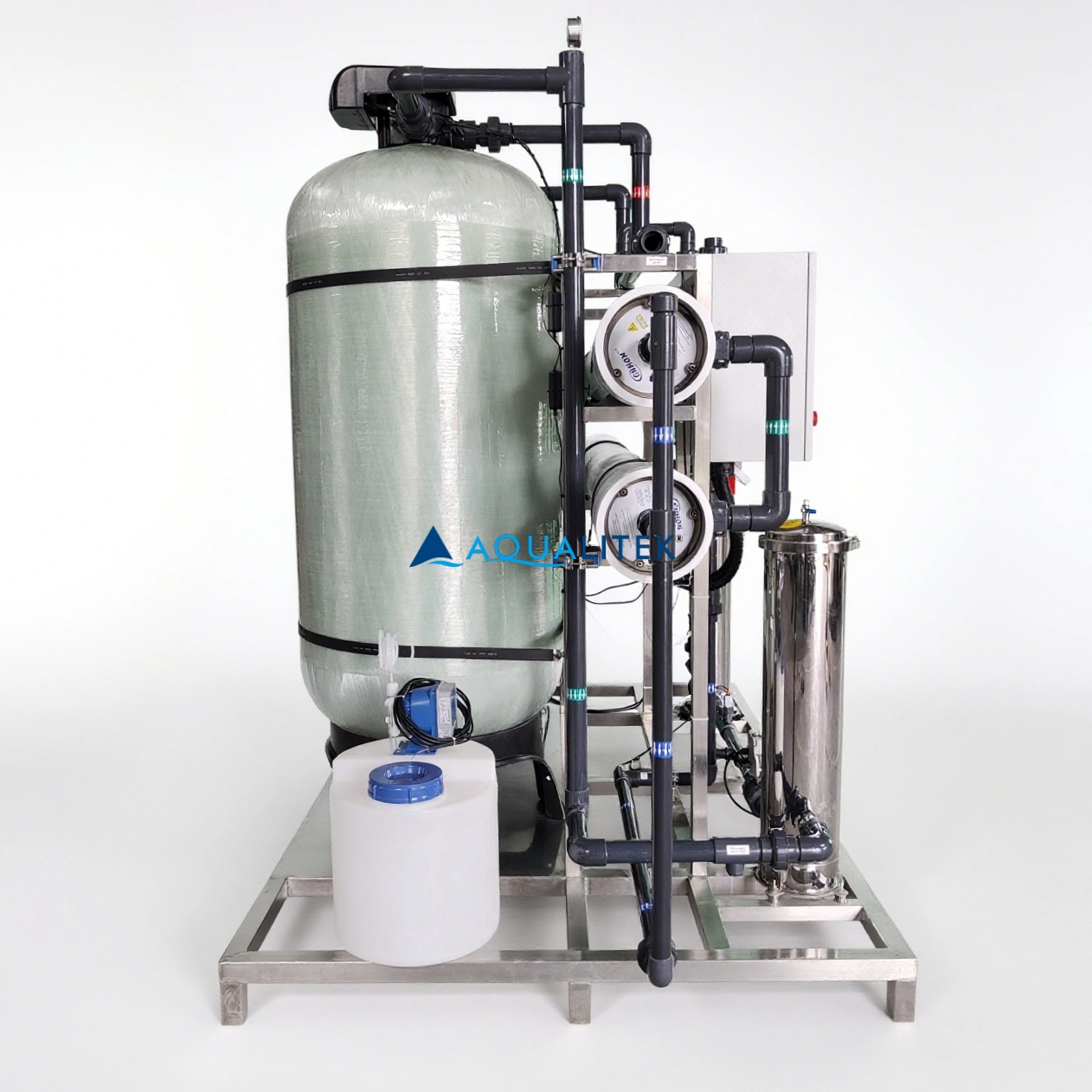
Maintenance and After-Sales for Industrial RO System Buyers
Industrial Reverse Osmosis Machine Costs 2026
Water Filters
What is the expected lifespan of a water filter?
Cartridge filters generally last 1–3 months. Media filters require periodic backwashing and media replacement every 1–2 years, depending on usage.
Can I automate the filter cleaning process?
Absolutely. Our automatic backwash filters come with timer-based or differential pressure-triggered controls.
FAQ-aqualitek
How do I choose the right water treatment system for my needs?
The choice depends on factors such as water quality, application, flow rate, and purification requirements. Our team of experts can analyze your water source and recommend the most suitable solution for residential, commercial, or industrial applications.
Solutions
How do I choose the right water treatment system for my needs?
The choice depends on factors such as water quality, application, flow rate, and purification requirements. Our team of experts can analyze your water source and recommend the most suitable solution for residential, commercial, or industrial applications.
Does AQT provide technical support and after-sales service?
Yes! We offer comprehensive technical support, including installation guidance, troubleshooting, spare parts supply, and ongoing maintenance assistance. Our after-sales team is available to ensure your water treatment system operates efficiently.
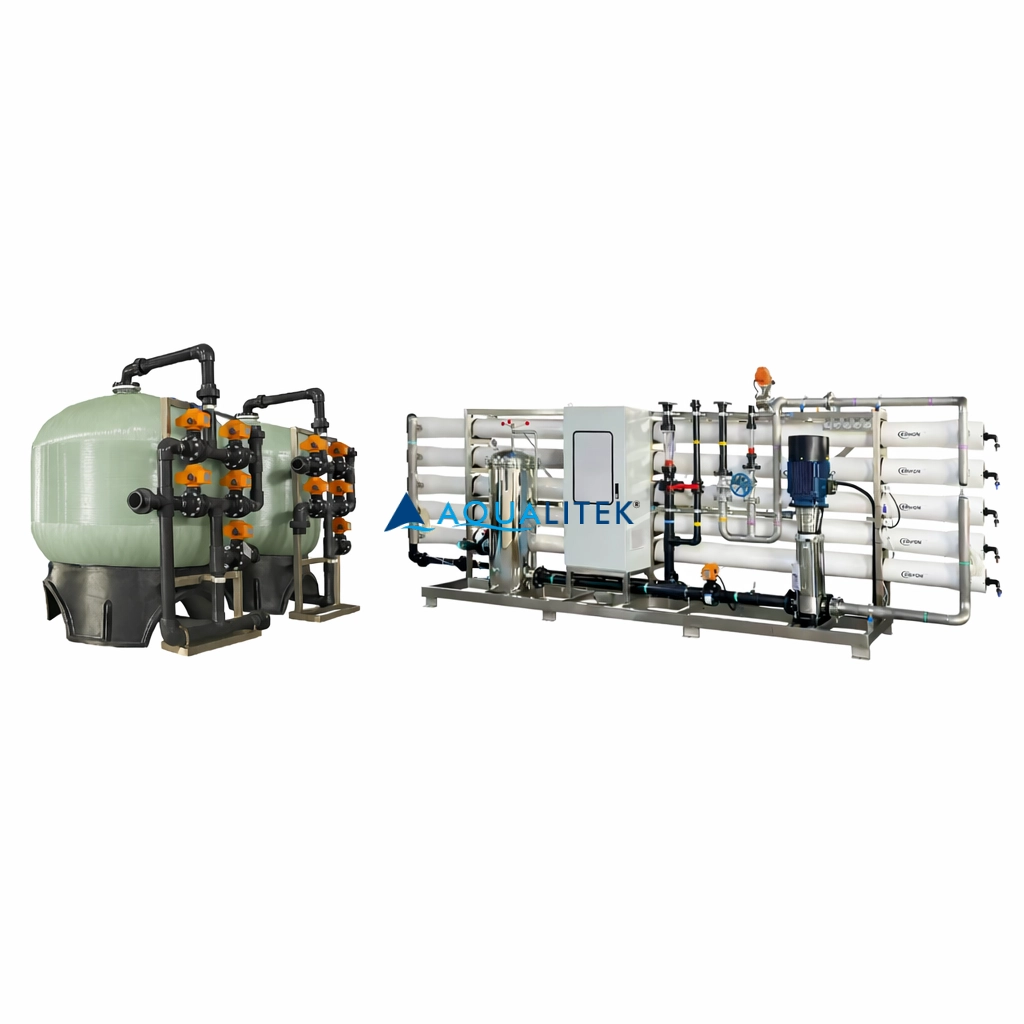
30TPH Industrial Reverse Osmosis (RO) System
30TPH Industrial Reverse Osmosis (RO) System designed for industrial and municipal water treatment. High salt rejection, energy-efficient design, PLC control, and customizable configuration.
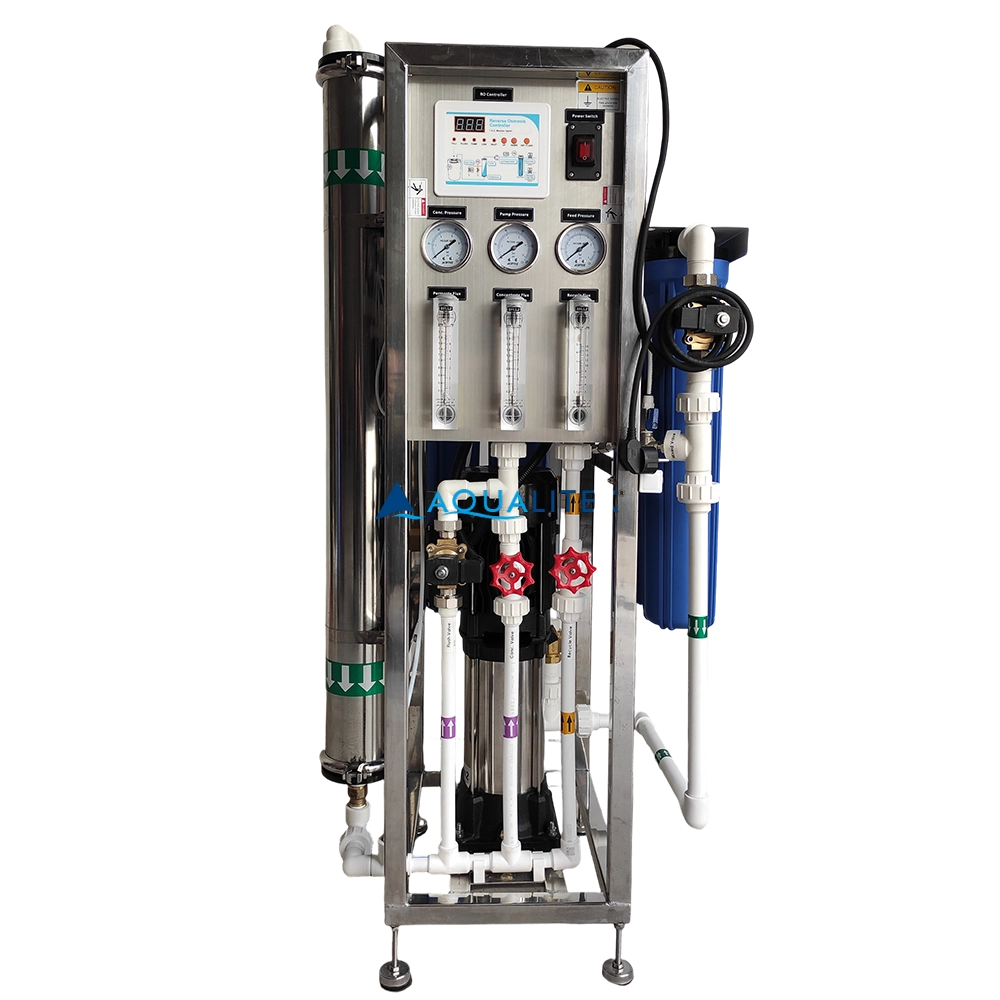
500 LPH Reverse Osmosis (RO) Water Purification Machine TWV - 412
Our 500 LPH Reverse Osmosis (RO) System is engineered to provide high-quality purified water for commercial applications. Designed with advanced RO technology, durable components, and a user-friendly interface, this system ensures consistent performance, low maintenance, and long-term reliability.
With its compact design and robust skid-mounted frame, it’s an excellent choice for businesses that demand efficiency and quality in water purification.
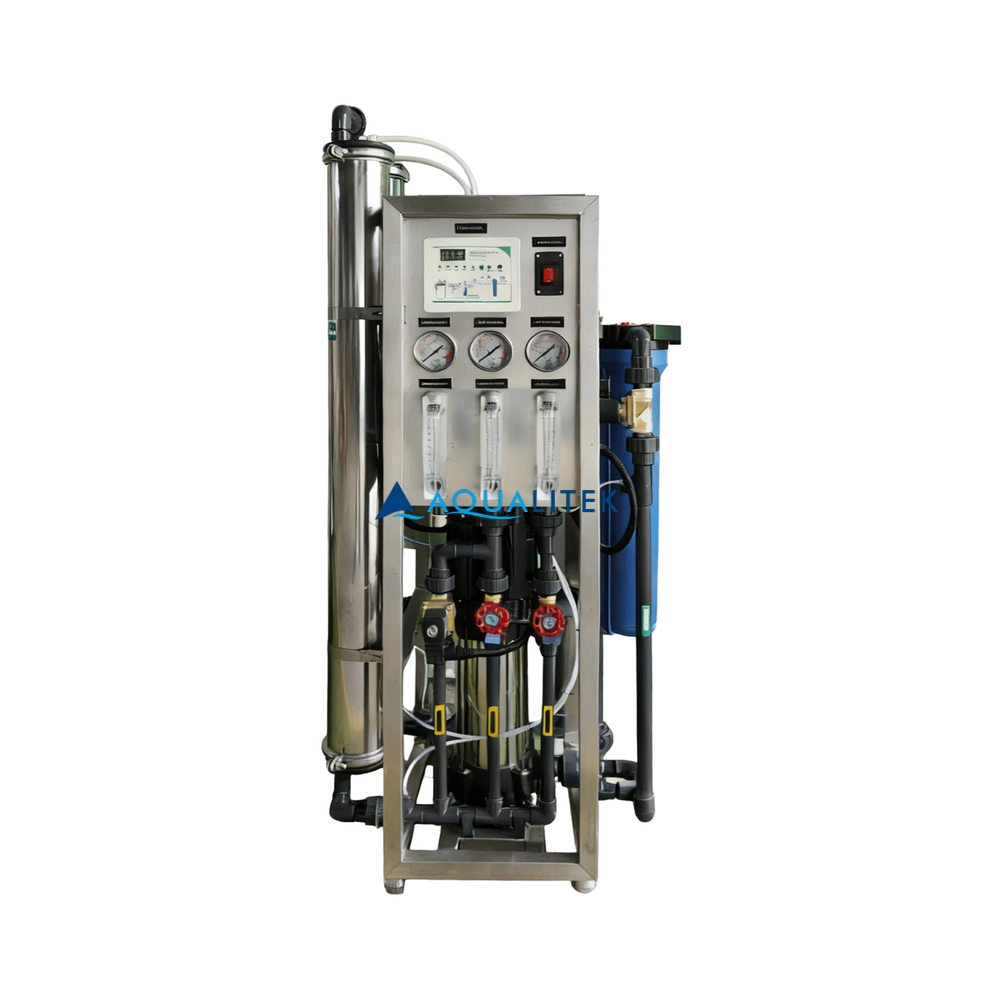
Tap Water Reverse Osmosis (TWRO) Systems TWV Series
TWV series Reverse Osmosis (RO) systems are pre-engineered and pre-assembled units with 2.5”/4” membrane housings(single element type)for tap water(lower TDS).They are designed for overall superior performance, high recovery rates and offer great savings with low maintenance and operation costs.
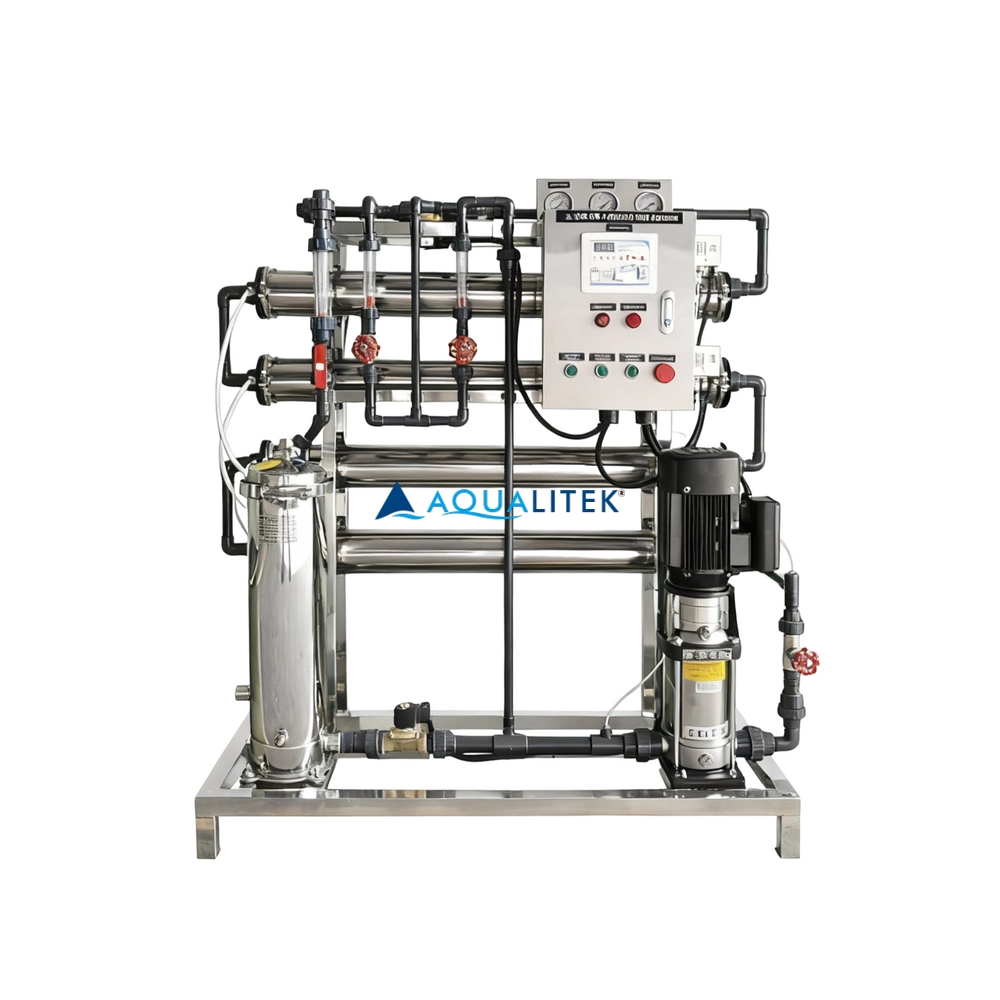
Tap Water Reverse Osmosis (TWRO) Systems TWF Series
TWF series Reverse Osmosis (RO) systems are pre-engineered and pre-assembled units with 4” membrane housings(multiple elements type) for tap water(lower TDS) .The medium large volumes can help meet your a variety of commercial and industrial applications. They are designed for overall superior performance, high recovery rates and offer great savings with low maintenance and operation costs.
Request More Information
Contact us today for product catalogs, customization options, and a free quotation designed for your business needs.
Rest assured that your privacy is important to us, and all information provided will be handled with the utmost confidentiality.
© 2026 AQUALITEK. All rights reserved.
AQUALITEK- Aimee Hoo
AQUALITEK - Aimee Hoo