




CIP Procedures for Industrial Reverse Osmosis
- Overview of CIP for Industrial Reverse Osmosis Systems
- Why CIP is critical for industrial reverse osmosis
- Key goals and success metrics
- Authoritative guidance and standards
- Preparing for a CIP Cycle
- Pre-CIP diagnostics and records
- Safety and isolation procedures
- Selection of cleaning chemicals and compatibility
- Executing an Effective CIP Cycle
- Step-by-step CIP procedure
- Operational monitoring during CIP
- When to stop and when to repeat a cycle
- Optimization, Troubleshooting and Long-Term Care
- Optimizing CIP frequency and schedule
- Common issues and remedies
- Recordkeeping, QA and lifecycle management
- Practical Example: CIP Parameters Reference Table
- Integration with Pretreatment and Plant Operations
- How pretreatment affects CIP frequency
- Startup and shutdown routines to protect membranes
- When to involve the membrane supplier or service provider
- FAQ — CIP for Industrial Reverse Osmosis
- Q1: How often should I CIP my industrial RO system?
- Q2: Can I use chlorine for cleaning polyamide RO membranes?
- Q3: What are the signs that my membranes are irreversibly damaged?
- Q4: How do I dispose of CIP wastes safely?
- Q5: Where can I find membrane-specific cleaning guidance?
- Contact and Product Information
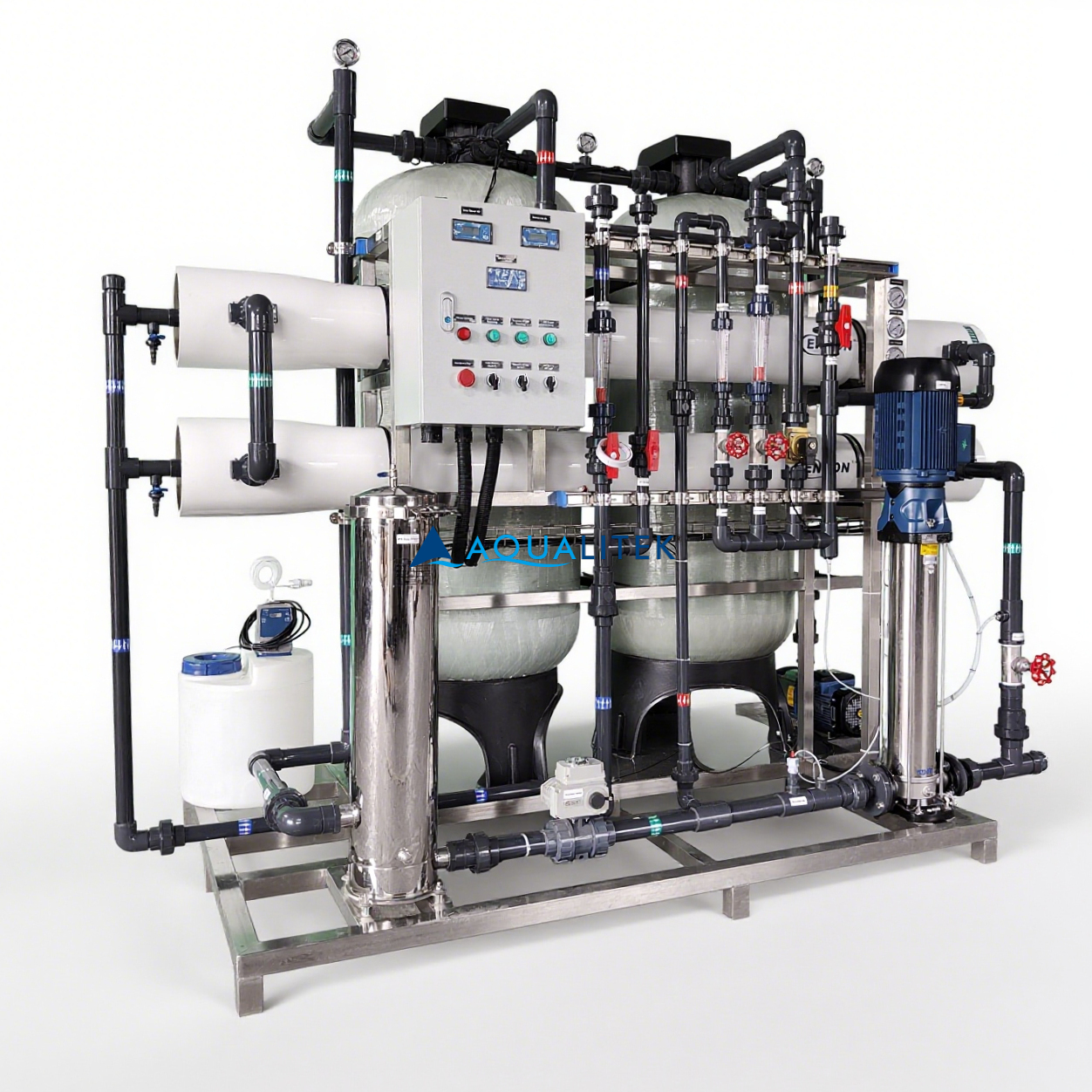
Efficient CIP (clean-in-place) procedures are essential for maintaining industrial reverse osmosis performance, protecting RO membranes, and ensuring consistent product water quality for manufacturing applications such as electronic component cleaning. This article provides a step-by-step, actionable CIP guide — from pre-treatment checks and chemical selection to flushing, verification, and record-keeping — with references to industry guidance and standards for operators of systems like the AQUALITEK 4TPH Industrial Reverse Osmosis Water Purification RO System.
Overview of CIP for Industrial Reverse Osmosis Systems
Why CIP is critical for industrial reverse osmosis
Industrial RO units are vulnerable to fouling by particulates, biological growth, scaling (inorganic precipitation), organic fouling, and colloidal deposition. Left unchecked, these issues reduce permeate flow, lower salt rejection, increase pressure drop (differential pressure), and raise operational costs. Regular CIP restores membrane permeability and extends membrane life while preserving process reliability for industrial uses such as electronic component cleaning water.
Key goals and success metrics
A successful CIP cycle should achieve measurable improvements in: (1) normalized permeate flow (L/m2·h or GFD), (2) salt rejection (%), and (3) differential pressure across membrane elements. Operators should track baseline performance and post-CIP metrics. Typical acceptance criteria: return to ≥90–95% of baseline permeate flux and recovery of salt rejection within manufacturer limits. Record these metrics for trend analysis and warranty compliance.
Authoritative guidance and standards
Best practices should reference authoritative sources. For general membrane technology background, see the EPA's membrane technology overview (EPA - Membrane Technology) and technical details on reverse osmosis (Reverse osmosis — Wikipedia). For water quality and safety context, consult the WHO water sanitation pages (WHO - Water, sanitation and health). Manufacturer-specific cleaning recommendations (e.g., membrane provider technical bulletins) should be used when available.
Preparing for a CIP Cycle
Pre-CIP diagnostics and records
Before initiating CIP, gather system performance data: feed pressure, concentrate pressure, permeate flow, conductivity or TDS, differential pressures across pressure vessels, and recovery rate. Compare current values to historical baselines for the AQUALITEK 4TPH Industrial Reverse Osmosis Water Purification RO System. Document feedwater quality (SDI, turbidity, hardness, iron, silica, TOC) since contaminants determine the cleaning strategy.
Safety and isolation procedures
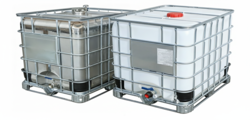
Implement lockout-tagout (LOTO) and isolate RO pressure vessels, pumps, and heat exchangers as required. Use personal protective equipment (PPE) appropriate for cleaning chemicals (acid, alkaline cleaners, oxidizers, biocides). Ensure secondary containment for chemical handling and disposal procedures aligned with local regulations. Maintain Material Safety Data Sheets (MSDS) for all CIP chemicals on site.
Selection of cleaning chemicals and compatibility
Select chemicals based on dominant foulants: acids (citric, hydrochloric, phosphoric) for inorganic scale (calcium, barium, silica), alkaline cleaners (sodium hydroxide, sodium metasilicate) with surfactants and chelating agents for organic and biological fouling, and oxidizing agents (sodium hypochlorite) only when membranes are compatible (many polyamide RO membranes are chlorine-sensitive). Always verify membrane supplier compatibility before using oxidizers. Consider proprietary membrane-safe cleaning formulations from membrane manufacturers where available.
Executing an Effective CIP Cycle
Step-by-step CIP procedure
Below is a typical sequence for a full CIP on an industrial reverse osmosis skid like the AQUALITEK 4TPH:
- Shutdown and isolate the RO skid per manufacturer instructions.
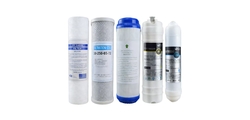
- Bypass pre-filters if required; clean or replace cartridge filters before restarting.
- Perform a cold flush with low-pressure permeate to remove loose debris (10–30 minutes, low flow).
- Circulate alkaline cleaning solution (if organics/fouling suspected): typical NaOH 0.5–1.0% w/w with surfactant/anticorrosion agent; temperature 20–35°C; circulation time 30–60 min. Monitor pH and pressure.
- Rinse with clean water until rinse conductivity approaches feedwater levels.
- Circulate acidic cleaning solution for scaling: typical citric acid 0.5–2.0% w/w or specialized descalers; temperature 20–30°C; circulation 30–60 min. Avoid strong acids that damage membranes and system metallurgy.
- Final rinse until pH and conductivity stabilize; sample permeate to ensure no residual chemicals remain.
- Sanitization (optional for biofouling): use membrane-compatible biocide (e.g., peroxyacetic acid) per supplier guidance, followed by thorough rinsing.
- Bring the system back online gradually, monitoring differential pressures, recovery, permeate conductivity, and flow. Compare to baseline; if metrics remain poor, repeat CIP with adjusted chemistry or escalate to membrane supplier.
Operational monitoring during CIP
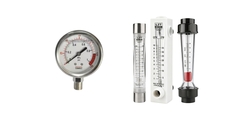
Record pump amps, flow rates, temperatures, pH, and conductivity continuously during CIP. Monitor differential pressure across each pressure vessel. Rising differential pressure during flushing can indicate dislodged fouling accumulating downstream; ensure adequate flushing velocity or use additional filtration. Keep a log of chemical volumes, concentrations, and contact times for traceability.
When to stop and when to repeat a cycle
If after a complete CIP the normalized flux and salt rejection do not recover to acceptable thresholds (e.g., <90% of baseline), consider repeating the cycle with adjusted parameters: longer contact time, higher temperature (within membrane limits), or alternative chemistries (enzyme cleaners for biofilms). Persistent issues may indicate irreversible membrane damage, scaling beyond cleaning, or pretreatment failures (e.g., malfunctioning antiscalant dosing, exhausted softeners).
Optimization, Troubleshooting and Long-Term Care
Optimizing CIP frequency and schedule
CIP scheduling should be data-driven. For industrial RO plants handling relatively clean pretreated feedwater, monthly or quarterly CIP may suffice. For higher fouling risk feeds (high TOC, silica, hardness), more frequent CIP (weekly to monthly) may be necessary. Use trend analysis of normalized flux decline per operating hour to set trigger points (for example, a 10–15% drop in flux from operating baseline triggers CIP).
Common issues and remedies
Typical problems and practical fixes:
- High silica scale: use acid cleaners with chelants and evaluate upstream silica removal or reduction in recovery.
- Biofouling: improve pre-chlorination/pH control, use membrane-compatible biocides during CIP, and consider UV or chlorination upstream with dechlorination before polyamide membranes.
- Iron/manganese deposition: address corrosion sources upstream and include sequestrants in CIP if necessary.
- Membrane oxidation damage: stop oxidizer use; replace affected elements and audit pretreatment to prevent reoccurrence.
Recordkeeping, QA and lifecycle management
Maintain a CIP logbook with dates, personnel, chemical lots, concentrations, temperatures, volumes, flow rates, durations, and pre/post performance metrics. These records support warranty claims and help optimize long-term operation. Implement a membrane lifecycle plan including scheduled inspections and planned element replacements based on cumulative operating hours and performance trends.
Practical Example: CIP Parameters Reference Table
The table below summarizes typical starting points for CIP chemicals and conditions. Always confirm with membrane vendor documentation and local regulations.
| Foulant Type | Chemical (typical) | Concentration (w/w) | Temperature | Contact Time |
|---|---|---|---|---|
| Organic/Grease/Biofilm | NaOH + surfactant/chelating agent | 0.5%–1.0% | 20–35°C | 30–60 min |
| Inorganic scale (Ca, Mg) | Citric acid or mild organic acid | 0.5%–2.0% | 20–30°C | 30–60 min |
| Iron/Manganese | Acid + sequestering agent | 0.5%–2.0% | 20–30°C | 30–60 min |
| Sanitization (bio control) | Peroxyacetic acid or approved biocide | per supplier | ambient | as recommended |
Note: concentrations and times are starting recommendations. Always consult membrane supplier documentation for allowable chemical exposures and maximum temperatures.
Integration with Pretreatment and Plant Operations
How pretreatment affects CIP frequency
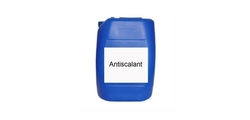
Effective pretreatment (multimedia filtration, cartridge filtration, antiscalant dosing, softening, and iron removal) reduces CIP frequency and cost. For the AQUALITEK 4TPH Industrial Reverse Osmosis Water Purification RO System used in electronic component cleaning, maintaining tight pre-filter changes and robust antiscalant control is particularly important to prevent particulate and scaling fouling that can damage sensitive downstream processes.
Startup and shutdown routines to protect membranes
Follow manufacturer startup/shutdown protocols: preserve membrane hydration during prolonged shutdowns with proper storage solutions (e.g., biocide-containing storage fluids) and avoid long dry-out periods. During startup, ramp recovery gradually to avoid rapid scaling and hydraulic shocks to elements.
When to involve the membrane supplier or service provider
If repeated CIP cycles fail to restore performance, or if you observe abnormal increases in salt passage (conductivity), consult the membrane supplier and provide detailed CIP logs and performance history. They can advise on advanced cleaning chemistries, element reconditioning, or replacement options.
FAQ — CIP for Industrial Reverse Osmosis
Q1: How often should I CIP my industrial RO system?
A: Frequency depends on feedwater quality and observed performance decline. Use data-driven triggers such as a 10–15% drop in normalized permeate flux or an increase in differential pressure. Typical intervals range from weekly for high-fouling feeds to quarterly for well-pretreated water.
Q2: Can I use chlorine for cleaning polyamide RO membranes?
A: Most polyamide RO membranes are chlorine-sensitive and will be damaged by free chlorine. If oxidizing biocides are required, use membrane-compatible oxidants specified by the membrane manufacturer or perform dechlorination steps before membrane exposure. Always check supplier guidance.
Q3: What are the signs that my membranes are irreversibly damaged?
A: Persistent increases in permeate conductivity (salt passage), inability to regain baseline permeate flow after multiple CIP cycles, and physical inspection showing membrane degradation or delamination indicate irreversible damage and likely element replacement.
Q4: How do I dispose of CIP wastes safely?
A: Follow local environmental regulations. Neutralize acid or alkali wastes before disposal if required, and avoid releasing chelants or biocides into municipal sewers without approval. Work with your environmental compliance team to document disposal methods.
Q5: Where can I find membrane-specific cleaning guidance?
A: Refer to membrane manufacturer technical bulletins and cleaning guides. General membrane technology resources include the EPA membrane technology overview (EPA) and industry literature like the reverse osmosis overview (Wikipedia).
Contact and Product Information
About the product:
<p>AQUALITEK 4TPH Industrial Reverse Osmosis Water Purification RO System, high-efficiency industrial-grade RO water treatment plant for manufacturing & processing, commercial reverse osmosis filtration system ideal for electronic component cleaning water use.</p>
If you operate an industrial reverse osmosis system and want help optimizing CIP programs for reliability and membrane life — or to evaluate the AQUALITEK 4TPH Industrial Reverse Osmosis Water Purification RO System for your facility — contact our technical sales team or request a datasheet. Our specialists can provide tailored CIP protocols, chemical compatibility checks, and maintenance plans to meet manufacturing water standards.
Contact sales | View product details: AQUALITEK 4TPH RO System
References and further reading: EPA - Membrane Technology (https://www.epa.gov/water-research/membrane-technology), Reverse osmosis — Wikipedia (https://en.wikipedia.org/wiki/Reverse_osmosis), WHO - Water, sanitation and health (https://www.who.int/teams/environment-climate-change-and-health/water-sanitation-and-health), and membrane manufacturer technical documentation (consult your membrane vendor).
Top 10 water filter softener system Manufacturers and Supplier Brands
Common Well Water Contaminants Removed by BWRO BWE Series
Choosing Filtration Systems for Sediment and Turbidity
Portable Water Purification Systems for Travel and Camping: Complete Buyer’s Guide
Water Filters
Are your filters suitable for seawater or chemical-heavy applications?
Yes, we offer FRP and stainless steel housings resistant to corrosion and suitable for marine or aggressive chemical environments.
Membrane Water Treatment Systems
How long do membranes last?
With proper maintenance and CIP, UF and RO membranes can last 3–5 years, depending on feed water quality and system design.
FAQ-aqualitek
How often should I replace filters and membranes?
Filter and membrane lifespan depends on water quality, usage, and system type. General guidelines:
1. Sediment & Carbon Filters: Replace every 6–12 months.
2. RO Membranes: Replace every 2–3 years, depending on water conditions.
3. UF/NF Membranes: Replace every 1–2 years.
Regular maintenance ensures optimal performance and water quality.
What types of water treatment systems does AQT offer?
AQT provides a wide range of water purification solutions, including reverse osmosis (RO) systems, ultrafiltration (UF) systems, nanofiltration (NF) systems, deionization (DI) systems, electro-deionization (EDI) systems, chemical dosing systems, and water softeners. We also supply spare parts and components for water treatment systems.
Ion Exchange Water Treatment Systems
Are mixed bed systems better than two-bed systems?
Mixed bed polishers are used for final polishing after RO or two-bed deionization to achieve ultra-pure water.
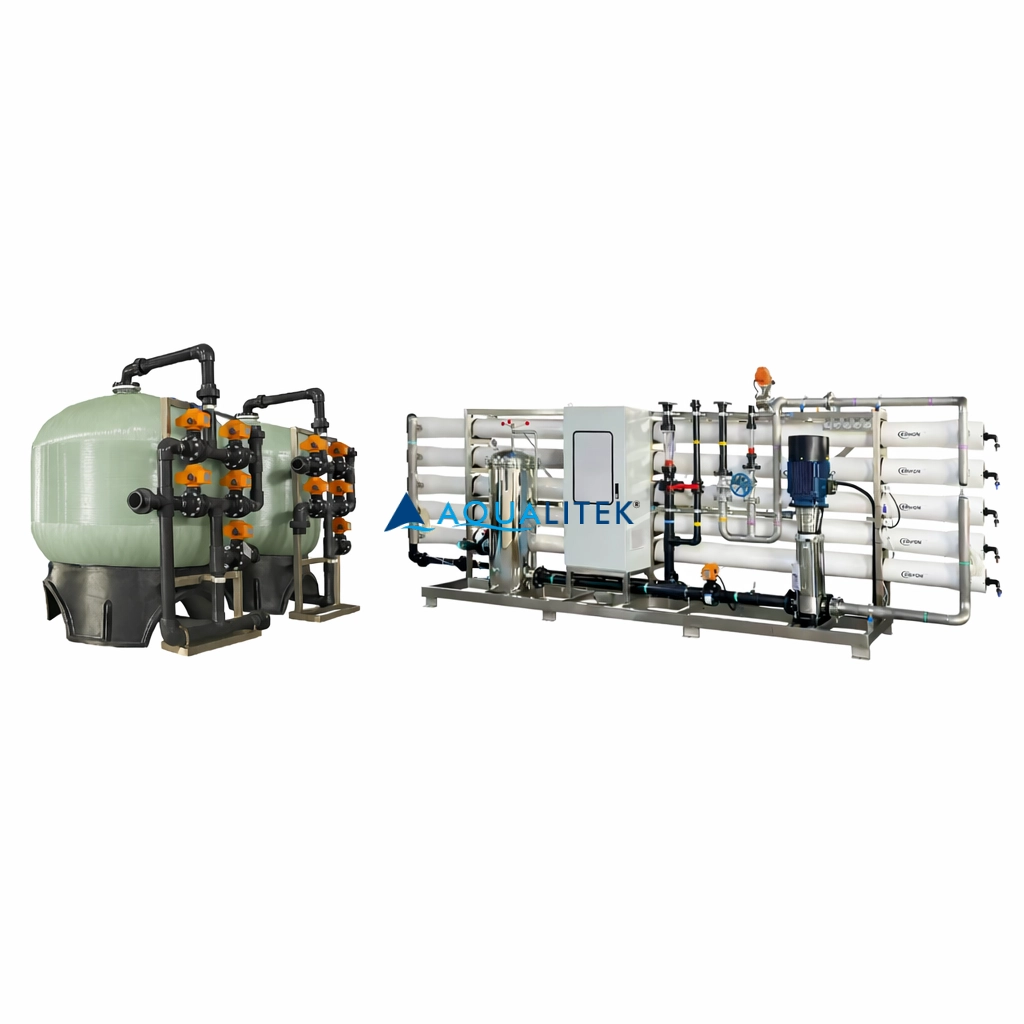
30TPH Industrial Reverse Osmosis (RO) System
30TPH Industrial Reverse Osmosis (RO) System designed for industrial and municipal water treatment. High salt rejection, energy-efficient design, PLC control, and customizable configuration.
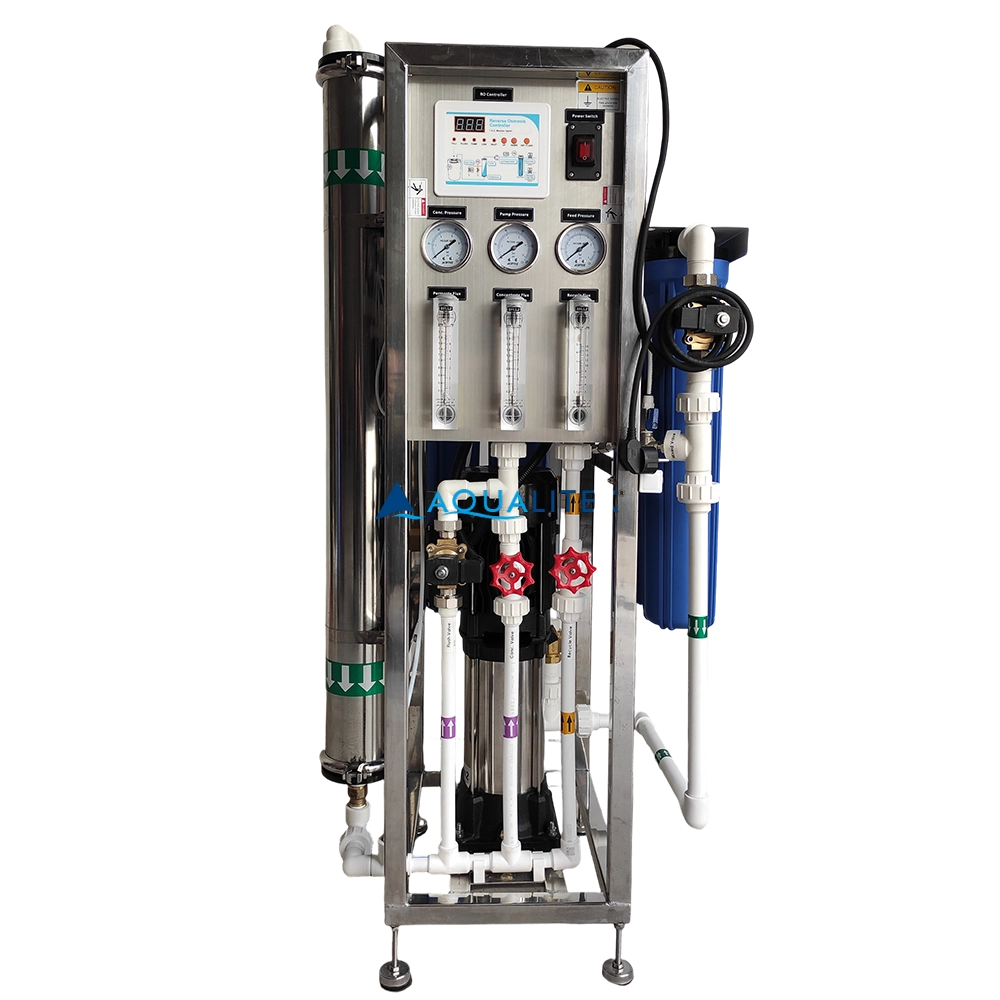
500 LPH Reverse Osmosis (RO) Water Purification Machine TWV - 412
Our 500 LPH Reverse Osmosis (RO) System is engineered to provide high-quality purified water for commercial applications. Designed with advanced RO technology, durable components, and a user-friendly interface, this system ensures consistent performance, low maintenance, and long-term reliability.
With its compact design and robust skid-mounted frame, it’s an excellent choice for businesses that demand efficiency and quality in water purification.
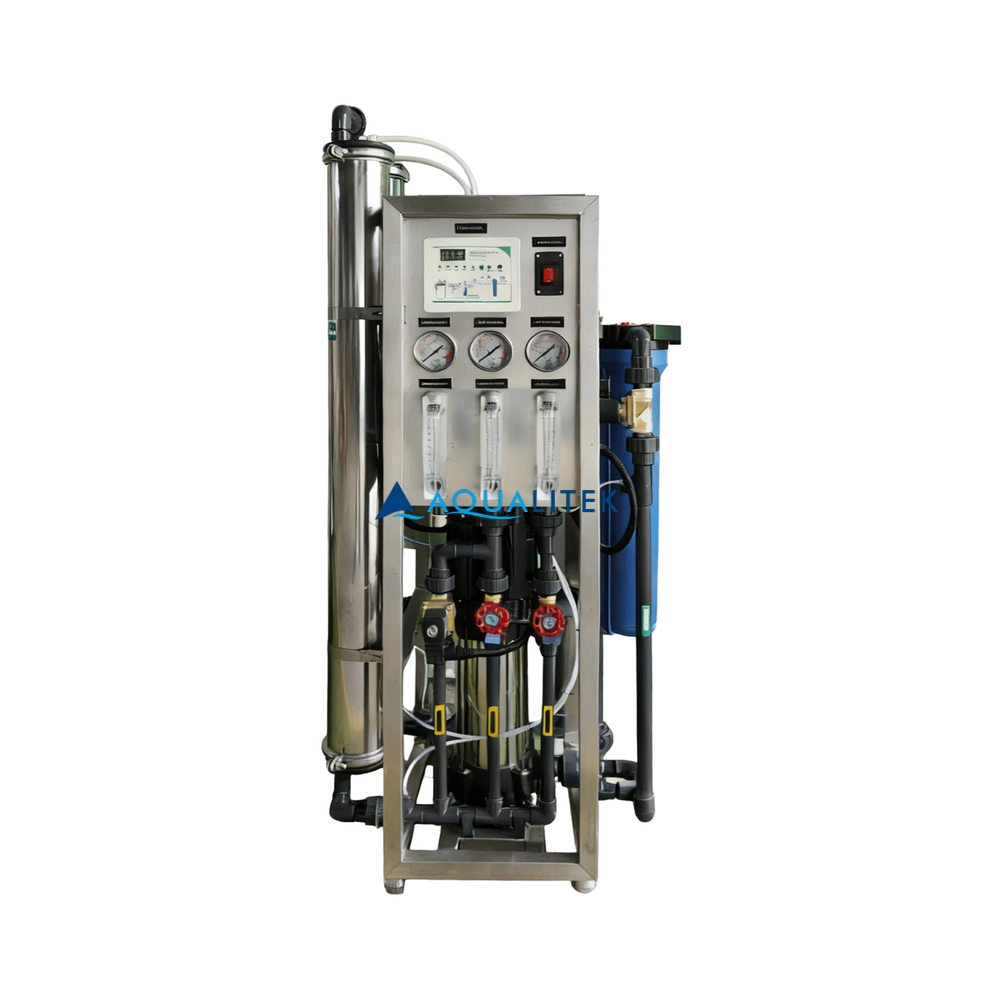
Tap Water Reverse Osmosis (TWRO) Systems TWV Series
TWV series Reverse Osmosis (RO) systems are pre-engineered and pre-assembled units with 2.5”/4” membrane housings(single element type)for tap water(lower TDS).They are designed for overall superior performance, high recovery rates and offer great savings with low maintenance and operation costs.
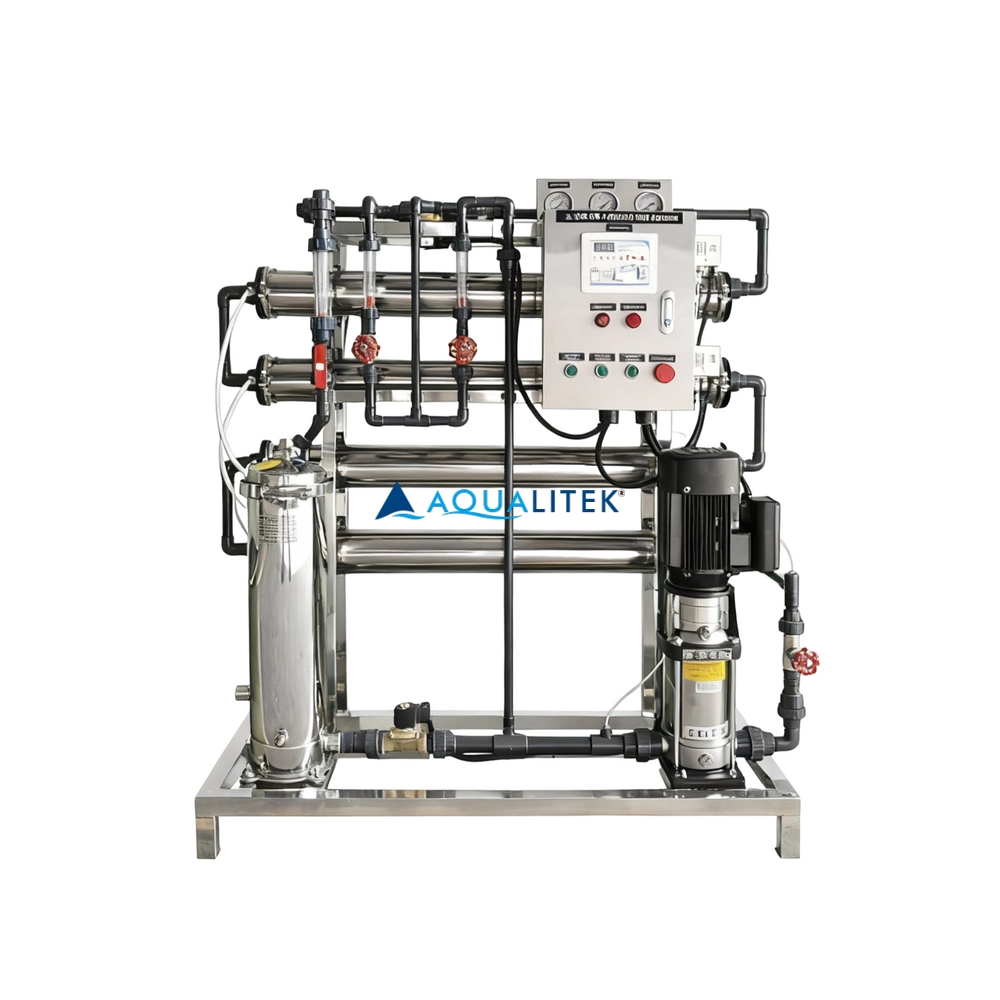
Tap Water Reverse Osmosis (TWRO) Systems TWF Series
TWF series Reverse Osmosis (RO) systems are pre-engineered and pre-assembled units with 4” membrane housings(multiple elements type) for tap water(lower TDS) .The medium large volumes can help meet your a variety of commercial and industrial applications. They are designed for overall superior performance, high recovery rates and offer great savings with low maintenance and operation costs.
Request More Information
Contact us today for product catalogs, customization options, and a free quotation designed for your business needs.
Rest assured that your privacy is important to us, and all information provided will be handled with the utmost confidentiality.
© 2026 AQUALITEK. All rights reserved.
AQUALITEK- Aimee Hoo
AQUALITEK - Aimee Hoo