




Water Quality Improvements with 500 LPH Reverse Osmosis TWV - 412
- Water Quality Improvements with 500 LPH Reverse Osmosis TWV - 412
- Overview: Why choose the 500 LPH Reverse Osmosis (RO) Water Purification Machine TWV - 412 as the best reverse osmosis water filter system
- How RO Technology Improves Water Quality
- Key Features of TWV - 412 that Enhance Water Quality
- Performance Metrics and Real-World Water Quality Improvements
- Comparing TWV - 412 to Other Systems: Why it may be the best reverse osmosis water filter system for commercial use
- Pre-treatment and Post-treatment: Ensuring Consistent Water Quality
- Operation, Maintenance, and Lifecycle Costs
- Installation and Site Requirements for TWV - 412
- Regulatory Compliance and Water Safety Considerations
- Case Use Scenarios: Where TWV - 412 Delivers Value
- Why TWV - 412 Represents a Strong Brand Choice
- Technical Comparison Table: Typical Removal Rates and Operational Parameters
- FAQs — Frequently Asked Questions about TWV - 412 and Reverse Osmosis
- Is the TWV - 412 the best reverse osmosis water filter system for my business?
- What contaminants does an RO system like TWV - 412 remove?
- How often do membranes and filters need replacement?
- What are typical operating costs?
- Can the TWV - 412 be scaled or paralleled for higher demand?
- Contact Us / View Product CTA
- Authoritative References and Further Reading

Water Quality Improvements with 500 LPH Reverse Osmosis TWV - 412
Overview: Why choose the 500 LPH Reverse Osmosis (RO) Water Purification Machine TWV - 412 as the best reverse osmosis water filter system
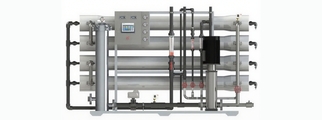
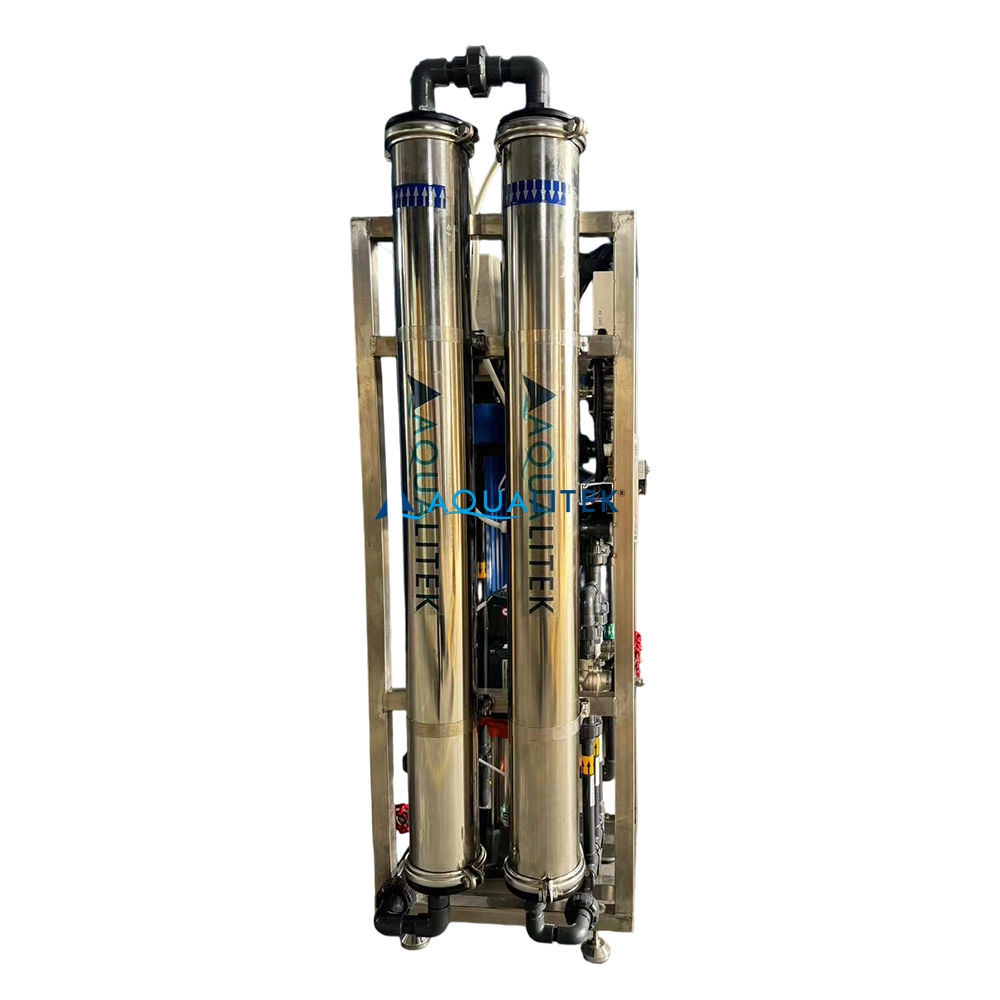
Our 500 LPH Reverse Osmosis (RO) System is engineered to provide high-quality purified water for commercial applications. Designed with advanced RO technology, durable components, and a user-friendly interface, this system ensures consistent performance, low maintenance, and long-term reliability.
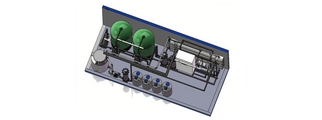
With its compact design and robust skid-mounted frame, it’s an excellent choice for businesses that demand efficiency and quality in water purification.
How RO Technology Improves Water Quality
Reverse osmosis is a pressure-driven membrane process that removes dissolved solids, particles, organics, and many pathogens from water by forcing feed water through a semi-permeable membrane. The TWV - 412 leverages modern RO membrane technology to achieve high rejection rates for total dissolved solids (TDS), heavy metals, and many chemical contaminants. Typical RO systems achieve 95–99% removal of dissolved salts and significantly reduce contaminants such as lead, arsenic, nitrates, and certain pesticides (sources: WHO, EPA).
Key Features of TWV - 412 that Enhance Water Quality
- High throughput: 500 liters per hour (LPH) meets many commercial needs for beverage production, small food processing, laboratories, and hospitality.
- Advanced RO membranes: High-rejection membranes reduce TDS and target specific contaminants effectively.
- Pre-treatment compatibility: Designed to integrate with cartridge filters, water softeners, and anti-scalant dosing to protect membranes and maintain consistent output quality.
- Robust construction: Skid-mounted design ensures mechanical stability and easier installation in commercial environments.
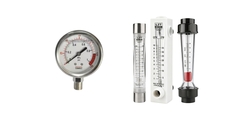
- User-friendly controls: Real-time indicators and control panels allow operators to monitor permeate quality, flow, and system status to quickly address issues.
Performance Metrics and Real-World Water Quality Improvements
For commercial operators, measurable improvements matter. The TWV - 412 typically demonstrates:
- TDS reduction by 95–99% under optimal feed conditions.
- Significant reductions in turbidity, color, and suspended solids with proper pre-filtration.
- Reduced concentrations of heavy metals (lead, copper) and many organic contaminants, assuming appropriate pre-treatment and periodic membrane replacement.
These improvements translate to better taste, reduced scaling in boilers and process equipment, compliance with product specifications for food and beverage, and safer water for end-users.
Comparing TWV - 412 to Other Systems: Why it may be the best reverse osmosis water filter system for commercial use
Not all RO systems are built for continuous commercial demand. The TWV - 412 balances capacity, durability, and operational simplicity. The table below compares the TWV - 412 with a typical small-scale (domestic) RO and a larger industrial RO.
| Feature | Domestic RO (10–40 LPH) | TWV - 412 (500 LPH) | Large Industrial RO (2,000+ LPH) |
|---|---|---|---|
| Typical Use | Household drinking water | Small commercial / light industrial | Heavy industry, municipal pre-treatment |
| Flow Rate | 10–40 LPH | 500 LPH | 2,000+ LPH |
| TDS Reduction | 95–98% | 95–99% | 95–99%+ |
| Maintenance | Low complexity | Moderate – trained technician | High – requires engineering support |
| Scalability | Low | Moderate (skid-mounted, modular) | High |
| Typical CapEx | Low | Moderate | High |
Pre-treatment and Post-treatment: Ensuring Consistent Water Quality
To ensure membrane longevity and stable permeate quality, pre-treatment is essential. Common pre-treatment steps for TWV - 412 installations include:
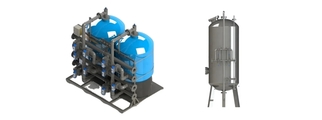
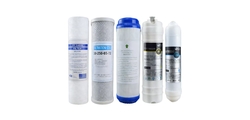
- Sediment filtration to remove suspended solids and reduce turbidity.
- Activated carbon to remove free chlorine and organics that could damage membranes.
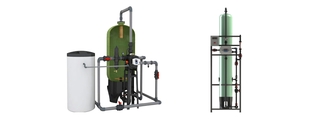
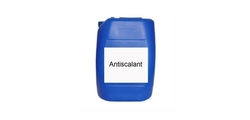
- Water softening or anti-scalant dosing for high hardness feeds to limit scaling and membrane fouling.
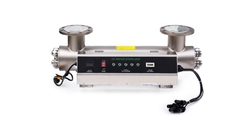
Post-treatment may include UV disinfection or remineralization depending on end-use. For beverage production or lab use, post-treatment assures water meets regulatory or product specifications.
Operation, Maintenance, and Lifecycle Costs
Operational efficiency is a core benefit of the TWV - 412. Routine maintenance tasks include replacing pre-filters, periodic membrane cleaning, and monitoring pressure and conductivity. A well-maintained RO system reduces downtime and maximizes membrane life (commonly 2–5 years depending on feed water quality and maintenance).
Lifecycle costs to consider:
- Consumables: pre-filters, membranes, anti-scalants, sanitizers.
- Energy: high-pressure pumps consume energy proportional to feed pressure and recovery rate.
- Labor: scheduled maintenance and occasional technical servicing.
Compared with frequent bottled water or inefficient treatment methods, a 500 LPH system often yields a favorable return on investment for commercial operations with consistent water demand.
Installation and Site Requirements for TWV - 412
The TWV - 412’s skid-mounted design simplifies installation. Typical site requirements include:
- Level concrete pad or framework to mount the skid.
- Access to raw water feed with adequate pre-treatment facilities.
- Electrical supply sized for the high-pressure pump and control systems.
- Drainage or appropriate handling for concentrate (brine) waste stream.
Installation by trained technicians ensures correct piping, electrical connections, and commissioning to verify permeate quality and system recovery settings.
Regulatory Compliance and Water Safety Considerations
Using a certified RO system and following local water regulations helps maintain compliance for potable and process water. Organizations such as the World Health Organization (WHO) and the U.S. Environmental Protection Agency (EPA) provide guidance on drinking water safety and contaminants. For industries with product-specific standards (food, beverage, pharmaceuticals), follow industry-specific directives and testing protocols to validate water quality.
Case Use Scenarios: Where TWV - 412 Delivers Value
Typical commercial applications where TWV - 412 improves water quality and reduces costs:
- Restaurants and hotels: consistent drinking water, kitchen use, ice machines, and boiler feed with reduced scaling and maintenance.
- Small beverage/bottling plants: consistent product quality and compliance with beverage safety standards.
- Laboratories and medical clinics: process and analytical water where low TDS and contaminant control are essential.
- Light manufacturing: process water requiring low dissolved solids to avoid product defects or equipment fouling.
Why TWV - 412 Represents a Strong Brand Choice
Brand strengths to highlight when evaluating the TWV - 412 include:
- Commercial-grade engineering tailored for continuous operation.
- Modular skid design for easier transport, installation, and expansion.
- Compatibility with common pre/post treatment options for flexible site integration.
- Manufacturer support, spare parts availability, and service network to uphold E-E-A-T principles—experience, expertise, authoritativeness, and trustworthiness—throughout ownership.
Technical Comparison Table: Typical Removal Rates and Operational Parameters
| Parameter | Domestic RO | TWV - 412 (500 LPH) | Industrial RO |
|---|---|---|---|
| TDS rejection | ~95–98% | ~95–99% (typical) | >99% (specialized setups) |
| Typical recovery rate | 20–50% | 30–60% (site-dependent) | 50–85% (advanced systems) |
| Feed pressure | ~2–4 bar (boosted) | High-pressure pump required (6–20 bar depending on feed) | High-pressure pumps, multi-stage |
FAQs — Frequently Asked Questions about TWV - 412 and Reverse Osmosis
Is the TWV - 412 the best reverse osmosis water filter system for my business?
If your business needs reliable, continuous production of high-quality water at about 500 LPH, TWV - 412 is an excellent candidate. It balances capacity, ease of installation, and operational robustness. Evaluate feed water quality, required output quality, and site constraints to confirm fit—our technical team can provide a site-specific assessment.
What contaminants does an RO system like TWV - 412 remove?
RO membranes remove most dissolved salts, many heavy metals (e.g., lead, arsenic to varying degrees), nitrates, and many organic molecules. It also reduces turbidity and microorganisms when combined with proper pre/post-treatment. Some dissolved gases and volatile organics may require additional treatment steps.
How often do membranes and filters need replacement?
Pre-filters (sediment/carbon) are commonly replaced every 3–12 months depending on feed water. RO membranes typically last 2–5 years, influenced by feed quality and maintenance routines. Regular monitoring and scheduled cleaning extend membrane life.
What are typical operating costs?
Operating costs include energy for the high-pressure pump, consumables (filters, membranes), anti-scalant chemicals if required, and periodic service. Costs vary by local electricity rates, feed water characteristics, and usage patterns; however, the TWV - 412 is designed to be cost-effective for commercial throughput compared to alternatives like bottled water or frequent cartridge replacement systems.
Can the TWV - 412 be scaled or paralleled for higher demand?
Yes. The skid-mounted, modular layout allows parallel operation of multiple units to meet higher throughput or provide redundancy for critical applications.
Contact Us / View Product CTA
After seeing the measurable water quality gains, many readers revisit the fundamentals to refine their purchasing decision. Returning to how to choose the best reverse osmosis water filter system helps align system selection with actual usage needs and long-term goals.Interested in evaluating the 500 LPH Reverse Osmosis (RO) Water Purification Machine TWV - 412 for your site? Contact our commercial sales team for a free site assessment, technical datasheet, and custom quotation. Visit the product page or reach out to our support team to arrange a demo and pricing.
Authoritative References and Further Reading
- World Health Organization — Drinking-water: https://www.who.int/news-room/fact-sheets/detail/drinking-water
- U.S. Environmental Protection Agency (EPA) — Drinking Water Research: https://www.epa.gov/water-research
- Reverse Osmosis — Wikipedia: https://en.wikipedia.org/wiki/Reverse_osmosis
- NSF International — Water Treatment Standards and Certification: https://www.nsf.org
For technical inquiries, installation support, or to request an onsite evaluation for your facility, please contact our sales team today. The TWV - 412 is engineered to deliver the consistent, high-quality water your business requires.
Integrating carbon filtration with industrial wastewater processes
TWV - 412 500 LPH RO Machine vs Home RO: Capacity & Maintenance
Top Mistakes When Buying a Water Purification System: Practical Buyer’s Guide
Innovations in Water Purification Technology to Watch
Membrane Water Treatment Systems
Can your membrane systems treat seawater?
Yes. Our seawater RO systems are designed to handle high salinity with corrosion-resistant materials and energy recovery devices.
Ion Exchange Water Treatment Systems
What is the difference between softening and deionization?
Softening removes only hardness ions (Ca²⁺, Mg²⁺), while deionization removes both cations and anions to produce high-purity water.
Can ion exchange work with seawater or high-TDS water?
Ion exchange is more suitable for low to moderate TDS water. High-TDS applications often use RO as a primary treatment.
Water Filters
Do you provide replacement parts and consumables?
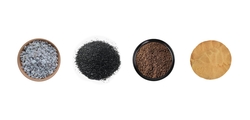
Yes. We supply cartridges, filter bags, media (sand, carbon, etc.), valve kits, and O-rings for all major systems.
FAQ-aqualitek
Can I use AQT’s water treatment systems for seawater desalination?
Yes! We provide seawater desalination systems using advanced reverse osmosis (RO) technology, specifically designed to convert seawater into fresh, drinkable water. These systems are ideal for coastal communities, marine applications, and industrial desalination projects.
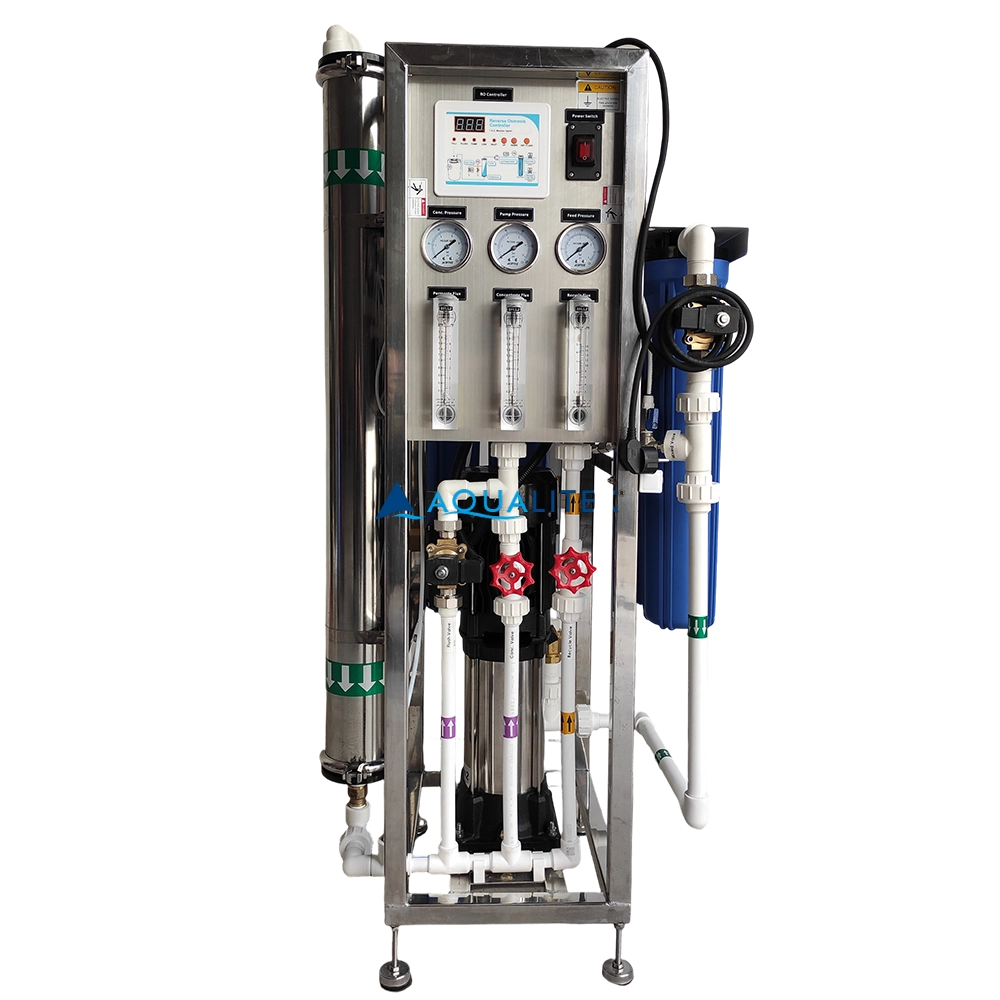
500 LPH Reverse Osmosis (RO) Water Purification Machine TWV - 412
Our 500 LPH Reverse Osmosis (RO) System is engineered to provide high-quality purified water for commercial applications. Designed with advanced RO technology, durable components, and a user-friendly interface, this system ensures consistent performance, low maintenance, and long-term reliability.
With its compact design and robust skid-mounted frame, it’s an excellent choice for businesses that demand efficiency and quality in water purification.
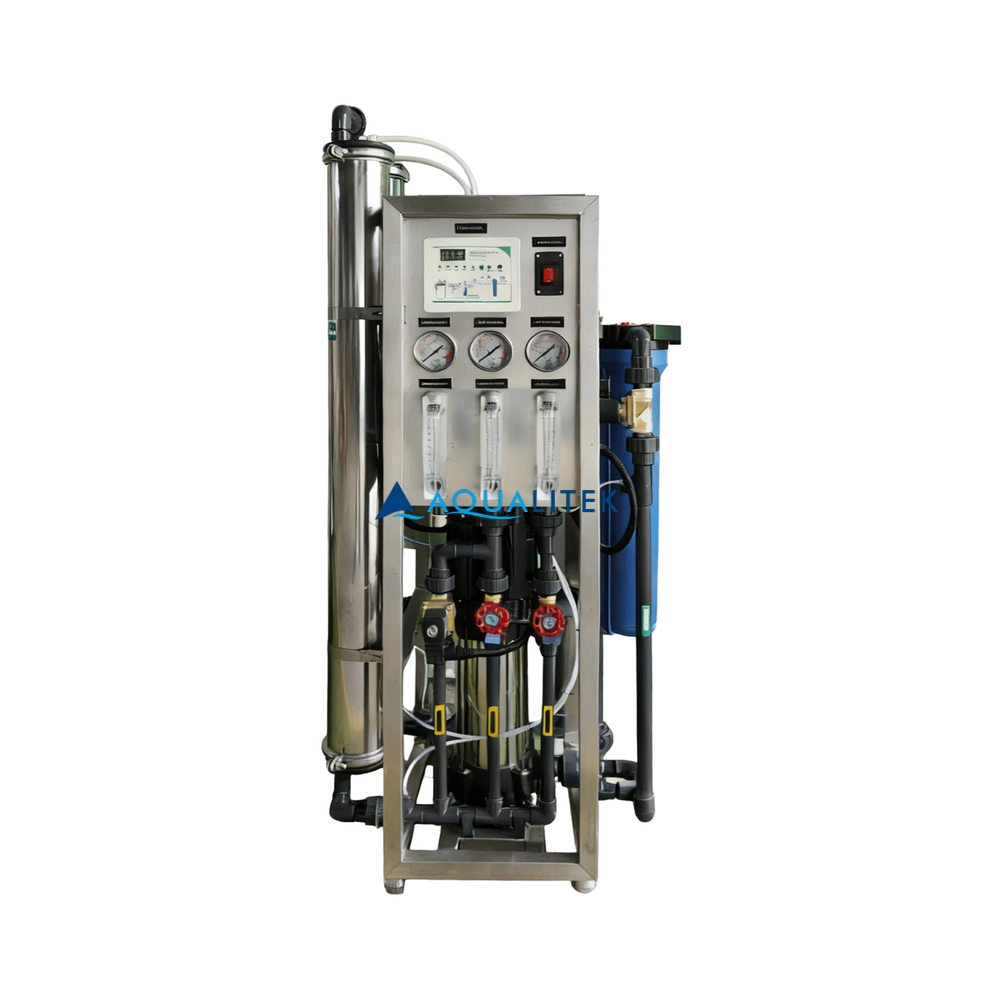
Tap Water Reverse Osmosis (TWRO) Systems TWV Series
TWV series Reverse Osmosis (RO) systems are pre-engineered and pre-assembled units with 2.5”/4” membrane housings(single element type)for tap water(lower TDS).They are designed for overall superior performance, high recovery rates and offer great savings with low maintenance and operation costs.
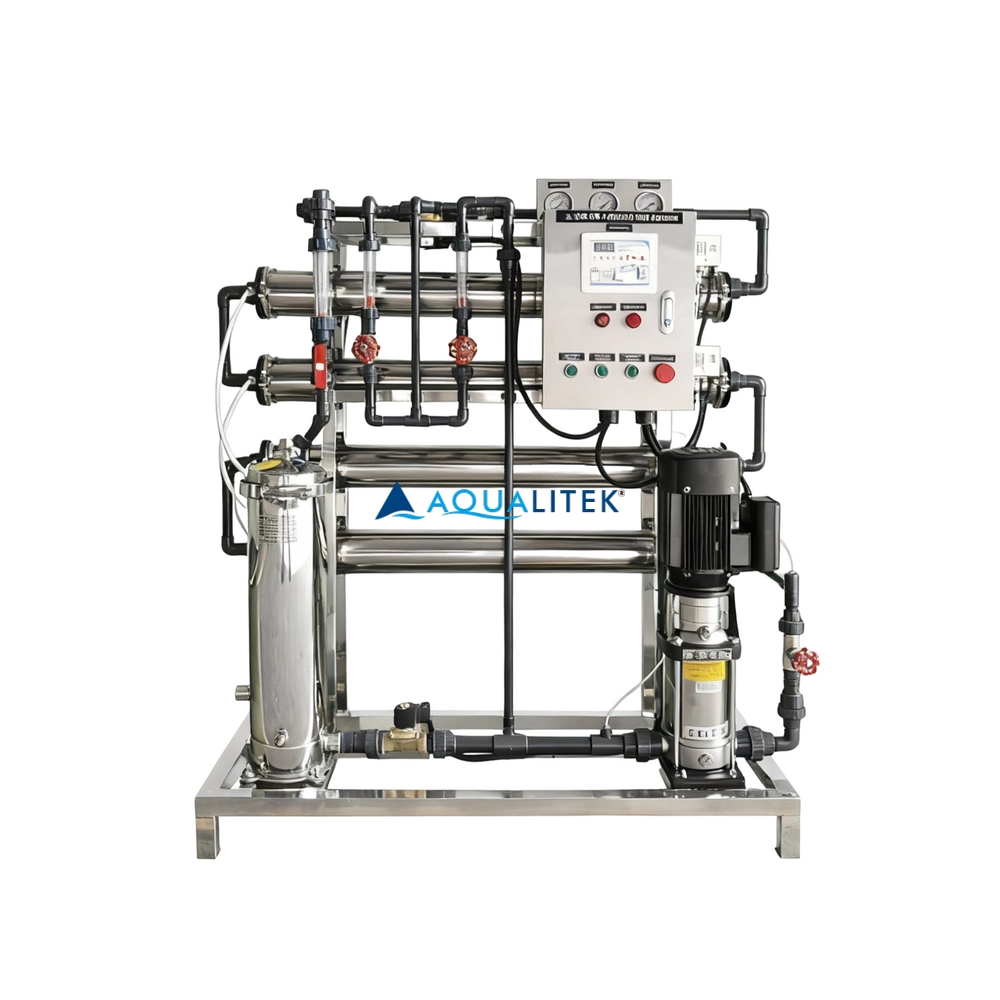
Tap Water Reverse Osmosis (TWRO) Systems TWF Series
TWF series Reverse Osmosis (RO) systems are pre-engineered and pre-assembled units with 4” membrane housings(multiple elements type) for tap water(lower TDS) .The medium large volumes can help meet your a variety of commercial and industrial applications. They are designed for overall superior performance, high recovery rates and offer great savings with low maintenance and operation costs.

Tap Water Reverse Osmosis (TWRO) Systems TWE Series
TWE series Reverse Osmosis (RO) systems are pre-engineered and pre-assembled units with 8” membrane housings for tap water (lower TDS). The large volumes can help meet your a variety of industrial applications. They are designed for overall superior performance, high recovery rates and offer great savings with low maintenance and operation costs.
Request More Information
Contact us today for product catalogs, customization options, and a free quotation designed for your business needs.
Rest assured that your privacy is important to us, and all information provided will be handled with the utmost confidentiality.
© 2026 AQUALITEK. All rights reserved.
AQUALITEK- Aimee Hoo
AQUALITEK - Aimee Hoo