




How 4TPH RO Systems Improve Plant Water Quality
- Why Plant Water Quality Matters for Manufacturing
- Impact of water quality on product yield and reliability
- Regulatory and compliance drivers
- How the 4TPH Industrial Reverse Osmosis System Works
- Core RO membrane technology and process flow
- Pretreatment and its role in long-term performance
- Key performance indicators for a 4TPH plant
- Operational Benefits and Economic Value of a 4TPH RO Plant
- Consistent water quality reduces scrap and downtime
- Water and energy efficiency—optimizing recovery and consumption
- Quantifying benefits: sample comparison
- Installation, Maintenance and Compliance Strategies
- Site selection and mechanical considerations
- Maintenance routines to prevent fouling and extend membrane life
- Testing, validation and third-party standards
- Design Tips and Troubleshooting
- Choosing the right recovery and antiscalant strategy
- Common issues and quick remedies
- When to engage OEM support
- Product Highlight: AQUALITEK 4TPH Industrial Reverse Osmosis System
- Applications best suited to 4TPH systems
- Ordering and customization
- Frequently Asked Questions (FAQ)
- Q: What does 4TPH mean?
- Q: How often do RO membranes need replacing?
- Q: Can the 4TPH RO produce ultrapure water for semiconductor-level cleaning?
- Q: What are the main operational costs to expect?
- Q: How does a 4TPH system handle variable feedwater quality?
This article explains how properly sized and configured industrial reverse osmosis systems, specifically the 4TPH platform, can transform feedwater into consistently high-quality process water across manufacturing plants worldwide. It focuses on performance metrics, pretreatment and post-treatment strategies, fouling control, compliance with water quality standards, and practical operating guidance relevant to electronic component cleaning, precision manufacturing, and other industrial uses.
Why Plant Water Quality Matters for Manufacturing
Impact of water quality on product yield and reliability
Water is often a silent but critical input in production lines. Impurities such as dissolved salts (measured as TDS), silica, organics, and particulates can cause defects in cleaning, plating, and thermal processes, reducing yield and increasing rework. An industrial reverse osmosis solution that consistently delivers low-conductivity permeate minimizes ionic contamination and improves repeatability in sensitive processes like electronic component cleaning.
Regulatory and compliance drivers
Certain industries must meet documented water quality standards for product safety and environmental discharge. Adhering to standards from bodies such as the World Health Organization (WHO) and applying quality management systems aligned with ISO 9001 help demonstrate control over water purity. A reliable RO plant simplifies compliance by reducing variability in feed to downstream processes and by producing controlled reject streams for treatment or disposal.
How the 4TPH Industrial Reverse Osmosis System Works
Core RO membrane technology and process flow
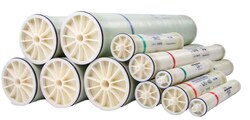
The AQUALITEK 4TPH Industrial Reverse Osmosis Water Purification RO System uses high-rejection RO membranes arranged in pressure vessels. Feedwater passes through a pretreatment train (filtration, softening or anti-scalant dosing when required), then the high-pressure pumps push the feed across the RO membranes. Clean permeate exits as product water while concentrate (brine) carries rejected solutes away. For reference on the basic science, see Reverse osmosis (Wikipedia).
Pretreatment and its role in long-term performance
Pretreatment is essential to protect membrane life and maintain stable flux and recovery. Typical steps include multimedia or cartridge filtration to remove particulates, water softening or antiscalant dosing to control hardness precipitation, and activated carbon to remove chlorine or organics that could damage polyamide membranes. Effective pretreatment lowers the risk of membrane fouling and reduces operating costs by extending cleaning intervals.
Key performance indicators for a 4TPH plant
Operators should monitor parameters such as permeate conductivity, recovery rate, feed and concentrate flow rates, transmembrane pressure (TMP), and differential pressure across prefilters. Typical targets for an industrial reverse osmosis system optimized for electronic component cleaning are:
- Permeate conductivity < 5–50 µS/cm (depending on downstream needs)
- Recovery rate: 50–75% (balance between water efficiency and scaling risk)
- TDS rejection > 95–99%
Operational Benefits and Economic Value of a 4TPH RO Plant
Consistent water quality reduces scrap and downtime
By supplying stable, low-TDS water, a 4TPH RO system reduces variability in cleaning and processing steps. Manufacturers of electronic components often require ultra-clean rinses to avoid ionic residues that can later cause corrosion or electrical failures. When water quality is consistent, process parameters remain within validated windows, reducing unexpected downtime and rework costs.
Water and energy efficiency—optimizing recovery and consumption
Although RO uses pressure to separate dissolved solids, modern industrial RO designs balance recovery and energy use. The 4TPH system can be optimized for site-specific feedwater: increasing recovery reduces freshwater make-up but may increase scaling risk requiring stricter pretreatment; reducing recovery increases freshwater consumption but can cut chemical and membrane cleaning costs. A financial analysis frequently shows payback via reduced chemical usage, less product loss, and lower wastewater treatment penalties.
Quantifying benefits: sample comparison
Below is a simplified comparison of typical RO capacity choices to illustrate where a 4TPH system fits for small-to-medium production lines. Values are indicative and should be validated with a site-specific engineering assessment.
| Metric | 1TPH RO | 4TPH RO (AQUALITEK) | 10TPH RO |
|---|---|---|---|
| Typical use | Test labs, small rinse stations | Small production lines, electronic cleaning, medium workshops | Large production plants, central utilities |
| Estimated recovery | 60% | 60–70% | 70–80% |
| Estimated power (kW) | 1–2 | 3–7 | 8–20 |
| Footprint | Compact | Moderate (floor-mount skid) | Large (multiple skids) |
| Recommended for | Point-of-use units | Dedicated line water supply; electronic component cleaning | Centralized plant supply |
Installation, Maintenance and Compliance Strategies
Site selection and mechanical considerations
Proper placement reduces plumbing complexity and ensures access for maintenance. The AQUALITEK 4TPH skid needs solid leveling, a stable electrical supply, and accessible space for replacing prefilters and membranes. Consider location relative to the production line to minimize piping runs and heat impact. For wastewater handling, separate floor drains or collection tanks should be sized to handle concentrate streams.
Maintenance routines to prevent fouling and extend membrane life
Planned maintenance includes scheduled replacement of cartridge filters, periodic chemical cleanings (CIP), monitoring of TMP and permeate conductivity trends, and maintaining dosing systems (antiscalant, biocide) as required. Membrane lifespan varies with feedwater quality and operating discipline; with good pretreatment, membranes can last 3–5+ years. Documenting operating records supports troubleshooting and continuous improvement.
Testing, validation and third-party standards
Routine water testing—conductivity, TDS, silica, hardness, microbial counts (if applicable), and selected ions—validates system performance. Rely on established guidance and standards from respected organizations: WHO drinking water guidelines for general quality parameters (WHO), and industry testing protocols available through organizations like NSF International. For technical reference on treatment performance, professional groups such as the International Water Association publish studies and white papers on membrane processes.
Design Tips and Troubleshooting
Choosing the right recovery and antiscalant strategy
Select recovery based on feedwater hardness, alkalinity and silica content. For problematic feedwaters, a conservative recovery with robust antiscalant dosing prevents scaling. Use periodic lab analysis to fine-tune dosing rates. Implementing automatic flushing or low-salinity flush cycles helps control biofouling in warmer climates.
Common issues and quick remedies
- Rising differential pressure across prefilters: replace cartridges and check feed turbidity.
- Increasing permeate conductivity: inspect for membrane breach, check seals, verify feedwater changes and chemical dosing.
- Reduced flow or recovery: examine pump performance, pressure gauges, and potential fouling or scaling on membranes.
When to engage OEM support
Contact OEM or certified service when membrane cleaning does not restore performance, when mechanical faults arise in high-pressure pumps, or during system commissioning to ensure warranty and optimal setup. OEM-guided startups often include performance guarantees and documentation useful for regulatory audits.
Product Highlight: AQUALITEK 4TPH Industrial Reverse Osmosis System
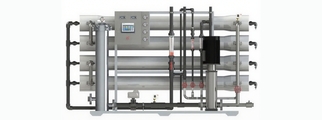
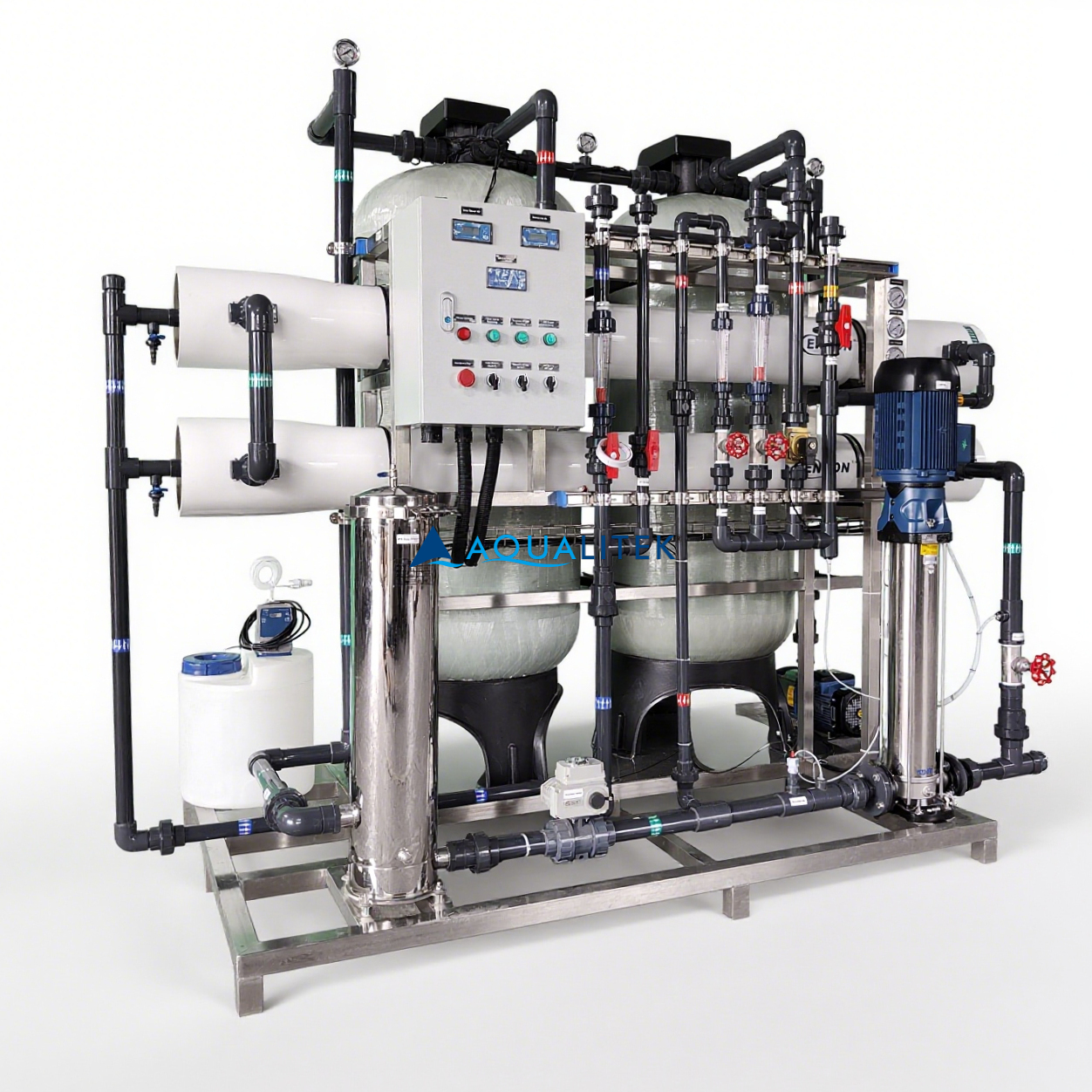
AQUALITEK 4TPH Industrial Reverse Osmosis Water Purification RO System, high-efficiency industrial-grade RO water treatment plant for manufacturing & processing, commercial reverse osmosis filtration system ideal for electronic component cleaning water use.
The 4TPH configuration provides a balance between compact footprint and sufficient capacity for localized production needs. Its skid-mounted design includes automated control, alarms, and instrumentation to log key KPIs. Built-in features commonly include low-pressure and high-pressure interlocks, conductivity monitoring on permeate, and concentrate throttling to optimize recovery.
Applications best suited to 4TPH systems
Typical applications include electronic component rinsing and cleaning, precision metal finishing, laboratory water supply for QC, and small-scale food or pharmaceutical process rinses where low-ionic water improves product quality.
Ordering and customization
Units can be customized with additional polishing stages (mixed bed or electrodeionization), enhanced pretreatment for high-silica or high-hardness feedwater, and skid enclosures for dust- or temperature-sensitive environments. Engage with engineering to size buffering tanks, recirculation loops, or integrate with central water management systems.
Frequently Asked Questions (FAQ)
Q: What does 4TPH mean?
A: 4TPH stands for 4 tons per hour (approximately 4,000 liters per hour) of treated water production capacity under standard testing conditions. Actual production can vary with feedwater temperature, salinity, and system recovery settings.
Q: How often do RO membranes need replacing?
A: With appropriate pretreatment and maintenance, RO membranes typically last 3–5 years; however, severe feedwater conditions or poor maintenance can shorten life. Monitoring performance trends helps predict replacement timing.
Q: Can the 4TPH RO produce ultrapure water for semiconductor-level cleaning?
A: The 4TPH RO is an excellent primary purification step, but semiconductor or ultrapure water applications usually require downstream polishing such as electrodeionization (EDI) or mixed-bed ion exchange and stringent particulate and TOC controls to meet the strictest specifications.
Q: What are the main operational costs to expect?
A: Recurring costs include energy for high-pressure pumps, replacement prefilters and membranes over time, chemical consumables (antiscalants, cleaning chemicals), and labor for routine maintenance. These should be assessed alongside savings from reduced product losses and wastewater costs.
Q: How does a 4TPH system handle variable feedwater quality?
A: The system can include automated feedwater monitoring and adaptive controls for dosing antiscalant or adjusting recovery. For highly variable feedwater, consider buffer tanks, more robust pretreatment (e.g., softening), or lower fixed recovery to protect membranes.
If you have questions specific to your site, need a water quality assessment, or want to view technical datasheets for the AQUALITEK 4TPH Industrial Reverse Osmosis Water Purification RO System, please contact our sales team or view the product page for specifications and customization options.
References: WHO drinking-water guidelines (WHO), Reverse osmosis overview (Wikipedia), NSF International guidance on water system testing (NSF), and industry resources from the International Water Association (IWA).
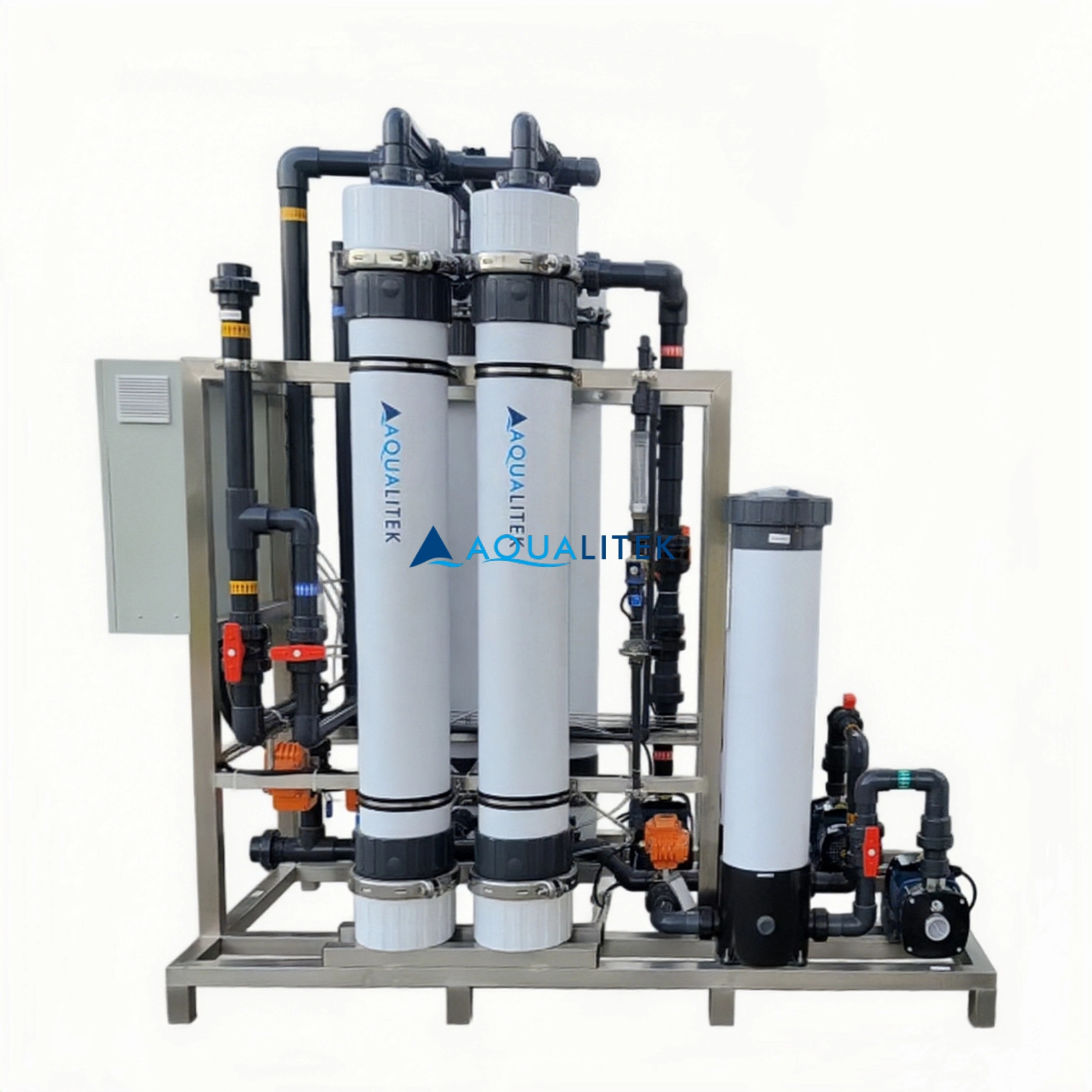
Compliance and Quality Standards for Ultrafiltration Water Systems
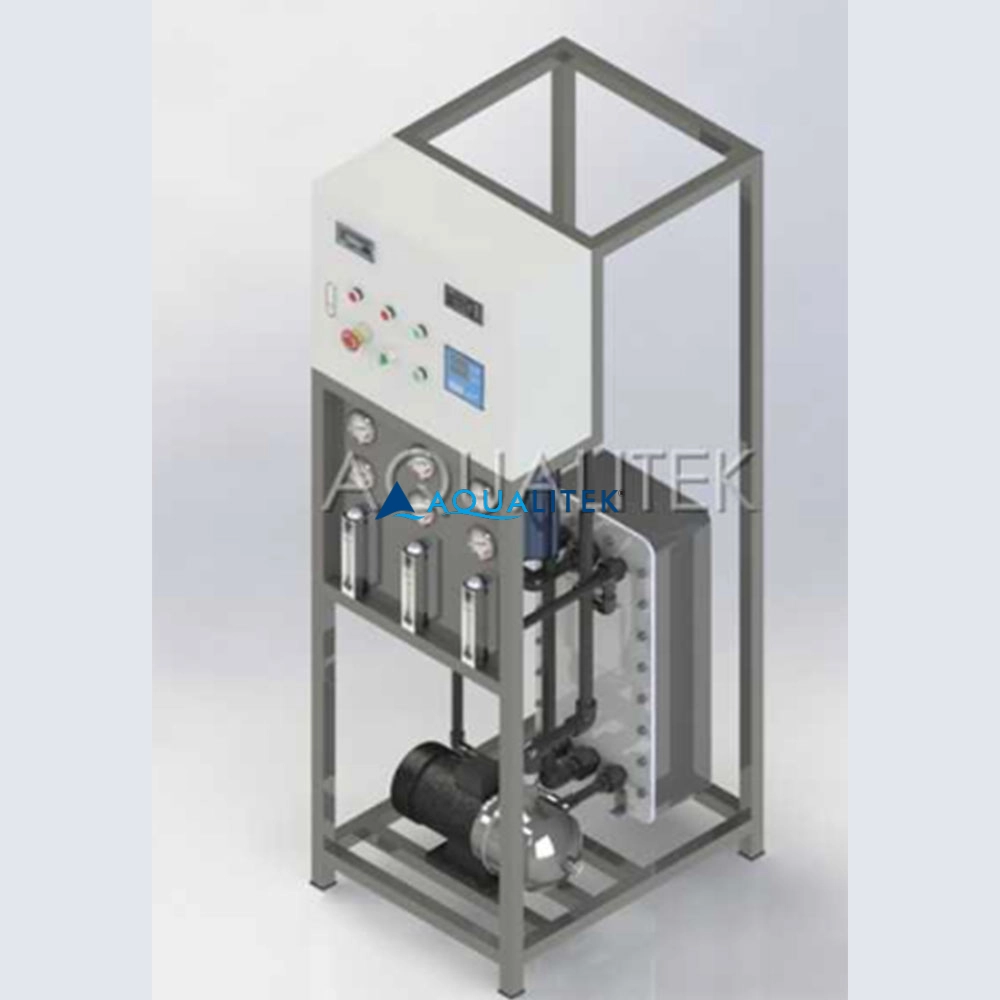
Maintenance and Lifecycle Considerations for Electrodeionization
Common Contaminants in Well Water and Treatment Options
Water Purification Filters: Types, Lifespans, and Costs
Solutions
What industries does AQT serve?
We provide water treatment solutions for a wide range of industries, including:
1. Industrial Manufacturing – Process water treatment, cooling water, and boiler feed.
2. Hospitality & Commercial – Hotels, restaurants, and office buildings.
3. Residential Applications – Drinking water purification and softening.
4. Healthcare & Pharmaceuticals – Ultra-pure water for laboratories and hospitals.
5. Municipal & Public Utilities – Water supply and wastewater treatment.
6. Food & Beverage Processing – Filtration for beverage p
What is the difference between Reverse Osmosis (RO), Ultrafiltration (UF), and Nanofiltration (NF)?
1. Reverse Osmosis (RO): Removes up to 99.9% of contaminants, including salts, bacteria, viruses, and heavy metals.
2. Ultrafiltration (UF): Uses a membrane filtration process to remove bacteria and particles, while retaining essential minerals.
3. Nanofiltration (NF): Falls between RO and UF, removing some salts and organic compounds while allowing certain minerals to pass through.
Blog
How do I know when to add salt to my softener?
Check the brine tank monthly. Modern systems often alert you automatically when salt levels are low.
Do softener systems remove iron or chlorine?
Not typically. If your water contains iron, manganese, or chlorine, consider a dual-system setup or add specialized pre-filters.
FAQ-aqualitek
What is the difference between Reverse Osmosis (RO), Ultrafiltration (UF), and Nanofiltration (NF)?
1. Reverse Osmosis (RO): Removes up to 99.9% of contaminants, including salts, bacteria, viruses, and heavy metals.
2. Ultrafiltration (UF): Uses a membrane filtration process to remove bacteria and particles, while retaining essential minerals.
3. Nanofiltration (NF): Falls between RO and UF, removing some salts and organic compounds while allowing certain minerals to pass through.
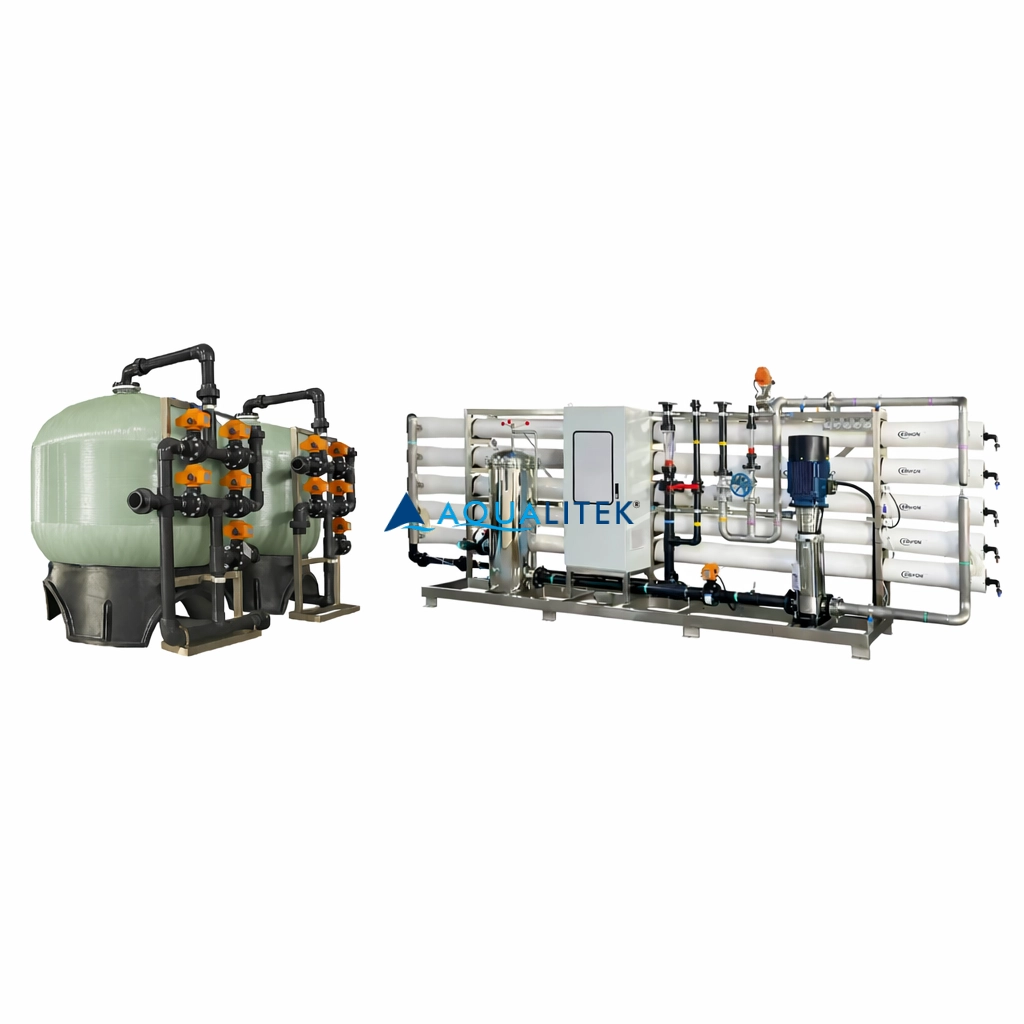
30TPH Industrial Reverse Osmosis (RO) System
30TPH Industrial Reverse Osmosis (RO) System designed for industrial and municipal water treatment. High salt rejection, energy-efficient design, PLC control, and customizable configuration.
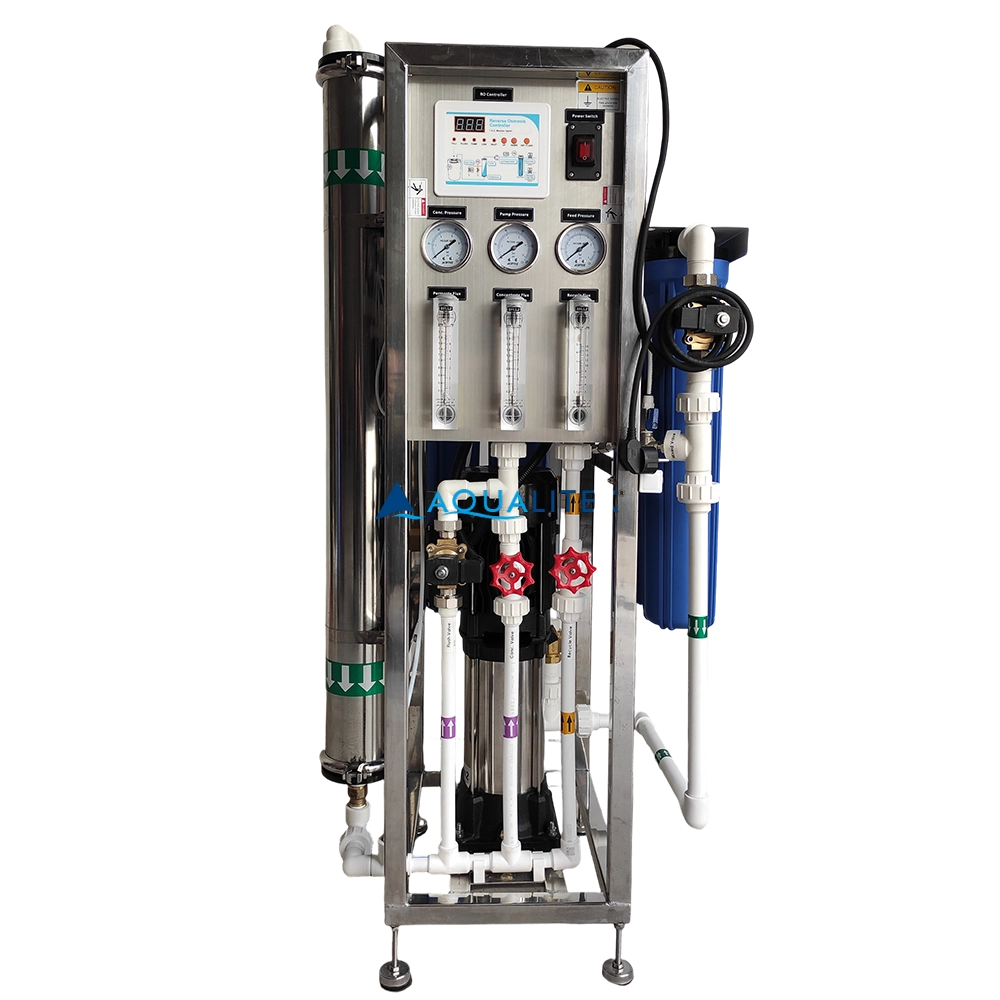
500 LPH Reverse Osmosis (RO) Water Purification Machine TWV - 412
Our 500 LPH Reverse Osmosis (RO) System is engineered to provide high-quality purified water for commercial applications. Designed with advanced RO technology, durable components, and a user-friendly interface, this system ensures consistent performance, low maintenance, and long-term reliability.
With its compact design and robust skid-mounted frame, it’s an excellent choice for businesses that demand efficiency and quality in water purification.
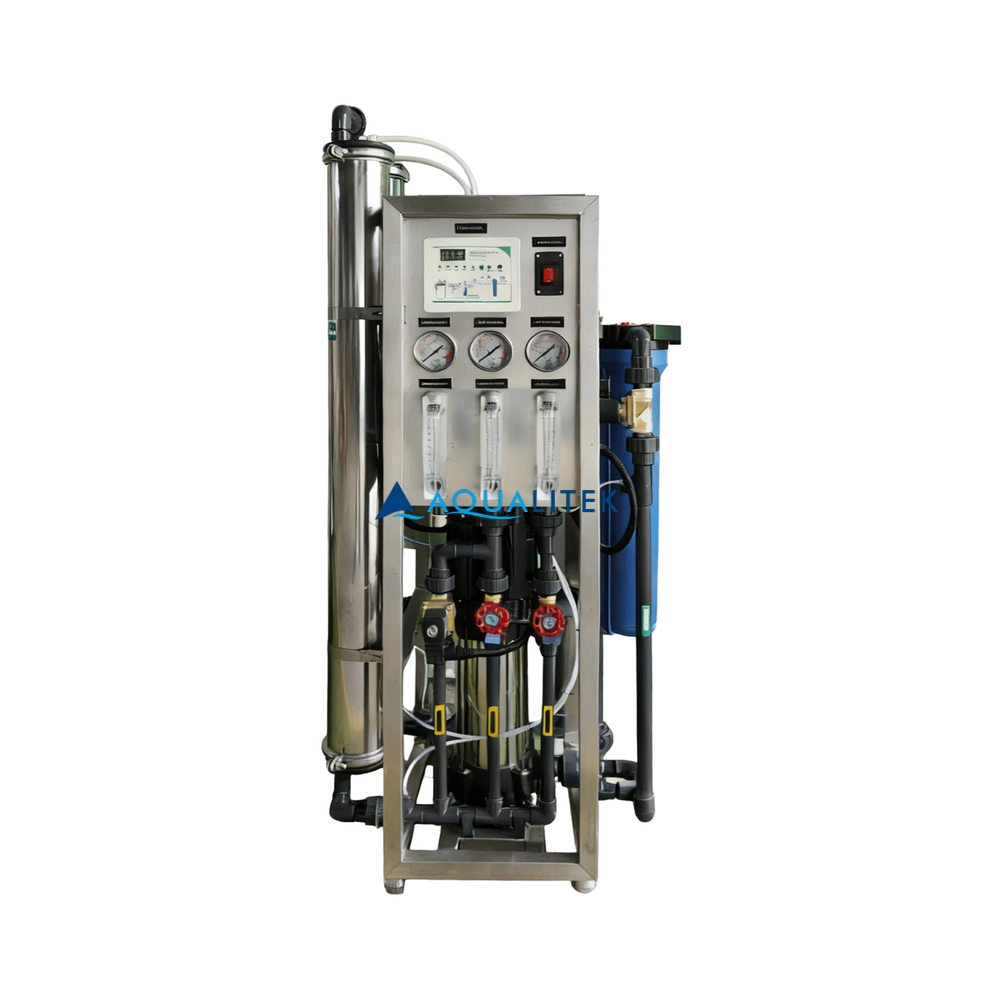
Tap Water Reverse Osmosis (TWRO) Systems TWV Series
TWV series Reverse Osmosis (RO) systems are pre-engineered and pre-assembled units with 2.5”/4” membrane housings(single element type)for tap water(lower TDS).They are designed for overall superior performance, high recovery rates and offer great savings with low maintenance and operation costs.
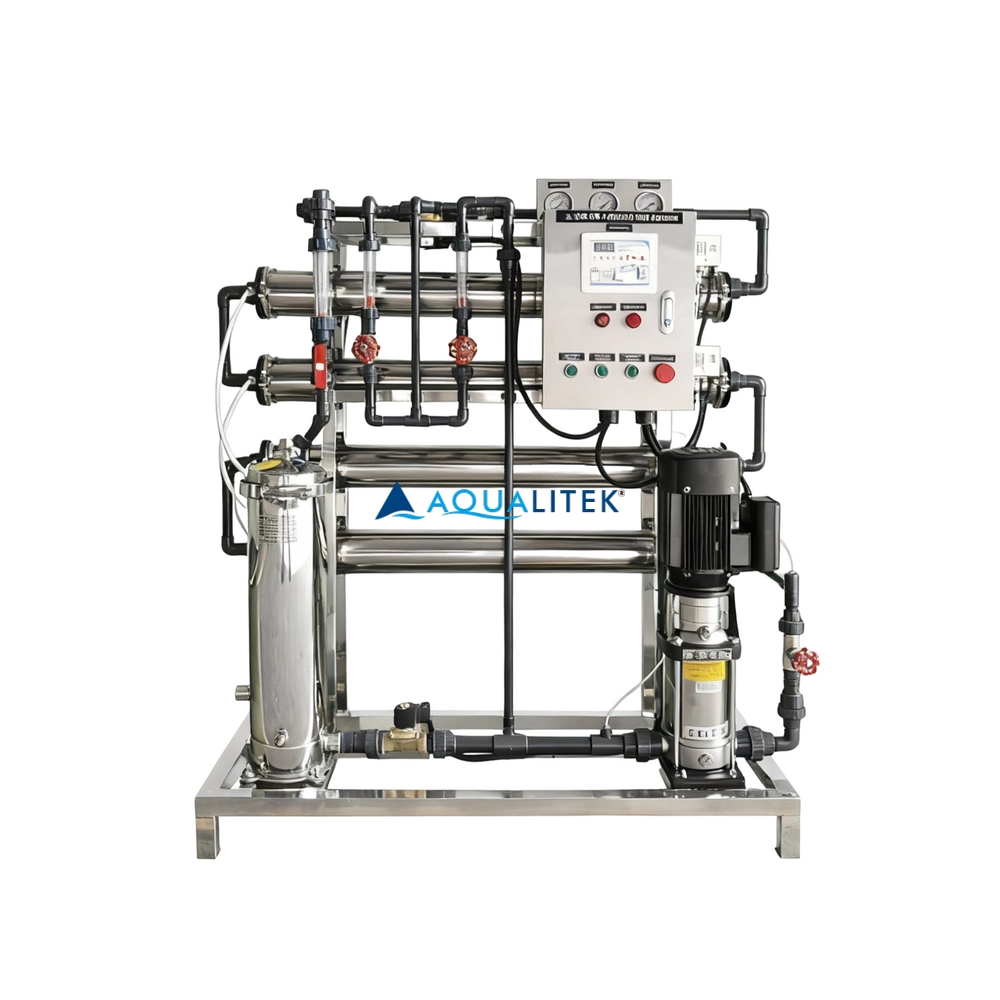
Tap Water Reverse Osmosis (TWRO) Systems TWF Series
TWF series Reverse Osmosis (RO) systems are pre-engineered and pre-assembled units with 4” membrane housings(multiple elements type) for tap water(lower TDS) .The medium large volumes can help meet your a variety of commercial and industrial applications. They are designed for overall superior performance, high recovery rates and offer great savings with low maintenance and operation costs.
Request More Information
Contact us today for product catalogs, customization options, and a free quotation designed for your business needs.
Rest assured that your privacy is important to us, and all information provided will be handled with the utmost confidentiality.
© 2026 AQUALITEK. All rights reserved.
AQUALITEK- Aimee Hoo
AQUALITEK - Aimee Hoo