




Choosing Pumps for 4TPH RO Water Systems
- Selecting the Right Pump for a 4TPH RO Plant
- Understanding the hydraulic requirements of 4TPH
- Pump types: high-pressure vs booster
- Key performance metrics: flow, head, NPSHr, efficiency
- Materials, Seals and Compatibility for RO Systems
- Material selection for corrosion resistance and water purity
- Seals, bearings and hygienic considerations
- Standards and certifications
- Controls, Energy Efficiency and Operational Strategies
- Using VFDs and soft-starts to match variable demand
- Energy recovery and cost considerations
- Monitoring, automation and safety interlocks
- Practical Installation, Maintenance and Vendor Selection
- Skid integration, footprint and piping layout
- Maintenance intervals and spare parts
- Vendor evaluation and warranties
- Example Pump Sizing Calculation (Worked Example)
- References and Further Reading
- FAQ
- Q: What pump type is best for a 4TPH industrial reverse osmosis system?
- Q: How do I calculate the correct pump flow for 4TPH?
- Q: Should I use a VFD on the high-pressure pump?
- Q: What materials are recommended to avoid contamination for electronic cleaning water?
- Q: How often should I perform maintenance on RO pumps?
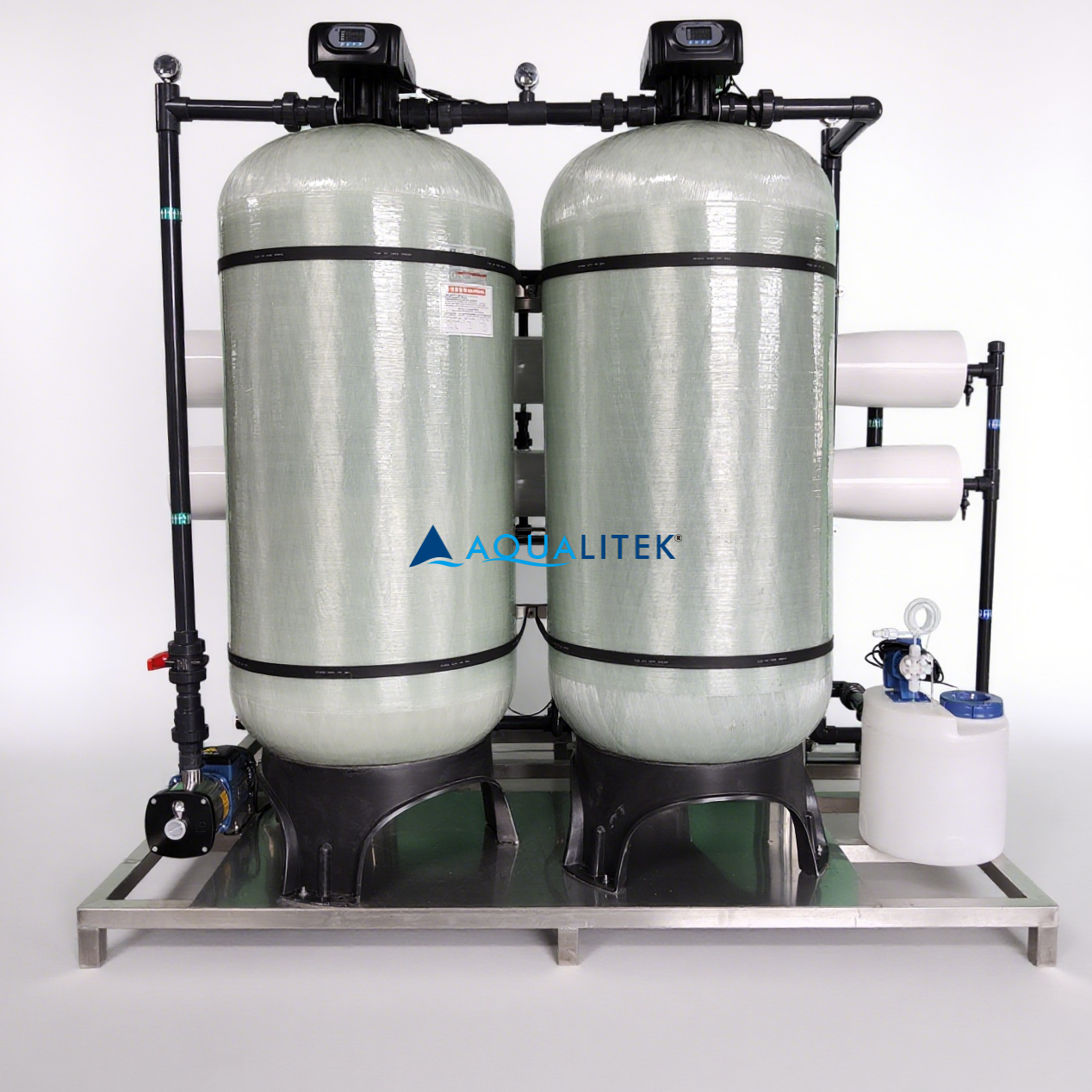
This guide helps engineers, plant managers and procurement teams choose the correct pumps for a 4TPH Industrial Reverse Osmosis installation. It combines hydraulic calculations, material compatibility, control strategies and maintenance best practices to optimize reliability, water quality and life-cycle cost for industrial reverse osmosis projects in manufacturing and electronic component cleaning applications.
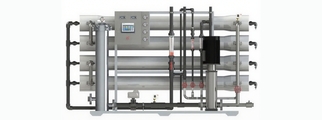
AQUALITEK 4TPH Industrial Reverse Osmosis Water Purification RO System, high-efficiency industrial-grade RO water treatment plant for manufacturing & processing, commercial reverse osmosis filtration system ideal for electronic component cleaning water use.
Selecting the Right Pump for a 4TPH RO Plant
Understanding the hydraulic requirements of 4TPH
4 TPH (tonnes per hour) permeate equals about 4,000 L/h or ~66.7 L/min of filtered water. Sizing pumps for an RO plant requires converting permeate (product) flow to feed and brine flows depending on recovery. Typical industrial reverse osmosis recovery ranges from 50% to 75% depending on feed water quality and membrane selection. For a quick reference:
| Recovery | Permeate (TPH) | Feed Flow (TPH) | Brine / Concentrate (TPH) | Permeate (L/min) |
|---|---|---|---|---|
| 50% | 4.0 | 8.0 | 4.0 | 66.7 |
| 65% | 4.0 | 6.15 | 2.15 | 66.7 |
| 75% | 4.0 | 5.33 | 1.33 | 66.7 |
For pump selection you must size both the feed/high-pressure pump and any booster pumps. The feed pump must deliver the required feed flow (see table) at a pressure sufficient to overcome the RO feed pressure requirement plus system losses (pre-filtration, piping, valves, and membrane ΔP). Typical industrial RO feed pressures for brackish water range from 8–30 bar (120–435 psi), and seawater desalination is higher; consult your membrane manufacturer's datasheet.
Pump types: high-pressure vs booster
Two pump roles are common in a 4TPH industrial reverse osmosis skid:
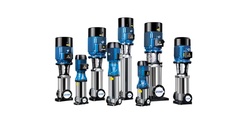
- High-pressure (high-head) pump: Directly feeds RO membrane modules at required operating pressure. Must be a high-efficiency, high-pressure pump — typically a horizontal multistage centrifugal built in corrosion-resistant materials (SS316L or duplex stainless steel) or a vertical high-pressure design depending on layout.
- Booster/feed pumps: Raise raw feed tank pressure into the pre-treatment and RO feed system. When feed water source pressure is insufficient (e.g., gravity tanks or low-pressure supplies), a booster pump ahead of pre-treatment is needed. These are usually single-stage centrifugal with lower head but higher flow range.
Key performance metrics: flow, head, NPSHr, efficiency
When choosing a pump you must match:
- Flow (Q): Feed flow in m3/h or L/min (calculate from permeate and recovery).
- Total Dynamic Head (H): Sum of static lifts, friction losses in piping and fittings, differential pressure across membranes, and safety margin.
- NPSHr (Net Positive Suction Head required): Ensure the pump's NPSHr is below the system NPSHa to avoid cavitation which damages impellers and reduces membrane performance. See Hydraulic Institute resources for NPSH guidance (Hydraulic Institute).
- Efficiency and power: Select a pump that operates near its Best Efficiency Point (BEP) to minimize electrical use and to maximize reliability.
Materials, Seals and Compatibility for RO Systems
Material selection for corrosion resistance and water purity
Industrial reverse osmosis systems used for electronic component cleaning require high water purity and low metal leaching. Select pump materials that resist chloride-induced corrosion and do not contaminate water. Common options:
- Stainless steel 316L for wetted parts where chloride levels are moderate.
- Duplex/ super duplex stainless steels for higher chloride content or aggressive feedwaters.
- Engineered polymers (e.g., PVDF) or coated wetted parts for special chemistries.
Confirm material compatibility with your feed water by testing for chloride, sulfates, and pH. For guidance on water quality and safety, consult authoritative sources like the World Health Organization's guidelines (WHO Drinking-water Quality).
Seals, bearings and hygienic considerations
Choose mechanical seals compatible with RO feed chemistry (e.g., silicon carbide, tungsten carbide with appropriate elastomers such as EPDM or FKM depending on oxidant exposure). For electronic cleaning applications, ensure the pump design minimizes crevices and dead legs that can trap contaminants.
Standards and certifications
Prefer pumps and RO components that meet recognized standards and certifications. Relevant authorities include NSF/ANSI for drinking water contact components (NSF International) and ISO quality standards. Verifiable material and test reports support long-term compliance.
Controls, Energy Efficiency and Operational Strategies
Using VFDs and soft-starts to match variable demand
Variable Frequency Drives (VFDs) allow the high-pressure pump to adjust speed and flow to match process demand, reduce start-up inrush, and improve membrane life by soft ramping. Operating pumps near BEP with VFD control reduces energy consumption and reduces mechanical stresses.
Energy recovery and cost considerations
Although energy recovery devices are more common in high-pressure desalination plants, small plants can still benefit from optimizing pump efficiency and process recovery. Calculate lifecycle energy cost: initial pump cost vs electrical energy cost over expected life. Use manufacturer efficiency curves and local electricity rates to estimate payback periods.
Monitoring, automation and safety interlocks
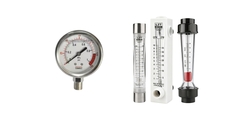
Integrate pressure transducers, flowmeters and conductivity sensors to protect membranes and pumps. Typical interlocks: low suction pressure (prevent cavitation), high discharge pressure (protect membranes), low flow/high conductivity alarms (indicate membrane breach). Good SCADA or PLC logic makes operation easier and safeguards equipment.
Practical Installation, Maintenance and Vendor Selection
Skid integration, footprint and piping layout
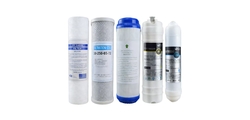
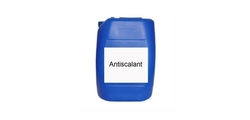
For a 4TPH Industrial Reverse Osmosis Water Purification RO System, pump location relative to feed tanks and pre-treatment matters. Keep suction lift minimal to preserve NPSHa. Locate pre-treatment (sand/activated carbon filters, cartridge filters, antiscalant dosing) upstream of the high-pressure pump to prevent solids and precipitants from damaging pump internals and membranes.
Maintenance intervals and spare parts
Typical maintenance items: mechanical seal replacement, bearing checks, impeller inspection, lubrication, and coupling alignment. Maintain a spares kit: seals, bearings, gaskets, VFD fuses, and a spare pump coupling. A preventive maintenance schedule reduces downtime and unplanned replacements.
Vendor evaluation and warranties
Select vendors with proven experience in industrial reverse osmosis skid integration. Ask for references, maintenance documentation, performance curves, and guaranteed startup support. Confirm warranty coverage for pumps and membranes and request FAT (Factory Acceptance Test) and SAT (Site Acceptance Test) records.
Example Pump Sizing Calculation (Worked Example)
Assumptions:
- Permeate = 4 TPH = 66.7 L/min
- Recovery chosen = 65% → Feed flow ≈ 6.15 TPH ≈ 102.5 L/min
- Membrane operating pressure (brackish) = 20 bar (2000 kPa)
- System friction losses + safety margin = 2 bar
Required pump head ≈ 22 bar (~220 m of head). Required flow ≈ 102.5 L/min.
Choose a pump whose curve shows 102.5 L/min at ~22 bar and that operates near BEP. Confirm NPSHr at that operating point is below available NPSHa (suction conditions). If NPSHa is marginal, reduce suction lift, increase feed tank elevation, or select a pump with lower NPSHr.
References and Further Reading
- Reverse osmosis overview — Wikipedia: https://en.wikipedia.org/wiki/Reverse_osmosis
- Hydraulic Institute — pump selection and NPSH guidance: https://www.pumps.org/
- World Health Organization — Guidelines for Drinking-water Quality: https://www.who.int/publications/i/item/9789241549950
- NSF International — certification information: https://www.nsf.org/
FAQ
Q: What pump type is best for a 4TPH industrial reverse osmosis system?
A: For the high-pressure side, a multistage centrifugal high-pressure pump made of SS316L or duplex stainless is common. Use a separate booster/circulation pump ahead of pre-treatment if feed pressure is low. Final selection depends on feed flow (calculated from permeate and recovery), required operating pressure, and NPSHa.
Q: How do I calculate the correct pump flow for 4TPH?
A: Convert 4 TPH permeate to L/min (~66.7 L/min). Divide by expected recovery to get feed flow. Example for 65% recovery: feed = 66.7 / 0.65 ≈ 102.5 L/min.
Q: Should I use a VFD on the high-pressure pump?
A: Yes. VFDs allow precise control of feed flow, reduce stress during start-up, improve energy use and help maintain operation near BEP. Ensure VFDs are properly sized and protected for the pump motor and that control logic includes protective interlocks.
Q: What materials are recommended to avoid contamination for electronic cleaning water?
A: Use stainless steel 316L or duplex stainless for wetted parts, and ensure seals and elastomers are compatible with antiscalants and cleaning chemistries. Avoid materials that can leach ions that would compromise electronic cleaning quality.
Q: How often should I perform maintenance on RO pumps?
A: Routine inspections monthly or quarterly (depending on duty) with seal and bearing checks annually is common. Replace consumables (seals, filters) per manufacturer recommendations and maintain a preventive maintenance log.
If you need a turnkey option, view the product page for the AQUALITEK 4TPH Industrial Reverse Osmosis Water Purification RO System or contact our technical sales team for a tailored pump selection, on-site survey and a detailed quote. Contact us: Contact Sales | View Product: AQUALITEK 4TPH RO.
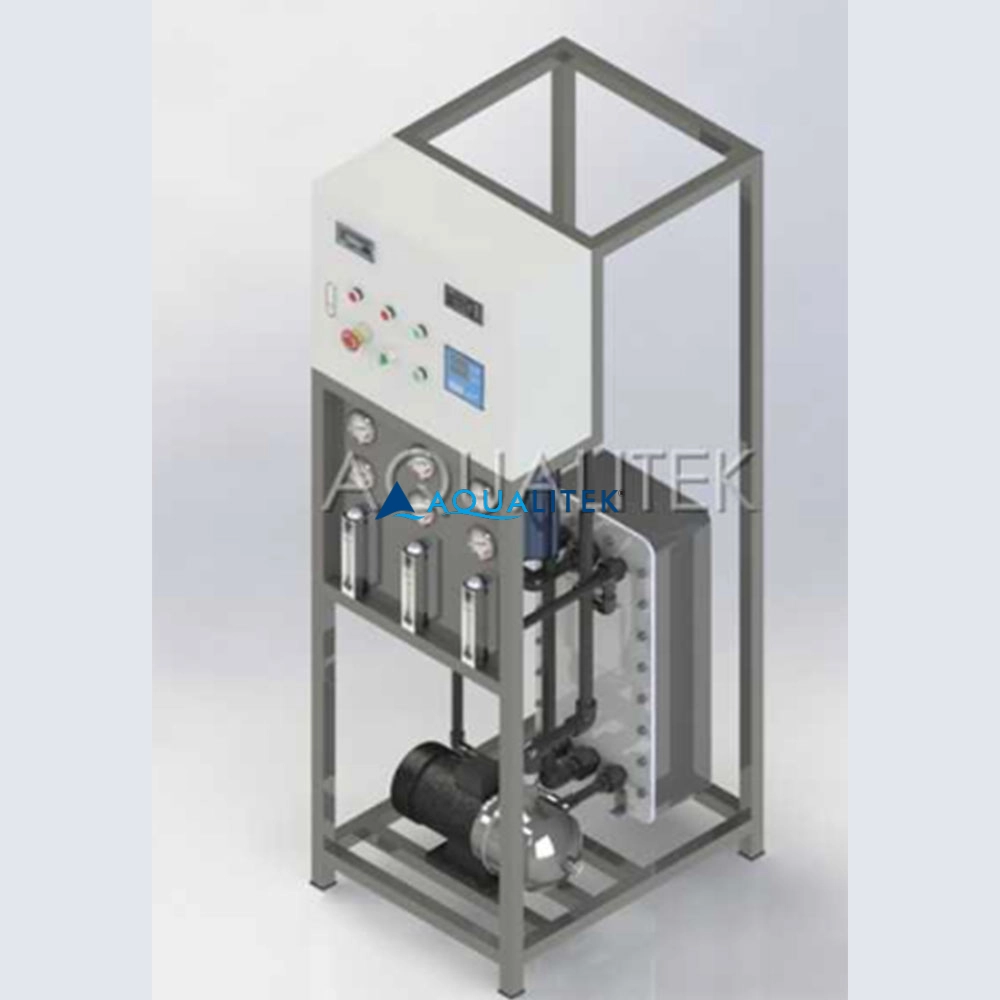
Integration Tips for Electrodeionization in Water Treatment Plants
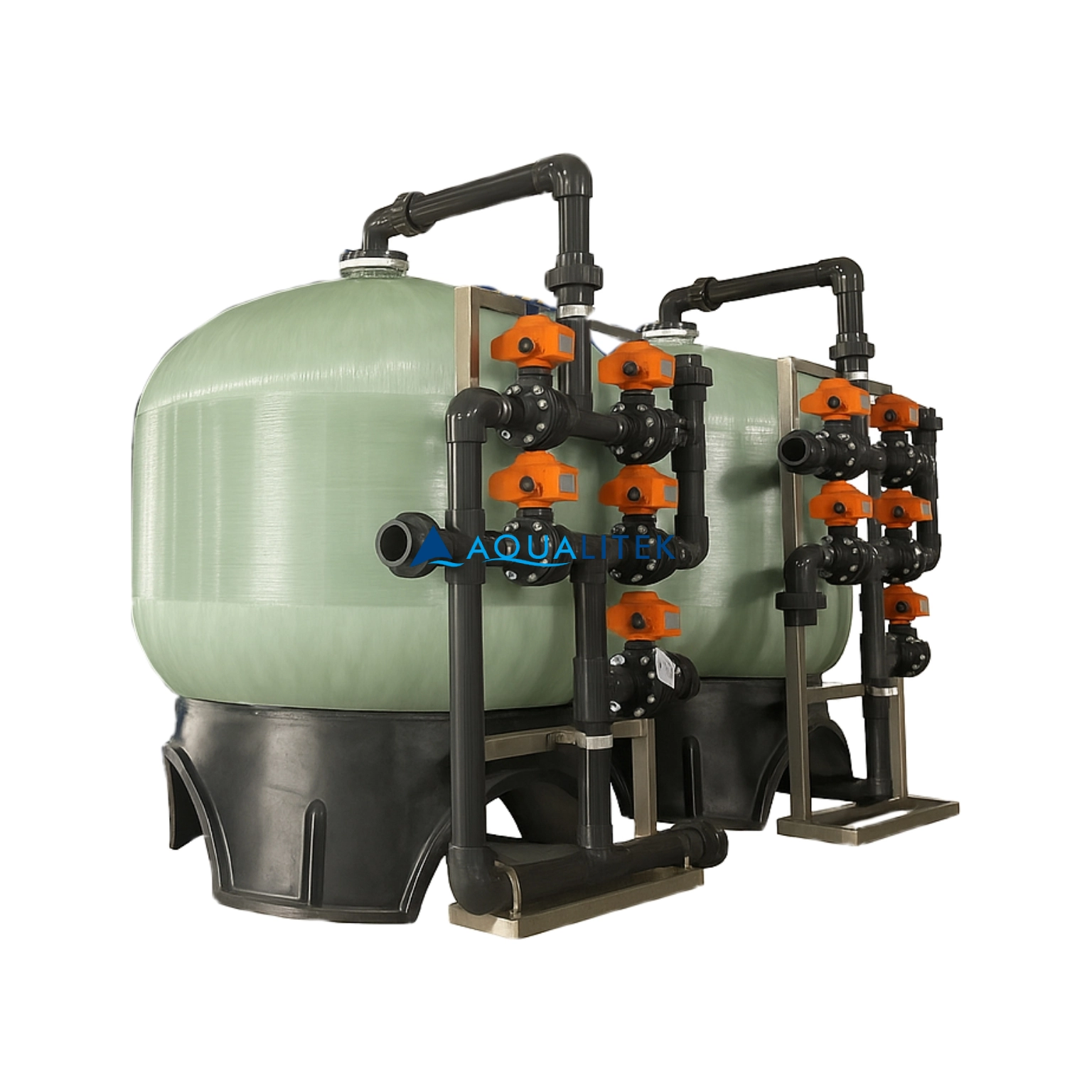
Comparing Commercial Reverse Osmosis Systems by Performance
How Water Purification Systems Remove Common Contaminants

Buyer's Guide to Industrial Reverse Osmosis Systems
Solutions
What industries does AQT serve?
We provide water treatment solutions for a wide range of industries, including:
1. Industrial Manufacturing – Process water treatment, cooling water, and boiler feed.
2. Hospitality & Commercial – Hotels, restaurants, and office buildings.
3. Residential Applications – Drinking water purification and softening.
4. Healthcare & Pharmaceuticals – Ultra-pure water for laboratories and hospitals.
5. Municipal & Public Utilities – Water supply and wastewater treatment.
6. Food & Beverage Processing – Filtration for beverage p
How do I choose the right water treatment system for my needs?
The choice depends on factors such as water quality, application, flow rate, and purification requirements. Our team of experts can analyze your water source and recommend the most suitable solution for residential, commercial, or industrial applications.
Can I use AQT’s water treatment systems for seawater desalination?
Yes! We provide seawater desalination systems using advanced reverse osmosis (RO) technology, specifically designed to convert seawater into fresh, drinkable water. These systems are ideal for coastal communities, marine applications, and industrial desalination projects.
What is the difference between Reverse Osmosis (RO), Ultrafiltration (UF), and Nanofiltration (NF)?
1. Reverse Osmosis (RO): Removes up to 99.9% of contaminants, including salts, bacteria, viruses, and heavy metals.
2. Ultrafiltration (UF): Uses a membrane filtration process to remove bacteria and particles, while retaining essential minerals.
3. Nanofiltration (NF): Falls between RO and UF, removing some salts and organic compounds while allowing certain minerals to pass through.
FAQ-aqualitek
What types of water treatment systems does AQT offer?
AQT provides a wide range of water purification solutions, including reverse osmosis (RO) systems, ultrafiltration (UF) systems, nanofiltration (NF) systems, deionization (DI) systems, electro-deionization (EDI) systems, chemical dosing systems, and water softeners. We also supply spare parts and components for water treatment systems.
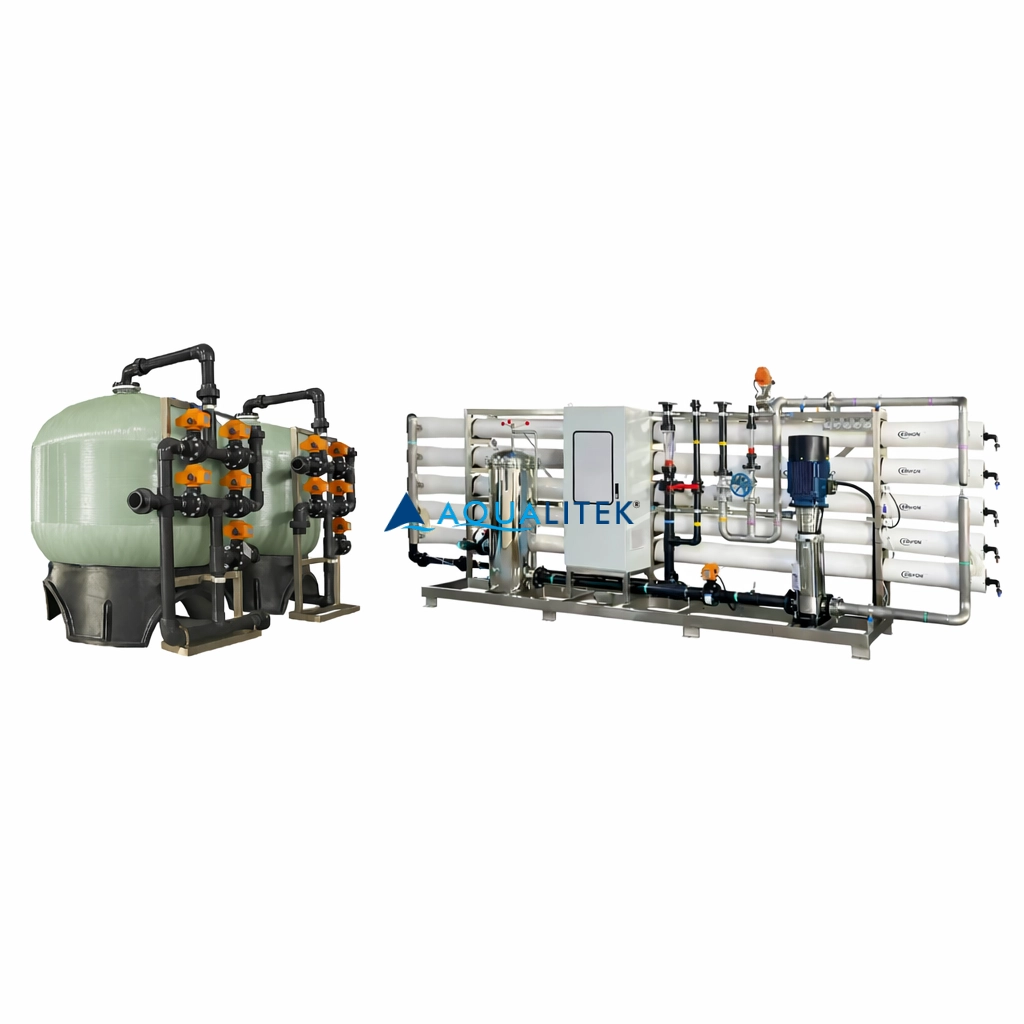
30TPH Industrial Reverse Osmosis (RO) System
30TPH Industrial Reverse Osmosis (RO) System designed for industrial and municipal water treatment. High salt rejection, energy-efficient design, PLC control, and customizable configuration.
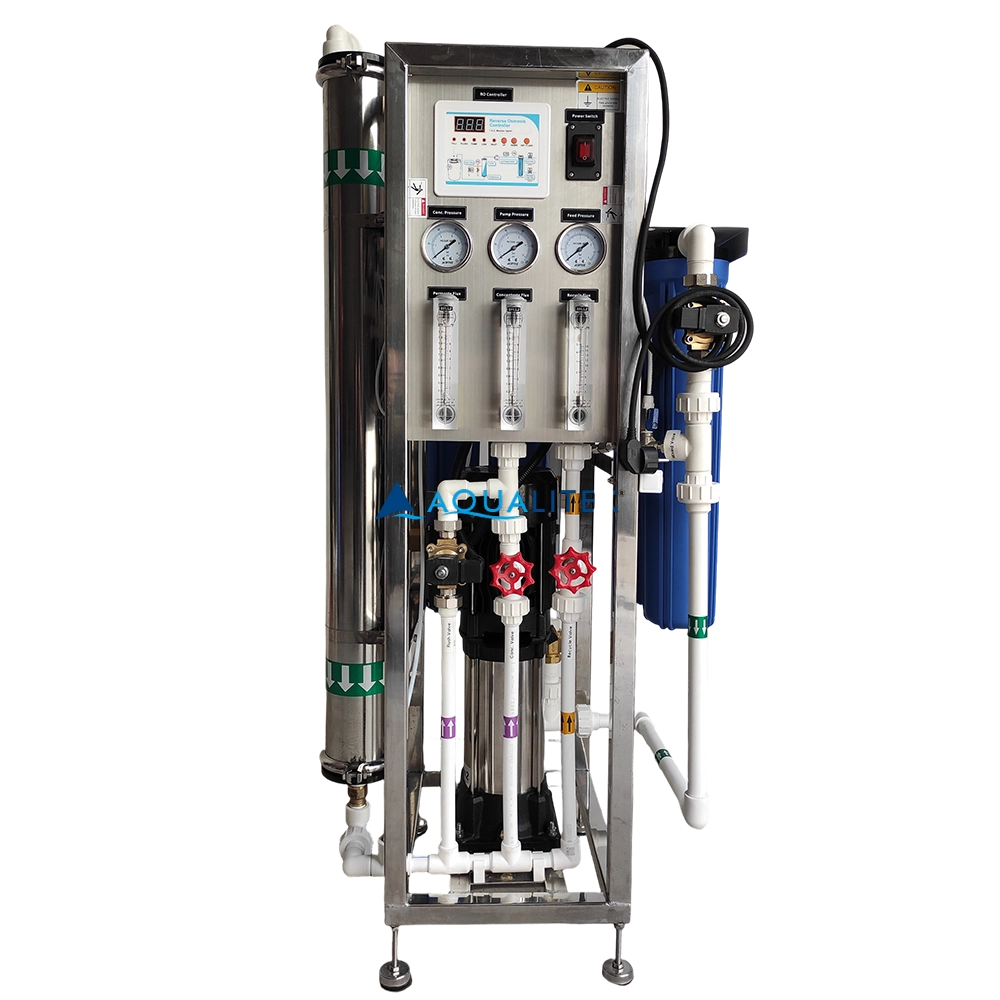
500 LPH Reverse Osmosis (RO) Water Purification Machine TWV - 412
Our 500 LPH Reverse Osmosis (RO) System is engineered to provide high-quality purified water for commercial applications. Designed with advanced RO technology, durable components, and a user-friendly interface, this system ensures consistent performance, low maintenance, and long-term reliability.
With its compact design and robust skid-mounted frame, it’s an excellent choice for businesses that demand efficiency and quality in water purification.
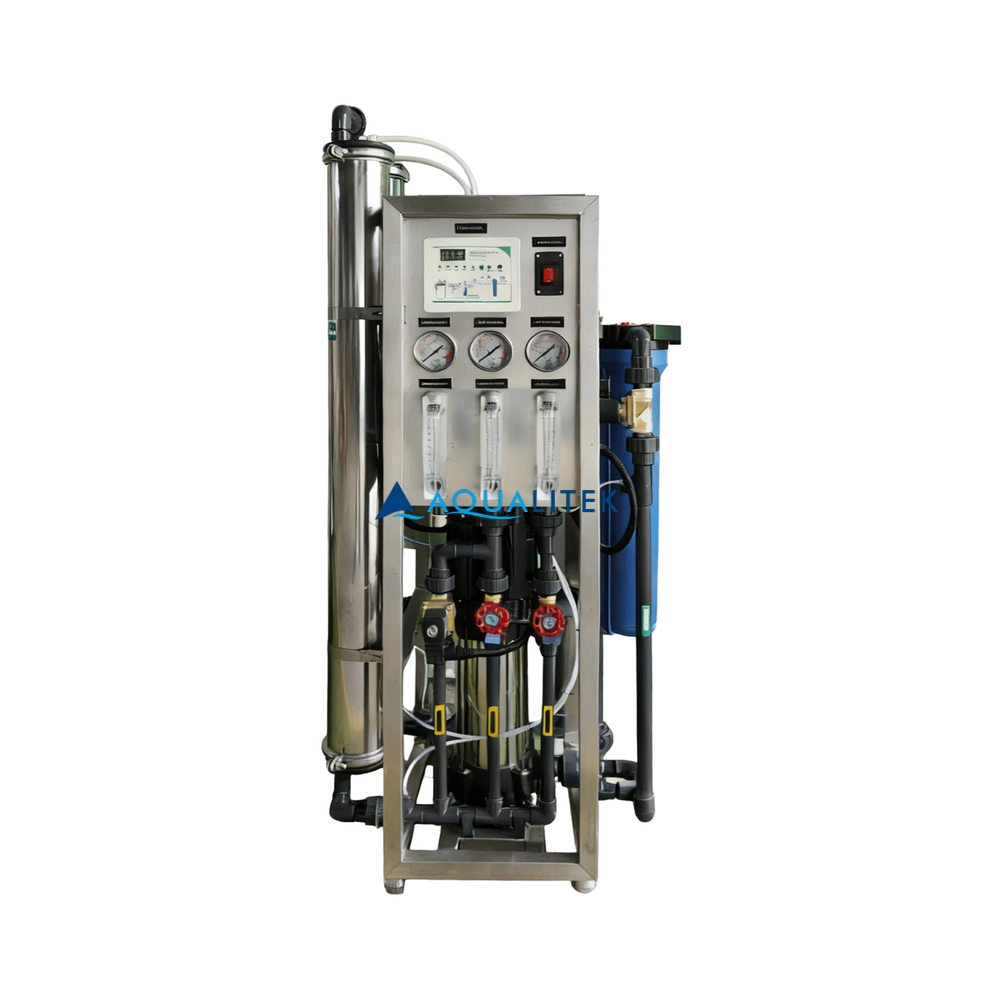
Tap Water Reverse Osmosis (TWRO) Systems TWV Series
TWV series Reverse Osmosis (RO) systems are pre-engineered and pre-assembled units with 2.5”/4” membrane housings(single element type)for tap water(lower TDS).They are designed for overall superior performance, high recovery rates and offer great savings with low maintenance and operation costs.
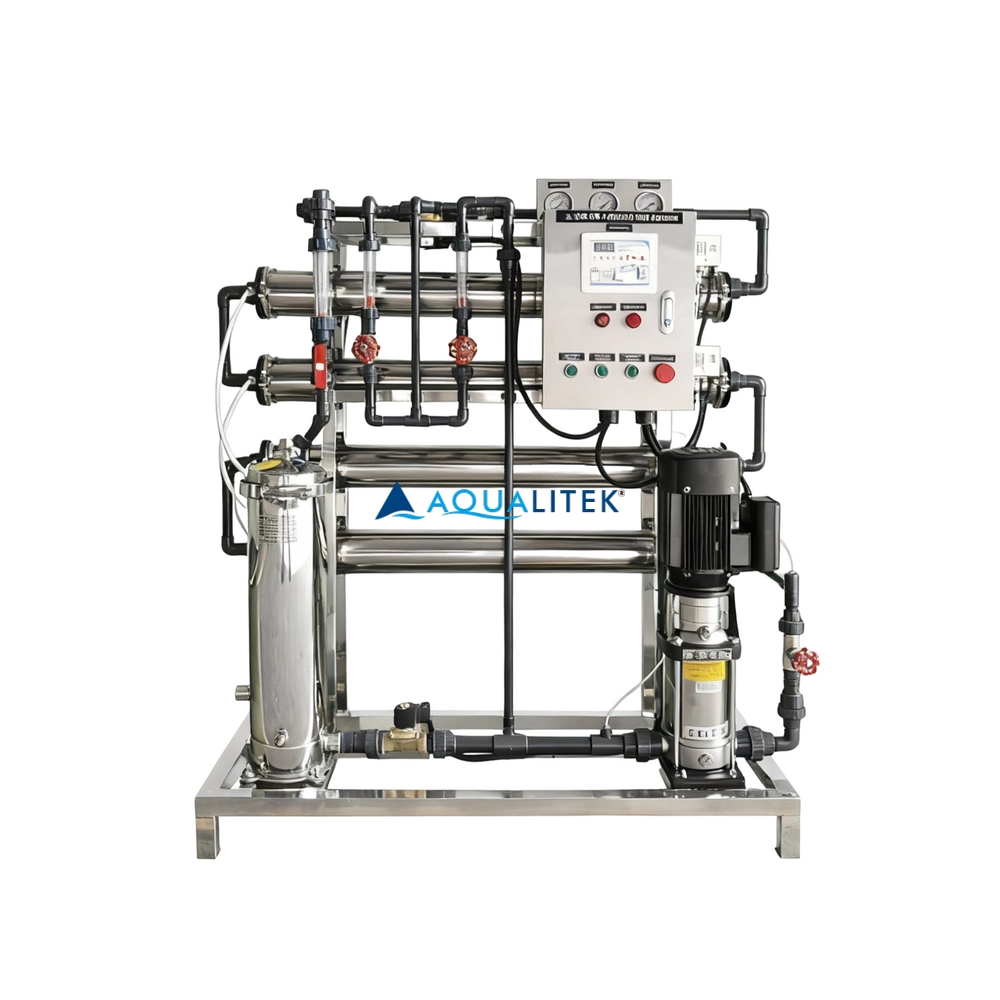
Tap Water Reverse Osmosis (TWRO) Systems TWF Series
TWF series Reverse Osmosis (RO) systems are pre-engineered and pre-assembled units with 4” membrane housings(multiple elements type) for tap water(lower TDS) .The medium large volumes can help meet your a variety of commercial and industrial applications. They are designed for overall superior performance, high recovery rates and offer great savings with low maintenance and operation costs.
Request More Information
Contact us today for product catalogs, customization options, and a free quotation designed for your business needs.
Rest assured that your privacy is important to us, and all information provided will be handled with the utmost confidentiality.
© 2026 AQUALITEK. All rights reserved.
AQUALITEK- Aimee Hoo
AQUALITEK - Aimee Hoo