




Integration Tips for Electrodeionization in Water Treatment Plants
- Planning Successful EDI Integration
- Assess feedwater quality and upstream processes
- Define purity targets, flow and redundancy
- Site layout, hydraulics and footprint considerations
- Design and Operational Best Practices
- Prefiltration and RO integration (RO + EDI as a system)
- Electrical integration, DC supply and controls
- Monitoring: conductivity, resistivity and TOC
- Commissioning, Maintenance and Troubleshooting
- Start-up, conditioning and performance acceptance
- Routine maintenance and module care
- Common faults and troubleshooting checklist
- Performance Optimization and Cost-Benefit
- Energy, chemicals and lifecycle comparison
- Case examples, KPIs and ROI considerations
- Brand advantages — Why choose Electrodeionization Systems to Get UltraPure Water
- Frequently Asked Questions (FAQ)
- Q1: What feedwater quality is required for EDI?
- Q2: Does EDI completely eliminate the need for chemical regeneration?
- Q3: How often do EDI modules need replacement?
- Q4: Can EDI handle fluctuating flows and intermittent operation?
- Q5: Is EDI suitable for pharmaceutical and semiconductor applications?

Electrodeionization (EDI) is a robust, continuous, chemical-free technology for producing ultrapure water by combining ion exchange and electrochemical migration through ion-exchange membranes and mixed-bed resin stacks. This article gives actionable guidance for integrating EDI into municipal and industrial water treatment trains, addressing feedwater requirements, RO-polishing strategies, electrical and control needs, commissioning and routine maintenance, and cost and performance trade-offs to ensure reliable, high-purity water production.
With integration complete, attention naturally shifts to long-term performance, highlighting maintenance and lifecycle considerations for electrodeionization systems.
Planning Successful EDI Integration
Assess feedwater quality and upstream processes
Before selecting or sizing an EDI module, perform a thorough characterization of feedwater: conductivity, total dissolved solids (TDS), hardness (Ca/Mg), silica, chlorine/chloramines, iron, manganese, oil/organics, and total organic carbon (TOC). EDI is most effective when paired with reverse osmosis (RO) polishing; typical feedwater for EDI is RO permeate with low conductivity (usually <30 µS/cm) and minimal oxidants or foulants. If oxidants like free chlorine are present, they will damage ion-exchange resins and membrane materials; downstream neutralization or activated carbon is required. For guidance on water quality parameters and pretreatment, see the American Water Works Association: https://www.awwa.org/.
Define purity targets, flow and redundancy
Set clear water quality goals (resistivity, conductivity, TOC, silica) and flow profile (peak vs average flow, duty cycles). Typical EDI targets for ultrapure water range from 1 MΩ·cm (resistivity) up to 18.2 MΩ·cm for the highest laboratory and semiconductor applications. Match EDI stack quantity to both peak and continuous flows; EDI performs best under steady operation, so avoid oversized single modules that will see frequent low-flow operation. Consider N+1 redundancy or parallel trains for critical processes to allow maintenance without downtime.
Site layout, hydraulics and footprint considerations
Plan piping layout, inlet pressures, and minimum/maximum flow rates. EDI requires stable feed pressure typically supplied by RO permeate pumps; suction conditions and pump sizing must avoid vaporization and maintain laminar flow profiles recommended by manufacturers. Allow space for power and control cabinets, module replacement access, and routine inspections. Pay attention to material compatibility for wetted parts—stainless steel and high-purity plastics are common—to prevent corrosion and contamination.
Design and Operational Best Practices
Prefiltration and RO integration (RO + EDI as a system)
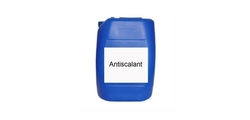
EDI is commonly used as a polishing step following RO because RO removes the bulk of ionic load and particulates, reducing fouling risk for the EDI module. Typical train: multimedia/dual-media filtration → activated carbon (to remove chlorine) → antiscalant dosing → RO → EDI. Silica and hardness must be controlled pre-RO to avoid scaling on membranes and resin fouling—use softening or antiscalants as needed. RO recovery settings and concentrate disposal strategies influence the overall water balance and should be optimized with EDI feed requirements in mind.
Electrical integration, DC supply and controls
EDI operates using a DC voltage across an electrodialysis-like stack to drive ion migration. Specify a stable DC power supply sized for the maximum current draw and include protections: overcurrent, ground-fault detection, and thermal management. Integrate EDI controls with plant DCS/SCADA to monitor voltage, current, stack resistance, and alarms. Automated shutoff on high current or feed loss protects the stacks. Consider remote monitoring and data logging for trend analysis and preventive maintenance.
Monitoring: conductivity, resistivity and TOC
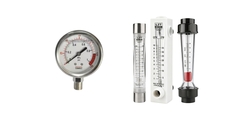
Install on-line monitors for conductivity/resistivity and TOC both upstream and downstream of EDI to verify performance and detect fouling or breakthrough early. Conductivity and resistivity measurements should be temperature-compensated and regularly calibrated. TOC spikes can indicate organic breakthrough or resin degradation; periodic lab verification is recommended. For industry guidance on measurement best practices consult EPA resources: https://www.epa.gov/water-research.
Commissioning, Maintenance and Troubleshooting
Start-up, conditioning and performance acceptance
Commission EDI with a controlled ramp: flush and de-aerate the system, confirm absence of oxidants, then begin feed flow and gradually apply voltage while monitoring current and conductivity. Initial conditioning period allows resin and membranes to equilibrate; document baseline operating currents and final water resistivity for acceptance testing. Perform inlet and outlet sampling to validate ion removal and check for unexpected contaminants.
Routine maintenance and module care
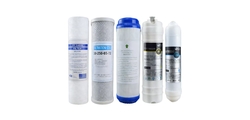
Although EDI does not require chemical regeneration like conventional ion exchange, modules require routine inspections and occasional cleaning if fouling indicators appear. Maintenance tasks include: periodic flushing of the system, cleaning of upstream filters, replacement of prefilters and carbon beds, visual inspection of stacks for leaks, checks on electrical connections, and calibration of sensors. Manufacturer-recommended interval checks should be part of your preventive maintenance schedule.
Common faults and troubleshooting checklist
Common operational issues include elevated outlet conductivity, increasing current draw, and occasional pressure drops. Use this checklist:
- Elevated outlet conductivity: verify RO permeate quality, check for bypasses, inspect for membrane damage, check power supply voltage/current.
- High stack current or rising energy consumption: look for increased ionic load (feed contamination), possible short-circuit across membranes, or degraded membranes/resin.
- Pressure or flow irregularities: check pumps, clogged prefilters, or air entrainment.
Log all abnormal events and correlate with upstream process changes (e.g., RO cleaning, chemical dosing). For persistent or unclear issues, consult EDI system vendor technical support.
Performance Optimization and Cost-Benefit
Energy, chemicals and lifecycle comparison
One of EDI’s main advantages is elimination of chemical regenerants (acid/caustic) used in conventional mixed-bed deionization, reducing handling, storage, and disposal costs. However, EDI requires electrical energy; overall lifecycle costs should consider energy, pre-treatment consumables (filters, antiscalants), module replacement frequency, and labor.
| Parameter | Traditional Mixed-Bed Deionization | EDI (Electrodeionization) |
|---|---|---|
| Regeneration chemicals | Requires acid/caustic, chemicals handling and waste | None (chemical-free continuous operation) |
| Operational continuity | Requires offline regeneration; potential downtime | Continuous operation possible; better uptime |
| Energy use | Low electrical energy | Requires DC power (moderate energy cost) |
| Labor & maintenance | Chemical handling and resin management | Less labor for chemicals; scheduled module care |
| Typical applications | General lab water, small-scale DI needs | Pharma, biotech, semiconductor, power generation |
Case examples, KPIs and ROI considerations
When evaluating ROI, consider reduced chemical purchases and disposal, lower labor for regeneration, improved uptime, and product quality benefits (reduced risk of process contamination). Key performance indicators (KPIs) to track: ultrapure resistivity/conductivity, TOC, system uptime, energy consumption per m3, and cost per m3 of produced water. For high-purity applications (pharmaceutical, semiconductor), the value of improved control and elimination of regeneration downtime often justifies higher capital expenditure.
Brand advantages — Why choose Electrodeionization Systems to Get UltraPure Water
Electrodeionization Systems to Get UltraPure Water delivers modular, scalable EDI solutions engineered for continuous high-purity water production. Our systems combine advanced ion-exchange membranes, optimized mixed-bed resin stacks, and intelligent control software for real-time performance monitoring. The provided product description summarizes the technology and benefits:
Electrodeionization (EDI) system is an advanced water purification technology that combines ion exchange and electrochemical processes to produce ultra-pure water. Unlike traditional deionization methods, which rely on chemical regeneration, EDI utilizes electric fields to drive the movement of ions through ion-exchange membranes, effectively removing dissolved salts and other ionic contaminants.
This process is continuous and does not require the use of chemicals for regeneration, making it an environmentally friendly and cost-effective solution for producing high-quality deionized water. EDI systems are widely used in applications requiring ultrapure water, such as in the pharmaceutical, semiconductor, power generation, and biotechnology industries, as well as for laboratory use.
By offering high-purity water without the need for chemical regeneration, EDI systems provide a sustainable, efficient, and reliable alternative to traditional deionization methods, making them an ideal choice for industries where water quality and process control are critical.
Our brand advantages include:
- Proven EDI stacks with high ion-exchange membrane selectivity for stable resistivity and low TOC.
- Integrated controls for remote monitoring, trend analysis, and alarm management to meet E-E-A-T and traceability requirements.
- Flexible modular design to scale with facility growth and allow N+1 redundancy for critical service water.
- Strong technical support and start-up assistance to ensure correct commissioning and long-term performance.
For technical background on the EDI process, see the Electrodeionization article on Wikipedia: https://en.wikipedia.org/wiki/Electrodeionization.
Frequently Asked Questions (FAQ)
Q1: What feedwater quality is required for EDI?
A1: EDI typically requires RO permeate with low conductivity (commonly <30 µS/cm), negligible chlorine/chloramines, low silica and iron, and limited organics. Pretreatment such as activated carbon (to remove chlorine), antiscalant dosing, and particulate filtration are often required to protect membranes and resin.
Q2: Does EDI completely eliminate the need for chemical regeneration?
A2: Yes—continuous electrodeionization eliminates the cyclical chemical regeneration used in conventional ion-exchange systems. However, chemicals may still be needed upstream (e.g., antiscalants) and for occasional cleaning procedures depending on fouling.
Q3: How often do EDI modules need replacement?
A3: Module life depends on feedwater quality, operating conditions, and maintenance. With proper pretreatment and operation, modules can last many years; monitoring electrical current trends and purity metrics helps predict end-of-life. Consult vendor specifications for expected lifecycle and replacement schedules.
Q4: Can EDI handle fluctuating flows and intermittent operation?
A4: EDI performs best under steady-state continuous flow. Frequent start-stop cycles and long low-flow periods reduce efficiency and can stress modules. For processes with variable demand, consider parallel trains, buffer tanks, or dedicated recirculation to maintain stable conditions.
Q5: Is EDI suitable for pharmaceutical and semiconductor applications?
A5: Yes. EDI is widely used for high-purity water in pharmaceutical, biotech, and semiconductor industries because it produces low-conductivity water without chemical regenerants and supports tighter process control. However, achieving the highest purity (e.g., 18.2 MΩ·cm) may require additional polishing or mixed-bed polishing under specific conditions; design must follow industry guidelines and validation requirements.
If you have more specific questions about integrating an EDI system into your plant, our technical team can help with feedwater audits, system sizing, and ROI analysis. Contact us to speak with an applications engineer or to request product datasheets and case studies.
View Electrodeionization Systems to Get UltraPure Water or contact our sales team for a consultation and quote.
Top 10 Ultra filtration water system Manufacturers and Supplier Brands
Top 10 water filter softener system Manufacturers and Supplier Brands
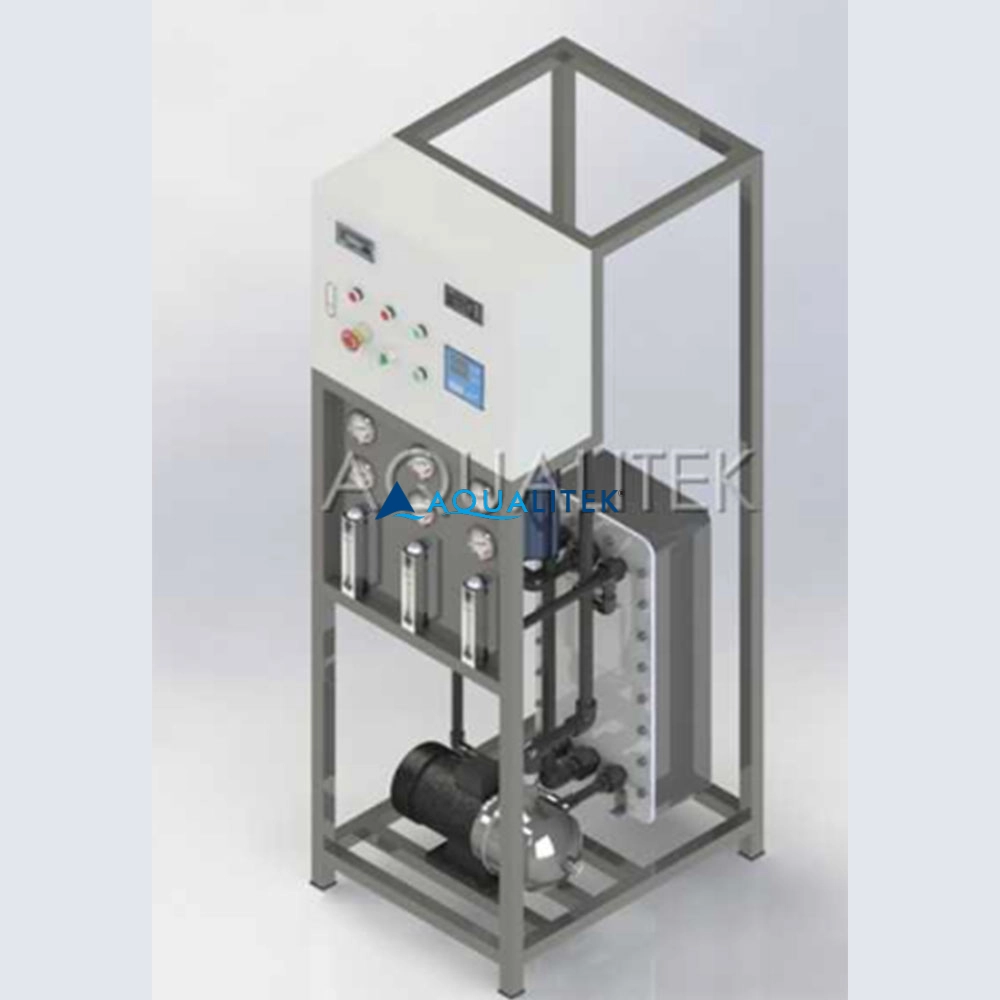
Maintenance and Lifecycle Considerations for Electrodeionization
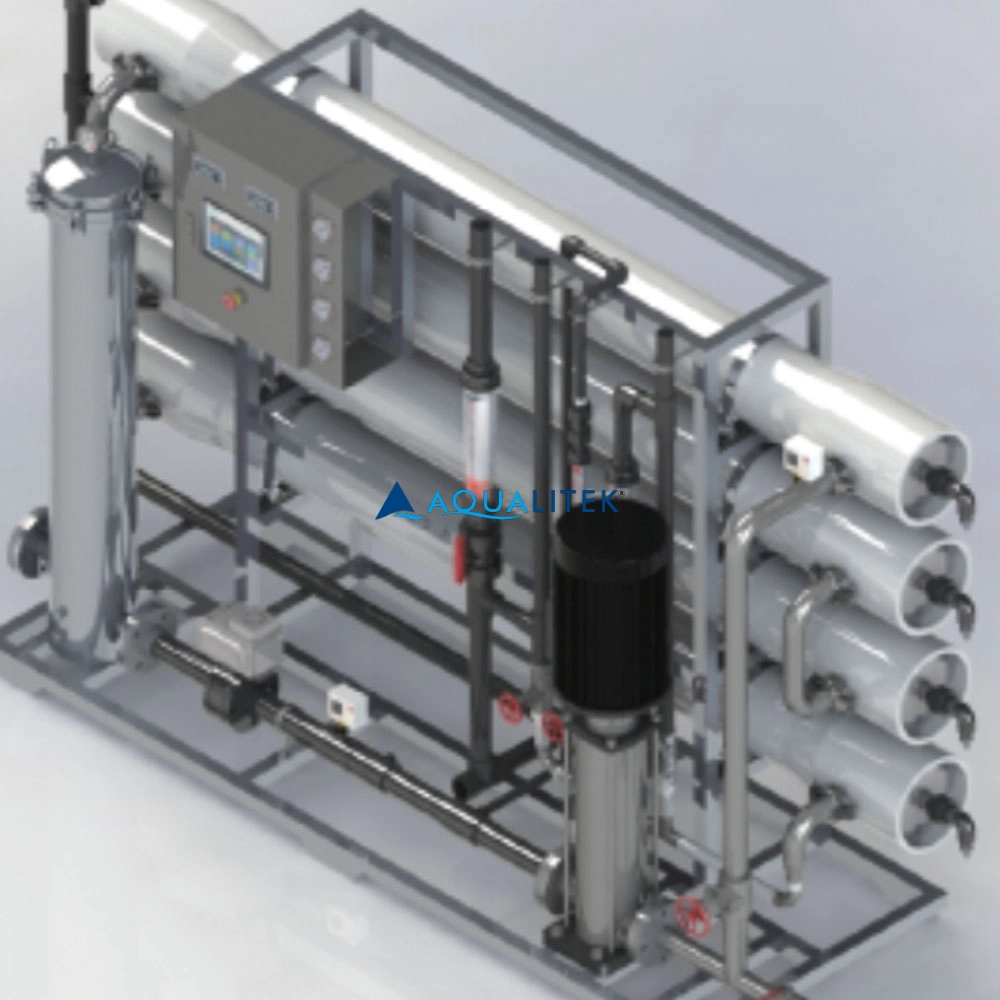
Benefits of Brackish Water Reverse Osmosis for Well Water
Water Filters
Do you provide replacement parts and consumables?
Yes. We supply cartridges, filter bags, media (sand, carbon, etc.), valve kits, and O-rings for all major systems.
Blog
How do I know when to add salt to my softener?
Check the brine tank monthly. Modern systems often alert you automatically when salt levels are low.
FAQ-aqualitek
Are AQT’s water treatment products certified?
Yes! Our products comply with international quality and safety standards, including ISO, CE, and NSF certifications. We prioritize high-quality materials, advanced technology, and strict quality control to ensure superior performance and reliability.
What industries does AQT serve?
We provide water treatment solutions for a wide range of industries, including:
Industrial Manufacturing – Process water treatment, cooling water, and boiler feed.
Hospitality & Commercial – Hotels, restaurants, and office buildings.
Residential Applications – Drinking water purification and softening.
Healthcare & Pharmaceuticals – Ultra-pure water for laboratories and hospitals.
Municipal & Public Utilities – Water supply and wastewater treatment.
Food & Beverage Processing – Filtration for beverage production and food safety.
Membrane Water Treatment Systems
Can your membrane systems treat seawater?
Yes. Our seawater RO systems are designed to handle high salinity with corrosion-resistant materials and energy recovery devices.
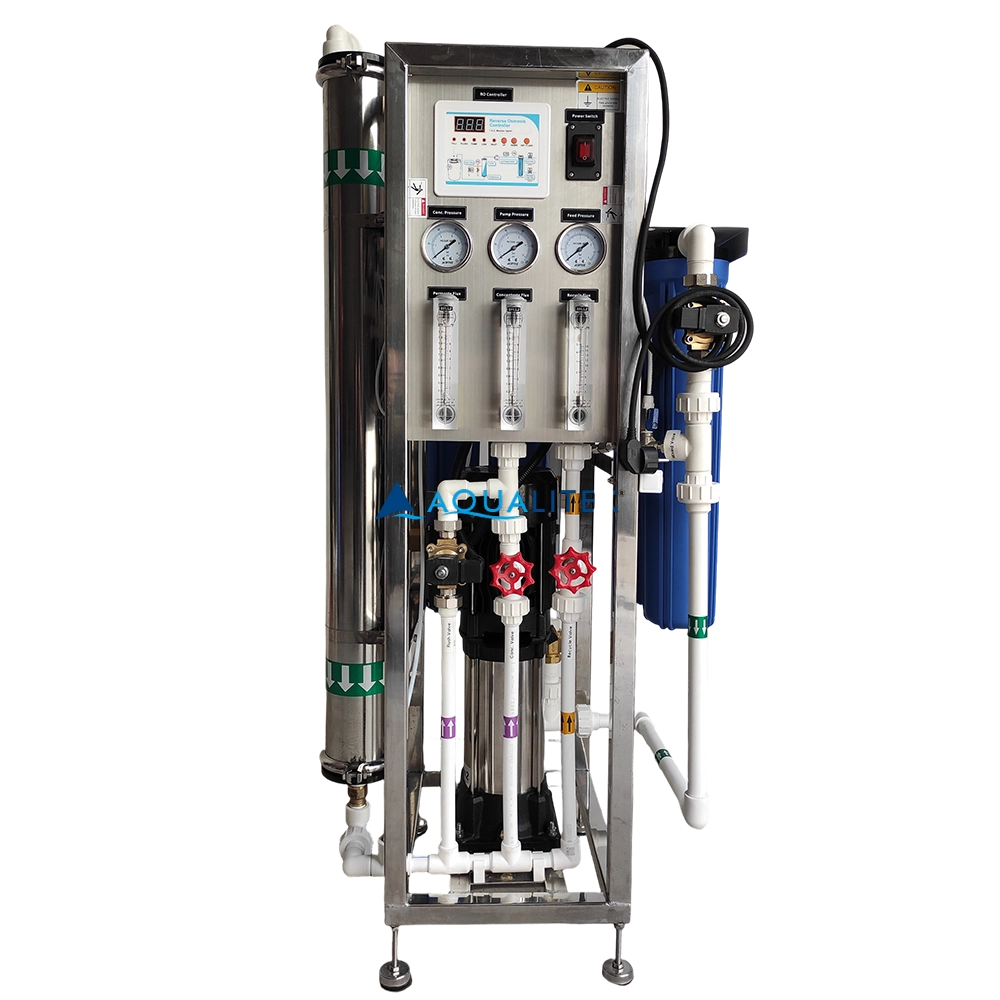
500 LPH Reverse Osmosis (RO) Water Purification Machine TWV - 412
Our 500 LPH Reverse Osmosis (RO) System is engineered to provide high-quality purified water for commercial applications. Designed with advanced RO technology, durable components, and a user-friendly interface, this system ensures consistent performance, low maintenance, and long-term reliability.
With its compact design and robust skid-mounted frame, it’s an excellent choice for businesses that demand efficiency and quality in water purification.
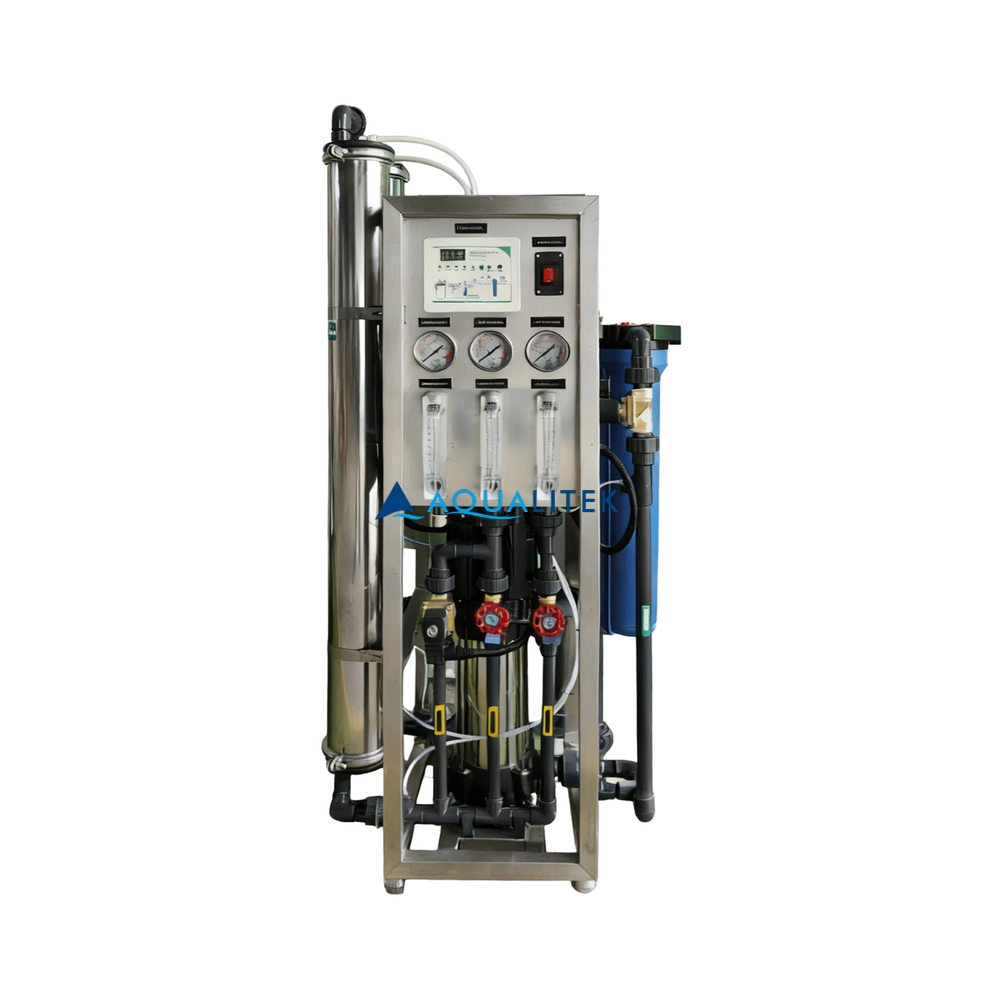
Tap Water Reverse Osmosis (TWRO) Systems TWV Series
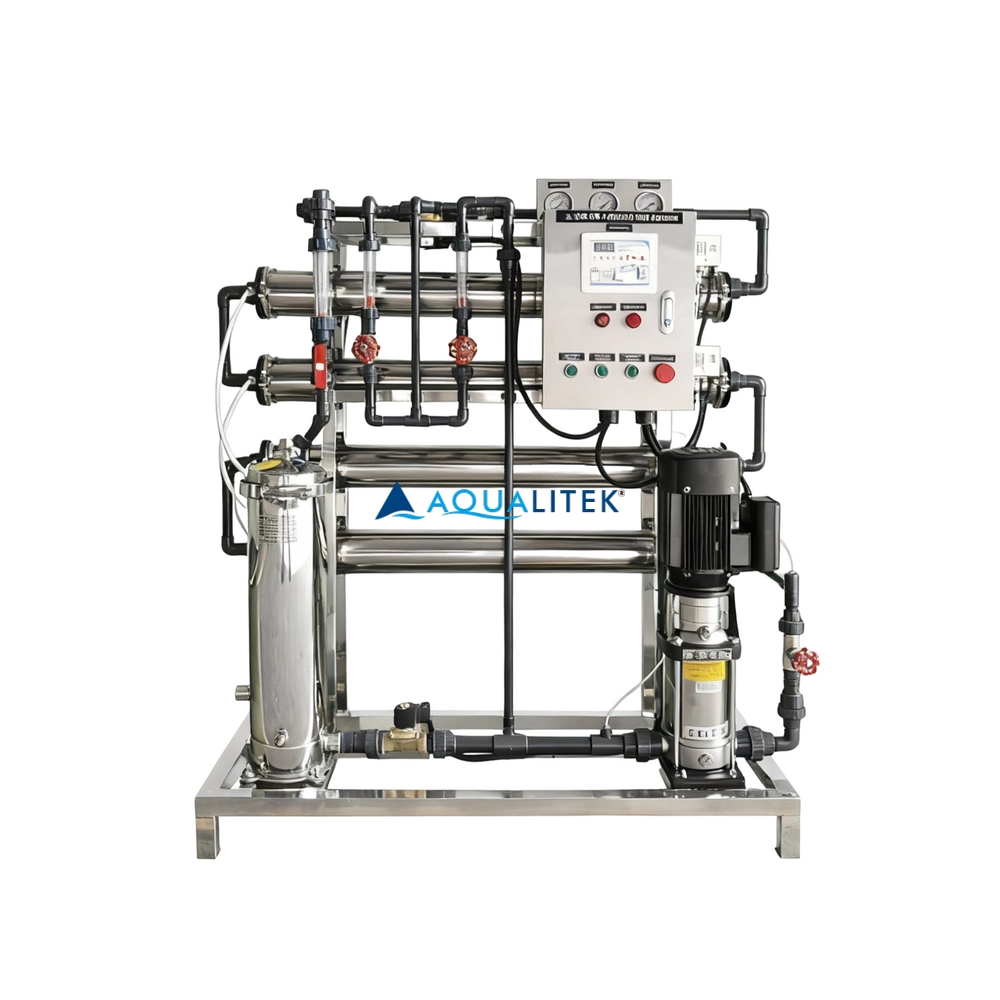
TWV series Reverse Osmosis (RO) systems are pre-engineered and pre-assembled units with 2.5”/4” membrane housings(single element type)for tap water(lower TDS).They are designed for overall superior performance, high recovery rates and offer great savings with low maintenance and operation costs.
Tap Water Reverse Osmosis (TWRO) Systems TWF Series
TWF series Reverse Osmosis (RO) systems are pre-engineered and pre-assembled units with 4” membrane housings(multiple elements type) for tap water(lower TDS) .The medium large volumes can help meet your a variety of commercial and industrial applications. They are designed for overall superior performance, high recovery rates and offer great savings with low maintenance and operation costs.

Tap Water Reverse Osmosis (TWRO) Systems TWE Series
TWE series Reverse Osmosis (RO) systems are pre-engineered and pre-assembled units with 8” membrane housings for tap water (lower TDS). The large volumes can help meet your a variety of industrial applications. They are designed for overall superior performance, high recovery rates and offer great savings with low maintenance and operation costs.
Request More Information
Contact us today for product catalogs, customization options, and a free quotation designed for your business needs.
Rest assured that your privacy is important to us, and all information provided will be handled with the utmost confidentiality.
© 2026 AQUALITEK. All rights reserved.
AQUALITEK- Aimee Hoo
AQUALITEK - Aimee Hoo