




Can water treatment systems help with bad odors or tastes (e.g. sulfur smell)? | Insights by AQUALITEK
- Understanding Water Treatment Systems for Odor and Taste Issues
- 1. What Causes Sulfur Smell in Water?
- 2. How Do Water Treatment Systems Remove Sulfur Smell?
- 3. Can Water Softeners Eliminate Sulfur Smell?
- 4. Are There Chemical-Free Solutions for Sulfur Odors?
- 5. How Do Whole Home Water Treatment Systems Improve Water Taste?
- 6. What Are the Maintenance Requirements for Water Treatment Systems?
- 7. How Do I Choose the Right Water Treatment System for My Home?
- 8. What Are the Benefits of Installing a Water Treatment System?
- Conclusion: AQUALITEK's Advantages
Understanding Water Treatment Systems for Odor and Taste Issues
Water quality issues, particularly unpleasant odors and tastes like sulfur smells, can significantly impact daily life. Fortunately, various water treatment systems are designed to address these concerns effectively. This article explores common questions related to water treatment solutions for bad odors and tastes, providing insights to assist consumers in making informed decisions.
1. What Causes Sulfur Smell in Water?
The distinctive "rotten egg" odor in water is primarily due to hydrogen sulfide gas. This gas forms when organic materials decompose underground, often in well water sources. While harmless in small amounts, hydrogen sulfide can affect water taste and corrode plumbing over time.
2. How Do Water Treatment Systems Remove Sulfur Smell?
Several treatment methods are effective in eliminating sulfur odors:
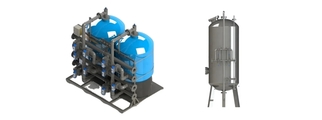
Oxidizing Filters: These filters use agents like potassium permanganate to oxidize and remove hydrogen sulfide, iron, and manganese. They're suitable for sulfur levels between 1-5 ppm.
Aeration Systems: By introducing air into the water, these systems oxidize hydrogen sulfide, causing it to separate from the water before it enters the home. They're ideal for sulfur levels up to 2 ppm and are chemical-free.
Continuous Chlorination Systems: For higher sulfur levels or bacterial contamination, chlorination systems neutralize the smell and kill bacteria at the source.
3. Can Water Softeners Eliminate Sulfur Smell?
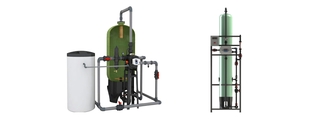
Water softeners primarily address hardness by removing calcium and magnesium ions. While they can reduce sulfur odors to some extent, they're not specifically designed for this purpose. For effective sulfur removal, specialized systems like oxidizing filters or aeration systems are recommended.
4. Are There Chemical-Free Solutions for Sulfur Odors?
Yes, chemical-free solutions include:
Aeration Systems: These systems oxidize hydrogen sulfide without chemicals, making them environmentally friendly and low-maintenance.
Copper-Zinc Water Filtration: Utilizing the redox potential of dissolved oxygen, this method reduces contaminants without chemicals.
5. How Do Whole Home Water Treatment Systems Improve Water Taste?
Whole home water treatment systems address various contaminants, including chlorine, heavy metals, and organic compounds, enhancing water taste and quality. They provide clean, great-tasting water from every tap, improving overall water quality and extending appliance longevity.
6. What Are the Maintenance Requirements for Water Treatment Systems?
Maintenance varies by system:
Oxidizing Filters: Require periodic replenishment of oxidizing agents like potassium permanganate.
Aeration Systems: Need regular inspections and cleaning of components like air injectors and sediment filters.
Continuous Chlorination Systems: Require monitoring and replenishment of chlorine supplies.
Regular maintenance ensures optimal performance and extends the system's lifespan.
7. How Do I Choose the Right Water Treatment System for My Home?
Consider the following factors:
Water Quality Assessment: Conduct a comprehensive water test to identify specific contaminants.
System Compatibility: Ensure the system addresses your specific water quality issues.
Maintenance Needs: Evaluate the maintenance requirements and costs associated with the system.
Budget Constraints: Consider both initial installation costs and long-term operational expenses.
Consulting with a water treatment professional can provide personalized recommendations.
8. What Are the Benefits of Installing a Water Treatment System?
Installing a water treatment system offers several advantages:
Improved Water Quality: Removes contaminants, enhancing taste and safety.
Health Benefits: Reduces exposure to harmful substances.
Appliance Longevity: Prevents scale buildup, extending the life of plumbing and appliances.
Environmental Impact: Reduces reliance on bottled water, decreasing plastic waste.
Conclusion: AQUALITEK's Advantages
AQUALITEK offers advanced water treatment solutions tailored to address various water quality issues, including sulfur odors and bad tastes. Their systems are designed for efficiency, ease of maintenance, and environmental responsibility, ensuring clean and safe water for your home.
For more information on AQUALITEK's products and services, visit their official website.


Request More Information or Expert Advice
Share a few details, and we’ll provide deeper insights, tailored suggestions, or product support.
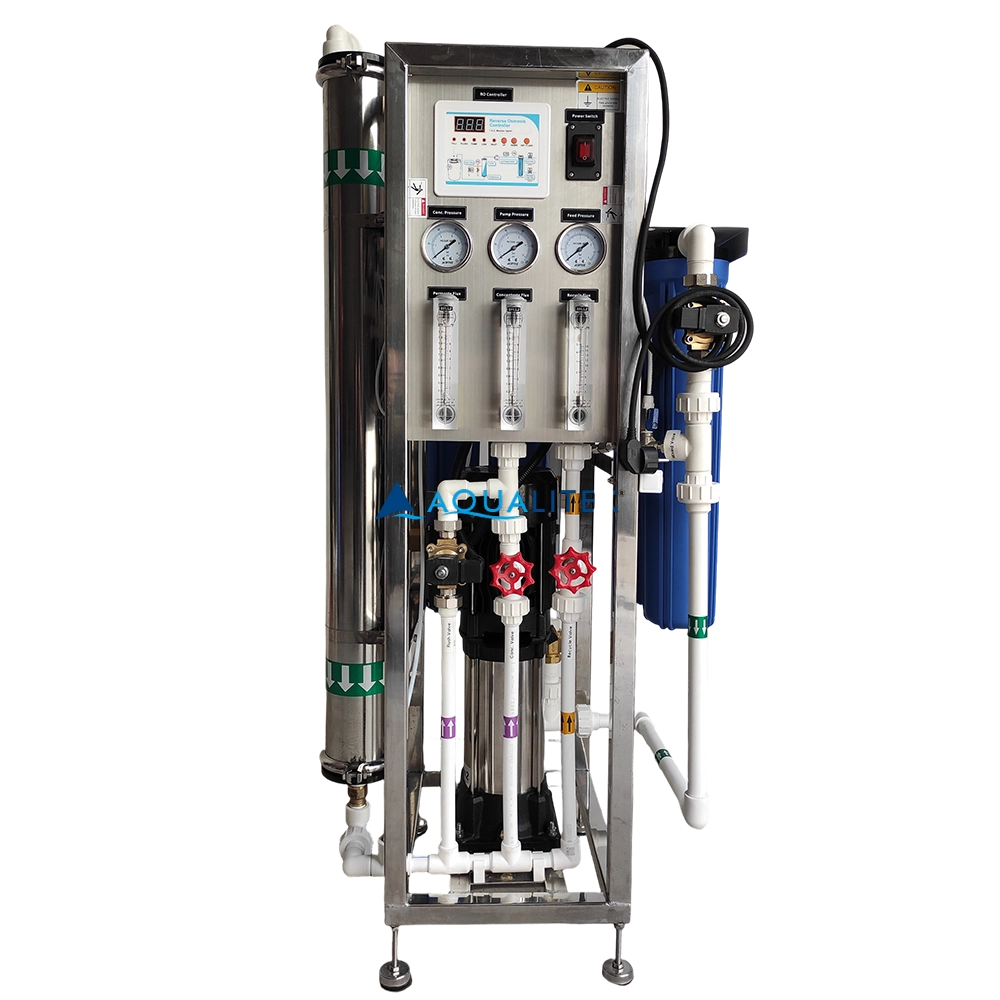
Our 500 LPH Reverse Osmosis (RO) System is engineered to provide high-quality purified water for commercial applications. Designed with advanced RO technology, durable components, and a user-friendly interface, this system ensures consistent performance, low maintenance, and long-term reliability.
With its compact design and robust skid-mounted frame, it’s an excellent choice for businesses that demand efficiency and quality in water purification.
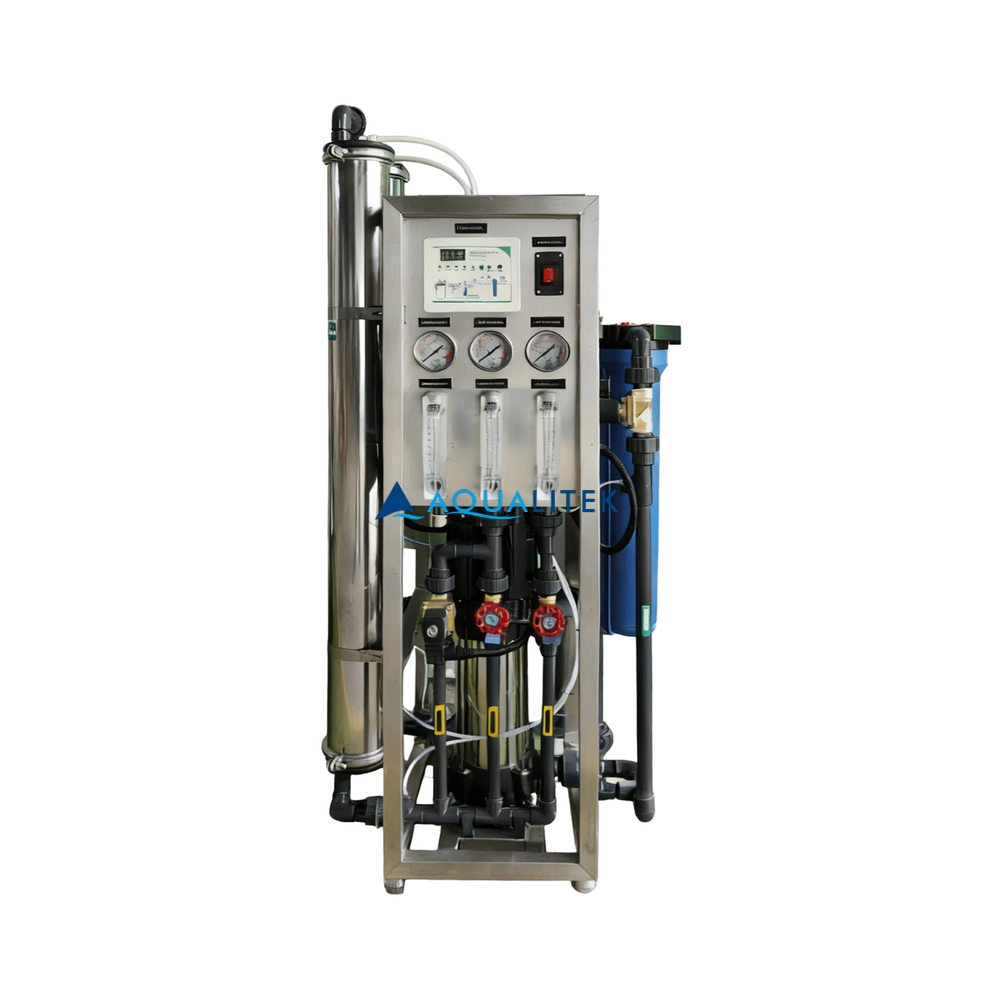
TWV series Reverse Osmosis (RO) systems are pre-engineered and pre-assembled units with 2.5”/4” membrane housings(single element type)for tap water(lower TDS).They are designed for overall superior performance, high recovery rates and offer great savings with low maintenance and operation costs.
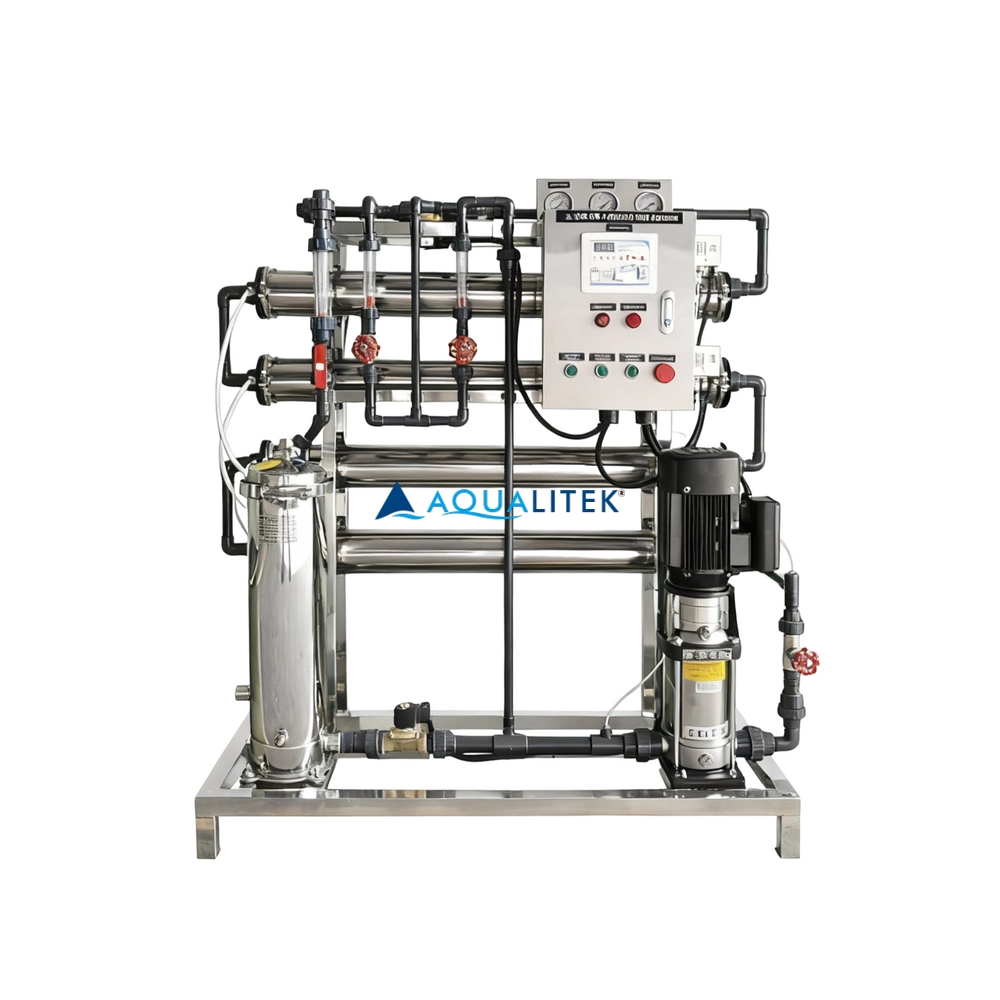
TWF series Reverse Osmosis (RO) systems are pre-engineered and pre-assembled units with 4” membrane housings(multiple elements type) for tap water(lower TDS) .The medium large volumes can help meet your a variety of commercial and industrial applications. They are designed for overall superior performance, high recovery rates and offer great savings with low maintenance and operation costs.

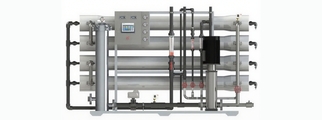
TWE series Reverse Osmosis (RO) systems are pre-engineered and pre-assembled units with 8” membrane housings for tap water (lower TDS). The large volumes can help meet your a variety of industrial applications. They are designed for overall superior performance, high recovery rates and offer great savings with low maintenance and operation costs.
© 2026 AQUALITEK. All rights reserved.
AQUALITEK- Aimee Hoo
AQUALITEK - Aimee Hoo