




What role does RO play in producing ultrapure water?
- Understanding Reverse Osmosis Systems: Key Insights for Water Treatment Professionals
- 1. What is Reverse Osmosis (RO) and How Does It Work?
- 2. What Role Does RO Play in Producing Ultrapure Water?
- 3. What Are the Key Components of an RO System?
- 4. How Do I Determine the Appropriate Size and Capacity of an RO System?
- 5. What Are the Maintenance Requirements for RO Systems?
- 6. How Do RO Systems Compare to Other Water Purification Methods?
- 7. What Are the Applications of RO Systems in Different Industries?
- 8. What Are the Environmental Considerations When Using RO Systems?
- Conclusion: Why Choose AQUALITEK for Your RO System Needs?
Understanding Reverse Osmosis Systems: Key Insights for Water Treatment Professionals
Reverse osmosis (RO) systems are integral to producing ultrapure water across various industries, including pharmaceuticals, electronics, and power generation. This article addresses common questions and provides essential knowledge for professionals considering the procurement of RO systems.
1. What is Reverse Osmosis (RO) and How Does It Work?
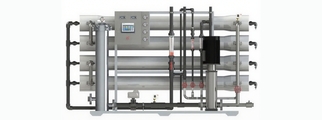
Reverse osmosis is a water purification process that removes contaminants by forcing water through a semipermeable membrane. The membrane allows water molecules to pass while blocking larger molecules and ions, effectively reducing impurities. The process typically involves multiple stages:
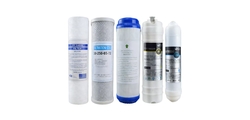
- Pre-filtration: Removes larger particles and sediments.
- Activated Carbon Filtration: Eliminates chlorine, volatile organic compounds, and other chemicals.
- RO Membrane Filtration: Removes dissolved salts, heavy metals, and other contaminants.
- Post-filtration: Further polishes the water to ensure high purity.
2. What Role Does RO Play in Producing Ultrapure Water?
RO systems are crucial in producing ultrapure water, especially in industries requiring high-quality water for sensitive processes. For instance, in semiconductor manufacturing, ultrapure water is essential for cleaning silicon wafers without introducing contaminants. RO systems, often combined with deionization (DI) processes, can produce water with total dissolved solids (TDS) levels as low as 0.05 ppm, meeting stringent industry standards.
3. What Are the Key Components of an RO System?
An RO system comprises several critical components:
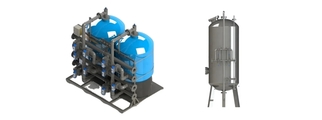
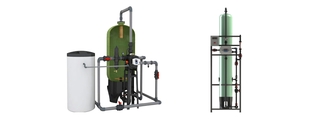
- Pre-filters: Protect the RO membrane by removing larger particles and chlorine.
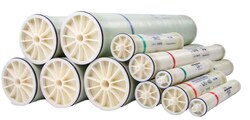
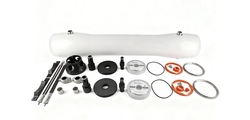
- RO Membrane: The core component that separates contaminants from water.
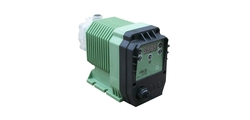
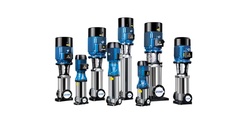
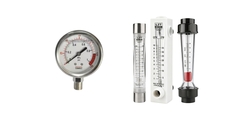
- High-Pressure Pump: Provides the necessary pressure to drive water through the membrane.
- Post-filters: Further purify the water before storage or distribution.
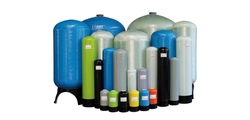
- Storage Tank: Holds the purified water for immediate or future use.
4. How Do I Determine the Appropriate Size and Capacity of an RO System?
Selecting the right RO system depends on factors such as:
- Water Quality: Assess the feed water's TDS, hardness, and contaminant levels.
- Required Flow Rate: Determine the volume of purified water needed per day.
- Purity Requirements: Define the acceptable levels of contaminants in the final product.
Consulting with a water treatment specialist can help tailor a system to meet specific needs.
5. What Are the Maintenance Requirements for RO Systems?
Regular maintenance is essential to ensure optimal performance and longevity of RO systems:
- Cleaning: Periodic cleaning of membranes to remove fouling and scaling.
- Monitoring: Regularly check system parameters like pressure, flow rates, and water quality.
- Replacement: Replace membranes and filters as recommended by the manufacturer.
Proper maintenance can extend the system's lifespan and maintain water quality.
6. How Do RO Systems Compare to Other Water Purification Methods?
RO systems offer several advantages over other methods:
- High Contaminant Removal: RO can remove up to 99% of dissolved salts and contaminants.
- Energy Efficiency: Modern RO systems are designed to minimize energy consumption.
- Scalability: RO systems can be scaled to meet varying water production needs.
However, they may have limitations, such as:
- Water Wastage: RO processes can produce wastewater, which may require treatment.
- Initial Cost: The upfront investment can be significant.
7. What Are the Applications of RO Systems in Different Industries?
RO systems are utilized across various sectors:
- Pharmaceuticals: Producing water for injections and other applications requiring high purity.
- Electronics: Cleaning components like silicon wafers in semiconductor manufacturing.
- Food and Beverage: Ensuring consistent product quality by removing impurities from water used in production.
8. What Are the Environmental Considerations When Using RO Systems?
Environmental considerations include:
- Energy Consumption: While modern RO systems are energy-efficient, they still consume electricity.
- Wastewater Management: The brine produced can impact local water bodies if not properly managed.
Implementing energy-saving technologies and responsible wastewater disposal practices can mitigate environmental impacts.
Conclusion: Why Choose AQUALITEK for Your RO System Needs?
AQUALITEK offers advanced reverse osmosis systems tailored to meet the specific needs of various industries. With a focus on quality, efficiency, and customer support, AQUALITEK ensures that your water treatment processes are optimized for performance and sustainability.
References:**SEO Title:** Understanding Reverse Osmosis Systems: Key Insights for Water Treatment Professionals



Request More Information or Expert Advice
Share a few details, and we’ll provide deeper insights, tailored suggestions, or product support.
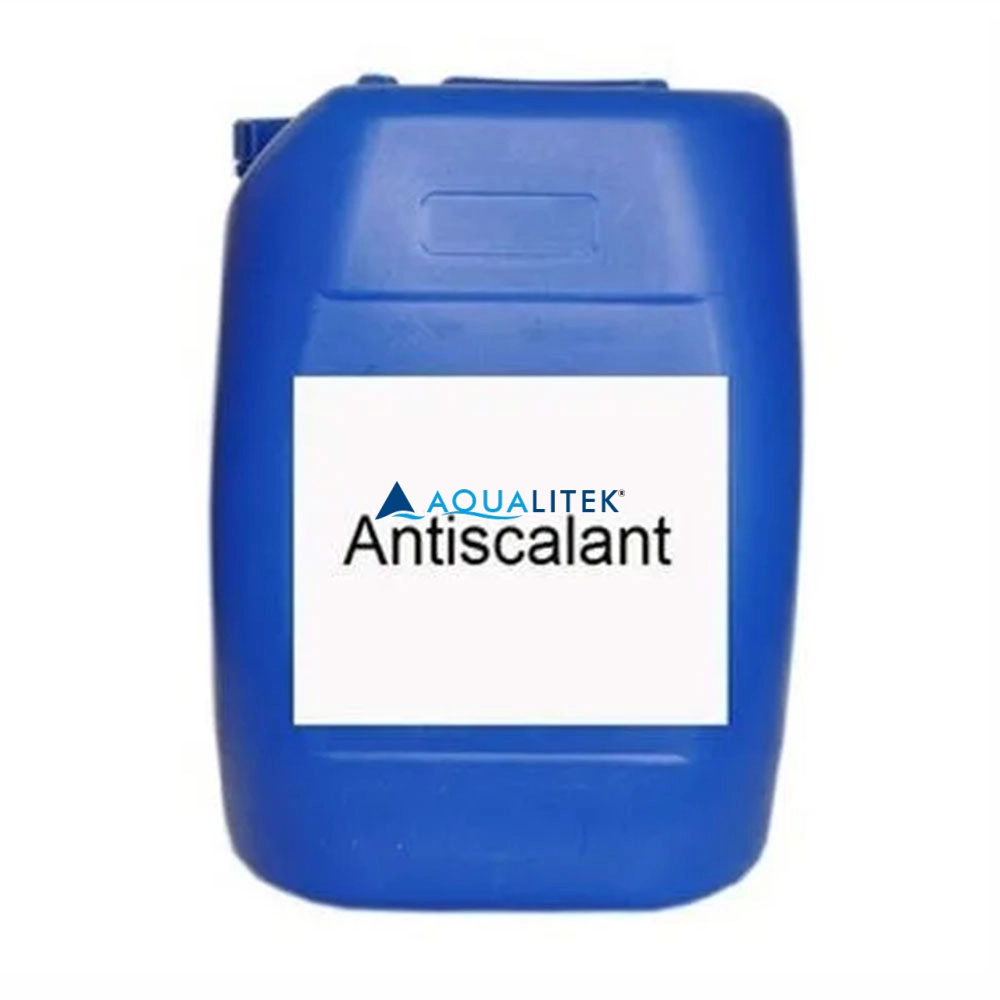
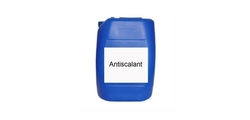
Anti-Scalant is a specialized water treatment chemical designed to prevent the formation of scale in reverse osmosis (RO) systems. Scaling is a common issue in RO systems, where minerals like calcium, magnesium, and silica precipitate and form hard deposits on the membrane surface. These deposits can clog the membranes, reduce water production efficiency, and increase operational costs.
RO chemical anti-scalants work by inhibiting the crystallization of scale-forming minerals, effectively keeping them in solution and preventing them from adhering to the membrane. This ensures the longevity and optimal performance of the RO system.
Anti-scalants are essential in applications with hard water or high mineral content, such as in industrial, municipal, and desalination plants.
These chemicals are highly effective in preventing scaling caused by common minerals such as calcium carbonate, calcium sulfate, barium sulfate, and silica, helping to extend the lifespan of the membranes, reduce cleaning cycles, and enhance system efficiency.
By incorporating an RO chemical anti-scalant into your water treatment process, you can improve the reliability and overall performance of your reverse osmosis system, ensuring consistent, high-quality water output while minimizing maintenance costs.
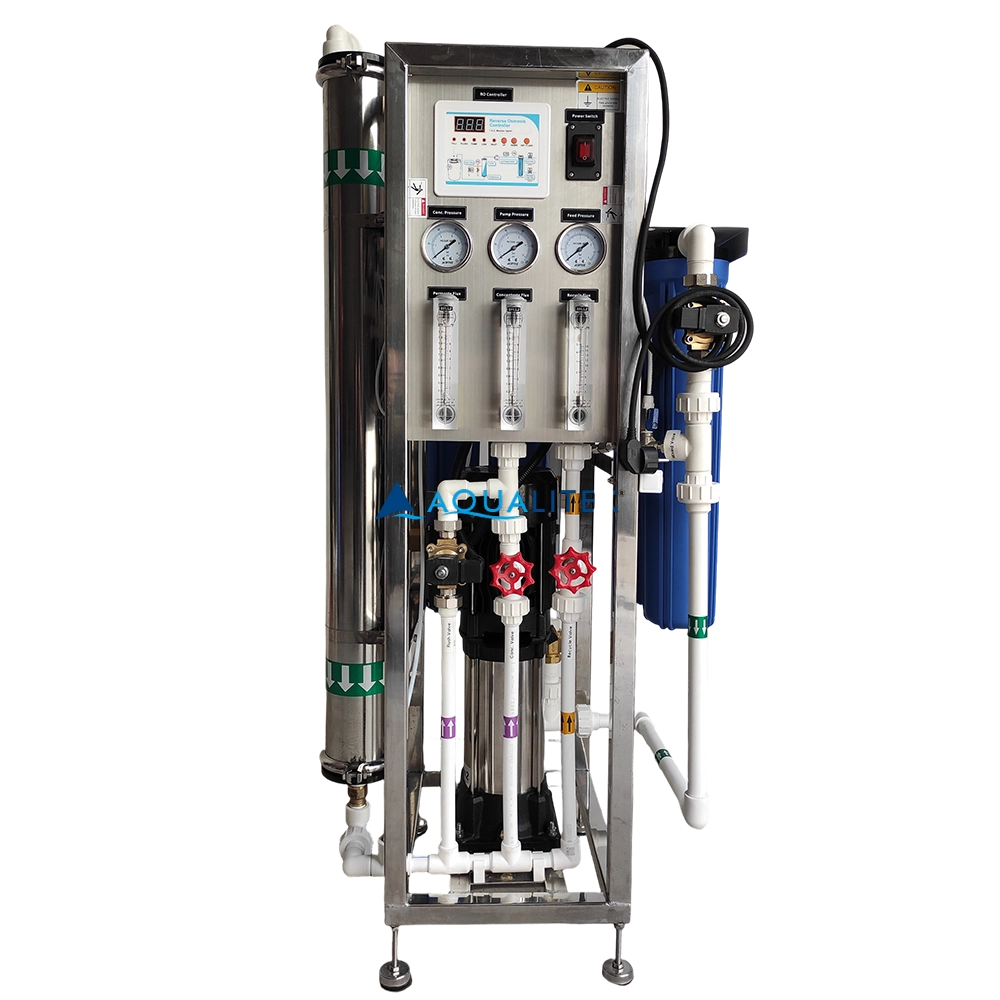
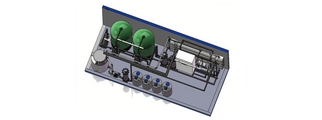
Our 500 LPH Reverse Osmosis (RO) System is engineered to provide high-quality purified water for commercial applications. Designed with advanced RO technology, durable components, and a user-friendly interface, this system ensures consistent performance, low maintenance, and long-term reliability.
With its compact design and robust skid-mounted frame, it’s an excellent choice for businesses that demand efficiency and quality in water purification.
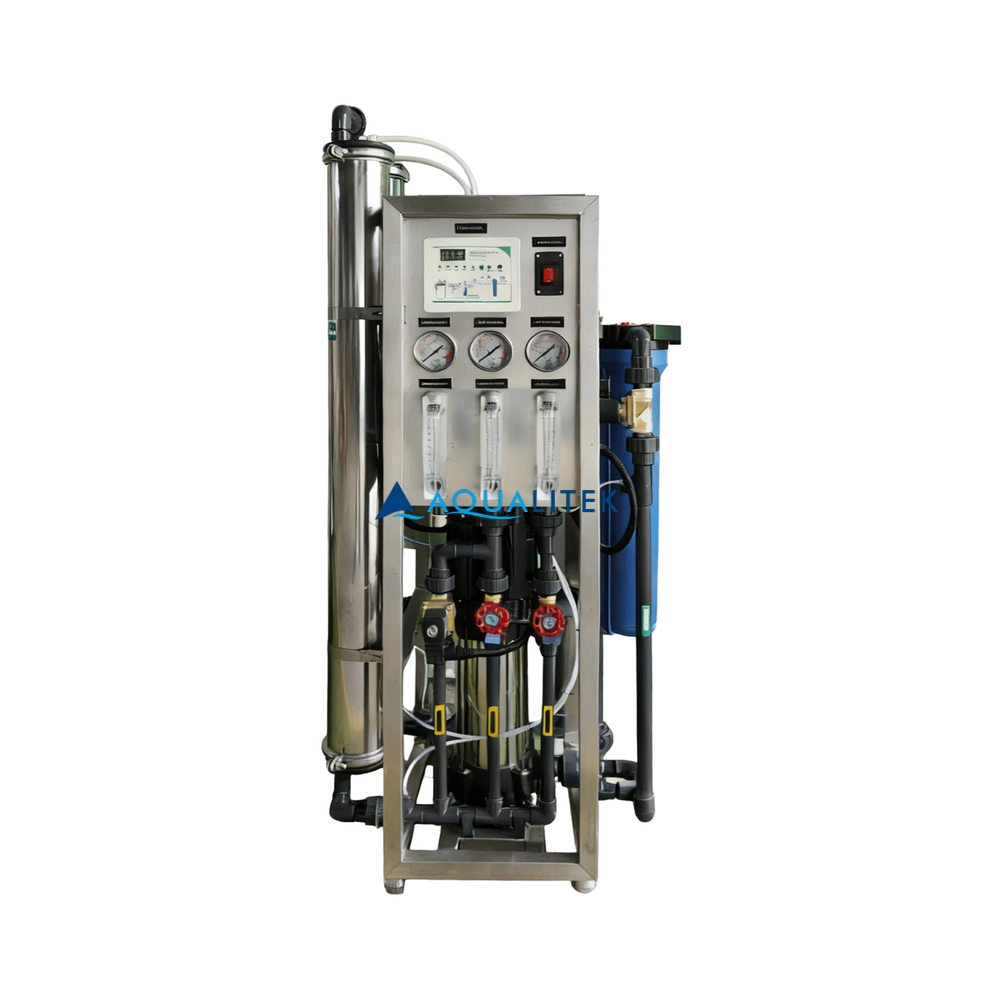
TWV series Reverse Osmosis (RO) systems are pre-engineered and pre-assembled units with 2.5”/4” membrane housings(single element type)for tap water(lower TDS).They are designed for overall superior performance, high recovery rates and offer great savings with low maintenance and operation costs.
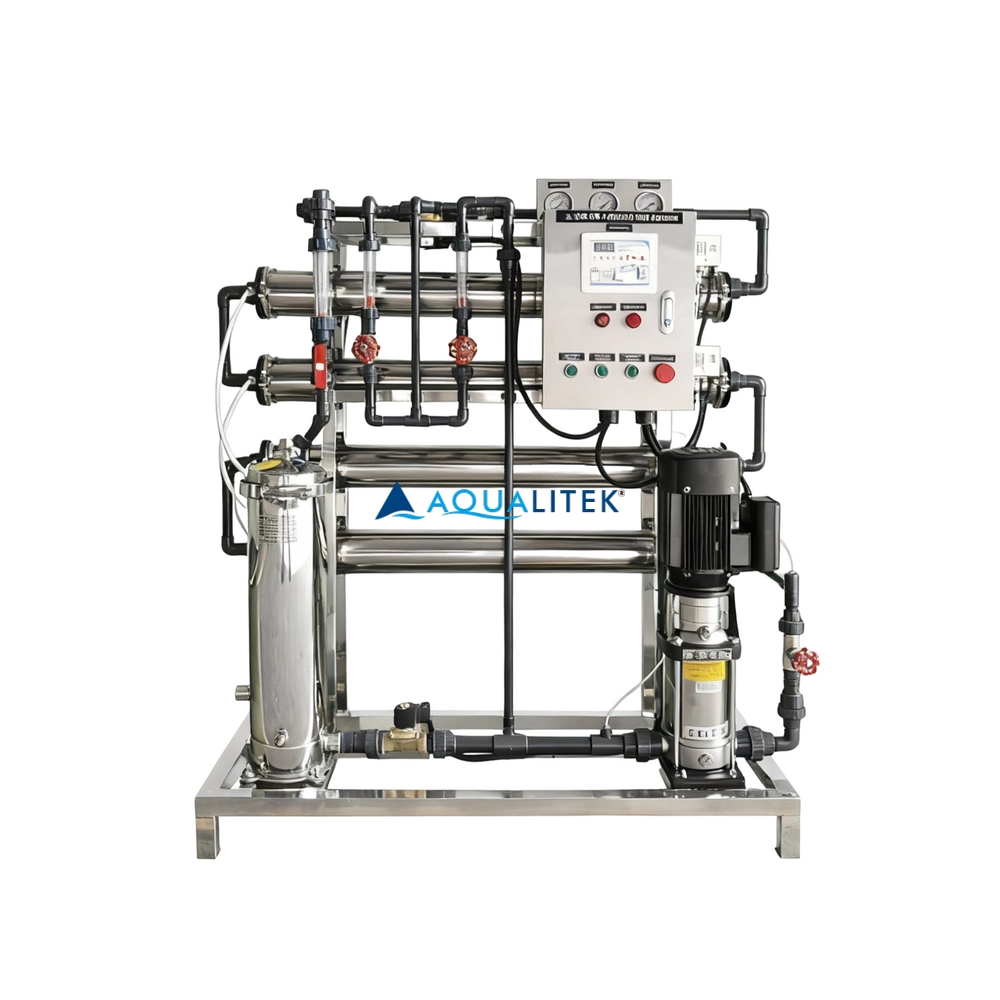
TWF series Reverse Osmosis (RO) systems are pre-engineered and pre-assembled units with 4” membrane housings(multiple elements type) for tap water(lower TDS) .The medium large volumes can help meet your a variety of commercial and industrial applications. They are designed for overall superior performance, high recovery rates and offer great savings with low maintenance and operation costs.
© 2026 AQUALITEK. All rights reserved.
AQUALITEK- Aimee Hoo
AQUALITEK - Aimee Hoo