




What Are the Main Causes of Rapid Flux Decline in SWRO Membranes? 12 Critical Reasons Explained | Best Troubleshooting Guide| Insights by AQUALITEK
Why does flux decline rapidly in SWRO membranes? Discover the main causes, diagnostic methods, and effective solutions to restore performance and extend membrane lifespan.
- What Are the Main Causes of Rapid Flux Decline in SWRO Membranes?
- 1. Colloidal Fouling (High SDI)
- 2. Biofouling (Microbial Growth)
- 3. Organic Fouling
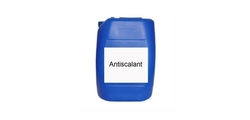
- 4. Inorganic Scaling
- 5. Over-High Operating Recovery
- 6. Excessive Flux Design
- 7. Membrane Compaction (High Pressure Operation)
- 8. Inadequate Chemical Cleaning (CIP Failure)
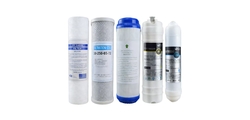
- 9. Cartridge Filter Failure
- 10. Algae Bloom Events
- 11. Chemical Damage
- 12. Hydraulic Maldistribution
- How to Diagnose the Root Cause
- Step 1: Normalized Data
- Step 2: Fouling Pattern Analysis
- Step 3: Membrane Autopsy (If Necessary)
- How to Prevent Rapid Flux Decline
- Economic Impact of Rapid Flux Decline
- Conclusion
What Are the Main Causes of Rapid Flux Decline in SWRO Membranes?
Rapid flux decline in seawater reverse osmosis (SWRO) membranes is one of the most serious operational challenges in desalination plants.
When permeate flow drops quickly, it leads to:
•Increased operating pressure
•Higher energy consumption
•Frequent chemical cleaning
•Reduced membrane lifespan
•Production instability
Understanding the root causes of rapid flux decline is essential for maintaining stable plant performance.
This article provides a complete technical breakdown of the 12 most critical causes, along with practical diagnostic guidance.
1. Colloidal Fouling (High SDI)
One of the most common reasons for rapid flux decline is insufficient pretreatment resulting in high SDI.
Fine particles accumulate on the membrane surface, forming a compact layer that:
•Increases hydraulic resistance
•Reduces permeate flow
•Raises differential pressure
If SDI15 > 3–5, flux decline can accelerate dramatically.
2. Biofouling (Microbial Growth)
Biofouling is often the fastest and most aggressive cause of flux reduction.
Microorganisms:
•Attach to membrane surfaces
•Produce extracellular polymeric substances (EPS)
•Form thick biofilm layers
Consequences:
•Sharp pressure drop increase
•Severe flux decline
•Difficult cleaning
Biofouling can reduce flux by 20–40% within weeks if uncontrolled.
3. Organic Fouling
Natural organic matter (NOM), humic substances, and dissolved organics can:
•Adsorb onto membrane surfaces
•Block pores
•Interact with divalent ions
This results in gradual but sometimes rapid permeability loss.
4. Inorganic Scaling
Scaling occurs when salt concentrations exceed solubility limits.
Common scaling salts:
•Calcium carbonate
•Calcium sulfate
•Barium sulfate
•Strontium sulfate
Scaling:
•Physically blocks membrane pores
•Causes irreversible permeability loss
Improper antiscalant dosing is a frequent root cause.
5. Over-High Operating Recovery
Excessive recovery:
•Increases concentration polarization
•Raises scaling risk
•Accelerates fouling
Typical SWRO recovery should remain around:
40–45% (single pass)
Higher recovery often leads to faster flux decline.
6. Excessive Flux Design
Operating membranes above recommended flux limits causes:
•Accelerated fouling deposition
•Membrane compaction
•Increased salt passage
High flux design may initially boost output but shortens membrane life significantly.
7. Membrane Compaction (High Pressure Operation)
Long-term high pressure compresses the membrane structure, leading to:
•Reduced permeability
•Permanent flux loss
•Increased energy demand
Compaction is gradual but cumulative.
8. Inadequate Chemical Cleaning (CIP Failure)
If cleaning is:
•Delayed
•Incorrectly formulated
•Performed at wrong pH
•Conducted at improper temperature
Fouling becomes compacted and harder to remove.
Result:
Irreversible flux decline.
9. Cartridge Filter Failure
If security filters:
•Are overloaded
•Rupture internally
•Are bypassed
Particles directly enter RO vessels, causing sudden fouling events.
10. Algae Bloom Events
Seasonal red tides or algae blooms can dramatically increase:
•Organic load
•Colloidal concentration
•Biofouling risk
Without pretreatment adjustment, rapid flux decline is almost unavoidable.
11. Chemical Damage
Exposure to:
•Chlorine
•Ozone
•Strong oxidants
Can damage membrane polymer structure, reducing permeability and rejection.
12. Hydraulic Maldistribution
Uneven flow inside pressure vessels may result from:
•Damaged spacers
•Poor element loading
•Channeling
This causes localized fouling and rapid performance loss.
How to Diagnose the Root Cause
When flux declines rapidly, check:
Step 1: Normalized Data
•Normalized permeate flow
•Normalized salt rejection
•Differential pressure trend
Step 2: Fouling Pattern Analysis
|
Symptom |
Likely Cause |
|
DP increases rapidly |
Colloidal/biofouling |
|
Salt rejection stable, flux drops |
Fouling/scaling |
|
Salt rejection drops |
Chemical damage |
|
Sudden event |
Cartridge failure |
Step 3: Membrane Autopsy (If Necessary)
For severe cases, conduct:
•Visual inspection
•Element autopsy
•Fouling composition analysis
How to Prevent Rapid Flux Decline
1. Maintain SDI ≤ 3
2. Control biofouling with proper disinfection & dechlorination
3. Optimize antiscalant dosing
4. Operate within design flux limits
5. Implement predictive cleaning strategies
6. Use real-time monitoring & normalization software
Economic Impact of Rapid Flux Decline
Flux decline leads to:
•10–25% higher energy cost
•30–50% shorter membrane life
•Increased downtime
Early detection and control can significantly improve ROI.
Conclusion
Rapid flux decline in SWRO membranes is usually caused by a combination of:
•Colloidal fouling
•Biofouling
•Scaling
•Excessive operating stress
By optimizing pretreatment, maintaining design parameters, and applying intelligent monitoring, desalination plants can dramatically improve membrane stability and reduce operational costs.
Understanding the true root cause is the key to sustainable high-performance desalination.


Request More Information or Expert Advice
Share a few details, and we’ll provide deeper insights, tailored suggestions, or product support.
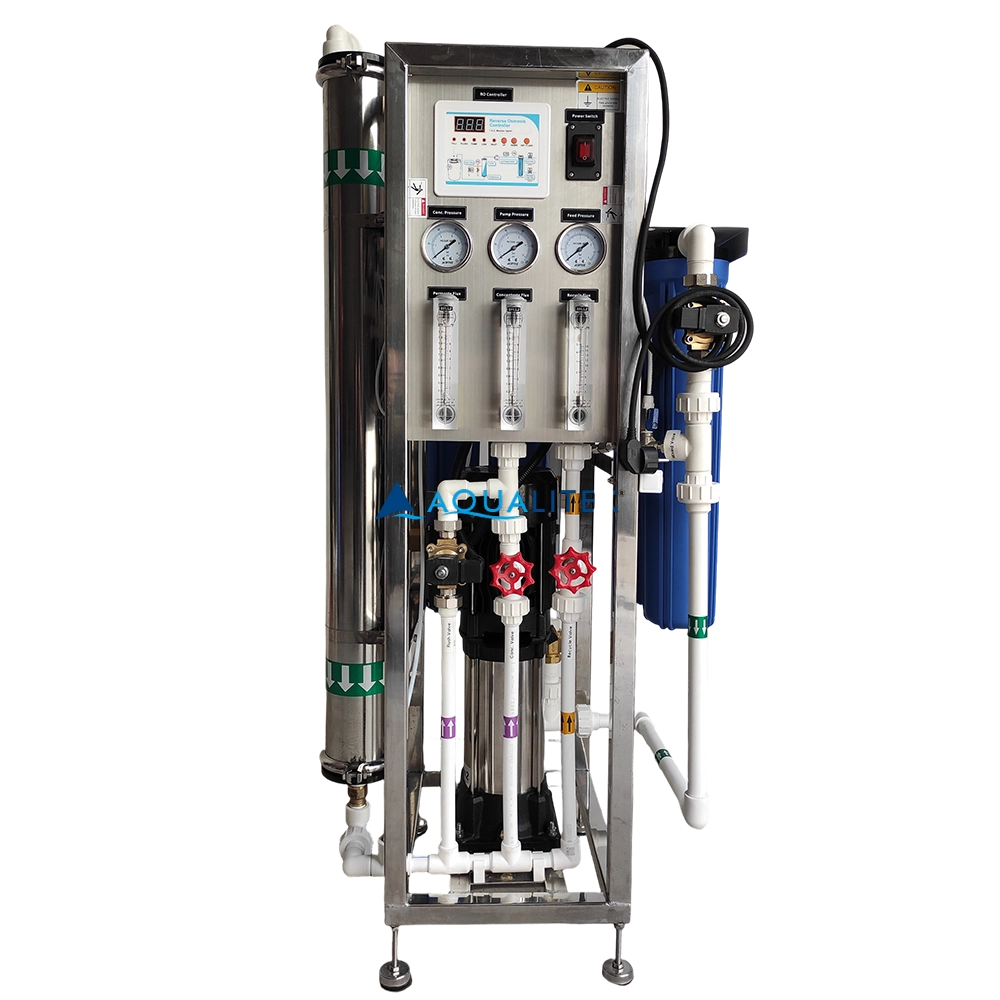
Our 500 LPH Reverse Osmosis (RO) System is engineered to provide high-quality purified water for commercial applications. Designed with advanced RO technology, durable components, and a user-friendly interface, this system ensures consistent performance, low maintenance, and long-term reliability.
With its compact design and robust skid-mounted frame, it’s an excellent choice for businesses that demand efficiency and quality in water purification.
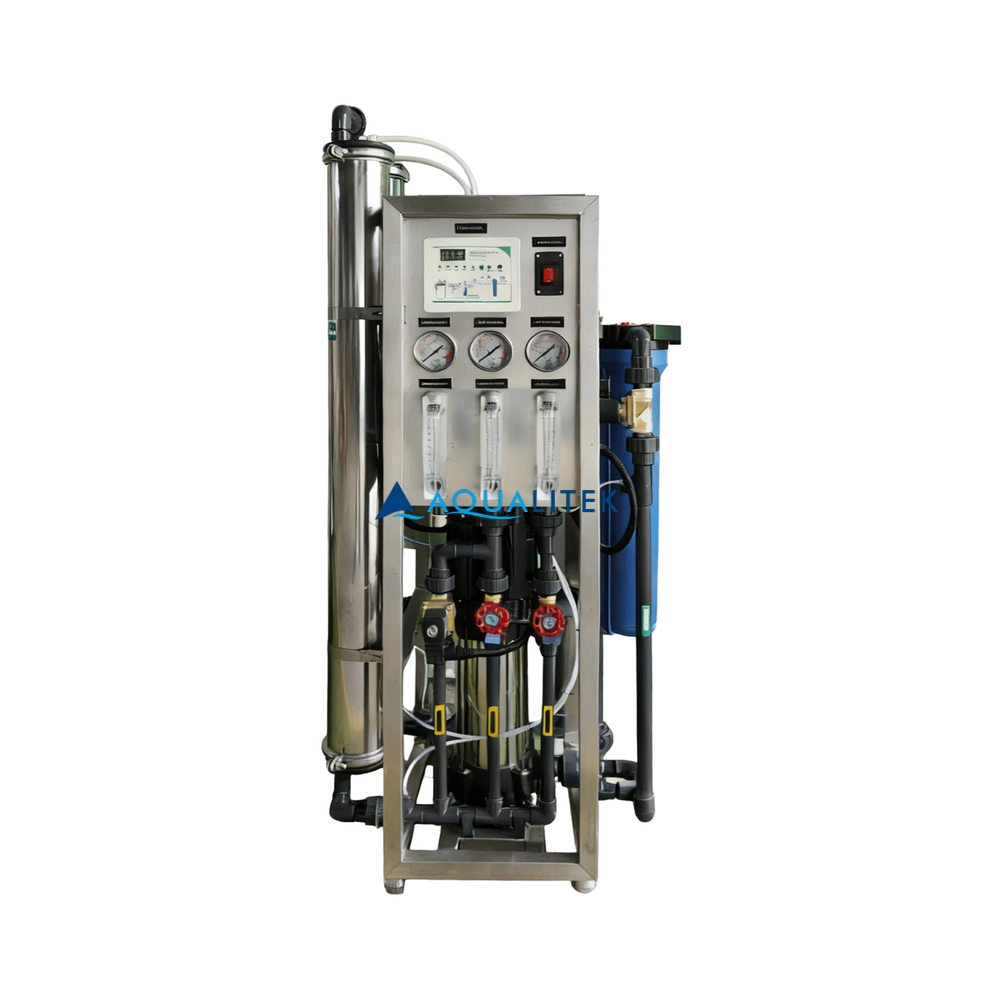
TWV series Reverse Osmosis (RO) systems are pre-engineered and pre-assembled units with 2.5”/4” membrane housings(single element type)for tap water(lower TDS).They are designed for overall superior performance, high recovery rates and offer great savings with low maintenance and operation costs.
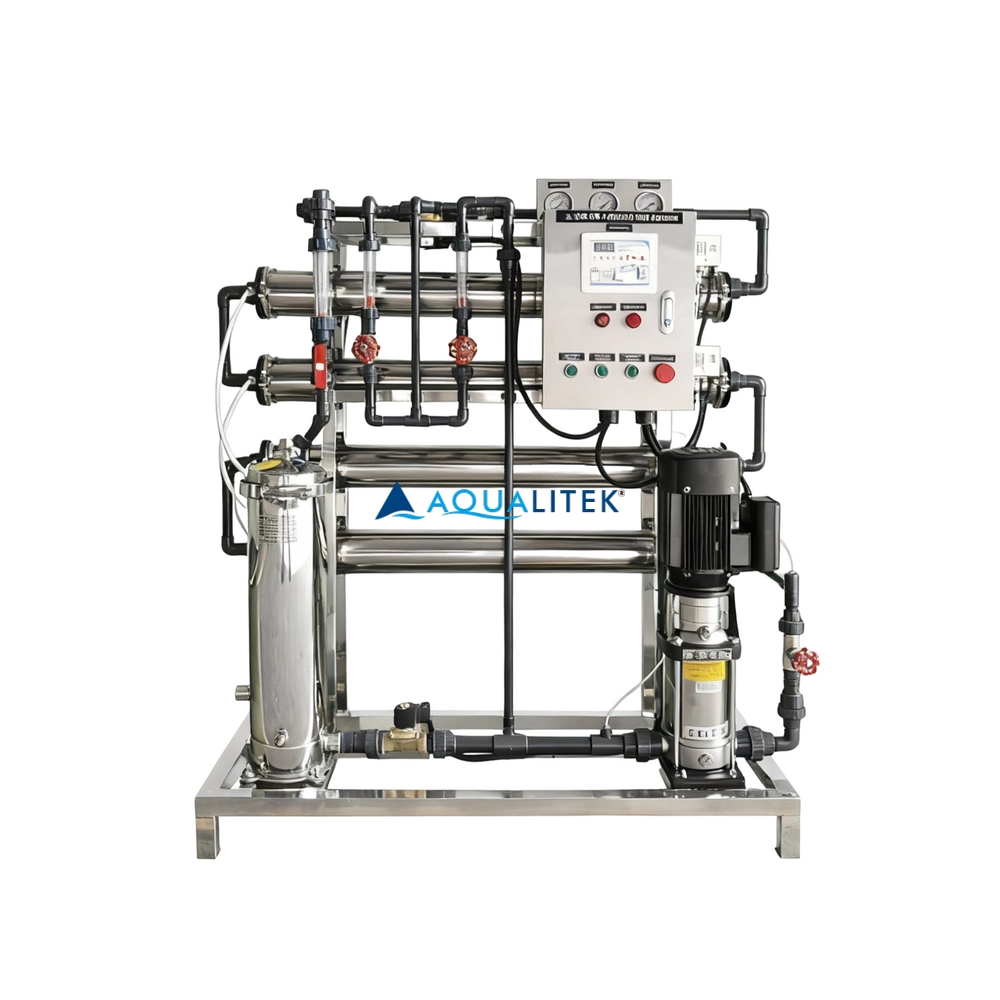
TWF series Reverse Osmosis (RO) systems are pre-engineered and pre-assembled units with 4” membrane housings(multiple elements type) for tap water(lower TDS) .The medium large volumes can help meet your a variety of commercial and industrial applications. They are designed for overall superior performance, high recovery rates and offer great savings with low maintenance and operation costs.

TWE series Reverse Osmosis (RO) systems are pre-engineered and pre-assembled units with 8” membrane housings for tap water (lower TDS). The large volumes can help meet your a variety of industrial applications. They are designed for overall superior performance, high recovery rates and offer great savings with low maintenance and operation costs.
© 2026 AQUALITEK. All rights reserved.
AQUALITEK- Aimee Hoo
AQUALITEK - Aimee Hoo