




Selecting the Right Commercial RO System for High-Capacity Needs
- Understanding Capacity Needs and System Sizing
- Key metrics to evaluate before selecting a system
- How to calculate raw water demand and margin
- Understanding recovery, concentrate handling and environmental constraints
- Design Features that Impact Performance and Cost
- Membrane selection and high salt rejection
- Energy recovery and efficiency considerations
- Automation, PLC control and remote monitoring
- Installation, Operation and Lifecycle Considerations
- Pre-treatment and fouling management
- Maintenance, staffing and remote support
- Total cost of ownership (TCO) and scalability
- Why Choose 30TPH Industrial Reverse Osmosis (RO) System
- Key specifications and configurable options
- Compliance, certifications and performance guarantees
- Case studies, commissioning and after-sales support
- Comparative Analysis: System Options for High-Capacity Needs
- Practical Checklist When Evaluating Commercial RO Systems
- Site and feedwater verification
- Performance and warranty expectations
- Operational readiness and training
- Brand Advantages and Why Supplier Selection Matters
- Frequently Asked Questions (FAQ)
- Q: What makes a system “commercial” versus industrial?
- Q: How do I determine if 30TPH is the right capacity?
- Q: What are typical operating costs for a large RO system?
- Q: How often do membranes need replacing?
- Q: Are there environmental regulations for concentrate disposal?
- Contact Sales / View Product
The growing demand for reliable, high-quality water in industrial and municipal settings makes selecting the right commercial reverse osmosis system a strategic decision. This guide explains how to evaluate capacity, efficiency, and long-term performance so you can match a large-scale RO solution to your process, regulatory, and budget needs.
Understanding Capacity Needs and System Sizing
Key metrics to evaluate before selecting a system
When choosing a commercial reverse osmosis system, start with clear definitions of required production (e.g., cubic meters per hour or tons per day), water quality targets (TDS, specific ion limits), and continuous vs. batch operation. For high-capacity installations, stakeholders must quantify peak demand, average daily consumption, and redundancy requirements. Important metrics include:
- Per-hour or per-day product flow (e.g., 30 TPH = 30 tons/hour).
- Feedwater TDS and composition (chloride, sulfate, silica, iron, hardness).
- Recovery rate (percentage of feedwater converted to permeate).
- Salt rejection rate (%) of the membrane.
Reliable data on feedwater quality can be obtained from periodic lab analyses or continuous monitoring. Industry references like the reverse osmosis overview on Wikipedia and guidance from the U.S. EPA provide background on RO principles and water quality considerations.
How to calculate raw water demand and margin
Calculate raw water demand by dividing required permeate flow by the expected recovery rate. Example: to obtain 30 tons/hour permeate at a 75% recovery rate, feedwater flow needs to be 40 tons/hour. Always include margin for contingencies (10–20%) and plan for peak loads. For continuous processes or critical municipal supplies, design with N+1 redundancy to permit maintenance without service interruption.
Understanding recovery, concentrate handling and environmental constraints
High recovery reduces feed water needs but concentrates brine, which increases fouling risk and disposal volume. Evaluate local discharge regulations and brine disposal options (evaporation ponds, deep well injection, or treatment for zero liquid discharge). For municipal or industrial projects, consult regional guidance such as materials from the International Water Association (IWA) on wastewater management and brine handling.
Design Features that Impact Performance and Cost
Membrane selection and high salt rejection
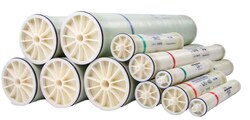
Membrane type and element configuration determine salt rejection, flux, and fouling susceptibility. Polyamide thin-film composite membranes are common for high-rejection applications. Choose membranes rated for your feedwater chemistry and expected operating pressures. High salt rejection (>99%) ensures permeate quality for industrial processes and municipal standards, but membranes with greater rejection often require higher operating pressure; balance rejection with energy and maintenance implications.
Energy recovery and efficiency considerations
Energy use is a major operational expense for commercial reverse osmosis system operation. For large-capacity systems, implement energy-recovery devices (ERDs) such as pressure exchangers or turbochargers to recover pressure from RO concentrate and reduce specific energy consumption. Modern high-capacity systems can achieve significant reductions in kWh/m3 with properly engineered ERDs and pump selections. Compare systems on specific energy consumption and expected savings over project life.
Automation, PLC control and remote monitoring
Automation reduces operator burden and improves repeatability. PLC control with historian logging enables trend analysis, alarm handling, and optimized cleaning cycles. Remote monitoring and SCADA integration allow early detection of fouling, scaling events, or feed changes. Look for features like automated backwash, CIP (clean-in-place) sequencing, and predictive maintenance alerts. The 30TPH Industrial Reverse Osmosis (RO) System offers PLC control and customizable configuration to integrate into existing plant controls.
Installation, Operation and Lifecycle Considerations
Pre-treatment and fouling management
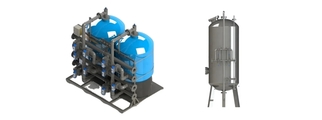
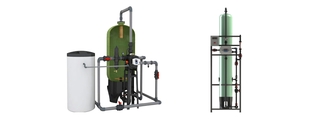
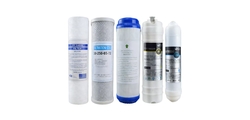
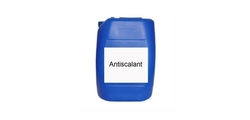
Robust pre-treatment is essential for long-term RO performance. Typical pre-treatment includes multimedia filtration, water softening or anti-scalant dosing, cartridge filtration, and oxidation/iron removal when necessary. Without correct pre-treatment, membranes suffer reduced life and increased cleaning frequency. Use compatibility charts from membrane manufacturers and industry guidance (e.g., fouling control best practices from reputable water industry bodies) to design an appropriate pre-treatment train.
Maintenance, staffing and remote support
High-capacity systems require a documented maintenance plan: periodic membrane integrity checks, frequent monitoring of differential pressure across cartridges and membranes, scheduled CIP intervals, and spare parts stocking (membranes, pressure vessels, pumps, valves). For many operators, partnering with a supplier that provides training, remote diagnostics, and service contracts reduces downtime risk. Evaluate supplier response times, availability of local technicians, and remote-support capabilities.
Total cost of ownership (TCO) and scalability
TCO includes capital cost, energy, chemical use, labor, maintenance, membrane replacement, and disposal. When comparing systems, build a 10–15 year TCO model. Consider modular or skid-mounted designs that enable capacity ramp-up by adding parallel skids rather than replacing the entire plant. Scalability and modularity reduce initial capital while enabling future expansion.
Why Choose 30TPH Industrial Reverse Osmosis (RO) System
Product overview
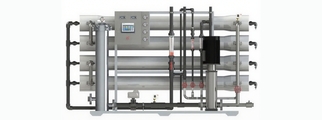
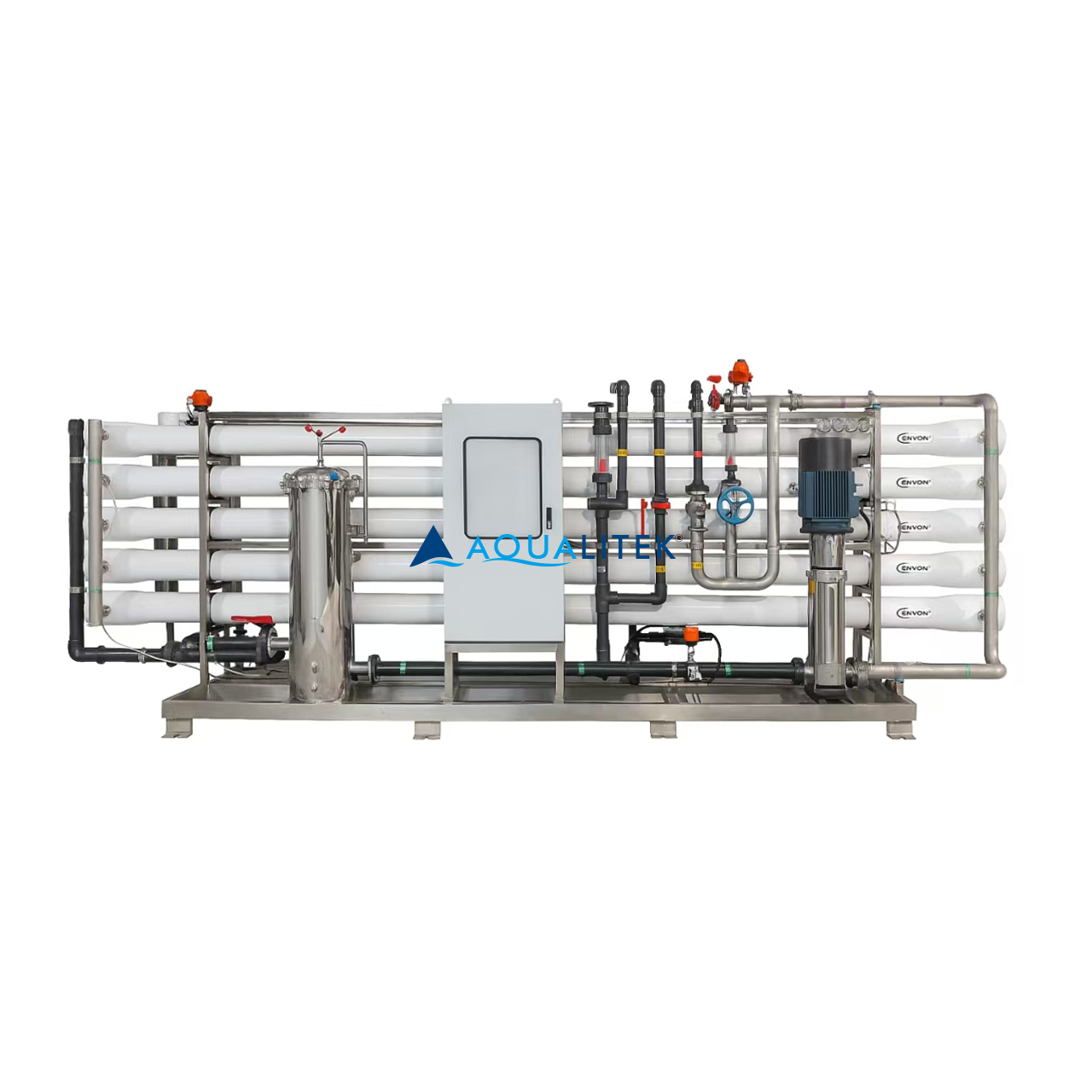
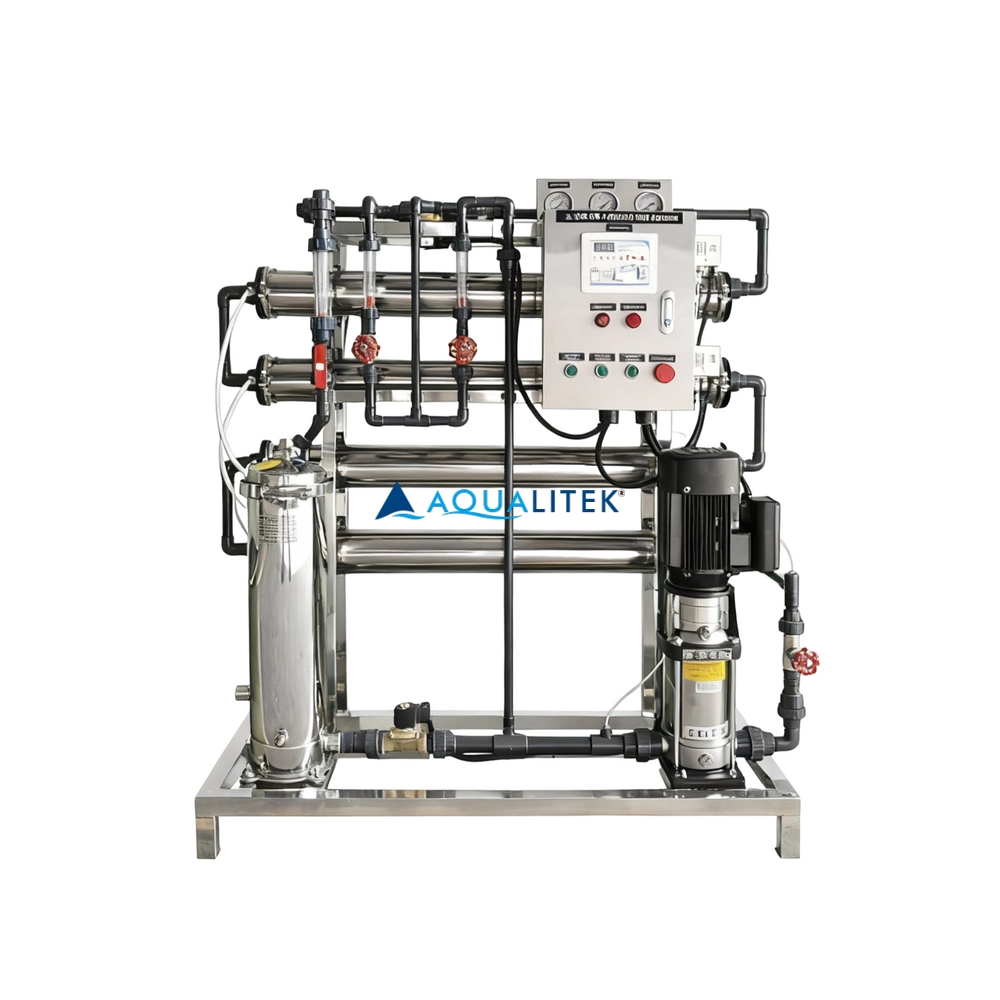
30TPH Industrial Reverse Osmosis (RO) System designed for industrial and municipal water treatment. High salt rejection, energy-efficient design, PLC control, and customizable configuration.
Key specifications and configurable options
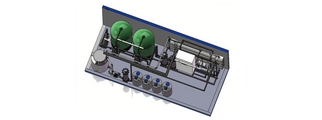
The 30TPH Industrial Reverse Osmosis (RO) System is engineered for continuous high-flow applications with features that include high salt rejection membranes, energy-recovery options, PLC-based automation, and modular skids for phased expansion. Typical configurable parameters include membrane type, recovery target, number of pressure vessels, and integration of pre-treatment modules (e.g., multimedia filters, softeners, dosing systems).
Compliance, certifications and performance guarantees
Ensure the selected commercial reverse osmosis system meets relevant standards (material certifications, pressure vessel codes) and that the supplier provides performance guarantees for permeate quality and flow. For municipal projects, check for compliance with local drinking water standards and treatment regulations. Suppliers should provide factory acceptance testing (FAT) and site acceptance testing (SAT) documentation.
Case studies, commissioning and after-sales support
Ask for case studies that demonstrate performance in similar feedwater and capacity scenarios. A reliable supplier should provide commissioning support, operator training, and spare-part kits. Remote monitoring and long-term service agreements help preserve uptime for mission-critical operations.
Comparative Analysis: System Options for High-Capacity Needs
Below is a simplified comparison table to help decision-makers evaluate typical options. Values are illustrative — obtain vendor data for precise numbers.
| Characteristic | Standard Large RO Skid | 30TPH Industrial RO System | Modular Parallel Skids |
|---|---|---|---|
| Typical capacity | 5–20 m3/h | ~30 tons/hour (~720 m3/day) | Scalable per skid (e.g., 5–30 m3/h each) |
| Energy recovery | Optional | Available, optimized for high recovery | Depends on design; more complex with many skids |
| Automation | Basic PLC | Advanced PLC with remote monitoring | PLC per skid; central SCADA required |
| Typical CAPEX | Lower | Moderate to high (industrial grade) | Flexible; staged investment |
| Best for | Small plants | High-demand industrial/municipal | Phased expansion projects |
Practical Checklist When Evaluating Commercial RO Systems
Site and feedwater verification
Obtain representative feedwater samples and perform a full characterization: TDS, hardness, alkalinity, silica, iron, manganese, organics, turbidity, and microbiological parameters. This data drives pre-treatment and membrane selection.
Performance and warranty expectations
Request guaranteed permeate quality and production under specified feedwater conditions. Clarify warranty coverage for membranes, pressure vessels, and major components. Verify FAT and SAT procedures and acceptance criteria.
Operational readiness and training
Ensure vendor provides operator training, control logic documentation, spare parts lists, and a clear maintenance schedule. Confirm availability of remote diagnostics to reduce downtime risk.
Brand Advantages and Why Supplier Selection Matters
Choosing the right supplier for a commercial reverse osmosis system is as important as selecting the right technical specification. Key brand advantages to prioritize:
- Proven track record in industrial and municipal installations with documented case studies.
- Comprehensive service network for commissioning, spare parts, and emergency response.
- Clear TCO modeling and transparent performance guarantees.
- Engineering support for integration with plant controls and regulatory compliance documentation.
A reputable supplier will back the product with site-specific engineering, commissioning support and long-term service contracts, ensuring steady performance and predictable operating costs.
Frequently Asked Questions (FAQ)
Q: What makes a system “commercial” versus industrial?
A: Commercial generally refers to systems designed for business use—restaurants, hotels, laundries, and small municipal plants—while industrial often implies larger capacity, heavier-duty construction, and additional certifications. However, the terms overlap; the primary factor is capacity and design for duty cycle.
Q: How do I determine if 30TPH is the right capacity?
A: Match the system to peak and average demand, including future growth. If your continuous or peak demand approaches 30 tons/hour (or you need throughput in that range with redundancy), a 30TPH system may be ideal. Perform a site water audit and include margins for maintenance and growth.
Q: What are typical operating costs for a large RO system?
A: Operating costs include energy (pumps and ERDs), chemicals (anti-scalants, cleaning agents), membrane replacement, labor, and disposal. Specific energy consumption varies by design but is a major cost driver. Request vendor-specific kWh/m3 estimates and include them in a TCO model.
Q: How often do membranes need replacing?
A: Membrane life depends on feedwater quality and maintenance. With good pre-treatment and proper CIP, membranes can last 3–7 years or longer in some cases. Monitor normalized permeate flow and salt passage to predict end-of-life.
Q: Are there environmental regulations for concentrate disposal?
A: Yes. Local and national regulations govern brine disposal. Options include regulated discharge, deep well injection, evaporation ponds, or treatment to reduce volume (e.g., ZLD). Consult local authorities and environmental guidance from bodies like the IWA or regulatory agencies.
Contact Sales / View Product
If you need a high-capacity, reliable commercial reverse osmosis system, contact our technical sales team to discuss the 30TPH Industrial Reverse Osmosis (RO) System, request a site assessment, or schedule a demonstration. For detailed product specifications, performance guarantees, and turnkey solutions, email our sales team or view the product page.
References and further reading: Reverse osmosis — Wikipedia; EPA Water Research; International Water Association.
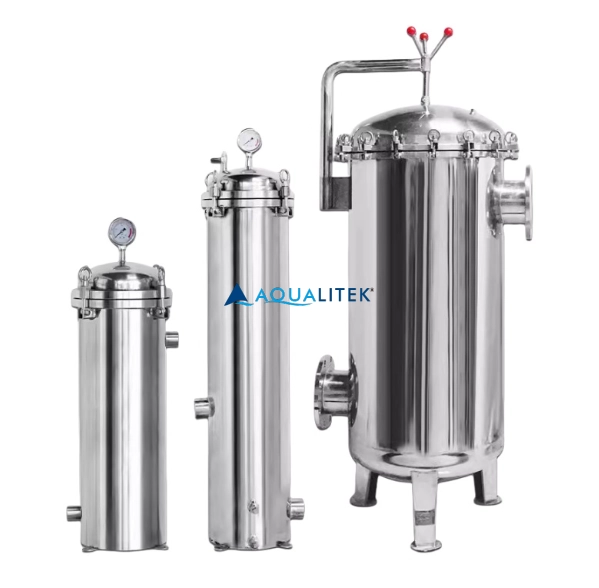
Compliance and Material Standards for Stainless Steel Filter Housings
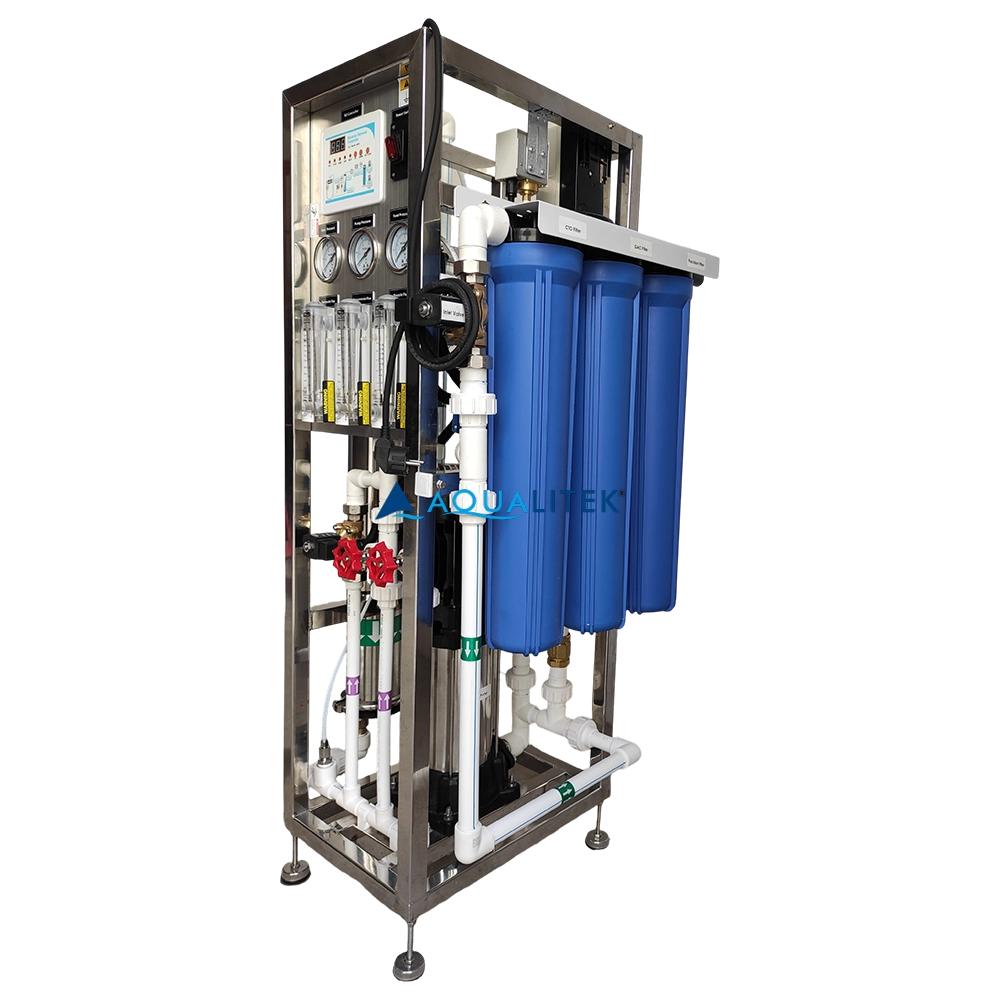
Installation Checklist for 500 LPH Reverse Osmosis TWV - 412
How to Test Your Water Before Installing a System
Top 10 water purification system Manufacturers and Supplier Brands
Solutions
What types of water treatment systems does AQT offer?
AQT provides a wide range of water purification solutions, including reverse osmosis (RO) systems, ultrafiltration (UF) systems, nanofiltration (NF) systems, deionization (DI) systems, electro-deionization (EDI) systems, chemical dosing systems, and water softeners. We also supply spare parts and components for water treatment systems.
Blog
How do I know when to add salt to my softener?
Check the brine tank monthly. Modern systems often alert you automatically when salt levels are low.
FAQ-aqualitek
Are AQT’s water treatment products certified?
Yes! Our products comply with international quality and safety standards, including ISO, CE, and NSF certifications. We prioritize high-quality materials, advanced technology, and strict quality control to ensure superior performance and reliability.
Membrane Water Treatment Systems
Do you offer plug-and-play solutions?
Absolutely. We offer containerized membrane systems that are factory-tested, compact, and quick to deploy.
Ion Exchange Water Treatment Systems
Are mixed bed systems better than two-bed systems?
Mixed bed polishers are used for final polishing after RO or two-bed deionization to achieve ultra-pure water.
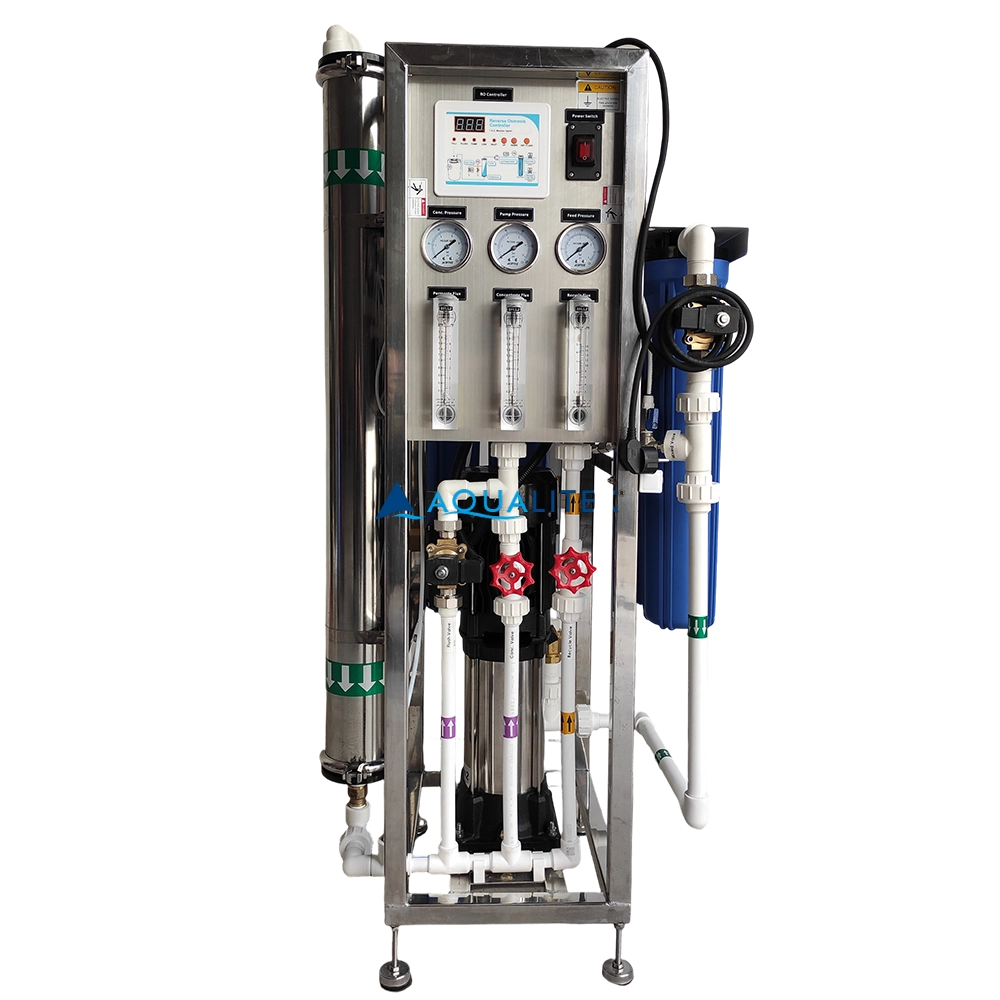
500 LPH Reverse Osmosis (RO) Water Purification Machine TWV - 412
Our 500 LPH Reverse Osmosis (RO) System is engineered to provide high-quality purified water for commercial applications. Designed with advanced RO technology, durable components, and a user-friendly interface, this system ensures consistent performance, low maintenance, and long-term reliability.
With its compact design and robust skid-mounted frame, it’s an excellent choice for businesses that demand efficiency and quality in water purification.
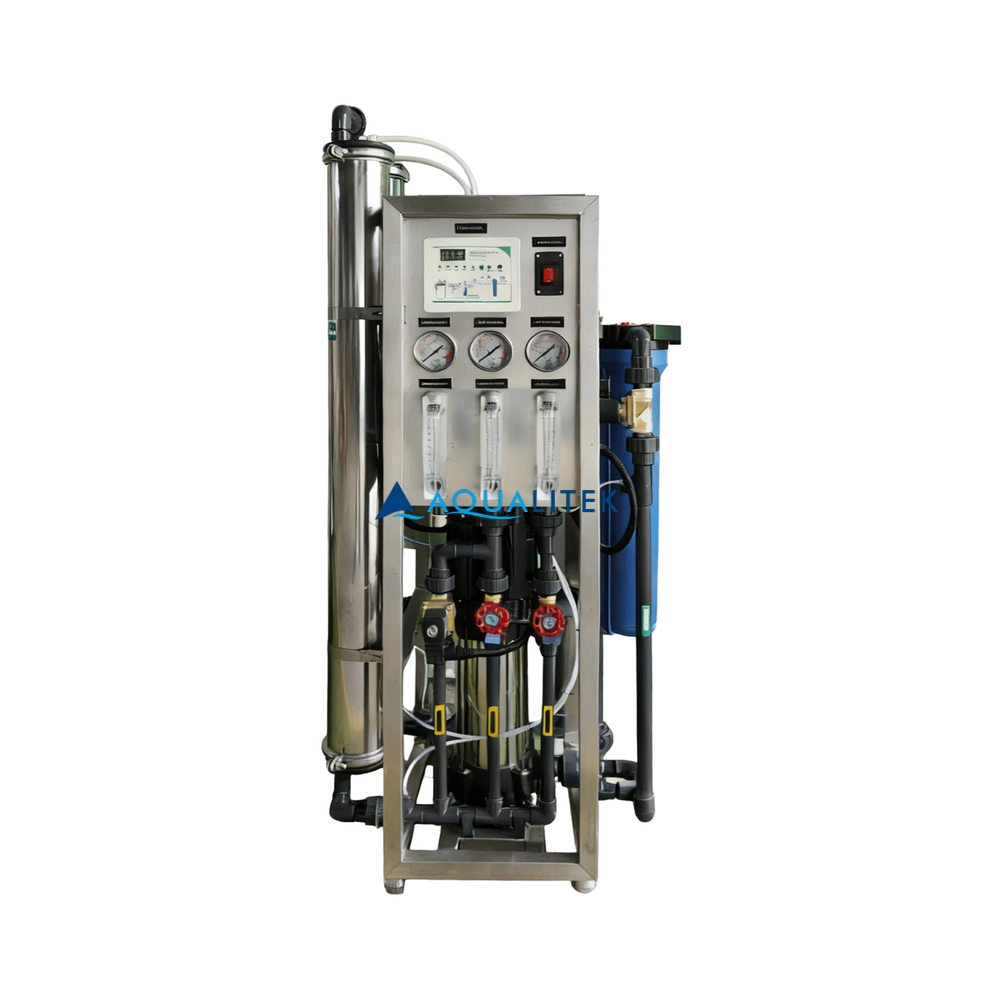
Tap Water Reverse Osmosis (TWRO) Systems TWV Series
TWV series Reverse Osmosis (RO) systems are pre-engineered and pre-assembled units with 2.5”/4” membrane housings(single element type)for tap water(lower TDS).They are designed for overall superior performance, high recovery rates and offer great savings with low maintenance and operation costs.
Tap Water Reverse Osmosis (TWRO) Systems TWF Series
TWF series Reverse Osmosis (RO) systems are pre-engineered and pre-assembled units with 4” membrane housings(multiple elements type) for tap water(lower TDS) .The medium large volumes can help meet your a variety of commercial and industrial applications. They are designed for overall superior performance, high recovery rates and offer great savings with low maintenance and operation costs.

Tap Water Reverse Osmosis (TWRO) Systems TWE Series
TWE series Reverse Osmosis (RO) systems are pre-engineered and pre-assembled units with 8” membrane housings for tap water (lower TDS). The large volumes can help meet your a variety of industrial applications. They are designed for overall superior performance, high recovery rates and offer great savings with low maintenance and operation costs.
Request More Information
Contact us today for product catalogs, customization options, and a free quotation designed for your business needs.
Rest assured that your privacy is important to us, and all information provided will be handled with the utmost confidentiality.
© 2026 AQUALITEK. All rights reserved.
AQUALITEK- Aimee Hoo
AQUALITEK - Aimee Hoo