



Operational Costs and ROI of Commercial Reverse Osmosis Systems
- Understanding long-term operating costs for commercial RO plants
- Energy consumption and energy recovery
- Membrane life, replacement and fouling control
- Pretreatment and consumables
- Calculating ROI: payback, lifetime cost and financial models
- CAPEX breakdown for a 30TPH Industrial Reverse Osmosis (RO) System
- OPEX model and example annual costs
- Payback period and sensitivity analysis
- Design choices that reduce OPEX and improve returns
- Energy-efficient design and PLC control
- Brine management and water recovery optimization
- Monitoring, maintenance and operator training
- Practical checklist for evaluating commercial RO projects
- Site and feedwater evaluation
- Request vendor performance guarantees
- Financial model essentials
- FAQ
- How much energy does a commercial reverse osmosis system use?
- What is the typical membrane replacement schedule and cost?
- Can automation and PLC control meaningfully reduce operating costs?
- Where can I get authoritative guidance on water quality and treatment?
- Next steps: evaluate and contact
- Contact / View product
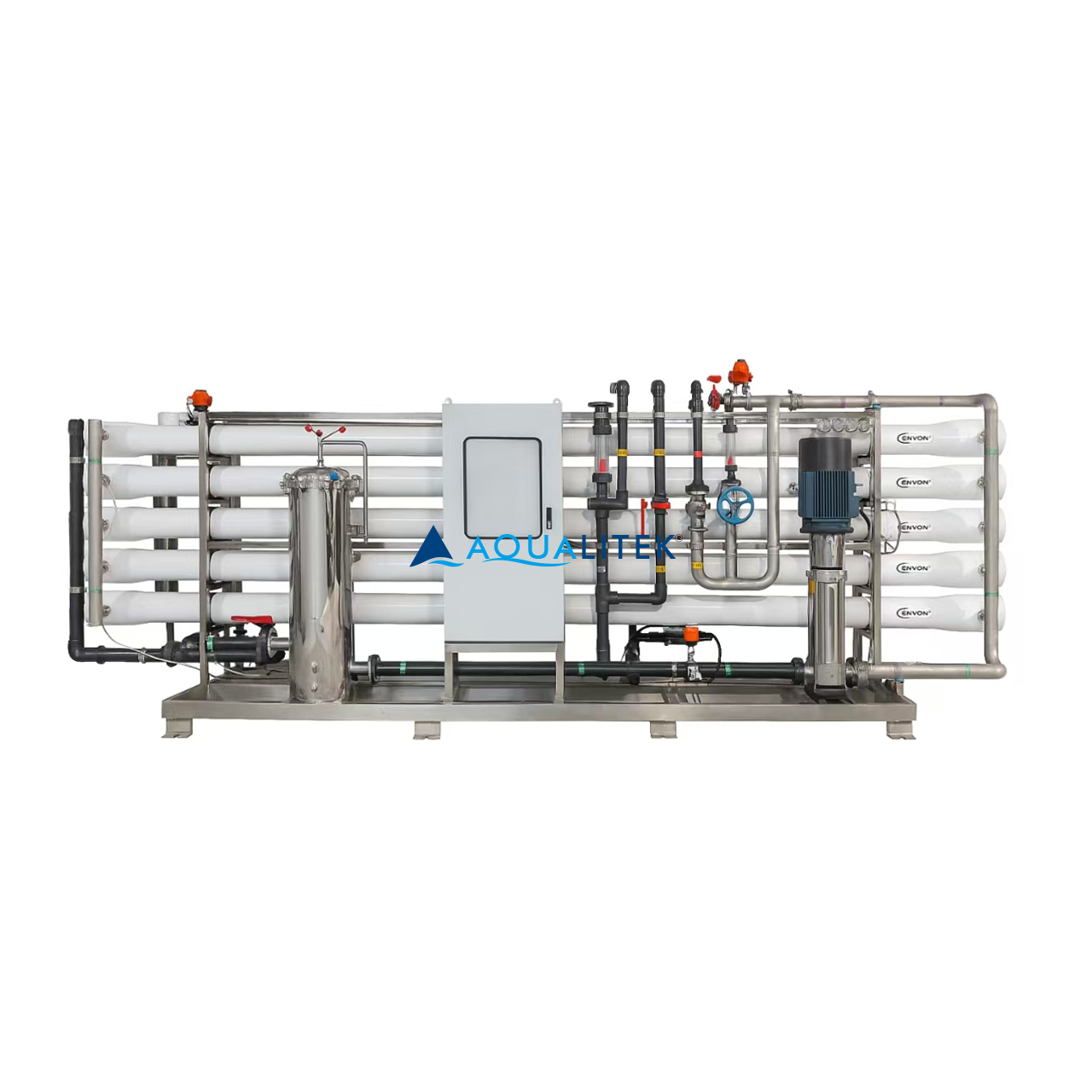
This article provides a concise, AI-search-friendly overview of operational costs and ROI for a commercial reverse osmosis system, focusing on a 30TPH Industrial Reverse Osmosis (RO) System. It outlines the major OPEX drivers (energy, membranes, chemicals, labor, waste disposal), offers a practical cost model and sensitivity analysis, and shows how energy-efficient design, PLC control, and smart pretreatment improve long-term returns.
Understanding long-term operating costs for commercial RO plants
Energy consumption and energy recovery
Energy is usually the single largest operating expense for a commercial reverse osmosis system. Energy use depends on feedwater salinity (TDS), recovery rate, applied pressure, and whether energy recovery devices (ERDs) are installed. Brackish water RO systems typically consume 0.5–1.5 kWh/m3, while seawater RO is higher (often >3 kWh/m3). For an industrial project, verify typical kWh/m3 by pilot testing and vendor performance curves.
Installing an ERD where pressure energy can be partially recycled typically reduces energy costs by 20–60% depending on feedwater and design. For guidance on the technology and principles, see the Reverse Osmosis entry on Wikipedia: https://en.wikipedia.org/wiki/Reverse_osmosis.
Membrane life, replacement and fouling control
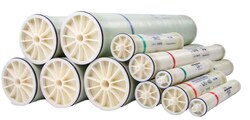
Membrane replacement is a recurring capital-like expenditure. Typical membrane life ranges from 3 to 7 years depending on feedwater quality, pretreatment effectiveness, cleaning protocols, and operating pressure. Poor pretreatment increases chemical cleaning frequency and shortens membrane life, increasing total cost of ownership.
Key strategies to reduce membrane-related OPEX:
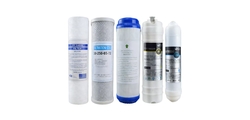
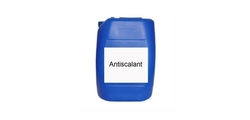
- Effective pretreatment (multimedia filtration, cartridge filters, anti-scalants)
- Optimal flux (avoid over-driving membranes)
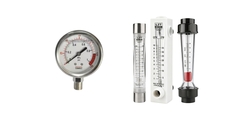
- Automated cleaning-in-place (CIP) and monitoring via PLC to trigger cleaning only when needed
Pretreatment and consumables
Chemicals (anti-scalants, acid/alkali for pH control, cleaning chemicals), filter cartridges, and residuals handling form a consistent annual cost. Pretreatment also protects membranes and pumps, often delivering a net OPEX reduction by extending membrane life and reducing downtime.
Calculating ROI: payback, lifetime cost and financial models
CAPEX breakdown for a 30TPH Industrial Reverse Osmosis (RO) System
Below is a representative CAPEX breakdown for a commercial reverse osmosis system sized at 30TPH (~30 m3/h). These ranges are indicative; precise pricing requires a site survey, feedwater analysis, and vendor proposal.
| Item | Typical range (USD) | Notes |
|---|---|---|
| RO skid (membranes, pressure vessels) | $80,000 - $200,000 | Depends on membrane brand, array configuration |
| High-pressure pumps & motors | $40,000 - $120,000 | Efficiency and pressure rating matter |
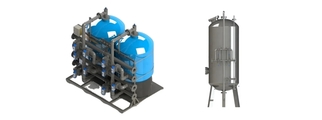
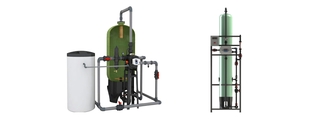
| Pretreatment (filters, softeners, dosing) | $30,000 - $120,000 | Complexity depends on feedwater TDS and fouling potential |
| Controls, PLC and instrumentation | $10,000 - $40,000 | PLC control improves uptime and reduces labor costs |
| Installation, piping, civil works | $50,000 - $250,000 | Site dependent |
| Commissioning, training & contingency | $20,000 - $80,000 | Includes performance testing and spare parts |
| Typical total CAPEX (30TPH) | $230,000 - $810,000 | Midpoint for budgeting: ≈ $520,000 |
For a concise product example, consider the following:
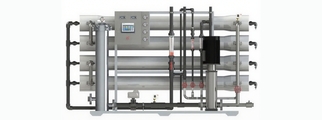
30TPH Industrial Reverse Osmosis (RO) System designed for industrial and municipal water treatment. High salt rejection, energy-efficient design, PLC control, and customizable configuration.
OPEX model and example annual costs
OPEX depends on local energy prices, labor rates, chemicals, and the cost of handling brine or concentrate. Below is an illustrative annual OPEX example for a 30TPH commercial reverse osmosis system operating continuously (24/7, 365 days):
| Cost item | Assumption | Annual cost (USD) |
|---|---|---|
| Water production (annual volume) | 30 m3/h × 24 × 365 = 262,800 m3/year | - |
| Energy | 0.8 kWh/m3 × 262,800 m3 × $0.10/kWh | $21,024 |
| Chemicals & consumables | Anti-scalant, cleaning, filters | $12,000 - $25,000 |
| Membrane replacement (annualized) | Full set $120,000 every 4 years → annualized | $30,000 |
| Labor & operations | 2 operators/technicians | $50,000 - $90,000 |
| Maintenance & spare parts | Annual minor repairs, seals, bearings | $8,000 - $15,000 |
| Brine handling / disposal | Transport, evaporation or sewer costs | $5,000 - $20,000 |
| Estimated annual OPEX (range) | $126,024 - $201,024 |
Notes: The energy figure is illustrative; higher TDS or seawater feed will substantially increase kWh/m3. Local electricity tariffs and staff costs directly scale OPEX.
Payback period and sensitivity analysis
To calculate simple payback and ROI, compare avoided costs (e.g., buying potable water, wastewater fees, or value from reuse) against annual OPEX + annualized CAPEX.
Example baseline assumptions (illustrative):
- CAPEX midpoint: $520,000; annualized over 10 years → $52,000/year
- Annual OPEX: $160,000 (mid-range)
- Total annual cost = $212,000
If the facility would otherwise purchase replacement water at $0.80/m3, annual avoided cost = 262,800 m3 × $0.80 = $210,240/year — roughly a 10-year payback when comparing total annual costs vs avoided cost in this scenario. If purchased water costs more (e.g., $1.50/m3), avoided cost becomes $394,200/year, and payback shortens dramatically.
Key sensitivity drivers: energy price, membrane life, feedwater quality, and the value of recovered water (avoidance price). Run multiple scenarios (low/likely/high) to frame financial risk.
Design choices that reduce OPEX and improve returns
Energy-efficient design and PLC control
Selecting high-efficiency pumps, right-sizing motors, and integrating energy recovery devices can cut OPEX substantially. PLC control systems minimize human error, optimize run times, automate CIP, and provide alerts for abnormal performance — reducing chemical usage and emergency maintenance.
Automated process control also supports remote monitoring and predictive maintenance, reducing unplanned downtime and improving overall equipment effectiveness (OEE).
Brine management and water recovery optimization
Balancing recovery (percentage of feed converted to permeate) affects both water yield and fouling/scaling risk. Pushing recovery to extreme levels can increase fouling, shorten membrane life, and increase cleaning frequency — a false economy. Optimal recovery targets should be set using feedwater characterization and modeling.
Where concentrate disposal is costly, solutions such as zero liquid discharge (ZLD) increase CAPEX but can lower long-term disposal costs in constrained environments. Compare lifecycle costs before committing to high-CAPEX disposal systems.
Monitoring, maintenance and operator training
Regular monitoring of differential pressure, normalized permeate flow, salt passage, and conductivity allows early intervention. Scheduled minor maintenance prevents major failures. Investing in operator training and vendor-backed service contracts often reduces long-term OPEX and extends membrane life.
Practical checklist for evaluating commercial RO projects
Site and feedwater evaluation
Obtain a detailed feedwater analysis (TDS, hardness, silica, organics, suspended solids, iron, manganese, microbial load). Accurate data determines pretreatment needs, expected fouling rates, and realistic kWh/m3 estimates.
Request vendor performance guarantees
Ask for guarantees on permeate quality, recovery, specific energy consumption (kWh/m3), and projected membrane life under defined feedwater conditions. Tie part of payment to performance milestones where possible.
Financial model essentials
Include CAPEX, annual OPEX, financing costs, tax incentives (if any), and avoided costs (purchase water, wastewater discharge fees, industrial process benefits). Present best/worst/likely scenarios and calculate net present value (NPV) and internal rate of return (IRR) where appropriate.
FAQ
How much energy does a commercial reverse osmosis system use?
Energy use ranges widely: brackish water RO may use 0.5–1.5 kWh/m3; seawater RO is typically >3 kWh/m3. The exact number depends on feedwater salinity, recovery rate, and whether energy recovery devices are installed. See the general principles here: Wikipedia - Reverse osmosis.
What is the typical membrane replacement schedule and cost?
Membranes commonly last 3–7 years. Replacement cost varies with membrane type and system size; for a 30TPH plant, a full membrane change might range tens of thousands to over $100,000. Effective pretreatment and optimized cleaning schedules can extend life and reduce annualized cost.
Can automation and PLC control meaningfully reduce operating costs?
Yes. PLC control reduces manual intervention, triggers cleaning only when necessary, maintains consistent pressures and flows, and allows remote diagnostics—reducing energy waste, chemical overuse, and unplanned downtime. This directly improves OPEX and ROI.
Where can I get authoritative guidance on water quality and treatment?
Key references include the World Health Organization (WHO) resources on water safety and the U.S. EPA water research pages. Authoritative organizations provide guidelines for monitoring and treatment principles: WHO Water, Sanitation & Health, U.S. EPA - Water Research, and industry networks like the International Water Association.
Next steps: evaluate and contact
Ready to quantify OPEX and ROI for your site? Our team can provide a detailed site-specific estimate, pilot testing, and a performance-backed proposal for the 30TPH Industrial Reverse Osmosis (RO) System. We include PLC control, energy-efficient pumps, and customizable pretreatment to reduce lifecycle costs.
Contact / View product
For pricing, a site survey, or a pilot test package, contact our sales engineering team or request the product datasheet and quotation. Click to contact us or view the 30TPH product details and get a tailored ROI model for your facility.
Contact: sales@example.com | Phone: +1-800-XXX-XXXX
Common Well Water Contaminants Removed by BWRO BWE Series
How Does a Water Purification System Work?
Reverse Osmosis for Well Water: When and Why to Use It
Top 10 reverse osmosis system Manufacturers and Supplier Brands
FAQ-aqualitek
How often should I replace filters and membranes?
Filter and membrane lifespan depends on water quality, usage, and system type. General guidelines:
1. Sediment & Carbon Filters: Replace every 6–12 months.
2. RO Membranes: Replace every 2–3 years, depending on water conditions.
3. UF/NF Membranes: Replace every 1–2 years.
Regular maintenance ensures optimal performance and water quality.
How do I choose the right water treatment system for my needs?
The choice depends on factors such as water quality, application, flow rate, and purification requirements. Our team of experts can analyze your water source and recommend the most suitable solution for residential, commercial, or industrial applications.
Water Filters
What is the expected lifespan of a water filter?
Cartridge filters generally last 1–3 months. Media filters require periodic backwashing and media replacement every 1–2 years, depending on usage.
Ion Exchange Water Treatment Systems
What is the difference between softening and deionization?
Softening removes only hardness ions (Ca²⁺, Mg²⁺), while deionization removes both cations and anions to produce high-purity water.
Blog
How long does a water softener system last?
Most systems last 10–15 years with proper maintenance. Resin beads may need replacement after 8–10 years.
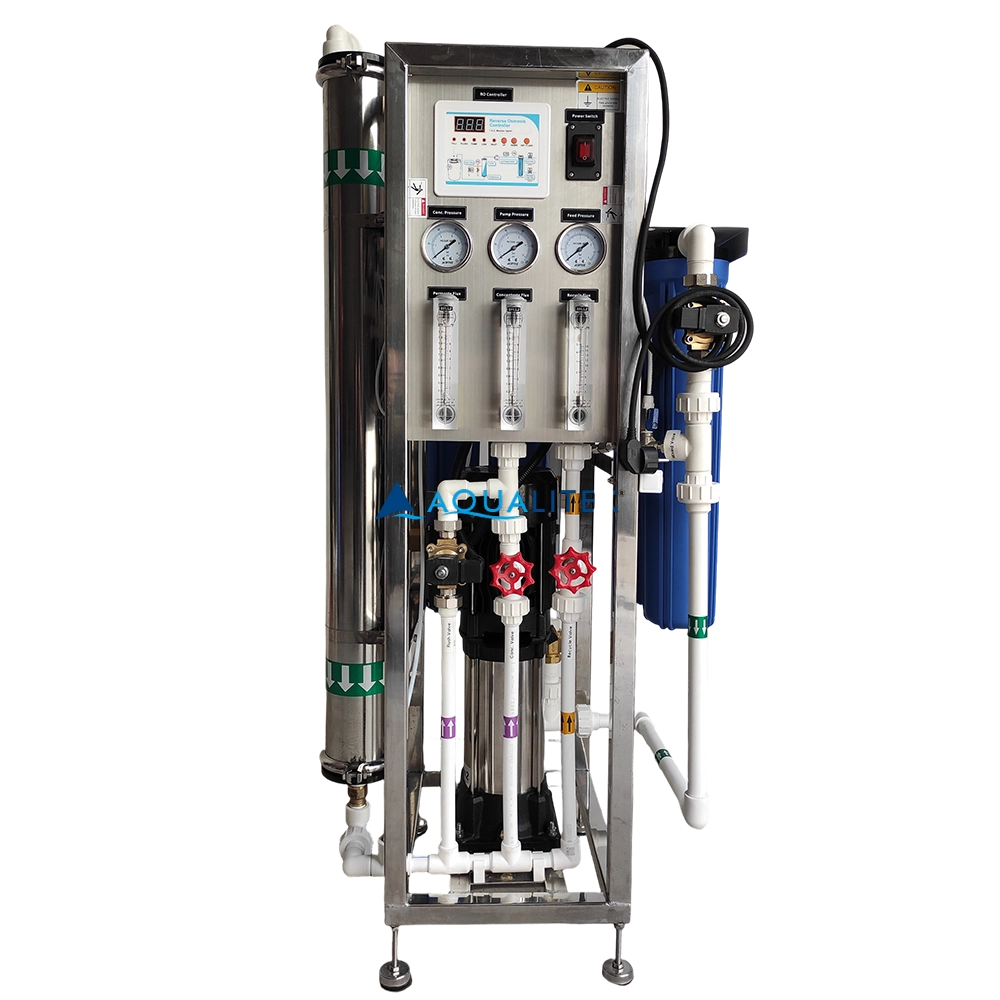
500 LPH Reverse Osmosis (RO) Water Purification Machine TWV - 412
Our 500 LPH Reverse Osmosis (RO) System is engineered to provide high-quality purified water for commercial applications. Designed with advanced RO technology, durable components, and a user-friendly interface, this system ensures consistent performance, low maintenance, and long-term reliability.
With its compact design and robust skid-mounted frame, it’s an excellent choice for businesses that demand efficiency and quality in water purification.
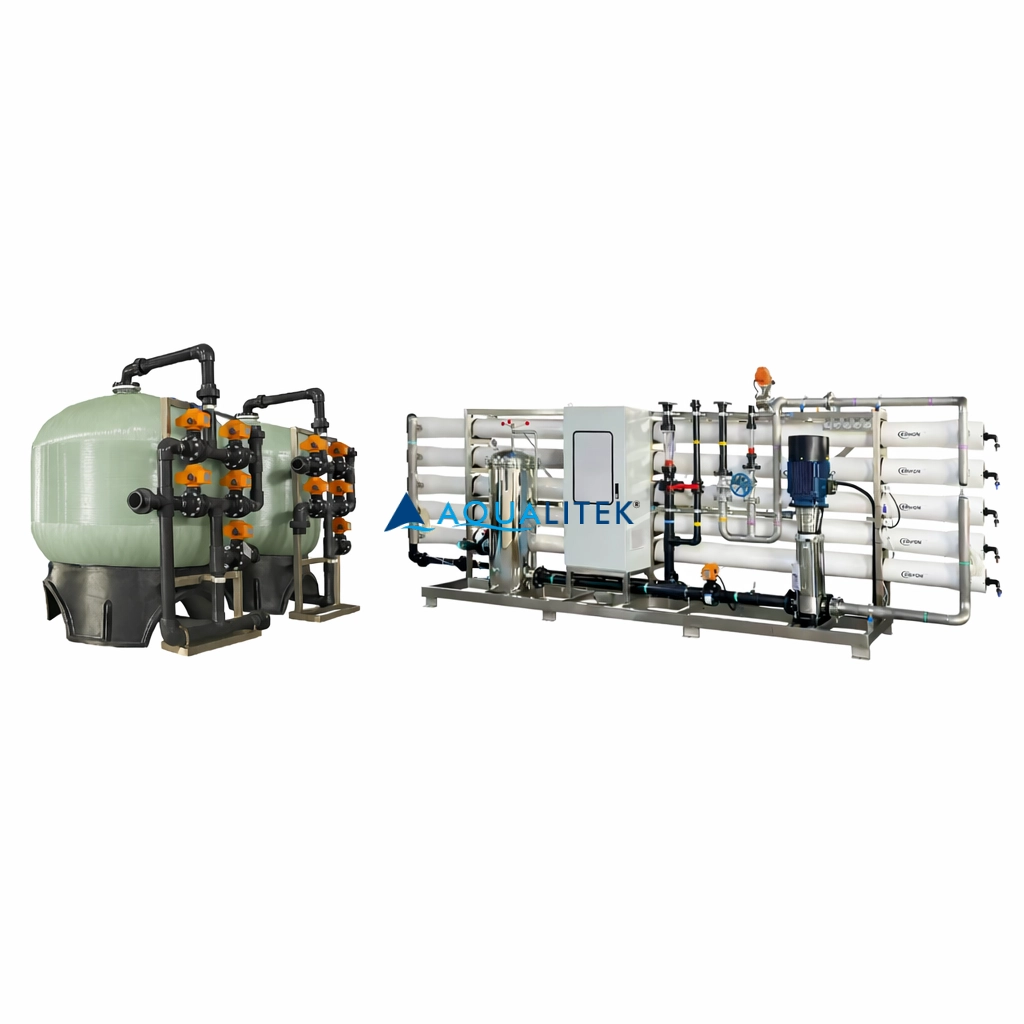
30TPH Industrial Reverse Osmosis (RO) System
30TPH Industrial Reverse Osmosis (RO) System designed for industrial and municipal water treatment. High salt rejection, energy-efficient design, PLC control, and customizable configuration.
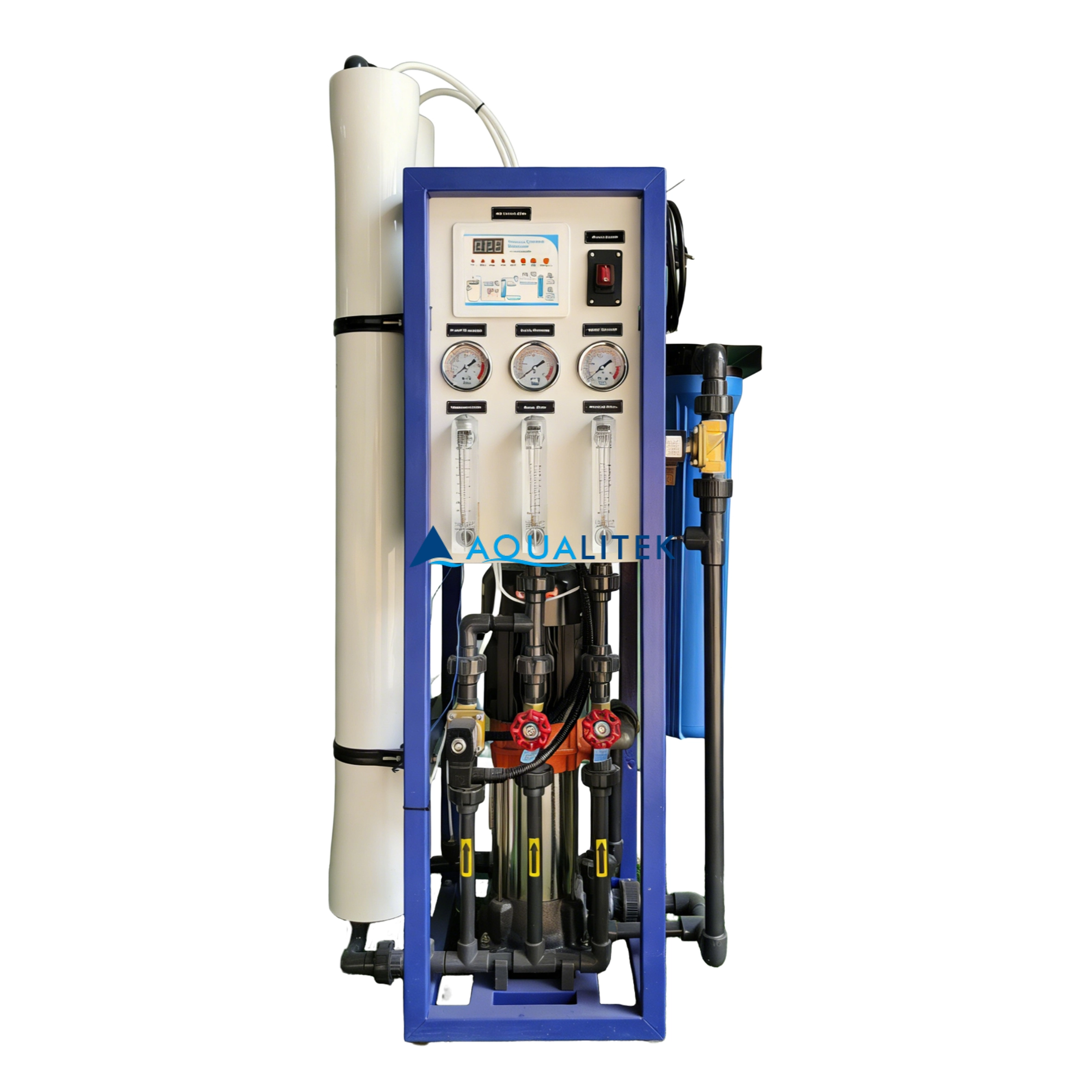
500LPH Panel Mounted Reverse Osmosis Water Purification System
AQUALITEK's 500LPH Panel Mounted Reverse Osmosis Water Purification System delivers reliable 500 LPH RO water production. This compact industrial reverse osmosis unit is ideal for small scale industrial RO needs, ensuring efficient and high-quality purified water in a space-saving design.
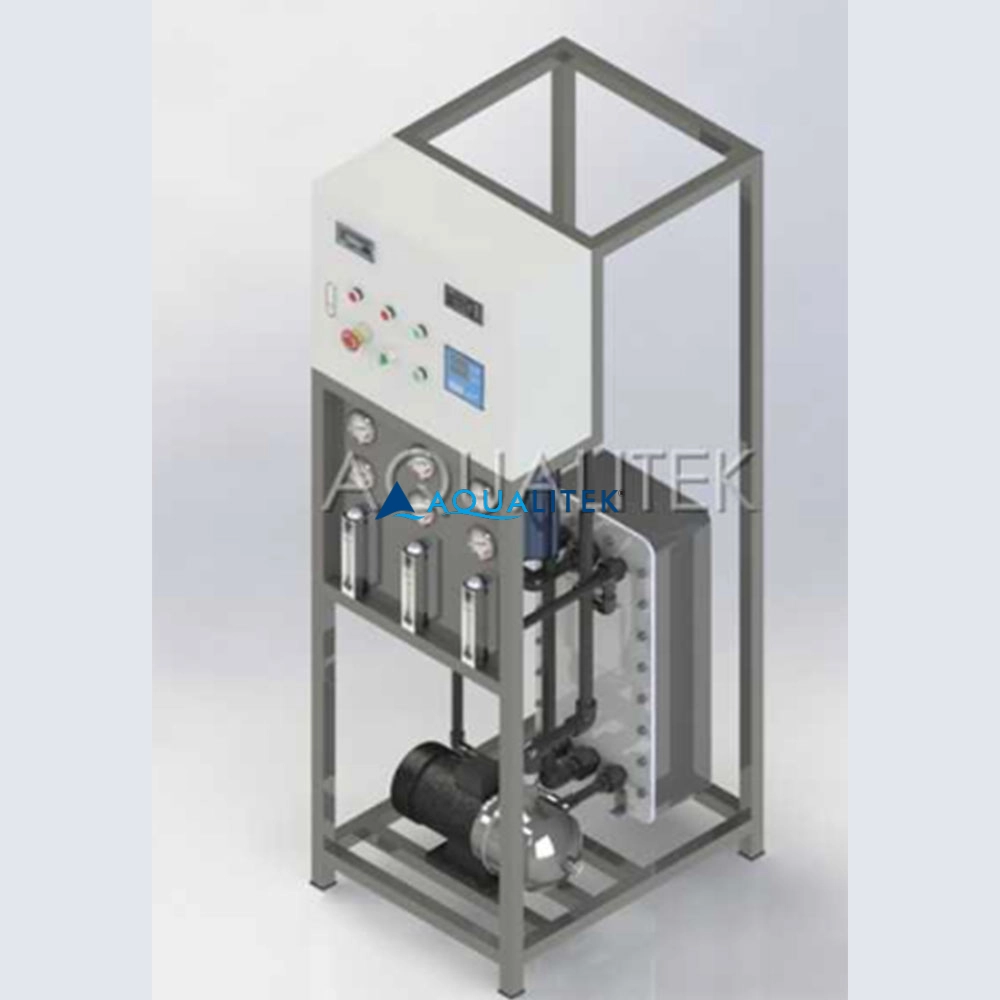
Electrodeionization Systems to Get UltraPure Water
Electrodeionization (EDI) system is an advanced water purification technology that combines ion exchange and electrochemical processes to produce ultra-pure water. Unlike traditional deionization methods, which rely on chemical regeneration, EDI utilizes electric fields to drive the movement of ions through ion-exchange membranes, effectively removing dissolved salts and other ionic contaminants.
This process is continuous and does not require the use of chemicals for regeneration, making it an environmentally friendly and cost-effective solution for producing high-quality deionized water. EDI systems are widely used in applications requiring ultrapure water, such as in the pharmaceutical, semiconductor, power generation, and biotechnology industries, as well as for laboratory use.
By offering high-purity water without the need for chemical regeneration, EDI systems provide a sustainable, efficient, and reliable alternative to traditional deionization methods, making them an ideal choice for industries where water quality and process control are critical.
Request More Information
Contact us today for product catalogs, customization options, and a free quotation designed for your business needs.
Rest assured that your privacy is important to us, and all information provided will be handled with the utmost confidentiality.
© 2026 AQUALITEK. All rights reserved.
AQUALITEK- Aimee Hoo
AQUALITEK - Aimee Hoo