




Protecting RO Membranes from Chlorine Damage
- Understanding Chlorine Impact on Industrial RO Systems
- How chlorine reacts with RO membrane materials
- Why industrial systems are at special risk
- Signs and early indicators of chlorine attack
- Effective Pretreatment and Monitoring Strategies
- Dechlorination methods: catalytic and chemical
- On-line monitoring: residual chlorine and alarm logic
- Practical monitoring matrix
- Operational Best Practices and Remediation
- Startup and shutdown routines
- Emergency response for accidental chlorine exposure
- Cleaning and recovery procedures
- Design Considerations and the AQUALITEK 4TPH Advantage
- System-level protections integrated into plant design
- How the AQUALITEK 4TPH Industrial Reverse Osmosis Water Purification RO System helps
- Design checklist for specifying an industrial RO for chlorine protection
- References and Further Reading
- FAQ — Protecting RO Membranes from Chlorine Damage
- Q1: What chlorine level is safe for polyamide RO membranes?
- Q2: Can a membrane be recovered after chlorine exposure?
- Q3: Which dechlorination method is best for industrial RO feed?
- Q4: How often should chlorine monitors be calibrated?
- Q5: Is there a quick checklist if I suspect chlorine reached the RO?
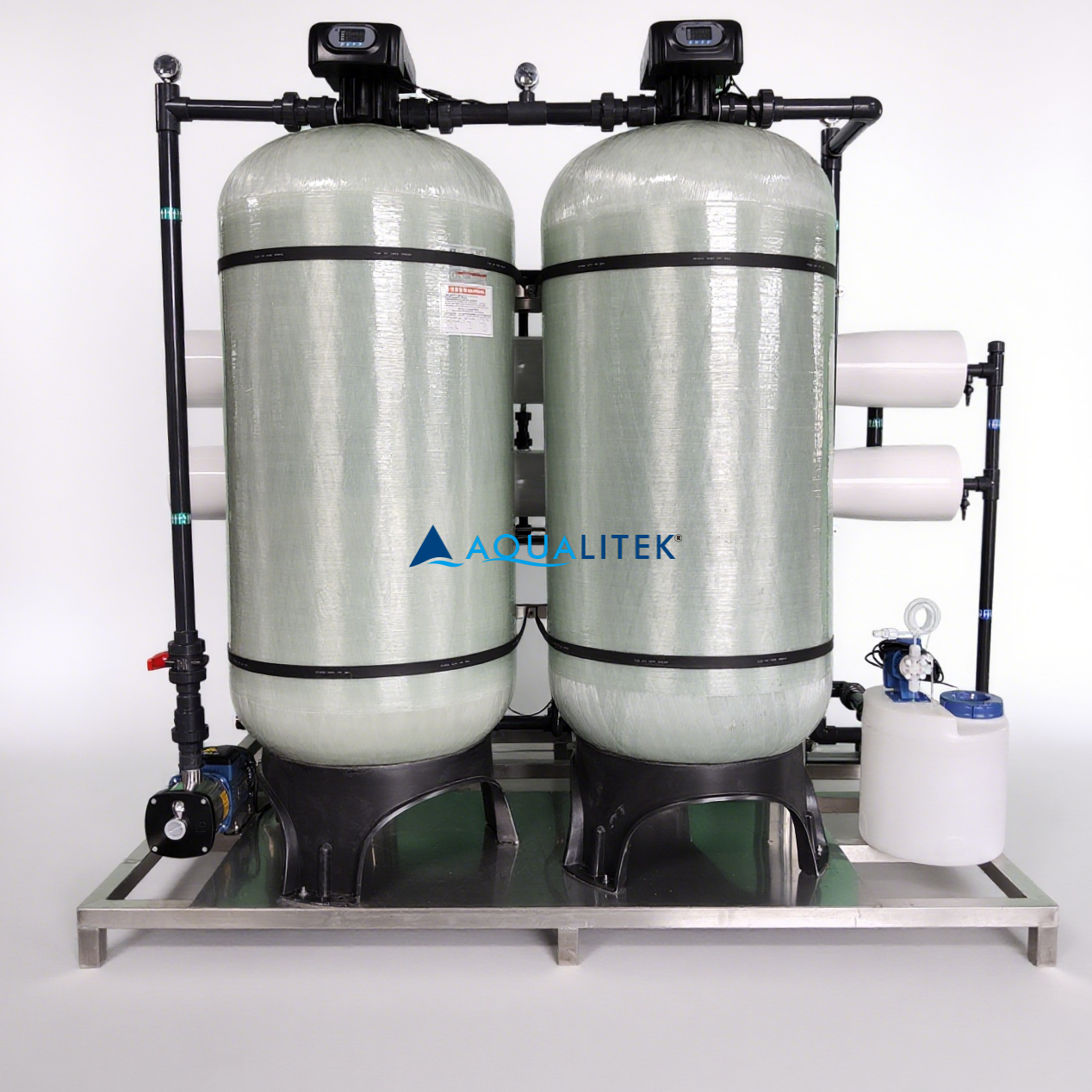
Chlorine is widely used for disinfection across water systems, but even low residuals can rapidly degrade polyamide reverse osmosis membranes used in industrial reverse osmosis applications. This article explains why chlorine damages RO membranes, how to prevent exposure in manufacturing and processing environments, and practical, cost-effective strategies—including monitoring, chemical dosing, and pretreatment—for protecting membranes in systems such as the AQUALITEK 4TPH Industrial Reverse Osmosis Water Purification RO System. The guidance below balances operational reliability, membrane life-cycle costs, and water quality requirements for electronic component cleaning and other sensitive industrial uses.
Understanding Chlorine Impact on Industrial RO Systems
How chlorine reacts with RO membrane materials
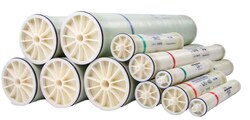
Most modern industrial reverse osmosis membranes are thin-film composite (TFC) polyamide membranes because of their high salt rejection and flux. However, free chlorine (hypochlorous acid HOCl and hypochlorite OCl-) attacks the polyamide active layer by chlorination and oxidative cleavage of amide bonds, causing loss of salt rejection and increased permeability (compaction and pore formation). This is well-documented in membrane literature and operational guidance. For a technical overview of reverse osmosis principles, see the Reverse Osmosis entry at Wikipedia.
Why industrial systems are at special risk
Industrial reverse osmosis systems, like those used for electronic component cleaning water, often treat raw feeds with variable source water, intermittent dosing points, or upstream disinfection for bio-control. These factors increase the chance of accidental chlorine breakthrough to the RO feed. Additionally, higher operating pressures and long run-times amplify the operational impact when membrane integrity is compromised, which raises operating costs and risks to product quality.
Signs and early indicators of chlorine attack
Operational indicators include a sudden drop in salt rejection (increased conductivity or resistivity in permeate), rising normalized permeate flow followed by decline, changes in differential pressure patterns, or rapid decreases in product quality for sensitive applications. Routine membrane integrity checks and permeate quality monitoring allow early detection and reduce permanent damage.
Effective Pretreatment and Monitoring Strategies
Dechlorination methods: catalytic and chemical
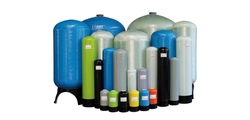
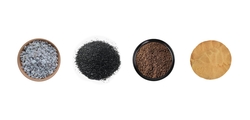
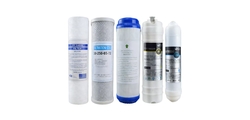
The two primary dechlorination approaches ahead of RO membranes are chemical reductants (commonly sodium bisulfite, also called sodium metabisulfite in some dosing practices) and catalytic carbon adsorption (activated carbon). Chemical dosing ensures immediate reduction of free chlorine but requires correct dosing control and mixing. Granular activated carbon (GAC) provides a passive, reliable barrier that can handle fluctuating chlorine loads but needs periodic changeout and backwashing schedules. Many industrial plants use a combination: GAC for bulk removal and a small bisulfite polish dose for spikes.
On-line monitoring: residual chlorine and alarm logic
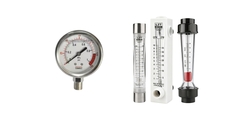
Install continuous free chlorine analyzers upstream of the RO feed and incorporate automatic shutdown or diversion logic if residuals exceed a safe threshold (typically <0.1 mg/L free chlorine for polyamide membranes; many operators target <0.02 mg/L for safety). Alarms should trigger both mechanical isolation (automatic valves) and process notifications. Redundancy—dual sensors and periodic field validation—is recommended for mission-critical plants.1
Practical monitoring matrix
Below is a concise comparison of common monitoring and pretreatment elements to protect industrial reverse osmosis membranes.
| Measure | Strengths | Limitations | Recommended for AQUALITEK 4TPH? |
|---|---|---|---|
| Granular Activated Carbon (GAC) | Passive, reliable for bulk chlorine removal; no chemical storage | Requires changeout/regeneration; pressure drop; footprint | Yes (primary barrier) |
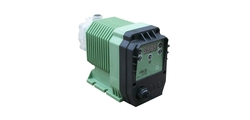
| Sodium Metabisulfite Dosing | Fast response to spikes; low capital | Needs safe storage and dosing control; overdosing affects COD | Yes (polish/backup) |
| Online Free Chlorine Analyzer | Immediate detection; enables automated shutdown | Sensor drift, maintenance required | Yes (mandatory) |
Operational Best Practices and Remediation
Startup and shutdown routines
Implement strict startup and shutdown SOPs that isolate RO membranes whenever upstream processes involve chlorination. Purge lines and verify zero chlorine before introducing feed to the RO. Include checklist items: verify GAC integrity, confirm analyzer calibration, and ensure dosing pumps are off or set to safety limits.
Emergency response for accidental chlorine exposure
If the RO is exposed to measurable free chlorine, immediate steps reduce irreversible damage: stop feed, isolate the affected membrane trains, and perform an immediate chemical neutralization rinse (sodium bisulfite solution at controlled dose). After neutralization, follow with an extended clean-in-place (CIP) sequence suited for oxidation damage (consult membrane manufacturer). Note that some chlorinated damage is irreversible—prompt action improves the chance of recovery.
Cleaning and recovery procedures
CIP formulations for chlorine-exposed polyamide membranes typically begin with bisulfite neutralization, followed by detergents to remove organic breakdown products, and finished with acid/base cycles as recommended by the membrane supplier. For evidence-based cleaning protocols and membrane life extension strategies, industry guidance from associations like the American Water Works Association (AWWA) and standards from testing bodies such as NSF International are useful references.
Design Considerations and the AQUALITEK 4TPH Advantage
System-level protections integrated into plant design
Designing protection into the industrial reverse osmosis train includes: redundant GAC vessels (lead-lag configuration), automatic bypass interlocks, continuous residual monitoring, and easy-access sample points. For high-value process water (e.g., electronic cleaning), include permeate conductivity sensors and reject recirculation monitoring to detect early membrane breach.
How the AQUALITEK 4TPH Industrial Reverse Osmosis Water Purification RO System helps
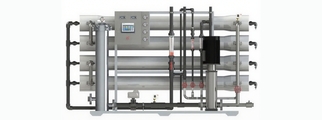
AQUALITEK 4TPH Industrial Reverse Osmosis Water Purification RO System, high-efficiency industrial-grade RO water treatment plant for manufacturing & processing, commercial reverse osmosis filtration system ideal for electronic component cleaning water use.
The AQUALITEK 4TPH is engineered with space and controls to accept GAC prefilters, integrated residual chlorine monitoring points, and PLC logic for automatic shutdown or diversion. Its modular design simplifies CIP routing and reduces downtime when maintenance or emergency neutralization is required. For manufacturers needing consistent high-purity water with minimized membrane replacement costs, these system-level safeguards materially improve lifecycle economics.
Design checklist for specifying an industrial RO for chlorine protection
- Confirm feed water disinfection points and potential for chlorine spikes.
- Specify lead-lag GAC with pressure and breakthrough alarms.
- Require continuous free chlorine analyzer with automated interlocks.
- Include accessible ports and manifolds for rapid neutralization and CIP.
- Plan spare membrane inventory and a recovery procedure aligned with supplier guidance.
References and Further Reading
Selected authoritative sources referenced for technical background and best practices:
- Reverse Osmosis — Wikipedia (overview of RO principles and materials)
- WHO Guidelines for Drinking-water Quality (international water quality management guidance)
- NSF International — Reverse Osmosis basics and considerations
- ScienceDirect — Chlorine and membrane oxidation literature (technical articles on chlorine effects)
FAQ — Protecting RO Membranes from Chlorine Damage
Q1: What chlorine level is safe for polyamide RO membranes?
A1: Polyamide thin-film composite membranes are sensitive to free chlorine; operators typically target residuals below 0.1 mg/L, and many processes set alarms at 0.02–0.05 mg/L to provide additional safety margin. Exact tolerances depend on membrane formulation—always consult the membrane supplier's specifications.
Q2: Can a membrane be recovered after chlorine exposure?
A2: Early neutralization and correctly sequenced CIP may restore some performance if exposure was limited. However, oxidative cleavage can cause irreversible damage; timely action improves recovery prospects. For irreversible damage, membrane element replacement will be required.
Q3: Which dechlorination method is best for industrial RO feed?
A3: A combination of granular activated carbon (primary removal) and a small, controlled sodium metabisulfite polish dose is often best for variable source water. Continuous monitoring and redundancy minimize risks of breakthrough.
Q4: How often should chlorine monitors be calibrated?
A4: Calibrate online free chlorine sensors at least monthly, with routine zero/span checks weekly or per manufacturer's guidance. Maintain a calibration log and implement dual-sensor setups for critical systems.
Q5: Is there a quick checklist if I suspect chlorine reached the RO?
A5: Yes — (1) Stop feed and isolate the RO train, (2) Confirm residual with a portable meter, (3) Neutralize with sodium bisulfite rinse if residual present, (4) Initiate CIP per membrane vendor guidance, (5) Monitor permeate conductivity and membrane rejection over the next runs, (6) Replace elements if recovery is insufficient.
For specific cleaning procedures, consult your membrane manufacturer and the AQUALITEK technical support team.
Contact & Product Info: To discuss protecting membranes in your plant or to view specifications for the AQUALITEK 4TPH Industrial Reverse Osmosis Water Purification RO System, please contact our sales and technical team. View product details or request a quote and on-site assessment to tailor pretreatment and monitoring solutions for your industrial reverse osmosis system.
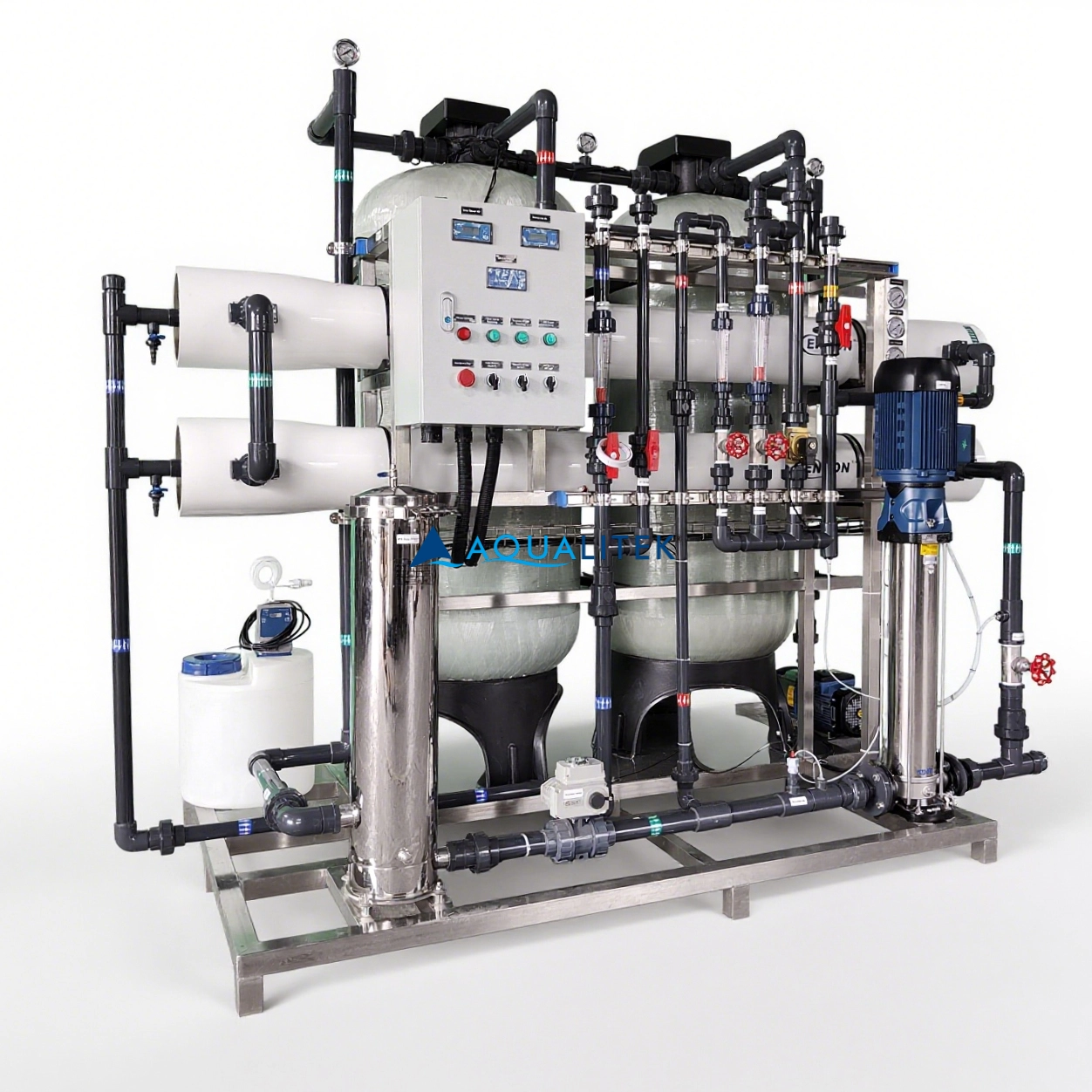
Skid-Mounted RO Systems: Benefits and Design Tips
Top 10 water softener system Manufacturers and Supplier Brands
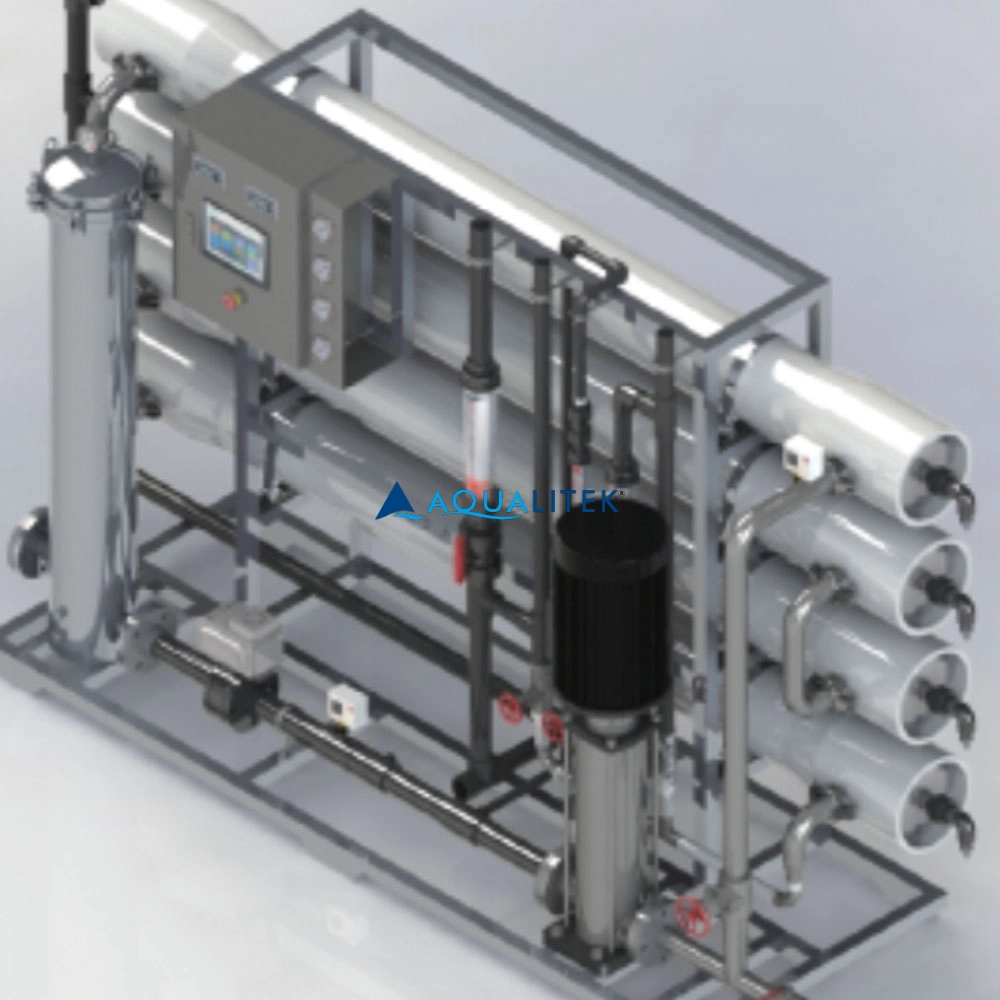
Troubleshooting BWRO BWE Systems: Solving Well Water Issues
Design considerations for industrial carbon filtration systems
Ion Exchange Water Treatment Systems
How often is regeneration needed?
It depends on water quality and usage. Most systems regenerate every few days to a week under normal loads.
Membrane Water Treatment Systems
Can your membrane systems treat seawater?
Yes. Our seawater RO systems are designed to handle high salinity with corrosion-resistant materials and energy recovery devices.
FAQ-aqualitek
How often should I replace filters and membranes?
Filter and membrane lifespan depends on water quality, usage, and system type. General guidelines:
1. Sediment & Carbon Filters: Replace every 6–12 months.
2. RO Membranes: Replace every 2–3 years, depending on water conditions.
3. UF/NF Membranes: Replace every 1–2 years.
Regular maintenance ensures optimal performance and water quality.
Water Filters
How do I choose between a media filter and a micron filter?
Media filters are ideal for high-volume solids removal and can be backwashed. Micron filters offer precise filtration for fine particles and are best for polishing applications.
Solutions
Can AQT provide custom water treatment solutions?
Yes! We specialize in OEM/ODM water treatment solutions and can design custom filtration systems tailored to your business, industry, or brand requirements. Our team can assist with system design, branding, private labeling, and technical support.
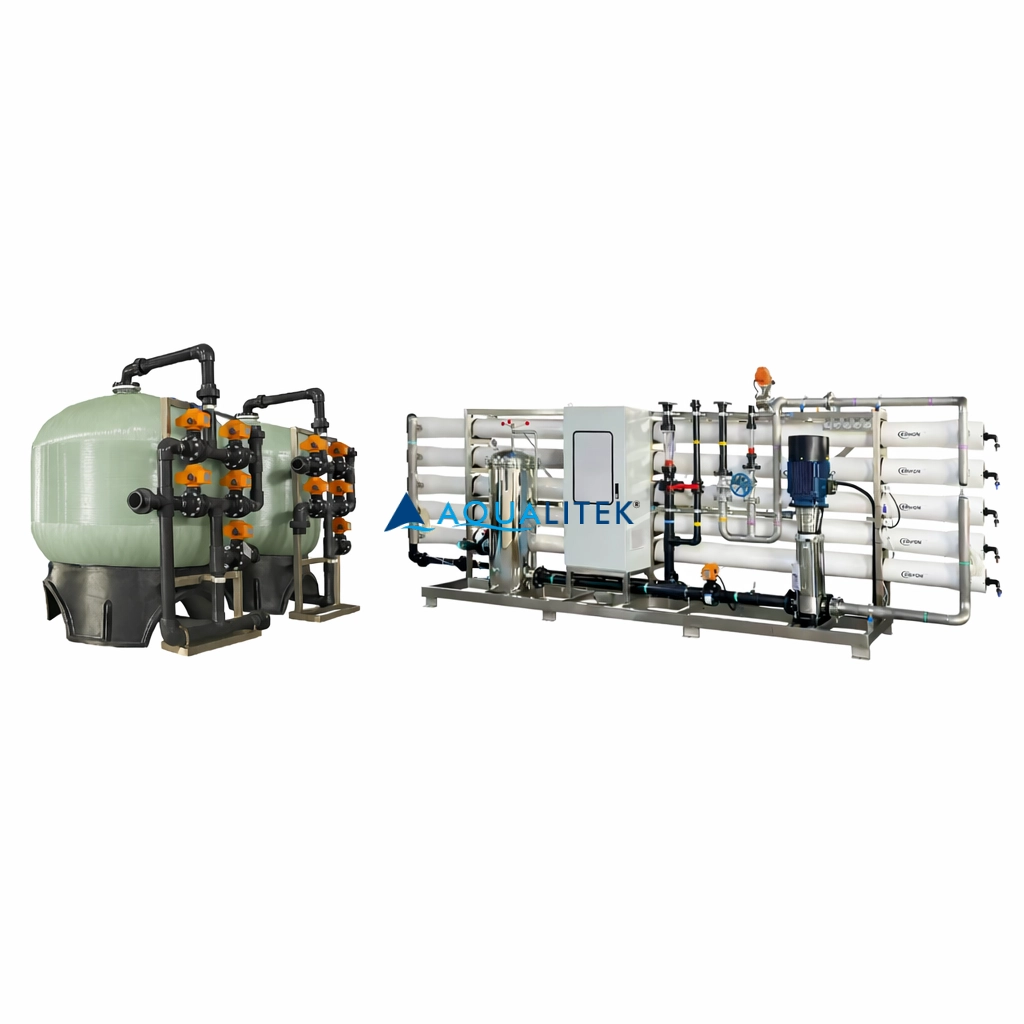
30TPH Industrial Reverse Osmosis (RO) System
30TPH Industrial Reverse Osmosis (RO) System designed for industrial and municipal water treatment. High salt rejection, energy-efficient design, PLC control, and customizable configuration.
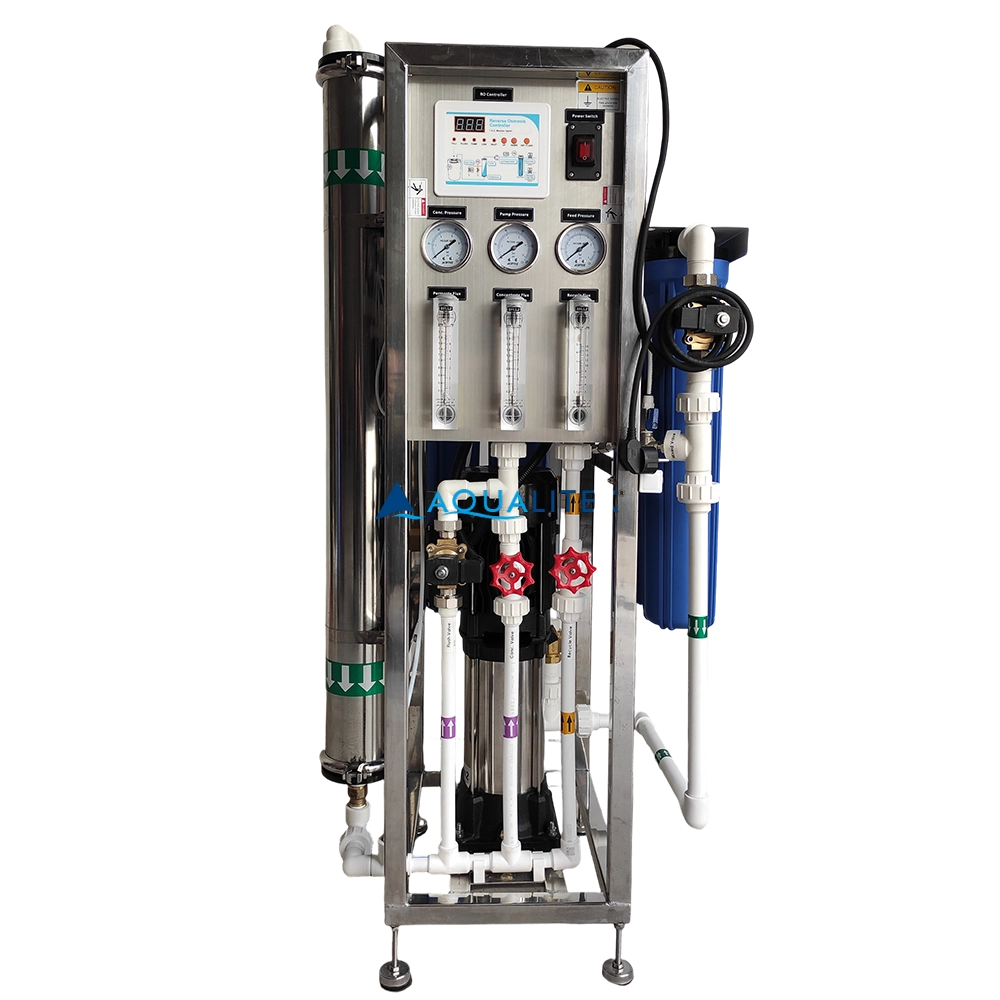
500 LPH Reverse Osmosis (RO) Water Purification Machine TWV - 412
Our 500 LPH Reverse Osmosis (RO) System is engineered to provide high-quality purified water for commercial applications. Designed with advanced RO technology, durable components, and a user-friendly interface, this system ensures consistent performance, low maintenance, and long-term reliability.
With its compact design and robust skid-mounted frame, it’s an excellent choice for businesses that demand efficiency and quality in water purification.
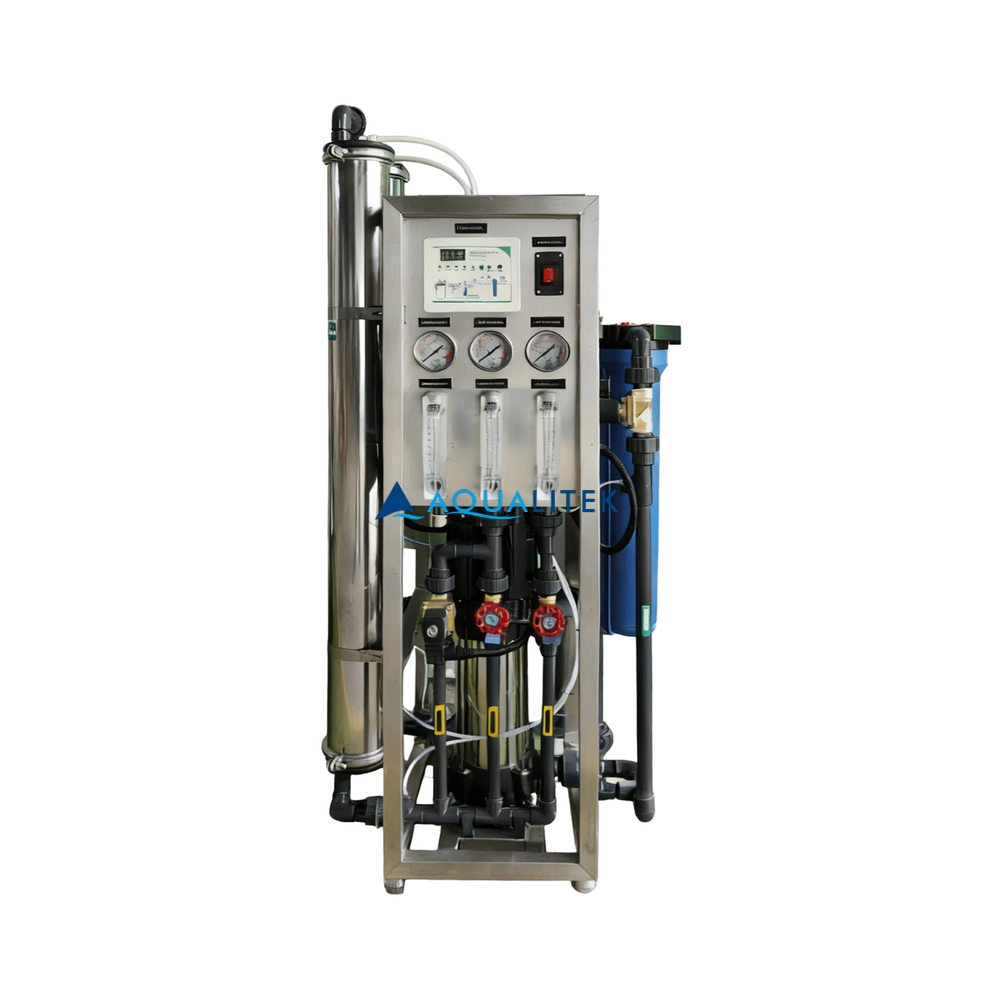
Tap Water Reverse Osmosis (TWRO) Systems TWV Series
TWV series Reverse Osmosis (RO) systems are pre-engineered and pre-assembled units with 2.5”/4” membrane housings(single element type)for tap water(lower TDS).They are designed for overall superior performance, high recovery rates and offer great savings with low maintenance and operation costs.
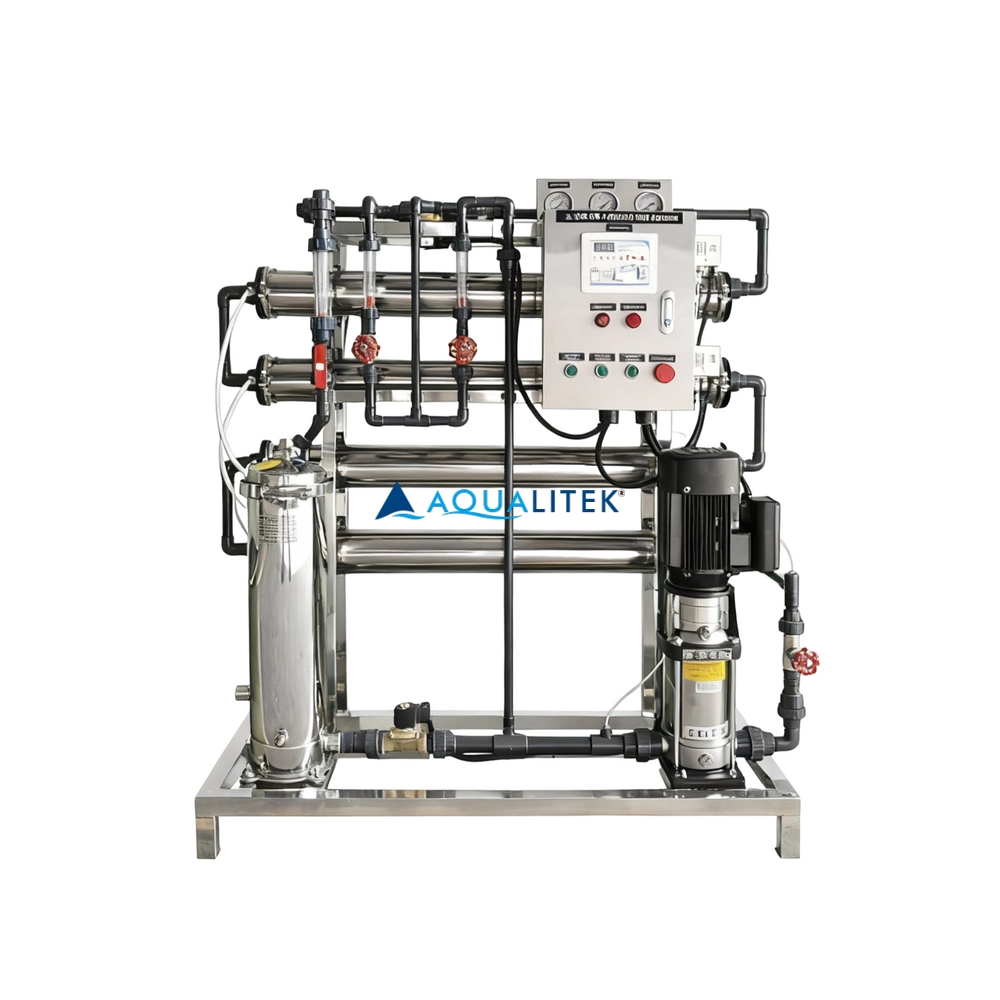
Tap Water Reverse Osmosis (TWRO) Systems TWF Series
TWF series Reverse Osmosis (RO) systems are pre-engineered and pre-assembled units with 4” membrane housings(multiple elements type) for tap water(lower TDS) .The medium large volumes can help meet your a variety of commercial and industrial applications. They are designed for overall superior performance, high recovery rates and offer great savings with low maintenance and operation costs.
Request More Information
Contact us today for product catalogs, customization options, and a free quotation designed for your business needs.
Rest assured that your privacy is important to us, and all information provided will be handled with the utmost confidentiality.
© 2026 AQUALITEK. All rights reserved.
AQUALITEK- Aimee Hoo
AQUALITEK - Aimee Hoo