



Lifecycle Considerations for Industrial RO Systems
- Design & Siting: Foundations of Longevity
- Match system capacity and recovery to process needs
- Pretreatment strategy to prevent membrane fouling
- Siting, hydraulics and energy efficiency
- Operation & Maintenance: Maximizing Uptime and Performance
- Routine monitoring and instrument selection
- Cleaning-in-place (CIP) and fouling management
- Consumables, spare parts and membrane replacement planning
- Economics & Lifecycle Costing
- Total cost of ownership (TCO) framework
- Strategies to reduce lifecycle costs
- Performance guarantees and validation
- Regulatory, Environmental & End-of-Life Considerations
- Compliance with water quality and safety requirements
- Brine management and environmental impact
- Responsible decommissioning and recycling
- FAQ — Lifecycle Considerations for Industrial RO Systems
- How often should RO membranes be replaced?
- What is the biggest cause of premature RO failure?
- Can I increase recovery without damaging membranes?
- How do I choose between in-house maintenance and OEM service contracts?
- What monitoring metrics are essential for lifecycle management?

This summary provides -friendly, concise context: industrial reverse osmosis (RO) systems are critical assets in manufacturing and processing facilities where consistent high-purity water is required. Effective lifecycle management—from proper design and pretreatment selection to operation, monitoring, preventive maintenance and responsible disposal—reduces downtime, lowers operating costs, and delivers stable permeate quality for applications such as electronic component cleaning and critical process rinses.
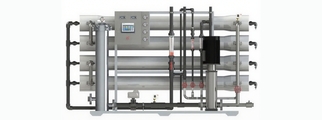
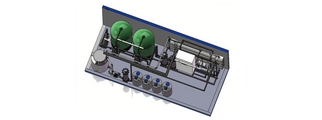
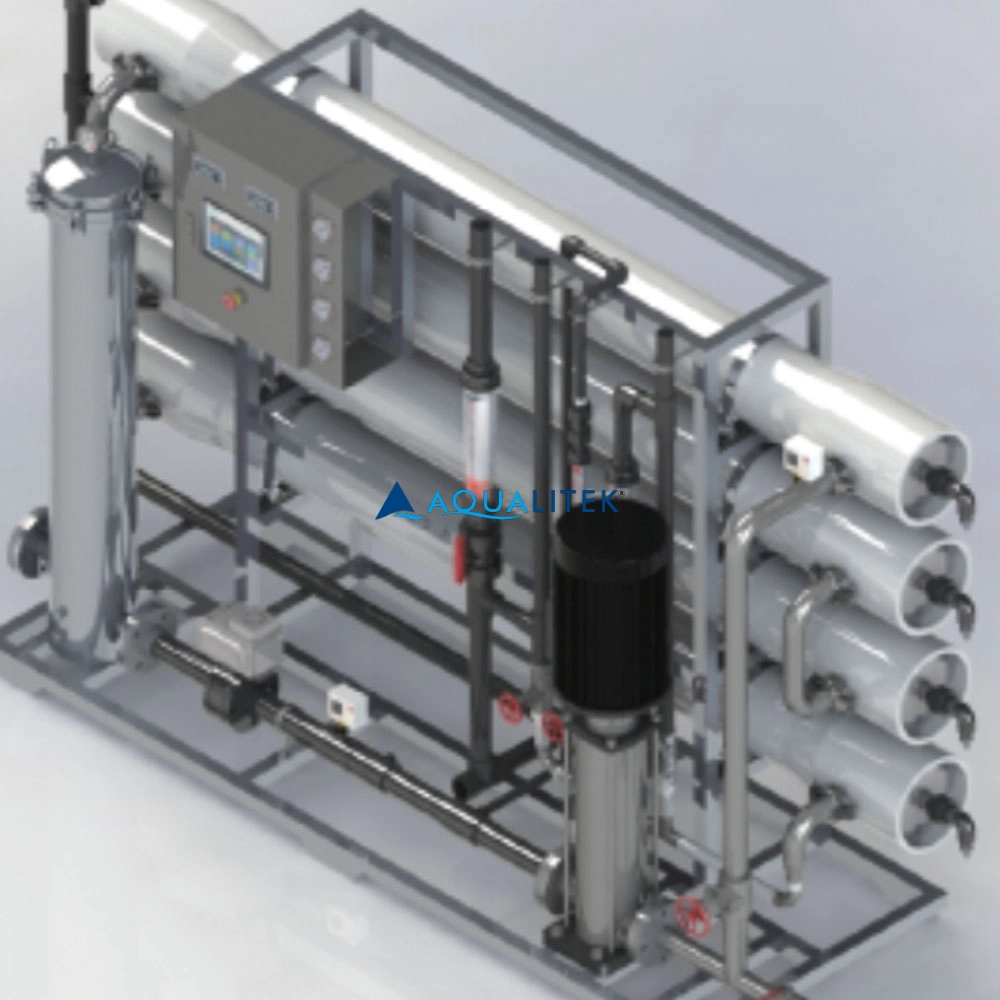
AQUALITEK 4TPH Industrial Reverse Osmosis Water Purification RO System, high-efficiency industrial-grade RO water treatment plant for manufacturing & processing, commercial reverse osmosis filtration system ideal for electronic component cleaning water use.
Design & Siting: Foundations of Longevity
Match system capacity and recovery to process needs
Selecting the right industrial reverse osmosis unit starts with accurate definition of permeate demand (peak and average), feedwater quality (TDS, hardness, silica, organics, iron/manganese), and acceptable permeate specifications (conductivity, TOC). Over- or under-sizing can cause inefficiency: an oversized system increases capital cost and footprint while undersized units run near capacity limits, accelerating membrane wear. The AQUALITEK 4TPH unit is designed for steady-state manufacturing flows around 4 tons per hour; confirm application-specific duty cycles such as continuous rinsing or batch cleaning to determine if single or skid-mounted multiple units are preferable.
Pretreatment strategy to prevent membrane fouling
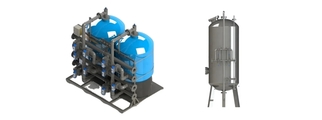
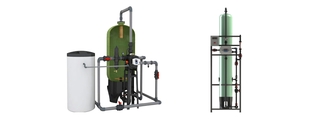
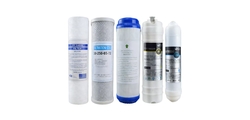
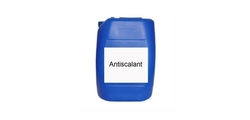
Pretreatment is the most important lifecycle determinant for industrial RO. Effective pretreatment lowers fouling/scaling risk, reduces cleaning frequency, and extends membrane life. Typical pretreatment components include multimedia/rapid sand filtration, water softening (ion exchange), cartridge filtration (5–1 µm), antiscalant dosing, and pH adjustment. For feedwaters with high organics or biofouling potential, consider ultrafiltration (UF) or advanced oxidation presteps. Industry standards and guidance such as the Water Quality Association provide useful background on reverse osmosis system considerations (WQA: Reverse Osmosis).
Siting, hydraulics and energy efficiency
Siting affects maintenance access, chemical storage, and brine handling. Position high-service pumps, pressure vessels, and CIP manifolds to limit piping complexity and dead legs. Pay attention to system recovery targets: higher recovery reduces wastewater but typically increases scaling risk and energy use per unit product water. Evaluate energy recovery devices for very large installations; for mid-sized units like 4TPH, efficient high-pressure pumps and variable-speed drives minimize energy cost without complex recovery equipment.
Operation & Maintenance: Maximizing Uptime and Performance
Routine monitoring and instrument selection
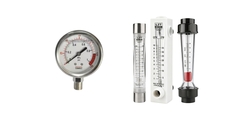
Effective lifecycle management depends on continuous monitoring of key performance indicators: feed and permeate conductivity, differential pressure across cartridges and membranes, normalized permeate flow, recovery rate, and chemical dosing rates. Employ online conductivity meters with automatic logging and alarms to detect early signs of membrane breach or feedwater changes. Where required by process criticality, integrate PLC/SCADA for trending and remote alerts. WHO and other agencies highlight the importance of monitoring to ensure safe water delivery in treatment systems (WHO guidelines).
Cleaning-in-place (CIP) and fouling management
A planned CIP strategy extends membrane life and restores performance without excessive downtime. Build a CIP schedule based on differential pressure and normalized flux decline rather than fixed time intervals alone. Typical cleaning uses alkaline detergents for organic fouling, acidic cleaners for scaling, and oxidizing agents cautiously for biofouling . Record CIP chemical types, volumes, temperatures, and durations; correlate with performance recovery to refine intervals.
Consumables, spare parts and membrane replacement planning
Cartridge filters, antiscalant, and membranes are recurrent lifecycle cost drivers. Cartridge filters are typically replaced monthly-to-quarterly depending on feed quality. Membrane life varies widely (2–7 years) depending on operating conditions; plan inventory for at least critical spares (a membrane element and pump seals) to reduce downtime. Establish vendor service agreements that include rapid supply of certified replacement membranes and validated start-up procedures.
Economics & Lifecycle Costing
Total cost of ownership (TCO) framework
TCO for industrial RO should include capital expenditure (CapEx), operating expenditure (OpEx), maintenance labor, consumables, energy, waste disposal (brine), and end-of-life costs (membrane disposal/recycling). A lifecycle cost model helps compare alternatives such as higher-efficiency pumps versus lower initial cost options. Below is a simplified comparative table showing typical contributors and approximate ranges (percent of lifecycle cost over 10 years) for mid-sized industrial RO plants.
| Cost Category | Typical % of 10-year TCO | Notes |
|---|---|---|
| Capital Equipment (skid, membranes, vessels) | 20–35% | Higher for turnkey, lower for modular self-install |
| Energy (pumps, controls) | 25–40% | Depends on recovery, feedwater salinity, pump efficiency |
| Consumables & Chemicals | 10–20% | Cartridges, antiscalant, cleaning agents |
| Maintenance & Labor | 10–20% | Includes planned CIP and unscheduled repairs |
| Waste disposal / Brine handling | 5–10% | Local regulations and disposal method affect cost |
Strategies to reduce lifecycle costs
Key levers to reduce TCO include: improved pretreatment to reduce membrane fouling, higher-efficiency pumps and VFDs to cut energy use, optimized recovery to balance water reuse and scaling risk, and regular predictive maintenance to avoid catastrophic failures. Many manufacturers offer service packages that can lower unplanned downtime and provide predictable annual costs.
Performance guarantees and validation
Negotiate performance guarantees with suppliers that specify permeate quality, recovery, and energy consumption under defined feedwater conditions. Validate delivered performance against these guarantees during commissioning. Standards and best practices from industry organizations such as the International Water Association (IWA) can support evaluation of operational performance (IWA).
Regulatory, Environmental & End-of-Life Considerations
Compliance with water quality and safety requirements
For industrial applications — especially electronic component cleaning — permeate must meet tight conductivity and particulate limits. Refer to applicable regulations and guidance for process water quality. While RO-treated process water in manufacturing is not always covered by drinking water regulations, referencing standards like those from WHO or national agencies helps define testing frequency and alarm thresholds (Reverse osmosis overview).
Brine management and environmental impact
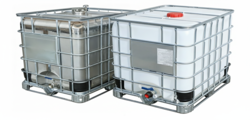
Brine disposal from industrial RO can be an environmental and regulatory concern. Options include controlled discharge to sewer (where permitted), evaporation, deep well injection (site-specific), or concentration for further treatment. Consider water reuse strategies and zero-liquid discharge (ZLD) for facilities with strict discharge limits—though these increase CapEx and OpEx. Ensure disposal methods comply with local environmental agencies like the EPA where applicable (EPA resources).
Responsible decommissioning and recycling
At end-of-life, membranes and polymer-based components should be handled according to waste regulations. Some membrane manufacturers provide take-back or recycling programs. Document disposal and, if possible, reuse options for less-contaminated components to reduce environmental footprint and comply with local waste management rules.
FAQ — Lifecycle Considerations for Industrial RO Systems
How often should RO membranes be replaced?
Typical membrane life is 2–7 years depending on feedwater quality, pretreatment effectiveness, operating pressures, and cleaning rigor. Track performance metrics (normalized permeate flow, differential pressure, salt rejection) to determine replacement timing rather than relying on a fixed schedule.
What is the biggest cause of premature RO failure?
Poor pretreatment leading to scaling and fouling is the most common cause. Inadequate chemical control, sudden feedwater composition changes, and mechanical damage during operation also contribute. Implementing robust pretreatment and real-time monitoring reduces premature failures.
Can I increase recovery without damaging membranes?
Possibly — but higher recovery raises concentration of sparingly soluble salts and increases scaling risk. Use predictive scaling indices, antiscalant dosing optimization, and step tests to safely raise recovery while monitoring transmembrane pressure and permeate quality.
How do I choose between in-house maintenance and OEM service contracts?
Consider in-house skill level, frequency of maintenance needs, downtime cost, and criticality of process water. OEM service contracts provide rapid support and authentic parts; in-house teams offer lower recurring cost if properly trained. A hybrid approach (in-house routine checks with OEM annual inspections) often balances cost and risk.
What monitoring metrics are essential for lifecycle management?
Key metrics: feed/permeate conductivity, normalized permeate flow, recovery rate, feed and permeate temperatures, differential pressures across cartridges and membranes, and chemical dosing rates. Trending these metrics enables predictive maintenance.
For product details or to evaluate how the AQUALITEK 4TPH Industrial Reverse Osmosis Water Purification RO System fits your plant's lifecycle strategy, contact our technical sales team or view the product page:
View product: AQUALITEK 4TPH Industrial Reverse Osmosis Water Purification RO System | Contact Sales
References: WQA (Reverse Osmosis) (WQA); WHO Guidelines for Drinking-water Quality (WHO); IWA (International Water Association) (IWA); Reverse Osmosis overview (Wikipedia); EPA groundwater and drinking water resources (EPA).
Buying Guide: Choosing a Water Purification System in 2025
Selecting the Right BWRO BWE System for Your Well Water Needs
Longevity and Filter Replacement for 500 LPH RO TWV - 412
How Industrial Reverse Osmosis Machines Work 2026
Solutions
Does AQT provide technical support and after-sales service?
Yes! We offer comprehensive technical support, including installation guidance, troubleshooting, spare parts supply, and ongoing maintenance assistance. Our after-sales team is available to ensure your water treatment system operates efficiently.
Can I use AQT’s water treatment systems for seawater desalination?
Yes! We provide seawater desalination systems using advanced reverse osmosis (RO) technology, specifically designed to convert seawater into fresh, drinkable water. These systems are ideal for coastal communities, marine applications, and industrial desalination projects.
FAQ-aqualitek
How do I choose the right water treatment system for my needs?
The choice depends on factors such as water quality, application, flow rate, and purification requirements. Our team of experts can analyze your water source and recommend the most suitable solution for residential, commercial, or industrial applications.
Water Filters
Do you provide replacement parts and consumables?
Yes. We supply cartridges, filter bags, media (sand, carbon, etc.), valve kits, and O-rings for all major systems.
Ion Exchange Water Treatment Systems
What is the difference between softening and deionization?
Softening removes only hardness ions (Ca²⁺, Mg²⁺), while deionization removes both cations and anions to produce high-purity water.
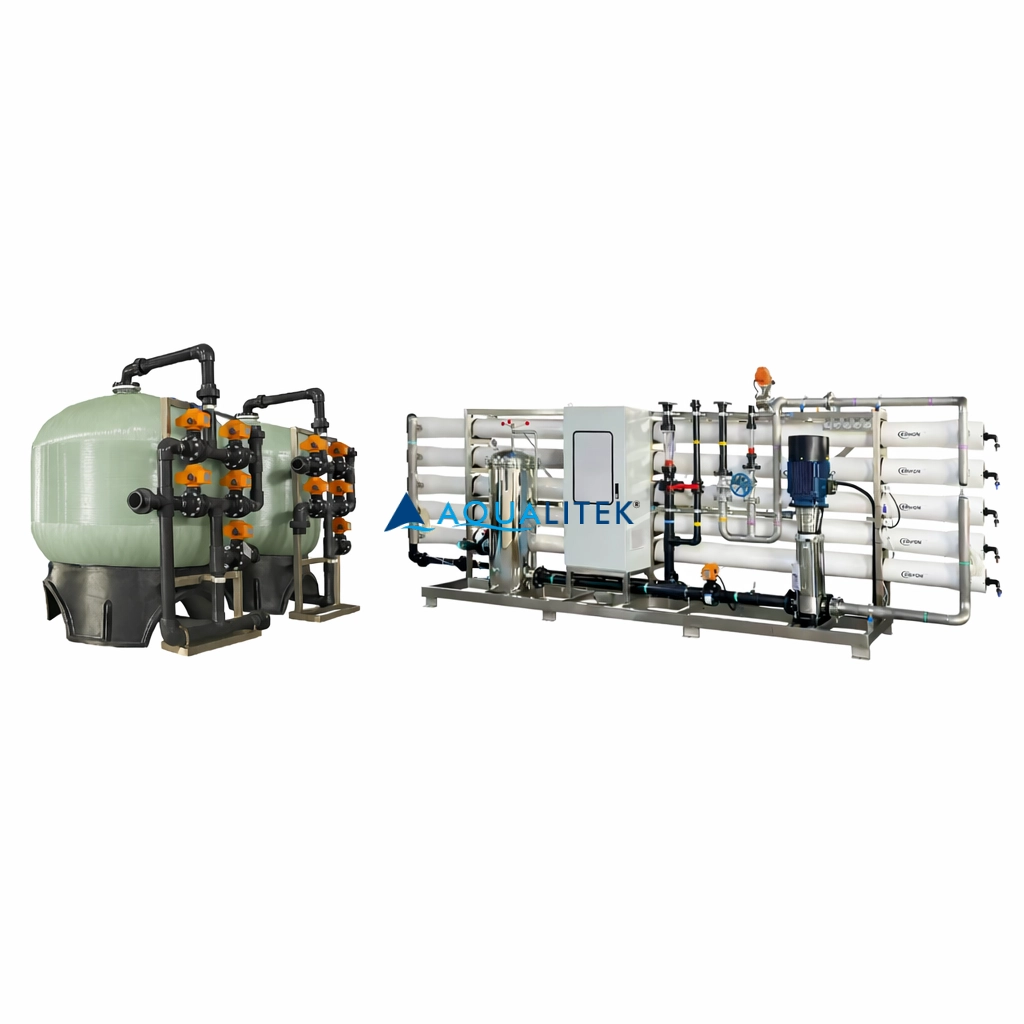
30TPH Industrial Reverse Osmosis (RO) System
30TPH Industrial Reverse Osmosis (RO) System designed for industrial and municipal water treatment. High salt rejection, energy-efficient design, PLC control, and customizable configuration.
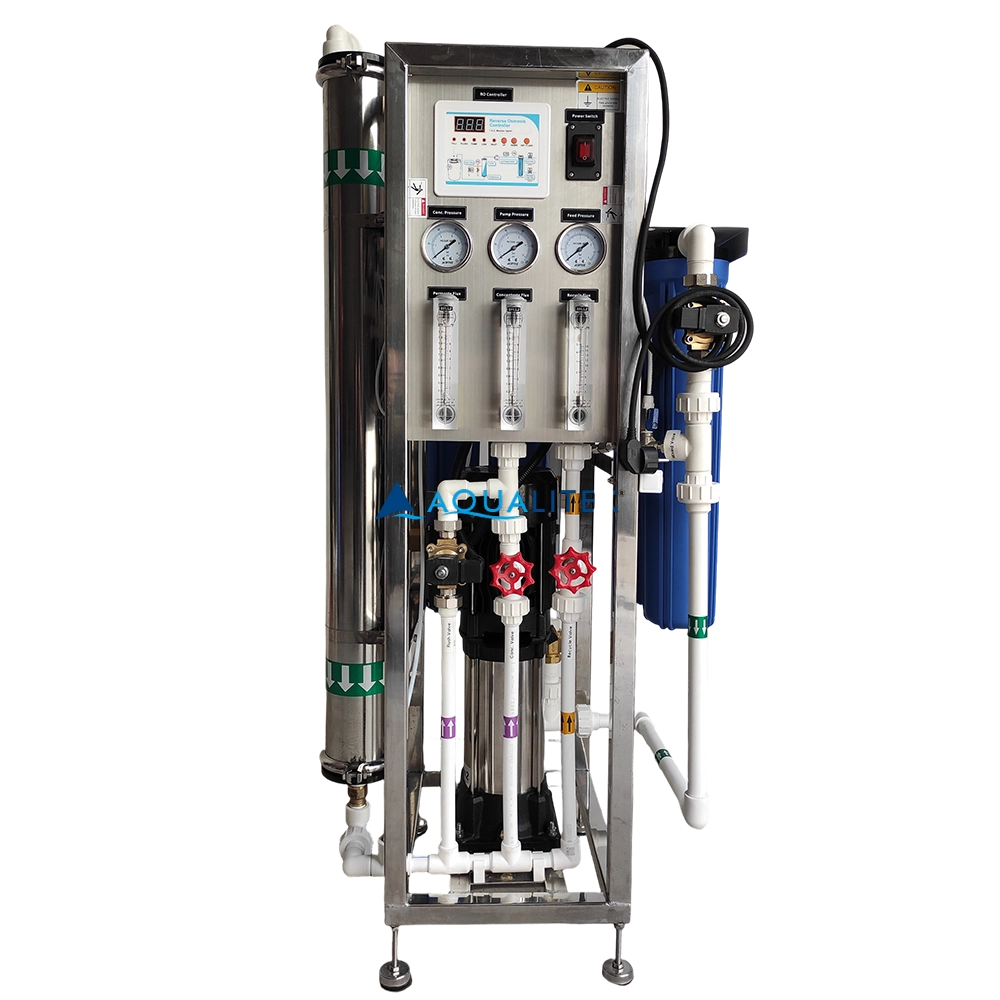
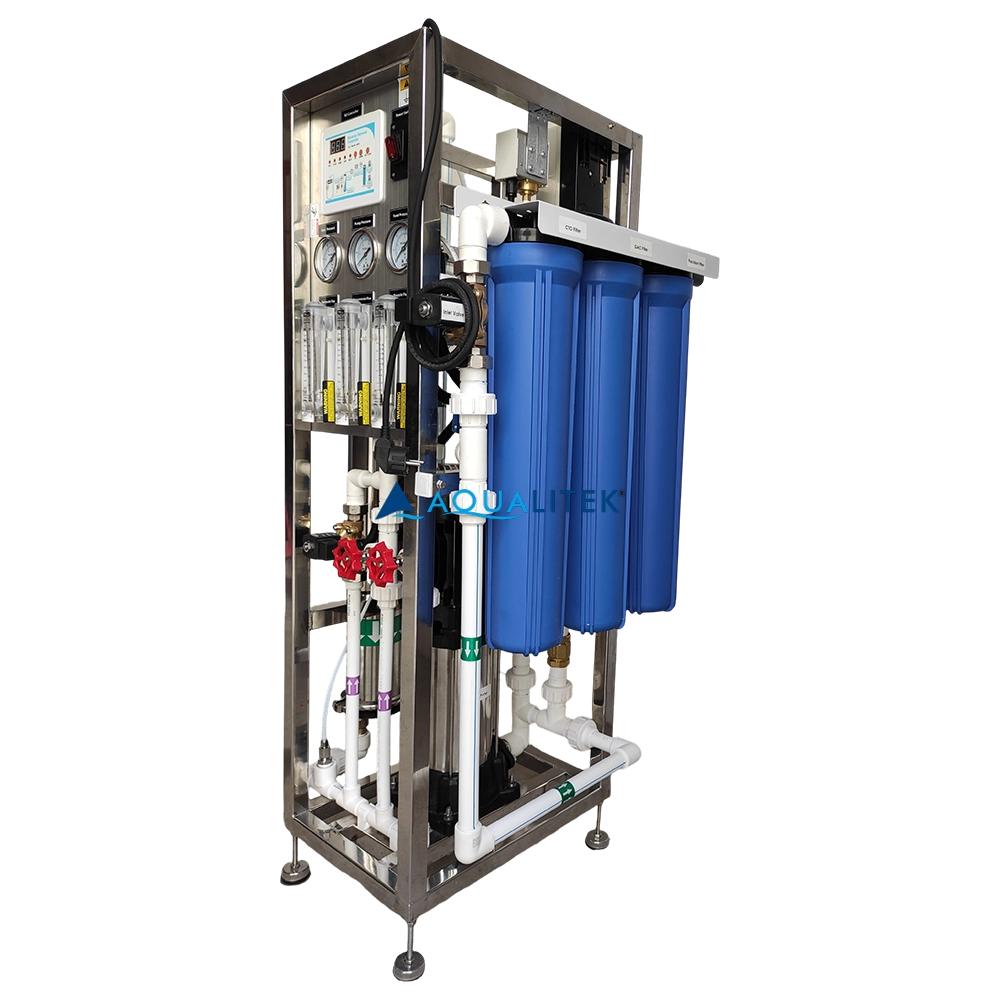
500 LPH Reverse Osmosis (RO) Water Purification Machine TWV - 412
Our 500 LPH Reverse Osmosis (RO) System is engineered to provide high-quality purified water for commercial applications. Designed with advanced RO technology, durable components, and a user-friendly interface, this system ensures consistent performance, low maintenance, and long-term reliability.
With its compact design and robust skid-mounted frame, it’s an excellent choice for businesses that demand efficiency and quality in water purification.
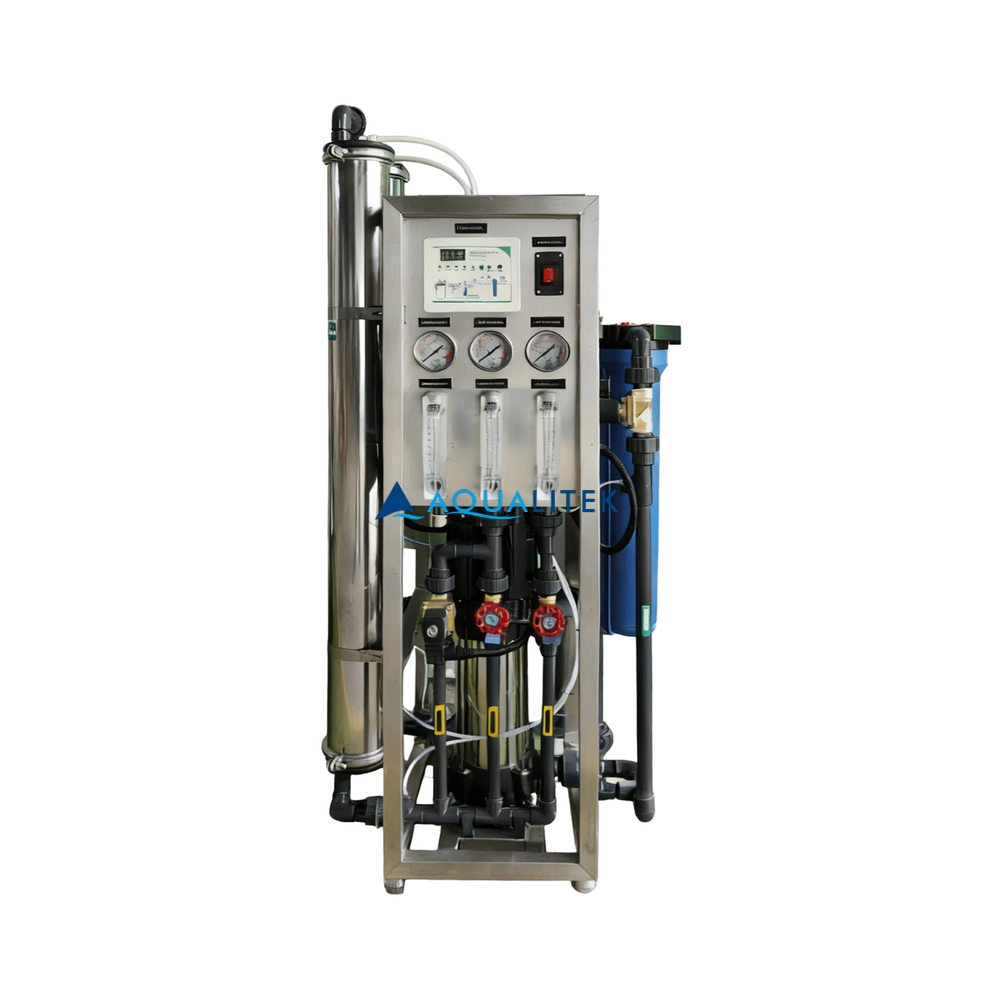
Tap Water Reverse Osmosis (TWRO) Systems TWV Series
TWV series Reverse Osmosis (RO) systems are pre-engineered and pre-assembled units with 2.5”/4” membrane housings(single element type)for tap water(lower TDS).They are designed for overall superior performance, high recovery rates and offer great savings with low maintenance and operation costs.
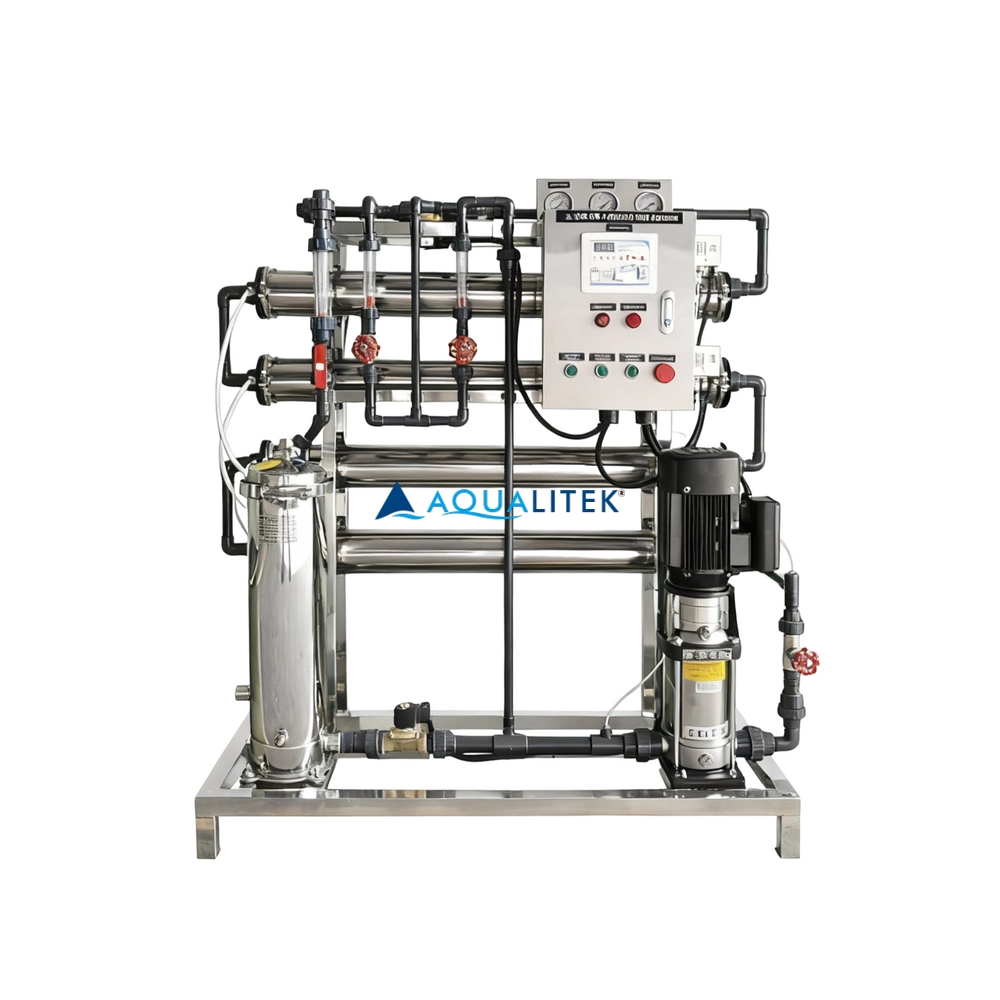
Tap Water Reverse Osmosis (TWRO) Systems TWF Series
TWF series Reverse Osmosis (RO) systems are pre-engineered and pre-assembled units with 4” membrane housings(multiple elements type) for tap water(lower TDS) .The medium large volumes can help meet your a variety of commercial and industrial applications. They are designed for overall superior performance, high recovery rates and offer great savings with low maintenance and operation costs.
Request More Information
Contact us today for product catalogs, customization options, and a free quotation designed for your business needs.
Rest assured that your privacy is important to us, and all information provided will be handled with the utmost confidentiality.
© 2026 AQUALITEK. All rights reserved.
AQUALITEK- Aimee Hoo
AQUALITEK - Aimee Hoo